REVIEW · SIEM REAP
Siem Reap: Angkor Sunrise 2 Days Guided Bike Tour
Book on GetYourGuide →Operated by Siem Reap Private Tour. · Bookable on GetYourGuide
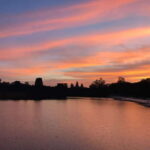
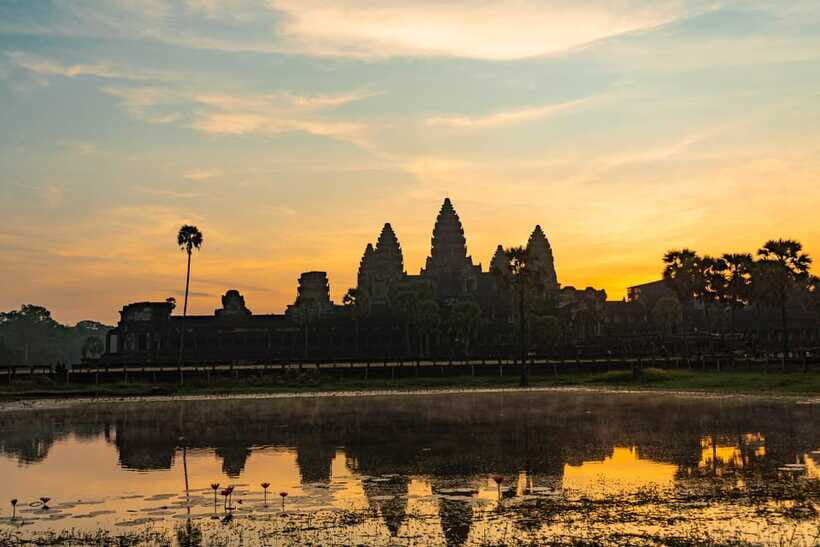
Morning wheels at Angkor Wat start everything. I love the early sunrise setup that gets you watching the light hit the temple while you’re still fresh and calm, and I also love the traditional Cambodian lunch that actually tastes like the region, not just a quick stop. One consideration: day 1 includes off-main-route riding on uneven, sometimes sandy ground, so you’ll want comfortable mountain-bike basics and decent fitness.
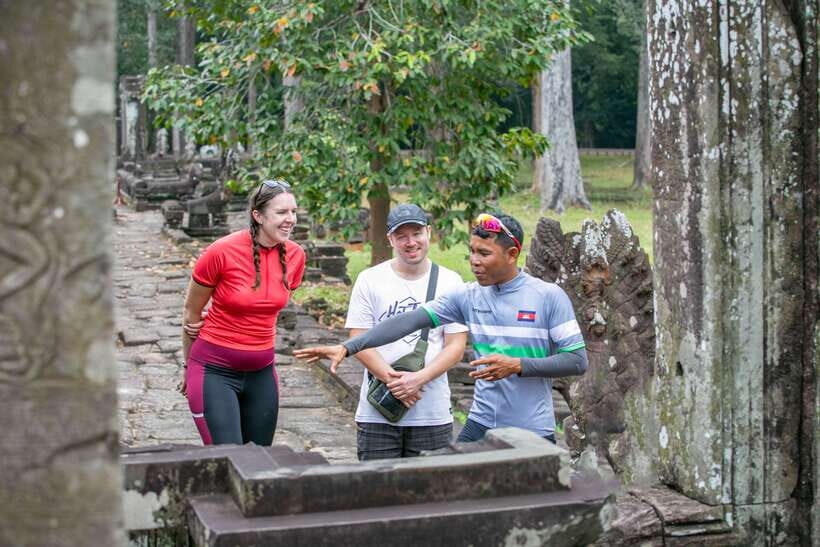
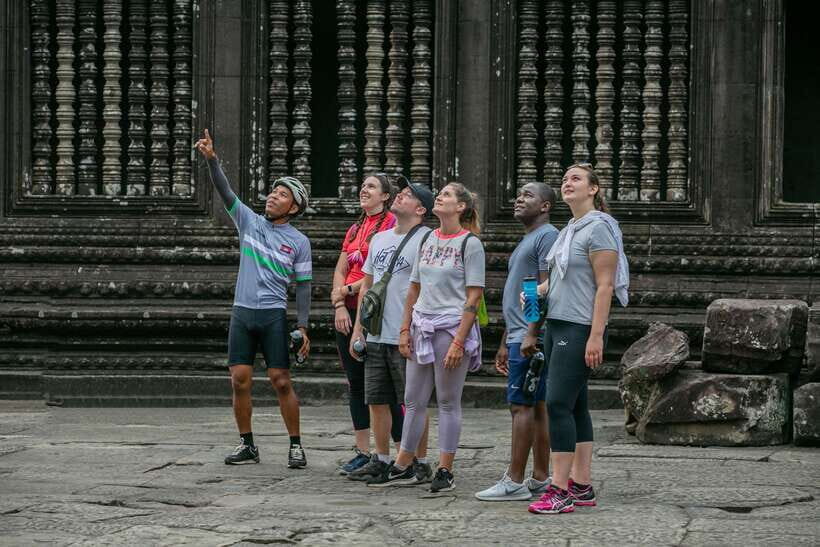
The guides are a big part of the quality. I like that you’ll ride with an English-speaking guide who explains temple symbolism and points out practical photo spots (I’ve seen names like Thy, Bob, Mony, and Tida come up), then switch gears to rice-field backroads on day 2 for villages, farms, and small stops you normally skip.
In This Review
- Key Things That Make This Bike Tour Worth Your Time
- How This Two-Day Format Changes the Angkor Experience
- Day 1: Angkor Wat Sunrise, Breakfast, Then Trails to the Major Temples
- Bike riding behind Angkor Wat (where the quiet starts)
- Angkor Thom and the temple circuit
- A quick reality check on cycling ability
- Lunch and siesta break
- Day 2: Rice Fields, Farms, Markets, and Village Stops by Backroad Bike
- Fruit, snacks, and market time
- Mushroom and lotus farms, plus rice wine distilling
- Handicrafts and Buddhist temples
- The Guides: English Explanations and Practical Support
- What the Biking Feels Like (and Who It Fits Best)
- Day 1: more uneven and sand-prone
- Day 2: calmer pace, still off-road backroads
- Not for everyone
- Food Breaks That Don’t Feel Like an Afterthought
- Price and Temple Tickets: What You’re Really Paying For
- The one extra cost that changes the budget
- What to Bring (and How to Dress for Temple Respect)
- Should You Book This Angkor Sunrise 2 Days Guided Bike Tour?
- FAQ
- What time is pickup on day 1 for the Angkor sunrise tour?
- What time is pickup on day 2 for the countryside ride?
- Is the price ($95) all-inclusive for temples?
- What meals and snacks are included?
- Does the tour run in rain?
- What should I wear for temple visits?
- Can I cancel for a refund, and can I pay later?
Key Things That Make This Bike Tour Worth Your Time
- Angkor Wat sunrise at the best viewing moments before the crowds fully build
- Temple-hopping by bicycle after breakfast, using trails behind Angkor Wat for a quieter feel
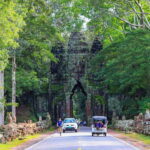
- A guided loop through Angkor Thom, Bayon, Preah Khan, and the Tomb Raider temple
- Countryside day 2 with real production stops like mushroom and lotus farms plus rice wine distilling places
- Snack-and-water support daily, plus fruit stops on the road
- Well-maintained bikes and helmets, making it easier to focus on the experience instead of the machine
How This Two-Day Format Changes the Angkor Experience
Most Angkor visits try to cram temples into one exhausting day. This tour spreads things out, so you get two different moods.
Day 1 is about the big icon moment—Angkor Wat at sunrise—then it shifts into active temple time by bike: you’re not just walking corridors, you’re moving through the area and seeing how life sits alongside the monuments. Day 2 slows down into the countryside: rice fields, farms, local market snacks, Buddhist temples, and village handicrafts.
If you want Angkor without feeling like you’re sprinting between photo stops, this pacing makes sense.
You can also read our reviews of more cycling tours in Siem Reap
Day 1: Angkor Wat Sunrise, Breakfast, Then Trails to the Major Temples
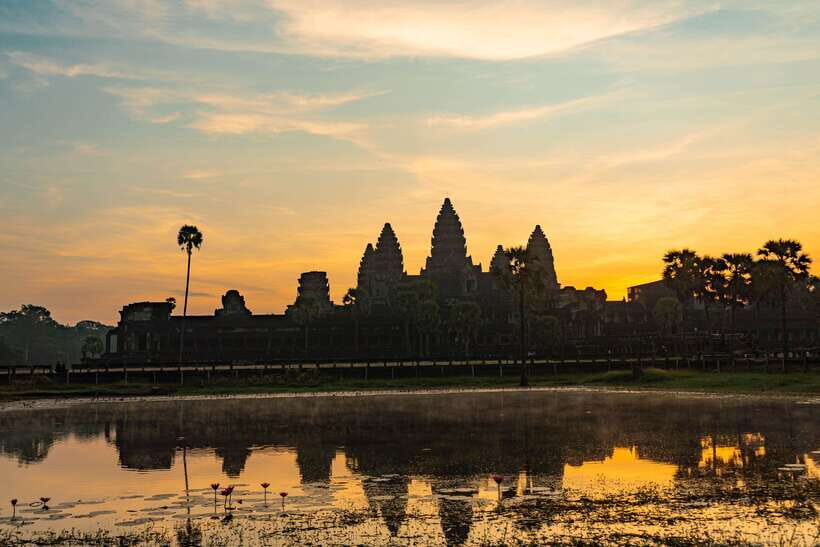
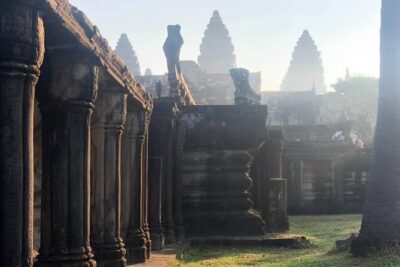
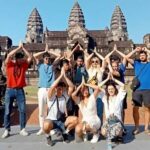
You’re picked up early from your hotel at 5:00am. The goal is simple: be at the best spots for sunrise before the temple area turns into a traffic jam of tour groups.
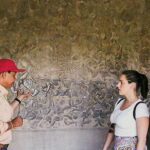
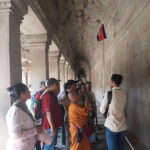
After watching the light, the guide takes you through the Angkor Wat central complex, sharing what the layout means—history and symbolism tied to the design. You’ll then have breakfast, and this is where the day becomes more fun than “temple sightseeing.”
Bike riding behind Angkor Wat (where the quiet starts)
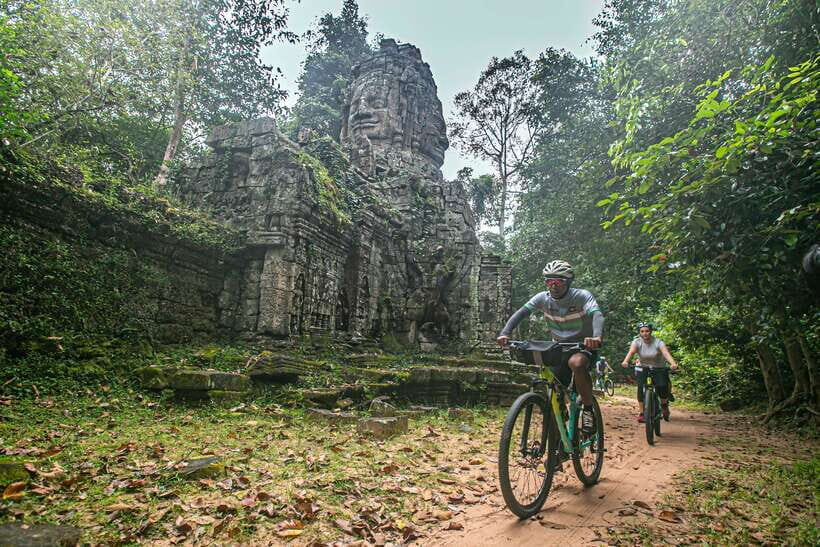
Instead of biking straight through the busiest edges, you’ll follow tracks and trails behind Angkor Wat. This is the part I appreciate most because the ride feels more like moving through a lived-in landscape: you pass small village areas inside the Angkor Wat complex and see daily routines from a closer angle than a bus window ever allows.
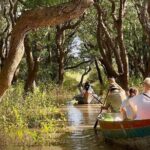
You should also expect shade in parts of the route and long stretches where the sound of rolling wheels mixes with jungle birds and wind. It’s one of those sensory details that makes the ride feel like it’s doing more than transporting you.
Angkor Thom and the temple circuit
From there, the tour expands into major sights, including:
- Angkor Thom City
- Bayon Temple
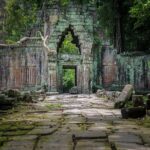
- Preah Khan Temple
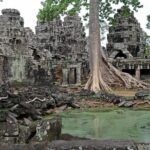
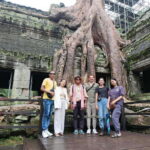
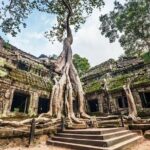
- The Tomb Raider temple (the one people recognize from the movie connection)
This is also where you’ll get the most “main monuments” in one day, but the ride format helps you avoid the feeling of standing in endless lines. The trade-off is physical: day 1 can involve sandy, loose surfaces.
A quick reality check on cycling ability
One review noted the route isn’t simple because of sandy terrain, and that it’s not the best choice if you don’t ride regularly or don’t feel comfortable on mountain bikes. I agree with that caution. If you’re brand-new to bikes, plan to take it slow and listen to your guide.
You can also read our reviews of more guided tours in Siem Reap
Lunch and siesta break
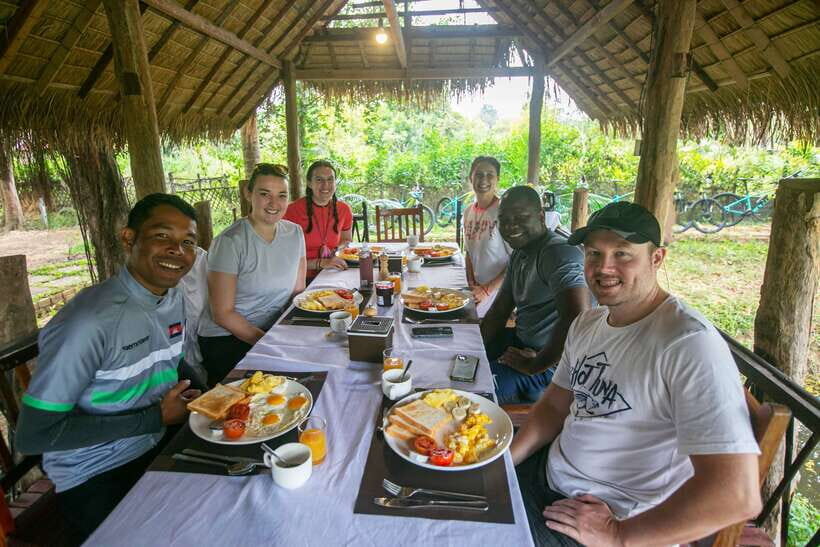
Day 1 ends with a traditional Cambodian meal described as a big spread of local dishes. After lunch, you get a quick siesta before the day finishes. This matters more than it sounds, because sunrise days burn energy fast—even if you’re excited.
Day 2: Rice Fields, Farms, Markets, and Village Stops by Backroad Bike
On day 2, pickup is at 7:30am, and you’ll drive to the cycling shop before heading out again. This day is more about countryside rhythm than landmark intensity.
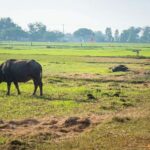
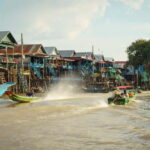
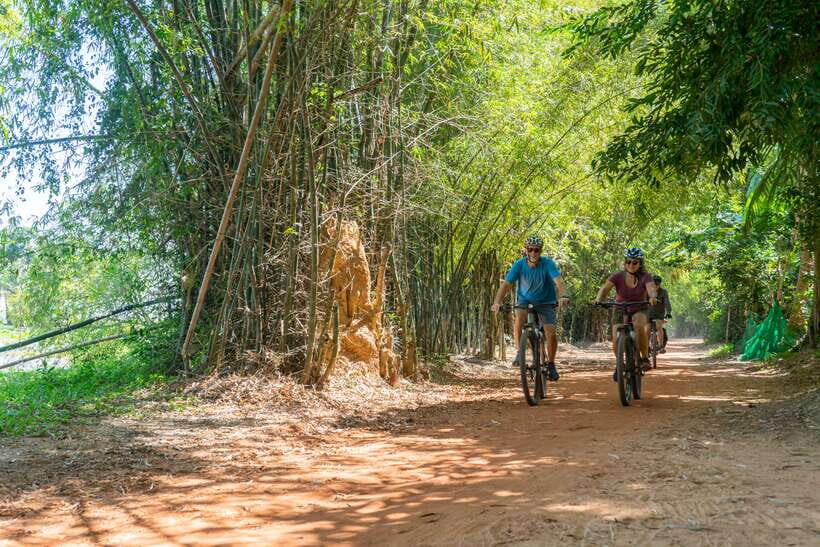
You’ll bike through backroads across rice fields and farms with your guide, then make short stops where daily life is the main show. Expect the kind of route where you feel the weather and the ground more than you feel the monuments.
Fruit, snacks, and market time
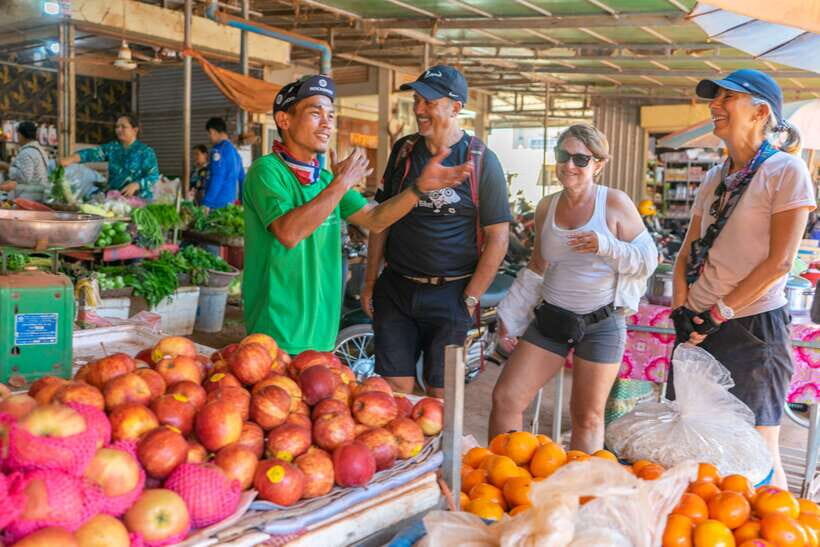
You’ll taste local fruit and snacks as you stop at a local market. It’s a nice break from the temple intensity of day 1, and it helps you understand what people actually buy and eat.
Mushroom and lotus farms, plus rice wine distilling
This is a standout part of day 2 because it’s tied to production rather than just scenery. You’ll see:
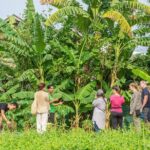
- mushroom farms
- lotus farms
- places where rice wine is distilled
Even if you don’t ask a million questions, the stops give you context for the countryside economy—what’s grown, processed, and sold.
Handicrafts and Buddhist temples
Later you’ll visit village handicraft areas and Buddhist temples. These stops are typically shorter, but they add texture. You get a sense of how religious sites and everyday work coexist in the same communities.
The Guides: English Explanations and Practical Support
The tour runs with an English-speaking guide, and the names that show up strongly are Thy, Bob, Mony, and Tida. What you get from these guides isn’t just facts. It’s also practical direction—where to look, what to notice, and how to connect the visual details to meaning.
That said, one review flagged that English clarity can be harder to follow for a few participants. If you rely on tight, word-for-word explanations to enjoy the visit, keep your expectations flexible. Even when you understand less than you want, you’ll still get the benefit of a guided route and better photo angles.
Also, a small note: one participant felt they weren’t shown a map or exactly where they were in Angkor Wat. So if you like tracking your progress visually, just ask your guide early on to point out the route or share where you’re heading next.
What the Biking Feels Like (and Who It Fits Best)
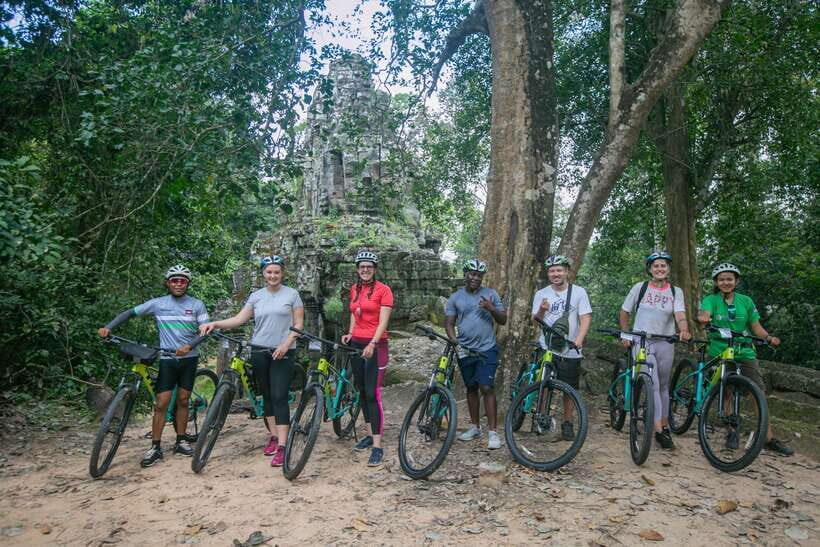
Your equipment is handled for you: bicycle and helmet are included, plus daily water support. In practice, this means you can focus on the route and the sights instead of bike hunting or gear worry.
Day 1: more uneven and sand-prone
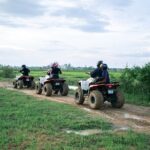
Day 1’s cycling includes sandy, off-main-route segments and trails. Even when paths aren’t technically extreme, loose sand changes how the bike handles. If you’re the type who pedals more confidently on paved roads, day 1 may feel like a workout.
Day 2: calmer pace, still off-road backroads
Day 2 is described as more relaxed, mainly dirt roads and countryside tracks. It’s still not “sit on a sidewalk and coast,” but it’s a better day for riders who want rhythm over technical challenge.
Not for everyone
This tour isn’t suitable for pregnant women. And if you have knee, ankle, or back issues that make uneven ground uncomfortable, you’ll want to think twice—because day 1 involves uneven surfaces.
Food Breaks That Don’t Feel Like an Afterthought
This tour builds in food at times when you’re actually hungry, not just when a schedule says you should eat.
On day 1:
- Breakfast before you head into the cycling portion
- A traditional Cambodian lunch with a large spread of local dishes
- Snacks and drinks across the day, plus water support
One review specifically called out lunch and breakfast locations as authentic and tasty. Another mentioned that the lunch stop wasn’t top-quality for them, so the most balanced advice is: treat lunch as part of the local experience, but don’t go in expecting a restaurant meal equal to a top-end Phnom Penh dining spot.
Still, the big win is that the tour doesn’t just offer bread and bottled water. It offers real Cambodian flavors during a long day.
Price and Temple Tickets: What You’re Really Paying For
The tour price is $95 per person for 2 days, and that includes:
- hotel pickup and drop-off
- an English-speaking guide
- bicycle and helmet
- daily water support
- breakfast day 1
- lunch day 1
- local snacks and fruits
That’s strong value if you also factor in the guide, the bike, and the food. You’re paying to save time: sunrise timing, routes, and stop planning are handled.
The one extra cost that changes the budget
Temple entry tickets are not included. The cost is listed as $37 per day. For many people, this is the difference between a “cheap” tour and a “real commitment” budget.
If you’re doing both days of temples, pencil in those ticket days early so you don’t get surprised at the end.
What to Bring (and How to Dress for Temple Respect)
You’ll be outside early and exposed to sun, so bring:
- sunglasses
- a camera
- sunscreen
For temples, especially Angkor Wat, you’ll need clothing that covers shoulders and knees. That’s a big deal here. It’s not just about comfort; it’s about respect and access.
The tour takes place rain or shine, so plan for wet conditions if Khmer weather decides to make a point.
Should You Book This Angkor Sunrise 2 Days Guided Bike Tour?
Book it if:
- you want Angkor Wat at sunrise without doing it the stressful way
- you like the idea of combining temples with real countryside riding
- you’re comfortable enough to handle uneven, sandy ground on day 1
- you value guides who explain the why behind the monuments, not only the what
Skip it (or choose another style of tour) if:
- you’re not used to riding regularly and loose surfaces make you tense
- you prefer temples through walking only, with no off-road bike segments
- you need accessibility accommodations beyond what’s described here
If you’re an active traveler who enjoys learning while moving—wheels rolling, jungle sounds in the air, and villages instead of just gates—you’ll probably find this two-day format a smart way to see Angkor and Siem Reap in the same breath.
FAQ
What time is pickup on day 1 for the Angkor sunrise tour?
You’re picked up from your accommodation at 5:00am on day 1.
What time is pickup on day 2 for the countryside ride?
Pickup from your hotel is at 7:30am on day 2.
Is the price ($95) all-inclusive for temples?
No. Temple entry tickets are not included and cost $37 per day.
What meals and snacks are included?
Breakfast on day 1 and lunch on day 1 are included, along with local snacks and fruits. You’ll also have daily water support.
Does the tour run in rain?
Yes, the tour takes place rain or shine.
What should I wear for temple visits?
Wear clothing that covers your shoulders and knees, especially for Angkor Wat.
Can I cancel for a refund, and can I pay later?
Yes. The tour offers free cancellation up to 24 hours in advance for a full refund, and there’s a reserve now & pay later option.