REVIEW · SIEM REAP
Siem Reap: 2-Day Private Angkor Wat & Phnom Kulen Tour
Book on GetYourGuide →Operated by Vamos Camboja Turismo · Bookable on GetYourGuide
Angkor is easier when someone handles the plan. This private 2-day tour gives you a clear route through the temples, with a licensed local guide who helps you understand what you’re seeing instead of just pointing at stones. Day 1 centers on the “big hits” of Angkor’s classic temples, and Day 2 lets you choose nature, jungle ruins, or real local life on Tonlé Sap.
I especially like the flexibility for Day 2. You can pair Phnom Kulen with Beng Mealea, or Phnom Kulen with the floating village side of Tonlé Sap, or go Beng Mealea plus Tonlé Sap. It’s a smarter way to tailor the trip to your energy level and interests—no one-day cram-binge.
One thing to factor in up front: the main Angkor Archaeological Park ticket is not included. You’ll pay extra per person for entrance, plus there are separate fees for Beng Mealea and Phnom Kulen if you choose those options.
In This Review
- Key things I’d plan around
- How This Private 2-Day Plan Works From Siem Reap
- Day 1: Sunrise Small Circuit Temples to Angkor Wat
- Dress Code and What to Bring So You Don’t Get Stopped
- Day 2: Phnom Kulen vs Beng Mealea vs Tonlé Sap (How to Choose)
- Option A or B: Phnom Kulen National Park (sacred mountain day)
- Option A or C: Beng Mealea (the wild “ruin adventure”)
- Option B or C: Floating Village on Tonlé Sap (lake life by boat)
- Tickets and the Real Budget: What You Pay Besides $365
- Guide, Transport, and Comfort Details That Actually Change the Day
- Timing, Heat, and How to Make the Long Days Feel Easier
- Who This Tour Fits Best
- Should You Book This Private Angkor Wat & Phnom Kulen Tour?
- FAQ
- What time does pickup happen?
- Is the Angkor Archaeological Park entrance ticket included?
- Can I choose what I do on Day 2?
- Are tickets for Beng Mealea and Phnom Kulen included?
- Does the tour include the boat to the floating village?
- What languages are the guides available in?
- What’s the sunrise option on Day 1?
- Are lunch and drinks included?
- What should I bring and wear for the temples?
Key things I’d plan around
- Private pacing: hotel pickup, air-conditioned transport, and a route built for a sane day length
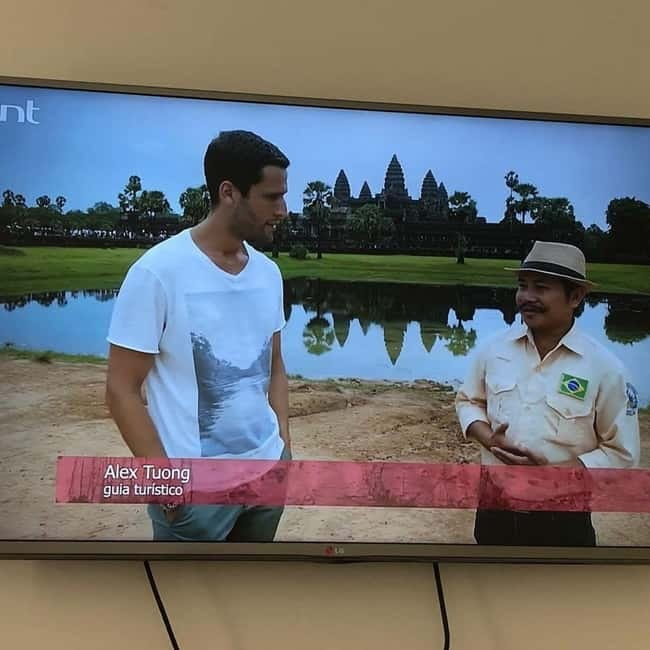
- Licensed guide language options: English, Spanish, French, Italian, or Japanese (and at least one booking noted Portuguese instruction)
- Small Circuit + Angkor Wat focus: you hit the landmark temples without aimless wandering
- Three Day 2 styles: sacred mountain + jungle, jungle ruin exploration, or lake life by boat
- Real included add-ons: cold towels and water, and boat ticket plus local taxes for Tonlé Sap
- Dress code is strict: bring the right clothing or you’ll be slowed down at entry
How This Private 2-Day Plan Works From Siem Reap
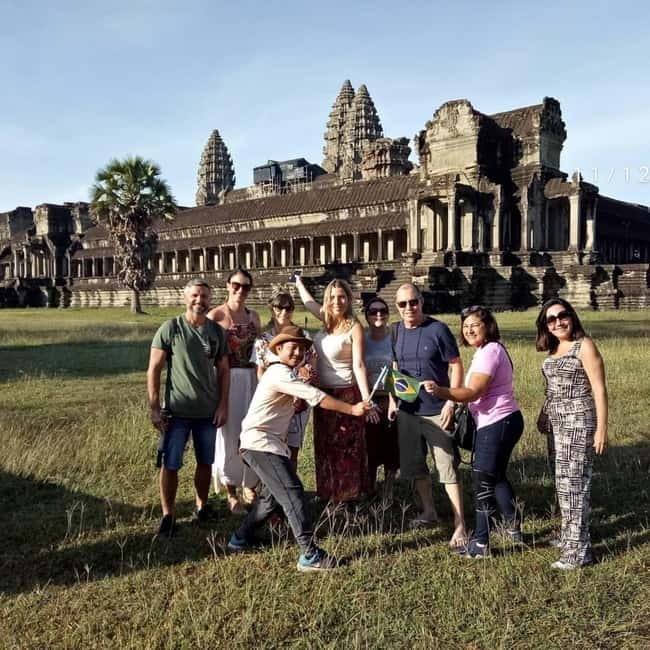
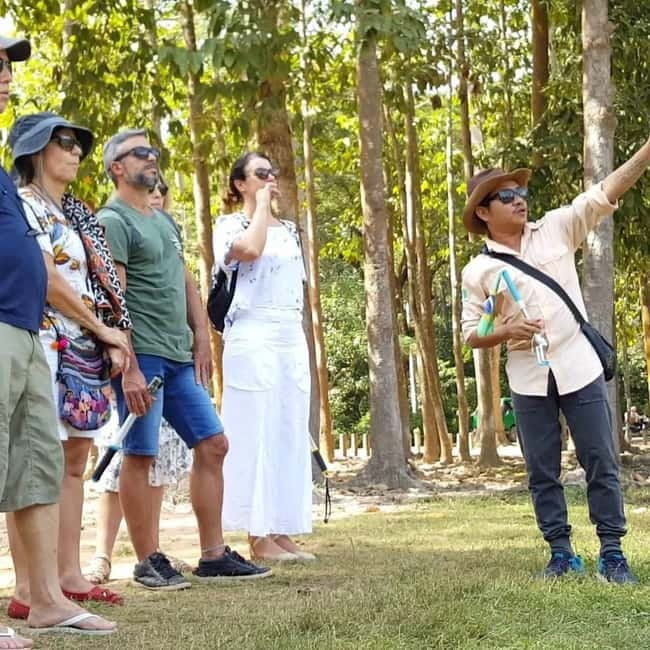
This is a true private setup: only your group, with a licensed local guide and a dedicated vehicle (car/van/bus depending on the group size). You’re picked up from your hotel area, then you follow a scheduled flow designed to reduce waiting and keep you moving when the light and crowds make sense.
Day 1 starts earlier if you pick the sunrise option. Otherwise, the standard start is 8:00 AM. Day 2 starts at 8:30 AM, and both days typically end with a return to your hotel around 5:00 PM. That timing matters in Siem Reap because the heat and humidity can turn sightseeing into a sweat test. Having a plan reduces the stress of deciding what to do next.
You’ll also hear about ticket timing. The guide will go with you to the ticket booth to buy the Angkor pass (or you can buy it online in advance). The tour includes ticket-line help in practice, so you’re not stuck standing around while your day loses steam.
You can also read our reviews of more tours and experiences in Siem Reap.
Day 1: Sunrise Small Circuit Temples to Angkor Wat
Day 1 is where you get your bearings. The route mixes cinematic ruins, big temple viewpoints, and the signature Angkor storytelling you came for. If you choose sunrise, the tour starts at 5:00 AM and finishes around 3:30 PM, which is a long day but a very rewarding one.
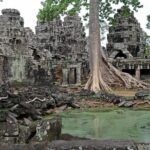
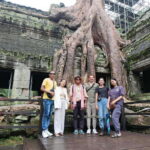
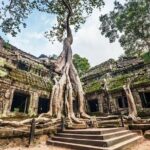
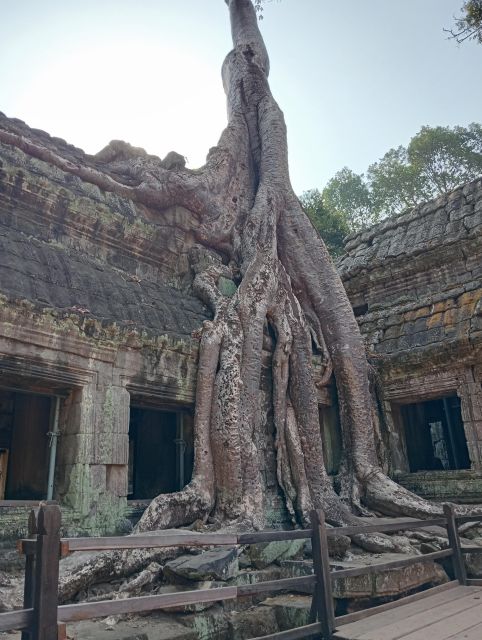
You begin at Ta Prohm, famous for the way giant tree roots have taken over sections of the temple walls. It looks staged, but it isn’t. Your guide will help you spot what’s original versus what’s been restored over time, which makes the whole scene easier to read.
Next comes Pre Rup, a mountain-style temple with wide views over the Cambodian countryside. This is a good “pause and breathe” stop. Even if you’re not a sunset person, seeing the landscape from here helps connect Angkor’s grandeur to the world around it.
Then you head to Banteay Srei, the “Citadel of Women,” known for intricate pink sandstone carvings. This stop is smaller than Angkor Wat, but it’s often the most satisfying for people who like details. If you’re the type who enjoys close-up craftsmanship, you’ll want extra time here for photos and for just walking slowly.
After lunch (not included), you transition into Angkor Thom, the ancient walled city. A photo stop at the Victory Gate gives you a quick but memorable gateway moment. You then walk through highlights like the Terrace of the Elephants and the Terrace of the Leper King, both known for their carvings. These areas are also a good reminder that Angkor isn’t just one monument—it’s a whole network of spaces with different roles.
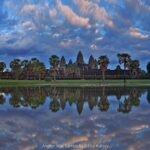
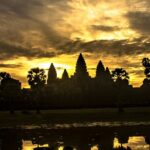
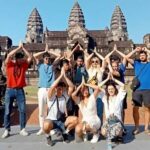
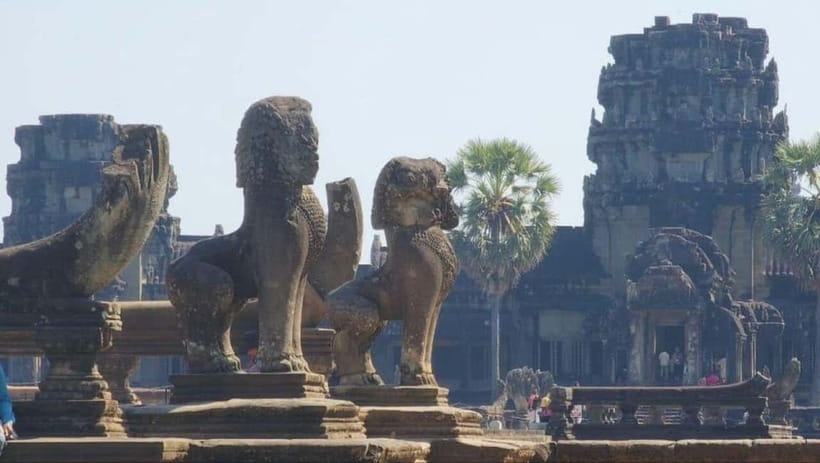
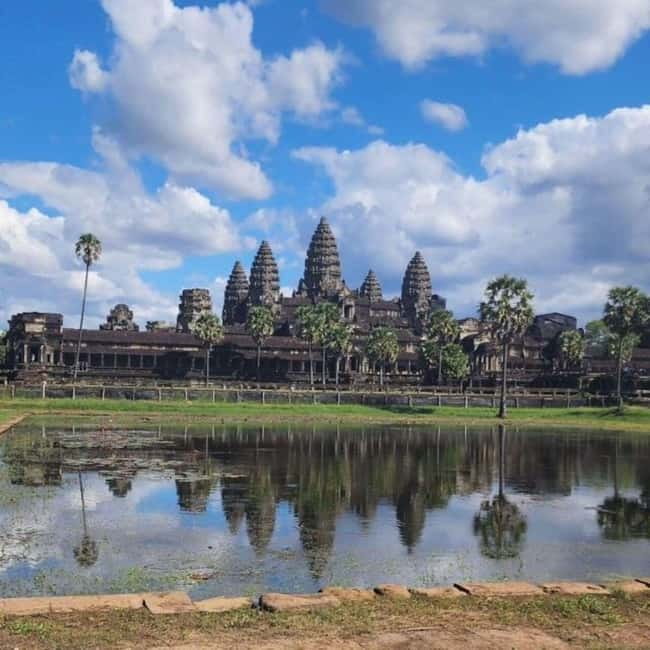
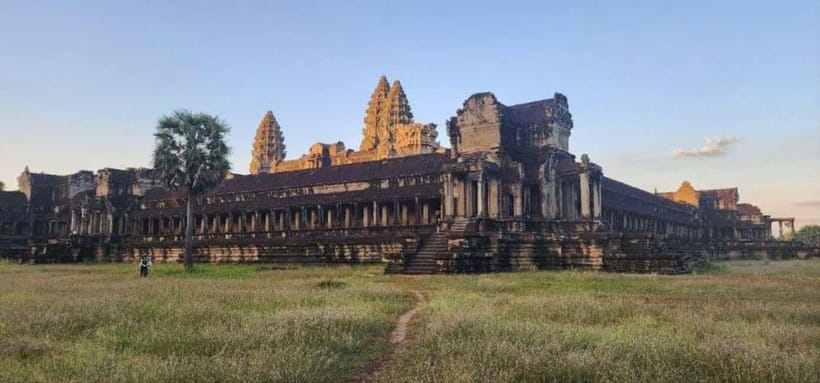
You finish the Angkor Thom segment at Bayon Temple, with towers topped by serene faces. If you’ve only seen photos, this is where those faces make emotional sense; from the ground, the scale feels different. From there you move to Angkor Wat, the world’s largest religious monument. With a guide, the visit becomes more than “wow.” You’ll learn how symbolism, art, and temple design relate to the Khmer world view.
Day 1 ends around 5:30 PM (standard timing) with the return to your hotel. That’s intentional: after a long temple day, you’re better off getting off your feet than trying to add dinner and a second round of sightseeing on your own.
Dress Code and What to Bring So You Don’t Get Stopped
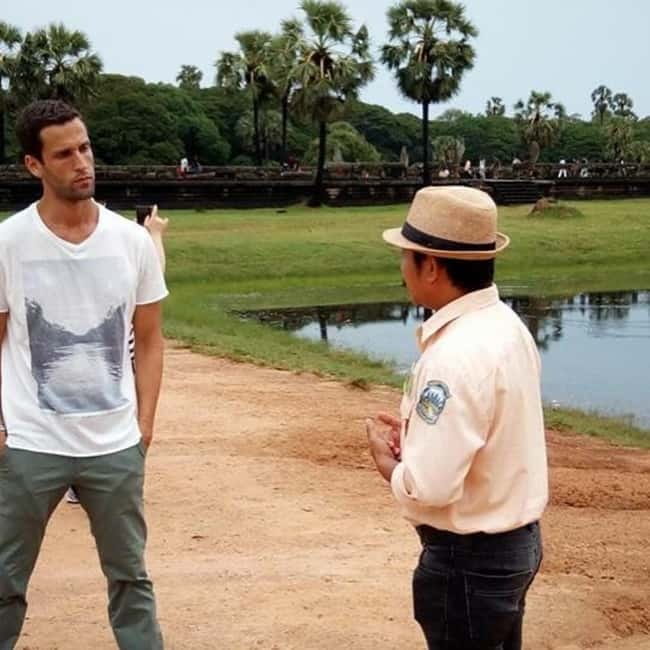
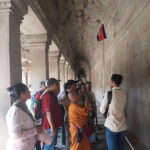
Angkor temples have rules, and they’re not just for show. You can wear a scarf to cover your knees and shoulders for many temples. For most temples besides Angkor Wat, you must wear pants or skirts that cover your knees and shirts that cover your shoulders. Shorts, short skirts, and sleeveless shirts are not permitted.
This is one of the easiest ways to protect your day. If you show up dressed wrong, you might spend time finding something to borrow or buy, and that kills momentum. I always treat temple clothing as part of my travel plan, not an afterthought.
Pack practical items:
- Comfortable shoes for uneven stone floors and long walking
- A hat for sun and heat
- Insect repellent (you’ll thank yourself later)
- Cash for any extra purchases like snacks, water, or entry items not included
- A camera if you like detail shots and want slow, steady photos
Also, bring light layers if you’re doing sunrise. Early mornings can feel cooler, then quickly turn warm.
Day 2: Phnom Kulen vs Beng Mealea vs Tonlé Sap (How to Choose)
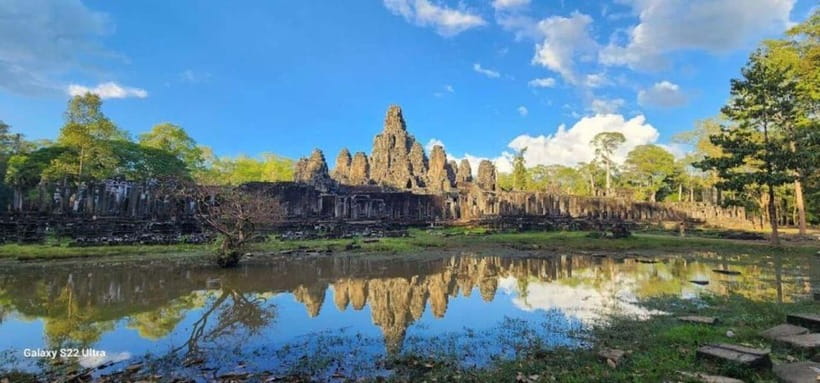
Day 2 is the fun part because you can pick the tone of the day. All three options take you beyond the densest Angkor temple circuit and give you a different side of Cambodia.
Option A or B: Phnom Kulen National Park (sacred mountain day)
Phnom Kulen is a sacred mountain tied to the Khmer Empire’s origin stories. You’ll visit the River of a Thousand Lingas, plus a reclining Buddha, and you’ll also experience waterfalls with a jungle backdrop. This choice is best if you want nature, religious sites, and some breathing room compared to the stone-heavy temple days.
The main tradeoff is logistics and time outdoors. You’re walking and moving through natural areas, so it’s wise to wear shoes that can handle wet ground and to keep your water and repellent handy.
Option A or C: Beng Mealea (the wild “ruin adventure”)
Beng Mealea is a 12th-century temple left largely unrestored. It’s the place that feels like exploration instead of museum touring. You can wander through collapsed corridors and stone galleries with trees growing through the ruins. Think Indiana Jones energy, with the sound of birds and the feeling that you’re stepping into a forgotten space.
If you prefer rougher, less manicured sights, you’ll likely love Beng Mealea. The caution: it’s not a perfectly smooth path. Go slow, watch your footing, and accept that this is partly about getting lost a little (in a good way).
Option B or C: Floating Village on Tonlé Sap (lake life by boat)
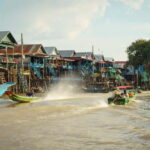
If you pick Tonlé Sap, you’ll discover daily life on Southeast Asia’s largest freshwater lake. You cruise past floating houses, schools, and markets, learning how communities live with the changing water levels.
This is a great contrast day after Angkor stone. Also, the boat portion has practical value here: the tour includes boat ticket and local taxes for the floating village, so you won’t have to hunt down those extras on the spot.
The main consideration is that this option depends on water conditions and timing. You’ll still get the experience, but it helps to expect the lake day to feel different from temple walking.
Tickets and the Real Budget: What You Pay Besides $365
The headline price is $365 per group up to 2 people for the full two days. For a private guide and private transport in Siem Reap, that can be good value—especially because the tour includes key “hard to organize” pieces like hotel pickup/drop-off, cold water and towels, and (for Tonlé Sap) the boat ticket plus local taxes.
But you should budget for tickets you’ll pay separately:
- Angkor Archaeological Park entrance ticket: $37 per person for 1 day (not included)
- Beng Mealea entrance: $10 per person (if you choose it)
- Phnom Kulen National Park entrance: $20 per person (if you choose it)
- Lunch and drinks are not included unless specified on the day
So the best way to judge value is to add in the tickets to your own plan. If you’re doing both days at Angkor sites plus one Day 2 stop with extra entrance fees, your total spend will be higher than the base tour price. Still, you’re paying for private time and guided interpretation, not just transport.
A useful detail for families: children under 12 can join free of charge. And for entrance tickets, children under 12 are not required to purchase the Angkor entrance ticket, as long as a passport is shown as proof.
Guide, Transport, and Comfort Details That Actually Change the Day
This tour is run by Vamos Camboja Turismo, and the biggest difference you’ll feel is the human part: a licensed guide who works with you through the “what am I looking at?” moments. That matters a lot at Angkor, where temples can look similar until someone explains angles, symbolism, and why certain structures were built.
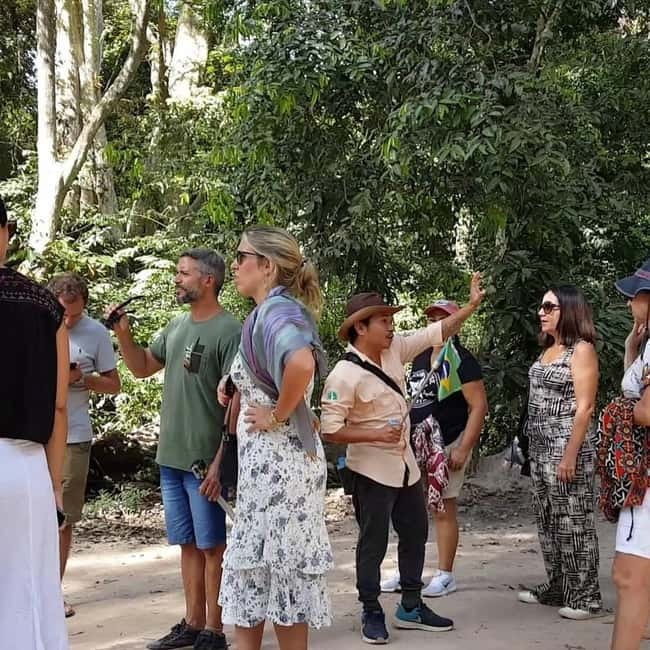
Language choices are set up for real communication: English, Spanish, French, Italian, or Japanese. I also saw that a guest was especially happy with a guide explaining in Portuguese, which suggests the provider can match your language needs when possible.
Transport is practical and comfortable: air-conditioned vehicle service, hotel pickup and drop-off, and cold water plus a cold towel during visits. That last bit sounds small, but on hot temple days it helps you keep moving instead of slowing down from fatigue.
You should also know the tour is designed for walking. It’s not a wheelchair-friendly itinerary. It’s also not suitable for babies under 1 year and people over 95, based on the tour’s stated limits.
Timing, Heat, and How to Make the Long Days Feel Easier
Temple days in Cambodia can feel long even when they’re well paced. The schedule helps, but you still need to manage energy.
- If you choose the sunrise option, you get cooler morning light and fewer crowds, then you’re done earlier than many full-day temple tours. It’s great for photos and for people who handle early mornings well.
- If you don’t choose sunrise, you start at 8:00 AM and return in the late afternoon or early evening. This is a better fit for slower mornings.
Either way, plan on one main meal break. Lunch is listed as not included, so decide ahead of time whether you’ll buy lunch near the route or bring snacks. Bringing a small stash of water and a light snack can rescue you when you’re waiting between stops.
Finally, don’t underestimate your shoe needs. With all the temple walking—from Ta Prohm to the Bayon to Angkor Wat, plus whatever you add on Day 2—comfort becomes part of the sightseeing quality.
Who This Tour Fits Best
This is a smart fit if you want:
- A private experience with a real guide
- A structured Angkor visit without guessing what order to do things
- A flexible Day 2 that can match your interests: sacred mountain, jungle ruins, or lake life
- Comfort details like hotel pickup and cooling breaks
It’s also worth considering if you’re traveling with a small group of two. The price is built for up to 2 people, and private transport makes sense when you’d rather not ride around with strangers.
You may want to choose a different option if you:
- Need wheelchair access
- Have mobility limits that make uneven ruin terrain hard (especially with Beng Mealea)
- Don’t want to handle extra entrance fees on top of the base tour price
- Are not willing to follow the temple dress code
Should You Book This Private Angkor Wat & Phnom Kulen Tour?
I’d book this if you want a guided, efficient Angkor experience with strong Day 2 flexibility. The best value is in the combination: private transport, a licensed guide, and a route that balances big sights with time to actually understand them.
Before you commit, do one quick reality check. Look at your likely Day 2 choice and estimate the extra entrances (Angkor pass, plus Beng Mealea and/or Phnom Kulen). Then compare that total to other options that might be cheaper but offer less personal pacing.
If you can handle early mornings or you’re happy starting at 8:00 AM, and if you’re prepared for temple dress requirements, this tour is a solid way to make your Siem Reap days feel organized and meaningful.
FAQ
What time does pickup happen?
On Day 1, pickup is at 08:00 from your hotel lobby. On Day 2, pickup is at 08:30 from your hotel lobby.
Is the Angkor Archaeological Park entrance ticket included?
No. The Angkor Archaeological Park entrance ticket costs $37 per person for 1 day and is not included.
Can I choose what I do on Day 2?
Yes. Day 2 options are Phnom Kulen + Beng Mealea, Phnom Kulen + Floating village (Tonlé Sap), or Beng Mealea + Floating village (Tonlé Sap).
Are tickets for Beng Mealea and Phnom Kulen included?
No. Beng Mealea entrance is $10 per person, and Phnom Kulen National Park entrance is $20 per person. These are not included.
Does the tour include the boat to the floating village?
Yes. The boat ticket and local taxes for the Tonlé Sap floating village are included.
What languages are the guides available in?
The licensed guide is available in English, Spanish, French, Italian, or Japanese.
What’s the sunrise option on Day 1?
If you select the sunrise option, Day 1 starts at 05:00 AM and finishes around 03:30 PM.
Are lunch and drinks included?
Lunch and drinks are not included unless they’re mentioned as included in the tour. The lunch break is listed as not included.
What should I bring and wear for the temples?
Bring comfortable shoes, a hat, camera, comfortable clothes, insect repellent, and cash. You should not wear shorts, short skirts, or sleeveless shirts. A scarf can help cover your knees and shoulders where required.