REVIEW · CAMBODIA
Phnom Penh: Morning Foodie, Market Walking & Street Art Tour
Book on GetYourGuide →Operated by Vespa Backstreet · Bookable on GetYourGuide
That first bite sets the tone for the whole city. This morning tour mixes Phnom Penh food with street art you can actually read, plus market time where you’ll see ingredients before they hit your plate. Two things I really like are the stop-for-a-real-breakfast pace and the way the guide connects art to Khmer culture and history.
My only caution is simple: you’re moving on foot and on a tuk tuk or Vespa, so plan for some walking and loud market energy at the start.
In This Review
- Key things that make this tour worth your time
- How the 5.5-hour flow keeps you fed and not frazzled
- Morning breakfast at Boeng Keng Kang: where you start eating like locals
- Independence Monument photo stop: quick and useful, not a time sink
- Central Market: seasonal tasting, herbs you can point at, and real shopping rhythm
- Sangkat Boeung Kak 1 arts and crafts market: where shopping meets street-level creativity
- Wat Botum Park break: tea, coffee, lunch, and the banh chaev moment
- Street art in Phnom Penh: Khmer symbolism you’ll start spotting on your own
- Coffee to finish: the signature blend that ties the morning together
- Guides and flavor lessons: what you’re likely to gain beyond the food
- Price and value: is $33 a good deal for this mix?
- Who this tour suits best (and who may want a different morning)
- Should you book the Phnom Penh Morning Foodie and Street Art Tour?
- FAQ
- How long is the Phnom Penh Morning Foodie and Street Art Tour?
- What’s included in the price?
- Where does the tour start?
- What food will I try during the tour?
- Does the tour include coffee?
- Are there stops for street art?
- Do you visit markets during the tour?
- Is there anything besides food tastings?
Key things that make this tour worth your time
- Street art with Khmer symbolism: you’re not just looking at walls, you’re learning what they’re saying.
- Two included breakfasts: you get more than one snack stop, and it helps you pace the day.
- Market learning you can taste: herbs, fruits, and vegetables show up with context, not just photos.
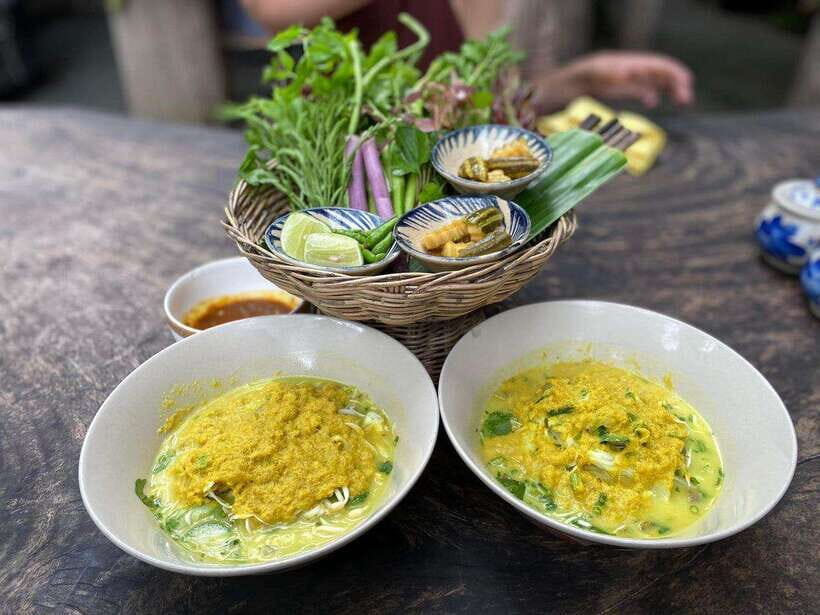
- Banh Chaev crepes at a local spot: rice milk and turmeric give you a flavor profile you’ll notice right away.
- Pepper tasting: you’ll learn how different peppers change heat and flavor, not just “spice is spice.”
- Coffee stops in back alleys: it’s laid-back, and the “free talking” vibe makes it easier to ask questions.
How the 5.5-hour flow keeps you fed and not frazzled
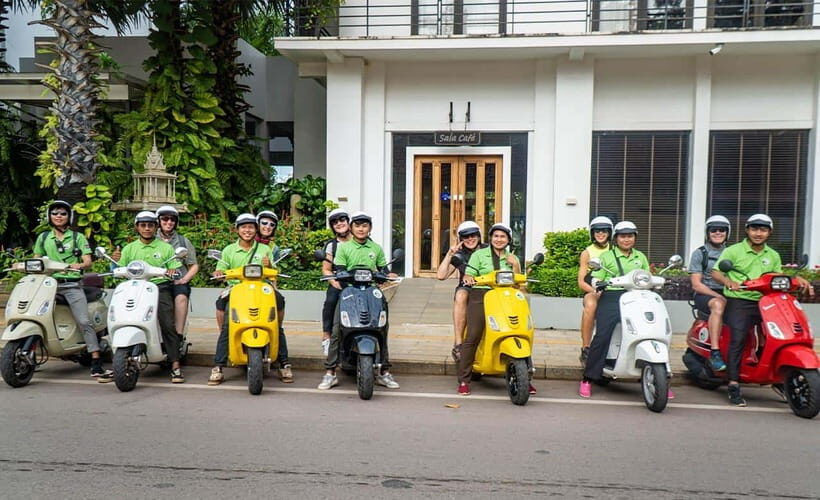
This is built as a smooth morning loop. You get hotel pickup and drop-off, then you hop around by tuk tuk or Vespa so you spend more energy eating and observing than crossing town. The whole thing runs about 5.5 hours, which is long enough to cover markets and art, but short enough to still keep your afternoon free.
I like that the day has food anchors. You’re not waiting until the end to eat. You’ll also have water plus coffee/soft drinks along the way, so you’re less likely to feel that classic “I only planned for one snack” regret.
One note: market mornings can be noisy and crowded in bursts. If you’re sensitive to that, wear something comfortable, keep a light layer for AC breaks, and expect to pause for photos and explanations.
You can also read our reviews of more tours and experiences in Cambodia.


Morning breakfast at Boeng Keng Kang: where you start eating like locals
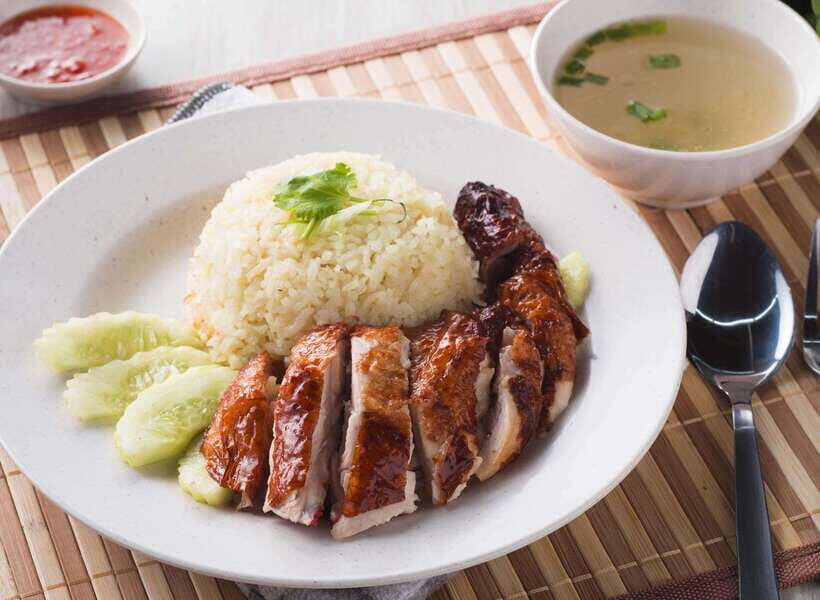
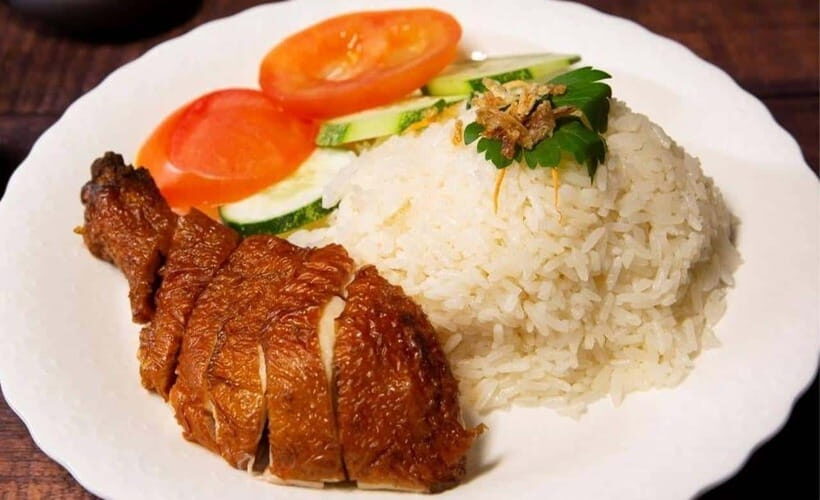
The day kicks off at Boeng Keng Kang Market with breakfast that’s clearly meant for the people who live nearby. You’ll get choices like a steaming noodle soup or pork rice, plus local coffee.
What I like here is the rhythm. You taste first, then you learn. That order helps you make sense of flavors later at the market and in the dishes you try. Also, getting coffee early is smart—this tour leans into coffee and spice as part of the story, not just as a drink.
If you’re a picky eater, don’t panic. This is still a breakfast-forward start, so you’re not thrown into unusual bites immediately. You can also watch how locals order and point, which makes the whole experience feel less like a performance and more like you’re joining the neighborhood for a bit.
Independence Monument photo stop: quick and useful, not a time sink
After breakfast, you’ll make a short stop at Independence Monument for photos. It’s brief, but it serves a purpose: it gives you a sense of where you are in Phnom Penh before you head into the food-and-art parts of the morning.
This is also a good moment to regroup. Markets and streets demand attention. A short pause helps you reset before the bigger ingredient work starts.
Don’t expect a long guided lecture here. It’s more about orientation and momentum.
Central Market: seasonal tasting, herbs you can point at, and real shopping rhythm
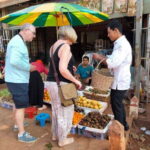
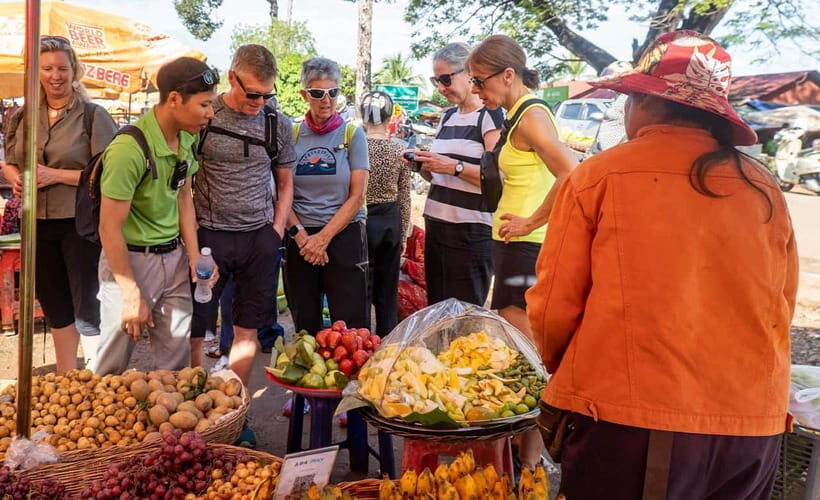
Next comes the Central Market food area. This is where the tour earns its keep. You’ll walk through stalls, try what’s in season, and learn the difference between ingredients that look similar in a photo.
You’ll get hands-on observation of herbs, fruits, and vegetables—the kind of details that help you understand why Khmer dishes taste the way they do. And you’re not just watching vendors. You’ll see local residents shopping and bartering for the best price, which adds a layer of realism you won’t get from a quiet, guided-food-only stroll.
Two practical tips that matter here:
- Go with curiosity, not a strict shopping list. The best tastings are often the ones you didn’t plan for.
- Ask what you’re trying and what it’s used for. If the guide is doing their job well, you’ll leave knowing how ingredients show up in everyday cooking.
You may also pick up a handmade souvenir here. If you like small crafts, this is a smart place to buy because you can match the item to a moment you experienced, not just a product photo.
Sangkat Boeung Kak 1 arts and crafts market: where shopping meets street-level creativity
Then you’ll shift gears to Sangkat Boeung Kak 1, with an arts and crafts market stop. This part is short, but it’s a helpful bridge between the food focus and the street art focus.
It gives you a chance to slow down and look for handmade items while you’re already thinking about cultural symbolism. If you’re the type who likes art, you’ll probably enjoy noticing how creativity shows up in multiple forms—walls and markets.
The drawback? Because it’s a shorter stop, you won’t have long to compare prices or browse every stall. If you love shopping, treat this as a quick scan.

Wat Botum Park break: tea, coffee, lunch, and the banh chaev moment
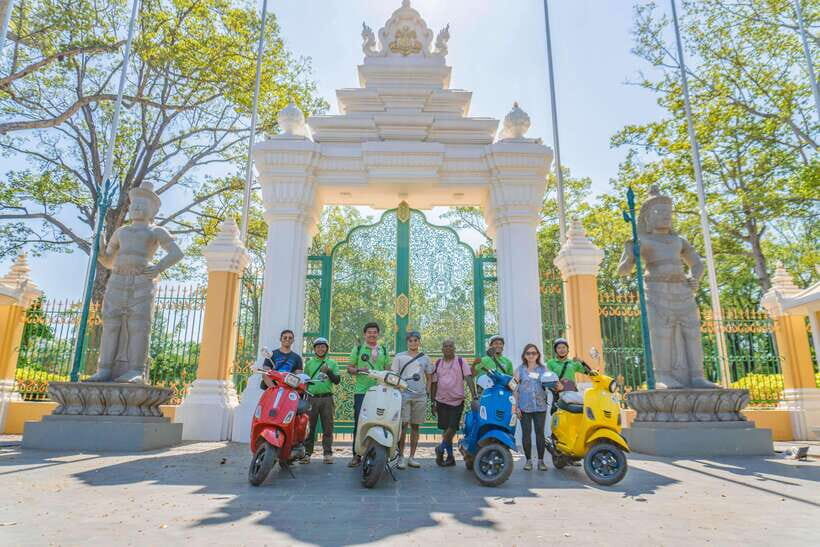
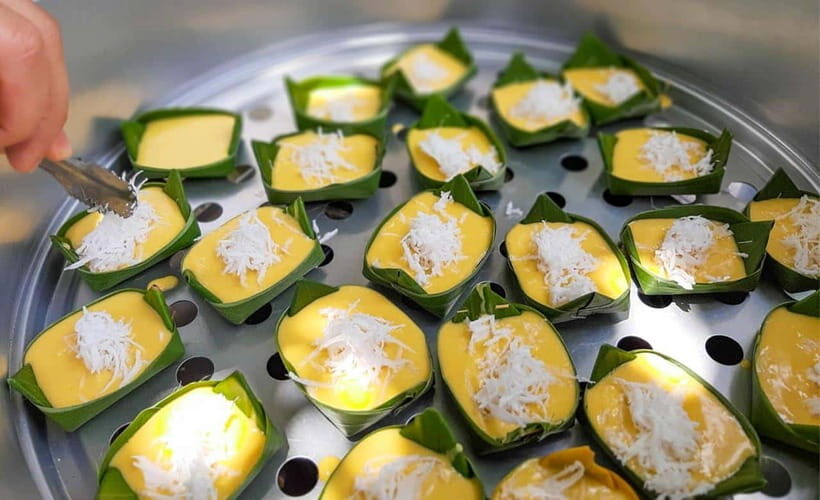
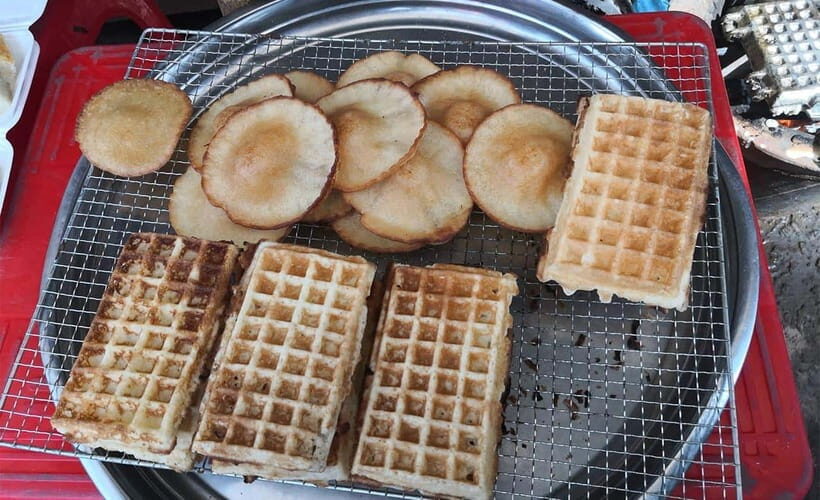
At Wat Botum Park, the tour settles in for coffee, tea, and lunch. This is also where you’ll try Banh Chaev, the crepes made with a unique blend of rice milk and turmeric.
This is one of the better “learn by tasting” moments of the day. Turmeric gives you color and flavor, but the rice milk base changes the whole feel—so you can notice how ingredients transform when they mix, not when they sit alone on a herb pile.
I also like the pace here. After markets, food walking, and street art talk, you get a proper sit-down segment. If you’ve been taking photos nonstop, this is where you can eat, drink something warm or refreshing, and breathe.
If you’re trying to plan a later meal after this tour, consider the lunch size carefully. Because you’ll already have breakfast and market tastings, lunch can be more than just a “sample.”
Street art in Phnom Penh: Khmer symbolism you’ll start spotting on your own
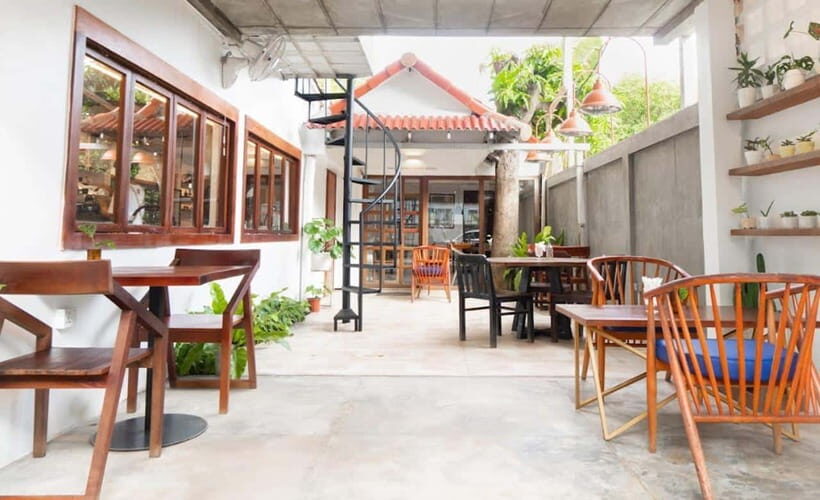
This tour’s street art component is the “why” behind the visuals. You’ll learn how a community of street artists in Phnom Penh has been building an urban art scene that uses Khmer symbolism and history.
The best part is that the guide helps you connect themes instead of treating murals like random decoration. When you understand what symbols refer to, the art feels less like background and more like a conversation you can follow while you walk.
A useful expectation: street art talk works best when you’re willing to look slowly. Don’t just point your camera and move on. Let the guide explain what to watch for, then you’ll start noticing those details even after the tour ends.
Coffee to finish: the signature blend that ties the morning together
To wrap up, you’ll end with Phnom Penh’s signature coffee blend. Coffee here isn’t just caffeine at the end. It’s part of the story you’ve been learning all morning—how ingredients, flavors, and culture connect in everyday life.
If you’ve enjoyed the earlier coffee stops, this final cup often feels like the “receipt” for the day’s taste lessons. It’s also a good chance to ask last questions while you’re not rushing between stops.
And yes, the earlier coffee stop in back alleys and the relaxed, talk-friendly vibe are real strengths. You’ll feel more comfortable asking, What does this taste like, and why?
Guides and flavor lessons: what you’re likely to gain beyond the food
Your guide will handle the English explanations, and that matters a lot for this tour because the themes aren’t just visual—they’re cultural. In examples from recent tours, guides like Kim and Lyna have been praised for connecting street art to Cambodian history and for explaining the food in a way that feels practical, not like a textbook.
One extra favorite detail from the experience: a pepper tasting. You’ll learn the differences between peppers, so you stop thinking in simple categories like mild vs hot. Pepper can change aroma, sharpness, and the way a dish builds flavor. That’s the kind of knowledge you can actually use the next time you eat Khmer food.
If you want to get the most out of the day, come ready to taste and ask. Even small questions like how something is cooked or what ingredient it pairs with can turn random bites into memorable meals.
Price and value: is $33 a good deal for this mix?
At $33 per person for about 5.5 hours, the value comes from the mix of included essentials and learning stops, not from one big-ticket attraction.
You’re getting:
- Hotel pickup and drop-off
- Transportation by tuk tuk or Vespa
- An English-speaking guide
- Two breakfasts plus coffee and soft drinks
- Local dessert tastings in the market
- Water
- Plus the street art and craft-market segments
In practical terms, it means you’re not paying separately for a bunch of taxis, you’re eating multiple guided tastings, and you’re paying for cultural context that helps you understand what you’re seeing.
The only “cost” is your own appetite and attention. This tour asks you to participate. If you want totally passive sightseeing, you might prefer something more relaxed.
Who this tour suits best (and who may want a different morning)
This tour fits best if you:
- Like food markets and want to learn by tasting, not just browsing
- Enjoy street art when it has meaning behind the visuals
- Want a morning plan that feels local and not overly staged
- Are coffee and spice curious
It may not be your perfect match if you:
- Hate crowds or loud market energy early in the day
- Want a slower, sit-all-the-time experience
- Prefer beaches, temples, or museums over street-level art and food
The sweet spot is someone who likes to walk, eat, and ask questions.
Should you book the Phnom Penh Morning Foodie and Street Art Tour?
Yes, if you want a compact morning that teaches you how Phnom Penh tastes and thinks. The combination of market tastings, street art symbolism, and multiple coffee and food stops makes it more than a snack walk.
I’d book it especially if you’re the type who enjoys leaving with a few “aha” flavor lessons—like understanding why Banh Chaev tastes the way it does, or how different peppers change heat and aroma.
If you’re on the fence, this is my rule of thumb: if you’ll actually enjoy walking around food and street art, you’ll get your money’s worth. If you only want one of those two themes, then pick something more focused.
FAQ
How long is the Phnom Penh Morning Foodie and Street Art Tour?
The tour lasts about 5.5 hours.
What’s included in the price?
Hotel pickup and drop-off, transport by tuk tuk or Vespa, an English-speaking guide, two breakfasts, coffee and soft drinks, local dessert tasting in the market, and bottled water.
Where does the tour start?
Pickup is from your hotel in Phnom Penh.
What food will I try during the tour?
You’ll have breakfast at a local spot and get market tastings, including local desserts. You’ll also eat Banh Chaev (crepes) made with rice milk and turmeric.
Does the tour include coffee?
Yes. You’ll have local coffee during the morning and you’ll also finish with Phnom Penh’s signature coffee blend.
Are there stops for street art?
Yes. You’ll visit the street art scene and learn about Cambodian street artists and their use of Khmer symbolism and history.
Do you visit markets during the tour?
Yes. You’ll visit Boeng Keng Kang Market for breakfast, Central Market Phnom Penh for food and market walking, and an arts and crafts market in Sangkat Boeung Kak 1.
Is there anything besides food tastings?
Yes. The experience includes pepper tasting, and you’ll also have photo time at Independence Monument.