REVIEW · PHNOM PENH
Phnom Penh to Siem Reap, Angkor Wat & Return, 2 Day Private Tour
Book on Viator →Operated by Siem Reap Private Taxi · Bookable on Viator
Those first morning temples look unreal.
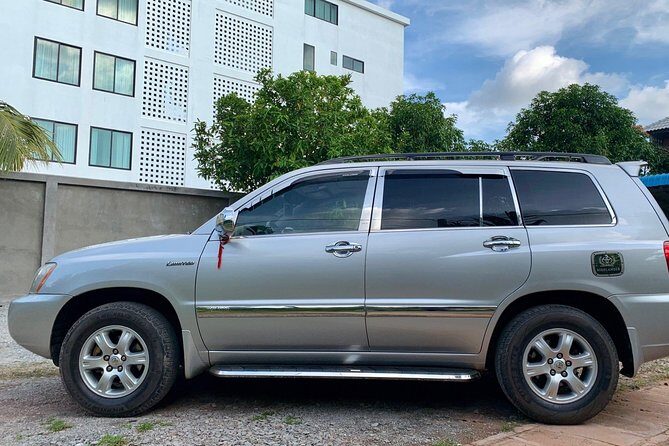
This private tour is built for a smooth Phnom Penh → Siem Reap run, then a full day at Angkor, finished with an optional return to Phnom Penh. I like that you get hotel pickup and drop-off with an air-conditioned vehicle, so you’re not juggling transport. I also like the balance: you get rural culture stops in between the big-ticket temples, not just a straight hit-and-run of ruins.
You’ll start Day 1 with hilltop views and local village life, then land in Siem Reap with time to reset. On Day 2, the plan targets Angkor Wat sunrise early, then moves through Bayon, Ta Prohm, and quieter temples like Ta Nei with a local English guide. One thing to consider: Day 2 can feel long, especially if you choose the Phnom Penh return after temples.
If you want a private, organized route with real stops along the way, this is a good-value way to do it. The only budget wildcard is the Angkor Pass, which is not included and needs to be handled at the checkpoint.
In This Review
- Key highlights you’ll feel right away
- Phnom Penh to Siem Reap in 2 days: what the pace really feels like
- Hotel pickup, air-conditioned comfort, and English-speaking driver
- Oudong Hill and Spiderville: Cambodia’s royal past and village life
- Prasat Kuha Nokor and the quiet stop that breaks the drive
- A Khmer lunch option at Prey Pros Lake (and how to budget meals)
- Kampong Kdei’s Ancient Bridge: a small stop with real photo power
- Angkor Wat sunrise: the early start and why your guide matters
- Bayon faces, Terrace of the Elephants, and Baphuon: what each stop adds
- Ta Prohm’s roots and Ta Nei’s quiet mood
- Price and value check: what $125 covers and what you must plan for
- Return to Phnom Penh or end in Siem Reap: choosing your ending wisely
- Who this private tour fits best (and who might want a different setup)
- Should you book this Phnom Penh to Angkor Wat private tour?
- FAQ
- Is hotel pickup and drop-off included?
- What’s included in the tour price of $125 per person?
- Do I need to buy the Angkor Pass, and is it included?
- Can I return to Phnom Penh after the temple day?
- Are Day 1 stops and temple visits included?
- What is the cancellation policy?
Key highlights you’ll feel right away
- Private taxi with hotel pickup/drop-off in an air-conditioned vehicle
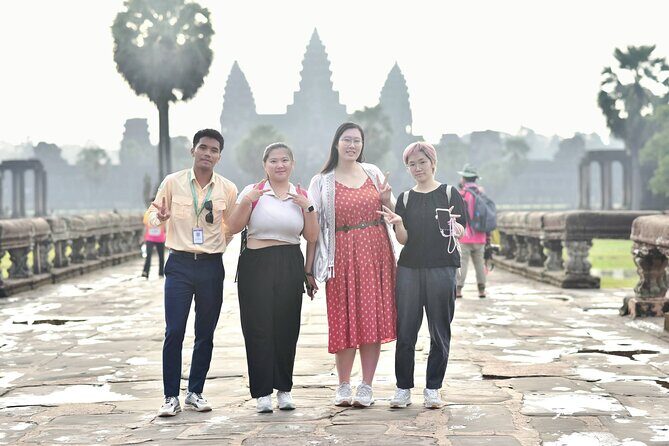
- Angkor Wat sunrise with a local English guide (early start, big payoff)
- Udong Hill + Skun Spider Sanctuary for culture beyond Angkor
- Major temples in one day: Bayon, Terrace of the Elephants, Baphuon, Ta Prohm, Ta Nei
- Clean, dependable service names show up repeatedly, including drivers like John and Luch Leang
Phnom Penh to Siem Reap in 2 days: what the pace really feels like
This is a classic “two-day corridor” tour. Day 1 is travel-heavy with meaningful stops, and Day 2 is temple-heavy with an early sunrise start. That pacing matters because Angkor is at its best when you’re early, before crowds and heat take over.
On Day 1, you’ll move north through Cambodian countryside, then break the drive with stops that add variety: hilltop royal heritage at Oudong Hill, then village-scale life at Skun (Spiderville). The point is simple: you get context for the region before you hit Angkor’s stone world.
On Day 2, sunrise at Angkor Wat is the big timing anchor. After that, you’ll cover several major temples in a logical route, with a guide to help you make sense of what you’re seeing. If you also choose the return to Phnom Penh the same day, plan on a long evening drive—comfortable, but long.
You can also read our reviews of more private tours in Phnom Penh

Hotel pickup, air-conditioned comfort, and English-speaking driver
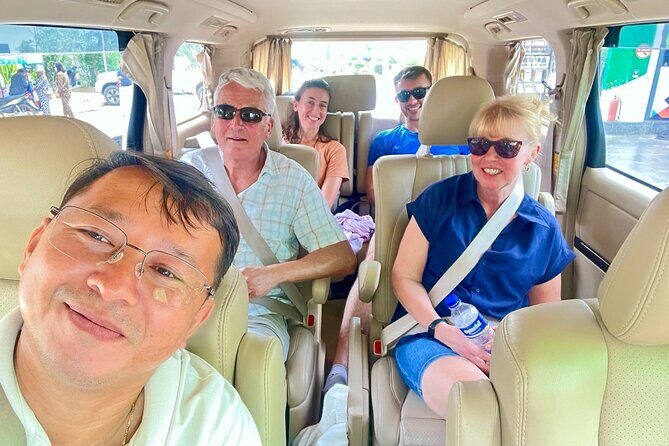
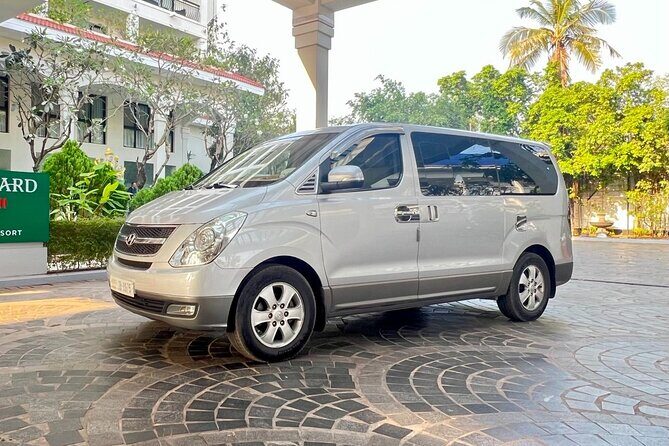
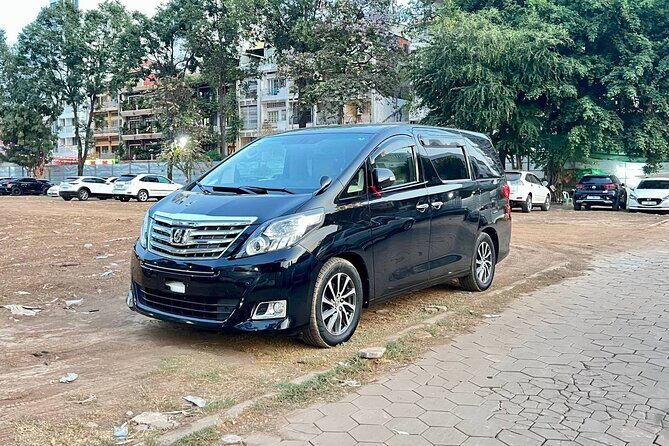
The included logistics are straightforward, which is a big deal on this kind of trip. You get hotel pickup and drop-off, plus an air-conditioned vehicle and an English-speaking driver. In places like Cambodia, that combination reduces the “stress tax” that comes from organizing rides on your own.
In the feedback I saw, the service style is consistent: drivers described as punctual, friendly, and careful about safety. Names that came up more than once include John and Luch Leang, both noted for being attentive and easy to work with. One person specifically mentioned a comfortable van and a driver who kept things moving without rushing.
What I’d do with this setup: keep your camera ready but stay flexible. A private vehicle means you’re not waiting on a big group schedule, but you still need to be ready for early mornings and checkpoint lines.
Oudong Hill and Spiderville: Cambodia’s royal past and village life
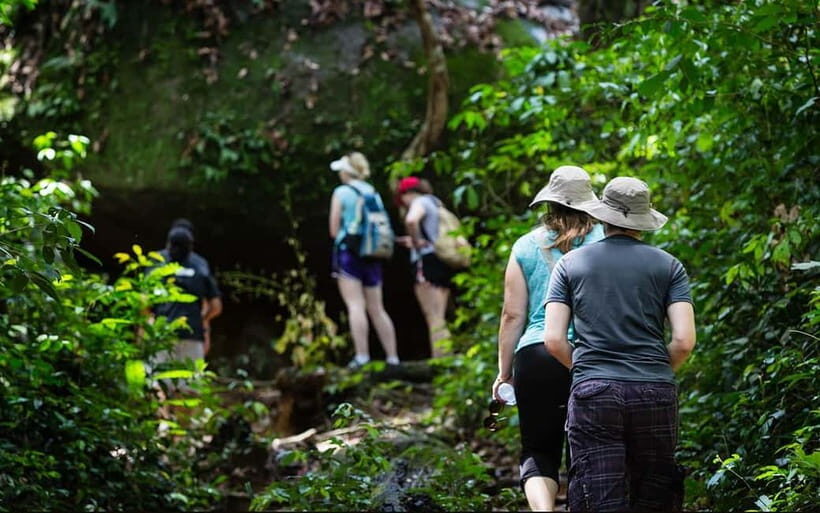
Day 1’s first real stop is Oudong Hill (Udong), the former royal capital. This is where you get golden stupas, Buddhist temples, and panoramic views from up on the hill. It’s a different kind of “wow” than Angkor—more spiritual and lived-in, less blockbuster.
You also get a practical benefit: Oudong helps you understand that Khmer heritage isn’t only temple stones. The place is about kings, faith, and the landscape’s sense of memory. The tour plan gives about 2 hours here, which is enough time to climb, wander the temple areas, and take photos without feeling churned.
Next comes Skun Spider Sanctuary (Spiderville). The stop is short—around 30 minutes—but it’s memorable in a very human way. You’ll see the local market and the famous fried spiders. The main value here isn’t shock value. It’s a look at how village livelihoods and local food traditions fit together in daily life.
If you’re squeamish about spiders, you can still enjoy the market atmosphere. But if you want to try something unusual, this is one of the few places on the route where the food is part of the identity of the stop.
Prasat Kuha Nokor and the quiet stop that breaks the drive
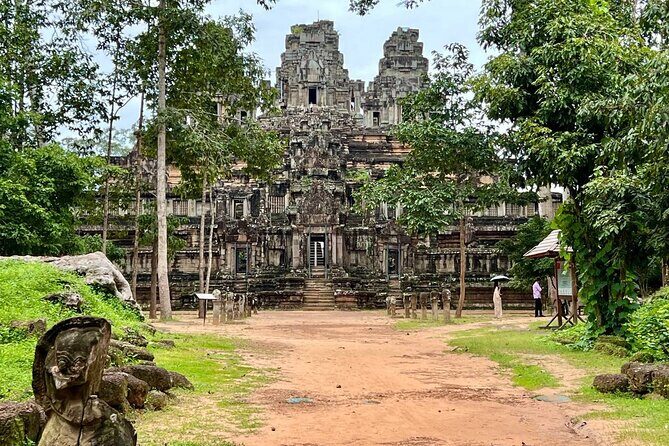
Between the major “must see” moments, the tour includes Prasat Kuha Nokor, a quieter Angkorian temple stop. It’s only about 30 minutes, so you’re not expecting a deep museum-style experience. Instead, you’re getting a quick hit of stonework and a calmer vibe than the big temple complexes.
That’s useful for your energy. By the time you reach Siem Reap, you’ll have already seen several points of interest without exhausting yourself with a full day of temples. It also helps you avoid the common mistake: thinking the whole trip will be dramatic every single minute. In reality, the in-between parts help the big moments feel more special.
A Khmer lunch option at Prey Pros Lake (and how to budget meals)
The tour includes an optional meal stop at Prey Pros near Prey Pros Lake. The plan calls this a traditional Cambodian meal option, and the timing is about 30 minutes. Since meals aren’t listed as included, you’ll want to budget for this at whatever cost you choose on the day.
My practical advice: treat lunch as flexible. Eat early enough that you’re not hungry for your next travel leg, but don’t overcommit if you want time for photos. If you’re the type who prefers a simple meal and keeps moving, this stop is ideal. If you love long lunches and sitting, you might find it a bit short.
You can also read our reviews of more tours and experiences in Phnom Penh

Kampong Kdei’s Ancient Bridge: a small stop with real photo power
Before you arrive in Siem Reap, you stop at Banteay Kdei / Ancient Bridge in Kampong Kdei. It’s listed as a short break of about 30 minutes and described as a historic stone bridge from the Angkor era.
You’ll probably use it for what it’s best at: photos, a leg stretch, and a quick reminder that the Angkor world extends beyond the famous temple core. The value here is context. After days of traveling, seeing something older and more functional than a “monument stop” can reset how you think about the region.
If you love your pictures: this is a great moment to step out, get a few angles, and then move on. The tour schedule won’t linger forever, so come ready with your camera settings.
Angkor Wat sunrise: the early start and why your guide matters
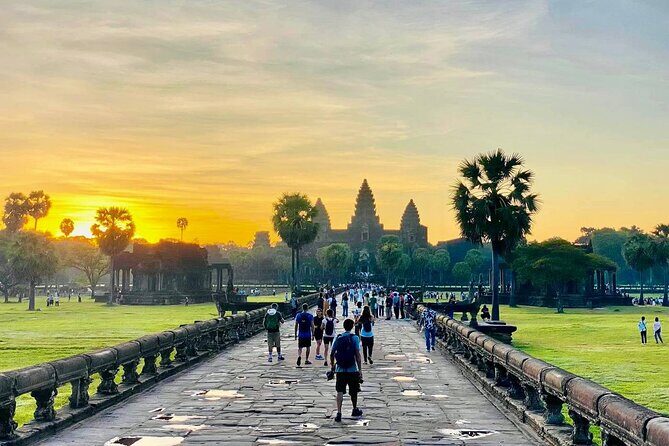
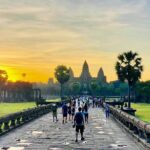
On Day 2, the most important line in the whole schedule is sunrise at Angkor Wat. You’ll meet with your local English guide early, and the temple time is about 1 hour at sunrise.
This is one of those moments where timing beats everything. Sunrise light changes the feel of the carvings and stone surfaces, and the whole place becomes more atmospheric than during the heat of midday. Even if you’ve seen photos online, you’ll get a more grounded sense of scale in person.
A guide helps here in a very practical way: they can point out what you’re looking at and help you pace your photos so you don’t miss the best angles while rushing. In the feedback, Ben was mentioned as an assigned temple guide and specifically credited for making the Angkor Wat visit more meaningful by sharing explanations and answering questions.
One more practical note: the Angkor Pass is not included, and you’ll need to get it at the checkpoint yourself when you arrive. That means your morning needs to be smooth and prepared.
Bayon faces, Terrace of the Elephants, and Baphuon: what each stop adds
After sunrise, the route flows into key highlights:
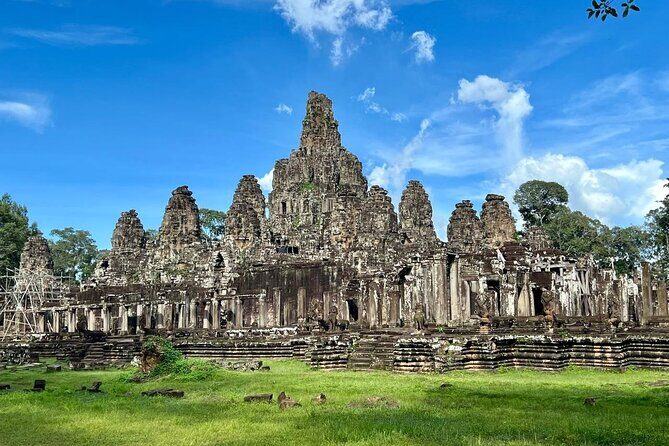
- Bayon Temple (about 1 hour): famous for giant smiling stone faces. This stop is ideal if you want the classic Angkor emotion—less about symmetry, more about presence.
- Terrace of the Elephants (about 30 minutes): a royal ceremonial platform with intricate carvings. It’s a great “pause point” to look closely because the carvings are what make the terrace worth it.
- Baphuon (about 30 minutes): a three-tiered temple mountain that showcases classic Angkorian architecture. This one is compact but important for understanding the temple mountain style.
These are all major names, but the value isn’t just the fame. It’s how the guide connects them: how the design choices relate to each other, and how the carvings tell parts of the story. With only one day, you don’t want to be wandering without direction. The structured flow keeps you from wasting time guessing.
Ta Prohm’s roots and Ta Nei’s quiet mood
Two temples round out the day in different emotional tones:
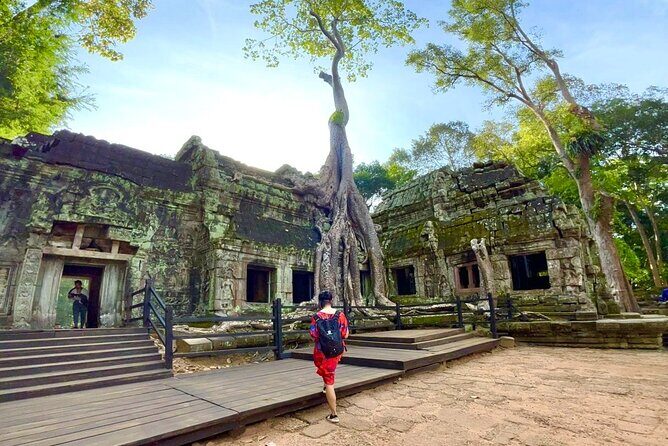
Ta Prohm (about 1 hour) is the famous “Tomb Raider” style temple, where massive roots entwine the ruins. This stop is a lot of fun because the scene feels alive—like the jungle is still negotiating with the stone. The roots create natural frames for photos, and the guide can help you understand why this kind of ruin looks the way it does.
Then you end with Ta Nei (about 30 minutes), a quieter, lesser-visited temple. This contrast is smart. After the spectacle of Ta Prohm, Ta Nei gives you a breather and lets you slow down.
If you’re deciding what kind of day you want: this pairing works well if you like both iconic scenes and calmer corners. It also helps you avoid the “temple fatigue” that can happen when every stop feels equally crowded and loud.
Price and value check: what $125 covers and what you must plan for
The tour price is $125 per person for a private, two-day route with:
- air-conditioned vehicle
- hotel pickup & drop-off
- professional English-speaking driver
- local English guide at the temples
- a mobile ticket feature
What’s not included is the big one: the Angkor Pass at $37 per person. Meals are also not included, though there is an optional Khmer lunch stop on Day 1.
So how does $125 pencil out? If you price it like this: you’re paying for two days of dedicated private transport plus driver time, and you’re not just getting a basic “taxi to temples.” The included temple guide on Day 2 is a real benefit for sunrise and for making sense of Bayon and the major sites.
My suggestion for budgeting: plan for the Angkor Pass on top of the tour price, and set aside some money for the optional lunch. If you want to maximize value, use the guide time well—ask questions, and don’t just rush through the photo spots.
Return to Phnom Penh or end in Siem Reap: choosing your ending wisely
At the end of Day 2, you have a clear choice. You can either return to Phnom Penh after the temple day (around 6 hours driving time) and arrive in the evening, or conclude the trip in Siem Reap so you can keep traveling or extend your stay.
I like the flexibility here. If you’re on a tight itinerary and need Phnom Penh back, the return option makes sense. But if you’re the type who enjoys evening wandering, dining, or just recovering from a sunrise start, ending in Siem Reap can save you from an extra late-night push.
Who this private tour fits best (and who might want a different setup)
This private format fits best if you want:
- a structured route with hotel pickup (less planning on your end)
- a sunrise Angkor experience with a guide
- countryside stops that aren’t just roadside stamps
- a vehicle that feels comfortable for long driving days
It might not be the best match if you hate early starts or you prefer to do Angkor at your own rhythm without a set temple order. Also, if you strongly prefer staying in one city at night, the Phnom Penh return option adds a long drive to an already intense day.
If you’re traveling solo, this is also a practical option because it’s still private—meaning no waiting on strangers to wake up, pay, or show up.
Should you book this Phnom Penh to Angkor Wat private tour?
If your priorities are Angkor Wat sunrise, major temples in one organized day, and a calmer, culture-forward Day 1, I think this is a strong pick. The value is in the combination: private transport, hotel pickup/drop-off, and a real temple guide included for the key sites.
I’d book it if you want your time to feel efficient without feeling rushed. And I’d do a quick check before you go: budget for the Angkor Pass ($37) and plan for Day 2 to be long—especially with the Phnom Penh return.
FAQ
Is hotel pickup and drop-off included?
Yes. The tour includes hotel pick-up and drop-off, plus an air-conditioned vehicle and an English-speaking driver.
What’s included in the tour price of $125 per person?
Included are the private air-conditioned transport, hotel pickup & drop-off, and a local English guide at the temples. Meals are not included, and the Angkor Pass is not included.
Do I need to buy the Angkor Pass, and is it included?
The Angkor Pass is not included and costs $37 per person. You’ll need to get the pass yourself when you arrive at the checkpoint.
Can I return to Phnom Penh after the temple day?
Yes. The tour offers a return to Phnom Penh after Day 2 with a private taxi transfer. You can also choose to end the tour in Siem Reap instead.
Are Day 1 stops and temple visits included?
The Day 1 stops listed are shown as free in the schedule (like Oudong Hill and other stops). The Angkor Pass is still required for the temple sites on Day 2.
What is the cancellation policy?
You can cancel for a full refund if you cancel up to 24 hours in advance of the experience start time. If you cancel less than 24 hours before, the amount paid is not refunded.