REVIEW · SIEM REAP
Floating Village-Mangrove Forest Private Tonle Sap Lake Boat Tour
Book on Viator →Operated by About Cambodia Travel & Tours · Bookable on Viator
Floating villages hit you in the gut. I love the private boat time on Tonle Sap, and I love how the English-speaking guide explains life on the water and the community’s resilience as you go. You’ll cruise Kampong Phluk floating homes, then explore the mangroves by traditional paddle boat (depending on water levels), before switching gears to Siem Reap temples and gardens.
Expect a full, slightly fast schedule in a 7–9 hour day. If you like to linger, or you’re heat-sensitive, plan to take it easy afterward and bring sun protection.
In This Review
- Key highlights worth clocking before you go
- Why Tonle Sap feels different from any other Siem Reap day
- Price and value: what $71.25 really buys you
- Timing and logistics: a 7–9 hour day with multiple switches
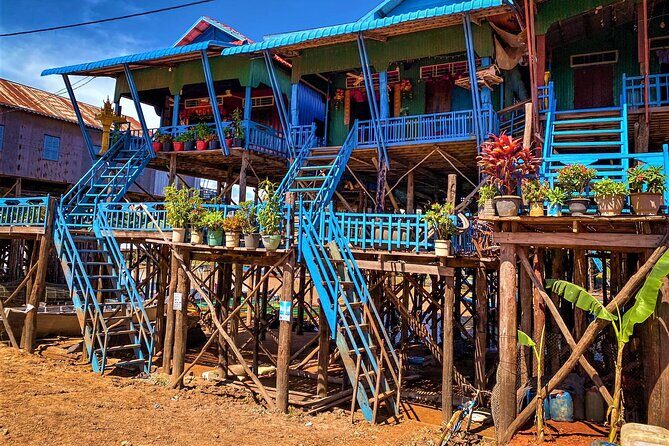
- Kampong Phluk floating village: where daily life happens on water
- Tonle Sap Lake stop: giant water, changing perspective
- Mangrove forest by traditional paddle boat: calm, wildlife chances, and water-level reality
- Ro Lous Market: everyday trading with Angkor-era vibes
- Wat Bo Temple: older pagoda, 19th-century wall paintings
- Artisans Angkor: craft process, not just souvenirs
- Royal Residence gardens and the shrine in the same stop block
- Angkor Botanical Garden: peaceful paths and zero plastic use
- Guides and pacing: why the right explanation changes everything
- Who should book this Tonle Sap floating village + mangrove day
- Should you book it? A practical yes with smart expectations
- FAQ
- How long is the Floating Village and Mangrove Forest private tour?
- Where does the tour start and end?
- What is the price per person?
- What’s included in the price?
- What is not included?
- Is this a private tour or a shared group tour?
- What main places will you visit?
- Do you explore mangroves during the tour?
- Do you get a mobile ticket?
- Can you cancel for a full refund?
Key highlights worth clocking before you go
- Private boat access for your group, not cattle-car sightseeing
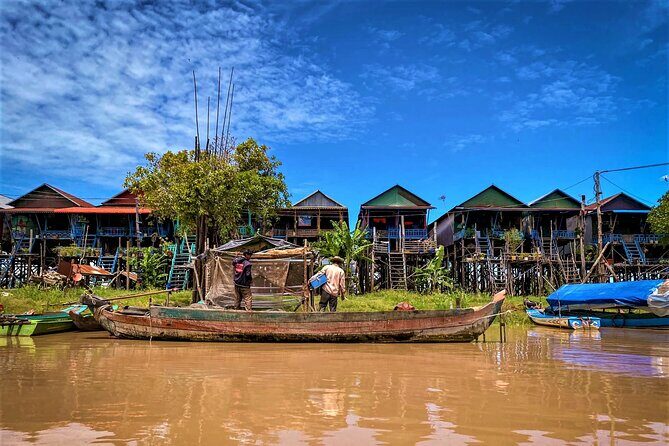
- Kampong Phluk village viewing of floating homes, day-to-day fishing life, and markets
- Mangrove exploration by paddle boat that changes with water levels
- Ro Lous Market as an older Angkor-era style market stop
- Temple and garden variety: Wat Bo, Royal Residence grounds, shrine, and Angkor Botanical Garden
Why Tonle Sap feels different from any other Siem Reap day
Tonle Sap is not a postcard lake. It’s a living system, and the floating communities around it shape their routines around the water’s rise and fall. That matters because you’re not just watching scenery—you’re seeing how people build, work, trade, and worship right where the lake is.
This tour’s biggest trick is balance. You get real water time, then you get a handful of classic Siem Reap stops that keep your day from feeling one-note. The result is a trip that teaches you something, without making you sit through a lecture.
You can also read our reviews of more boat tours in Siem Reap

Price and value: what $71.25 really buys you
At $71.25 per person, this can feel like a bargain or a splurge, depending on what you usually pay for tours in Cambodia. The value comes from the way the day is bundled:
- Hotel pickup and drop-off are included
- A professional English-speaking licensed guide is included
- All fees and taxes are included
- Boat time to the floating village area is included as part of a private boat tour
Lunch is the main extra cost to plan for. You’ll eat on your own at local restaurants, with dishes listed around $3–$10 each. Tips for the guide and driver are also not included, so you’ll want to set aside a little cash.
If you’re traveling as a small group and want a calmer pace than shared group tours, this pricing structure can make sense. You’re paying for access plus guiding, not just transport.
Timing and logistics: a 7–9 hour day with multiple switches
This is a 7 to 9 hour experience, and it packs in water + town + gardens. The flow usually works like this: you start with the water portion, then move through a set of Siem Reap highlights on land.
One practical consideration: the day includes several shorter stops, not one long museum-style visit. That can be great for getting broad coverage, but it also means you won’t have hours to wander without moving along.
Also, it’s a private tour, so only your group participates. That’s useful if you want to ask questions or adjust your pace within reason.
Kampong Phluk floating village: where daily life happens on water
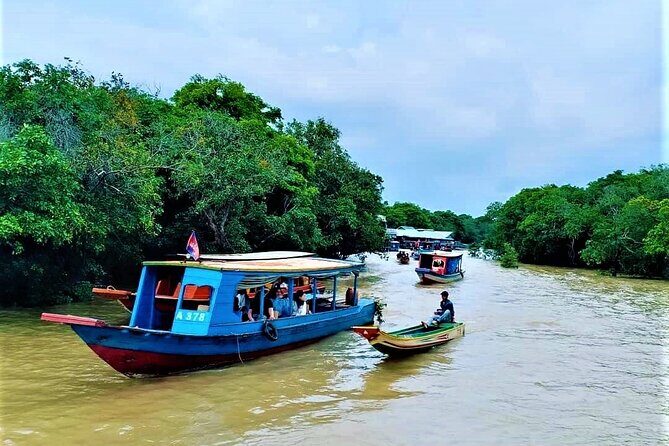
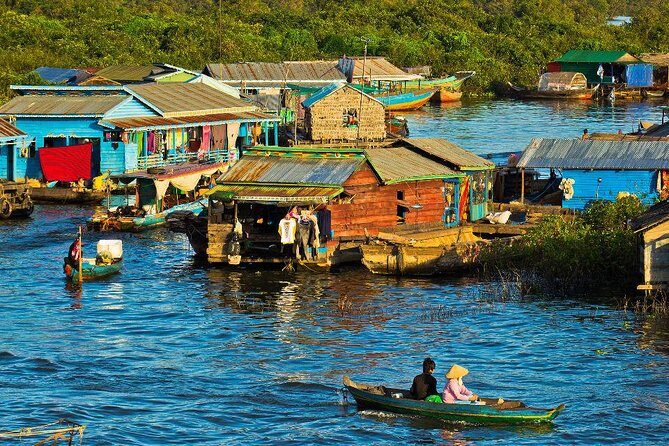
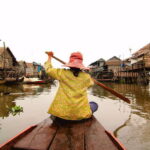
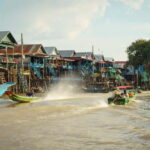
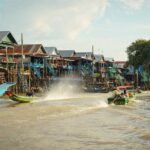
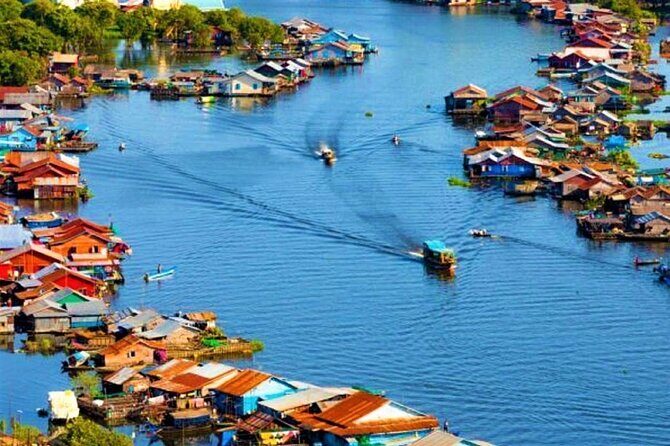
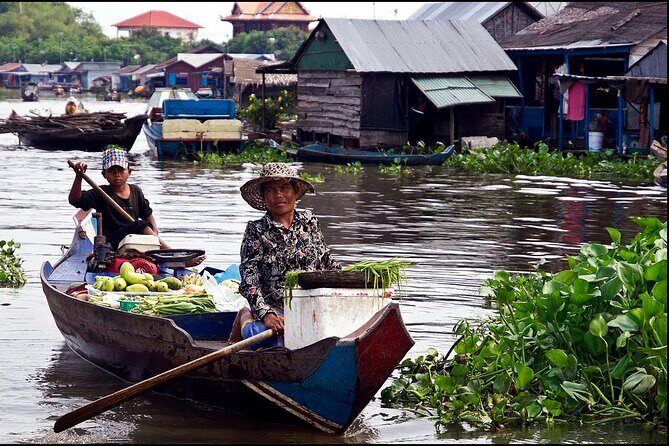
Kampong Phluk is the star stop, and it’s timed for a full visit (about 3 hours). You’ll go by boat to see the traditional floating village setup—homes that literally sit on the water, and daily routines tied to fishing and lake life.
I like this stop because it doesn’t treat the village like a showpiece. It gives you a way to notice systems: where people gather, how they move through the community, and how life continues while the lake changes around it.
You’ll also get time for on-water village exploration and a look at markets tied to daily needs. One useful tip: bring a respectful mindset. You’ll be seeing real households and active work, not a set.
Possible drawback: floating villages can feel touristy depending on the day and water conditions. Even so, your guide’s context helps you read what you’re seeing beyond surface-level photos.
Tonle Sap Lake stop: giant water, changing perspective
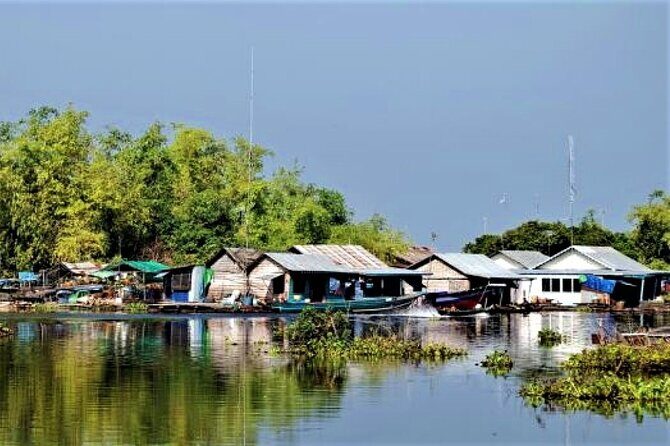
After Kampong Phluk, the day includes time on Tonle Sap Lake itself (about 1 hour). The lake stop is important because it puts your floating-village view into scale. Tonle Sap is described as the largest lake in South East Asia, and that size changes how you understand everything you saw around the edges.
This is also where you may spot fishermen and get a sense of how the water shapes jobs and movement. On a calm day, the boat ride experience can feel like a reset between stops.
Since mangrove exploration and paddle time can depend on water levels, don’t be surprised if the exact timing and how much you see shifts. The guide will work with conditions rather than forcing a rigid script.
You can also read our reviews of more private tours in Siem Reap
Mangrove forest by traditional paddle boat: calm, wildlife chances, and water-level reality
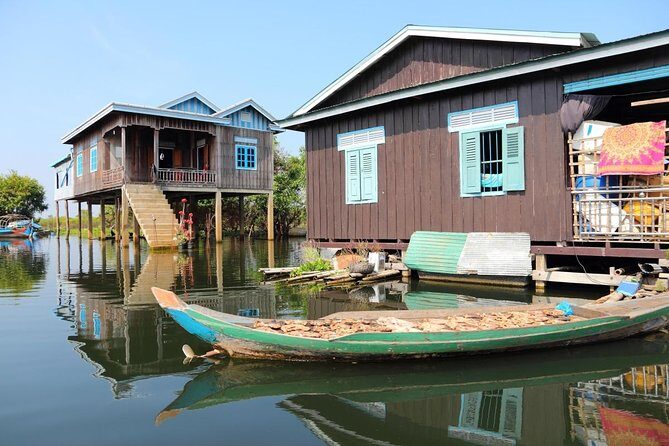
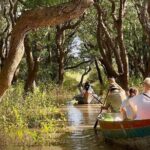
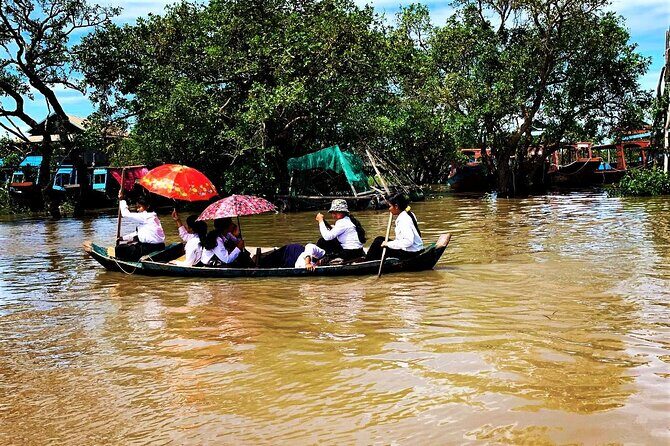
The mangrove part of this tour is the quiet counterbalance to the village energy. The plan is to explore the surrounding mangroves by traditional paddle boat, with the specific route and access depending on the lake’s water level.
This segment is valuable because it gives you something photos can’t fully explain: the feel of moving through a narrow, living environment. Mangroves are busy in their own way, and this is the part where you’re most likely to look for wildlife and notice how the ecosystem supports lake life.
Practical note: this portion can be calmer and slower than the village portion, so it’s a good time to focus on stillness and observation instead of trying to multitask. If you’re sensitive to heat, this is also where shaded moments (if they happen) help.
Ro Lous Market: everyday trading with Angkor-era vibes
Next up is a land stop at Ro Lous Market (about 30 minutes). The highlight here is that it’s described as the oldest market of the ancient Angkor City. That age matters because it changes what you’re watching: not just modern shopping, but routines that feel rooted in long-standing local commerce.
You’ll walk through lively stalls and get a sense of daily life that’s separate from the Angkor temple circuit. It’s also a good place to test your bargaining instincts and practice patience. Markets run on time that isn’t always the same as tour timing.
My advice: if you want snacks or small items, do it here rather than waiting for later. Your time on each stop is limited.
Wat Bo Temple: older pagoda, 19th-century wall paintings
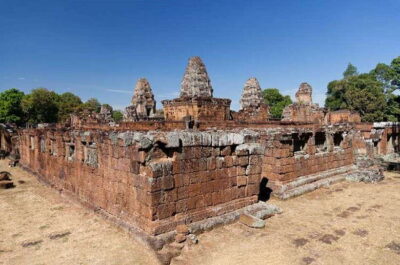
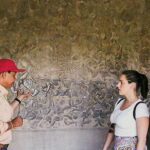
At Wat Bo, you’ll spend about 30 minutes at an older pagoda in Siem Reap with well-preserved wall paintings from the 19th century. Temple visits are often about big names and grand scale, but Wat Bo gives a different angle: art details and a quieter setting than some of the main Angkor highlights.
This stop helps anchor the cultural side of the day. You’re already seeing Khmer-era influence through the broader story the guide shares, and the paintings give you something visual to attach to that context.
Consideration: it’s a short stop, so don’t expect a full temple deep dive. Go with a few things you want to notice—figures in the paintings, the style, the condition—and let the rest be background.
Artisans Angkor: craft process, not just souvenirs
Then it’s on to Artisans Angkor (about 40 minutes). Traditional Cambodian arts covered here include textiles, non-textile weaving, silversmithing, stone carving, lacquerware, ceramics, wat murals, and kite-making.
This matters because it helps you understand what you’re buying (or skipping). Instead of treating crafts as random shopping, you get a sense of the skills behind them. Even if you only browse, it’s a useful contrast to the water stops.
Practical tip: if you’re buying something small like textiles or craft items, bring cash and be ready to spend a minute comparing quality. A short visit means you should decide quickly rather than drift.
Royal Residence gardens and the shrine in the same stop block
The itinerary continues through the Royal Resident Garden area (about 30 minutes). This space is described as the Royal Independence Gardens and the Royal Residence complex, with lush gardens, a pagoda, and shrines.
From there, you’ll visit Preah Ang Chek Preah Ang Chorm Shrine (about 30 minutes). It sits within the Royal Residence compound and is linked to two statues referenced as Preah Ang Chek and Preah Ang Chorm.
Why group these? Because it’s a themed transition: water-life and daily routines earlier, then a shift to religious and royal grounds that reflect different parts of Cambodian life.
What to watch for: ask your guide what role shrines and court spaces played historically and how that connects to what you learned about the community on the lake. Your day becomes more than a checklist.
Angkor Botanical Garden: peaceful paths and zero plastic use
Finally, the day ends at Angkor Botanical Garden (about 1 hour). This place is described as eco-friendly with a dedication to zero plastic use, plus peaceful walking paths and friendly wildlife.
This stop is a strong way to cool your day down. After boats, temples, and markets, you get green space with an orderly route where your pace can slow a bit. Even one hour feels like a reset.
Simple advice: if the day has been hot, aim to arrive with water and a hat. You’ll enjoy the walking paths more when you aren’t rushing to survive the heat.
Guides and pacing: why the right explanation changes everything
This tour runs with a licensed professional English-speaking guide, and the tone matters. In the past, guides like Leap and Sara (and a team member named Art mentioned in pickup experiences) have been praised for friendly professionalism and clear explanation.
That kind of guide can turn a busy day into an easy one. You’ll spend less time guessing what you’re seeing, and more time noticing details that fit together: lake life, market needs, temple art, royal grounds, and conservation-minded garden rules.
One honest trade-off: the route can feel fast-paced because there are many stops. It’s not a problem if you’re happy moving. If you prefer slow travel, you might want to keep the rest of the evening low-key.
Who should book this Tonle Sap floating village + mangrove day
This tour fits you well if:
- You want real water time plus Cambodia culture in one day
- You like guided context, especially on daily life and historical challenges
- You’re traveling in a group that benefits from private boat logistics
- You’re okay with a 7–9 hour schedule and multiple short stops
It may not fit you as well if:
- You want only nature and zero added city stops
- You hate tight timing and prefer long, slow wandering
- You’re traveling with very young kids who need frequent stops (nothing is mentioned specifically here, so you’ll want to consider your own comfort level)
Also, the experience is listed as something most travelers can participate. So for many people, it’s a realistic choice.
Should you book it? A practical yes with smart expectations
Book it if you want a day that hits the Tonle Sap reality fast: floating village life at Kampong Phluk, mangrove calm by paddle boat, and then a focused set of Siem Reap cultural stops. The big value is the bundled pricing: pickup, guide, entrances, taxes, and the private boat tour are all included.
Don’t book it if you want a laid-back day with lots of free time. This is a structured route with short windows at several places. You’ll get coverage, not lingering.
FAQ
How long is the Floating Village and Mangrove Forest private tour?
The tour runs about 7 to 9 hours.
Where does the tour start and end?
It includes hotel pickup and drop-off in Siem Reap. You’ll provide your hotel name and address.
What is the price per person?
The price is listed as $71.25 per person.
What’s included in the price?
Included items are pickup and drop-off, a professional English-speaking licensed guide, all fees and taxes, all sightseeing fees mentioned in the itinerary, and private boat tours to Tonle Sap and the floating village.
What is not included?
Tips for the guide and driver are not included. Lunch is also not included, though local restaurants offer vegetarian and non-vegetarian options (about $3–$10 per dish).
Is this a private tour or a shared group tour?
It is a private tour/activity, meaning only your group participates.
What main places will you visit?
You’ll visit Kampong Phluk Floating Village, Tonle Sap Lake, Ro Lous Market, Wat Bo Temple, Artisans Angkor, Royal Resident Garden, Preah Ang Chek Preah Ang Chorm Shrine, and Angkor Botanical Garden.
Do you explore mangroves during the tour?
Yes. Mangrove exploration is part of the experience and is done by traditional paddle boat, depending on water levels.
Do you get a mobile ticket?
Yes. The tour includes a mobile ticket.
Can you cancel for a full refund?
Yes, you can cancel for a full refund up to 24 hours before the experience start time. Free cancellation is available.