REVIEW · SIEM REAP
Kompong Phluk Floating village & Mangrove forest cruise
Book on Viator →Operated by Bayon Tabi Tour · Bookable on Viator
Tonle Sap feels like another planet. This half-day trip shows you how communities manage life at the edge of Tonlé Sap Great Lake, where water levels change the rules of everything. You’ll see silted homes and stilts, then get explanations from a licensed guide in English or Japanese—often the kind of guide who can point out what to look for, not just facts on a screen.
Two highlights I really like: the mix of floating village viewpoints plus lake time, and the chance to travel through the flooded mangroves by canoe in the wetter season. One thing to keep in mind is seasonal changes: the mangrove small-boat segment isn’t available from Feb 15 to July, and in that period you may wait at the larger boat area/shop instead.
If you want the quick feel for what a good guide looks like, real feedback around this tour names guides like Phy, Nak Chum, Tommy, and Pen for being especially engaging during the drive and on the water.
Floating village + mangroves, not just a quick photo stop
English or Japanese licensed guide included
Air-conditioned transfers with cool water
Boat fees and entrance fees are covered
Small group size (max 15)
Mangrove small-boat segment depends on season (Feb 15–July excluded)
In This Review
- Entering Tonlé Sap: the view that makes everything make sense
- Kampong Phluk Floating Village: stilts, seasons, and everyday rhythms
- The mangrove cruise: canoe time in wet season (and the Feb–July tradeoff)
- The Tonlé Sap lake-to-village rhythm and timing that feels workable
- Psar Chaa old market (local market stop): quick, useful, and not too long
- Price and logistics: what you’re really paying for
- Comfort tips for an outing that mixes sun, water, and village paths
- Who should book this Kompong Phluk and mangrove cruise?
- Should you book? My take on the decision
- FAQ
- How long is the Kompong Phluk floating village and mangrove cruise?
- What’s included in the tour price?
- Do I get pickup from my hotel?
- How many travelers are in the group?
- Is the mangrove forest small-boat segment available year-round?
- What happens if I do not want to take the mangrove forest small boat?
- Is there a market stop during the tour?
Entering Tonlé Sap: the view that makes everything make sense
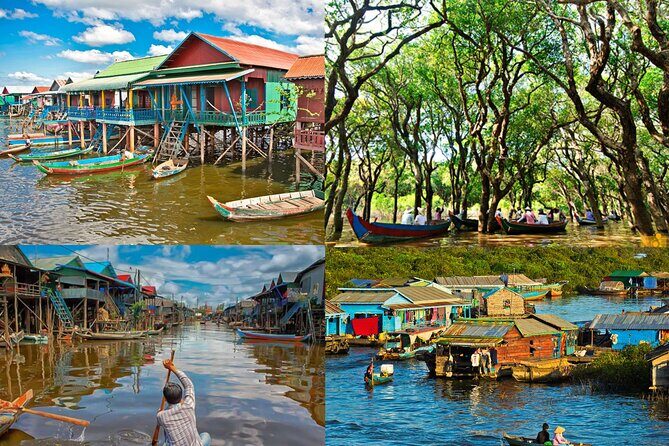
Tonlé Sap is Southeast Asia’s biggest freshwater lake, and the real point of the first stop is simple: you can’t understand Kampong Phluk without seeing the lake itself. When water is high, whole communities shift with it. When it’s lower, the same place looks almost like a different town.
From the water, you’ll also notice the practical details—how the horizon changes, how the shore can look muddy and silted, and why houses are built to handle dramatic seasonal swings. Your guide’s job here is to connect the scenery to daily life, not to recite a lecture. Good guiding makes you look at the lake the right way.
Expect about an hour at this stage, with admission included. This time helps you build context before you step into Kampong Phluk, so the floating village feels less random and more logical.
Kampong Phluk Floating Village: stilts, seasons, and everyday rhythms
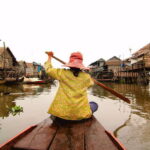
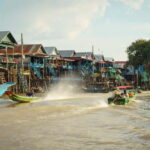
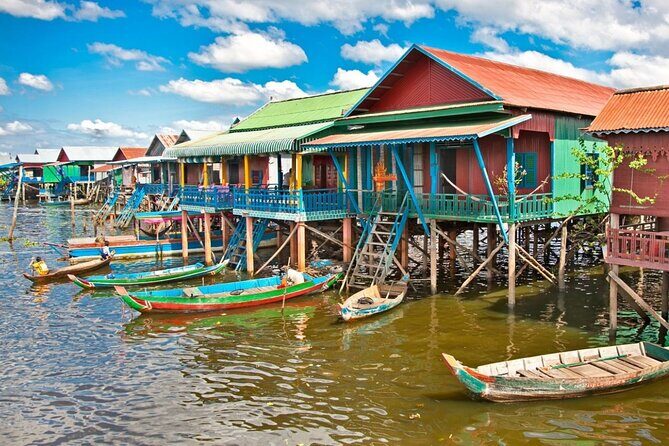
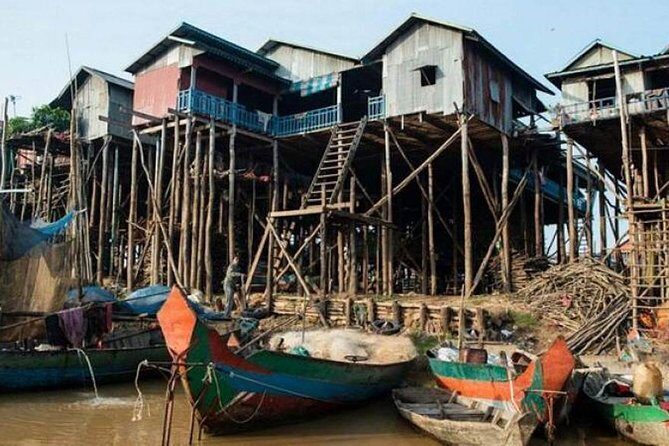
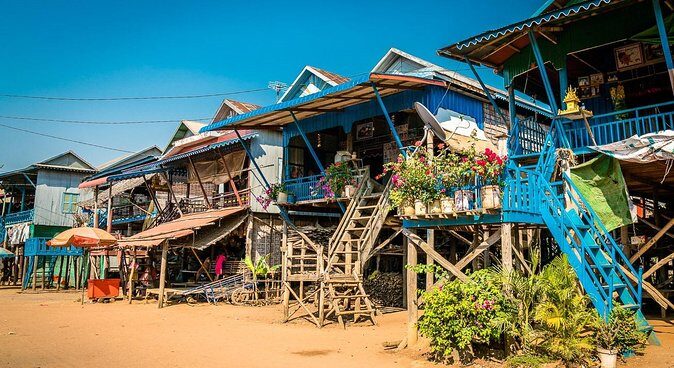
Kampong Phluk is famous for being a floating village in a mangrove setting on Tonlé Sap. But what you’re really seeing is adaptation. Houses on stilts, raised walkways, and a community layout that matches the lake’s rise-and-fall cycle.
The best part of this stop is that your guide explains how the seasonal pattern affects routines. You’ll hear how people live when the water covers paths and when it exposes areas that are under the surface during wet months. If your guide is strong (and the feedback on this tour tends to be), you’ll finish with a clear sense of what changes and what stays the same.
You’ll have around an hour here, with admission included. Use that time well:
- Spend a few minutes just watching how boats and walkways connect.
- Then ask your guide what you’re looking at in plain terms: how the village functions when it’s flooded versus dry.
From the comments I read, one big reason people rate this stop highly is the culture shock factor—visiting a place where locals live with conditions that would be hard to imagine back home. It’s not a staged theme park feel. It’s real life at water’s edge.
One caution: not every guide shares the same depth or makes the same level of connection with locals during the stop. If you care most about conversation and human interaction, go in with patience and good questions.
You can also read our reviews of more boat tours in Siem Reap
The mangrove cruise: canoe time in wet season (and the Feb–July tradeoff)
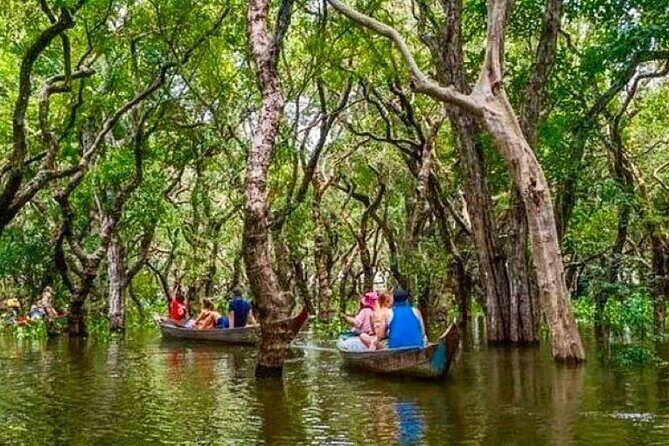
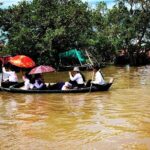
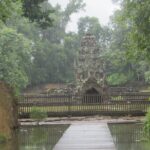
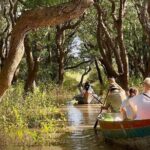
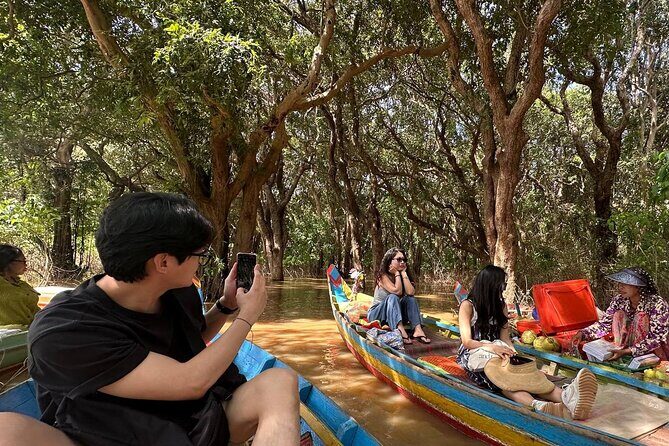
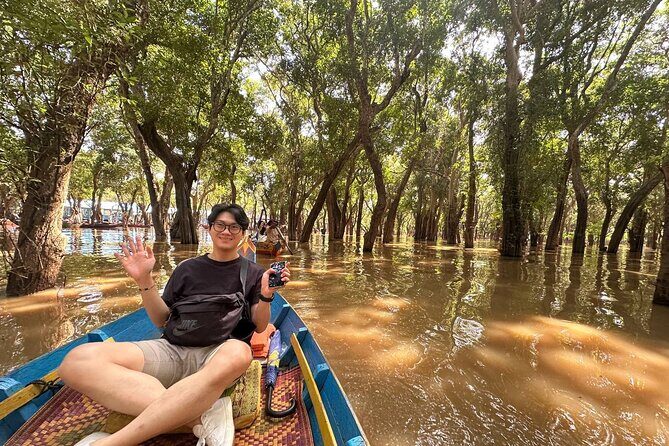
This tour’s main “wow” segment is the mangrove forest cruise when conditions allow you to go by small craft (canoe/kayak-style). In the wet season, parts of the mangroves become flooded, and you travel through a tunnel of branches and channels. The pace feels slower than open lake boating, and you’ll likely feel closer to the ecosystem.
During that mangrove portion, it’s common to notice small, lived-in details—local life happening at the edge of the waterway. Some feedback even mentions moments like singing while on the smaller craft segment, which adds a human soundtrack to the nature side of the trip. Not every departure will be the same, but it’s a good reminder that this is a working environment, not just scenery.
Now the practical part. The mangrove forest cruise small-boat segment is not available from Feb 15 to July. If you’re traveling in that window, you can still do the tour, but the smaller craft portion won’t run. The included note also says that if you don’t want to take the mangrove forest small boat, you can wait at the big boat (shop). In the Feb 15–July period, that same idea may apply by default.
So, before you book, match your expectations to the date:
- If you want the intimate canoe/kayak-style experience, aim for the season when small craft runs.
- If your dates fall inside Feb 15–July, treat mangrove cruising as partially limited and plan to enjoy the lake and village sections as the core of the day.
The Tonlé Sap lake-to-village rhythm and timing that feels workable
A half-day tour here has one job: keep the pace smooth enough that you actually enjoy the place. This one runs about 3 to 4 hours total, and it typically flows like this:
1) Lake viewing and context time
2) Kampong Phluk village visit
3) Return with a market stop
The scheduling matters because roads can be a bit of a moving target around Siem Reap. A well-run pickup and transfer makes the whole thing feel calmer.
Also, a small group helps. This tour caps at 15 travelers, so you’re less likely to feel like you’re floating through the day on a crowded conveyor belt. In real-world terms, that means fewer bottlenecks when boarding boats or moving through the market area.
Psar Chaa old market (local market stop): quick, useful, and not too long
On the way back, you’ll visit Psar Chaa, described as an old market, with a 30-minute stop. Admission is free.
This is the kind of add-on I like on tours like this because it’s practical. You can grab small snacks, look at everyday goods, and see a slice of commerce that doesn’t require extra time away from the lake. It also gives your brain a break after water and village time.
Don’t expect a long browse. Thirty minutes is short by design. Use it to pick one or two items you’ll remember, like fruit, drinks, or small local souvenirs—then return to your group on time so the tour stays on track.
Price and logistics: what you’re really paying for
The price is $105 for a 3–4 hour experience in Siem Reap. For many people, the value question is: is this basically boat tours plus a village, or is there real guided structure? The included items make the difference.
Here’s what your ticket covers:
- Pickup offered (round-trip in practice, based on how these tours run)
- Air-conditioned vehicle with cool water
- Licensed English or Japanese speaking guide
- Entrance fee(s)
- Boat fee for the mangrove forest boat and the boat from the port
- Bottled water is mentioned as included in the tour overview
When you compare that to paying entrance fees and boat rides separately, the value starts making sense. You’re not just buying transport; you’re buying explanation, timing, and the boat logistics that would be hard to line up independently.
One more detail that affects value: group size max 15. That’s not huge, and it tends to keep the experience feeling personal enough to matter, especially when you’re learning how the community adapts to seasons.

Comfort tips for an outing that mixes sun, water, and village paths
Even when everything runs smoothly, you’ll be outside and on the move. Here’s how to keep it comfortable without overpacking:
- Wear breathable clothes and shoes you don’t mind getting damp or dusty.
- Bring sun protection. Lake reflections can be intense.
- If you’re prone to motion discomfort, you might want something for that. You’ll be on water more than once.
- Plan for humidity and bring a light layer if you get chilly on the boat.
If you’re doing the mangrove canoe/kayak portion, remember you’re in a water environment. Being prepared for a bit of spray helps you stay relaxed.
Also, note the seasonal small-boat limitation. If you’re traveling between Feb 15 and July and your heart is set on that closer canoe feeling, it’s worth re-checking what your specific departure offers so you don’t end the day slightly disappointed.
Who should book this Kompong Phluk and mangrove cruise?
I think this tour is a strong match if you:
- Want a real “water-level life” experience in Cambodia, not just ruins
- Like guided context with enough time to look around on your own
- Prefer small groups with boat-based segments
- Enjoy seeing how communities respond to the environment
This may feel less perfect if you’re:
- Only interested in mangroves and you’re traveling during Feb 15–July (when the small-boat segment isn’t available)
- Hoping for a long market shopping spree (the market stop is about 30 minutes)
- Extremely time-sensitive and need a tightly predictable return moment (the tour can feel variable depending on water conditions)
If you’re combining this with Angkor temple days, it’s a great contrast. It breaks up the day with water, village life, and fresh context.
Should you book? My take on the decision
Book it if you want Tonlé Sap to feel understandable. The lake stop gives you the why, Kampong Phluk shows the how, and the mangrove cruise adds the sensory wow when conditions allow small craft.
Skip or adjust expectations if your travel dates fall in Feb 15 to July and you’re specifically chasing the small-boat canoe/kayak segment. In that window, the village and lake pieces matter even more—so go for those with confidence.
If you do book, I’d recommend arriving with two goals: learn how seasonal water changes life, and watch carefully when you’re on the water. That’s where the trip clicks.
FAQ
How long is the Kompong Phluk floating village and mangrove cruise?
It runs about 3 to 4 hours.
What’s included in the tour price?
The tour includes an air-conditioned vehicle with cool water, a licensed guide in English or Japanese, entrance fees, and boat fees (including the mangrove forest boat segment and boats from the port), plus bottled water.
Do I get pickup from my hotel?
Yes, pickup is offered.
How many travelers are in the group?
The tour has a maximum of 15 travelers.
Is the mangrove forest small-boat segment available year-round?
No. The mangrove forest cruise small boat is not available from Feb 15 to July.
What happens if I do not want to take the mangrove forest small boat?
The information says you can wait at the big boat (shop) instead.
Is there a market stop during the tour?
Yes. On the way back you visit Psar Chaa (old/local market) for about 30 minutes, and admission there is free.