REVIEW · SIEM REAP
Cycle Angkor Backroad Bike Tour / E-Bike or Tuk Tuk
Book on GetYourGuide →Operated by Siem Reaper Travel · Bookable on GetYourGuide
Angkor looks best when you slow down. This 8-hour cycle tour turns big, famous temples into an actual route you can move through, with history told on the move and shaded backroads instead of constant crowd-watching. I especially like the small-group feel (up to 12) and the way guides keep things practical, not just lecture-style. One possible drawback: it’s a long day in warm, humid weather, and the tour runs rain or shine.
You start with hotel pickup in Siem Reap, meet your guide, and head out to Angkor Archaeology Park for a full loop of Angkor Thom, Bayon, Terrace of the Elephants, Baphuon, and Ta Prohm—then you finish with Angkor Wat later in the afternoon to catch it before the day fully collapses into peak crowds. In past groups, guides like Muniz, Voleak, Sotin, Mony, and Steven have been praised for strong English, good safety briefings, and adapting the pace to real bike ability. If you’re expecting a leisurely stroll between only the headline monuments, you might feel the day moves fast.
The tradeoff is the payoff: you’re not just ticking off temples, you’re getting a sense of how the Angkor site fits together—elephant gates into a city layout, face towers in the center, jungle trails leading to Ta Prohm, and then the massive geometry of Angkor Wat. For $55, it’s one of the better value ways to see Angkor as more than postcard stops, as long as you’re ready for riding time and you plan for entrance fees not included.
In This Review
- Key things I’d pay attention to
- Why cycling Angkor beats rushing between bus stops
- Pickup, bikes, helmets, and the small-group reality
- Angkor Thom through the Elephant Gate to Bayon faces
- Terrace of the Elephants and Baphuon: Khmer details at riding speed
- Ta Prohm on forest trails: jungle, shade, and film-famous stone
- Lunch by the pond: fuel that keeps the day comfortable
- Angkor Wat late afternoon: the calm version of the world’s biggest temple
- Guide style that actually makes the day better
- Price and logistics: what $55 really buys you
- What to bring (and what to expect on a rain-or-shine day)
- Who this tour suits best (and who should skip it)
- Should you book this Cycle Angkor backroads tour?
- FAQ
- Is the Angkor Archaeological Park entrance included?
- How long is the tour?
- Is hotel pickup included?
- What happens if it rains?
- What should I bring?
- Is this tour suitable for everyone?
Key things I’d pay attention to
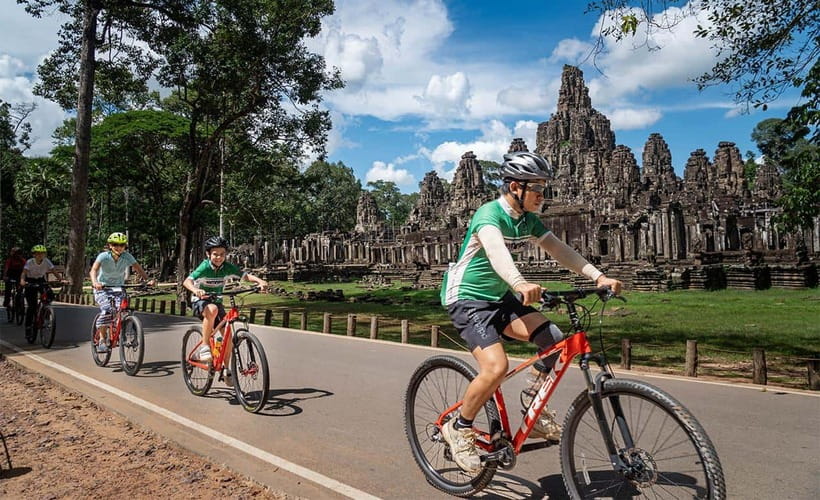
- Late afternoon Angkor Wat for calmer viewing without trying to out-muscle the biggest crowds.
- Backroad feel: forest paths and jungle-enclosed routes that make the day feel less like a line.
- Small-group max of 12 plus helmets, bottles of water, and snacks.
- Guides that adjust to your cycling comfort and interests (solo rider experiences have worked well).
- A lunch stop with Cambodian food plus extra snacks/fruit during the ride.
- Entrance to Angkor Archaeological Park isn’t included, so budget that separately.
Why cycling Angkor beats rushing between bus stops
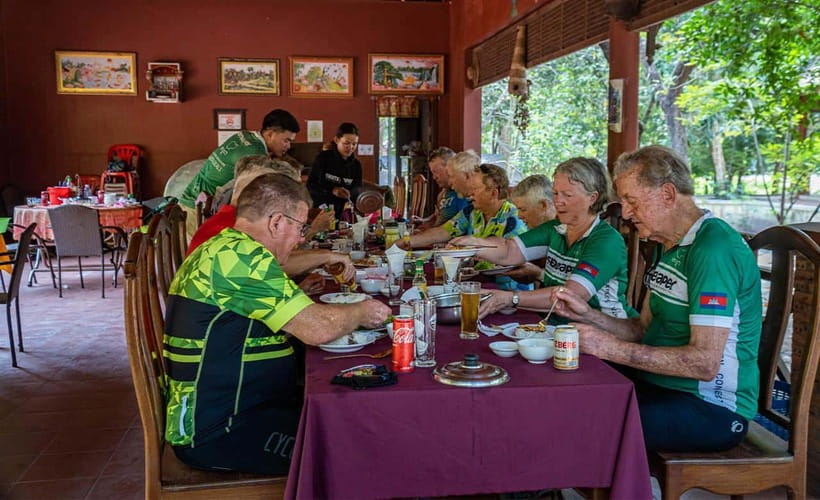
Angkor Wat and Angkor Thom are famous for a reason, but seeing them in a tight schedule can feel like standing still while the world rotates around you. On a bike tour, the energy shifts. You’re moving at human speed, with natural breaks for photos, views, and guided explanations.
I like this setup because it’s active without being extreme. You get the structure of a guided route, but the pace still feels yours—especially on the backroad portions where the route can be flatter and often shaded. One solo rider even logged about 45 km, which hints at how much ground a good guide can cover when the day flows smoothly.
The other big win: your guide can point out what you might miss if you only arrive at entrances and keep walking. Angkor’s carvings and layout are easier to understand when someone connects the dots out on the route, not just at the gate.
You can also read our reviews of more tours and experiences in Siem Reap.
Pickup, bikes, helmets, and the small-group reality
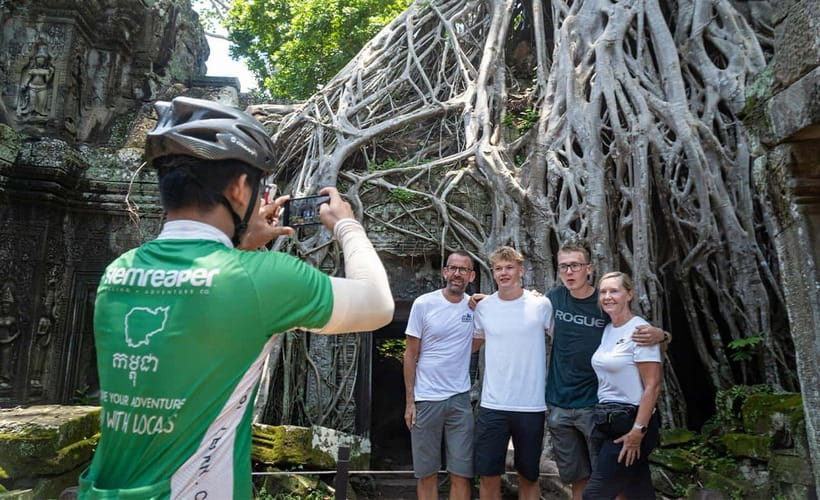
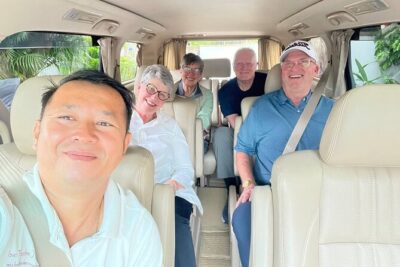
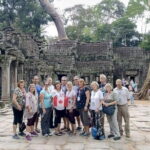
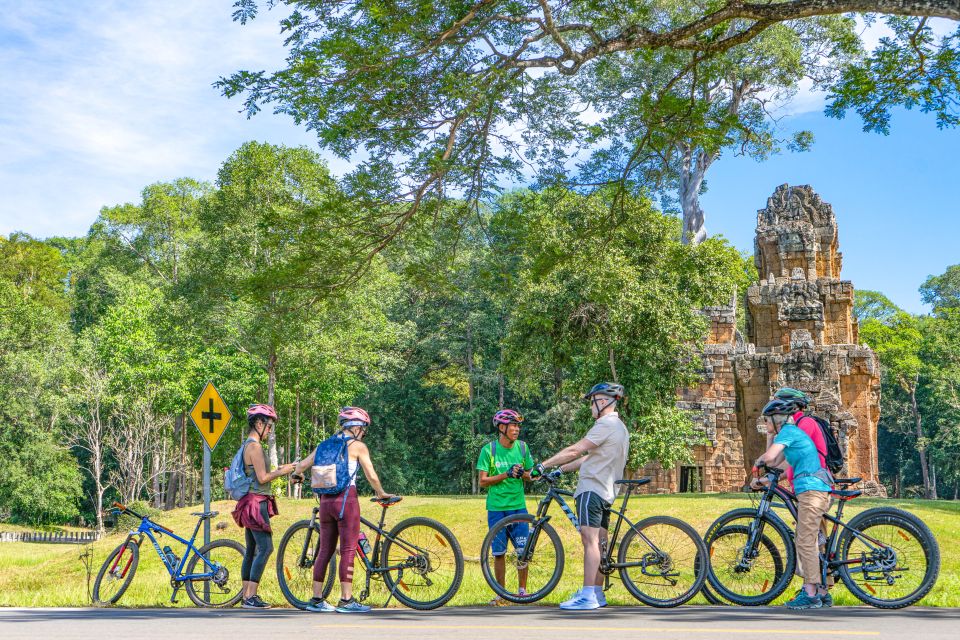
The day starts with pickup in Krong Siem Reap, then a ride out to the Siem Reap shop where you meet your guide and get your bike and helmet. The group is limited to 12 participants, which matters because it reduces the “train effect.” You’re not constantly waiting for the last person to clear a photo spot or deal with a stuck pedal.
Your tour includes bottled water and snacks throughout, and that’s not a throwaway detail in Siem Reap. Even a relatively flat ride can turn into a sweat-fest if you don’t get regular refresh breaks. The tour also runs rain or shine, so you should assume you’ll ride in heat, humidity, and whatever weather decides to show up.
If you like having a guide who takes safety seriously, you’re in the right place. Multiple guides have been praised for doing a proper safety briefing and keeping bikes in good shape.
Angkor Thom through the Elephant Gate to Bayon faces
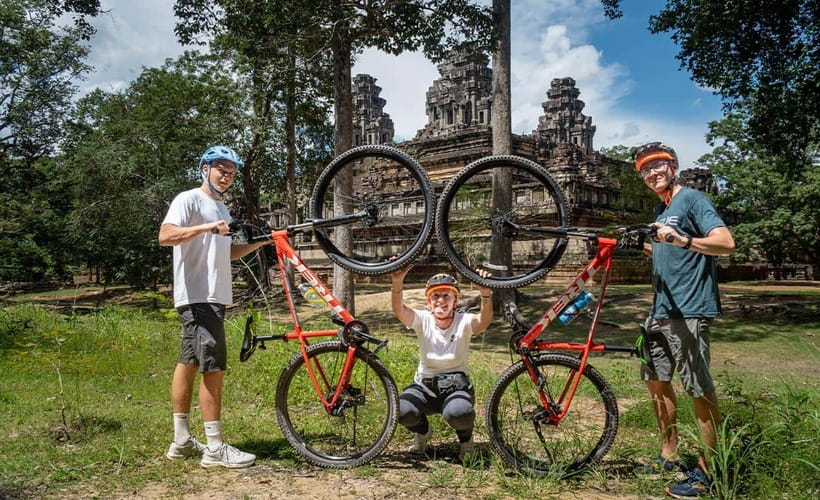
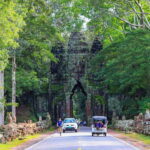
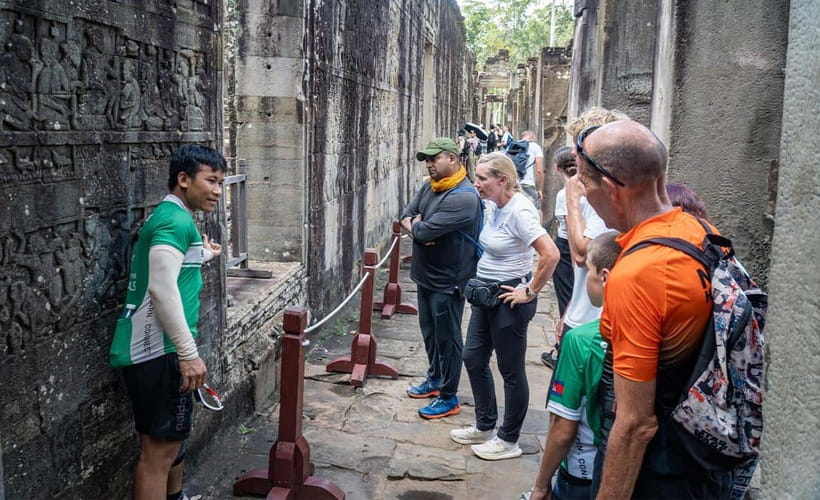
The route first brings you into Angkor Thom through the ancient gate carved with elephants and four giant faces. This stop works because it’s not just a photo moment. It’s your first real visual of how Angkor’s power and beliefs were carved into architecture—stone as storytelling.
Then you head to Bayon Temple, located in the center of the city. The highlight here is the enigmatic faces that represent the provinces of the Great Khmer Empire. What makes Bayon so satisfying on a bike tour is that you’re not arriving cold. You’ve already seen the scale and layout of the walled city as you ride in, so the faces don’t feel random. They feel like a centerpiece.
Expect time for guided stops and photo breaks. Bayon also has a way of making you look up a lot. That’s a good thing—just remember to hold your camera steady if you’re shooting while you’re slowing down or standing near stone edges.
Terrace of the Elephants and Baphuon: Khmer details at riding speed
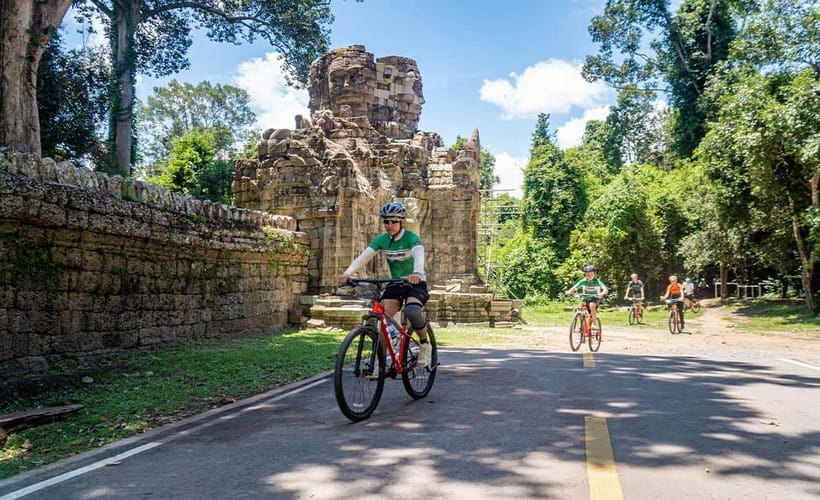
After Bayon, the tour moves into the Terrace of the Elephants and Baphuon Temple. These aren’t always the first temples people throw into their bucket list, but they’re important because they show the texture of Khmer art and architecture. The terrace sculptures help you understand how grand temple space was designed to stage ceremonies and movement.
Riding here is a quiet advantage. You can cover ground without constantly backtracking. And because the schedule gives you guided time at stops, you’re not simply looking at carvings—you’re getting explanations that make the carvings feel less like decoration and more like a coded message.
If you’re the type who loves photos but also enjoys learning, this part of the route tends to hit the sweet spot. You can spend time looking, then get back on the bike before the heat climbs too high.
Ta Prohm on forest trails: jungle, shade, and film-famous stone
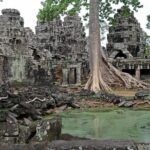
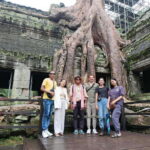
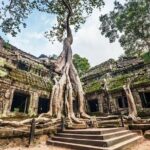
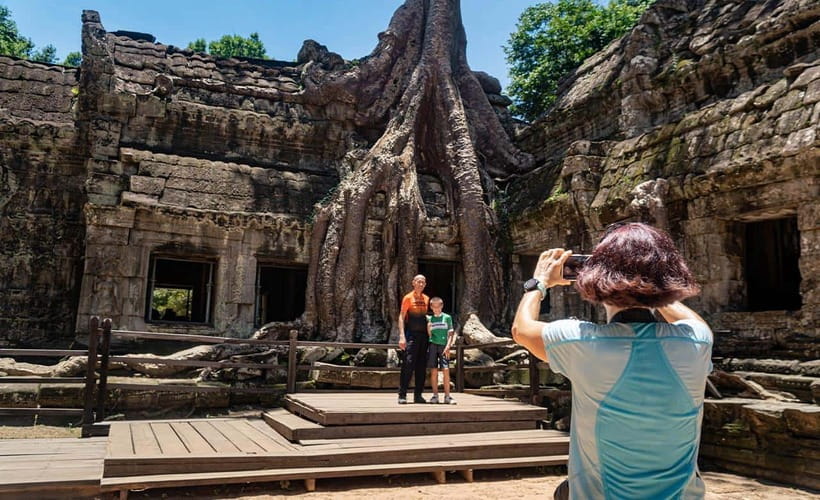
Then the route shifts onto forest trails and toward Ta Prohm, the jungle-enveloped temple many people associate with famous film scenes. Overgrown trees and root-covered structures can feel oddly alive here—like the temple is still negotiating with nature.
What I like about doing Ta Prohm on a bike is how the approach sets the mood. You’re not just walking out of a parking lot into a manic crowd. You ride through shaded or semi-shaded paths, and by the time you arrive, the setting makes sense. It feels like you traveled into a different time, not just to another attraction.
This is also where you’ll want your camera ready, but don’t forget to look up slowly. Ta Prohm rewards patience: the best photos usually come from finding the right angle under the canopy, not from sprinting to the first big view.
Lunch by the pond: fuel that keeps the day comfortable
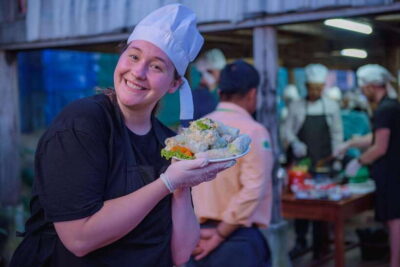
You’ll stop for lunch at a local restaurant. The tour description calls it a Cambodian-style lunch, and that matches how guides tend to treat this part: you get a real break where you can sit down, cool off, and reset.
In the field, I’ve learned that a good lunch stop changes how you experience the afternoon. If you eat quickly and keep moving, you’ll enjoy Angkor Wat more. If you get stuck hungry, the late-day temple can feel like a chore. Here, lunch is designed to keep you comfortable.
There are also reports of extra fruit and delicious local snacks during the ride. That matters because you’re out for 8 hours. Your stomach will thank you, and your legs will feel steadier after lunch.
Angkor Wat late afternoon: the calm version of the world’s biggest temple
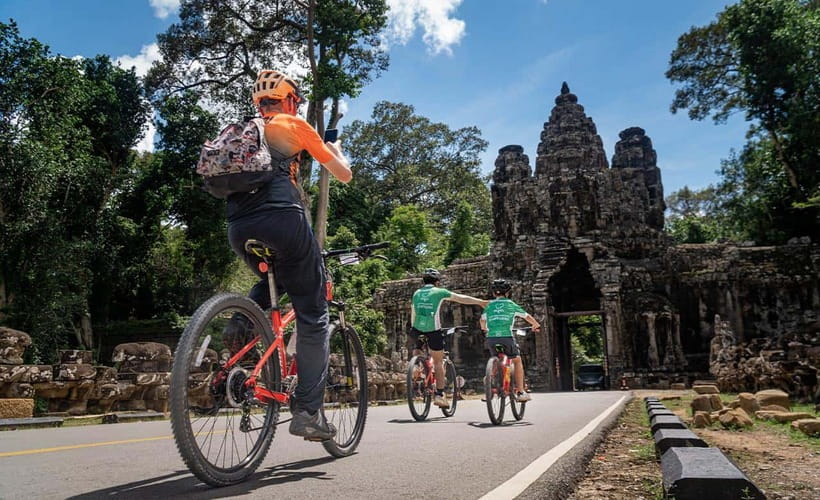
After lunch and a rest period, you ride to Angkor Wat. This is the big moment: the largest religious monument in the world and a signature example of Khmer architecture.
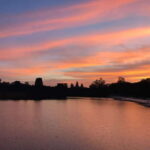
The key detail in this tour is timing. You visit in the late afternoon, when you can appreciate the scale and symbolism without the worst crowd crush. Even if you’ve seen photos before, Angkor Wat can still land like a new idea once you’re there in real life—especially when someone points out the temple’s structure and meaning while you’re not stuck in a chaotic line.
You’ll get a guided tour plus photo stop time, totaling about 2.5 hours. Use that time wisely. First, let your guide explain the layout. Then, switch modes and look for your own composition: doorways, reflections (when conditions allow), and long sightlines across the temple grounds.
If you’re sensitive to heat or glare, sunglasses help a lot. Also, plan on spending time looking up; Angkor’s details are part of the experience, not just the walls.
Guide style that actually makes the day better
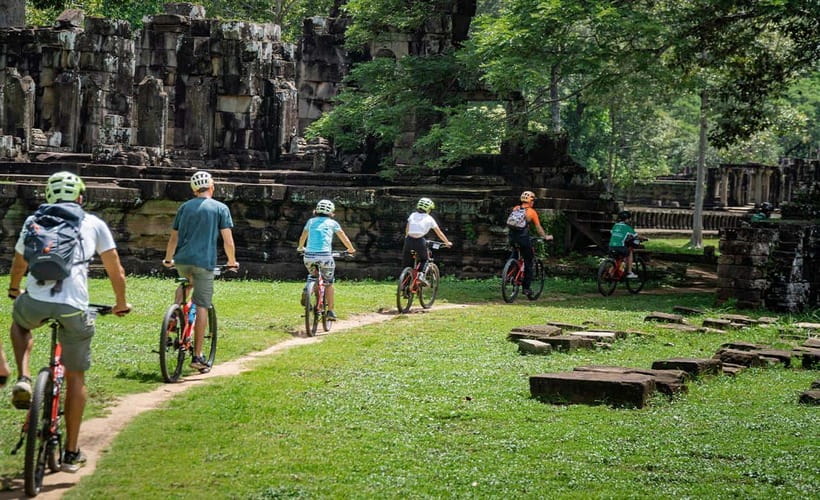
A great bike tour guide is equal parts historian, traffic manager, and translator of what you’re seeing. Here, that’s clearly the strength.
In past groups, guides have been praised for:
- Excellent English and clear explanations at each temple
- Strong safety briefings before you set off
- Adjusting the route and pace to bike skill level
- Taking the time to get good photos (not just snapping and moving on)
You might meet guides like Muniz, Voleak (who introduced himself with a playful handsome vibe), Sotin, Mony, or Steven. Even when they personalize the day, the common thread is making sure you understand what you’re looking at—without turning it into a classroom.
For solo riders, this tour can feel especially good because the route and pacing can be tailored. One person described it as more like a trip with a new friend than a standard group tour, including extra local food moments.
Price and logistics: what $55 really buys you
At $55 per person for about 8 hours, this tour is good value if you want a structured Angkor experience with guidance, bikes, and lunch handled. Your price includes:
- Hotel pickup and drop-off
- English-speaking guide
- Bicycle and helmet
- Lunch
- Bottled water and snacks
What’s not included is entrance to the Angkor Archaeological Park. So factor that in when budgeting. If you already know your entrance fee plans, the rest is straightforward.
Also, the tour is marketed with options like e-bike or tuk-tuk alongside the cycle concept. Your exact vehicle choice depends on booking details, but the big idea stays the same: you’re still getting the guided route and the temple sequence.
A final logistics note: you should wait in the hotel lobby about 15 minutes before pickup. Cambodia days move quickly, and you don’t want to miss the van.
What to bring (and what to expect on a rain-or-shine day)
You’ll want:
- Sunglasses
- Camera
- Cycling clothing
That’s the official list. I’d add practical common sense: wear clothes that handle sweat and sun, and be ready for wet conditions since the tour runs rain or shine. If you’re bringing camera gear, keep it protected—stone temples mean humidity, and jungle trails mean you might deal with splashy weather.
One more expectation to calibrate: this is an active route. You’ll stop often, but you’re also riding between sites. Bring water awareness into your day, even with bottled water provided.
Who this tour suits best (and who should skip it)
This tour is a strong fit if you:
- Want to see Angkor Wat + Angkor Thom + Ta Prohm in one day
- Like guided history but also prefer learning while moving
- Enjoy photos and want time at the right spots, not just a quick stop
- Are comfortable riding a bike for several hours in warm conditions
It might be less suitable if you:
- Are pregnant (the tour isn’t suitable)
- Prefer very slow walking with no cycling segments
- Want a short “greatest hits only” day
The long-day comment is real. If you’re sensitive to heat or fatigue, plan your day around rest the night before and don’t schedule anything tightly afterward.
Should you book this Cycle Angkor backroads tour?
Book it if you want Angkor to feel like a route, not a checklist—and you care about timing, shade, and guided understanding. The combination of a small group, real bike time, Cambodian lunch, and a late afternoon Angkor Wat visit is where this tour earns its keep.
Skip or rethink if you dislike active days or you’re not comfortable with cycling in humid weather. Also budget for Angkor Archaeological Park entrance, since it’s not included.
If you do book, bring your sunglasses, wear cycling-ready clothes, and lean into the guide’s explanations. Angkor is big. The guide helps you see it as a connected place instead of isolated monuments.
FAQ
Is the Angkor Archaeological Park entrance included?
No. Entrance to the Angkor Archaeological Park is not included in the tour price.
How long is the tour?
The tour runs for 8 hours.
Is hotel pickup included?
Yes. Hotel pickup and drop-off in Krong Siem Reap are included. Pickup is optional, and you should wait in the hotel lobby about 15 minutes before your scheduled pickup time.
What happens if it rains?
The tour takes place rain or shine.
What should I bring?
Bring sunglasses, a camera, and cycling clothing.
Is this tour suitable for everyone?
No. It’s listed as not suitable for pregnant women.