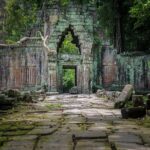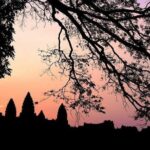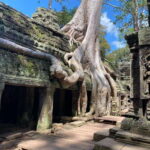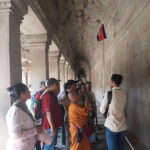
Waking up before dawn feels worth it. This Angkor Wat sunrise small-group tour is built around one mission: seeing the temple at first light, then continuing through the Angkor Archaeological Park with an English-speaking guide who explains what you’re looking at. I love the early timing (you beat the worst crowds) and the scheduled food breaks that keep the day from turning into a nonstop march. One drawback to plan for: sunrise weather is out of anyone’s control, so a cloudy morning can lower the wow factor.
I also like the practical comfort touches: hotel pickup and drop-off, air-conditioned transport, plus cold drinking water and a cold towel during the temple portion. The guide experience matters here, and names you may hear in this tour’s guide pool include Mr Boy (a photo-minded, question-friendly guide) and Youk Makara (who brings a more academic, archaeology-leaning angle to the stories).
In This Review
- Key things to know before you go
- Sunrise timing: the real cost is your sleep, not your ticket
- Price and logistics: what $39 really buys you (and what costs extra)
- How the small-group setup changes your Angkor day
- Pickup, tuk-tuk, and comfort: staying functional before the temples
- The Angkor Wat sunrise plan: how to make it count
- South Gate of Angkor Thom: the first big scale shock
- Bayon and Baphuon: faces, towers, and meaning you can actually grasp
- Elephant and Leper King Terraces: detail you’ll miss if you rush
- Breakfast and lunch breaks: plan for real food, not just snacks
- Ta Prohm in the afternoon: the trees and the timing choice
- Banteay Kdei: a quieter capstone to the day
- Guide factor: why commentary turns ruins into a story
- Dress code and heat rules: small details that save the day
- Should you book this Angkor Wat sunrise small-group tour?
- FAQ
- What time does the Angkor Wat sunrise small-group tour start?
- Is hotel pickup and drop-off included?
- Do I need to buy an Angkor pass, and how much is it?
- How long is the tour?
- How many people are in the group?
- What transportation and comforts are included?
- What is the dress code for visiting the temples?
- Is free cancellation available?
Key things to know before you go
- A 4:45 am start means you’re in place for sunrise without spending your whole morning trapped in traffic.
- Small-group feel (up to 10, or up to 12 in the tour description) keeps things calmer than big buses.
- Hotel pickup and air-conditioned rides help you stay human before the first temple.
- Your guide helps you handle the one-day Angkor pass plan early in the morning.
- Breakfast and a later lunch break are built in, so you’re not stuck guessing where to eat while everyone’s waiting.
- Stops cover classic icons and “readable” temple details, not just one famous photo spot.
Sunrise timing: the real cost is your sleep, not your ticket
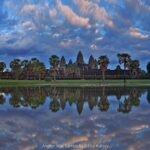
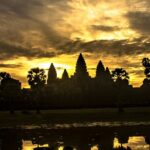
This tour starts at 4:45 am. That early time is what makes the day work. You’re heading out while Siem Reap is still dark, and you’re set up to watch sunrise behind Angkor Wat. If you’re picturing a leisurely morning with coffee, adjust your mindset. This is about being there at the right moment.
The schedule also gives you a built-in reset after the temple glow. Around 8:00 am, you get a break for breakfast, which is crucial. Early mornings can leave you feeling lightheaded, and Angkor runs on heat once the sun gets up.
One more reality check: sunrise depends on the sky. On clear mornings, the lighting can turn stone carvings into something you can almost read. On cloudy mornings, the experience can feel flatter. Still, you’ll see Angkor Wat up close in quiet conditions, which can be its own kind of win.
You can also read our reviews of more tours and experiences in Siem Reap
Price and logistics: what $39 really buys you (and what costs extra)
The tour price is $39, but the temple ticket is extra at $37 per person for a one-day Angkor pass. That means your realistic total is usually $76 per person once you add the required pass.
Is that bad value? Not automatically. You’re paying for more than entry. The included parts cover:
- An English-speaking guide
- Air-conditioned transportation and a tuk-tuk setup for temple movement
- Cold drinking water and a cold towel during the temple trip
- Hotel pickup and drop-off
- Meal breaks (breakfast and lunch opportunities)
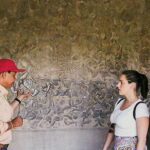
Where the value gets strongest is the guide + timing combo. Angkor isn’t just a set of pretty buildings. It’s a whole layout of symbolism and design, and a good guide helps you connect the dots fast—especially during the short, early window when you’re otherwise busy chasing the perfect photo angle.
If you already planned to hire a private guide or rent your own transport for sunrise, this small-group package can make budgeting easier.
How the small-group setup changes your Angkor day
This is designed as a small-group tour, with a maximum listed at 10 travelers, while the description also mentions up to 12. Either way, it’s not a crowd-factory experience.
That matters because Angkor involves small, practical bottlenecks:
- People queue for viewpoint angles
- Paths narrow near major temple gates
- Time windows are tight before the heat ramps up
A smaller group means fewer stops where you’re waiting for late arrivals, and it’s easier for the guide to steer you toward good viewing spots. One of the strongest signals from the guide feedback you’ll see with this tour is the focus on photography and practical direction—like knowing where to stand for the best temple perspective when the sun starts to hit.
You also get the benefit of shared timing. Everyone moves together, which is a relief when you’re visiting early in the morning and don’t want to think about transport planning.
Pickup, tuk-tuk, and comfort: staying functional before the temples
Hotel pickup and drop-off are included, with the morning pickup readiness noted for you to be prepared in the lobby by 4:50 am. That’s early enough that you’ll be glad someone else is coordinating the departure.
Once you’re moving, you get air-conditioned transportation for the ride segments, plus tuk-tuk for the temple-area travel. You’ll also get cold pure drinking water and a cold towel during the temple trip. Those two details sound minor until you’re sweating under stone corridors and bright open courtyards.
If you’re someone who gets cranky when tours feel too rigid, the air-con and the water/towel support reduce the friction. You can focus on the temples instead of counting the minutes until you can sit down and cool off.
The Angkor Wat sunrise plan: how to make it count
The day kicks off with a stop at Peacock Asia Tours early on. From there, you buy the required one-day Angkor pass and then head to your first temple focus: Angkor Wat.
Sunrise here works because you’re positioned to watch the light form behind the central temple silhouette. The temple is already impressive at any hour, but the early lighting can make details feel sharper—the kind of visual clarity that helps you appreciate the carvings without needing a lecture.
What makes this experience feel “worth it” is that it’s not only about the sunrise shot. After you’ve had that early moment, the day continues into other major temple sites while the morning energy is still on your side. Then you get your first food break around 8:00 am, which helps you recover before walking the next stretches.
Practical tip: bring water and keep your camera charged. The sunrise portion happens before you get long rest breaks, and you’ll want to shoot without worrying about battery anxiety.

South Gate of Angkor Thom: the first big scale shock
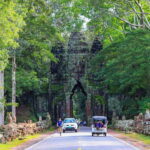
After Angkor Wat, you move into Angkor Thom territory. The first named stop is the South Gate of Angkor Thom.
Gates matter at Angkor because they’re not just entrances. They frame the experience of moving from one “world” into another, and they set your mental scale. You’ll likely feel it right away: the architecture here reads more like a whole city plan than a single monument.
The value of stopping at the gate before the inner temples is that it helps you orient. You start to understand where you are in the wider Angkor layout, which makes the later temples more satisfying because they connect spatially.
A minor drawback: this segment comes after an early morning. The gate is a great visual moment, but you’ll want to pace yourself. Short pauses for photos are fine; rushing through this part can turn it into just more stone.
Bayon and Baphuon: faces, towers, and meaning you can actually grasp
Next on your route are Bayon and Baphuon (with Phimeanakas also on the list).
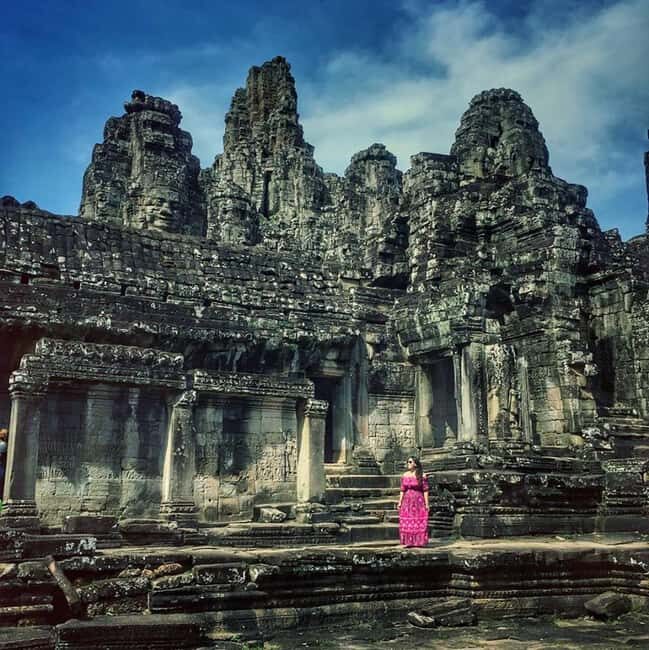
Bayon is often the most recognizable because of the face-towers. Even if you’ve seen it in photos, seeing it in person changes the effect. The faces feel like they’re watching the courtyards, and when you’re there with an English guide, you get context for why the design works the way it does.
Baphuon offers a different texture. It’s about massive forms and how the temple volumes rise and break. With the guide commentary, you’re not just looking at an old structure—you’re learning how the layout directs attention.
Then Phimeanakas adds another layer. While it may not get as much global hype as Bayon, it’s a helpful stop for understanding how these complexes were built for ceremonial movement and meaning rather than casual sightseeing.
What I like about having all of these stops in one day is that you avoid the “one temple at a time” feeling. You start to see patterns in design and symbolism, and your brain gets better at reading the place.
Elephant and Leper King Terraces: detail you’ll miss if you rush
The itinerary includes the Elephant and Leper King Terraces, which are worth your time even if you’re tempted to speed through because it’s midday and hot.
Why? Because terraces are where Angkor’s “storytelling” shows up. They often hold repeating imagery and carving work that’s easy to overlook if you only chase the biggest photo views. When you pause here—maybe even just for a few minutes—you start noticing how the stonework frames the space around it.
Drawback: terraces can be sun-exposed. This is a good place to sip water and slow down, even if the group pace feels fast. If you’re dehydrated, your perception drops, and you’ll feel like everything is just moving together.
Breakfast and lunch breaks: plan for real food, not just snacks
A break for breakfast happens around 8:00 am. The tour notes you can bring your own breakfast or grab something from local restaurants nearby.
Then there’s time for scheduled breaks to purchase breakfast and lunch later in the day. The exact restaurant details aren’t given, but the important part is that food stops aren’t accidental. They’re timed so you can keep walking and still feel functional.
What you should do: eat something simple early, then bring water into any later temple sections. If you go light on breakfast, Angkor can feel harder than it needs to.
Also, keep your clothing plan in mind. If you’re out in light cotton (as suggested), you’ll stay cooler and feel less sticky. You’re going to be in heat and sun longer than many day tours, so comfort is not optional.
Ta Prohm in the afternoon: the trees and the timing choice
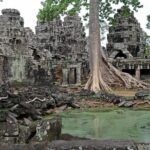
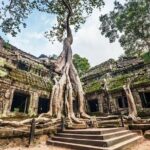
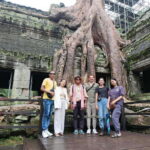
In the afternoon, around 1:00 pm, you head to Ta Prohm, sometimes called the Tomb Raider Temple.
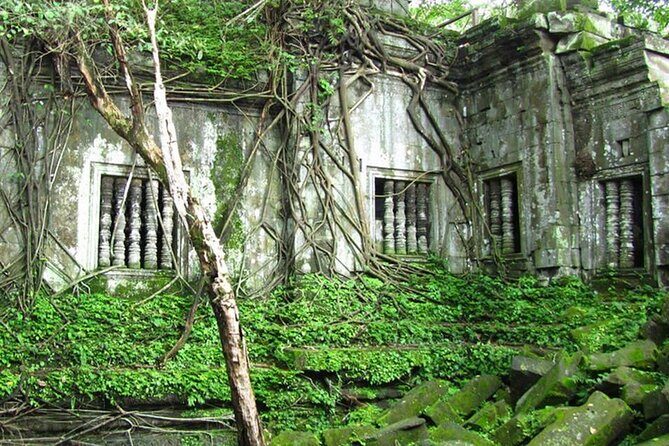
Ta Prohm is a magnet. The trees wrapping around structures make it look cinematic, and it’s the kind of stop where you’ll see people holding cameras at angles they can’t possibly maintain for long. The key is to not get stuck in one spot. Walk a bit, find views from different sides, and use the guide’s commentary to help you understand what you’re seeing beyond the obvious photo moment.
Afternoon timing has pros and cons. Pros: it’s easier to pace the day with your energy after breakfast, and you can still cover major temples without skipping the afternoon icons. Cons: heat. Expect it to feel tougher here than at the earlier sunrise temple.
Still, Ta Prohm works well in a “full-day” plan because it shifts your attention from the strict symmetry of some other Angkor sites to a more chaotic, nature-and-ruin effect.
Banteay Kdei: a quieter capstone to the day
The tour finishes by heading to Banteay Kdei in the later afternoon, returning to Siem Reap city around afternoon time.
Banteay Kdei can feel like a breather after Ta Prohm’s famous visual chaos. It’s a good ending point because it lets you keep appreciating temple form and carving details without the same level of visual circus. By the time you arrive, you’ll likely be tired in a good way—your brain already “trained” by earlier stops.
If you’re deciding how much you can handle: this ending is smart for people who like variety but don’t want a late-night finish. You still get a complete day, then you’re back where you can shower, eat, and crash.
Guide factor: why commentary turns ruins into a story
This tour’s biggest advantage is not just the itinerary. It’s the way the guide talks you through the temples so you’re not staring at random stone for hours.
One highlight from guide-related feedback is how Mr Boy is described as strong on knowledge and also very good at helping people find the best photo angles. Another is that Youk Makara is portrayed as passionate and formally studied, which tends to show up as clearer explanations when you ask follow-up questions.
Even if you don’t pepper the guide with questions, you’ll benefit. The guide commentary helps you understand:
- what each temple is trying to communicate
- how the space is meant to be experienced
- why certain carvings and layouts matter
When you get that context, you can enjoy Angkor beyond the famous landmarks. You notice more. You remember more. You leave with fewer empty photos.
Dress code and heat rules: small details that save the day
Angkor temples have strict rules. For this tour, you’re told to dress properly:
- Shorts and t-shirts are allowed only if they’re long enough to be knee length and shoulders are covered
- No scarf or shawl
- No tank top
- Light cotton clothes are recommended for hot and humid weather
- Weather is nicer in November, December, and January, while the rest of the year can be very warm
This isn’t just about avoiding a problem at the gate. It also affects how you feel while walking. Breathable light cotton and shoulder coverage help you stay comfortable during sun exposure.
Also, no matter what you wear: bring a practical mindset. Your day starts at 4:45 am, and you’ll be moving between temples. Wear shoes you can walk in for hours. Keep water accessible.
If you plan to take lots of photos, consider loose layers that won’t flop into your frame, and a hat you can tolerate in early morning sun.
Should you book this Angkor Wat sunrise small-group tour?
Book it if you want the classic Angkor day done efficiently: sunrise at Angkor Wat, a strong set of major temples afterward, and a guide who helps you understand what you’re seeing. I especially think it’s a good fit if you like small groups and you’d rather pay for a plan than figure out timing and transport before sunrise.
Skip it or reconsider if you’re sensitive to early wake-ups or you know you’ll be unhappy if the sky doesn’t cooperate. Sunrise is weather-dependent, and the early schedule means you can’t change your plans last minute.
Also keep the budgeting reality in your head: $39 plus the $37 Angkor pass. If that total feels uncomfortable, you might compare it with lower-cost options. If it fits, the value comes from guide commentary, comfort extras (water and cold towels), and smart sequencing across multiple temples in one day.
In plain terms: this is a well-structured day for people who want Angkor without chaos.
FAQ
What time does the Angkor Wat sunrise small-group tour start?
The tour start time is 4:45 am. You’re asked to be ready in the hotel lobby at 4:50 am.
Is hotel pickup and drop-off included?
Yes. Hotel pickup and drop-off are included.
Do I need to buy an Angkor pass, and how much is it?
Yes. A one-day Angkor pass ticket is required at $37 per person.
How long is the tour?
It runs about 8 to 9 hours.
How many people are in the group?
The tour description says it can accommodate up to 12 people, and the activity info lists a maximum of 10 travelers.
What transportation and comforts are included?
You’ll use tuk tuk transportation, with air-conditioned transportation noted, plus cold pure drinking water and a cold towel during the temple trip.
What is the dress code for visiting the temples?
You’ll need proper temple attire: shorts and t-shirts should be long enough for knee length and shoulder covered; no scarf or shawl and no tank top. Light cotton clothes are suggested because it can be hot and humid.
Is free cancellation available?
Yes. Free cancellation is offered up to 24 hours in advance for a full refund.