REVIEW · SIEM REAP
Angkor Wat Sunrise & Highlight The Most Iconic Temple
Book on Viator →Operated by Travel Choice Cambodia · Bookable on Viator
Dawn at Angkor feels unreal. This private day is built around sunrise at Angkor Wat, then a tight run through the most iconic stops around the Angkor Archaeological Park, with a driver/guide who helps you move smarter and understand what you’re seeing. I love the included cold water and cold towel, and I also like that guides such as Choun and Chuon focus on practical temple navigation plus clear stories, not just standing in lines. One thing to plan for: temple entrance fees and any licensed guide fees are not included, so your total cost will be higher once you add tickets.
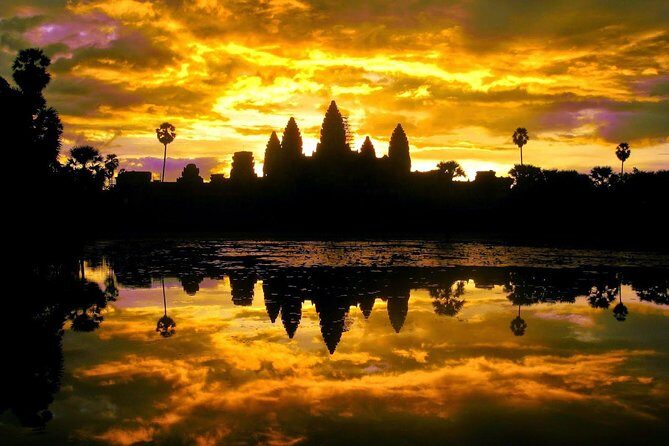
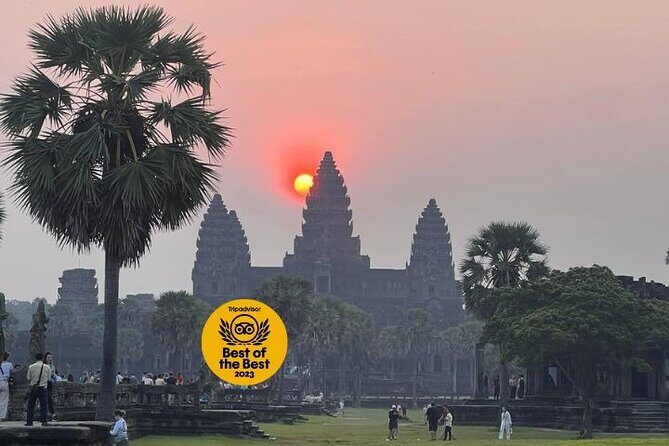
The big win here is timing plus flow. Getting you to Angkor Wat at the crack of dawn helps you catch the main sight when light is best and crowds are lower than later in the day. You also get a straightforward sequence—Angkor Wat, Ta Prohm, Ta Keo, and Bayon—so you’re not guessing where to go next.
The one possible drawback is that it’s a long, early full day. Even with great air-conditioned pickup time and helpful guidance, you’ll still be on your feet in temple areas for hours, and the exact “how many extra stops” feeling can depend on traffic and pacing.
In This Review
- Key things to know before you go
- Why Angkor Wat Sunrise Still Feels Like a Special Event
- Price and Value: What $66 Actually Covers
- Early Pickup and the Mobile Ticket Advantage
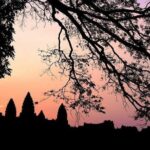
- Stop 1: Angkor Wat at Sunrise and Why Timing Matters
- Ta Prohm: The Jungle Temple and How to Enjoy It Without Stress
- Ta Keo: Sandstone Simplicity That Shows Khmer Mastery
- Bayon and the Angkor Thom Area: Faces, Reliefs, and Daily Life
- What You’ll Actually Experience During the 8 Hours
- What to Budget Beyond the Tour Price
- Who This Tour Fits Best (and Who Should Pick Something Else)
- Tips for Getting the Best Day Possible
- Should You Book This Angkor Wat Sunrise Tour?
- FAQ
- How long is the tour?
- What stops are included?
- Are temple entrance fees included?
- Does the tour include hotel pickup and drop-off?
- What comfort items are provided?
- Is this a private tour?
- Is a licensed tour guide included?
Key things to know before you go
- Sunrise focus at Angkor Wat: early arrival for the light and the mood
- Included cold water and cold towel: real comfort for a hot temple day
- Tight temple route: Angkor Wat, Ta Prohm, Ta Keo, Bayon, plus the Angkor Thom area
- Private experience: it’s only your group, not a big shuffle with strangers
- English-speaking driver/guide support: clear explanations and help with timing
- Entrance fees aren’t included: budget separately so you’re not surprised
Why Angkor Wat Sunrise Still Feels Like a Special Event
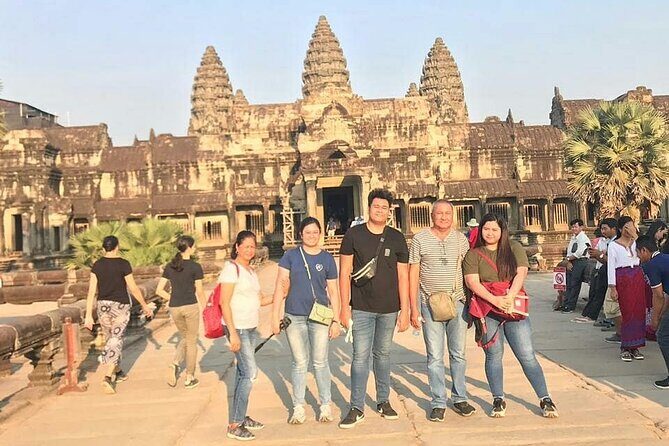
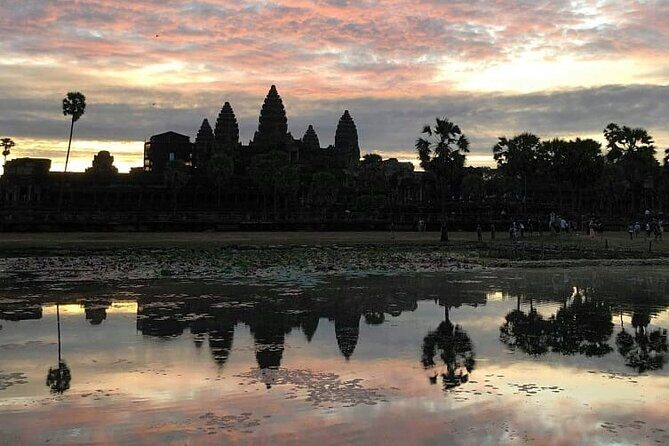
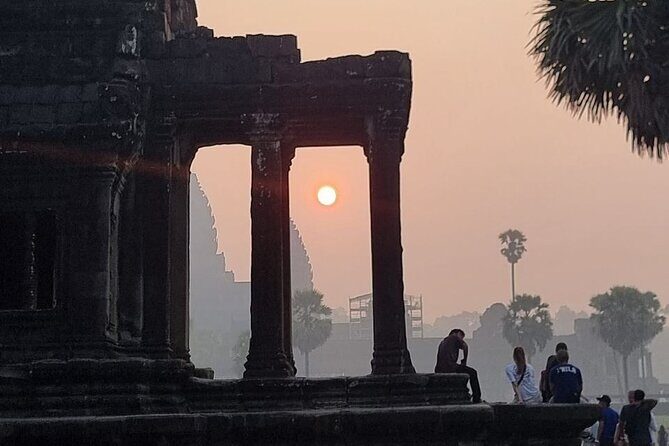
Angkor Wat at sunrise is one of those travel moments that doesn’t really work if you show up too late. Early light changes everything: stone looks warmer, shadows get dramatic, and the whole place feels quieter even when other tours start waking up. You’re seeing a working religious site and an ancient architectural statement, not just ruins for a photo.
This tour’s sunrise setup matters because it turns the day into a rhythm. You start with the “main event,” then spend the rest of the morning and afternoon hitting the temples that most people come to Siem Reap for—without losing half your day to guesswork. It’s also a good way to understand the Khmer Empire story in the order you see it on the ground.
I also like that the experience is structured around time at each place. You’re not rushed through everything, yet it stays efficient. That balance is a big deal when you have limited time in Siem Reap.
You can also read our reviews of more tours and experiences in Siem Reap
Price and Value: What $66 Actually Covers
At $66 for a private tour lasting about 8 hours, the headline price is pretty friendly for Angkor. But here’s the honest math: entrance fees are not included. So you should treat $66 as “transport + guide support + temple info,” not “everything you need to walk in.”
What you do get for that money is practical value:
- Hotel pickup and drop-off
- An experienced English-speaking driver/guide
- Temple information support
- Cold water and a cold towel
That cold towel and water is not a small add-on. In Cambodia heat, it can be the difference between pushing through or feeling miserable halfway through the day. One review even highlighted a driver picking people up at dawn and keeping water flowing while waiting.
So is it good value? Yes—if you’re budgeting for entrance tickets separately and you want a private, efficient route. If you already have your own transportation and don’t care about explanations, you could do it cheaper on paper. But most people pay for convenience and context at Angkor.
Early Pickup and the Mobile Ticket Advantage
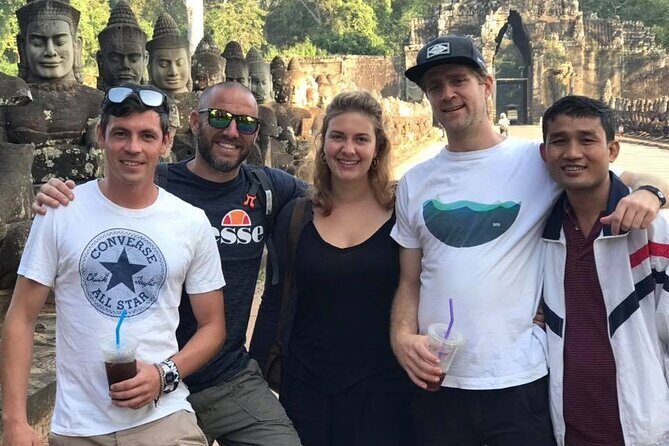
This is a pickup-and-go day. You get hotel pickup and drop-off, and you’re using a mobile ticket. That means less time standing around sorting paperwork when you’re already dealing with an early morning and early starts.
In the reviews, the sunrise pickup is described as happening in the crack of dawn range. That tells me the operator takes the sunrise plan seriously, not as an afterthought. It also means you should be ready the night before—sleep early if you can, charge your phone, and keep your booking details handy.
One small practical point: since the entrance fee is not included, you’ll want to know what tickets you need before you reach the temples. The tour provides temple info, but you’re still the one paying entry.
Stop 1: Angkor Wat at Sunrise and Why Timing Matters
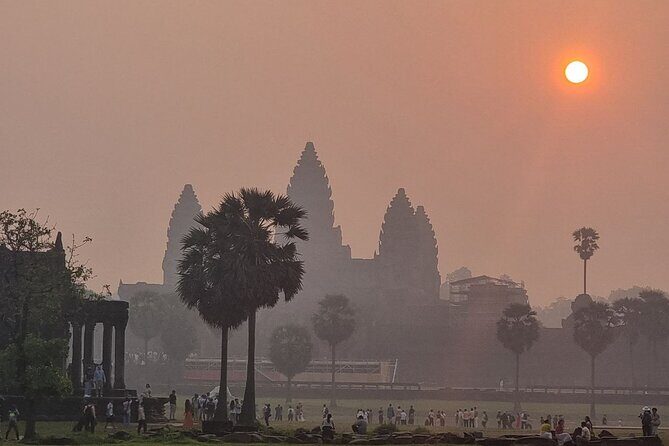
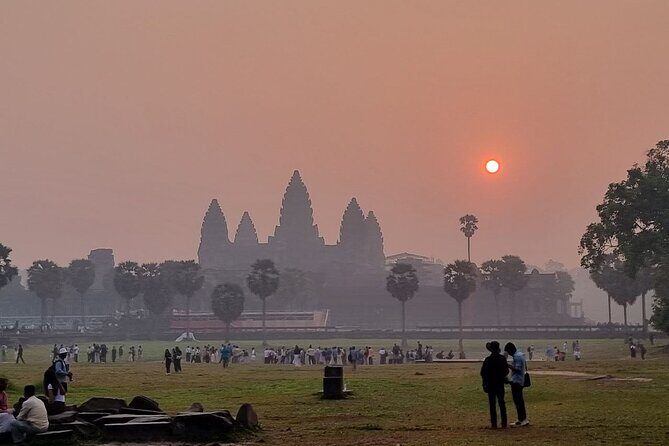
Angkor Wat is the big cultural reason people come. The site is massive—about 400 acres (160 hectares)—and it’s described as the world’s largest religious structure. It’s also considered the high point of Khmer architecture, built in the first half of the 12th century. Even if you’re not a history nerd, that scale lands. Your brain keeps trying to measure what you’re seeing.
The tour gives you about 3 hours at Angkor Wat, with the sunrise moment built in. That’s a realistic amount of time for:
- seeing the main views in good light
- walking key areas at your own pace
- taking breaks without feeling like you’re burning the whole morning
What can be tricky is expectations. Sunrise photos can look simple—one angle, one temple shot—but the real experience includes crowds, uneven stone, and wide spaces where you’ll need patience. A good driver/guide helps you stay oriented and not waste precious minutes moving in circles.
If you want maximum satisfaction, I’d treat this first stop like your “slow start.” Don’t sprint for the first photo. Look up, look around, then start your photo hunt once your eyes adjust.
Ta Prohm: The Jungle Temple and How to Enjoy It Without Stress
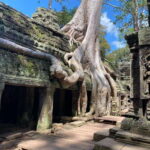
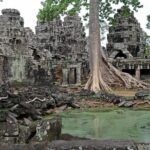
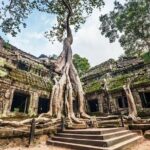
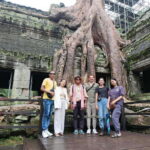
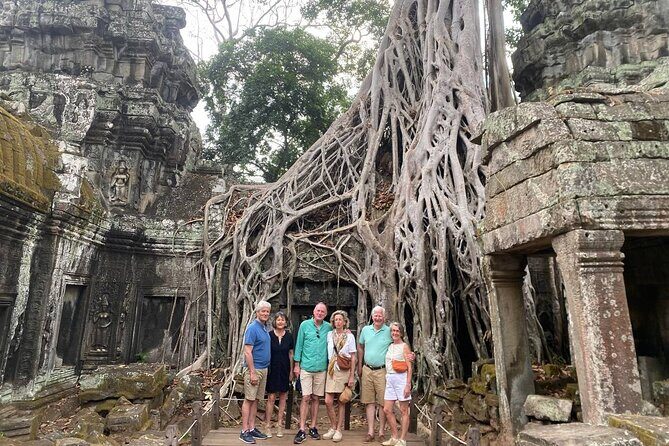
After Angkor Wat, you move to Ta Prohm for about 2 hours. This is the jungle temple—often called the tree temple—because lush trees grow around and through the ruins. The iconic detail is the gigantic roots that embrace the stones. It’s one of the most photographed sites at Angkor, and it also tends to feel like walking into a film set.
Two hours is a good window here. It gives you time to appreciate the way the structure and roots interact, and it also gives you time to step back when the crowd density gets heavy. Ta Prohm isn’t just “look and walk.” It rewards you if you pause and notice how the carvings and stonework sit beside the living plants.
One thing to watch: Ta Prohm often involves lots of footpaths, roots, and uneven ground. Wear shoes you’re comfortable walking on for a long time. Also, keep water nearby even if the tour supplies it—your body will decide how often you need it.
This stop is also where a good English explanation really helps. Choun/Chuon-style storytelling can turn a set of ruins into a place with cause and effect—why the site looks the way it does today and what that means for how you interpret it.

Ta Keo: Sandstone Simplicity That Shows Khmer Mastery
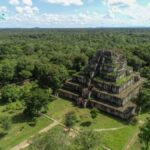
Next comes Ta Keo for about 45 minutes. This is a shorter stop, but it’s chosen for a reason. Ta Keo is the first temple built entirely in sandstone, which makes it a milestone in Khmer history. It’s known for its more consistent stonework approach, with huge blocks cut to regular sizes and placed in position.
What I like about Ta Keo is the contrast. After Ta Prohm’s wild roots and tangled visuals, Ta Keo feels more controlled. The architecture reads differently. You start noticing geometry—lines, terraces, and the way the design pushes your eye upward.
The drawback of a shorter stop is simple: you can’t do everything. If you want deep time for carvings or extended climbing, 45 minutes may feel tight. But if you want an efficient, high-impact flow through multiple iconic sites, this length makes sense.
I’d use Ta Keo as your reset. Slow down, look for patterns, and then get back your energy for the last big highlight.
Bayon and the Angkor Thom Area: Faces, Reliefs, and Daily Life
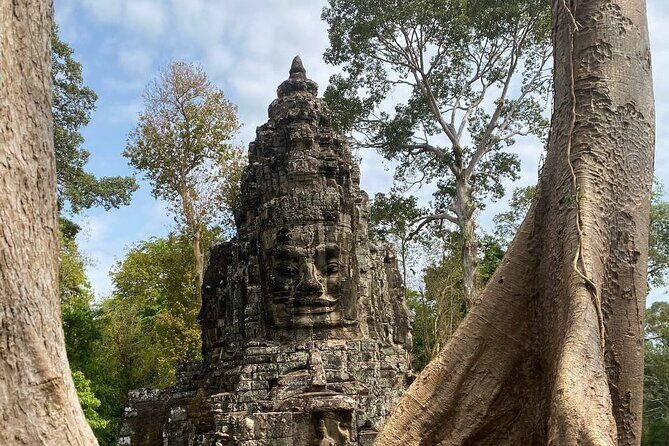
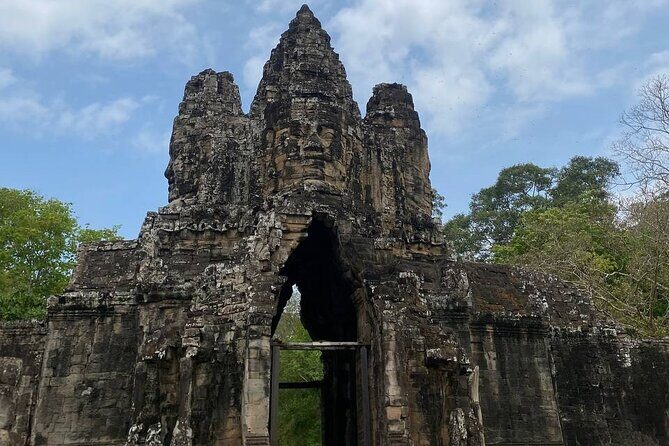
Bayon is about 2 hours and it’s not just famous—it’s meaningful. The tour frames Bayon as important because it served as the first and only Buddhist temple constructed by the Angkor (Khmer) Empire. That shift matters. It changes how you read symbols and decoration.
Another reason Bayon earns attention is the bas-reliefs. These carvings depict battles and everyday life, which helps you connect the stones to real human stories, not just grand royal moments. It’s the kind of imagery that makes you look twice: you start noticing small details because the scenes are meant to be understood.
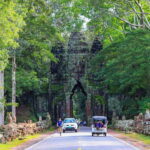
Bayon is also tied to the wider Angkor Thom area, which the tour describes as part of the surrounding temple experience. That matters because it situates Bayon within a larger complex, not as a standalone stop.
Practical note: faces can be everywhere here. It’s fun, but it can also make you feel like you’re repeating angles. To avoid photo fatigue, pick one main viewpoint, then spend time scanning the reliefs rather than hunting the next face shot.
What You’ll Actually Experience During the 8 Hours
This is a full day, so you should expect a clear pace. With about 3 hours at Angkor Wat, 2 at Ta Prohm, 45 minutes at Ta Keo, and 2 at Bayon, the math adds up fast. The remaining time is spent moving between temples.
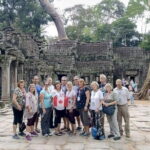
Private format helps. You’re not stuck waiting for a big bus group at every turn. You can also ask questions as you go. In the reviews, guides like Choun and Chuon were praised for English ability and for taking people to the most interesting spots rather than just checking boxes.
Included comforts—cold water and cold towel—make the day feel less punishing. Also, the tour includes temple information. That doesn’t mean you’ll get a printed guidebook. It means you have someone helping you understand what you’re looking at in context while you’re there.
What to Budget Beyond the Tour Price
Because temple entrance fees aren’t included, I’d budget for ticket costs before you go. This is the one part that can change your total more than anything else.
Food and beverages are also not included. The tour provides water, but you’ll likely need a proper meal during the day. If you’re planning lunch, think about the heat: you’ll be tired, and you’ll want something filling.
Also not included is a license tours guide. You’ll be relying on the English-speaking driver/guide support and temple information, which is usually enough for a great day. Just know that if you specifically want a licensed guide service, this package isn’t positioned that way.
Who This Tour Fits Best (and Who Should Pick Something Else)
This one is ideal if you:
- want a sunrise start with a focused plan
- like private pacing so you can move at a comfortable speed
- value explanations in clear English, like what Choun and Chuon are praised for
- want the biggest Angkor hits—without building the route yourself
You might look elsewhere if you:
- want everything bundled including temple tickets and food
- dislike early mornings and long temple walking
- prefer a different mix of temples beyond Angkor Wat, Ta Prohm, Ta Keo, Bayon, and the Angkor Thom area
Tips for Getting the Best Day Possible
If you want to enjoy this tour instead of just surviving it, here’s how I’d play it:
- Wear shoes you trust on uneven stone and roots
- Bring a light layer for early morning and a hat for later sun
- Don’t wait until you’re thirsty to drink water
- At Bayon, slow down and read the bas-reliefs rather than only scanning faces
Also, treat sunrise as a moment, not a checklist. The light is short and change happens fast. Once you accept that, you’ll stop chasing one perfect shot and start enjoying the place.
Should You Book This Angkor Wat Sunrise Tour?
I’d book it if you want a smooth, private day that hits the classic Angkor temples in a sensible order, starting with sunrise at Angkor Wat. The $66 price looks strong once you factor in hotel pickup, cold towels and water, and the English support praised in the reviews. It’s a good match for people who want fewer headaches and more meaning per hour.
Skip it or budget extra if you’re hoping the entrance fees and food are included. Also, if early mornings genuinely wreck you, plan for that reality.
If you’re spending limited time in Siem Reap and you want to make your day count, this is a solid way to do it.
FAQ
How long is the tour?
The tour is about 8 hours.
What stops are included?
The main stops are Angkor Wat, Ta Prohm, Ta Keo, and Bayon, with coverage around the Angkor Thom area.
Are temple entrance fees included?
No. Temple entrance fees are not included.
Does the tour include hotel pickup and drop-off?
Yes, hotel pickup and drop-off are included.
What comfort items are provided?
You get cold water and a cold towel.
Is this a private tour?
Yes. It’s private, and only your group participates.
Is a licensed tour guide included?
No. A license tours guide is listed as not included.