REVIEW · SIEM REAP
Angkor Wat Sunrise, Banteay Srei, Bayon & Ta Prohm Temple
Book on GetYourGuide →Operated by Euro Khmer Voyages · Bookable on GetYourGuide
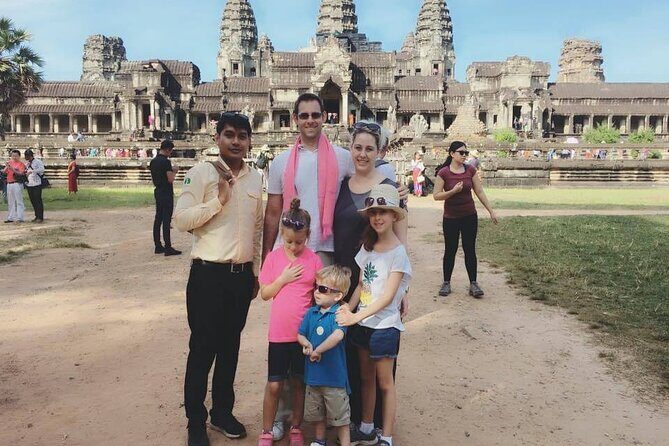
Sunrise at Angkor is different. This Angkor Wat sunrise tour gets you looking at Cambodia’s top temple before the day crowds turn it into a photo line. I love the early start for the calm light on the temple steps, and I also think you should plan for a long, warm day once the sun actually shows up.
The second thing I really like is how the day balances detail and drama. Banteay Srei brings the fine, pink-limestone carving work, then Ta Prohm shows the ruins with jungle grown right through the stones. The only real catch is that you’re walking in temple sandals-and-dust conditions, so comfortable shoes matter a lot.
In This Review
- Key highlights at a glance
- How the Angkor Wat sunrise part actually changes the day
- Banteay Srei: the pink-limestone temple built for close-up attention
- Pre Rup temple area: the mountain-temple vibe with big towers
- Ta Prohm: when trees start acting like the building owners
- Bayon temple: 54 towers and Buddha faces that keep staring back
- A close look at the flow, timing, and what you’ll feel
- Price and value: what $80 buys you (and what you still pay for)
- Guides, language, and how to get the most out of them
- What to bring (so your feet don’t revolt)
- Who this 8-hour Angkor loop suits best
- Should you book it
- FAQ
- How long is this tour?
- Is pickup from my hotel included?
- Do I need an Angkor pass?
- What’s included in the $80 price?
- What should I bring and wear?
- Is there any cancellation flexibility?
Key highlights at a glance
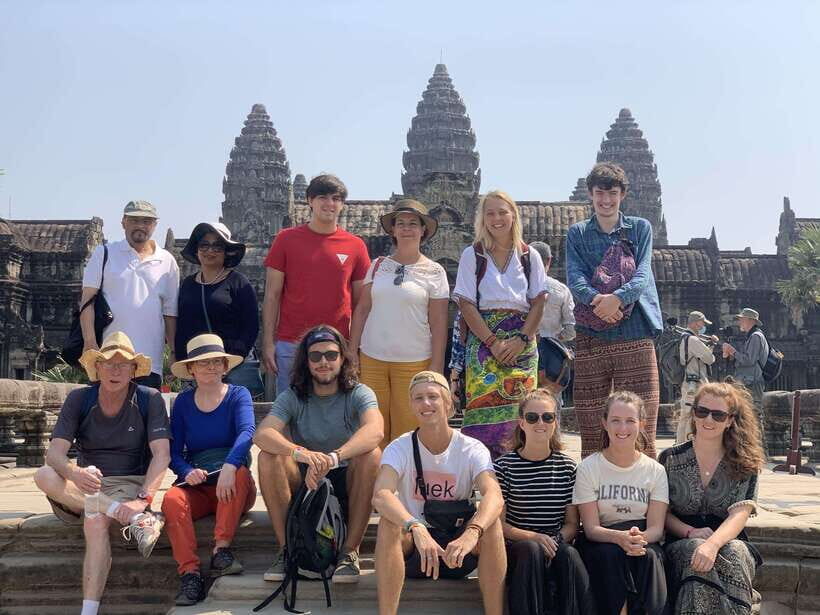
- Angkor Wat at sunrise, before the daytime rush
- Banteay Srei pink sandstone walls with famously intricate carving
- Ta Prohm’s jungle takeover, including big trees growing through structures
- Pre Rup temple area with its mountain-temple look and multiple towers
- Bayon’s 54 towers and smiling Buddha faces, a visual overload in the best way
How the Angkor Wat sunrise part actually changes the day
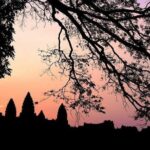
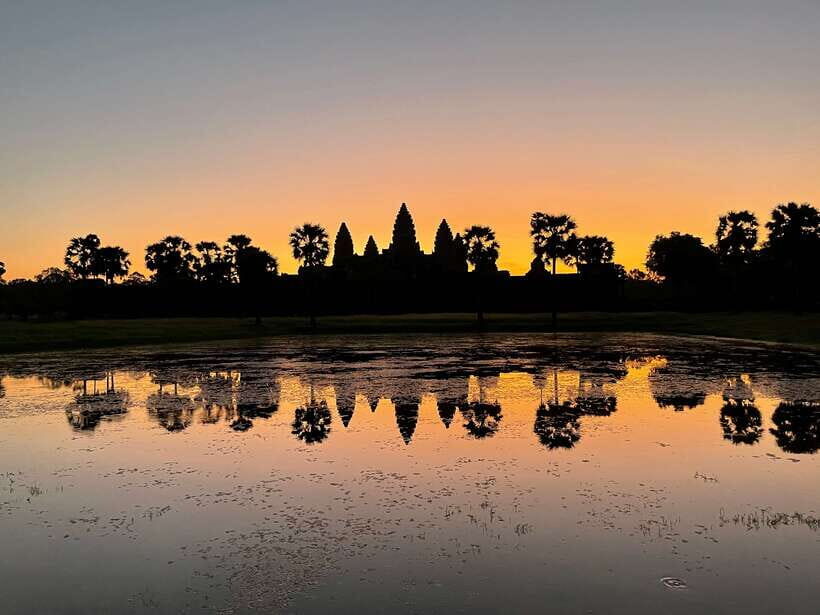
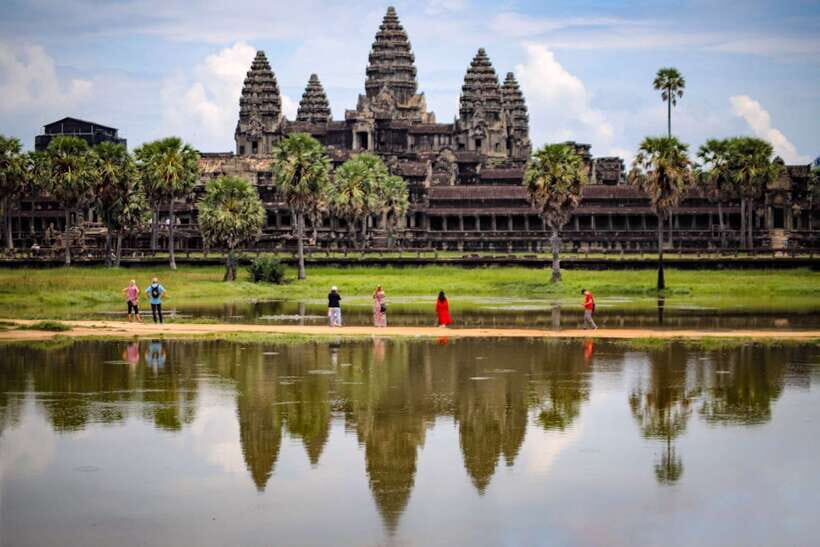
Starting with sunrise sounds like a marketing line. In practice, it changes your whole mood. When you arrive early, Angkor Wat still feels like a sacred monument instead of a timed checklist.
You’ll spend about two hours at Angkor Wat, which is enough time to find a good viewpoint, watch the sky shift, and still not feel rushed. You’re also thinking about light and shadows in a way you can’t during the harsh midday sun. The temple’s scale hits harder too. Even if you’ve seen photos, being there at dawn makes it feel more real, more architectural, less postcard.
One practical tip: dress for morning cool, but expect it to warm up quickly. The tour includes water and cool towels along the way, which helps a lot once the heat ramps.
You can also read our reviews of more tours and experiences in Siem Reap
Banteay Srei: the pink-limestone temple built for close-up attention
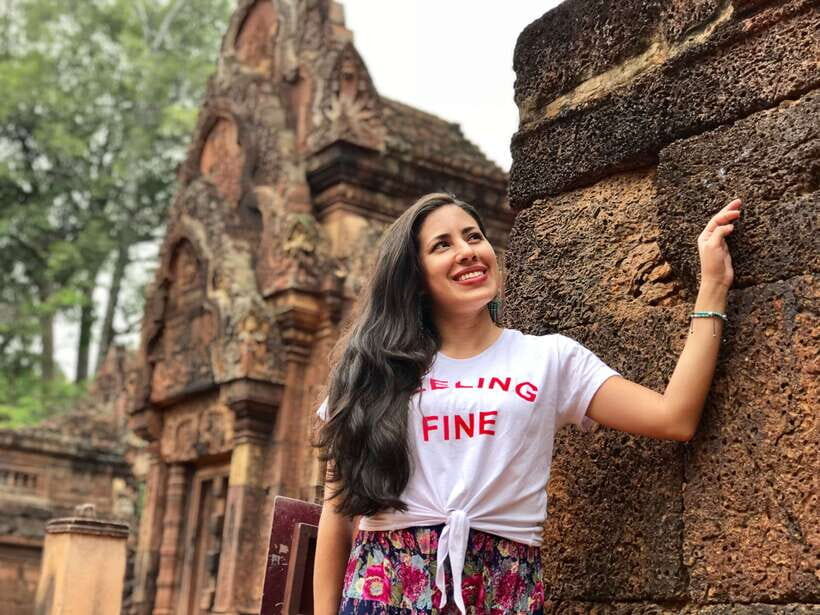
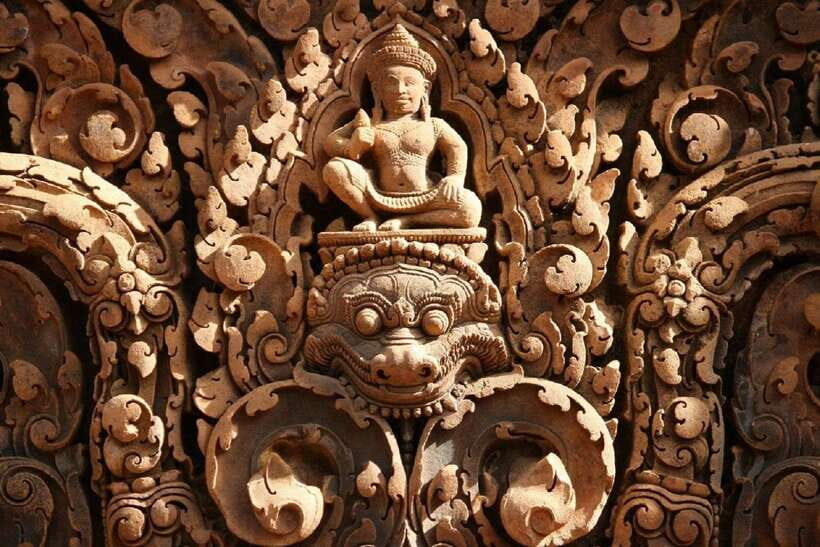
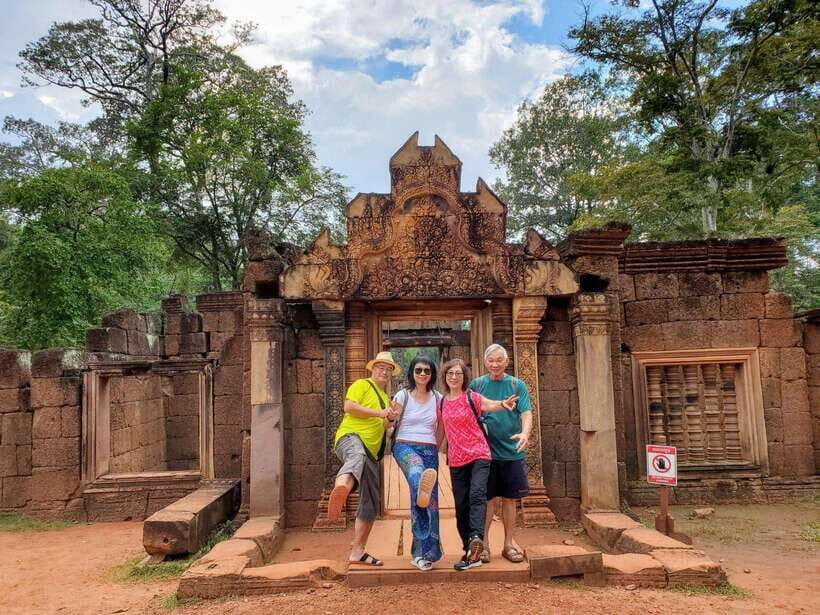
After sunrise, you’ll head to Banteay Srei, known for its pink sandstone walls and extremely detailed carvings. This is the stop that rewards you for slowing down and looking at the surfaces.
Banteay Srei was built by King Rajendravarman V in the 10th century. That matters because it helps you read what you’re seeing. The temple is smaller than Angkor Wat, but it’s packed with carving work and fine reliefs. Instead of feeling like you’re just passing through grand halls, you start noticing repeated motifs and the kind of craftsmanship that turns a wall into a storybook.
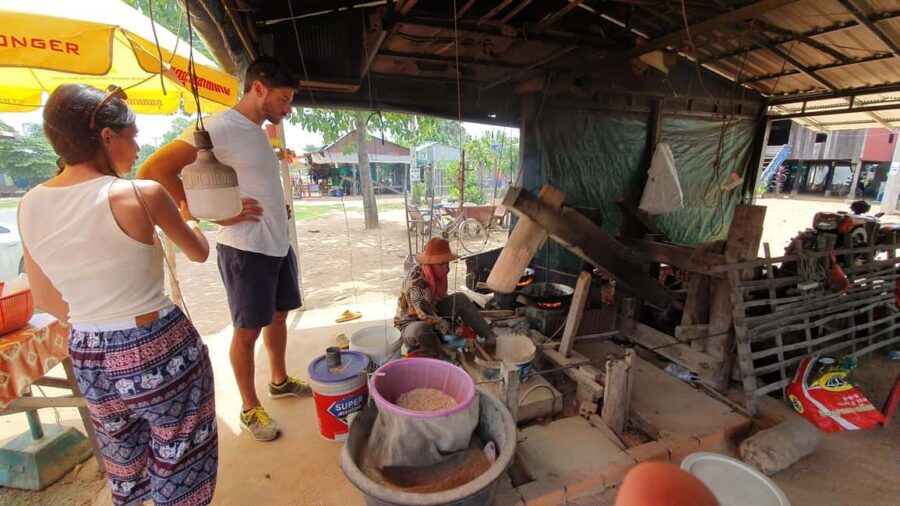
This portion of the day is also designed to keep things moving without skipping the human stuff. You’ll have a chance to see local life along the route. It’s a nice reminder that Siem Reap is not just temples and tour vans.
There’s also a break built into this stop, plus time for sightseeing and shopping. That means you can do a quick souvenir browse or just reset your legs while the guide keeps the day on schedule.
Pre Rup temple area: the mountain-temple vibe with big towers
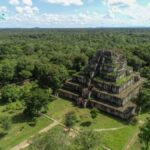
The tour also includes a visit to the Pre Rup temple area, where you can appreciate the mountain-temple look with six large towers. Even if you’re not a “temple scholar,” the design concept is easy to understand: these towers create a vertical focus that feels like it’s pulling your eyes upward, especially when the light is changing.
This stop works well after Banteay Srei because it shifts the emphasis from intricate close-up carving to overall form and silhouette. It’s the kind of visual “breather” that helps you keep energy for the next two big hitters: Ta Prohm and Bayon.
Ta Prohm: when trees start acting like the building owners
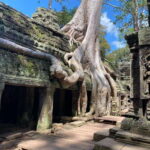
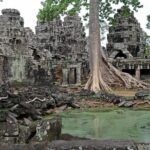
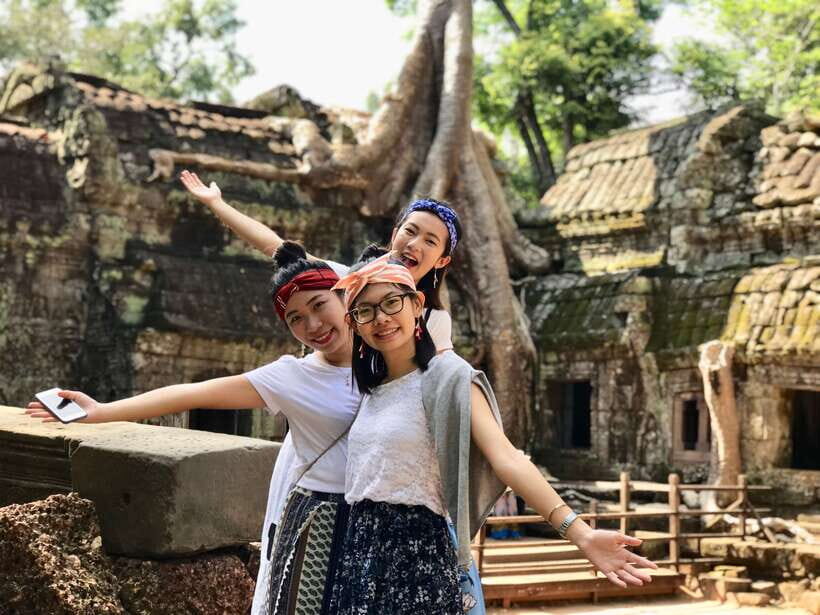
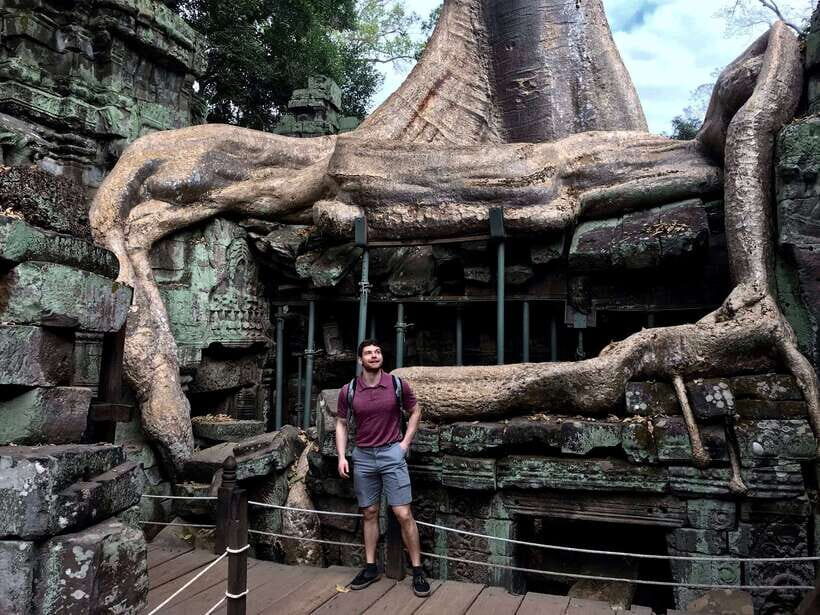
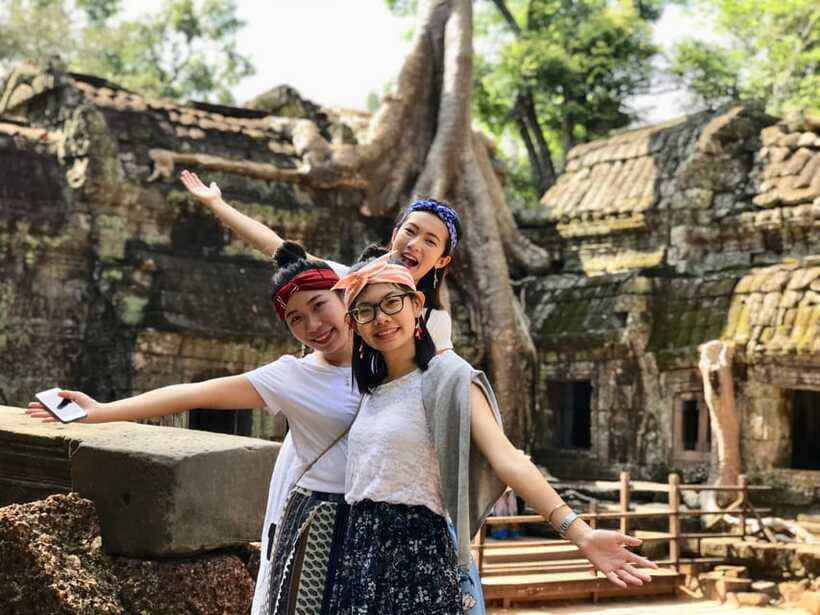
Then comes Ta Prohm, the monastic complex where the jungle has taken over. This is the part people imagine when they think of Angkor’s spooky, cinematic ruins, and the effect is real.
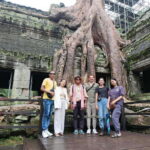
You’ll spend about an hour here, with time to explore and walk. What I like about Ta Prohm on a guided route is that you’re not just wandering. The guide helps you notice the way massive fig and silk-cotton trees grow through towers and corridors. That detail matters. You start seeing how the roots and branches interact with the stone—how nature doesn’t just decorate the ruins, it changes how you experience the space.
Ta Prohm can feel hot and enclosed depending on where you stand, so pace yourself. The tour’s built-in transport between stops helps you avoid the “stuck in the sun with nowhere to cool down” problem.
Bayon temple: 54 towers and Buddha faces that keep staring back
Bayon is the payoff for the day’s visual variety. After Ta Prohm’s wild growth, Bayon feels more patterned, more intense, more human.
You’ll go to Bayon for about an hour, with time to walk around and enjoy the views. The headline is the 54 towers decorated with about 200 smiling Buddha faces. When you first see them, it can feel like the temple is tracking you. The faces are set across multiple angles, so your perspective keeps changing as you move.
This is a great stop for photos, but it’s also worth doing it slowly once. Even with one hour, you can walk a route that changes your viewpoint, so the faces look different at each turn.

A close look at the flow, timing, and what you’ll feel
This tour runs about 8 hours, which is a pretty efficient loop for four major temple areas.
Here’s the rhythm you should expect:
- Morning starts with pickup and a short van ride to Angkor Wat
- Sunrise at Angkor Wat for about two hours
- Transfer time, then Banteay Srei with break time and some shopping/sightseeing
- Continue to Ta Prohm for around an hour
- Move on to Bayon for about an hour, with some free time for walking and photos
- Return to your drop-off point
The value of this kind of schedule is simple: you see multiple temple styles without burning an entire day on logistics. The drawback is that you won’t have “slow travel” pacing. If you like long unstructured time, you might find yourself wishing for more minutes at your favorite place.
Price and value: what $80 buys you (and what you still pay for)
The listed price is $80 per person for the core day tour. For that, you get:
- Air-conditioned transportation by car/minivan
- A fully vaccinated English-speaking tour guide
- Fresh coconut juice, plus drinking water
- A cool towel (helpful when you’re returning to the car in heat)
Not included:
- Meals and drinks (each meal is commonly around $8–$12 per person)
- The Angkor pass for one day ($37 per person)
So what’s the real total? If you add the Angkor pass and plan at least one meal, you’re looking at a meaningful bump over the $80 base. Still, the day isn’t just “driver plus ticket.” The guide component is what turns temple walking into something you understand instead of just photograph.
Also, because the van is air-conditioned and you get cool towels, you’re paying for comfort as much as explanations. In Cambodia heat, that’s not a luxury. It’s survival math.
Guides, language, and how to get the most out of them
One of the best parts of this tour is the guide style. You may get someone like Sinan, who explains the highlights of the remains clearly. Or you might get Makara, who focuses on history and culture in a way that makes the day feel connected, not random.
English seems to be part of the plan, and the tour is described as English-speaking. Still, one older experience noted that a guide’s English wasn’t perfect. If you’re planning to ask lots of detailed questions, you can get the best results by keeping your questions simple and letting the guide guide you back to the main points.
Small bonus: flexibility. One experience included adding an extra museum request when asked, which suggests the provider is willing to adjust when possible.
What to bring (so your feet don’t revolt)
You’ll be walking at multiple temple sites and spending time outside. Bring:
- Comfortable shoes
- Comfortable clothes
Sportswear isn’t allowed on this tour. That’s an easy rule to follow. Just pick lightweight, breathable clothing that you’re comfortable moving in.
And don’t skip the practical stuff: water breaks help, and cool towels are provided after returning to the car. Still, you’ll be happier if you pace yourself and don’t treat temples like a race.
Who this 8-hour Angkor loop suits best
This is a strong match if you want:
- Sunrise at Angkor Wat with less crowd pressure
- A mix of temple types in one day (carving detail, jungle ruins, smiling Buddha faces)
- A guided route that helps you understand what you’re seeing
- Comfortable transportation and heat-friendly touches like water and cool towels
It’s not a great match if you’re looking for a slow, lingering day. It’s also not suitable for pregnant women, according to the tour notes.
Should you book it
If you want the classic Angkor “greatest hits” day, this tour is easy to justify. The biggest win is the sunrise timing at Angkor Wat, followed by a tight route that hits Banteay Srei, Ta Prohm, and Bayon without wasting hours.
Book it if you value:
- Efficient temple coverage
- Guided context (not just photos)
- Comfort in the heat (air-conditioned transport, water, cool towels, coconut juice)
Skip it if:
- You get worn out by an all-day walking schedule
- You want lots of free time at each site
- You’re sensitive to heat and long transfers between stops
If you’re on the fence, think of it like this: Angkor days are won or lost on timing and energy. This route is built to help you win those two things.
FAQ
How long is this tour?
It lasts 8 hours.
Is pickup from my hotel included?
Yes. Pickup is included from your accommodation. You should wait in the hotel lobby about 5 minutes before the tour starts.
Do I need an Angkor pass?
Yes. A 1-day Angkor pass is not included. The price listed is $37 per person per day.
What’s included in the $80 price?
The tour includes air-conditioned transportation, a fully vaccinated English-speaking guide, fresh coconut juice, drinking water, and a cool towel.
What should I bring and wear?
Bring comfortable shoes and comfortable clothes. Sportswear isn’t allowed.
Is there any cancellation flexibility?
Yes. There is free cancellation up to 24 hours in advance for a full refund. The tour also offers a reserve now and pay later option.