REVIEW · SIEM REAP
4-Day All Major Temples & Kulen mountain & Koh Ker & Beng Mealea
Book on Viator →Operated by Happy Angkor Tour · Bookable on Viator
Few places in Cambodia move this fast.
This 4-day private temple circuit balances the famous Angkor sights with quieter stops in the countryside, then adds two wild-card days at Phnom Kulen and the far-flung Koh Ker jungle zone. I like that you get a private AC vehicle and an English-speaking guide, so you’re not stuck figuring things out between sites. I also like the pacing: you hit sunrise at Angkor Wat and still have time for lesser-seen temples like Ta Nei. The one possible drawback to plan for is simply the schedule—early starts and long drives add up, and the major temple entry passes are not included in the base price.
What you’re really buying here is time-saving and calm logistics. You get picked up from your hotel, you get driven between remote ruins, and you spend more energy looking at carved faces and temple geometry instead of haggling. It’s a good fit if you want an efficient “see a lot” trip without going full chaos, especially if your group is small and you want your guide to keep things flowing.
In This Review
- Key things that make this tour work
- How the driving schedule keeps Angkor from feeling like a blur
- Entering Angkor Wat, then stepping into Ta Prohm’s root world
- Angkor Thom: Victory Gate to Bayon’s face-towers
- Phnom Kulen: The 1000 Lingas riverbed and a real waterfall break
- Sunrise at Angkor Wat: Why that 5:00am start can be worth it
- Rolous Group: A day that turns into a photo walk with meaning
- Koh Ker and Beng Mealea: the far reach of the Khmer world
- Price and value: the real cost of temples plus transport
- Private guide details that actually matter on temple days
- Practical notes before you commit
- Who this tour fits best (and who should pick a different style)
- Should you book this 4-day Angkor plus Kulen, Koh Ker, Beng Mealea tour?
- FAQ
- What’s included in the tour price?
- What admission fees are not included?
- Is Angkor sunrise included?
- What time does the tour start on Day 1?
- How long is the tour?
- Is this a private tour or shared?
- Does the tour include meals?
- Do I need to buy an Angkor pass?
- Which areas are covered besides Angkor?
Key things that make this tour work
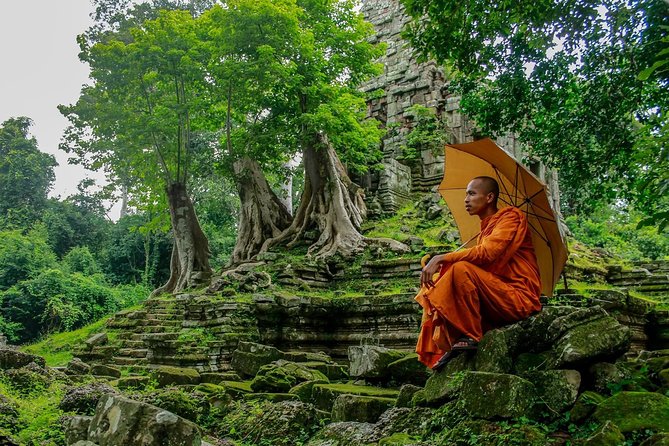
- Private A/C transport with hotel pickup and drop-off, plus wet towels and cool water for hot temple days.
- Sunrise at Angkor Wat on Day 3, with an early 5:00am pickup.
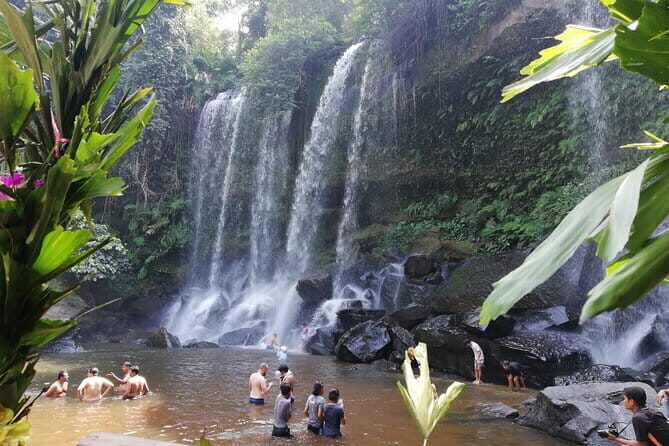
- Phnom Kulen includes the River of a Thousand Lingas and time at the waterfall area (including swimming, as described).
- Koh Ker (over 150 km away) adds the Khmer Empire’s shorter-lived capital era to your route.
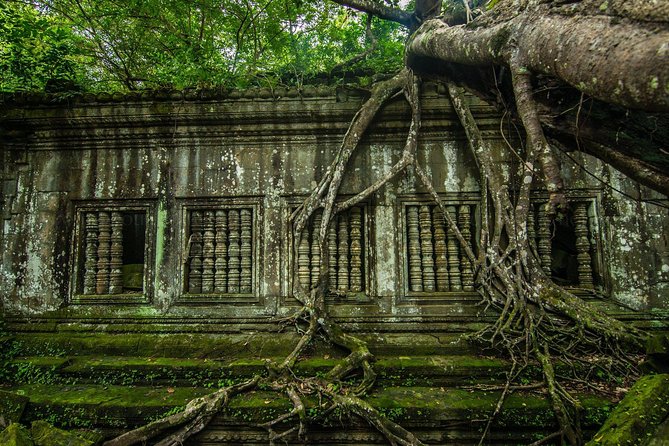
- Beng Mealea is treated like an Indiana Jones-style jungle ruin experience, with entry fees not included.
- Guides you might get include people like Vanna and Sam, with drivers such as Pat, based on past trip examples.
How the driving schedule keeps Angkor from feeling like a blur
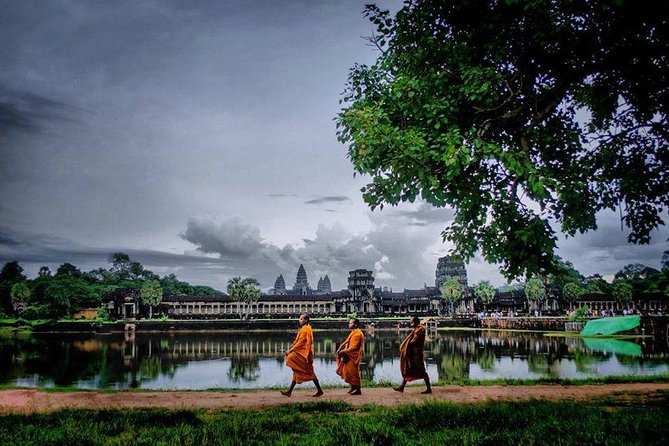
Angkor isn’t one place. It’s a whole temple landscape spread out over many kilometers, plus day trips beyond it. What makes this tour appealing is that it’s built around travel time. You’re in a private AC vehicle rather than public transport, so your “temple time” stays focused and your “getting there” time stays predictable.
On Day 1, the route is essentially the classic Angkor Thom complex plus a few complementary stops, keeping you in a very workable loop. Day 2 sends you outside the Angkor park zone to Phnom Kulen and then back for a few Hindu temple ruins. Day 3 includes another early start for sunrise and then continues with the smaller sites around Angkor. Day 4 is your distance day—Koh Ker is far, and Beng Mealea adds that jungle ruin vibe.
If you’re the type who gets tired from nonstop temple climbing, plan to treat the tour like a workout with breaks. You’ll have short stop windows, not long “wander for hours” time. The flip side is you’ll see a lot more than you could manage alone, especially if you’re new to how Khmer temples are laid out.
You can also read our reviews of more tours and experiences in Siem Reap.
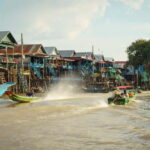
Entering Angkor Wat, then stepping into Ta Prohm’s root world
Day 1 kicks off at 8:00am pickup from your accommodation. The guide also helps you handle the temple pass purchase along the way, which matters because getting the right ticket is part of the day’s success.
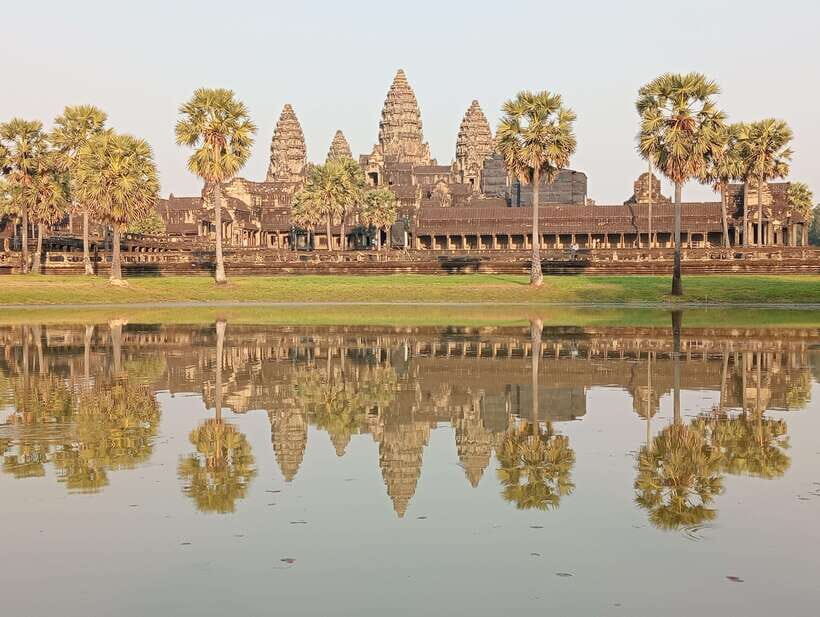
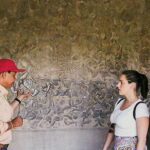
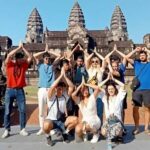
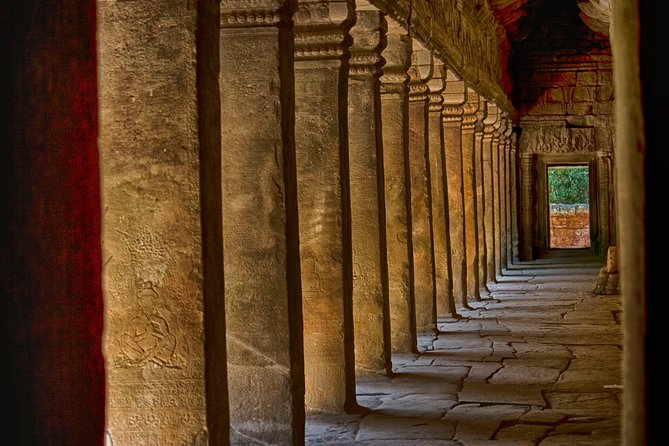
The first stop is Angkor Wat, and it’s your anchor for the whole trip. Even if you’ve seen photos, you’ll notice how much the details reward standing still for a minute—doorways, bas-relief carvings, and the way the layout funnels your gaze.
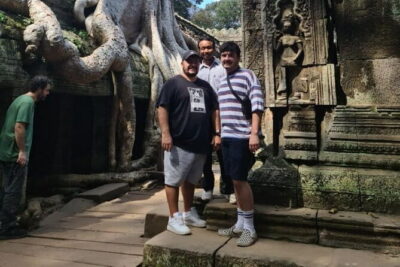
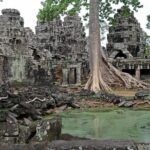
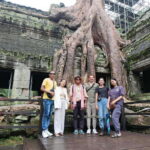
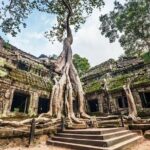
Next comes Ta Prohm, famous for giant tree roots taking over the stone. This is one of those temple experiences where you don’t just “look”—you shift your eye upward. Try to see it like a living collision: architecture fighting nature, nature winning the argument, both still visible. It’s also a good moment to take photos, but don’t rush past the quieter corners.
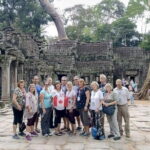
Then the day slows down slightly with Ta Nei. It’s described as smaller and with less restoration, and that usually translates to fewer crowds and more texture. If you want to feel the temple as a ruin rather than a museum piece, this stop helps balance the big-ticket sites.
Angkor Thom: Victory Gate to Bayon’s face-towers
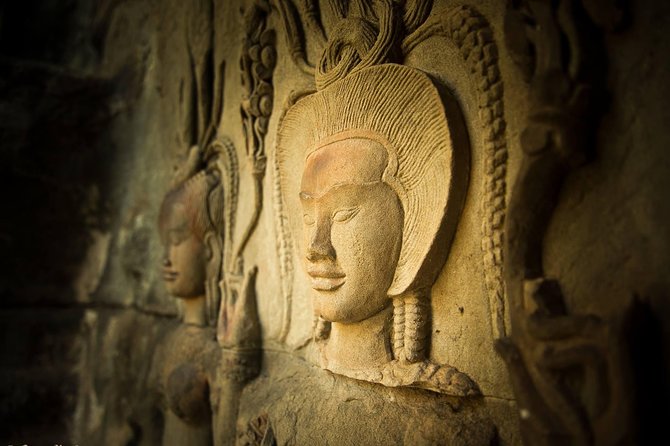
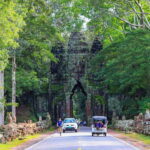
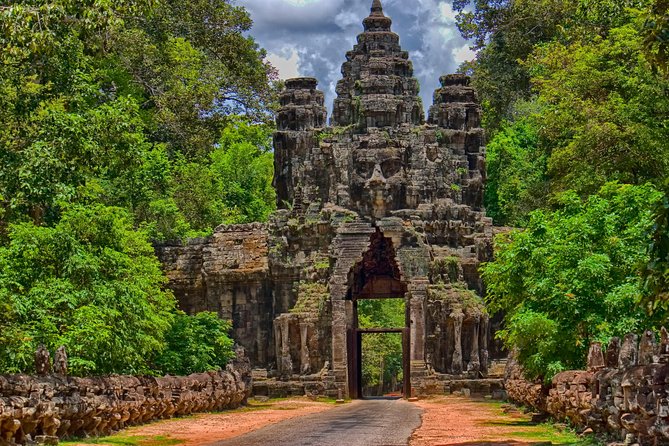
After Ta Nei, you move into Angkor Thom. You start with a quick photo stop at Victory Gate on the east side, then head into the walls and center of the old royal city.
Bayon is the centerpiece here. Expect the 49 towers, each with four faces—so yes, it’s the “many faces” look, repeated across the complex. The trick is to watch how the faces feel different from different angles. Standing to one side can change the mood of the carvings more than you’d expect.
From there, the tour continues with Baphuon and the Royal Enclosure area. Baphuon is noted as a Hindu temple built before Angkor Wat (11th century), and the reclining Buddha feature is later (16th century). That mix of eras is a theme across Angkor: layers of belief and rebuilding keep showing up. You also visit Phimeanakas, a pyramid Hindu temple at the heart of the royal palace zone, plus the Terrace of the Elephants and the Terrace of the Leper King—both are platform carvings that help you understand how rulers staged power.
The day ends with Phnom Bakheng. You have a choice: it’s described as a climb for sunset views, but you can skip the waiting if you don’t want to hang around. One important consideration: Phnom Bakheng has a limited number of tourists allowed, so if sunset timing is a priority, go with the flow and follow your guide’s instructions.
Phnom Kulen: The 1000 Lingas riverbed and a real waterfall break
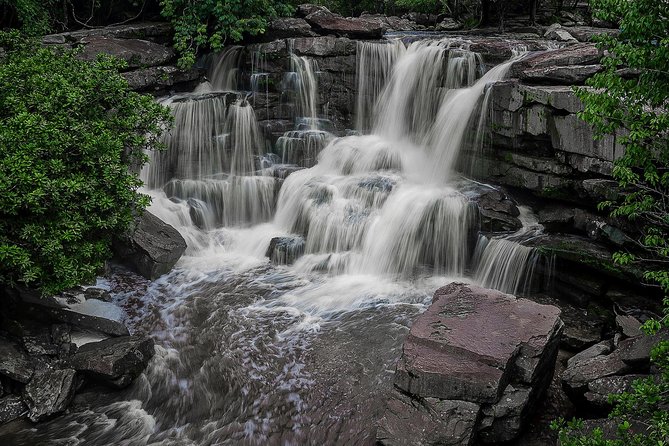
Day 2 is a different kind of Cambodia day—less about sweeping temple corridors and more about sacred landscape. You head out to Phnom Kulen National Park, more than 60 km from Angkor. The time commitment is part of what makes it worth doing as a guided day trip.
The key stop is the riverbed covered with sculptures of lingas—often described as the River of a Thousand Lingas, tied to Shiva symbolism. This is a different way to experience Khmer religious art: instead of towers and courtyards, you’re looking at repeating sacred forms in a natural setting. It’s the kind of place where it helps to slow down. Let your eyes adjust to the patterns.
You also have time for the waterfall area and swimming, as described in the tour overview. This is one of those “breaks up the temple fatigue” moments. Even if you don’t swim, the change in scenery matters after a couple heavy temple days.
After Kulen, Day 2 shifts back to architecture:
- Banteay Srei (often called the Ladies temple) is built from pink sandstone and described as 10th century, dedicated to the Hindu trinity gods with Shiva as a focus. The color and carving style are the draw here, especially if you like close-up detail rather than massive scale.
- Banteay Samre is noted as 12th century, with less obvious architecture details (so it’s the kind of site you appreciate more if your guide explains the layout rather than expecting big dramatic drama).
- Pre Rup is late 10th century and connected to Hindu funeral beliefs, described with “turn the body.” This stop adds meaning beyond “pretty ruins,” so don’t skip your guide’s explanation.
Day 2 is a nice reminder that Khmer history isn’t only centered in Angkor. It’s spread across sacred sites in the wider region.
Sunrise at Angkor Wat: Why that 5:00am start can be worth it
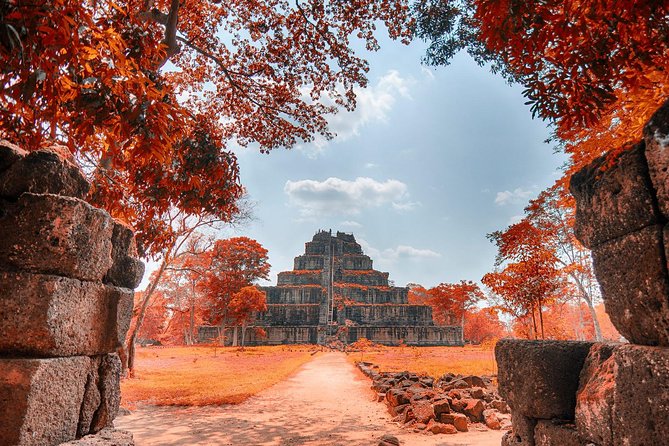
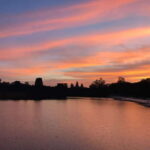
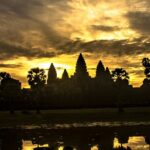
Day 3 begins with an early 5:00am pickup for sunrise at Angkor Wat. Sunrise isn’t just a gimmick here. It changes how you see the temple space—less harsh light, fewer people clustered in the same spots, and a calmer atmosphere that makes it easier to notice the geometry of the towers and causeways.
After sunrise, you return for breakfast (included as part of the flow), then the tour moves into the Angkor area temples that are less likely to be the first things people choose. Preah Khan is one of the big ones: a Buddhist temple built by King Jayavarman VII dedicated to his father. It’s described as huge and highly extensive. This is where you’ll appreciate having an English-speaking guide who can point out what you’re looking at—gate sections, shrine areas, and how the complex is structured.
Next are smaller “quiet sites”:
- Neak Pean, a temple on a small island in the center of the last Barray (a named water feature).
- Ta Som, a small Buddhist temple on the east side of Neak Pean.
Then you head to Eastern Mebon, described as temple-mountain like ruins with three levels and five towers, plus big elephant statues at the corners. If you’ve mostly been seeing faces and giant tree roots, Eastern Mebon brings back the “temple as staged architecture” feel.
Rolous Group: A day that turns into a photo walk with meaning
After Eastern Mebon, you drive to the Rolous Group. You’ll see:
- Lolei (small Hindu temple, 9th century)
- Preah Ko (first temple built in Hariharalaya, described as now defunct city)
- Bakong (first temple mountain of sandstone, and the biggest of the Rolous group)
This is a good trio if you like the early Khmer temple “signature”—temple mountains and sacred layouts—without the crowds of the main Angkor circuit. There’s also a practical benefit: the stops feel short and manageable, which helps when you’ve already had sunrise.
Lunch is scheduled as a break at a good restaurant along the way, but meals are not included beyond the tour’s general setup, so you’ll want cash or card ready for your choices. The tour data notes meals depend on the menu (with lunch around USD 5 per person).
Koh Ker and Beng Mealea: the far reach of the Khmer world
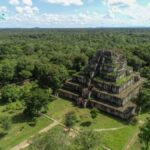
Day 4 is where your route stretches beyond the usual Siem Reap radius. First up is Koh Ker, more than 150 km northeast of Siem Reap. Koh Ker is described as a brief Khmer Empire capital between 928 and 944. That “brief capital” detail matters. You’re not just touring random ruins—you’re seeing a site connected to political power and administrative ambition, even if it didn’t last long.
Koh Ker itself is treated as a full stop with several temples in the group. Expect a longer time window (about 4 hours listed), which usually means you’ll cover more than one structure rather than treating it as a quick drive-by.
Then you head to Beng Mealea. This stop is described as mysterious, with nature taking over the stone, and it’s framed as an “Indiana Jones experience.” The value here is the sense of exploring. You’re not just looking at restored monuments; you’re walking through a huge site where overgrowth and broken pathways are part of the atmosphere. One important heads-up: the overview states entry fees for Beng Mealea are not included, so budget accordingly before you go in.
After Beng Mealea, the itinerary continues with Lolei, Preah Ko, and Bakong again as part of the day’s wrap. The practical takeaway is that Day 4 is not “just a drive.” It’s another temple-heavy day layered with long-distance travel.
Price and value: the real cost of temples plus transport
The base price is $389.25 per person for about 4 days. That fee covers the big logistics: private A/C vehicle with driver, an English-speaking licensed guide, hotel pickup and drop-off, parking/road tolls, and amenities like cool water and wet towels.
What’s not included is the museum-style part—temple admissions and meals. The tour data lists:
- Angkor + all temples pass: $72 per person
- Kulen mountain ticket: $20 per person
- Koh Ker Group ticket: $15 per person
- Meals: lunch depends; listed around USD 5 per person
If you add up the given entry fees, you’re looking at $107 in admissions on top of the base price, not counting any additional Beng Mealea entry costs (since it’s explicitly said entry fees are not included). So a realistic planning number is roughly $496+ per person, depending on what you eat and whether you pay additional site fees beyond the listed tickets.
Is it worth it? For me, yes—mainly because private A/C transport plus a full English guide over four days usually costs more than you think when you price it out day-by-day. You also get help managing passes and the tight timing around limited-entry sunset conditions at Phnom Bakheng. If you tried to DIY this route, you’d spend money on transport anyway, plus more energy figuring out ticket logistics and sequencing.
The only time it doesn’t feel like a bargain is if your group is small and you’re price-focused to the point where you’d rather join larger shared tours. But if you want control, comfort, and less wasted time, this is a solid use of your vacation days.
Private guide details that actually matter on temple days
A tour is only as good as how it handles transitions. This one covers the basics cleanly: your guide meets you at your hotel lobby (8:00am start on Day 1 and a 5:00am start on Day 3), and you finish back at your accommodation each day.
That “daily drop-off” matters because Siem Reap traffic and short distances can still eat energy. Here, you don’t have to manage it.
Also, having a guide who can explain Khmer Empire context makes a real difference. In past trips, guides like Vanna and Sam have been described as knowledgeable and funny in the way that keeps long days bearable. When you’re standing in front of Bayon’s face towers or Pre Rup’s funeral connections, guidance helps you read the site faster.
You also get comfort tools: wet towels and cool water. In Cambodia heat, those are not extras—they’re small recovery boosts.
Practical notes before you commit
This tour is “full days” territory. Expect a lot of walking on uneven temple stones and dirt paths. You’re also dealing with humid conditions, especially since several stops are outside major complexes.
A few practical things I’d plan around:
- Bring light, breathable clothing for temple days and something modest for temple entrances.
- Pack sunscreen and water even though the tour includes cool water. It’s still a long day sometimes.
- For Phnom Bakheng sunset: if you want the view, don’t treat it like a casual optional add-on. Limited entry is mentioned, and your guide will help with timing.
- For Beng Mealea: the site can feel physically rough compared to major restored temples, so comfortable shoes matter.
And one more thing: bookings are typically made well ahead (the data says on average about 78 days in advance). If you’re traveling in a peak period, don’t wait for a “someday maybe” plan.
Who this tour fits best (and who should pick a different style)
This route is best for you if:
- You want a lot of temples in four days without doing all the planning yourself.
- You like a mix of iconic Angkor plus quieter sites like Ta Nei and the Rolous Group.
- You’re okay with early mornings for sunrise and with long-distance driving for Koh Ker and Kulen.
It’s less ideal if:
- You hate early starts and would rather sleep in.
- You’re looking for lots of unstructured time to wander slowly at each ruin.
- You don’t want to manage additional entry fees, since major passes are not included.
If you’re traveling as a couple or a small group, the private format is particularly satisfying. Even when groups are around six, the setup keeps days smooth and lets your guide pace things to your interests.
Should you book this 4-day Angkor plus Kulen, Koh Ker, Beng Mealea tour?
I’d book it if you want an efficient, guide-led temple marathon with real variety. The combination of Angkor’s big names, Phnom Kulen’s sacred landscape and waterfall break, Koh Ker’s far-off capital-era feel, and Beng Mealea’s jungle ruin adventure creates a trip that doesn’t feel repetitive.
Don’t book it on autopilot if you’re sensitive to schedule pressure. Sunrise timing, a climb for Phnom Bakheng, and a long Day 4 drive mean you should be comfortable with “active touring.”
One final check: budget for admissions on top of the base price. Once you do the math, you’ll see you’re paying for logistics—private transport, a licensed English-speaking guide, and the chance to hit remote sites without wasting your vacation hours.
FAQ
What’s included in the tour price?
The tour includes a private AC vehicle with driver, an English-speaking licensed guide, cool drinking water and wet towels, parking fees and road tolls, and hotel pickup and drop-off.
What admission fees are not included?
Admission fees are not included. The tour data lists: Angkor + all temples pass at $72 per person, Kulen mountain ticket at $20 per person, and Koh Ker Group ticket at $15 per person. Beng Mealea entry is also noted as not included.
Is Angkor sunrise included?
Yes. The tour includes a sunrise visit at Angkor Wat on Day 3, with a 5:00am pickup.
What time does the tour start on Day 1?
Day 1 starts with pickup at 8:00am from your accommodation.
How long is the tour?
The duration is approximately 4 days, with day plans that include several temple stops each day.
Is this a private tour or shared?
This is a private tour. Only your group participates.
Does the tour include meals?
Meals are not included. Lunch is described as depending on the menu, with a listed budget of around USD 5 per person.
Do I need to buy an Angkor pass?
You’ll need an Angkor + all temples pass, and it is not included in the base price. Your guide helps you buy the pass along the way to the temples.
Which areas are covered besides Angkor?
Besides Angkor, the tour also includes Phnom Kulen National Park, Koh Ker, and Beng Mealea.
If you want, tell me your travel dates and group size, and I can help you sanity-check whether the early starts and long drives match your style.