REVIEW · SIEM REAP
Angkor Wat Bike Tour with Lunch Included
Book on GetYourGuide →Operated by The Guide Cambodia Travel · Bookable on GetYourGuide
Angkor Wat on two wheels makes sense. This tour is built for seeing the big icons and still getting off the main loop. I love the way the day starts at Angkor Wat for context, and I love the detour to Ta Nei Temple, a ruined temple in the jungle that many people miss.
I also like how it’s not just sightseeing. You get a small-group ride (up to 8) with an English-speaking guide, and guides such as Pok or Meam focus on the why behind the carvings and temple layout, plus they’re known for helping with photos. The included lunch stop is timed right after Ta Prohm so you’re fueled before the quieter stretches.
One thing to think about: the Temple Pass is not included, and the riding is mostly hard-packed dirt with some paved sections. If you’re expecting smooth city cycling the whole time, adjust your expectations and wear shoes you trust on uneven ground.
In This Review
- Key points worth knowing before you go
- A bike-first plan for Angkor Wat, not just a temple checklist
- 7 hours, an 8:30 start, and a pace that actually fits the map
- Hotel pickup by tuk-tuk or car, plus the bikes that make rough paths easier
- Angkor Wat to set the story: masterpiece carvings and the right starting point
- Ta Prohm at 10:00: root trees, ruined mood, and famous movie vibes
- Lunch at 11:30: a clean break that keeps the ride from falling apart
- Ta Nei Temple at 1:00: a jungle ruin that feels quieter than the headline stops
- East Gate of Angkor Thom, then Bayon: smiling faces and Jayavarman VII’s world
- How the cycling feels across the afternoon
- Guides who explain, answer, and help you remember with photos
- Value check: what $55 includes, and what it doesn’t
- Should you book this Angkor Wat bike tour?
- FAQ
- What time does the tour start?
- How long is the Angkor Wat Bike Tour?
- How big is the group?
- Are bikes, helmets, and water included?
- What’s included with food?
- Is the hotel pickup and drop-off included?
- Is the Temple Pass included in the price?
- What is not included besides the Temple Pass?
- What is the cancellation and payment flexibility?
Key points worth knowing before you go
- Small-group pacing (max 8) keeps the ride feeling guided, not rushed.
- Modern mountain bikes (Giant) with disc brakes and front suspension help on rougher paths.
- A balanced route takes you from the headline temples to a quieter jungle ruin at Ta Nei.
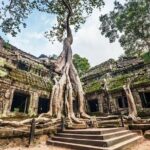
- Ta Prohm is left as discovered, with the root tangle that even movie fans recognize.
- Lunch, water, and fresh fruit are included, so you’re not hunting food mid-ride.
- Photo-friendly guides (Pok and Meam are called out in past trips) make the experience easier to remember.
A bike-first plan for Angkor Wat, not just a temple checklist
This is the kind of Angkor day that feels practical. The route is set up so you move between temple clusters without losing the morning to slow transport. You also get that advantage of cycling: you can stop, look closer, and take a few extra moments without waiting for everyone to catch up.
What you’re really buying for $55 is time and flow. You’re not figuring out bikes, routes, and timing on your own. Instead, you’re handed a ready-to-ride setup and a clear progression through the Angkor highlights, from Angkor Wat to Bayon and beyond.
You can also read our reviews of more cycling tours in Siem Reap
7 hours, an 8:30 start, and a pace that actually fits the map
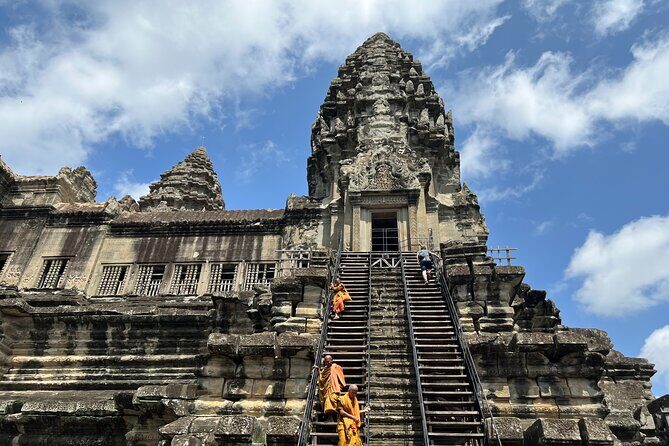
The schedule runs about 7 hours, starting at 8:30 am with hotel pickup. You’ll ride, visit, and then cycle on to the next cluster without the day turning into a long series of stand-and-wait moments.
The core timeline is straightforward: you begin at Angkor Wat, cycle to Ta Prohm around mid-morning, take a lunch break before heading deeper toward Angkor Thom. The tour wraps around 3:00 pm and ends with fruit and return to your accommodation by tuk-tuk.
If you’re short on time in Siem Reap, that timing matters. It’s structured to give you a real overview of the whole complex, not just one or two temples.
Hotel pickup by tuk-tuk or car, plus the bikes that make rough paths easier

Pickup is handled from your hotel lobby by tuk-tuk or car, and you also get support transportation as part of the tour. That matters because it reduces the stress of getting to the temples in the first place, especially on a day that’s mostly outdoors.
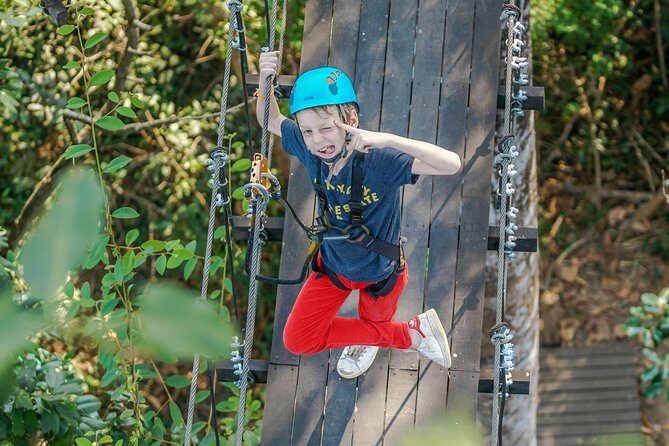
The biking gear is a big deal here. You’ll use modern Giant mountain bikes with large gear sets, disc brakes, and good front suspension, plus you get a helmet and a bottle of water. In real terms, that setup helps when paths turn bumpy or when you need control on harder-packed sections.
Past rides also note hard-packed dirt trails, some paved stretches, and minimal traffic. So you get a sense of what you’re signing up for: it’s not trail running, but it’s not a smooth promenade either.
Angkor Wat to set the story: masterpiece carvings and the right starting point
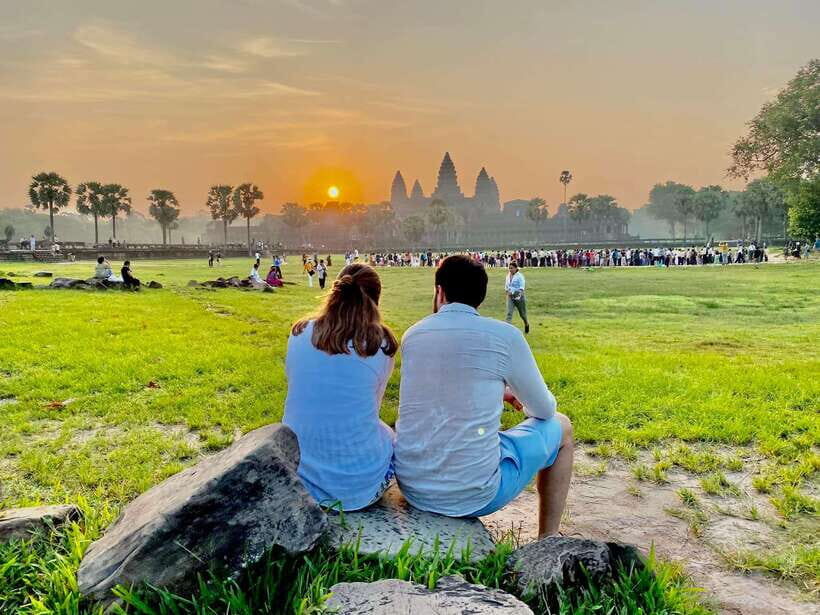
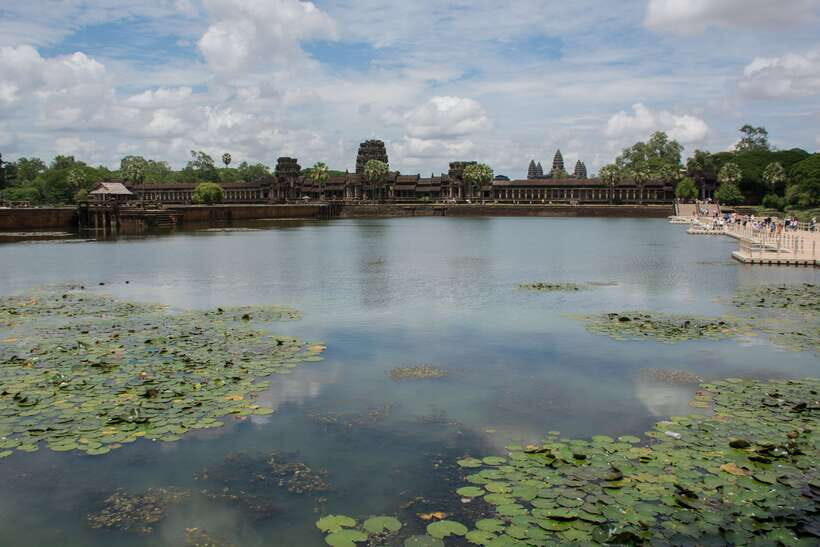
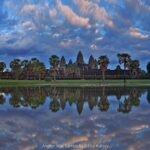
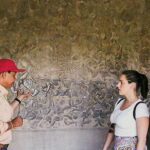
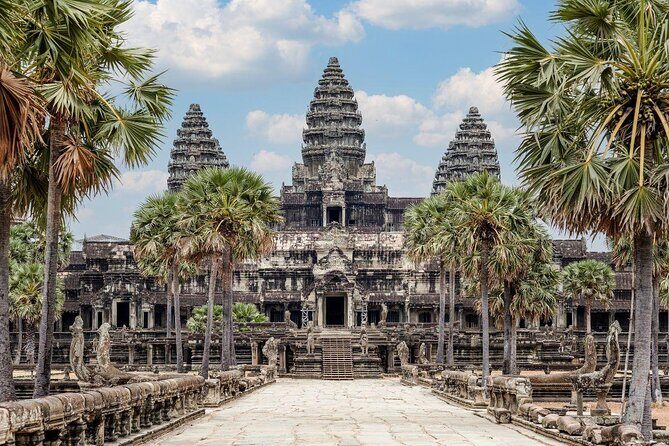
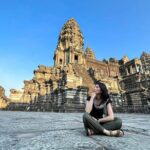
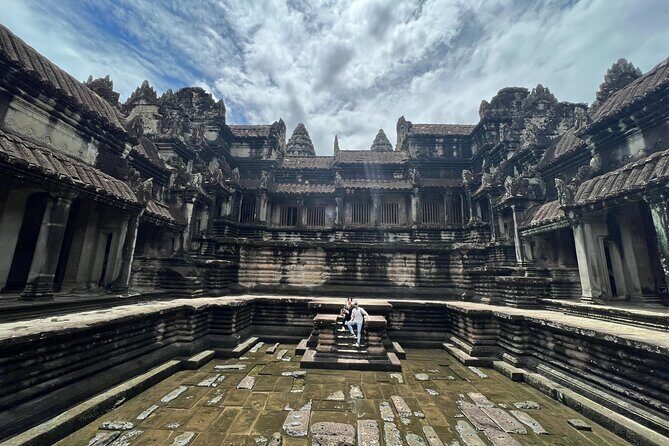
The first major stop is Angkor Wat, picked to set the tone early in the day. This is the temple people come for first—the masterpiece of the Khmer temples—and it’s also where your guide can connect the dots between layout, symbolism, and the feel of the architecture.
You’ll spend time looking at Khmer art that reached its height in the 12th century. Even if you’re not an expert, it helps to start here because it gives you visual anchors. You’ll notice patterns and motifs that show up again later, including the way stonework and gateways shape how you experience each next stop.
One practical consideration: Angkor Wat is big, and the day is full. If you tend to rush when you’re excited, slow down early so you don’t end up staring at stone too quickly later.
Ta Prohm at 10:00: root trees, ruined mood, and famous movie vibes
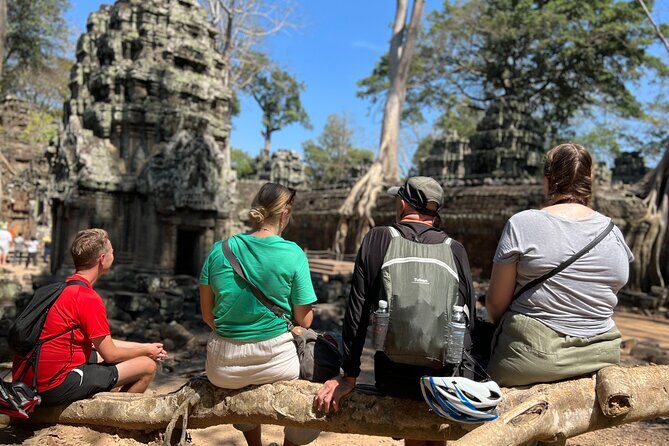
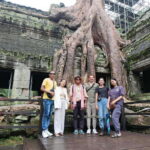
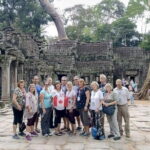
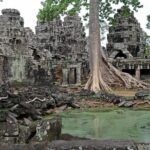
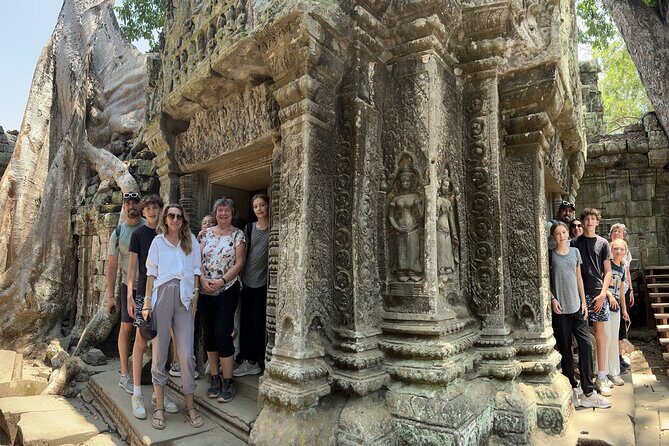
Around 10:00 am, you start cycling to Ta Prohm, described as being left as discovered. This is where the temple’s famous look does the talking: root trees intertwine with ancient stone, creating that half-hidden, tangled atmosphere that makes you feel like you stepped into a time capsule.
It also has movie connections, including the Tomb Raider filming link tied to Angelina Jolie. Even if you’ve never seen the film, the point is the same: Ta Prohm is visual storytelling. You’ll want time for photos and for walking those angles where the trees and ruins line up.
The drawback here is simple: it can be visually “all at once.” If you want more than a snapshot, ask your guide where to look next. That’s how the carvings and the space between the roots start to make sense.
You can also read our reviews of more tours and experiences in Siem Reap
Lunch at 11:30: a clean break that keeps the ride from falling apart
At 11:30 am, you pause for lunch at a local restaurant. The timing is smart because it lands before the afternoon temples, so you’re not eating while your energy is already slipping.
Lunch is included, and you’ll also get fresh fruits later in the day. In practice, this reduces the most common Angkor-day frustration: you shouldn’t be searching for food when your focus is on stone and shadows.
If you’re picky about where you eat, note that the lunch stop is described as clean and serving good entrees. That’s one of the reasons this tour works for people trying to pack in a full Angkor overview without sacrificing basic comfort.
Ta Nei Temple at 1:00: a jungle ruin that feels quieter than the headline stops
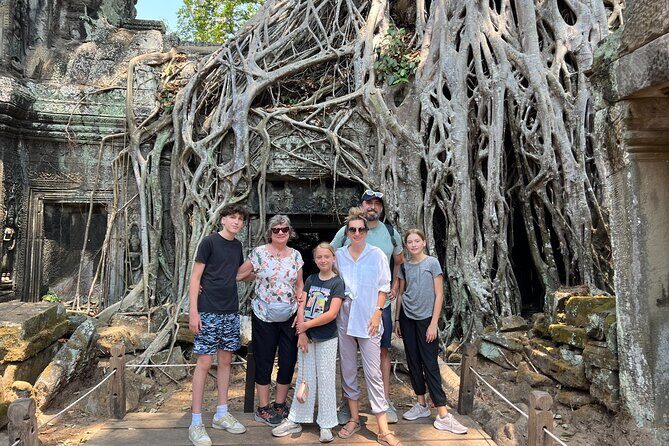
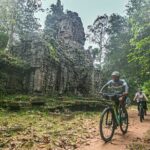
After lunch, the ride shifts toward Ta Nei Temple around 1:00 pm. This stop is positioned as a less-visited, trail-accessible ruin in the jungle—one that many visitors don’t manage to see.
That difference matters because it changes how you experience Angkor. After the well-known sites, Ta Nei gives you a slower, more secluded feeling. You’re still in the same ancient world, but the vibe turns from crowded spectacle to exploration mode.
The only consideration is that the afternoon is when you’ll feel the day’s length. If you tend to get tired in the heat, it’s worth taking the first few minutes at Ta Nei to pace yourself and not rush your photos.
East Gate of Angkor Thom, then Bayon: smiling faces and Jayavarman VII’s world
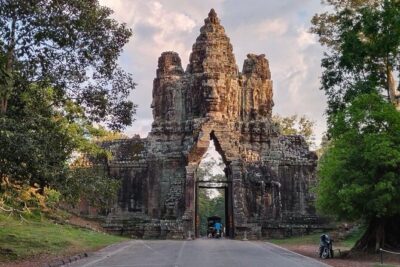
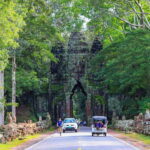
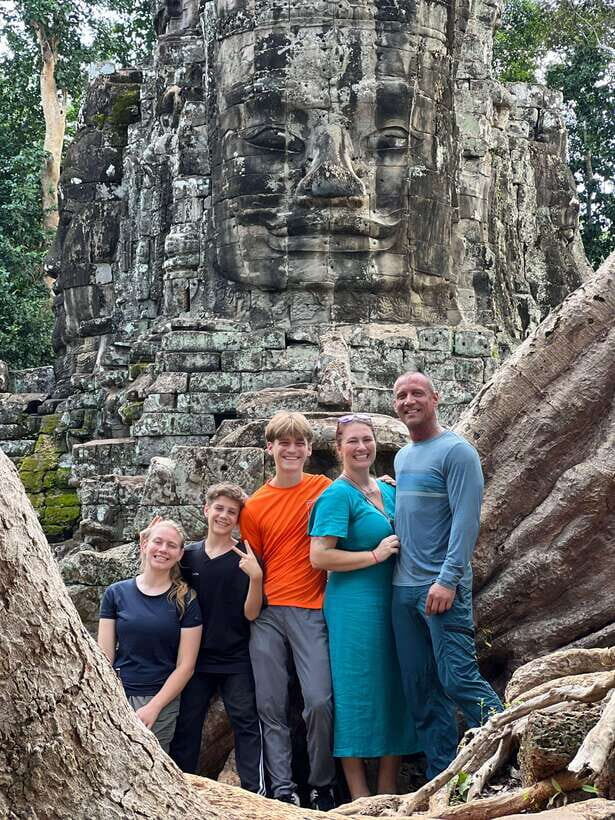
Around 2:00 pm, you cycle to the east gate of Angkor Thom and then visit Bayon Temple. This part of the day is where you shift from broad temple massing to faces and icon details.
Bayon is known for the stone-facing of Avalokiteshvara, and it’s also presented as the state temple connected to the Mahayana Buddhist King Jayavarman VII. If you want to understand Angkor beyond the obvious skyline views, this is where the guide’s narration helps you see the temple as a system, not a random cluster of carvings.
Next comes the Terrace of Elephants, where the king sat to observe elephant training. Even if you don’t know the story beforehand, the terrace setting is a helpful reminder that Angkor was built for power, ceremony, and daily life around rulers—not just for visitors.
How the cycling feels across the afternoon
This isn’t a race. The tour is structured as a guided loop with enough stopping time to see the temples properly. You’ll be cycling through sections that are mostly hard-packed dirt, with some paved paths and minimal traffic.
That’s why the bike setup matters. Front suspension and disc brakes are there for a reason: they make small bumps less annoying and help you handle changes in surface without fighting the bike.
If you’re moderately fit, you should be fine. If you’re expecting a fully flat route or long stretches of smooth road, you might feel less comfortable—especially in the afternoon when your legs are already used up from earlier stops.
Guides who explain, answer, and help you remember with photos
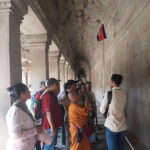
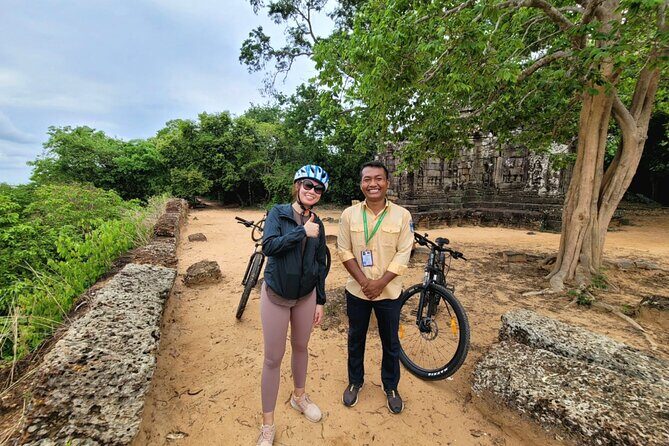
One of the most praised parts of this experience is the guide approach. You’ll have a professional English-speaking guide, and in past departures guides such as Pok have been described as warm, helpful, and great at answering questions.
A very practical perk is photo support. Some guides are known as photo wizards who’ll help you get good shots, and they’ll happily share them afterward. That means you’re not stuck trying to frame everything yourself while also learning the symbolism your guide is pointing out.
If you like learning as you go, this kind of guiding makes a difference. If you’d rather do “see and move on,” you’ll still get the essentials, but you may want to ask for quick direction so you don’t lose time.
Value check: what $55 includes, and what it doesn’t
At $55 per person for about 7 hours, this tour’s value comes from the bundle. You get the English guide, modern bikes, helmet, bottle water, lunch, fresh fruits, and hotel pickup/drop-off plus support transportation.
What’s not included is the Temple Pass and personal expenses. That’s the main add-on you should plan for. Once you budget that pass separately, the rest of the day is covered in a way that’s hard to replicate on your own without coordination.
This is also a good option if you’re short on time in Siem Reap. The structure gives you a broad overview—Angkor Wat, Ta Prohm, Bayon, and Angkor Thom—plus the extra traction of a jungle-temple stop.
Should you book this Angkor Wat bike tour?
I’d book it if you want an Angkor day that’s active but not chaotic. The bike setup, included lunch and fruit, and small-group format make it feel organized. If you care about seeing both the famous faces and at least one quieter jungle ruin, the itinerary fits that wish better than a plain temple circuit.
I’d also book it if you like guides who talk history in a way you can use. And if photos matter, this tour is built around that, since guides like Pok and Meam have a reputation for helping people get great images and answering lots of questions.
Skip it or choose carefully if you know you’ll hate riding on hard-packed dirt and mixed surfaces, or if you don’t want to add the Temple Pass cost on top. As long as you’re okay with that, this is a solid use of a single day in Siem Reap.
FAQ
What time does the tour start?
The pickup and start time is 8:30 am.
How long is the Angkor Wat Bike Tour?
The duration is listed as 7 hours.
How big is the group?
The tour is a small group limited to 8 participants.
Are bikes, helmets, and water included?
Yes. You get modern mountain bikes, a helmet, and a bottle of water.
What’s included with food?
A lunch is included, and you’ll also receive fresh fruits.
Is the hotel pickup and drop-off included?
Yes. You get hotel pick up and drop-off by tuk-tuk or car.
Is the Temple Pass included in the price?
No. The Temple Pass is not included.
What is not included besides the Temple Pass?
The tour lists personal expense as not included.
What is the cancellation and payment flexibility?
It offers free cancellation up to 24 hours in advance for a full refund, and there is a reserve now & pay later option.