REVIEW · SIEM REAP
War Museum, Killing Field and Floating Village ( Kampong Phluk)
Book on Viator →Operated by Angkor Doors · Bookable on Viator
War and water in one calm day. This trip pairs three very different sides of Cambodia: life on the Tonlé Sap at Kampong Phluk, the heavy aftermath of the Khmer Rouge at Wat Thmey, and a civil-war reality check at the War Museum. It’s built for an easy pace, with air-conditioned transport and an English-speaking guide to connect the dots.
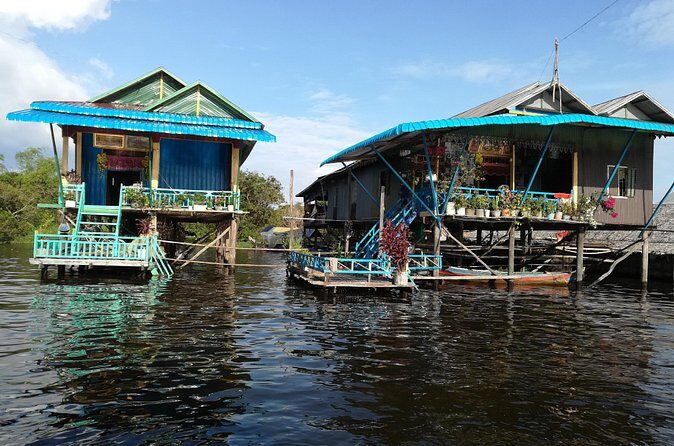
Two things I really like here. First, Kampong Phluk is hands-on in a way photos can’t match; you get a cruise ride and see how the homes sit on tall stilts (not actually floating), and the perspective can change depending on water levels. Second, the history stops aren’t just signboards—you’ll hear personal context from guides such as Pisith, Gent, Mak, and Bunpheng, who do a careful job explaining what you’re looking at.
One drawback to consider: the Killing Fields stop is emotionally intense. Plan to slow down, keep an open mind, and give yourself a little buffer for the War Museum afterward, since the day covers real suffering and war.
In This Review
- Key highlights worth your attention
- Kampong Phluk: stilt homes, boat time, and the view you didn’t expect
- Wat Thmey Killing Fields: powerful history with a fast reality check
- War Museum Cambodia: vehicles and weapons, plus the human angle
- The 8-hour flow: how the timing works in real life
- Price and what you’re really getting for $79
- Who this tour fits best (and who might want something else)
- Quick practical tips for a smoother day
- Should you book this tour?
- FAQ
- What time does the tour start?
- How long is the full trip?
- Is pickup offered from Siem Reap?
- What’s included in the price?
- What entrance fees cost extra?
- Do I have to buy something at the market stop?
- Is cancellation free?
Key highlights worth your attention
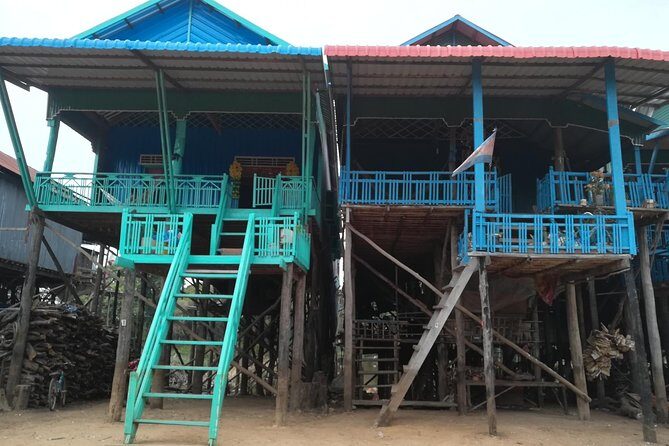
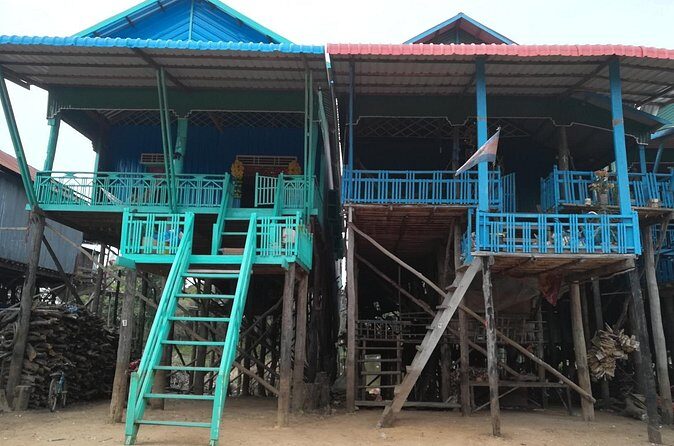
- Kampong Phluk isn’t floating in the usual sense: houses sit on stilts, and the walkways can look different when water is higher or lower
- A cruise ride is included: you’re not just driving past the village, you’re seeing daily life from the water
- English-speaking guidance: your guide helps you make sense of both modern life and past atrocities
- Two history stops in one day: Wat Thmey plus the War Museum saves you time versus handling them separately
- Personal stories matter: multiple guides are noted for explaining life and history in plain, human terms
Kampong Phluk: stilt homes, boat time, and the view you didn’t expect
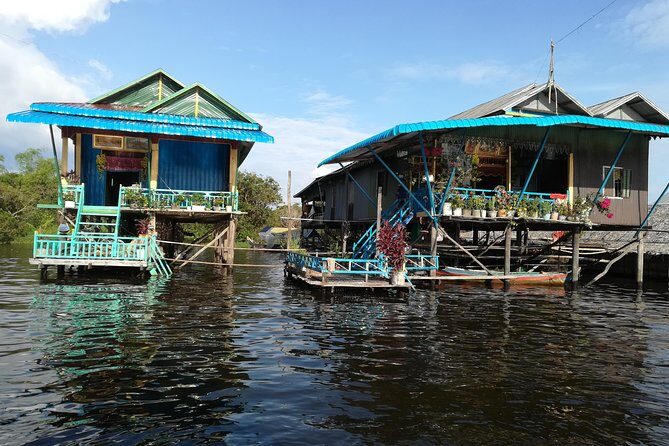
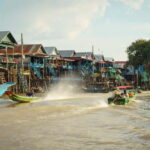
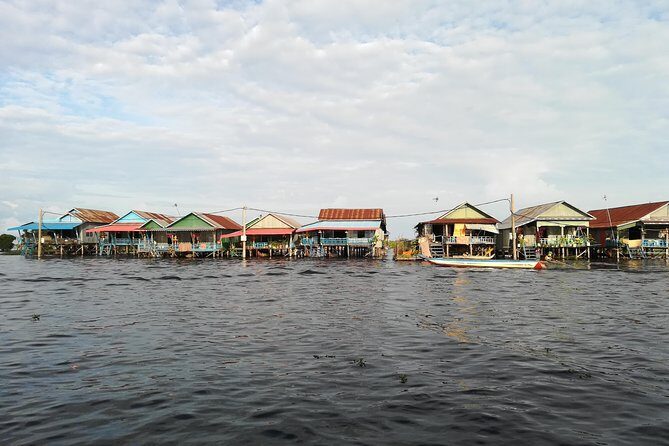
Kampong Phluk is about 25 km southeast of Siem Reap town, and the setting changes the feel of the whole day. Even though it’s often called a floating village, the houses don’t drift. They’re raised on tall stilts, which means you’ll see structures built for seasonal water shifts rather than buildings literally moving on the lake.
The tour includes a ride and entry for Kampong Pluk, so you’ll actually spend time on the water instead of just peeking from the shore. That’s a big deal because the village works with water—movement, access points, and daily routines all make more sense once you’ve seen it from the boat.
One detail that stood out in past experiences: if you’ve seen Kampong Phluk before, you may be surprised by the differences. When water covers certain paths, it changes what you can walk on and what looks accessible. When the water’s lower, you may be able to walk on more land routes, which can make the village feel different even though it’s the same place. So if you’re the type who likes to compare your own past photos with a current visit, this stop can still feel fresh.
Also, there’s time built in for a local market stop. You’re not forced to buy anything, but it’s a nice chance to see what people pick up for daily life and to grab small snacks or water if you want extra beyond what’s provided.
You can also read our reviews of more museum experiences in Siem Reap
Wat Thmey Killing Fields: powerful history with a fast reality check
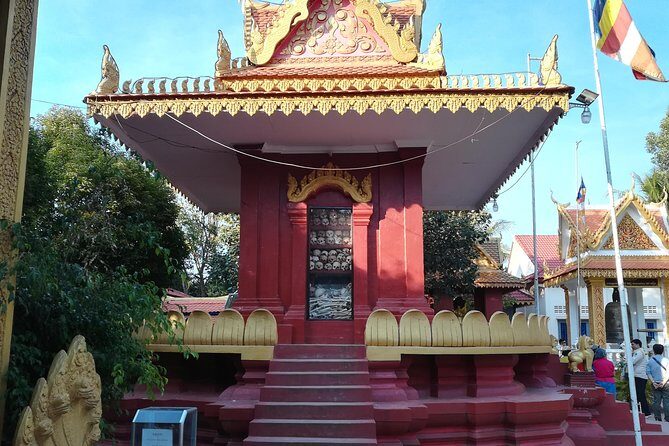
After Kampong Phluk, the day turns serious—directly. You head back toward Siem Reap and visit Wat Thmey, the pagoda associated with the Killing Fields. This is one of those stops where the “how long” matters. You’re there for around an hour, which means the goal isn’t to wander for ages. It’s to see the site, understand what happened here, and leave with a clearer picture of the Khmer Rouge regime and the role of Pol Pot.
Because the subject is brutal, don’t treat this like a quick photo stop. I’d go in with the mindset of listening and absorbing. If your brain needs a minute to catch up, you’re allowed to slow down.
Practical note: Wat Thmey’s entrance fee isn’t included. The tour lists it at $3 per person, so it’s a small add-on, but still something to plan for when you’re budgeting.
If you’re traveling with kids, you’ll want to think carefully. The tour is described as suitable for most travelers, but the content isn’t light. For younger travelers, it’s often less about the duration and more about how you explain what you’re seeing.
War Museum Cambodia: vehicles and weapons, plus the human angle
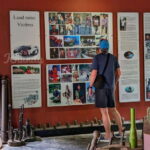
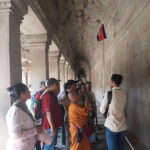
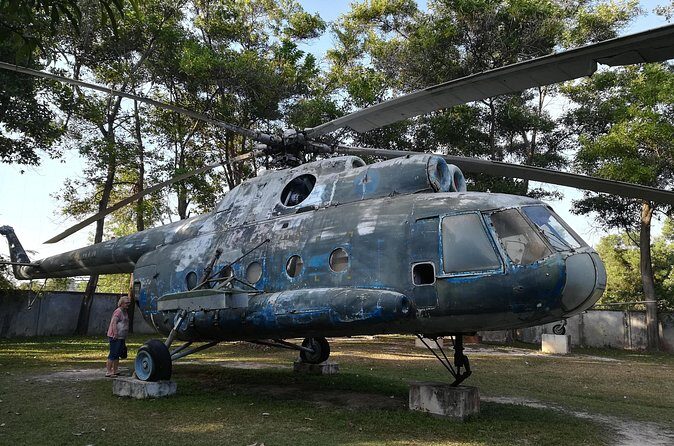
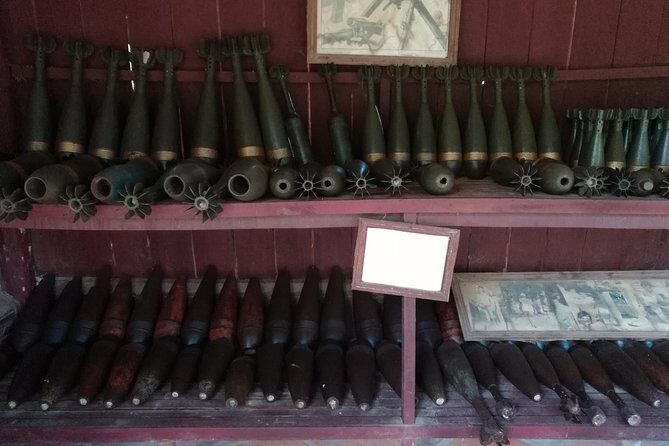
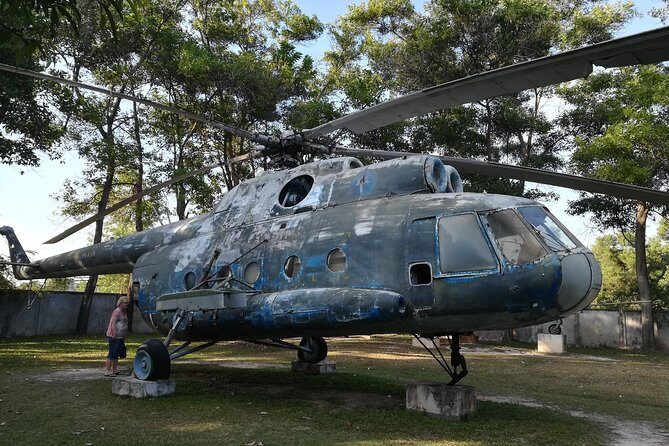
Next up is the War Museum in Siem Reap City. This stop helps balance out the morning’s historical weight by shifting your focus toward artifacts—military vehicles and weapons tied to Cambodia’s long and bloody civil war.
What makes the visit more meaningful than a basic display is the way your guide frames it. In multiple accounts, guides shared not just facts but personal experience connected to the period. That’s what turns a room of equipment into a story you can actually hold in your head. You’ll get a sense of what conflict looked like day to day, not only what it looked like on paper.
The War Museum entrance fee is not included. The listed cost is $5 per person, so if you’re doing strict math, add that in. It’s still good value for the amount of context you’re likely to get—especially if you’re already planning to see multiple history-focused sites in the same trip.
The 8-hour flow: how the timing works in real life
This is a full day that runs about 7 to 8 hours, starting at 8:00 am. The schedule is designed so you can do the village early, then hit the major history sites without needing a second day.
Here’s the flow in plain terms:
- Morning begins with the drive to Kampong Phluk
- You spend about 4 hours at Kampong Pluk, including the boat portion and the village time
- Then you return toward Siem Reap for Wat Thmey (about 1 hour)
- You finish with the War Museum (about 2 hours)
That balance makes the day feel manageable, but it also means some stops will feel efficient. If you’re the type who likes to linger, especially at memorial sites, you’ll need to be okay with “see it, learn it, then move on.”
The good news: the tour uses an air-conditioned vehicle for comfort, and it includes a bottle of cold drinking water. On a hot Siem Reap day, that’s not a tiny detail—it helps you stay focused instead of getting cranky.
Also, the experience is described as a private tour/activity, meaning it’s just your group. That tends to make the day easier for pacing, especially if you want questions answered on the spot.
Price and what you’re really getting for $79
At $79 per person, this tour is often an efficient way to stack three major experiences without juggling separate tickets and transport.
Let’s break down what’s included:
- Transportation in an AC car or minivan
- Cruise ride and entrance fee to Kampong Pluk
- English-speaking tour guide
- Bottle of cold drinking water
What’s not included:
- War Museum Cambodia entrance fee: $5 per person
- Wat Thmey (Killing Fields) entrance fee: $3 per person
- Food and drinks
So your real all-in cost is usually $87 total for entrances (plus whatever you spend on lunch/snacks). For a day that includes guided history, a boat ride, and AC transport, that’s solid value—especially if you don’t want to coordinate drivers, ticket lines, and schedules on your own.
One more value point: you’ll likely see the “local market” moment as part of the day. Even if you don’t buy anything, it’s a low-effort cultural stop that can add texture to the morning.
If you’re cost-comparing, be careful to compare like-for-like. A cheaper option that omits entry fees or the guide can become more expensive once you add tickets and private transport.

Who this tour fits best (and who might want something else)
This experience tends to fit best if you want variety in one day. You’ll get:
- A living, working community by the water (Kampong Phluk)
- A stark, educational visit tied to Khmer Rouge history (Wat Thmey)
- A war-related museum stop with objects and guided interpretation (War Museum)
It’s also a good fit if you like learning from a guide rather than reading plaques on your own. Multiple guide names show up in past experiences—Pisith, Gent, Mak, and Bunpheng—and the common thread is explanation that connects history to the present.
Who might want a different plan? If you’re emotionally sensitive to atrocity-focused sites, you may prefer more time between stops or a more gradual history approach. Also, if you’re a “slow traveler” who wants long wandering time, the fixed time at Wat Thmey could feel tight.
Quick practical tips for a smoother day
A few small things can make a big difference with this exact mix of sites:
- Bring a small layer. Mornings can feel pleasant, but AC rides and indoor museum time can get cool.
- Wear shoes you can walk in. Kampong Phluk includes paths that can vary depending on water levels.
- Keep your expectations realistic at Wat Thmey. One hour is enough to learn, but not enough to process everything deeply for everyone.
- Plan for lunch on your own. Food and drinks aren’t included, and the day runs long enough that you’ll want something ready when you get a chance.
Also, your tour starts at 8:00 am. If you’re usually slow in the morning, set yourself up the night before.
Should you book this tour?
I’d book it if you want a well-paced day that covers three big themes—water-life in Kampong Phluk, Khmer Rouge history at Wat Thmey, and the civil-war story at the War Museum—without needing extra logistics.
I’d skip or change it if you’re trying to avoid emotional heavy content, or if you know you need lots of quiet time at memorial sites. In that case, you might do better splitting the day across two tours or choosing a tour that spends more time at fewer stops.
For most people visiting Siem Reap with limited time, this is a practical way to see the contrast of Cambodia in a single day—stilt homes and boats in the morning, then history that explains why the country today carries memory with it.
FAQ
What time does the tour start?
The tour starts at 8:00 am.
How long is the full trip?
Plan for about 7 to 8 hours total.
Is pickup offered from Siem Reap?
Yes, pickup is offered.
What’s included in the price?
The tour includes transportation (AC car or minivan), cruise ride and entrance fee to Kampong Pluk, an English-speaking tour guide, and a bottle of cold drinking water.
What entrance fees cost extra?
Wat Thmey (Killing Fields) costs $3 per person, and the War Museum Cambodia costs $5 per person. Food and drinks aren’t included either.
Do I have to buy something at the market stop?
No. You’ll go to a local market, and you can buy something if you want, but it’s not required.
Is cancellation free?
Yes. You can cancel up to 24 hours in advance for a full refund. If you cancel less than 24 hours before the start time, the amount paid is not refunded.