REVIEW · SIEM REAP
Tonle Sap Lake & Kampong Phluk Village Half-Day Tour
Book on Viator →Operated by Green Era Travel · Bookable on Viator
Tonle Sap Lake looks endless for a reason. This Kampong Phluk half-day tour takes you right to the water’s edge life runs on, with boat time, a walk through the village, and a calmer canoe option in the mangroves during high season. I love how the trip is structured around real places—floating schools, markets, and homes—so you understand what you’re seeing, not just snap photos.
I also like the practical setup: Siem Reap hotel pickup and drop-off, an air-conditioned ride, and cold bottled water so the day stays easy. One drawback to consider is that the experience can change with water levels, and the mangrove canoe portion is only available during Aug–Jan, with that canoe ride not listed as included.
In This Review
- Key Things to Know Before You Go
- Tonle Sap and Kampong Phluk: what you’re really seeing
- Getting to the lake from Siem Reap (and why the timing helps)
- Kampong Phluk floating village: the walk you’ll remember
- Cruising Tonle Sap by boat: scale, birds, and fishing life
- Mangrove canoeing in Aug–Jan: calm water, close-up nature
- The local market stop: why food and fish matter here
- Guides that make the day click: history and humor
- Getting the most from your 5-hour window
- Price and value: is $49 a good deal
- Who should book this tour (and who might not love it)
- Should you book the Tonle Sap & Kampong Phluk half-day?
- FAQ
- FAQ
- How long is the Tonle Sap Lake & Kampong Phluk Village Half-Day Tour?
- What does the tour cost?
- Does the tour include hotel pickup and drop-off?
- Are there morning and afternoon departure times?
- Is the canoe ride through the mangroves included?
- Do I need to bring food or drinks?
- What’s included in the tour price?
- How many people are in a group?
- What is the minimum age to join?
- What happens if weather is bad?
Key Things to Know Before You Go
- Two departure windows: morning pickup (7:30am–8:30am) and an afternoon option (pickup 1pm–2pm)
- Village life on the water: you’ll see floating schools and daily routines tied to the lake
- Seasonal mangrove canoeing (Aug–Jan): great option, but the canoe ride isn’t included
- Small group cap (max 15): a calmer pace than big bus tours
- Boat time plus a local market stop: a strong mix of views and day-to-day culture
- Comfort details matter: AC transport and cold bottled water keep the logistics painless
Tonle Sap and Kampong Phluk: what you’re really seeing
Tonle Sap isn’t just a scenic stop. It’s a system—water rises and falls, and communities shift with it. On this tour, you’ll get the clearest picture of how people live where land and lake blur together, especially around Kompong Phluk.
What makes the experience feel “real” is the rhythm of the day. You start in Siem Reap, move out toward the lake, then switch into boats for close-up views. That change of pace matters, because it’s hard to understand this way of life from a distance.
You can also read our reviews of more tours and experiences in Siem Reap
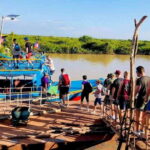
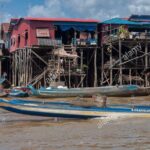
Getting to the lake from Siem Reap (and why the timing helps)
You’ll meet your local guide at your hotel lobby and head out by car. The drive is about 45 minutes to the fishermen’s area of Kompong Phluk, where the day starts to look very different than Siem Reap’s Angkor-focused route.
You have two schedule options. Morning departures typically begin with pickup between 7:30am and 8:30am. Afternoon departures leave around 2pm, with pickup generally between 1pm and 2pm. I like having both because it lets you match the tour to how your day is going—temple morning energy, or a slower afternoon.
Small but useful detail: the tour uses an air-conditioned vehicle, and you’ll have cold bottled water during the experience. On a hot day, that’s not a “nice-to-have,” it’s what keeps you comfortable enough to enjoy the boat and walking parts.
Kampong Phluk floating village: the walk you’ll remember
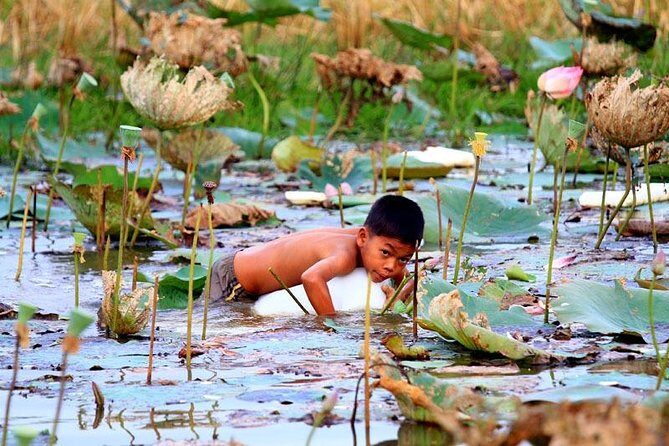
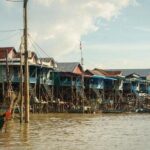
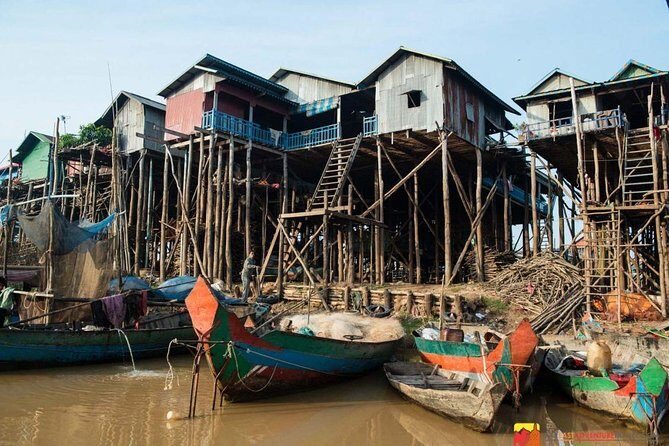
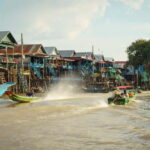
Once you reach Kampong Phluk, the village portion becomes the heart of the tour. You’ll see how daily life works along the water—where people gather, how movement happens, and what community looks like when water is part of the address.
From what’s consistently described, one big highlight is the floating schools and the “everyday” scenes you pass on route in and around the village. You may also visit a local home during the tour, which gives context for what you’re seeing from the boat and from the ground.
There’s also a practical reality to keep in mind: in some months, the village may not look the same. In lower-water periods like early-to-mid May, you might find access involves more driving and walking and less of the classic floating setup. The tour can still be exceptional, but don’t expect every day to look identical.
Cruising Tonle Sap by boat: scale, birds, and fishing life
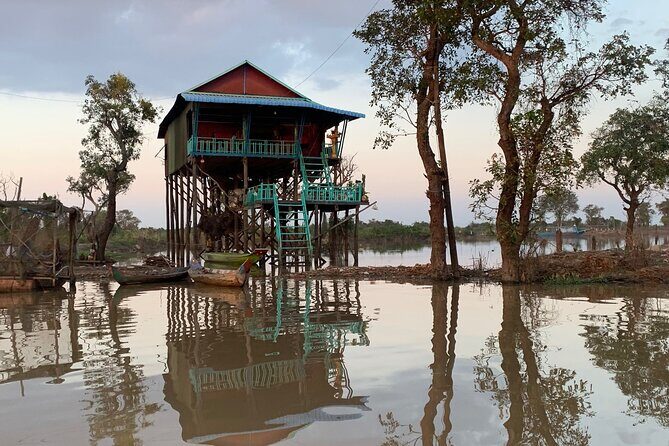
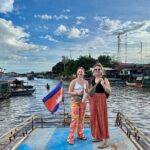
The boat portion is where Tonle Sap really shows its size. The lake can feel like there’s no end in front of you, and you’ll notice how birds move overhead while the water carries everything slowly along. It’s one of those experiences that makes your brain stop comparing it to other “tourist villages.”
On the water, you’re not just sightseeing—you’re watching how fishing and transport work in a place where boats are normal street-level motion. Passing floating markets and schools turns the lake from scenery into a living route.
One logistic note: the tour includes a sharing local boat ride. That usually means you won’t have the entire boat to yourselves, but for most people that’s a fine trade for the structured day and smaller group limit.
Mangrove canoeing in Aug–Jan: calm water, close-up nature
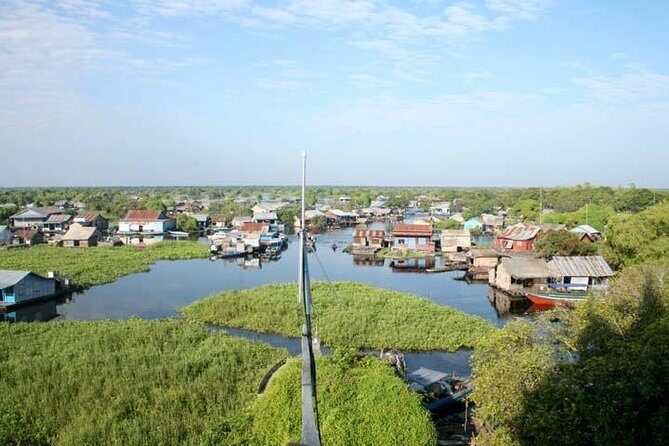
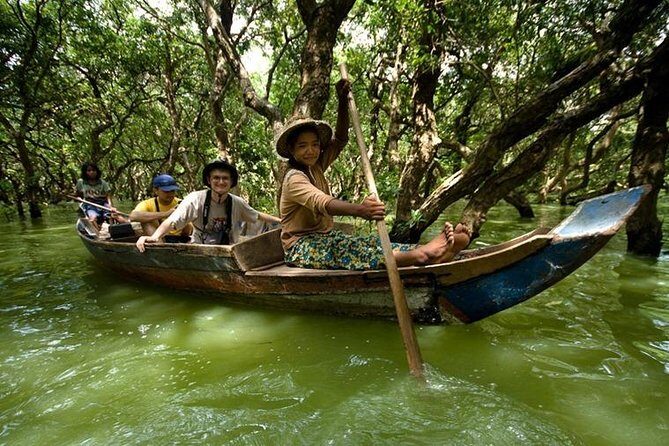
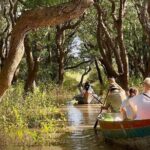
If you’re traveling during August through January, you may be able to hire a canoe to explore the mangrove forests. This is one of the best ways to slow the day down after the main boat cruise—narrower channels, quieter movement, and a feeling of being in the ecosystem rather than just looking at it.
A key detail: the canoe ride in the mangrove forest is listed as not included. So if canoeing is the part you’re most excited about, I’d plan for an extra cost on top of the tour price.
You’ll also likely have a guide from the village piloting or helping with the canoeing. That matters because it turns the canoe time into more than “someone rows while you watch.” You learn how locals read the channels and what the mangroves mean to fishing and life along the shore.
The local market stop: why food and fish matter here
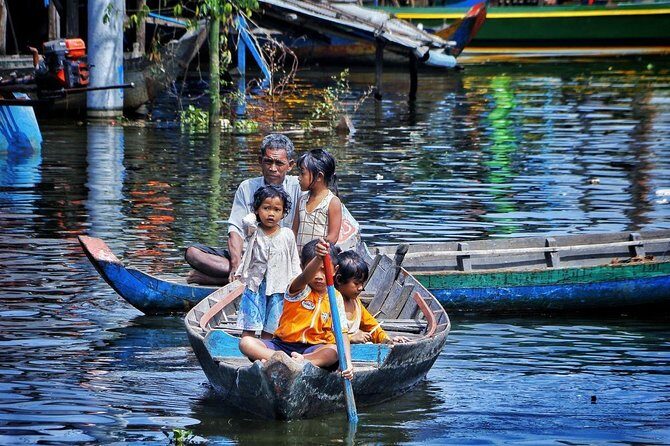
Many people arrive thinking this is purely about floating houses. But a market stop (often on the way back) can add a huge layer of understanding—especially because it shows the lake-to-plate connection.
From the way the day is described, you may stop at a local food market where you can see how fish, produce, and everyday goods are prepared and sold. You might even try local fruits. I like this stop because it’s not staged. It’s what people do to get through the week.
If you’re the kind of traveler who likes to connect photos to real objects—knives, fish stalls, piles of fruit—this is the moment that clicks.
Guides that make the day click: history and humor
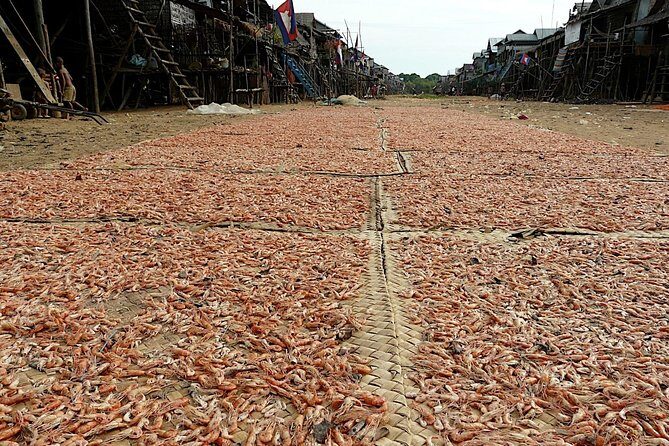
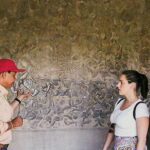
The success of this tour often comes down to your guide. You’ll have a local live English-speaking guide, and the names that keep showing up include Nak, Soydy, Phat, Sophy, Sotin, and Samon. People consistently praise guides who explain Cambodian history and local life clearly, and who also keep the day moving smoothly.
What I find useful is that the storytelling tends to connect the dots: why Tonle Sap communities exist the way they do, and what changes over time. It’s not just “point and move on.” Good guides turn the scenery into a short lesson you’ll actually remember.
If you end up with someone who likes questions, bring them. You’ll get more out of the tour if you ask about school life, fishing routines, and how families adapt when water levels shift.
Getting the most from your 5-hour window
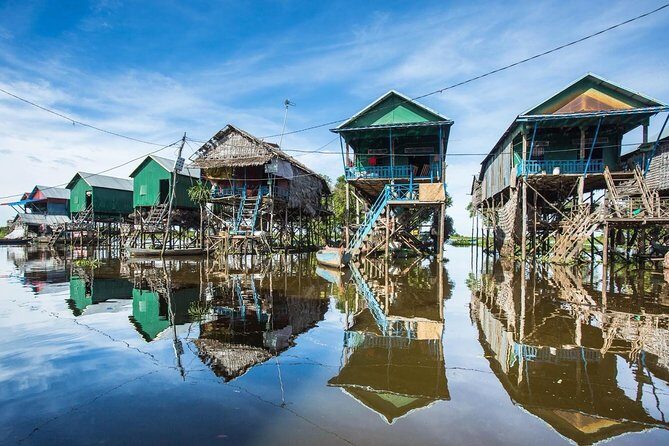
This is an about 5 hours half-day tour, and that length is part of the value. You get real lake time and village walking without burning your whole day. For many itineraries in Siem Reap, that’s exactly the sweet spot.
Still, it’s not a slow stroll. You’ll move between the car ride, the boat segment, the village area, and (seasonally) the canoeing. Wear shoes that handle uneven surfaces. Bring something for sun and a light layer if you get chilly on the boat.
If you’re sensitive to heat, the morning departure can feel easier, but afternoons can be more relaxed depending on the rest of your plans. Either way, the day stays manageable because the structure is tight.
Price and value: is $49 a good deal
At $49 per person, you’re not paying just for views. You’re paying for the whole machine that makes this place reachable: hotel pickup and drop-off, an air-conditioned vehicle, a local English-speaking guide, boat transport (including a sharing local boat ride), and cold bottled water.
Where the value really shows up is when you price the day as “transport + guide + lake access.” If you were to try to do this independently, you’d spend time figuring out boats, timing, and reliable local partners. Here, the tour bundles it.
The main “cost consideration” is that the mangrove canoe ride isn’t included during Aug–Jan, and food and drinks aren’t included either. So if you want snacks or meals, plan on buying them separately. But for a half-day experience, most people find the base price still fair given what’s included.
Who should book this tour (and who might not love it)
I’d steer you toward this tour if you want a less temple-heavy day that still feels deeply connected to Cambodia. It’s also a strong match if you like conversations with your guide and you enjoy seeing daily life rather than only landmarks.
You might want to skip or rethink it if you’re expecting a full-day nature safari with lots of hiking. This is mostly boat and village time, with mangroves only seasonal and canoeing not included.
It’s also a good option for families, because the minimum age is 3 years and the tour says most travelers can participate. Still, keep expectations realistic: the water-based setting means you’ll deal with boats, steps, and time outdoors.
Should you book the Tonle Sap & Kampong Phluk half-day?
I’d book it if your goal is to understand Cambodia beyond the Angkor postcards. The best part is how the day connects dots: water geography, fishing and transport, school life on the lake, and community routines you can see for yourself.
Book it even if you’re not sure what “floating village” means. The tour format helps you get it fast—car to the lake, then boats and walking where you see how life works up close.
Just keep two things in mind: the experience can shift with water levels, and mangrove canoeing is Aug–Jan and not listed as included. If those are acceptable to you, this is one of the more rewarding half-days you can fit into Siem Reap.
FAQ
FAQ
How long is the Tonle Sap Lake & Kampong Phluk Village Half-Day Tour?
It’s about 5 hours.
What does the tour cost?
The price is $49.00 per person.
Does the tour include hotel pickup and drop-off?
Yes, round-trip hotel transfers from Siem Reap are included.
Are there morning and afternoon departure times?
Yes. Morning pickups are typically between 7:30am and 8:30am, and afternoon departures are around 2pm with pickup between 1pm and 2pm.
Is the canoe ride through the mangroves included?
The canoe ride in the mangrove forest (Aug–Jan) is listed as not included.
Do I need to bring food or drinks?
Yes. Food and drinks are not included.
What’s included in the tour price?
Included items are a local live English-speaking guide, hotel pickup/drop-off, cold bottled water, air-conditioned vehicle, and a sharing local boat ride.
How many people are in a group?
The tour has a maximum of 15 travelers.
What is the minimum age to join?
The minimum age is 3 years, and children must be accompanied by an adult.
What happens if weather is bad?
This experience requires good weather. If it’s canceled due to poor weather, you’ll be offered a different date or a full refund.