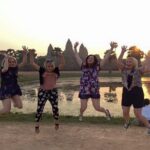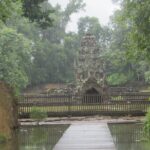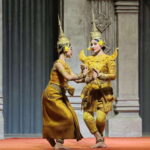
Dawn at Angkor Wat is different. You start before sunrise, enter Angkor Wat from the less-used eastern side in near-darkness, and then take the Jungle Path toward the library pools to watch the first light hit the stone. I especially like the early timing and eastern entrance twist that helps you avoid the later rush.
I like that it runs as a true small group (maximum 10), so your guide can keep things moving without turning the experience into a human conveyor belt. I also like the English-speaking guide who explains what you’re seeing as you go, including the temple storylines and cultural context.
One drawback: the Angkor Wat admission fee is not included ($37 per person) on top of the $17 tour price, so do the math before you commit.
In This Review
- Key Things I’d Actually Plan Around
- Sunrise at Angkor Wat from the Eastern Side
- Price and Ticket Math: $17 Tour plus $37 Angkor Wat
- Small Group Logistics in Siem Reap: Pickup, Vehicle, Timing
- The Dawn Walk Inside Angkor Wat: Library Pools and Bas-Reliefs
- Upper Terraces, Photo Spots, and Temple Details That You Don’t Want to Miss
- Breakfast Break and Getting a Quick Local Meal
- Ta Prohm to Angkor Thom: Jungle Temple to Stone Faces
- Terraces of the Leper King and Elephants: Where Spectacle Happened
- Who This Tour Suits (and Who Might Want a Different Plan)
- Should You Book This Sunrise Tour?
- FAQ
- FAQ
- How long is the Sunrise at Angkor Wat small group tour?
- What’s included in the tour price?
- Is the Angkor Wat admission ticket included?
- Are the other temple visits included or free?
- Will I get help purchasing the Angkor Wat ticket?
- How big is the group?
- Where and when do you start?
- What should I wear for temple entrances?
- Is breakfast provided?
- Can I cancel and get a full refund?
Key Things I’d Actually Plan Around
- Max 10 travelers means easier pacing and better photo moments
- Before-dawn start with eastern-side entry to cut crowd pressure
- Jungle Path to the library pools sets up the sunrise viewing
- Angkor Thom highlights in one day: South Gate, Bayon, and multiple terraces
- Flat shoes + covered knees/shoulders will save you stress at temple entrances
Sunrise at Angkor Wat from the Eastern Side
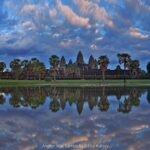
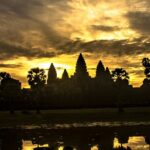
If you’ve only seen Angkor Wat after the sun is fully up, this will feel like a different place. This tour starts before dawn and takes you in while it’s still dark. Then you move through the Jungle Path toward the ancient library pools, where you wait for sunrise.
What makes this approach feel special is the sequencing. You’re not just walking around; you’re arriving, settling in, and watching the colors change across the temple. You also get a guided pass through the temple highlights afterward, when the light makes the details easier to spot.
Angkor Wat is the world’s largest religious complex, and the tour is built around that scale. You’ll spend real time inside, then climb and explore key sections, instead of doing the usual quick photo stop and goodbye.
You can also read our reviews of more tours and experiences in Siem Reap.
Price and Ticket Math: $17 Tour plus $37 Angkor Wat
The headline price is $17 per person, but the real cost depends on one line item: the Angkor Wat admission ticket. You’ll pay $37 per person for Angkor Wat separately, because it’s not included in the tour price.
So, your practical total is about $54 per person once you include the main temple ticket. The rest of the listed temple stops are shown as admission free in the schedule, which helps keep the day from turning into a constant extra-fee situation.
For me, the value question is simple: you’re paying for early entry timing, guided interpretation, and transport, plus a tight route through Angkor’s big hitters. If you’re already planning to visit Ta Prohm and Angkor Thom that same day, this format can be a strong deal versus piecing everything together on your own.
Small Group Logistics in Siem Reap: Pickup, Vehicle, Timing
This is a small-group day tour from Siem Reap with hotel pick-up and drop-off and an air-conditioned vehicle. Bottled water is included, which matters because the schedule runs long and the walking adds up.
The group size cap is 10 travelers. That number is not just marketing fluff. It helps the guide manage timing at busy spots, keeps the dawn portion from feeling rushed, and makes it easier to hear explanations while you’re moving through temple spaces.
In hot conditions, one nice bonus from prior groups: cold towels have been provided. Even if you don’t think you’ll need them, you’ll be glad they exist once the sun is fully up.
As for pacing, the day runs about 8 hours (approx.). You’ll have a few short transitions and several focused visits, so you don’t feel like you’re constantly relocating across the whole site with nothing to show for it.
The Dawn Walk Inside Angkor Wat: Library Pools and Bas-Reliefs
The tour starts with entry into Angkor Wat in darkness, coming in from the eastern side. That less-used approach helps set expectations: you’re arriving quietly, not joining a later crowd.
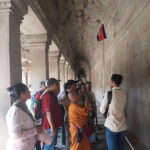
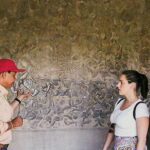
After the sunrise waiting period at the library pools, you’ll explore the temple in daylight. One standout: you’ll see the longest stretch of bas-relief carvings in the world. This matters because bas-reliefs aren’t just decoration here—they’re storytelling in stone. A guide helps you look past the “wow” and into what you’re actually seeing.
You also get time to move deeper into the central chambers and continue up toward the upper terraces. That vertical component is part of why Angkor Wat feels so powerful. You can’t appreciate it from street-level alone, and you won’t be stuck viewing only the easiest angles.
The tour also includes photo opportunities, which is handy because sunrise angles can be tricky when you’re trying to keep your spot and your footing.
Upper Terraces, Photo Spots, and Temple Details That You Don’t Want to Miss
After sunrise, you’re not just hovering for a few pictures. The route continues through key temple zones, including areas where you can get better views and clearer angles on carvings and architectural lines.
Here’s what I like about this style of tour: it treats the day as a sequence of “before and after.” Darkness gives you atmosphere. Morning light gives you visibility. Then the guide’s explanations help you connect what you’re seeing—why that layout exists, and how the site functioned as a religious center over time.
Also pay attention to the practical side. This day includes real walking on uneven surfaces. The tour guidance is clear about flat shoes that are comfortable, not flip-flops and not fancy sandals. That single decision can make or break your comfort level for the whole day.
If you know you’re picky about photos, a small group helps. You spend less time waiting for a crowd knot to untangle before you can raise your camera.


Breakfast Break and Getting a Quick Local Meal
You’ll have a breakfast break after the sunrise and main Angkor Wat time. The tour recommendation is smart: bring a boxed breakfast from your hotel.
Why that tip is useful: it gives you flexibility. Instead of being stuck hunting for food at peak timing, you can use your break to eat near the Angkor area and keep your momentum. You also don’t have to gamble on finding something decent right when the day is busiest.
If you’re the type who gets cranky when you skip breakfast, this is a good day to plan ahead. The early start means you’ll be glad you have food ready rather than relying on luck.
Ta Prohm to Angkor Thom: Jungle Temple to Stone Faces
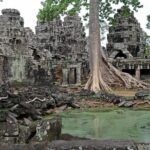
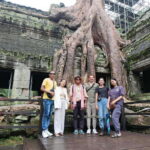
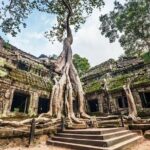
After breakfast, the tour heads to Ta Prohm, the jungle-enveloped temple people often associate with cinematic ruins. This stop is scheduled for about 1 hour, and it’s one of the most atmospheric parts of the day.
What I like about placing Ta Prohm after you’ve already done Angkor Wat is mental pacing. Dawn at Angkor Wat sets the tone. Ta Prohm feels like the next chapter—less symmetry, more drama, and that “stone meets roots” vibe that makes the site feel alive.
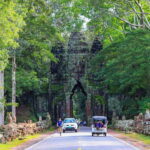
Then you move into Angkor Thom, starting at the South Gate. That gate is flanked by 54 stone figures on each side, and it’s a perfect way to shift from the singular grandeur of Angkor Wat into the larger walled-city layout.
Next you go to the Bayon Temple, built in the 13th century and linked to King Jayavarman VII as a state temple. Bayon is especially recognizable for its face-like stone imagery, and the tour includes time to see it properly instead of just rushing through.
There are also quick stops inside Angkor Thom—short timing blocks where your guide takes you to places most people don’t linger. These moments can be the difference between feeling like you only saw the obvious and actually getting a sense of how the spaces connect.
Terraces of the Leper King and Elephants: Where Spectacle Happened
Two of the most memorable stops are the terraces—because they show Angkor not just as a temple site, but as a stage for public power.
First up is the Terrace of the Leper King (about 40 minutes). The structure is U-shaped, and its modern name comes from stories and interpretations about its use. The schedule notes that some think it was a royal cremation site. Even if you don’t obsess over the theory, it’s an easy place to slow down and look at how the terrace architecture frames the space.
Then you’ll visit the Terrace of the Elephants (also about 40 minutes). This one runs roughly 350 meters long and was used as a giant reviewing stand for ceremonies, serving as a base for the king’s grand audience. Locals call it the Ancient Khmer Stadium, which is a useful way to understand what the space was built to do: hold people and display authority.
These terraces also connect well to the earlier stops. You start to see the logic: temples, gates, ceremonial spaces—all parts of one grand system.
Who This Tour Suits (and Who Might Want a Different Plan)
This is a great fit if you want your Angkor day to feel guided, organized, and thoughtfully timed. The early start matters most if you care about not being swallowed by crowds and not getting cooked by mid-day heat. The small group size helps even more if you don’t want to shout across a bus.
You’ll also like this tour if you enjoy learning in context. Your guide’s job here is not just translation; it’s pointing out what matters—like the longest bas-relief stretch, and how Bayon and the terraces fit into the Khmer-era story.
You might consider a different plan if:
- you only want the absolute “top monument” and would rather skip the larger Angkor Thom circuit
- you prefer a long, slow temple wander without a set schedule
- you don’t want to pay the extra Angkor Wat admission fee on top of the tour price
Should You Book This Sunrise Tour?
I’d book it if you’re doing Angkor Wat for sunrise and you want a small-group experience with early entry, a guided route, and a full day itinerary that covers Angkor Wat plus major Angkor Thom highlights and Ta Prohm.
I’d pause before booking if you’re budgeting tightly and can’t comfortably add $37 for the Angkor Wat ticket. Once you do the math, though, the format looks efficient: you get transport, a guide, water, and meaningful time in multiple major sites in one shot.
FAQ
FAQ
How long is the Sunrise at Angkor Wat small group tour?
It runs for about 8 hours (approx.).
What’s included in the tour price?
The tour includes an English-speaking tour guide, an air-conditioned vehicle, hotel pick-up and drop-off, and bottled water, plus a mobile ticket.
Is the Angkor Wat admission ticket included?
No. Angkor Wat admission costs $37 per person and is not included in the tour price.
Are the other temple visits included or free?
The schedule lists admission as free for the stops in Angkor Thom (South Gate, Bayon, Terraces of the Leper King and Elephants) and for Ta Prohm.
Will I get help purchasing the Angkor Wat ticket?
Yes. Your guide will send you a link to purchase the temple entrance e-ticket days in advance.
How big is the group?
The tour has a maximum of 10 travelers.
Where and when do you start?
You’re picked up from your hotel before dawn and taken to Angkor Wat to enter in darkness for sunrise viewing.
What should I wear for temple entrances?
For some temples, you need clothing that covers your knees and shoulders. Flat, comfortable shoes are recommended.
Is breakfast provided?
A breakfast break is part of the plan, and it’s recommended you bring a boxed breakfast from your hotel so you can eat at a local café near Angkor Wat.
Can I cancel and get a full refund?
Yes. Cancellation is free up to 24 hours in advance for a full refund. If you cancel less than 24 hours before the experience starts, you won’t receive a refund.