Three stops, one wild day.
This Siem Reap tour strings together Phnom Kulen nature and sacred-carving sites with two temples that feel a long way from the Angkor Wat crowds. You start early, ride in an air-conditioned vehicle, and get an English-speaking guide who helps the sights make sense fast, from Shiva worship to a reclining Buddha carved into sandstone.
I love the mix of Banteay Srei’s tiny, detailed carvings with Kulen’s hands-on outdoor atmosphere. I also like the balance of timed stops and free time to actually look, not just pose-and-vanish. One schedule note to keep in mind: you’ll pay several entry fees on top of the tour price, including cash-only Kulen entrance, and lunch can land later than you expect.
In This Review
- Key highlights at a glance
- Why This One-Day Siem Reap Triangle Works
- Getting Going: Pickup Times, Small Groups, and What’s Included
- Banteay Srei: The Shiva Temple for Sharp Carvings
- Preah Ang Thom: Reclining Buddha in a Sandstone Boulder
- River of a Thousand Lingas: Sacred Stone Details at Close Range
- Phnom Kulen Waterfall: Two Falls, Season Timing, and Swim-Friendly Planning
- Lunch Timing Near Beng Mealea or Banteay Srei
- Beng Mealea: Unrestored Ruins and Temple-Exploration Feeling
- Price and Value: What $53 Actually Covers
- Guide and Driver Quality: Names You Might Hear on the Day
- Tips to Make the Day Smoother (No Guesswork Needed)
- Who Should Book This Tour
- Should You Book This Siem Reap Day Trip?
- FAQ
- How long is the Kulen Waterfall, Banteay Srei, and Beng Mealea tour?
- What time is pickup in Siem Reap?
- Does the tour include hotel pickup and drop-off?
- Are Banteay Srei and Beng Mealea entrance tickets included?
- How much is the Kulen Mountain entrance fee, and can I pay by card?
- Is lunch included in the tour price?
- What’s included in the tour besides transportation?
- Is there time to swim at the waterfall?
- How big is the group?
Key highlights at a glance
- Early hotel pickup (7:30–8:00 AM) helps you beat the worst heat and crush.
- Banteay Srei’s 10th-century Shiva carvings feel more delicate than the big Angkor monuments.
- Preah Ang Thom and the reclining Buddha sit on a huge sandstone boulder with a modern staircase.
- River of a Thousand Lingas puts you right in the middle of carved worship symbols and stone details.
- Phnom Kulen waterfalls depend on season, and there’s practical info for swimming (bring a swimsuit and towel).
- Small-group size (stated caps around 12–15) keeps the day personal, and the guide support is a real part of the value.
Why This One-Day Siem Reap Triangle Works
If your plan is Siem Reap for a few days, this kind of day trip is a smart way to add variety without adding another hotel night. You get temples plus nature in one run, and the timing is built around an early start. That matters because heat, crowds, and energy all rise later in the day.
The best part is how different the stops feel. Banteay Srei is about careful stonework and Hindu temple design. Kulen is about sacred landscape, carved stone, and then a waterfall reward. Beng Mealea shifts the vibe again, with a temple you explore through ruins and paths that feel less restored.
This is also a good fit if you want a day that’s outside the main Angkor Wat loop but still clearly connected to Cambodia’s historic religious world.
You can also read our reviews of more tours and experiences in Siem Reap.
Getting Going: Pickup Times, Small Groups, and What’s Included
You’ll get hotel pickup in Siem Reap between 7:30 and 8:00 AM in an air-conditioned vehicle. The tour runs about 9 to 10 hours, so you should plan on a full day and not schedule anything important right after you’re dropped off.
The inclusions are practical: bottled water, small fresh towels, and an English-speaking guide. You also get seasonal fruit testing, which sounds minor until you realize it’s a small taste of local everyday life, not just another tourist snack.
Group size is kept small, with limits stated up to 12 participants in some descriptions and up to 15 travelers in others. Either way, it’s not a huge bus herd. Still, small groups move faster than you might think when you’re crossing between sites, so keep track of where the guide is heading next.
Banteay Srei: The Shiva Temple for Sharp Carvings
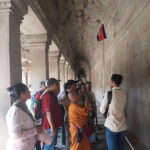
Banteay Srei is a 10th-century Cambodian temple dedicated to Shiva. It sits about 25 kilometers (15.5 miles) north of Angkor Wat, and it’s famous for intricate carvings that look almost too detailed for how far off it is from the main circuit.
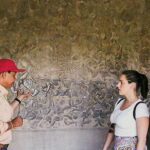
What I like about this stop is that it rewards slower looking. The carvings are the whole point, and your guide’s job here is to point out what you’re actually seeing, since the stone details can blur together if you rush.
Plan on about an hour on site. That’s usually enough time to get your bearings, find a few key carving areas, and take photos without feeling like you’re stuck in one corner. The only real “drawback” is that it can still be crowded during Cambodian public holidays, so go in with a flexible mindset and expect some bottlenecks.
Preah Ang Thom: Reclining Buddha in a Sandstone Boulder
Next you’ll visit Preah Ang Thom, known for an 8-meter tall reclining Buddha reaching nirvana. What makes it distinctive is that the statue is carved into a huge natural sandstone boulder, and a modern staircase now helps visitors reach it.
This stop is often a favorite because it feels “real world,” not just another lineup of walls and gateways. You can actually feel the size of the rock and how the view opens up around it, even if you’re not sure what every detail means. Your guide can connect the Buddhist iconography to what you’ve been seeing elsewhere today.
One practical consideration: the setting includes stairs. If you have limited mobility, this is one of the parts to think about early, since the day also includes a mix of walking and exploring ruins later.
River of a Thousand Lingas: Sacred Stone Details at Close Range
Then you reach 1000 Lingas, a stretch along the riverbed where carved worship elements appear for about 500 meters. You’ll see linga carvings, yoni, and even a large carving of Vishnu, plus smaller bedrock carvings in the surrounding stone.
Even though the name is dramatic, the real value here is close inspection. When you stand by the carvings, you understand why guides talk about sacred geometry and symbolism at the same time. It’s not just decoration. It’s a landscape of meaning.
Time on this stop is shorter, around 25 minutes, so don’t treat it like a quick photo spot. Take a moment to scan the different carving types. A good guide will show you how to read the stone so your eyes start catching patterns instead of random marks.
Phnom Kulen Waterfall: Two Falls, Season Timing, and Swim-Friendly Planning
Phnom Kulen National Park is where nature takes over the schedule. There are two main waterfalls, and their size is season-dependent. During the rainy season, the first waterfall can be 4–5 meters tall and around 25 meters wide. The second is bigger, around 15–20 meters tall.
This stop runs about 1 hour 30 minutes. That timing usually lets you watch the falls, walk a bit, and still cool down with a snack or a breather. The important part: the waterfall you get depends on when you go. In drier periods, it may look smaller; in wetter months, it can look more dramatic.
If you want to swim, the tour notes are very clear: bring a swimsuit and a towel. Changing rooms are available on-site, which makes it easier to plan without carrying a full day’s worth of extra gear. Also keep in mind that the river area can be slippery, so take your time on any paths near the water.
Lunch Timing Near Beng Mealea or Banteay Srei
Lunch is not included, but you’ll stop at a local restaurant near either Beng Mealea or Banteay Srei depending on timing. The schedule can push lunch to a later point in the day, so if you’re prone to getting hungry fast, plan a simple buffer.
This is one of the best moments to decide how you want to travel: either treat lunch as a full sit-down meal, or do something lighter and save your appetite for the remaining temple time. Either approach works, as long as you’re not surprised by the timing.
Beng Mealea: Unrestored Ruins and Temple-Exploration Feeling
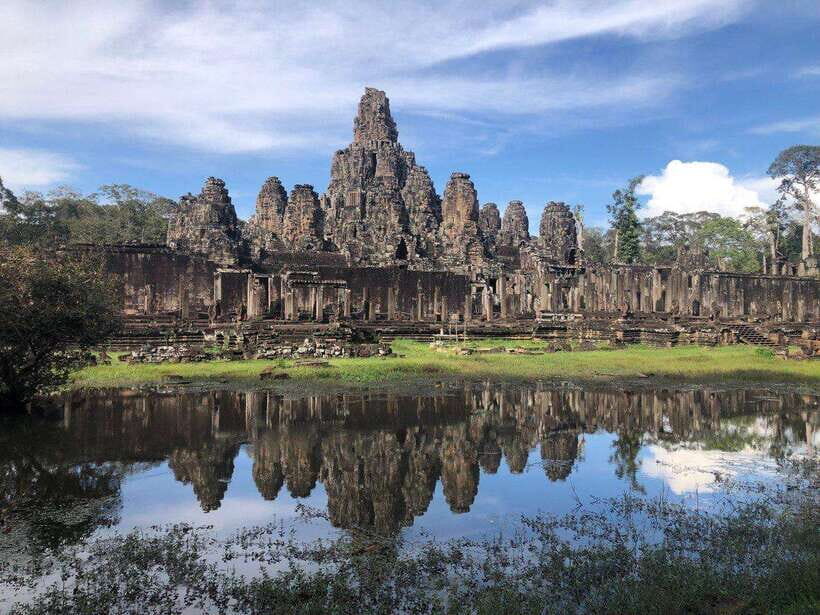
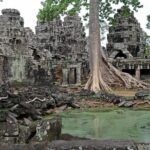
Beng Mealea sits about 40 kilometers east of Angkor Wat and dates to the early 12th century. It’s one of Cambodia’s most enigmatic temples because it’s largely unrestored, so what you see feels more like discovery than polished museum presentation.
On this tour, you get about one hour at Beng Mealea. That time is enough to wander through the ruins, look for structure in the chaos, and take in the “lost in the stones” atmosphere. It’s a different kind of temple experience than Angkor Wat because there isn’t the same level of restoration, and walking paths can feel uneven or improvisational.
If you have lower physical fitness, this is where you should pay attention. The site involves walking and exploring, and the tour itself notes that it may not be ideal for people with lower fitness levels. A private tour option can be arranged to better match your pace.
Price and Value: What $53 Actually Covers
The tour price is $53 per person, and that number includes real value: air-conditioned transport, hotel pickup and drop-off, an English guide, bottled water, small towels, and sightseeing as specified. There’s also the convenience of mobile ticket support.
But you should budget for two major add-ons:
- 1-Day Angkor Pass ($37 USD per person) required for Banteay Srei and Beng Mealea
- Kulen Mountain entrance fee ($20 USD per person) paid in cash only (credit cards aren’t accepted)
So before lunch, you’re typically looking at about $110 USD per person, plus any snacks, drinks, and meals you buy. For some people, that might feel like a lot. For others, it’s the price of a single-day circuit that saves you the hassle of arranging transport and ticketing across three zones.
Where this tour still shines is the guide’s role and the logistics. Getting between these sites on your own can be time-consuming. Here, you show up, and the day moves in a clear order.
Guide and Driver Quality: Names You Might Hear on the Day
A good day trip lives or dies on pacing and context. This tour includes a professional English-speaking guide, and in past departures people have been guided by English speakers such as So and Joe, with drivers including Pan and Trob.
Pacing matters. One negative note from a past experience involves the guide moving ahead and leaving people behind, even in a very small group. My advice is simple: when you arrive at a new stop, confirm where your group is supposed to meet before you move off to the side. Also, keep an eye on the guide’s location when you’re taking photos.
When the guide is on point, the day gets smarter. You’ll understand why Shiva symbolism appears where it does, and you’ll know what to look for in the sandstone and stone carvings instead of guessing.
Tips to Make the Day Smoother (No Guesswork Needed)
Here’s how I’d prep so the day feels easy instead of exhausting.
- Bring cash for the Kulen entrance fee since it’s cash-only.
- Plan for a later lunch than you might expect, especially if the timing shifts while you’re moving between sites.
- Wear shoes you don’t mind getting dusty or muddy. Beng Mealea and the Kulen area involve uneven ground.
- If you want to swim, bring a swimsuit and towel, and remember changing rooms are available.
- For Preah Ang Thom, expect stairs. Take it slow.
- Keep your group together during transitions. Small groups still need a clear meeting point.
Who Should Book This Tour
This tour is best for you if you want one day that blends temple detail with natural breaks, and you’re comfortable paying entry fees on top of the base price. It’s also ideal if you like the idea of going beyond the Angkor Wat complex without losing the context of Cambodia’s historic religious sites.
It may be less ideal if you have limited mobility or lower fitness levels, since there are stairs, walking, and some exploring at Beng Mealea. In that case, the private option can be worth asking about so you can match the itinerary to your pace.
Also consider season and crowds. The tour notes that sites can be crowded during Cambodian public holidays, and the waterfall and even the look of the 1000 Lingas can vary by season.
Should You Book This Siem Reap Day Trip?
If you’re short on time and want variety, I’d book it. The value comes from the combination: Banteay Srei’s carved precision, Kulen’s sacred stone and waterfall nature, and Beng Mealea’s unrestored exploration feel in one controlled day. You get enough structure to make the logistics painless, and enough time at each stop to actually look.
Just go in with the right expectations: bring cash for Kulen, plan for lunch timing, and keep an eye on pace during transitions. If you do that, you’ll leave with a day that feels like you saw far more than just the famous highlights.
FAQ
How long is the Kulen Waterfall, Banteay Srei, and Beng Mealea tour?
The tour runs about 9 to 10 hours.
What time is pickup in Siem Reap?
Pickup is scheduled between 7:30 AM and 8:00 AM from your hotel, and the exact details are confirmed the day before.
Does the tour include hotel pickup and drop-off?
Yes. Free pickup and drop-off at Siem Reap city hotels are included.
Are Banteay Srei and Beng Mealea entrance tickets included?
No. A 1-Day Angkor Pass is required for Banteay Srei and Beng Mealea, and it costs $37 USD per person.
How much is the Kulen Mountain entrance fee, and can I pay by card?
The Kulen Mountain entrance fee is $20 USD per person and is cash only. Credit cards are not accepted.
Is lunch included in the tour price?
No. Lunch is not included, though the tour includes a stop at a local restaurant near Beng Mealea or Banteay Srei depending on timing.
What’s included in the tour besides transportation?
The tour includes bottled water and small fresh towels, an English-speaking guide, and sightseeing as specified. Seasonal fruit testing is also included.
Is there time to swim at the waterfall?
If you plan to swim, you should bring a swimsuit and a towel. Changing rooms are available on-site.
How big is the group?
The tour is described as a small group, with a stated maximum between 12 participants and up to 15 travelers.