REVIEW · SIEM REAP
Siem Reap City Tour
Book on Viator →Operated by Join Me Cambodia · Bookable on Viator
Tuk-tuk through Siem Reap’s real stories. I love the way this tour moves beyond the Angkor-photo bubble, with Killing Fields context and the War Museum explaining Khmer Rouge atrocities, then switches gears to temples and crafts. I also like the practical side: hotel pickup, a clean modern tuk-tuk, cool water, and an English-speaking guide who keeps the day organized. The trade-off is that part of the morning deals with heavy topics, and entrance fees are not included—budget about USD 8 per person.
This is a 4 to 5 hour city circuit, built for a full, meaningful half-day. You start around 7:30 or 8:00, hit six key stops, and end in the Old Market area with a chance to shop before you head back out on your own.
In This Review
- Key things to know before you go
- How the tuk-tuk city loop feels in Siem Reap
- Wat Thmey (Killing Fields): visiting with respect and context
- Cambodia War Museum: learning the Khmer Rouge story in plain terms
- Royal Residence (built in 1904): a royal stop with colonial-era roots
- Wat Preah Prom Rath: free temple time near the Old Market zone
- Psar Chaa (Old Market): shopping where local life happens
- Artisans d’Angkor: a craft stop that feels connected to people
- Price and value: what USD 37 actually buys you
- Timing and logistics: why the 7:30 to 8:00 start works
- Who should book this Siem Reap City Tour
- Should you book this tour?
- FAQ
- What time does the Siem Reap City Tour start?
- How long is the tour?
- Is hotel pickup and drop-off included?
- What transportation is used during the tour?
- Is the tour private?
- Are entrance fees included?
- Are meals included?
- What happens if plans change?
Key things to know before you go
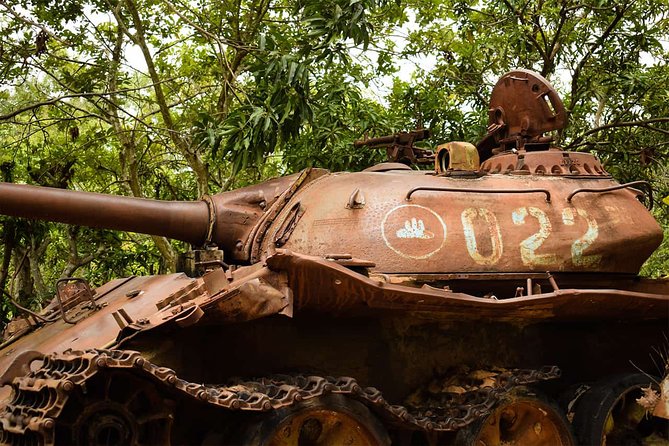
- Hotel pickup + set route: You skip the planning grind and start with Wat Thmey in the morning.
- Tuk-tuk comfort and safety focus: The day runs in tuk-tuks (2 people per tuk-tuk), with an option for air-conditioned vehicles depending on group size.
- Two Khmer Rouge stops back-to-back: Wat Thmey and the Cambodia War Museum give you the same story from two angles.
- Free cultural stops: Royal Residence and Wat Preah Prom Rath are included with free admission.
- Souvenirs with a purpose: Artisans d’Angkor is built around local craft revival, not just random trinkets.
- Market time is short on purpose: Psar Chaa (Old Market) is 30 minutes, so go in with a shopping plan.
How the tuk-tuk city loop feels in Siem Reap
This tour is designed for momentum. You’re picked up from your hotel, then you cruise around Siem Reap in a tuk-tuk with an English-speaking local guide. The pace is “see a lot, ask questions, keep moving,” not “wander for hours and hope you find what you need.”
That matters in Siem Reap. The city can feel spread out, and traffic and heat can slow you down fast. A structured route helps you fit meaningful sights into the same morning, without losing the afternoon. It also means you don’t burn time bargaining for transport or figuring out what’s closest to what.
You’ll likely notice the practical touches right away: cool water and towels on board. That’s not a small thing when you’re mixing temple visits with a long drive day. And because the activity is private (only your group), you can usually get answers in real time—where to stand, what to look for, and how to handle the more emotional parts of the route.
You can also read our reviews of more tours and experiences in Siem Reap.

Wat Thmey (Killing Fields): visiting with respect and context
Wat Thmey is the first stop, and it sets the tone for the entire day. You’ll spend about 30 minutes here. Admission is not included, and this is one of the sites that people should treat as a moment of serious attention rather than a checklist item.
The value of including Wat Thmey early is timing and understanding. Starting in the morning means you get there before the day’s energy builds, and you have time to process what you see before you move to another related site later. Also, when your guide frames it—Cambodia’s turbulent history and the impact of the Khmer Rouge—you’re not just looking at memorials. You’re learning why they exist.
A practical consideration: keep your expectations realistic. Thirty minutes goes quickly, especially if you read carefully or have questions. If you know this topic affects you strongly, plan your day around it—don’t schedule something ultra-celebratory right after. You’ll appreciate the calmer stops later much more.
Tip for your visit: dress and behave like you’re in a place of remembrance. That means shoulders and legs covered where needed, quiet walking, and giving yourself a moment before you move on.
Cambodia War Museum: learning the Khmer Rouge story in plain terms
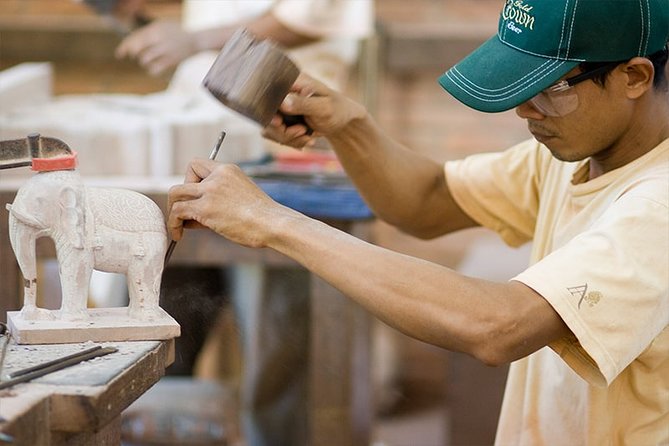
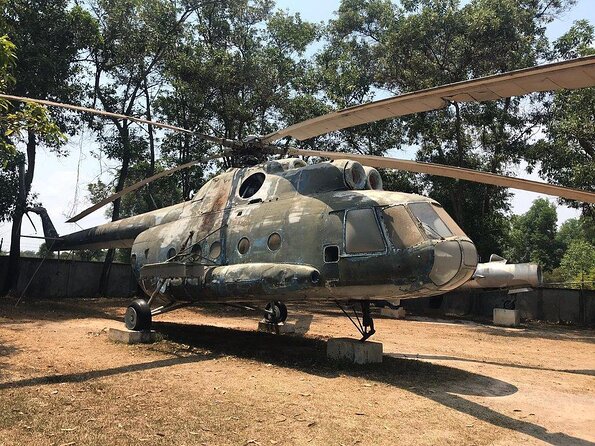
After Wat Thmey, you head to the Cambodia War Museum for about an hour. Admission is not included here either. If Wat Thmey gives you a place to remember, the War Museum gives you a structure to understand.
This stop is especially useful because it connects the dots. You’ll learn about the civil war and other important aspects of recent Khmer history, with a focus on the Khmer Rouge regime and the atrocities committed. In other words: you’re not guessing. Your guide helps translate the big-picture story into something you can hold in your head while you’re still in Siem Reap.
One thing I appreciate about pairing these sites is how it changes what you notice. After learning what happened, your eyes tend to go from “what is this?” to “what does this represent?” That shift makes the time feel more than just sightseeing.
Drawback to keep in mind: museums can be emotionally and mentally tiring. You’ll be processing heavy information for part of the tour, and the day is only 4 to 5 hours total. If you’re sensitive to graphic details or intense stories, tell your guide so they can pace the explanation and keep it respectful.
Royal Residence (built in 1904): a royal stop with colonial-era roots
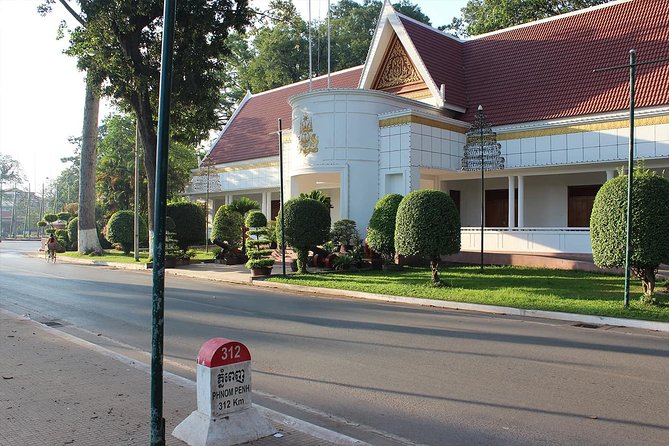
Next up is the Royal Residence in the heart of town. It’s about a 1-hour visit, and admission is free. This stop feels different from the Khmer Rouge sites because it shifts toward culture and architecture.
What makes it interesting is the backstory: it was built in 1904 during the French protectorate period. It also serves as the official residence for the Cambodian King when he visits Siem Reap. That mix—royal function plus colonial-era construction—helps you understand how modern Cambodia was shaped by different eras and power structures.
This is a good mid-tour breather. You’re not just standing and taking photos; your guide can help you read the building as a historical clue. And because it’s free, you don’t have to worry about squeezing in extra paid time elsewhere.
Practical tip: since you’ve already been out since breakfast, use this stop to slow down. Take a few minutes to look at details rather than rushing to the next place.
Wat Preah Prom Rath: free temple time near the Old Market zone
Then you’ll visit Wat Preah Prom Rath, one of the older temples in Siem Reap town. Admission is free, and plan about 45 minutes.
This temple visit works well after the museum. You get a quieter moment where the pace feels more human-scale. Wat Preah Prom Rath dates back over 500 years, and it’s close to the Old Market area. That proximity is handy because it keeps the route efficient—less time spent in traffic, more time in sights.
What you’ll appreciate here is the contrast. The earlier stops require you to think and remember. This one is about noticing the everyday rhythm of religious life: places for calm, attention, and local tradition.
A consideration: 45 minutes can be just enough. If you enjoy temple photography or want extra time to walk around, you may wish you had more. The tour is designed to keep momentum, so if you want longer temple time, plan to return on your own.




Psar Chaa (Old Market): shopping where local life happens
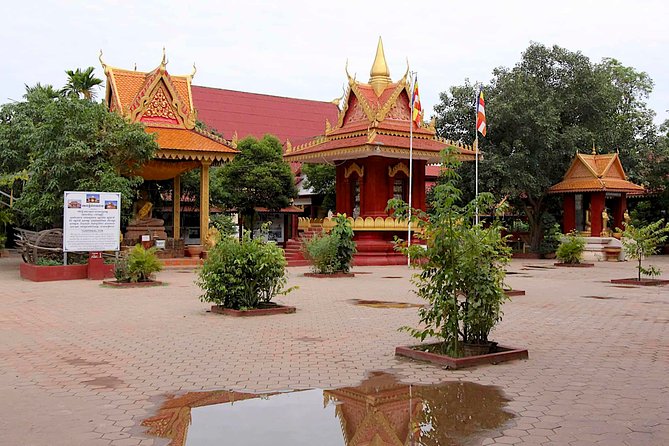
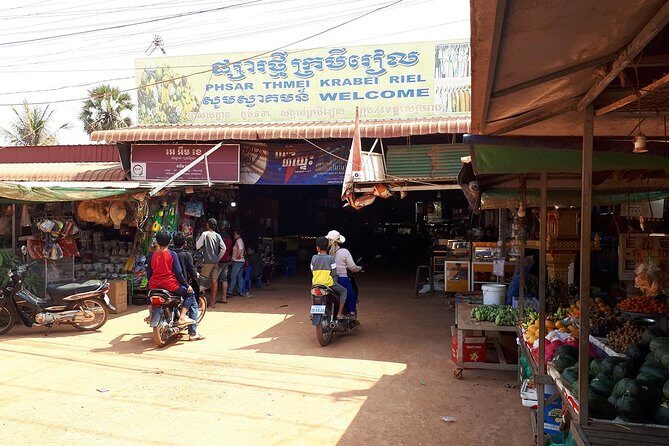
After the temples, you go to Psar Chaa, also known as the Old Market. You’ll spend about 30 minutes. Admission is free.
This is your practical shopping window. The goal isn’t a long museum-style market tour. It’s to show you daily life as people do business, and then to let you grab souvenirs without guessing where to start.
Thirty minutes sounds short because it is short. The upside is that it stops you from getting stuck in the same stalls too long. You can pick a few things you actually want, then move on with your day.
Helpful approach: come with a rough list in your head—maybe one or two souvenirs, some gifts, or small items for friends. If you go in with no plan, you’ll spend your limited time deciding what’s worth it. Your guide can also help point you toward local crafts, though you’ll still want to compare a couple of stalls.
Also, keep your wallet ready for small purchases. Entrance fees are not included for the two paid stops, and souvenirs are an easy place for spending to creep up.
Artisans d’Angkor: a craft stop that feels connected to people
The final major stop is Artisans Angkor. You’ll have about 1 hour, and admission is free.
This is the best place on the route to shop with less worry that you’re buying random stuff that never supports local makers. The workshop focuses on reviving local crafts, and that mission matters. It’s not just about buying a souvenir; it’s about learning what the products are and how they fit into the local craft scene.
This stop is also a good timing choice. After the Old Market sprint, your brain is already thinking about purchases. Artisans Angkor gives you a more structured setting where you can slow down and look at craftsmanship.
Reality check: the “best” souvenirs depend on your style. If you want handmade textiles, woodwork, or gift-size items, you’ll likely find options here. If you only want cheap keychains, you might still find them, but you’ll get more value when you treat it like a craft showcase.
Price and value: what USD 37 actually buys you
At $37 per person, you’re paying for a short, focused tour with real structure. The big value drivers are what’s included:
- hotel pickup and drop-off
- an experienced English-speaking local guide
- private transportation
- cool water and towels
- tuk-tuk transport (2 persons per tuk-tuk)
In a city where transport can be time-consuming and heat-heavy, that convenience is worth something. You also get to visit multiple standout sites—Wat Thmey, the Cambodia War Museum, Royal Residence, Wat Preah Prom Rath, Psar Chaa, and Artisans Angkor—within about 4 to 5 hours.
What’s not included is also important. Entrance fees aren’t included, and the tour suggests budgeting around USD 8 per person. That matters because Wat Thmey and the War Museum are the paid stops on the route. So think of $37 as your core cost, then add a small amount for site entry.
Meals are not included. If you want to feel good through the morning, eat a solid breakfast near your hotel and bring a snack if you tend to get hungry on tours. You’ll likely be busy enough that you don’t want to hunt for food halfway through.
For who this value fits best: if you’re in Siem Reap for limited time, you want meaningful context beyond Angkor, and you prefer a guided route over self-navigating in a tuk-tuk.
Timing and logistics: why the 7:30 to 8:00 start works
The tour starts around 7:30 am, with pickup often around 8:00. Duration runs about 4 to 5 hours.
This early timing is practical. Morning light is often easier for photos, and the city tends to feel more manageable before the heat ramps up. It also helps you avoid stacking heavy content too late in the day when your energy is lower.
One more logistics point: your transport may switch between tuk-tuk, air-conditioned taxi, or minivan depending on specifications or group size. That flexibility keeps the tour workable, especially if your group has people who prefer a calmer ride.
If you’re prone to getting tired during tours, plan for this to be one of your calmer activities. The emotional stops plus museum time can feel like a lot, even though the overall day is only half. Your best bet is to schedule lighter plans afterward.
Who should book this Siem Reap City Tour
I’d book this if you want a guided view of Siem Reap that goes beyond temple postcards. The route gives you:
- the Khmer Rouge story through two different formats
- a royal/cultural stop with a clear historical connection
- a classic older temple
- a real local shopping area
- a craft workshop with a mission
You should also book it if you like a day that feels organized. This tour is private for your group, so you can ask questions and move at a pace that fits your comfort level.
I’d think twice if you want a purely casual “see what you see” day. Market time is limited, and the tour is intentionally structured. Also, if heavy historical content is a hard no for you, this route may not be the best fit.
Should you book this tour?
Yes, if you can handle a morning focused on remembrance and learning, and you want a compact way to understand Siem Reap as more than just temples. The price feels fair for the included pickup, English guide, and the number of meaningful stops packed into 4 to 5 hours.
Skip it if you’re looking for a light, purely scenic city wander, or if you’re not comfortable with sites connected to Khmer Rouge atrocities. In that case, you’ll enjoy your time more with a different kind of tour.
If you do book it, go in with one simple mindset: you’re not just collecting photos. You’re collecting context. That’s what makes the day stick with you after you’re back in town.
FAQ
What time does the Siem Reap City Tour start?
Start time is listed as 7:30 am, and pickup is typically around 8:00 after breakfast at your hotel.
How long is the tour?
It runs about 4 to 5 hours.
Is hotel pickup and drop-off included?
Yes. Pickup and drop-off from your hotel are included.
What transportation is used during the tour?
You’ll travel by tuk-tuk (2 persons per tuk-tuk). Depending on your specifications or group size, it may also use an air-conditioned taxi or minivan.
Is the tour private?
Yes. It’s a private tour/activity, and only your group participates.
Are entrance fees included?
No. Entrance fees are not included. The tour suggests allowing about USD 8 per person for entrances.
Are meals included?
No. Meals are not included.
What happens if plans change?
You can cancel for a full refund up to 24 hours before the experience start time.