REVIEW · SIEM REAP
Siem Reap: Cambodia local street foods and local guide
Book on GetYourGuide →Operated by Siem Reap Experiences · Bookable on GetYourGuide
Street food tours can be the fastest way in.
This one works because you’re not just eating, you’re learning how Khmer menus and local ingredients actually fit together in real life. Siem Reap-style Khmer food leans on things like freshwater fish from the Tonle Sap, sugar cane, and coconut, and it’s often less fiery than Thai or Vietnamese. That makes it a great first step if Khmer cuisine feels like a mystery right now.
I like the focus on the Siem Reap you don’t bump into by accident: the side of Psar Char tourists rarely see, then the night market at Route 60. I also like that the guide is there to help you order confidently, plus chat with vendors in a friendly, low-pressure way. One consideration: if you’re traveling with very limited time or you’re not up for an evening in busy markets, the 8-hour format and late-night energy might feel like a lot.
In This Review
- Key Highlights I’d Put First
- Khmer Street Food in Siem Reap: Why This Tour Feels Practical
- Getting From Your Hotel to the Market Without Headaches
- Psar Char Side Streets: Eating Beyond the Tourist Path
- Route 60 Night Market: Where the Real Evening Energy Lives
- How Your Guide Makes Khmer Menus Feel Easy
- What You’ll Likely Eat (And How to Think About Choices)
- Price and Value for an 8-Hour Street Food Evening
- Who This Tour Fits Best (And Who Should Skip It)
- Practical Tips to Get the Most Out of Route 60 and Psar Char
- Should You Book This Siem Reap Street Food Tour?
- FAQ
- How long is the Siem Reap street food and local guide tour?
- How much does the tour cost?
- Is hotel pickup and drop-off included?
- What does the tour include for food and drinks?
- What areas do we explore during the tour?
- What language is the guide?
- What group size should I expect?
- Is free cancellation available?
- Is the tour suitable for infants or seniors?
Key Highlights I’d Put First
- Side streets of Psar Char for local stalls you likely won’t find alone
- Route 60 night market for the real Siem Reap nighttime food scene
- Guided ordering help when Khmer script makes menus tricky
- All food and drinks included, so you can snack without doing math
- Small groups (up to 10) for a calmer, more interactive vibe
- English-speaking local guides (examples include Heang, Vone, and Dara)
Khmer Street Food in Siem Reap: Why This Tour Feels Practical
Cambodian cuisine often lands with a shrug in Western travel planning. People know Thai and Vietnamese food, but Khmer food can feel like a blank page once you’re standing in front of a menu written in Khmer script.
That’s exactly where this style of tour earns its keep. The idea is simple: you get a local expert to translate the practical stuff—what’s worth ordering, what the dishes are, and how to choose without panic. Instead of staring at unfamiliar words, you learn the patterns. That means you come away with confidence you can use the next night too, not just one perfect dinner.
And there’s a second reason I like it. Khmer cooking uses local ingredients in ways that are easy to miss if you’re only eating “safe” tourist choices. Freshwater fish from the Tonle Sap shows up in flavors and textures that are very distinct, and ingredients like sugar cane and coconut change the feel of desserts and savory dishes alike. Khmer food isn’t always as spicy as neighboring cuisines, so it’s often more approachable if you’re cautious about heat—while still offering plenty of surprises.
You can also read our reviews of more guided tours in Siem Reap



Getting From Your Hotel to the Market Without Headaches
The tour is built around hotel pickup and drop-off. If you select the minibus option, pickup and return are included. The day starts with a tuk tuk driver and guide doing the rounds to collect guests, so do yourself a favor: confirm your hotel address and be ready at least 20 minutes before the published start time.
You’ll travel in a small group, limited to 10 participants, which matters more than it sounds. In markets like these, being packed into a larger crowd can turn “learning and tasting” into “we’re all lost and hungry.” A smaller group helps the guide manage the pace and respond to what you’re curious about—especially when you’re trying unfamiliar dishes.
Also, this is an 8-hour outing. That’s long enough to get past the initial shock of new flavors and actually settle into the rhythm of the night. It’s also long enough that you’ll want to plan your day around it: eat lightly before you go, and save your appetite for the tour.
Psar Char Side Streets: Eating Beyond the Tourist Path
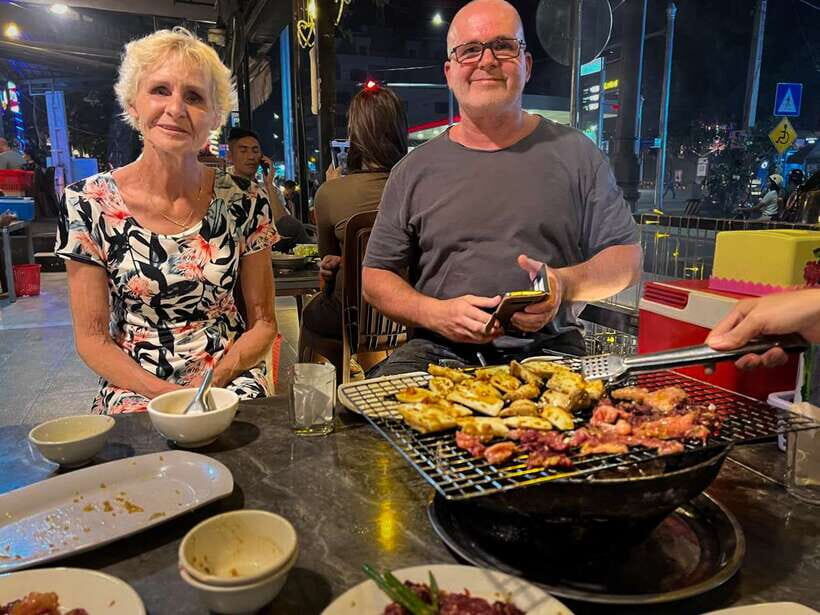
The highlight here is exploring Psar Char from the side. Not the postcard version, not the easiest route to a few obvious snacks—more like the lanes where locals shop, cook, and move through daily routines.
Psar Char is the kind of place where you can walk for an hour and still only see the surface unless someone guides you. A good local guide helps you notice the stuff you’d otherwise miss: which stalls feel busy for the right reasons, what looks fresh, and which foods fit the Khmer idea of a meal rather than a Western idea of a snack.
What I find especially valuable about this part is how it sets up your night market visit. Once you’ve tasted a few flavors from the Psar Char area, Route 60 makes more sense. The ingredients start to connect. You recognize textures. You understand how sweet, savory, and sometimes unusual combinations work in Cambodian cooking.
A practical note: markets can be warm and busy. Wear shoes you don’t mind getting scuffed, and keep your phone secure. You’ll want to focus on the food and the guide’s explanations, not on worrying about distractions.
Route 60 Night Market: Where the Real Evening Energy Lives
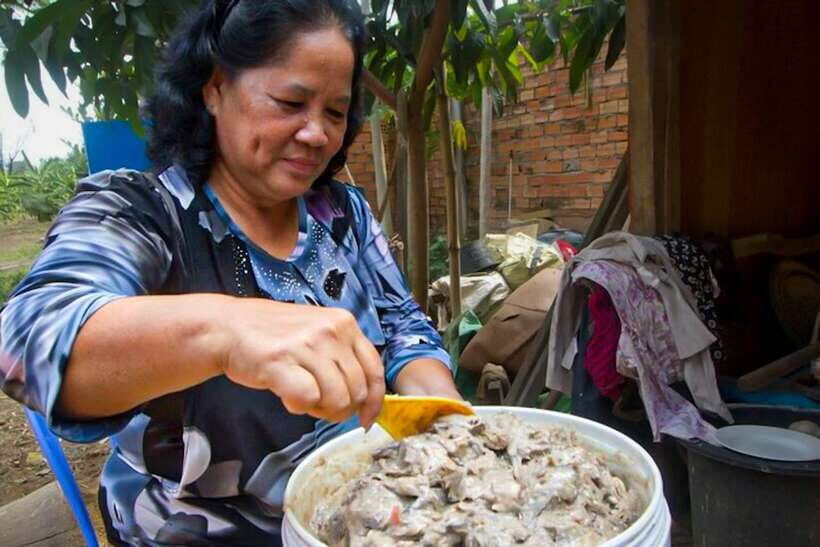
Then comes the shift to night: Route 60, the Siem Reap night market that feels more local than the flashy versions you might find closer to tourist corridors.
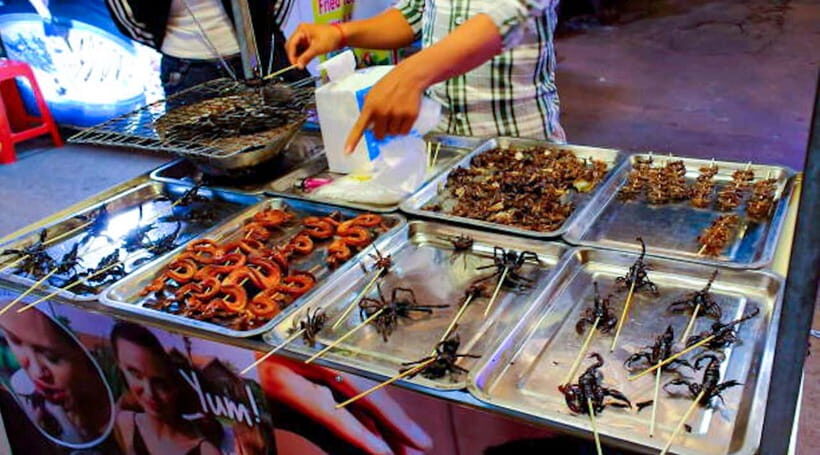
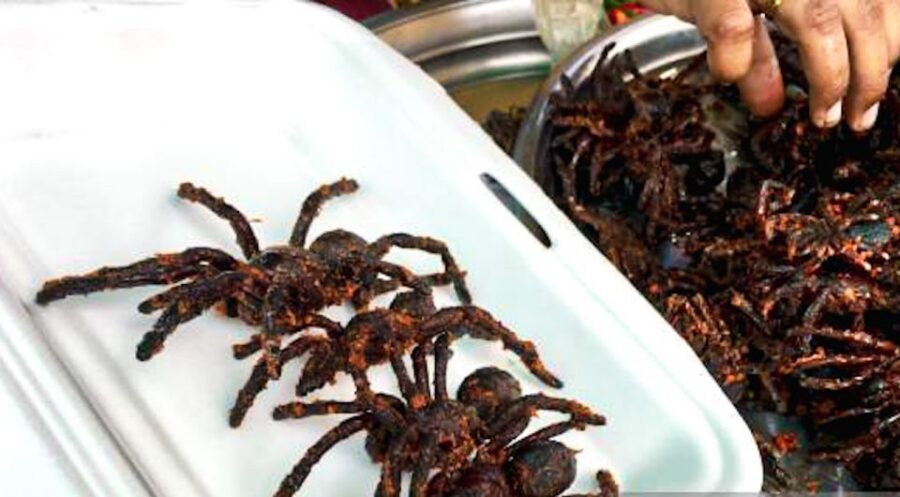
This is where the tour leans into fun and variety. You’ll walk around and taste your way through what’s available, guided by someone who knows how to help you choose without getting overwhelmed. One review-style detail that’s genuinely useful for your expectations: on Route 60, you may encounter stalls offering foods like insects and frogs, and you might even be given the chance to try them if you’re curious. If you’re not, you can still find plenty of other Khmer dishes to enjoy.
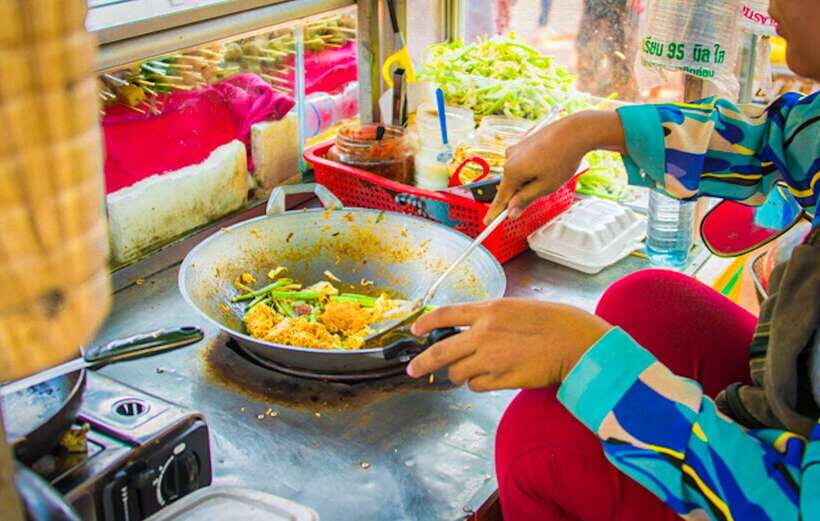
The value of this stop is not just the food. It’s the how—how a local guide talks to vendors, how orders are placed, and how to navigate tastes you might not recognize. Even if you’re adventurous, Khmer menus can still be confusing, especially when you can’t read the script. The guide helps you avoid the “I’ll just point randomly” approach.
And the pacing matters here. A street food crawl can either feel like a sprint or a smooth flow. In a small group, you’re more likely to experience the night market as a guided wander where tasting fits naturally into the walk.
How Your Guide Makes Khmer Menus Feel Easy
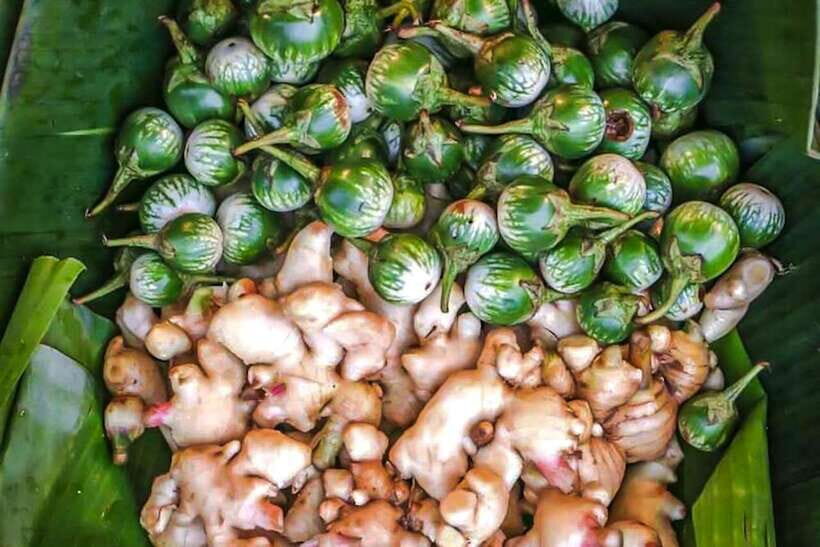
Here’s the heart of the experience: the guide doesn’t only bring you to places. They help you understand what you’re eating and how to ask for it.
Khmer cuisine has plenty of ingredients you might not have seen before, and menus may be hard to decode because of Khmer script. Without help, it’s easy to miss dishes that would have been great for you. With help, you can order with confidence and start recognizing common patterns—like how coconut shows up, how fish-based flavors feel in Khmer cooking, and how sugar cane and palm-sugar style sweetness can appear in more than just desserts.
This is also where the personality matters. The guides associated with this tour style include Heang, Vone, and Dara, and the common thread is being a friendly conversationalist, not a lecturer. The goal is to help you chat with vendors in a way that feels respectful and relaxed, so you’re not just consuming—you’re connecting.
If you’re the kind of eater who likes to understand what’s in the bowl, you’ll probably enjoy this. If you’re more “just feed me” simple, you still get value, because the guide handles the decision-making and keeps the tasting balanced.



What You’ll Likely Eat (And How to Think About Choices)
The tour includes all food and drinks, which is a big deal for value. Instead of deciding where to spend your money each stop, you’re free to sample what the guide recommends. That’s how you end up trying foods you might not choose on your own in a menu-staring moment.
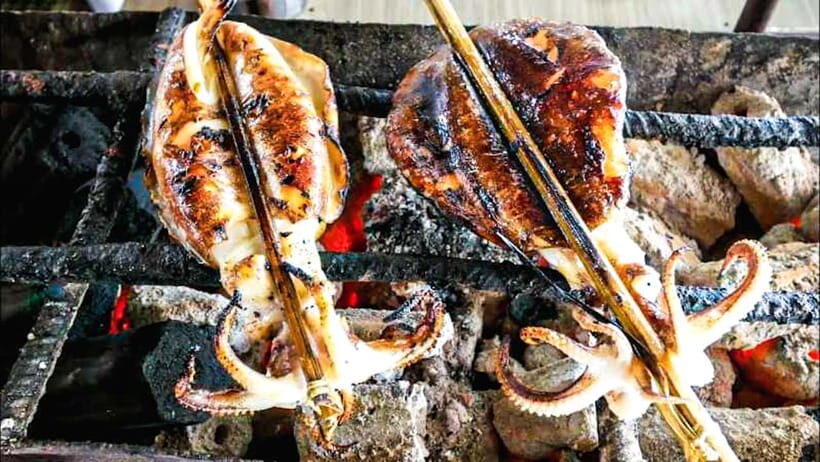
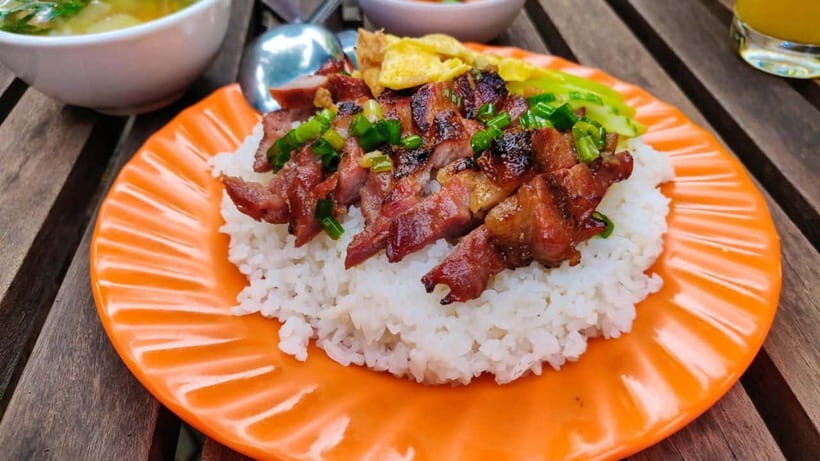
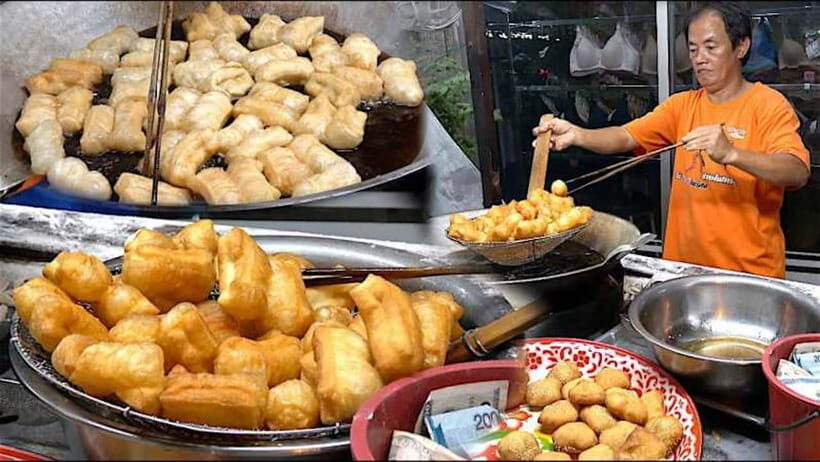
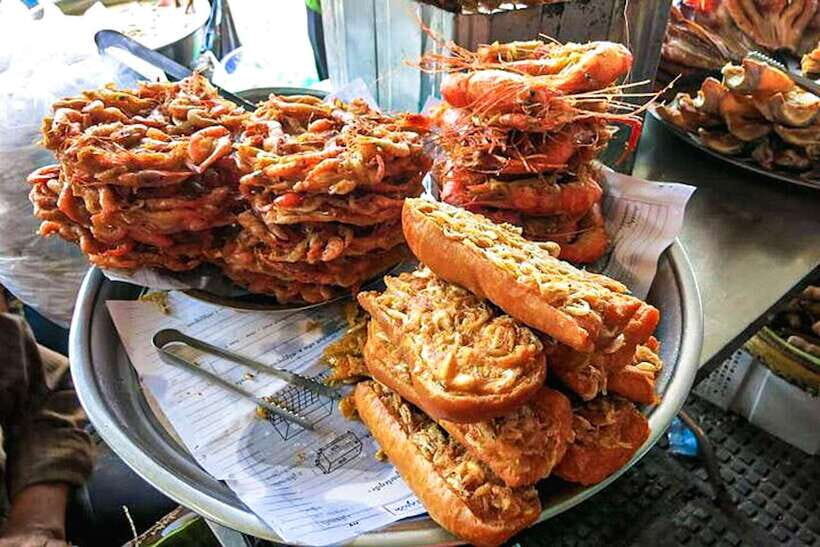
Because the tour centers on Cambodian cuisine, you can expect a mix that reflects Khmer cooking influences—freshwater fish flavors from the Tonle Sap region, coconut-based dishes, and sweet touches from sugar cane traditions. You’ll also likely see less spice than you’d expect from neighboring cuisines, with room for savory richness and surprising combinations.
If you’re worried about “Will I find something I like?” think in terms of flexibility:
- You can still enjoy plenty of non-spicy options in Khmer cuisine.
- A guide can steer you toward dishes you’ll actually enjoy, not just whatever looks unusual.
- You’ll have multiple stops, so one miss won’t ruin the night.
What you may see on offer at the night market side includes more daring choices like insects or frogs. That’s optional in practice—use the guide as your filter. If you’re curious, ask. If you’re not, you still get a full evening of tasting.
Price and Value for an 8-Hour Street Food Evening
At $90 per person for an 8-hour experience, this tour isn’t “cheap,” but it can be good value depending on how you travel.
Here’s the math that matters:
- You get hotel pickup and drop-off (when the minibus option is selected)
- You get transportation for the day
- You get all food and drinks included
- You get an English-speaking live guide
- The group stays small (up to 10)
For a food tour, that combination is the real price driver: local knowledge plus guided ordering plus multiple tasting stops. If you tried to replicate this on your own, you’d spend time figuring out what’s worth eating, how to order in a unfamiliar script, and how to find the quieter local sections—then you’d still be paying for each meal separately. You might end up spending similar money, but with more uncertainty.
So I’d frame the $90 as paying for confidence and a smooth tasting route, not just food. If you want the “I don’t speak Khmer, but I can still eat well” solution, this is the type of tour that delivers.
Who This Tour Fits Best (And Who Should Skip It)
This works best if you:
- want your first real taste of Cambodian street food without gambling on menu guessing
- enjoy market walking and learning as you go
- like a guide who can make vendor conversations feel normal
- want small-group attention instead of a big bus tour
It may be less suitable if you’re:
- traveling with limited ability to walk through busy market areas
- not comfortable with an 8-hour evening format
And there are clear age guidelines. It’s not suitable for babies under 1 year and not for people over 70 years. If you’re in that window, double-check with the operator before booking.
Practical Tips to Get the Most Out of Route 60 and Psar Char
I’d plan for comfort and focus:
- Wear comfortable shoes and lightweight layers, since you’ll be outside for most of the day.
- Bring small cash for personal items. Food and drinks are included, but you might want snacks or drinks outside the tour’s selection.
- Go in hungry, but not starving. If you start the tour with a heavy breakfast, the tasting rhythm can feel slower.
- If you’re cautious about unusual foods, tell the guide early. A good guide can steer you toward Khmer dishes you’ll actually enjoy, including non-spicy options.
If you want a true “learning dinner,” ask the guide what to look for next time you’re on your own. This is one of the few ways you can turn a great evening into repeatable travel skills.
Should You Book This Siem Reap Street Food Tour?
I’d book it if you want a confident first step into Khmer cuisine and you care about eating like a local. The biggest strength is the combo of small-group guidance, ordering help, and access to specific areas—Psar Char side lanes and Route 60 at night—that you’d struggle to find and navigate comfortably on your own.
I would not book it if you’re chasing a quiet, sit-down cooking class vibe, or if you dislike market energy. Also consider whether an 8-hour outing fits your pace and stamina.
If you’re open to learning as you eat, this tour is one of the most efficient ways to turn Siem Reap into more than temples and photos.
FAQ
How long is the Siem Reap street food and local guide tour?
It lasts 8 hours.
How much does the tour cost?
The price is $90 per person.
Is hotel pickup and drop-off included?
Hotel pickup and drop-off are included if you select the minibus option.
What does the tour include for food and drinks?
All food and drinks are included.
What areas do we explore during the tour?
You’ll explore the side of Psar Char that tourists rarely see and visit the night market at Route 60.
What language is the guide?
The live guide is in English.
What group size should I expect?
The group is small, limited to 10 participants.
Is free cancellation available?
Yes, you can cancel up to 24 hours in advance for a full refund.
Is the tour suitable for infants or seniors?
It is not suitable for babies under 1 year, and it is not suitable for people over 70 years.