REVIEW · SIEM REAP
Siem Reap: Angkor Wat Sunrise and Best Temples Tour
Book on GetYourGuide →Operated by Journey Cambodia · Bookable on GetYourGuide
A sunrise at Angkor Wat changes how you see the whole day. This Siem Reap tour takes you in before the crowds, then strings together the big-hitters of Angkor: Angkor Wat, Angkor Thom, Bayon, and the jungle temples like Ta Prohm. I especially like that you’re guided through key spots with clear explanations, not just dropped at monuments.
Two things I really like: you get a licensed English-speaking guide (and in practice, names like Kiss, Sok, Mr Bun, and Chan Dara come up for their upbeat energy and strong explanations), plus you get a smart timing advantage. You’re out early enough to enjoy the temple views before the day heats up and the best angles get taken. One possible consideration is that sunrise viewing can be a bit of a scramble—if you arrive late, you may not get the best place to watch the sun come up over Angkor Wat.
In This Review
- Key things that make this tour work well
- Pre-dawn Angkor Wat sunrise: torch, eastern-side entry, and real atmosphere
- Angkor Wat bas-reliefs and that post-sunrise breakfast moment
- Srah Srang break: cooling off before you hit Angkor Thom
- Angkor Thom Southern Gate and Bayon: the 54 figures and the face towers
- Terrace stops: Leper King and Elephants without losing your momentum
- Ta Nei and Ta Prohm: stone temple calm, then jungle temple drama
- What’s included in the $26 price—and what the Angkor Pass changes
- Group vs private: choosing the right comfort level
- Pace, breaks, and staying sane in the Khmer heat
- Practical packing for Angkor: torch, coverage, and the right walking shoes
- Who should book this Angkor Wat sunrise and best temples tour?
- Should you book this tour? A quick decision guide
- FAQ
- What is the duration of the Siem Reap Angkor Wat sunrise and best temples tour?
- Where does pickup happen?
- What language is the tour guide?
- Is breakfast included?
- Do I need an Angkor Pass?
- What is included in the tour price besides the guide?
- Are meals other than breakfast included?
- What should I bring for the sunrise entry?
- What rules should I follow for clothing and items?
- Is the tour accessible for wheelchair users?
Key things that make this tour work well
- Pre-dawn Angkor Wat entry from the eastern side, so you’re not starting in the middle of a crush
- Torch required for the dark temple corridors, plus a route that keeps you moving past major bas-relief carvings
- Breakfast outside Angkor Wat right after sunrise, when the light is still soft
- Angkor Thom highlights in order: Southern Gate with 54 figures, then Bayon’s 200+ faces
- Ta Nei and Ta Prohm add variety, from stone ruins to jungle-choked temple drama
Pre-dawn Angkor Wat sunrise: torch, eastern-side entry, and real atmosphere
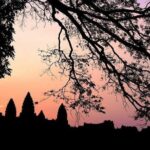
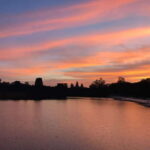
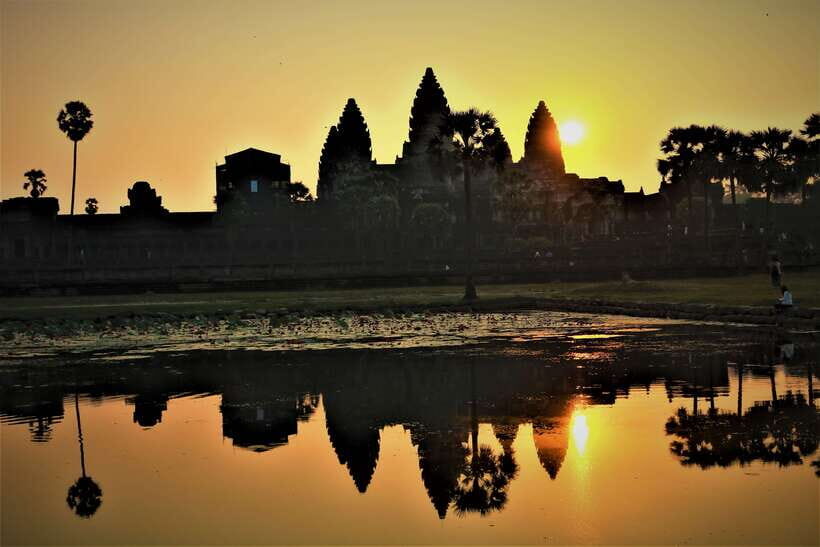
This tour begins before sunrise, with pickup and a drive out to Angkor Wat so you can watch the sky change color over the temple. Expect it to feel a little surreal: you’re entering a major religious site while it’s still dark, with the first light slowly turning the stone from gray to warm.
Here’s a detail that matters: you’re asked to bring a torch. That means your entry isn’t just “walk around at night,” it’s a guided movement through corridors where you need a light source to see what the guide is pointing out. I like this because it helps you actually read the temple as you go, instead of wandering and hoping you’ll notice everything.
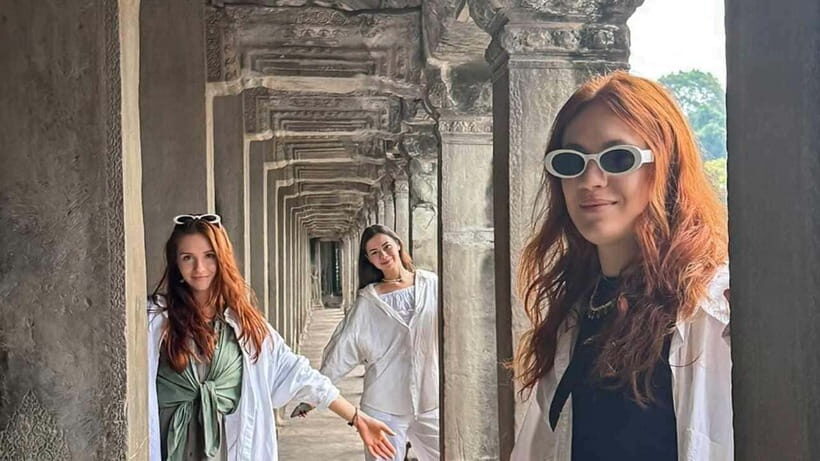
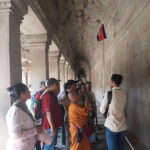
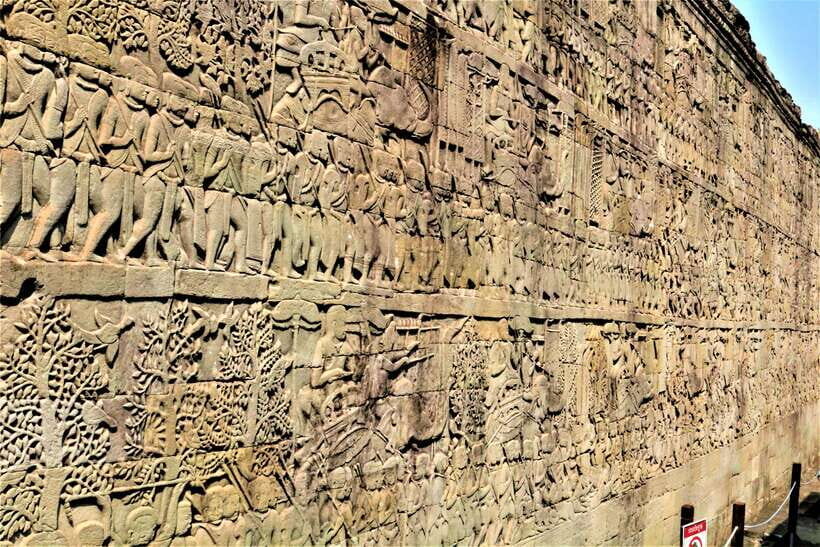
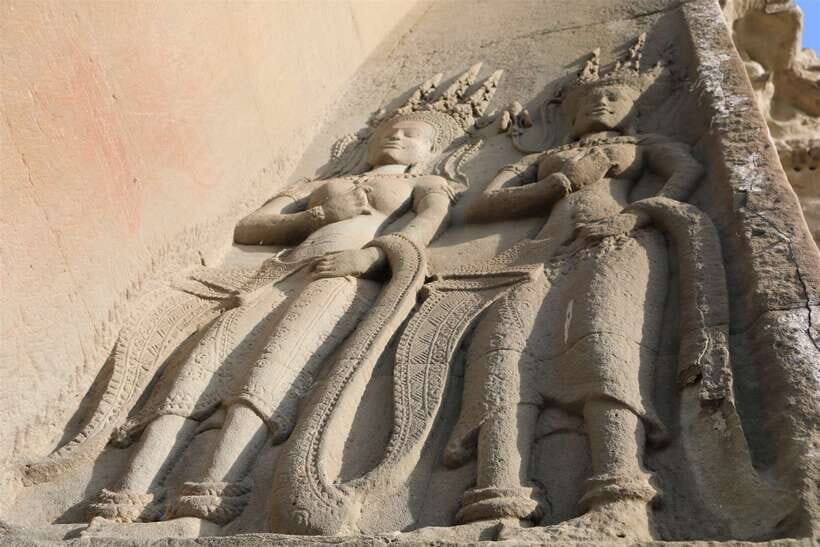
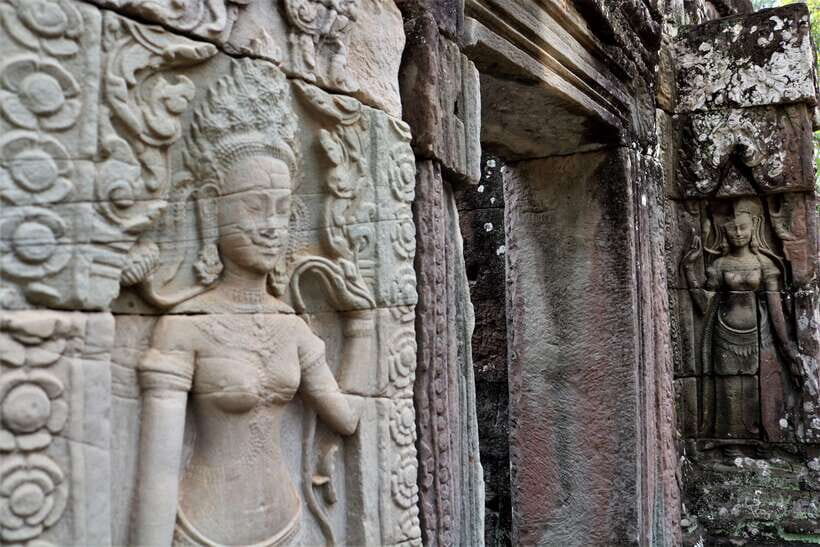
The route uses the eastern side, described as a little-visited approach. That can be the difference between spending your sunrise time pressed into people and actually having a moment to look, photograph, and listen. You’ll creep along cloistered corridors past what’s noted as one of the longest stretches of bas-relief carvings in the world, which sets you up for deeper understanding once the sun hits.
If you’re the type who enjoys a clean shot for photos, this early start is also a built-in advantage. You get more control over where you stand before the crowds settle in.
You can also read our reviews of more tours and experiences in Siem Reap
Angkor Wat bas-reliefs and that post-sunrise breakfast moment
After the sunrise viewing, you continue with a guided look around Angkor Wat. You’ll move through key areas while it’s still relatively cool and the crowds are still forming. The best part isn’t only the big photo angles—it’s the way the guide can connect design choices to how Khmer builders and rulers wanted people to experience the space.
The tour plan includes time for breakfast outside Angkor Wat after sunrise. This is practical and smart. Sunrise at Angkor can be long and tiring, and eating right after the main spectacle helps you keep your energy up for the rest of the temples.
You also have an option to help yourself avoid a hungry scramble: if your hotel includes breakfast, request a breakfast pack. If you don’t, the plan is to order at a local restaurant after sunrise. Either way, you’ll want to plan ahead the night before—set an alarm and request a wake-up call—because the whole day starts early.
One more note for your expectations: the guide is part historian, part photo-helper. People who’ve done this tour highlight that guides like Kiss and Mr Bun pay attention to how you want to photograph and where you should stand for good results. So if you’re serious about images, don’t just point and shoot. Ask where the light will land.
Srah Srang break: cooling off before you hit Angkor Thom
Between Angkor Wat and Angkor Thom, you stop at Srah Srang for a break and breakfast time. This pause matters more than it sounds. Angkor days can turn fast from cool-and-magical to sticky-and-worn out.
You’ll have chances for water and short downtime during the morning stretch, including mineral water and cool towels as part of the tour. That “reset” helps you keep pace without feeling rushed into the next temples.
I also like that this break comes before the bigger stone circuit of Angkor Thom. It’s easier to appreciate what you’re seeing when you’re not already dehydrated.
Angkor Thom Southern Gate and Bayon: the 54 figures and the face towers
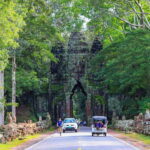
Once you head to Angkor Thom, you start with the Southern Gate. This gate is famous for its rows of 54 stone figures on each side, with gods to the left and demons to the right. It’s one of those details that’s easy to walk past quickly, but once you understand the symbolism, it becomes a much more meaningful entrance.
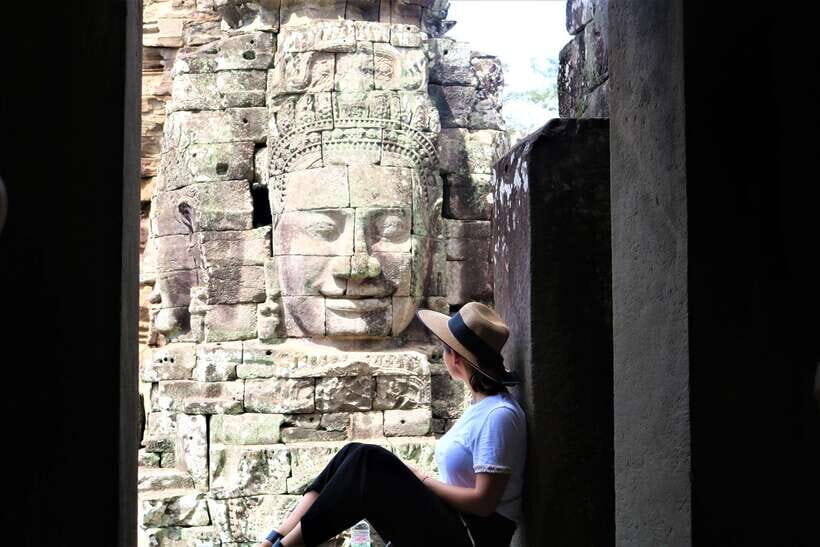
From there, you enter the fortified city of Angkor Thom and go to Bayon. Bayon’s signature is simple: central towers covered with more than 200 enormous faces. In person, that sheer number changes your sense of scale. It’s not just decoration. The face towers act like a constant presence while you walk through the area.
The tour plan also includes photo stops and guided time at Bayon, so you’re not left standing with a camera and zero idea what you’re looking at. If you want to get photos that feel more than just “I was there,” this is the part of the day where a good guide pays off.
And yes, it can be a busy zone as the day moves on. If you’re serious about photos, keep your camera ready during guided points and then step aside quickly for your own shots rather than getting stuck in long photo sessions while the group is moving.
Terrace stops: Leper King and Elephants without losing your momentum
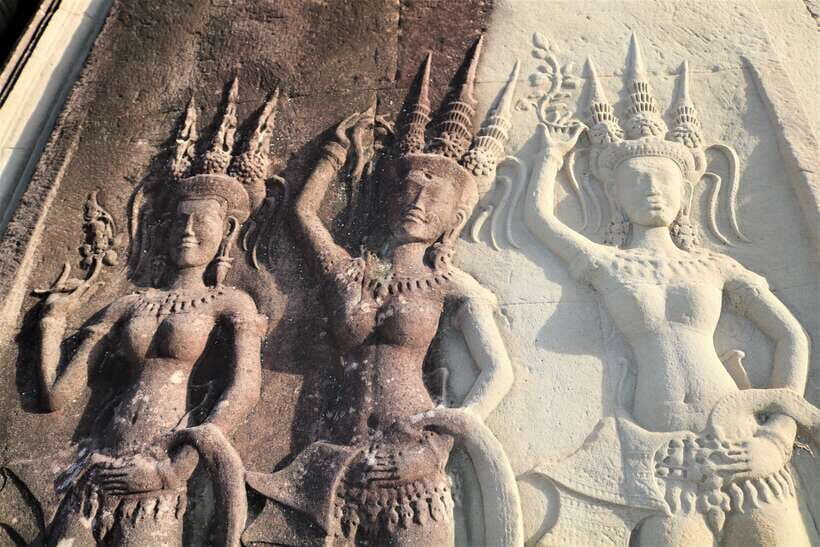
After Bayon, you visit the Terrace of the Leper King and the Terrace of Elephants. These terraces are where Angkor starts to feel less like a single temple and more like a whole story carved into stone platforms.
The terraces are also a smart place to slow down and pay attention to carvings and scenes, because they sit in walkable sections where you can look up, then step back for a better view. The catch is time. If you linger too long taking photos, you can end up missing the rest of the important viewpoints.
One small practical tip: shoot first from a comfortable spot, then use your second pass to look for carvings you didn’t notice the first time. Lucía’s note about not spending too much time on photos is exactly the kind of timing warning that can help you avoid “great photos, but I didn’t see everything” regret.
Ta Nei and Ta Prohm: stone temple calm, then jungle temple drama
In the afternoon, you drive to Ta Nei, described as a late 12th-century stone temple in Angkor. This is a good contrast after the heavier crowds and more crowded-feeling carved areas earlier in the day. You’ll get a different texture of Angkor—stone that feels calmer and more grounded.
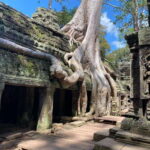
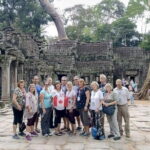
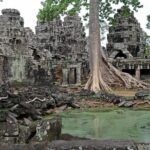
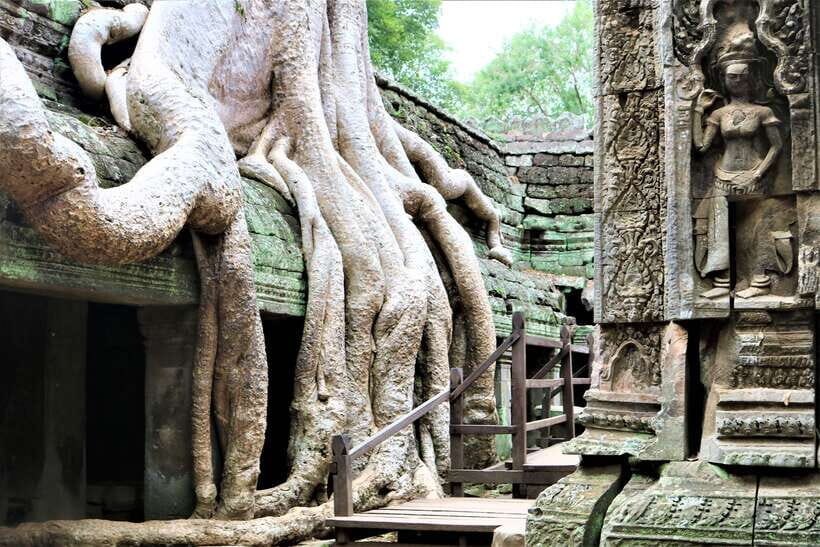
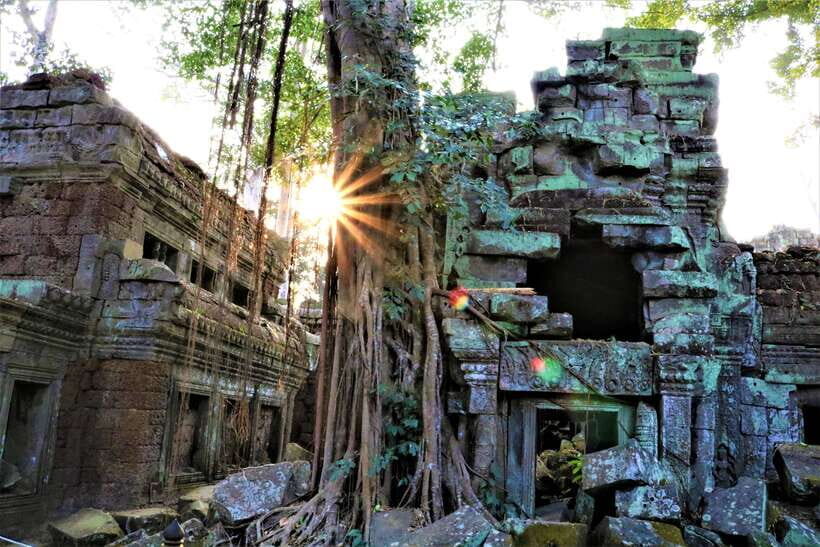
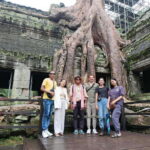
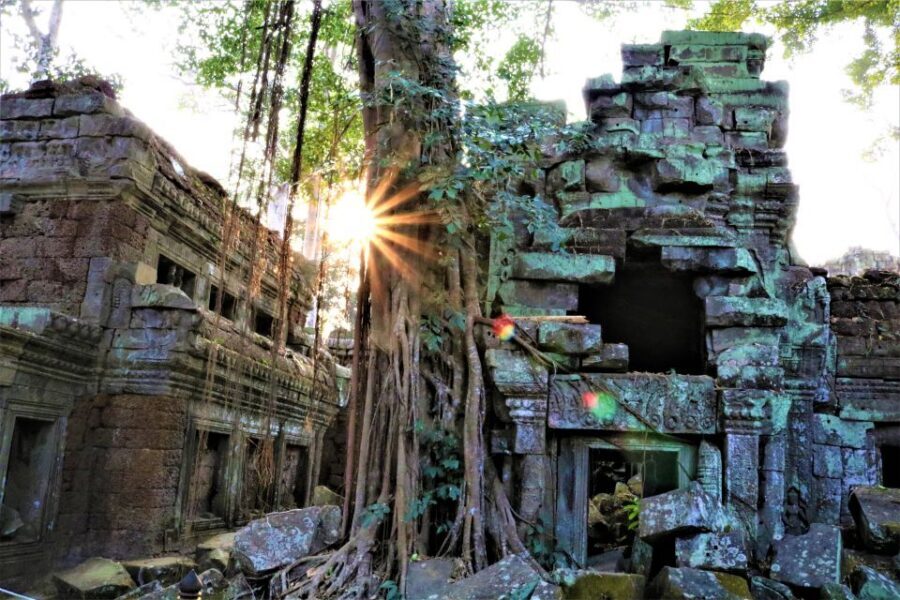
Then comes Ta Prohm, the jungle-enveloped temple most people recognize. The tour plan specifically calls it one of the most atmospheric temples in Angkor, and it includes time to explore. Ta Prohm is known for how the trees and roots grow around the structures, turning buildings into living silhouettes.
There’s also an important historical detail included on this tour: Ta Prohm once housed 2,740 monks. That kind of context changes how you look at the ruins. It’s not just a dramatic backdrop for photos; it was a place with a real working community.
From a practical standpoint, Ta Prohm can feel like a photo magnet. That’s why pacing matters. The tour includes guided time and walk through the temple, so you get both explanation and movement. If you want the best shots, you’ll likely need to follow the guide’s timing, then take your own short photo windows when you reach clear viewpoints.
What’s included in the $26 price—and what the Angkor Pass changes
The base price is listed as $26 per person for an 8-hour tour. That’s very good value for a sunrise start plus guided temple time plus air-conditioned transport and hotel pickup/drop-off.
But here’s the honest part: the Angkor Pass entrance fee is not included. You’ll pay an additional USD 37 per person on the day of your activity. Visa cards are accepted, but you should still carry cash since it’s a common backup in Cambodia.
Also, meals aren’t included. Breakfast is handled in the plan (either via a breakfast pack or ordering after sunrise), but you shouldn’t expect lunch to be covered.
So what does that mean for your budget?
- You’ll plan around about $26 for the tour
- Plus $37 for the Angkor Pass
- Plus any extra food you choose during the day
When you put it that way, the tour isn’t cheap-cheap, but it’s still strong value given you’re getting a guided route across multiple top-tier temples in a single day, with air-conditioned transport and included water/cool towels.
Group vs private: choosing the right comfort level
The tour highlights that you can choose between a shared group or a private tour. If you’re traveling with friends who share your pace, a shared tour can still feel fun, and some groups may stay small enough to ask questions easily.
If you want more control—extra time for photos, fewer waiting moments, and a faster answer when you’re trying to understand a specific carving—private can be worth it. The tradeoff is cost, but for people who care deeply about photography or history, private can turn the day from “see a lot” into “see it properly.”
Either way, the early start is non-negotiable. This is a sunrise-first program, not a “sleep in and arrive later” temple buffet.
Pace, breaks, and staying sane in the Khmer heat
This day is built around cooler hours and smarter breaks. The morning starts pre-dawn, then you move through Angkor Wat and early Angkor Thom while the heat is still manageable.
You also get practical comfort: mineral water and cool towels are included, and the driver is part of the comfort system. One highlight from a guide-and-driver day was the friendly driver greeting the group back in the van with cold face cloths and ice-cold water. That kind of touch matters when your day includes long walks and stone steps.
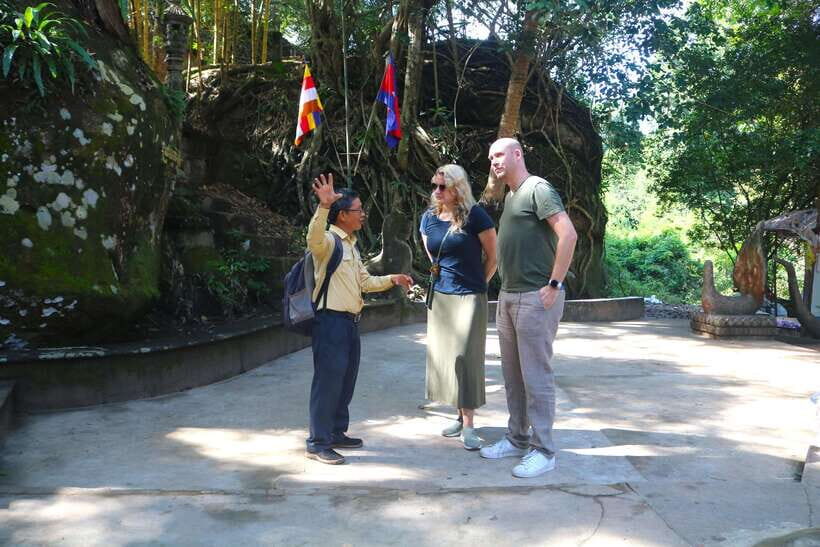
Guides also seem to manage the pace with heat in mind. People describe the guide watching for when shade breaks were needed and adjusting attention to what the group found most interesting—history and architecture details for some, more photo guidance for others.
One timing note: don’t treat this like a “museum at your own speed.” The program is designed to fit many major stops into one day, so you’ll want to keep photos intentional and your questions focused.
Practical packing for Angkor: torch, coverage, and the right walking shoes
Angkor temples are sacred spaces, and you’ll walk a lot. The tour asks for clothing that covers your shoulders and knees, and short skirts aren’t allowed. Pets are also not allowed.
Bring:
- Sun hat
- Camera
- Sunscreen
- Insect repellent
- Comfortable clothes
- Comfortable walking shoes
- Cash
- A torch (requested for the dark temple entry)
Also, plan for a sunrise schedule by arranging a wake-up call through your hotel. If you’re the type who sleeps through alarms, do it twice.
Who should book this Angkor Wat sunrise and best temples tour?
This tour is a good match if you:
- Want a true Angkor highlights day without juggling tickets, routes, and timing yourself
- Like history explained in a practical way while you’re standing in front of the carvings
- Want the sunrise experience plus the major temples that most first-timers hope to see
- Appreciate photo guidance, especially during the best light windows
It might not be the best fit if you:
- Need wheelchair access (the tour lists it as not suitable for wheelchair users)
- Hate early starts
- Want meals fully included for the whole day
- Plan to spend a ton of time only photographing and skipping the guided parts
Should you book this tour? A quick decision guide
Book it if you want one organized day that hits Angkor Wat sunrise, Angkor Thom with Bayon’s faces, and Ta Prohm’s jungle ruins, with a guide who can explain what you’re seeing and help with photos. The included water and cool towels, plus hotel pickup and an 8-hour plan, make it feel efficient for a place where self-planning can turn into long taxi waits and wasted time.
Skip it (or upgrade to private) if your priority is a super slow, independent pace. This route is designed for movement, not wandering, and sunrise viewing rewards people who arrive ready and follow the plan.
FAQ
What is the duration of the Siem Reap Angkor Wat sunrise and best temples tour?
The tour runs for 8 hours.
Where does pickup happen?
Pickup is available from two options in Krong Siem Reap: Krong Siem Reap, 57 2 Thnou St.
What language is the tour guide?
The live tour guide speaks English and Spanish.
Is breakfast included?
Breakfast is included as part of the plan at/after sunrise, and you may need to request a breakfast pack depending on whether your hotel provides breakfast.
Do I need an Angkor Pass?
Yes. Temples entrance fee (Angkor Pass) is not included and costs USD 37 per person, payable on the day of the activity. Visa cards are accepted.
What is included in the tour price besides the guide?
The tour includes transport by air-conditioned vehicle, sightseeing as specified in the itinerary, hotel pickup and drop-off, mineral water, and cool towel.
Are meals other than breakfast included?
Meals are not included (breakfast is handled within the tour plan, but don’t expect other meals to be covered).
What should I bring for the sunrise entry?
Bring a sun hat, camera, sunscreen, comfortable walking shoes, insect repellent, cash, and a torch (requested for entering the temple in darkness).
What rules should I follow for clothing and items?
Short skirts are not allowed, pets are not allowed, and you should wear clothing that covers your shoulders and knees for sacred/holy places.
Is the tour accessible for wheelchair users?
No, the tour is not suitable for wheelchair users.