REVIEW · SIEM REAP
Siem Reap: 3-Hour Behind-the-Scenes Tuk-Tuk Tour
Book on GetYourGuide →Operated by Adventure Travel Co. · Bookable on GetYourGuide
Three hours, and Siem Reap feels personal. I love starting at the Psar Leu market, because you get instant sensory reality—food, spices, and everything from everyday items to jewelry. I also love the Wat Bo monk blessing, where the visit feels spiritual and genuinely local, not just box-ticking. The main drawback to plan for: you must follow a strict dress code (no shorts, no sleeveless tops), and you’ll want pants that work for kneeling.
On this route, you move by tuk-tuk with an English-speaking guide, and when you get a guide like Ti, the whole thing runs smoothly with smart city context and a light, funny tone. I recommend it if you want a fast way to see key parts of Siem Reap without turning the day into a long scramble on foot—just keep expectations realistic about group pacing and the fact that there are a few religious and cultural rules to follow.
In This Review
- Key Things That Make This Tour Worth Your Time
- A 3-hour Siem Reap route that keeps you from wasting time
- First stop: Psar Leu Market and the reality of daily life
- Wat Bo Pagoda: the monk blessing moment and how to do it right
- Riversides stops: tree planting and conservation you can actually feel
- Khmer Ceramics and Theam’s House: art stops with real personal meaning
- Khmer Ceramics: seeing craft work up close
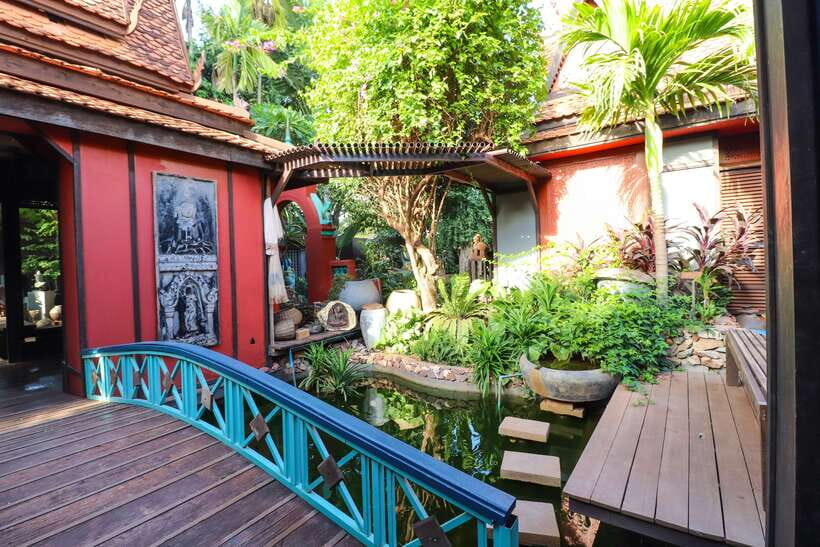
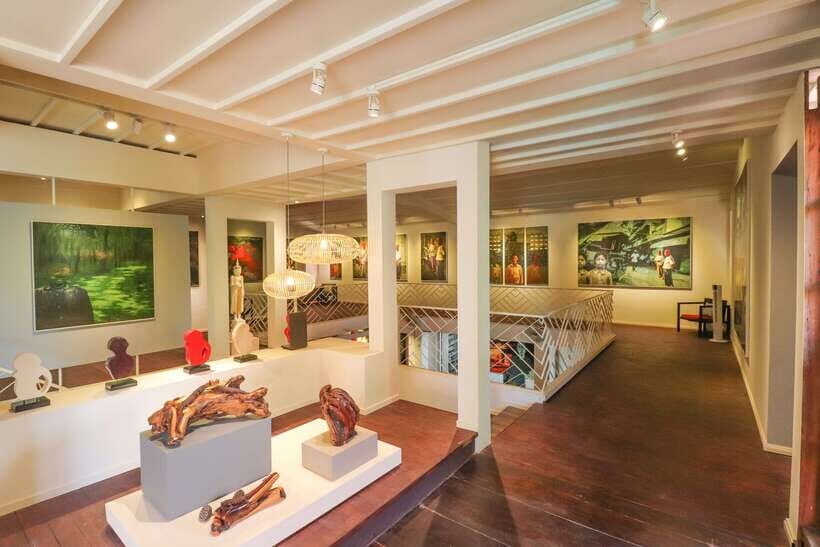
- Theam’s House: a personal collection in a wistful garden setting
- French-Colonial architecture and Siem Reap’s South Side finish
- Price and value: what $35 buys you in real terms
- Who this tour is best for (and who should skip it)
- Should you book the 3-hour behind-the-scenes tuk-tuk tour?
- FAQ
- How long is the tour?
- What does it cost?
- Is hotel pickup and drop-off included?
- What transportation do you use during the tour?
- What’s included in the price?
- Is lunch included?
- What are the dress rules?
- Are women allowed to touch monks during the blessing?
- Is this tour suitable for wheelchair users or people with mobility impairments?
- Can I cancel for a refund?
Key Things That Make This Tour Worth Your Time
- Psar Leu market first: You catch the energy early, even if you’re not starting at sunrise
- Wat Bo monk blessing: A respectful, meaningful moment focused on safe travels and prosperity
- Riverside conservation + tree planting: You see community-focused environmental work, not just sightseeing
- Khmer Ceramics stop: Watch skilled local artisans create and keep the craft alive
- Theam’s House garden gallery: Personal art in a calmer setting than the usual museum routine
- A tuk-tuk route that links neighborhoods fast: Short rides connect market, pagoda, art stops, and the French-era streets
A 3-hour Siem Reap route that keeps you from wasting time
This tour is built for people who want substance without spending the whole day coordinating transport. With hotel pickup and drop-off, plus tuk-tuk rides between stops, you’re not stuck figuring out routes or losing time to traffic. It’s also a smart length: 3 hours is long enough to feel like a mini orientation, but short enough that you’re not wiped out afterward.
The tour moves through a mix of Siem Reap “everyday” and Siem Reap “craft and culture.” You’ll see a main market, the city’s oldest pagoda, and two art-focused stops (Khmer Ceramics and Theam’s House). Then you finish by heading through the South Side and admiring remaining French-Colonial architecture. The pacing is what makes it work: each stop feeds your understanding of the city rather than repeating the same type of attraction.
You also get water throughout the tour. That sounds basic, but in Siem Reap’s heat, it’s one less thing for you to manage while you’re watching, listening, and walking.
You can also read our reviews of more tours and experiences in Siem Reap


First stop: Psar Leu Market and the reality of daily life
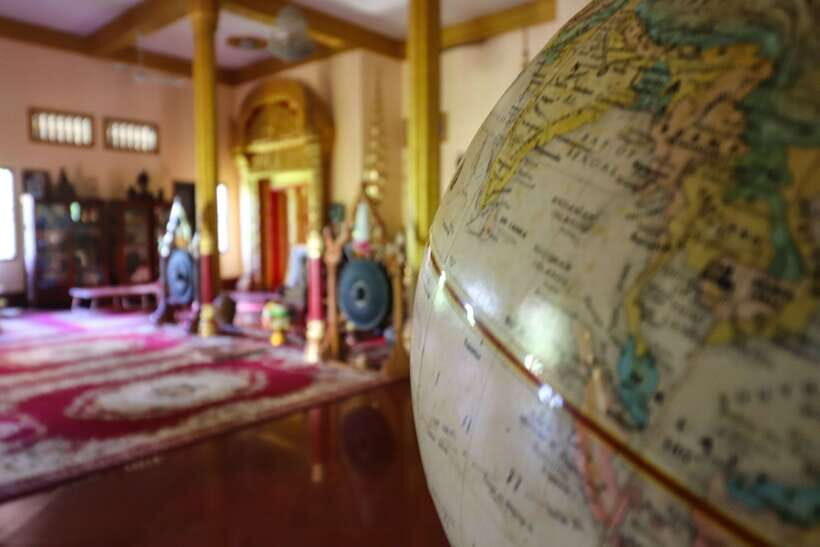
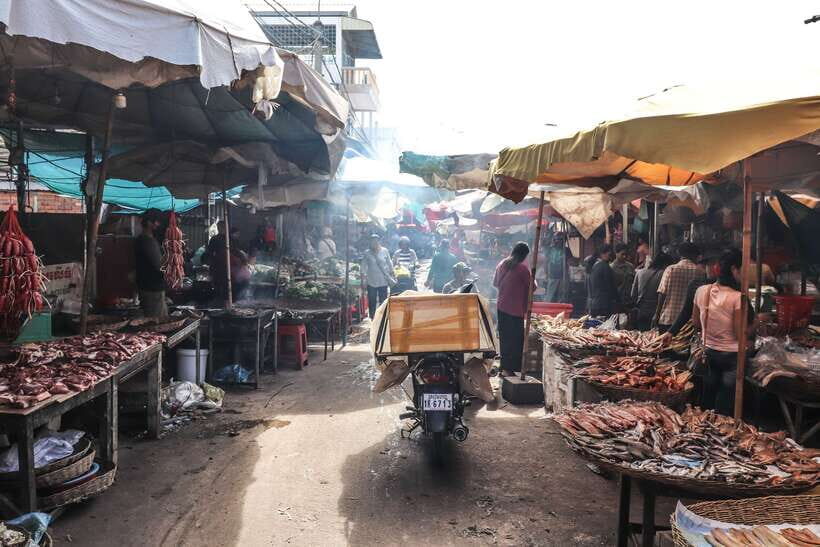
Most people plan markets for mornings, and the morning rhythm is real—vendors, shoppers, and fresh food activity. But even later in the day, Psar Leu still delivers. You’ll see a living market where things aren’t arranged for tourists. That means you get the real mix: food, daily supplies, and crafts and goods that range from practical to flashy, including jewelry.
What I like about starting here is that it gives you a baseline for everything else you see. After you’ve walked through the market atmosphere, Wat Bo and the art spaces don’t feel like separate worlds. Instead, they feel like parts of the same place: one city, multiple layers.
A practical tip: markets can be loud, crowded, and a bit chaotic at close range. If you prefer steady movement, stick with the guide’s pace and avoid getting too far behind during the busiest moments.
Wat Bo Pagoda: the monk blessing moment and how to do it right
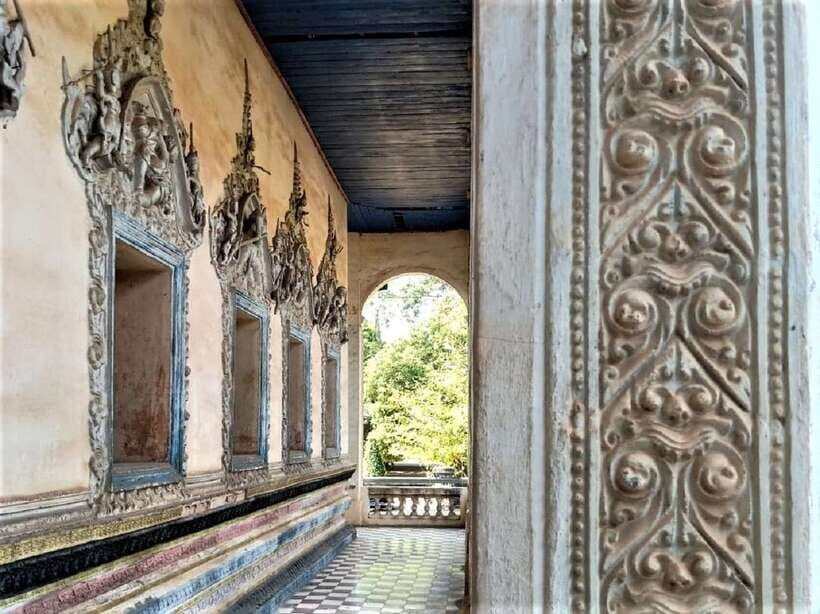
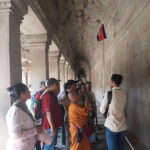
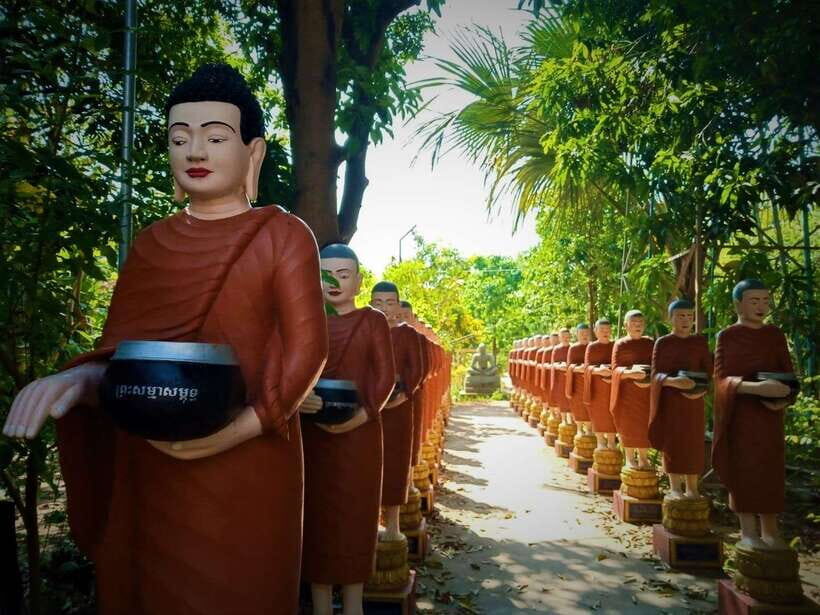
Wat Bo is the city’s oldest pagoda, and your visit includes a chance to be blessed by a local monk. That’s the kind of moment that changes your perspective, because it’s not only about architecture. It’s a participation moment tied to safe travels and prosperity—something local people take seriously.
This is also where the tour’s rules matter. You must avoid shorts, short skirts, and sleeveless shirts. Your shoulders should be covered, and you’ll want pants that are comfortable for kneeling. The goal is simple: dress like you’re going to a sacred place, not like you’re sightseeing at a beach.
One more key cultural point: in Cambodia, it’s forbidden for women to touch monks. So don’t reach, don’t try to shake hands, and don’t step into that space. You’ll be guided, and it’s better to keep your hands to yourself and follow the moment calmly.
If you go in prepared, the blessing feels respectful and grounded. If you go in underdressed or unsure of what to do, the moment can get stressful fast. So check your outfit before you leave the hotel—and plan for kneeling.
Riversides stops: tree planting and conservation you can actually feel
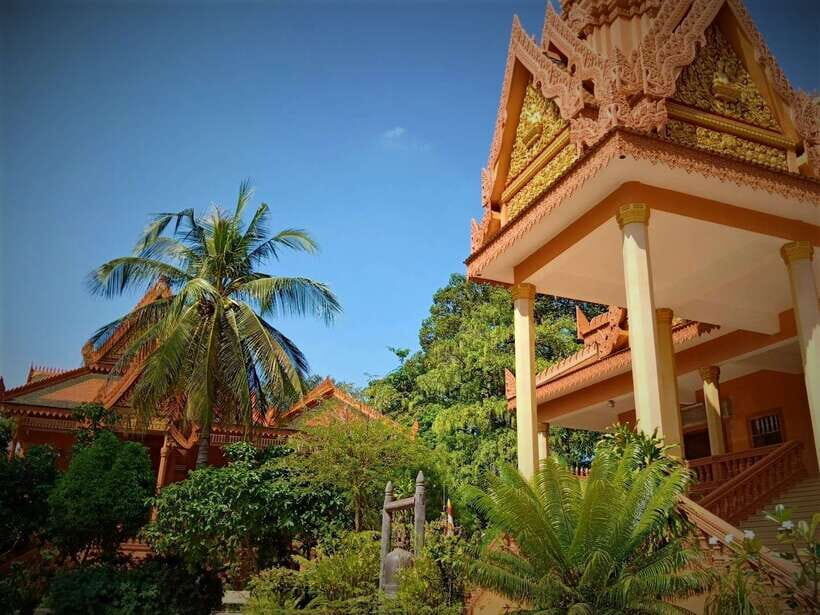
After Wat Bo, the tour shifts from temple energy to greener, community-minded stops. You’ll visit a riverside tree planting park designed and executed by a local philanthropic hotel for community use. Even if you don’t know every local detail, you can understand the intention: someone tried to improve the riverside environment in a practical way that local people can enjoy.
Next you move through the riverside conservation area. This part helps you see Siem Reap beyond the usual shortcut of only visiting temples. The riverside here is tied to everyday life, and conservation work turns that into something you can observe, not just read about.
This stretch is also a nice break in pacing. You’re still learning, but the environment is less formal than a pagoda, and it gives your brain a breather before the next art stops.
Khmer Ceramics and Theam’s House: art stops with real personal meaning
The tour doesn’t just point you at a shop and move on. It takes you to places where the “why” behind the art is part of the experience.

Khmer Ceramics: seeing craft work up close
At Khmer Ceramics, you’ll see the work of local artisans. That matters because pottery and ceramic art in Cambodia isn’t only about products—it’s also about skill, tradition, and keeping craft knowledge alive. When you watch how items are made (or how artisans work), you start noticing things you’d never catch from a distance: finishing details, patterns, and the way designs reflect local life.
Even if you’re not a ceramics person, this stop is a useful reality check. It grounds the tour in hands-on creativity rather than only viewing things that were built long ago.
Theam’s House: a personal collection in a wistful garden setting
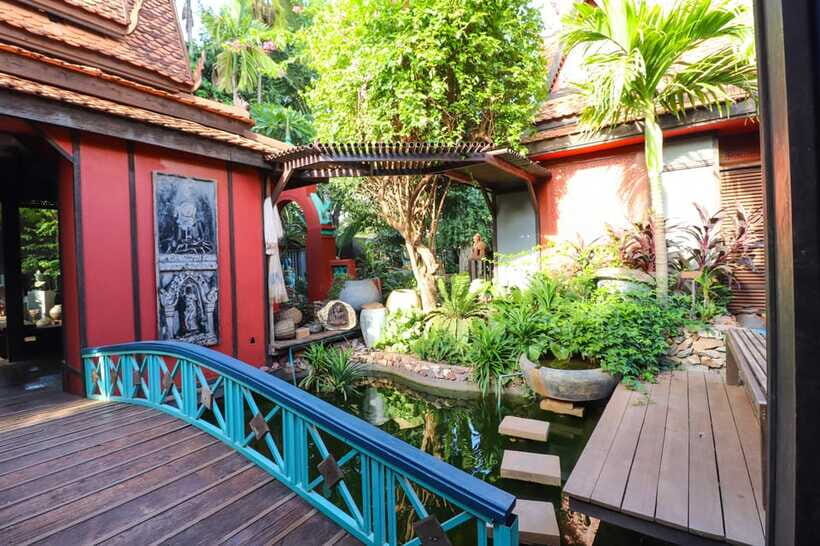
Then you head to Theam’s House, where you tour the personal collection of a highly regarded local artist in a wistful garden setting. The garden matters. It slows the whole experience down, and it makes the collection feel more human—more like you’re visiting a person’s world than walking through a cold display.
This is one of those stops where a good guide really helps. The guide can point out what you’re seeing and why it’s meaningful, not just what the object is.
If you love art but don’t want a full museum day, this pairing—Khmer Ceramics plus Theam’s House—hits a sweet spot. You get craft and you get collection, both in a manageable timeline.
French-Colonial architecture and Siem Reap’s South Side finish
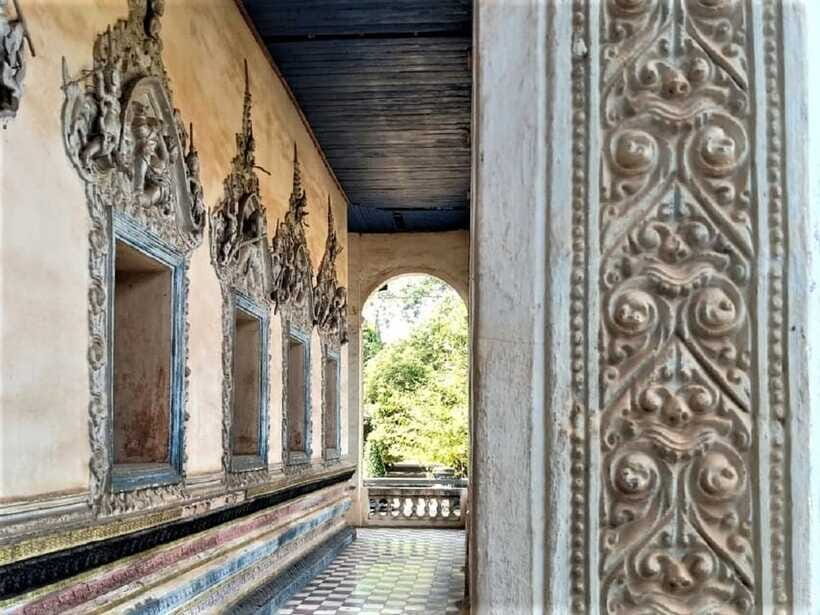
After the art stops, you return to the streets. You’ll pass through the heart of the French-Colonial era, admiring architecture that remains from that period. Even if you don’t recognize every style term, you’ll feel the change in streetscape—the shape of facades, the atmosphere around the buildings, and how the city carries layered time.
Then you finish with a tour of Siem Reap’s South Side. Ending this way is smart because it gives you a sense of how the city expands beyond temple zones. You don’t leave with only one theme. You leave with a map in your head: market life, religious tradition, riverside community work, and a neighborhood-feeling final stretch.
Price and value: what $35 buys you in real terms
At $35 per person for a 3-hour tour, the value is tied to what’s included. You get hotel pickup and drop-off, an English-speaking guide, tuk-tuk transportation, water throughout, monk blessing (with a pagoda donation), and gallery entrance. Food isn’t included, though there’s an option to add lunch.
So you’re paying for structure. The stops are connected, and you’re not handling multiple entry points or figuring out transport between religious and art sites. That’s where the money tends to pay off—especially if you’re short on time or you’d rather spend your energy on seeing, not organizing.
The best-case experience is when your guide keeps the tone friendly and the pace efficient. In past experiences, guides like Ti have been described as prompt, friendly, and able to share information with good humor. When that happens, the tour feels like you’re riding with someone who can translate Siem Reap quickly and clearly.
One balanced caution: a small number of people reported driver no-shows and communication problems. You can reduce that risk by keeping your pickup time details handy from email and being ready at the pickup window.
Who this tour is best for (and who should skip it)
You’ll likely love this tour if you:
- want a fast intro to multiple parts of Siem Reap in one go
- enjoy markets, temples, and art without committing to a full-day schedule
- prefer a guided route where someone handles logistics
- are okay with cultural rules at the pagoda (especially clothing and monk etiquette)
You might want to choose another format if you:
- have mobility limitations, since the tour isn’t suitable for mobility impairments or wheelchair users
- don’t want to deal with dress requirements (shoulders covered, no shorts/short skirts, pants that kneel)
Should you book the 3-hour behind-the-scenes tuk-tuk tour?
If your goal is to see Siem Reap’s everyday rhythm and then layer it with pagoda tradition and local art, I’d say yes. The route is well-matched to a short stay: you get market life, Wat Bo’s meaningful blessing, riverside conservation work, Khmer Ceramics, and Theam’s House, plus an architecture-and-neighborhood finish on the South Side.
Book it if you’re flexible and prepared. Wear the right clothes, keep your expectations aligned with a guided 3-hour pace, and be ready at pickup time. If you’re traveling with tight timing, treat this like a high-quality plan—but confirm details before heading out so your day doesn’t start with avoidable stress.
FAQ
How long is the tour?
The tour lasts 3 hours.
What does it cost?
The price is $35 per person.
Is hotel pickup and drop-off included?
Yes, pickup and drop-off are included, and specific pickup times are sent by email.
What transportation do you use during the tour?
You travel by tuk-tuk.
What’s included in the price?
Included items are an English-speaking tour guide, tuk-tuk transportation, hotel pickup and drop-off, monk blessing (pagoda donation), gallery entrance, and water throughout the tour.
Is lunch included?
Lunch is not included, but there is an option to take the tour including lunch.
What are the dress rules?
Shorts, short skirts, and sleeveless shirts are not allowed. You’ll need shoulders covered, and pants that you can comfortably kneel in.
Are women allowed to touch monks during the blessing?
No. In Cambodia, it’s forbidden for women to touch monks.
Is this tour suitable for wheelchair users or people with mobility impairments?
No. It’s not suitable for people with mobility impairments or wheelchair users.
Can I cancel for a refund?
Yes. There is free cancellation up to 24 hours in advance for a full refund.