REVIEW · SIHANOUKVILLE
Private Kampot Countryside Tour & Pepper farm, Kep/Crab Market
Book on Viator →Operated by Visit Kampot/Kep with Micki · Bookable on Viator
Salt, caves, pepper, crab—one full day. Private Kampot–Kep countryside shows you how people farm, trade, and live in the hills, not just the main road. I especially like two stops: the Phnom Chhngok cave temple (with that 7th-century Hindu setting) and the organic pepper plantation with pepper tasting. One thing to watch: if your pickup or drop-off is outside the Kampot area (like Sihanoukville port), you may get asked for an extra cash charge on top of the $55.
This is a private outing for up to 2 people, usually booked well ahead, and it runs about 7 to 8 hours. You also get water and coconut, entrance fees are included, and your guide-driver is the key to making the day feel like you’re moving with local knowledge—names I saw like Micki and Kakary come up for a reason.
If you want a calm pace with countryside viewpoints, cave time, and food at the end, this is a strong match. If you hate long days or you need lunch included, plan around that.
In This Review
- Key highlights to look for
- The full Kampot–Kep day plan (7 to 8 hours of real countryside)
- Salt Fields: sea salt work and a walk you’ll remember
- Phnom Chhngok cave temple: 7th-century Hindu art, plus a village drive
- Secret Lake on 1331 Road: a reservoir with a story and quiet views
- Organic pepper plantation at La Plantation: learn the crop, then taste it
- Kep crab market and surrounding areas: where the day ends with food
- Private tour logistics that actually matter: pickup, group size, and timing
- Price and value: what $55 really buys you
- What to bring and how to make the day smoother
- Should you book this Kampot–Kep countryside tour?
- FAQ
- How long is the Private Kampot Countryside Tour & Pepper farm, Kep/Crab Market?
- Is this tour private?
- What does the $55 price include?
- Is lunch included?
- What are the main stops on the itinerary?
- Do you get time in the cave temple?
- Is pickup available from Kampot and nearby areas?
- How do tickets work?
- What happens if the weather is bad?
- How far in advance do people usually book?
Key highlights to look for
- Salt fields first, with a guide explanation and time to walk the area
- Phnom Chhngok cave temple, including a 7th-century Hindu temple inside
- Secret Lake at 1331 Road, a peaceful reservoir stop with big views
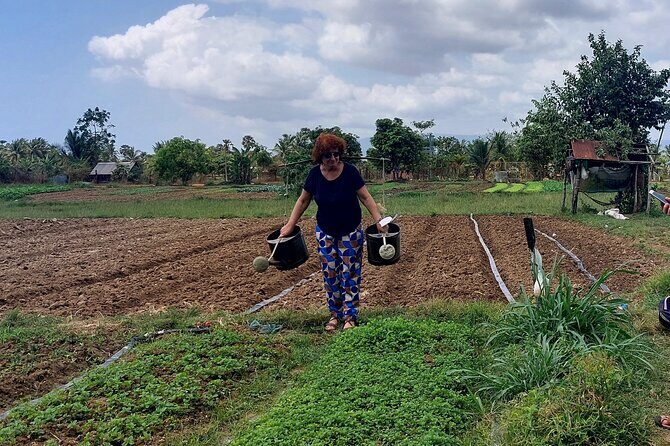
- Organic pepper plantation, including a tour and pepper tasting at La Plantation
- Kep crab market time, plus a chance to wander near the beach area
The full Kampot–Kep day plan (7 to 8 hours of real countryside)
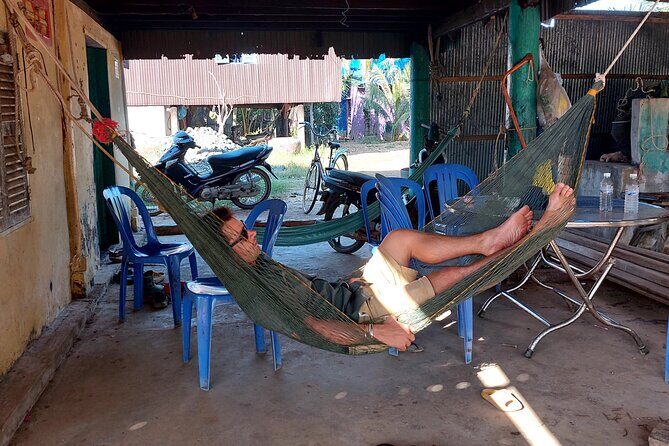
This tour is built like a classic countryside loop: salt production, a cave temple, a reservoir viewpoint, a working pepper farm, then Kep for food and sea air. It’s private, so you’re not squeezed in with strangers, and you can usually adjust small timing bits if road conditions or your energy level changes.
The route is a mix of short stops and a couple longer chunks:
- One ~30-minute salt-fields segment
- One ~1.5-hour cave/temple + village-drive stretch
- One ~45-minute Secret Lake viewpoint
- A ~2-hour pepper plantation visit
- Around ~2.5 hours in Kep for the crab market and nearby sights
Practically, that means the day feels packed, but not rushed every minute. You’re going place to place with clear reasons for each stop—how Kampot makes salt, how people use caves for worship, how irrigation reservoirs shape the area, how pepper is grown, and how Kep became known for crabs.
You can also read our reviews of more private tours in Sihanoukville
Salt Fields: sea salt work and a walk you’ll remember
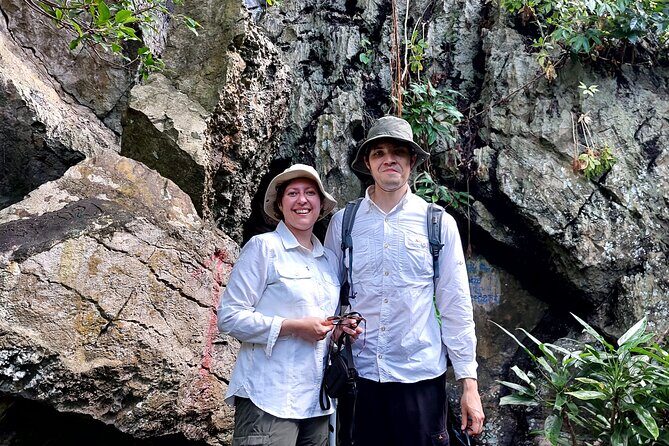
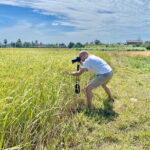
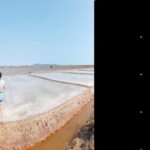
You start at the salt fields, where sea salt production is part of the landscape and part of the local economy. The best part is that you don’t just stand and take photos—you get an explanation of how the fields are prepared and how salt is harvested.
Then you get time to walk through the salt fields area. You can get your bearings fast: the ground, the light, and the way workers handle the process make salt feel less like a product and more like a job with a schedule. If the conditions allow, you’ll be close enough to really see what’s happening on the ground.
Why this stop is worth your time:
- You learn a practical skill people here rely on
- It’s a quick, easy segment to fit at the start of the day
- The photos are better because you understand what you’re looking at
Small consideration: salt fields can look different depending on weather and timing. If you want the most dramatic look, ask your guide what the conditions are like that morning.
Phnom Chhngok cave temple: 7th-century Hindu art, plus a village drive
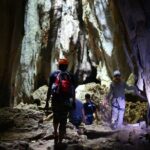
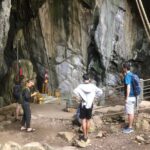
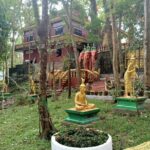
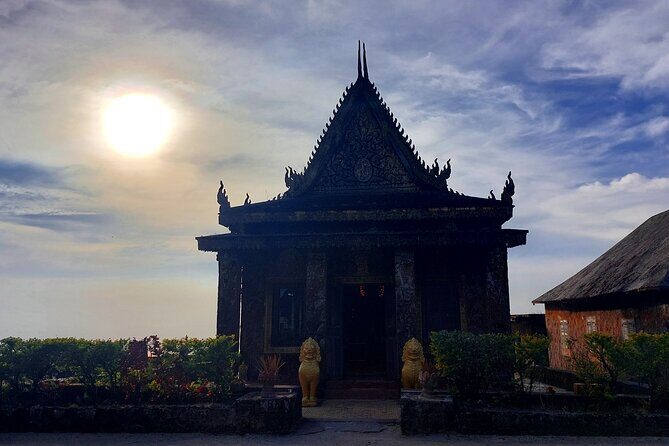
Next comes Phnom Chhngok, where you explore a cave and visit the Hindu temple inside. This is the cultural anchor of the day. The temple’s presence inside the cave gives you that rare combo: quiet darkness, then the feeling that worship is still part of what happens here.
You’ll spend time exploring the cave area—about 30 minutes in the cave portion—then there’s another segment of driving through the countryside village. That shift matters. After the enclosed cave, you get fresh air and a scenic change of scenery while riding through traditional Khmer village areas.
A couple practical tips if you’re planning for this:
- Wear something comfortable. Cave areas can mean uneven ground.
- If you’re sensitive to tight spaces, still go slow. You don’t need to rush.
- You might spot bats inside the cave depending on the time and conditions, which can be a memorable surprise without ruining the experience.
This stop tends to be the one people talk about most because it’s both historic and physical—you’re not just reading panels. You’re moving through the place.
Secret Lake on 1331 Road: a reservoir with a story and quiet views
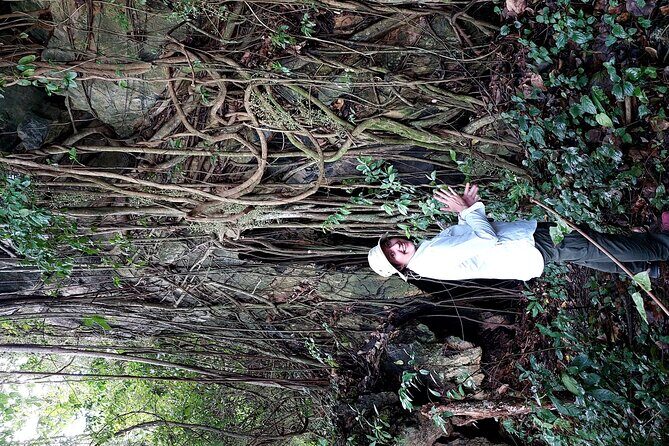
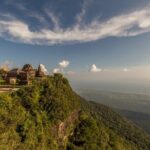
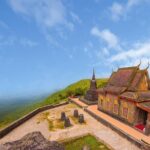
After the cave, you head to Secret Lake, also known as part of the 1331 Road area. This stop is about views and calm. You’ll have around 45 minutes here, which is just enough time to relax, take photos, and soak up the peaceful setting.
What makes this reservoir interesting is the backstory: it was built during the Khmer Rouge regime between 1975 and 1979s. Your guide can connect that history to why the lake matters in the region—how water storage shapes life around it.
This is one of those stops where you don’t need to be “into history” to appreciate it. Even if you’re just there for the scenery, the lake gives you breathing room between heavier moments like the cave and pepper farm.
Consideration: this is a viewpoint stop. If the weather is foggy or rainy, photos can be less impressive. But on a clear day, the contrast with the earlier salt and cave stops is what makes the day feel balanced.
Organic pepper plantation at La Plantation: learn the crop, then taste it
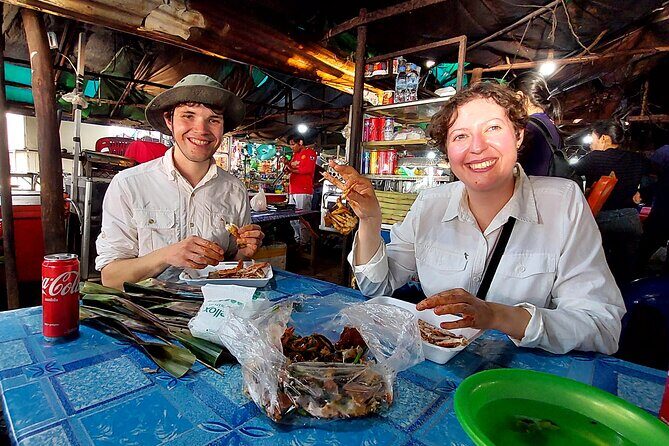
Then comes the pepper farm: La Plantation. This is where Kampot’s fame becomes real in your hands. You’ll take an organized tour (around an hour), plus there’s time on the side for you to slow down—coffee, relaxing, and just enjoying the farm atmosphere.
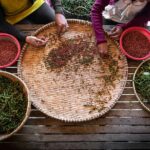
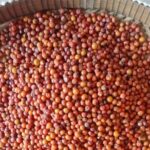
The highlight here is pepper tasting. You’re not only walking past pepper vines; you’re sampling what makes Kampot pepper special. Even if you’ve bought pepper before, tasting through the farm’s process helps you understand why different stages and handling can change the flavor.
Why I like this stop in a tour format:
- It turns a commodity into a living crop
- You get to ask questions without feeling rushed
- You leave with something useful, not just photos
Small note: this stop is listed with free admission, meaning you’re not paying extra once you’re on the day plan. That helps the overall value feel more straightforward.
You can also read our reviews of more shopping tours in Sihanoukville
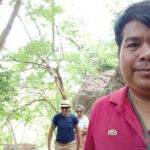
Kep crab market and surrounding areas: where the day ends with food
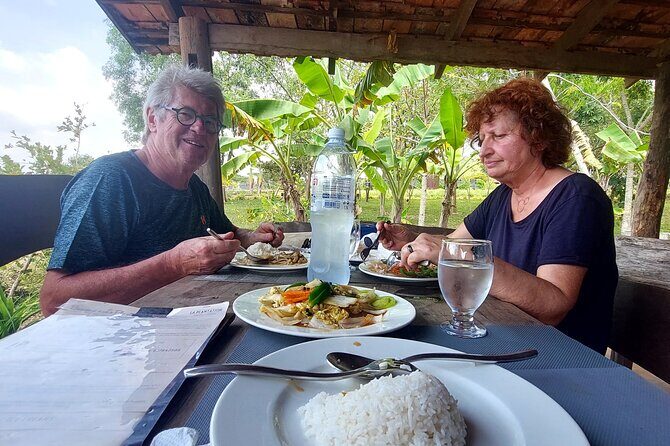
Finally, you head to Kep. This is the fun payoff. You’ll spend around 2 hours 30 minutes in town, starting with the crab market.
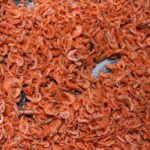
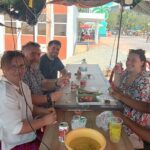
If crabs are your goal, this is where you’ll see it all up close—how people shop, what’s available, and the local rhythm of the market area. Lunch is not included, so you’ll make your own choice at or near the market and then you can pace yourself with the rest of the Kep time.
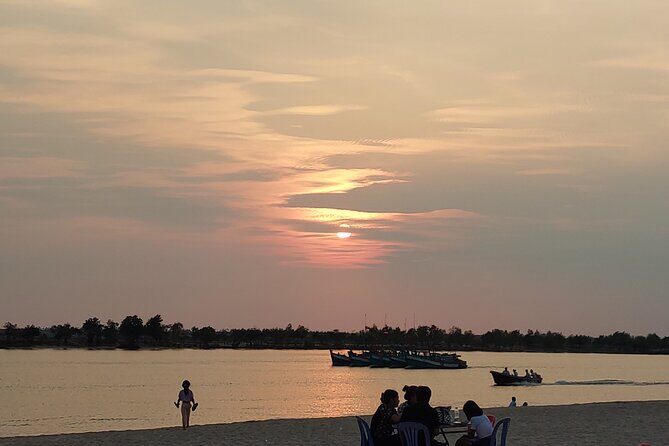
After the market, your guide will also take you through surrounding sights, including the beach area and some abandoned villa spots. Even if you don’t have a strong interest in the past, the visual contrast—sea air beside quiet, faded structures—feels very Kep.
Practical advice:
- Build in time to eat slowly. This stop is better when you’re not rushing.
- If you’re sensitive to heat, Kep can be warm. Plan your walking time accordingly.
This is also where the tour’s private nature helps. If you want more market time or less beach walking, you can usually shift the emphasis a bit.
Private tour logistics that actually matter: pickup, group size, and timing
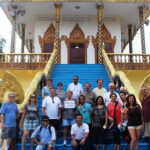
This is private, meaning it’s only your group—up to 2 people. That matters for comfort: you can move at your pace, and you’re not stuck waiting on a larger group. It also makes the guide’s role more personal, which is why guides like Micki and Kakary show up repeatedly in the kind of feedback this tour earns.
Pickup is offered, but coverage is limited. Pickup/drop-off is included under 3km outside Kampot city centre. If you’re farther out—especially if you’re trying to connect from Sihanoukville port—there can be extra charges.
That’s not a theoretical concern. If your itinerary includes Sihanoukville, I’d confirm costs clearly before you go so you don’t get a surprise when you arrive at the end of the day.
Duration is listed as about 7 to 8 hours. Translation: it’s a full-day outing. Bring water, keep sunscreen handy, and don’t schedule anything tight the same day.
Price and value: what $55 really buys you
At $55 per group (up to 2), the math can look very fair if you share it. If you’re traveling as a couple, you’re effectively splitting the cost, and that makes this one of the easier ways to get a private guide without paying “tour van” prices.
More importantly than the base price: entrance fees are included, along with drinking water and coconut. Lunch is the only major meal item missing, and you’ll handle that in Kep.
So what are you paying for?
- Transportation across Kampot and Kep areas
- A guide-driver who explains salt work, cave temple context, and farm details
- Entrance fees for the included stops
- A private format for just you two
If you’re the type who likes learning while traveling, this value tends to land well. If you just want photos and you hate guided talk, you might feel like you’re carrying a guided structure all day. But even then, the pepper tasting and cave temple stop are hard to fake on your own without planning.
What to bring and how to make the day smoother
This tour includes walking and cave exploration, so pack like you’re doing an outdoors + food day.
Bring:
- Comfortable shoes for uneven ground in and around the cave area
- A light layer. Caves can feel cooler than the sun outside
- Sunscreen and a hat for the salt fields, lake stop, and pepper farm
- Cash for lunch in Kep (since lunch isn’t included)
Also, set expectations: some parts of the day are scenic and still, and other parts are about learning and moving. If you match your energy to the stops, the day feels fun instead of exhausting.
Weather matters. If it’s poor weather, the tour can be switched or refunded. That’s not just “policy talk”—it affects how enjoyable the salt fields, lake views, and cave experience feel.
Should you book this Kampot–Kep countryside tour?
Book it if:
- You want a real countryside day with multiple types of stops (salt, cave temple, reservoir, pepper farm, market and food).
- You like having a guide explain what you’re seeing, not just riding around.
- You’re traveling with someone and can split the group price.
Skip or rethink if:
- You need lunch included in the price.
- You’re picking this up from far outside the Kampot city centre area and don’t want any possible extra costs. Confirm the pickup/drop-off plan first.
- You’re sensitive to full-day schedules. This is a 7–8 hour commitment.
If you want one “best use of time” day in Kampot-Kep, this is a strong option because it balances culture, agriculture, and food. And when the day ends in Kep with crab market time, it feels like a payoff instead of just another checklist.
FAQ
How long is the Private Kampot Countryside Tour & Pepper farm, Kep/Crab Market?
It runs about 7 to 8 hours.
Is this tour private?
Yes. It’s a private tour/activity with only your group participating.
What does the $55 price include?
The price includes pickup/drop-off under 3km outside Kampot city centre, drinking water and coconut, entrance fees for the paid stops, and the tour itself (pepper farm, cave temple, salt fields, and Kep time).
Is lunch included?
No. Lunch in Kep is not included, so you’ll choose where to eat during the Kep portion.
What are the main stops on the itinerary?
You visit the salt fields, Phnom Chhngok Cave Temple, Secret Lake at 1331 Road, the organic pepper plantation at La Plantation, and then Kep including the Crab Market and surrounding areas.
Do you get time in the cave temple?
Yes. You’ll have cave exploration time, with the temple visit inside the cave included.
Is pickup available from Kampot and nearby areas?
Pickup is offered, with pickup/drop-off included under 3km outside Kampot city centre. If you’re farther out, an extra charge may apply.
How do tickets work?
You’ll receive a mobile ticket.
What happens if the weather is bad?
The experience requires good weather. If it’s canceled due to poor weather, you’ll be offered a different date or a full refund.
How far in advance do people usually book?
On average, this tour is booked about 69 days in advance.