REVIEW · PHNOM PENH
A Day Trip to Kep Beach and Kampot from Phnom Penh
Book on GetYourGuide →Operated by Cambodia Taxi Driver · Bookable on GetYourGuide
Salt, caves, and crab in one long day.
This full-day ride through Kampot and Kep Beach mixes scenery with real local work. You’ll see the region’s salt production, learn how Kampot pepper is grown, and then unwind by the sea after a seafood lunch break. It’s the kind of day that feels like two different places wrapped into one smooth schedule.
I love two things here. First, the walk-and-photo time in Kampot’s colonial core, with that historic look that’s still easy to enjoy on foot. Second, the hands-on-style pepper plantation visit at La Plantation, where you get a tour and a tasting session instead of just standing near a sign.
One consideration: this is a long, packed day. Between the early start, several stops, and walking in the sun (plus a cave visit), it’s not the best fit if you want lots of slow downtime.
In This Review
- Key things to know before you go
- From Phnom Penh to Kampot: why the timing feels worth it
- Kampot colonial buildings and quick photo stops that set the tone
- Salt fields: a working landscape and the best months to see it
- Phnom Chhngok Cave Temple: calm scenery, real temple respect
- La Plantation pepper tour: cultivation lessons and a tasting session
- Kep Market and seafood lunch: how to plan for the one thing not included
- Kep Beach relaxation: getting real use from your swim time
- Price and value: what $135 really covers on a long day
- Who should book this day trip (and who should skip it)
- Should you book this Kep and Kampot day trip?
- FAQ
- How long is the day trip from Phnom Penh to Kep and Kampot?
- Where can the tour pick me up?
- Is seafood lunch in Kep included in the price?
- What are the main stops during the day?
- Is Phnom Chhngok Cave Temple part of the itinerary?
- Do I get to taste Kampot pepper?
- When are the salt fields most visible?
- How long is the drive from Phnom Penh to Kampot and back?
- What should I bring for Kep Beach and the sunny parts of the day?
- Is this tour private and can I cancel for a refund?
Key things to know before you go
- Kampot’s colonial streets: you’ll have time to stroll, not just snap photos and leave.
- Salt fields visibility depends on the season: they’re most seen-able in December and May.
- Pepper at La Plantation: expect a guided look at cultivation and a tasting session.
- Phnom Chhngok Cave Temple: scenic calm, with temple etiquette and comfortable shoes in mind.
- Kep Beach is your payoff: you get real relaxation time, including a swim if you bring swimwear.
- A praised English driver helps the day run well: one recent booking highlighted Vannak for detailed explanations.
From Phnom Penh to Kampot: why the timing feels worth it
The trip is built around getting you out early. The drive from Phnom Penh to Kampot takes about 3 to 4 hours, so you start the day with road time, then spend your daylight actually doing things.
You’ll also pick from two start points: Phnom Penh or Techo International Airport (KTI). Drop-off follows the same options. If you’re coming from the city, it’s convenient to start straight from your hotel area. If you’re flying in or out, KTI pickup can save you a separate transfer.
Practically, expect this to be one of those days where “bring water” isn’t a cute suggestion. You’ll be outside in heat at multiple points (salt fields, walking around town, beach). If you’re the type who forgets sunglasses until it’s too late, pack them at the top of your bag.
The pace is not breakneck. It’s more like: ride, see a cluster of sights, learn something hands-on, lunch, then decompress by the water.
You can also read our reviews of more tours and experiences in Phnom Penh

Kampot colonial buildings and quick photo stops that set the tone
Kampot’s charm is that it still shows its past. You’ll spend time exploring the colonial buildings around town and walking at an easy pace. This is more than a quick viewpoint stop. You’ll actually get time to drift through the streets and appreciate the architecture before you head into the more countryside-focused parts of the day.
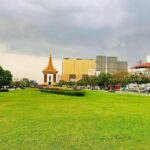
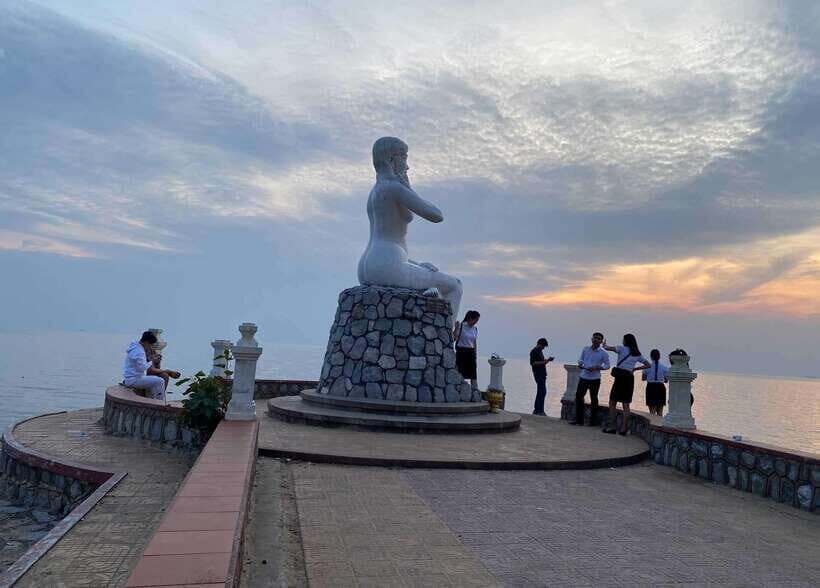
A couple of small but useful stops help you get oriented. There’s a photo stop at the Seahorse Statue and a photo/walk visit time at the Fresh Fish Market in Krong Kampot.
Even if you’re not hunting for souvenirs, these little breaks do two things:
- They make the day feel varied instead of repeating the same kind of scenery.
- They help you understand what Kampot looks like at street level, before you leave town for salt and pepper.
One tip: if you’re sensitive to sun, this is where you’ll want your hat ready. You’ll likely be out longer than you expect just from being in “walk mode.”
Salt fields: a working landscape and the best months to see it
The salt fields are one of the strongest reasons to pick this day trip. You’ll spend about 6 to 7 hours around the Kampot area with time for the fish market and the salt fields.
Here’s the key detail that affects your photos: the salt production sites are most seen-able in December and May. That doesn’t mean you can’t visit the area in other months—it just means your visuals may be less dramatic depending on the season.
You’ll witness the salt production process sites, and the scenery is mostly about texture: flat working areas, bright sky, and the contrast between water, land, and equipment. It’s photography-friendly, especially if the light is clean.
Practical advice for this part:
- Bring sunscreen and reapply. Salt-field brightness can fool you.
- Wear shoes that can handle uneven ground.
- Bring a water bottle and slow down if it’s hot. This stop is as physical as it is scenic.
If you’re expecting a short “look and go” moment, adjust your mindset. This is a chunk of the day where you’re there to understand how the process works and to see the distinctive setting.
Phnom Chhngok Cave Temple: calm scenery, real temple respect
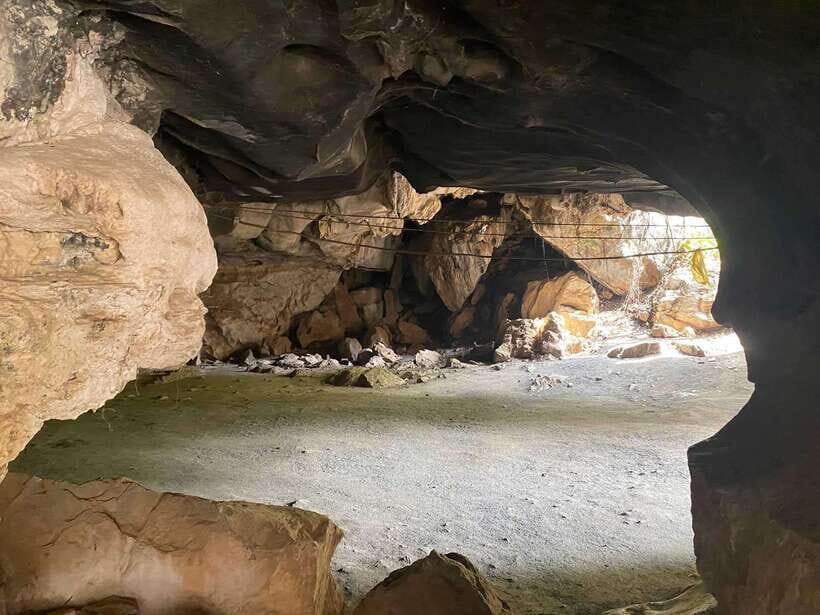
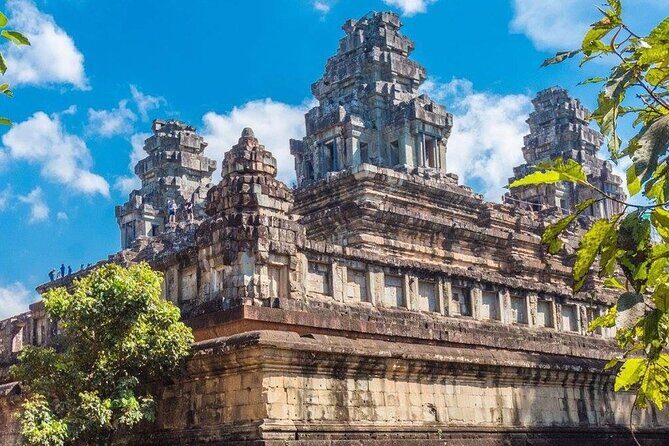
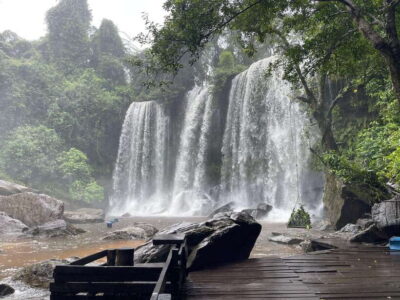
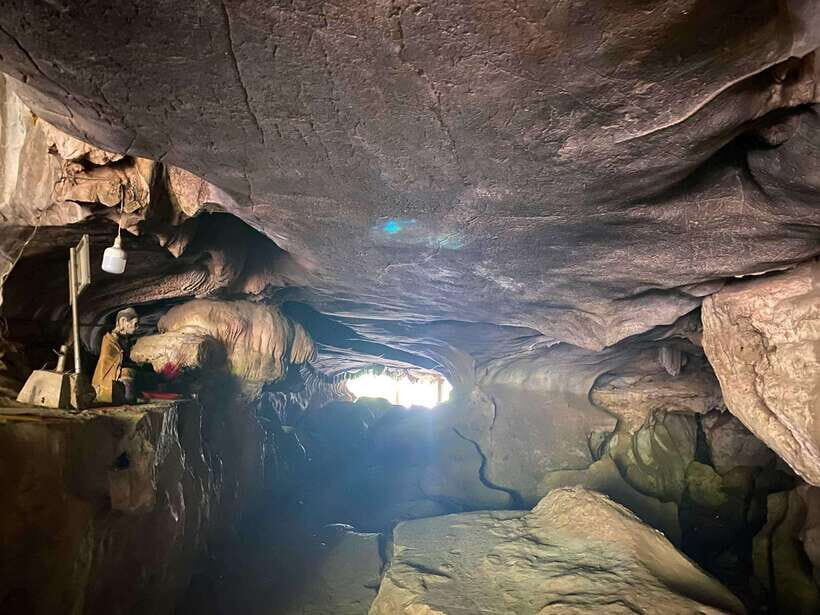
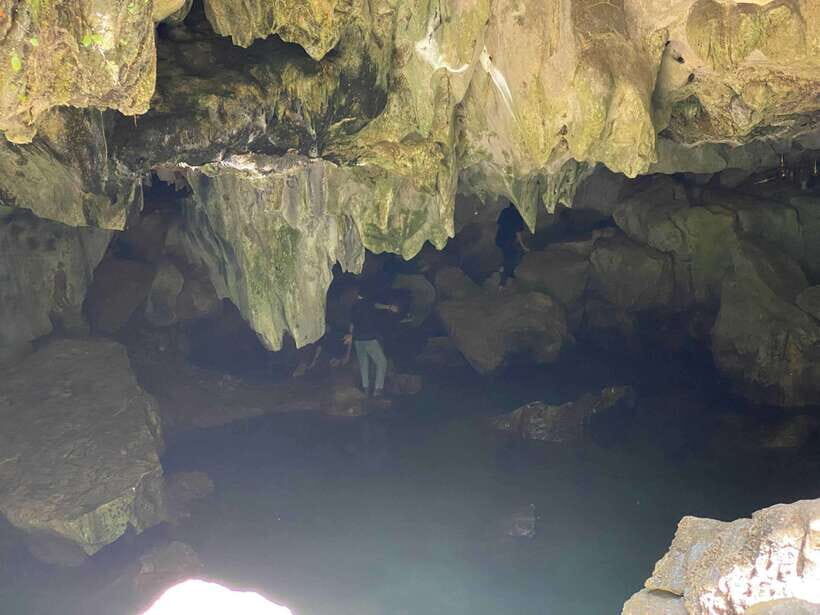
After salt and market time, you’ll head to Phnom Chhngok Cave Temple. The appeal is the setting: a cave temple visit in a more natural environment with scenic views. It’s also a nice change of pace from the open fields.
This is one of those places where your experience is shaped by small choices:
- Go at a steady pace and watch your footing.
- Follow temple etiquette (quiet voice, respectful behavior, and dress that works for a sacred site).
- Bring comfortable shoes. A cave temple is not a place for slippery sandals.
You’ll also get an opportunity for calm moments and scenery shots, which makes this stop feel like a mental reset before pepper and lunch.
If you’re traveling with someone who gets uncomfortable in darker or enclosed spaces, consider that a cave environment may not be ideal for everyone.
La Plantation pepper tour: cultivation lessons and a tasting session
Then comes the part many people remember: the Kampot pepper experience. You’ll visit La Plantation, one of the better-known pepper plantation areas, and tour with local guidance focused on cultivation.
The standout is that you’re not just passively looking. You learn how pepper is grown, and you get a tasting session. That simple addition turns pepper from an ingredient on a shelf into something you can picture as a crop—how it looks, where it comes from, and why Kampot pepper has its own reputation.
Expect this to feel like a calmer, greener stretch of the day compared with salt fields. You’ll also have scenic views during the tour, which is helpful because pepper plantations are more than just learning—they’re a place to slow your brain down.
Practical notes:
- You’ll be outside, so keep sun protection on.
- Wear clothes you don’t mind getting slightly warm or dusty, depending on conditions.
- If you’re sensitive to strong smells, remember pepper plants can have a noticeable scent.
After the plantation visit, it’s about 25 minutes to Kep Beach. That’s a short enough transfer to keep the day flowing, but long enough to feel like you’ve truly changed gears.



Kep Market and seafood lunch: how to plan for the one thing not included
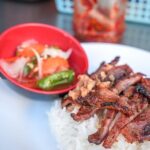
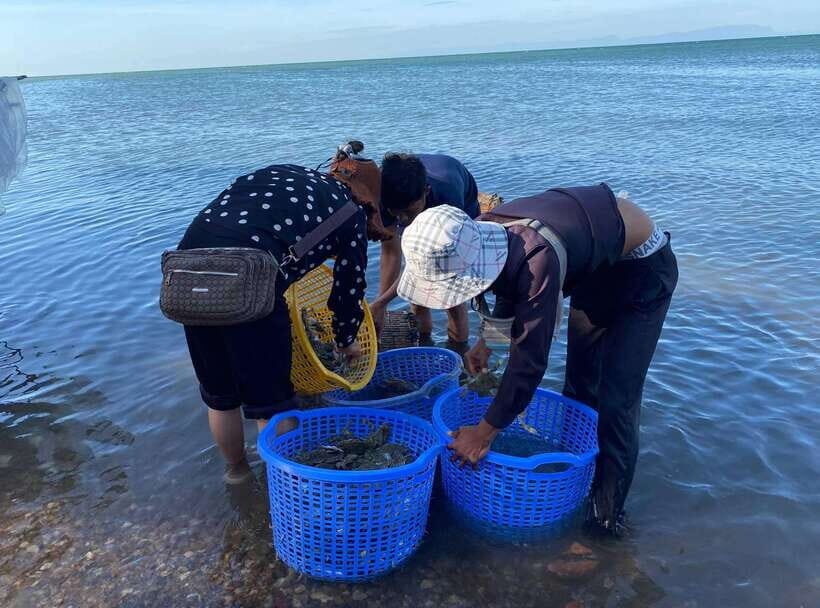
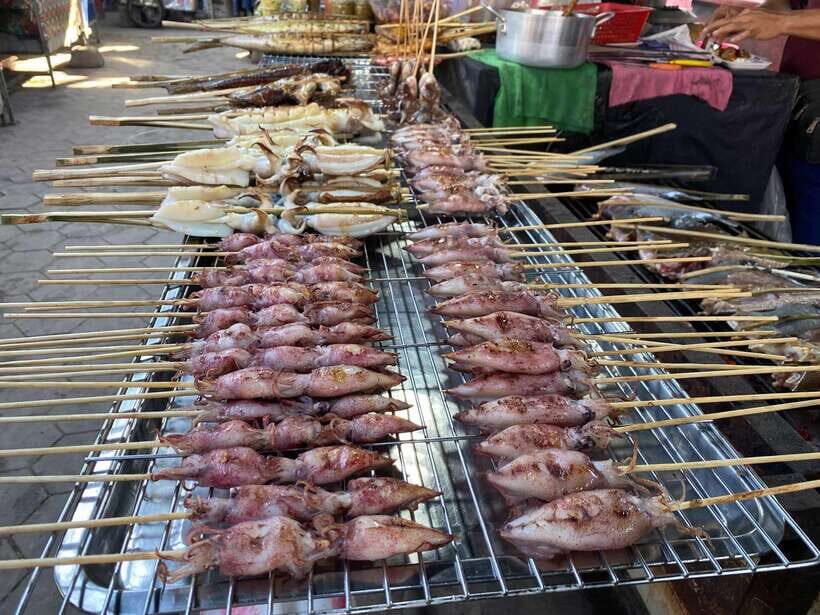
Lunch is scheduled around Kep Market. You’ll then have the seafood meal in Kep—this is described as a delicious local lunch, and the area is known for fresh crab dishes for visitors.
Important for budgeting: seafood lunch in Kep is not included in the tour price. So you should expect to pay for your meal separately during the day.
Here’s the good news: because you’re already in Kep for the beach, this lunch break is a natural fit. You won’t need extra driving just to eat. It’s built into the route.
If you’re the type who hates surprise spending, decide your lunch budget before you go. That way, you can eat what looks best without doing math in your head while you’re hungry.
Also, because this is a full day, make lunch the time you go a bit slower. It’s your bridge from tours to beach time.
Kep Beach relaxation: getting real use from your swim time
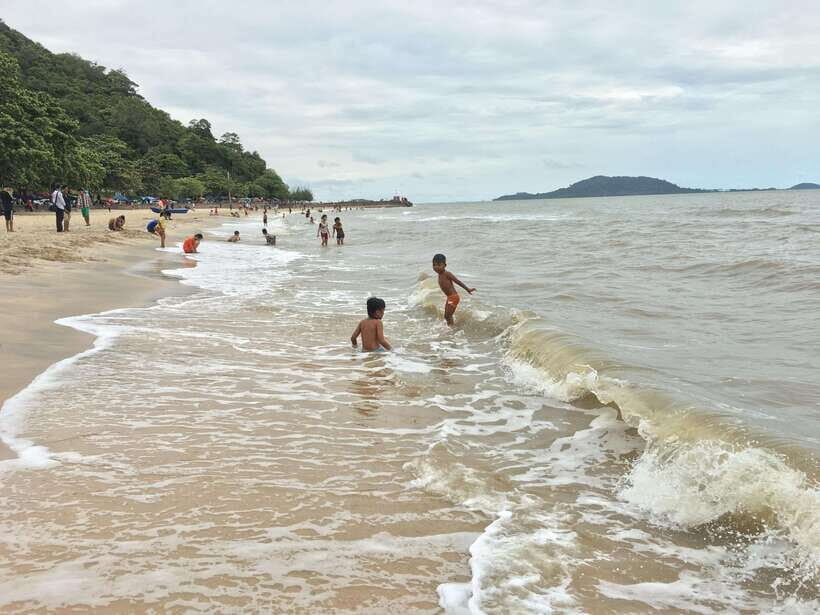
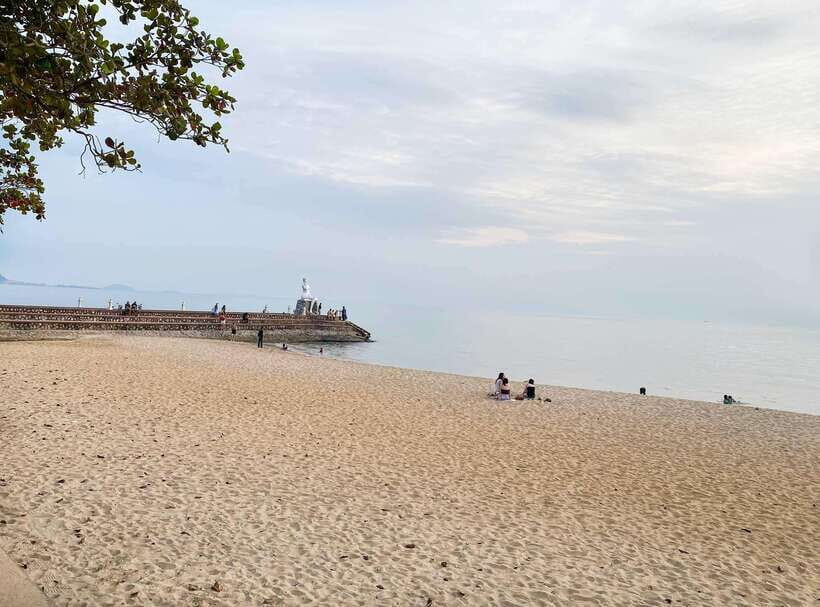
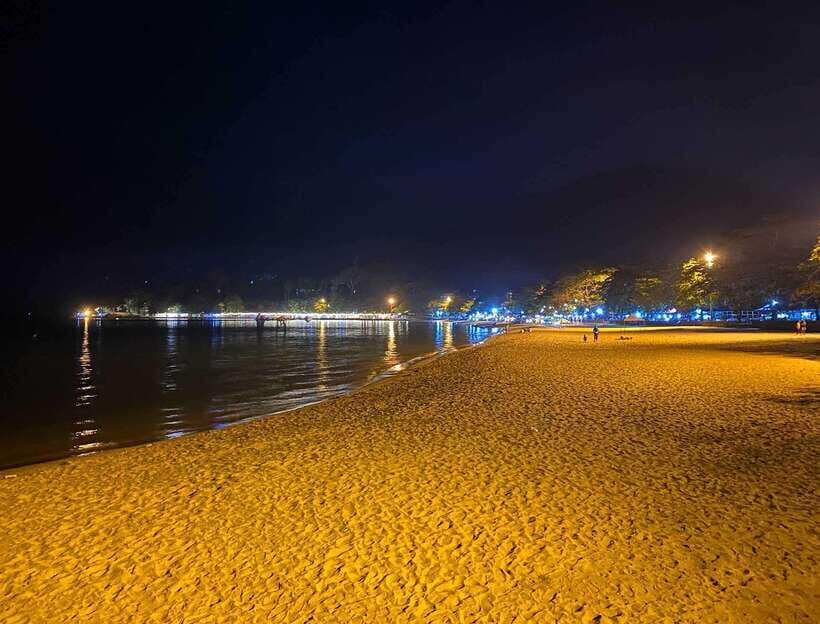
After lunch, you’ll reach Kep Beach. This is your reward stop: relaxation time, a beach stroll, and enough downtime to actually cool off. The itinerary explicitly mentions the option to swim, so if you want that, bring a swimming dress (and plan for a quick rinse and change if needed).
This is also where “what to bring” matters most:
- Sunglasses and hat
- Sunscreen (biodegradable sunscreen is recommended)
- A water bottle
- Comfortable clothes for walking and then something to swim in
You can structure your beach time in a simple way:
- First 20 minutes: walk and look for the best spot to sit.
- Middle: swim if you planned it.
- Last: stretch your legs with a slow stroll so you don’t feel rushed when it’s time to leave.
One thing to remember: the return drive starts after your beach break. So if you burn your energy too hard in the sun, you’ll feel it on the ride back.
Price and value: what $135 really covers on a long day
At $135 per person for an 11.5-hour day, you’re paying for convenience, time, and guided structure—not just entry tickets.
What you get for that price:
- Transportation by car or minivan with pick-up and drop-off (Phnom Penh or KTI)
- An English-speaking driver guided trip
- Time in Kampot’s colonial buildings and set sights across Kampot and Kep
- Visits that include salt fields, Phnom Chhngok Cave Temple, and a pepper plantation visit at La Plantation
- Beach relaxation time at Kep Beach
What’s not included:
- Seafood lunch in Kep
- Personal expenses
There’s one small item worth double-checking: the notes say “all ticket and entrance include,” but they also mention “entrance fees to any attractions” are not included. Since both statements appear in the tour details, the safest move is to confirm with the provider what fees apply at the specific sites you’ll visit. In practice, this kind of conflict usually means either some small add-ons exist or the wording is inconsistent—either way, confirmation takes 30 seconds.
Also, this is a private group, which is part of the value. It tends to feel calmer than big-group tours, and it makes it easier to ask the driver questions while you’re moving between stops.
Who should book this day trip (and who should skip it)
This trip is best for you if:
- You want to see Kampot and Kep in one shot, with a guide explaining what you’re looking at
- You like “learn something practical” stops, especially pepper cultivation and salt production
- You’re okay with a long day and some walking in the heat
- You’d rather pay for structure than spend your time planning routes and timing
It’s less ideal if:
- You have trouble with altitude exposure (the tour notes it’s not suitable for people with altitude sickness)
- You’re traveling with someone over 95 (also noted as not suitable)
- You want lots of downtime between stops
If you love history as a vibe rather than a museum checklist, Kampot’s colonial streets will scratch that itch. If you love nature scenery more than monuments, the salt fields and cave temple will feel satisfying. And if you need a finale, Kep Beach is the obvious payoff.
Should you book this Kep and Kampot day trip?
If your idea of a great day is: morning learning, midday local processes, afternoon temple calm, and a beach reset, then yes—this one is a strong pick. The route is balanced: market and salt work for one kind of understanding, pepper for another kind, and Kep Beach to let you breathe.
I’d book it if you’re traveling with limited time in Cambodia and want to pack in both Kampot and Kep without the hassle of coordinating transfers yourself.
Just do two things before you go: plan for lunch as extra spending, and pack for sun and walking. If you do that, the day feels full in a good way, not frantic.
FAQ
How long is the day trip from Phnom Penh to Kep and Kampot?
The total duration is listed as 11.5 hours.
Where can the tour pick me up?
You have two pickup options: Phnom Penh or Techo International Airport (KTI). Drop-off is also at either of those locations.
Is seafood lunch in Kep included in the price?
No. Seafood lunch in Kep is specifically listed as not included.
What are the main stops during the day?
You’ll visit Kampot colonial buildings, a fish market/photo stop in Krong Kampot, salt fields, Phnom Chhngok Cave Temple, a pepper plantation visit at La Plantation (including tasting), Kep Market for lunch, and Kep Beach for relaxation.
Is Phnom Chhngok Cave Temple part of the itinerary?
Yes, the tour includes a visit to Phnom Chhngok Cave Temple.
Do I get to taste Kampot pepper?
Yes. The tour includes a pepper plantation experience with a tasting session.
When are the salt fields most visible?
The salt production sites are noted as most seen-able in December and May.
How long is the drive from Phnom Penh to Kampot and back?
The drive to Kampot is about 3 to 4 hours, and the return drive to Phnom Penh is about 3 hours (depending on traffic).
What should I bring for Kep Beach and the sunny parts of the day?
Bring sunglasses, a sun hat, sunscreen (biodegradable sunscreen is recommended), and a swimming dress for the beach. It’s also a good idea to carry a water bottle.
Is this tour private and can I cancel for a refund?
It’s a private group with an English-speaking driver. The tour offers free cancellation up to 24 hours in advance for a full refund.