REVIEW · SIEM REAP
Preah Vihear: Full-Day Preah Vihear and Koh Ker Temple Tour
Book on GetYourGuide →Operated by Siem Reap Shuttle · Bookable on GetYourGuide
Two temples, one cliff, and a long drive. This full-day trip from Siem Reap connects Preah Vihear and Koh Ker, UNESCO sites far from the usual Angkor routine. I like the chance to ride a 4×4 to the temple approach and actually spend time getting meaning from the carvings. I also like the small-group size, so guides such as Pip, Tola, Ra, and Phyrom can slow down when you ask questions and help you nail photos.
The trade-off is the pace and travel time: expect around 11 hours and a lot of road time, plus you’ll need to budget for temple passes (Preah Vihear and Koh Ker fees are not included).
If you want Khmer-era temples with big views and fewer crowds, this is the kind of day that feels like a side quest worth doing.
In This Review
- Key highlights worth your time
- A long day north from Siem Reap
- Preah Vihear Temple: the cliff that changes everything
- The included 4×4 ride and carved entrance pavilions
- Koh Ker’s pyramid temples: Prasat Ling and Prasat Bram
- The “between” stops: smaller prasats that add up
- Photo opportunities and why this tour helps you get them
- Comfort on the road: AC van, towels, and driver teamwork
- Price and value: what $100 covers and what you must add
- What to bring (and what not to bring)
- Who should book (and who should skip)
- Should you book this Preah Vihear and Koh Ker tour?
- FAQ
- How long is the Preah Vihear and Koh Ker tour?
- How much does the tour cost?
- Is hotel pickup and drop-off included?
- What’s included in the price besides transport and the guide?
- Do I need to pay temple entrance fees?
- Is food included in the tour?
- Can I bring a drone or a baby stroller?
- Is the tour suitable for everyone?
Key highlights worth your time
- A 4×4 ride is included for the steep Preah Vihear approach (not an add-on).
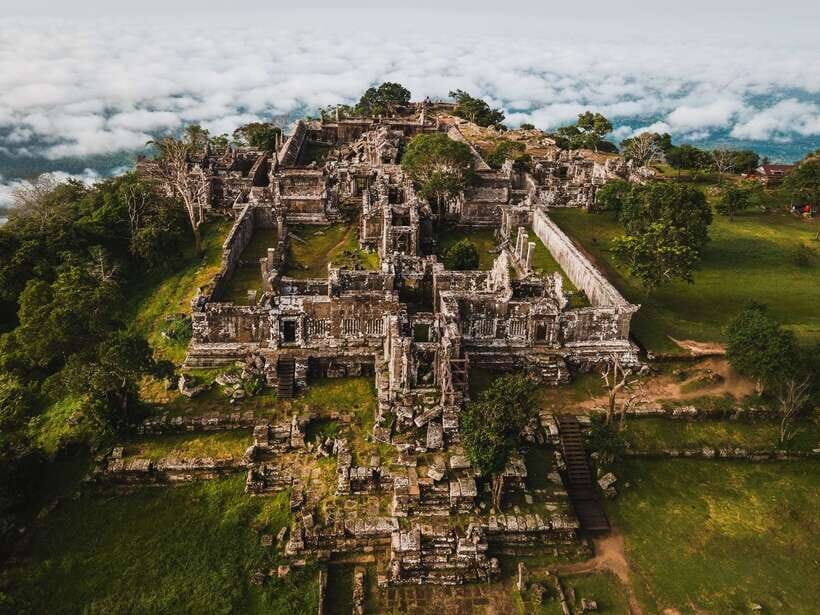
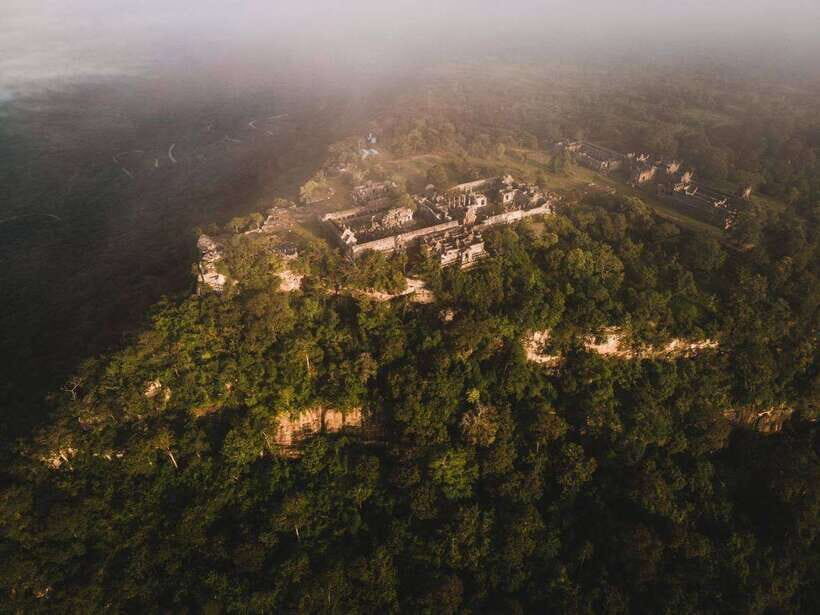
- Clifftop Preah Vihear sits about 700 meters up with jaw-drop views and carved pavilions.
- Koh Ker’s pyramid temples: Prasat Ling and Prasat Bram are the main stops.
- A small group (max 6) keeps the day flexible and conversational.
- Guides that help with photos show up repeatedly in the feedback, including Pip and Tola.
A long day north from Siem Reap
This is a full-day temple outing, and it feels like it from the start. You’ll be picked up in Krong Siem Reap and sent north toward the Preah Vihear region. The driving is substantial—some guests describe the roads as rough in spots—so think of the day as part sightseeing, part road trip with real scenery and plenty of stops.
You’ll ride in an air-conditioned car or minivan with a live English-speaking guide. Cold bottled water and cold towels come with you, which matters a lot when you’re dealing with heat, sun, and long hours in the vehicle. The group stays small (up to 6 people), so you’re not stuck waiting behind a parade of other groups.
A quick reality check: this isn’t the easiest day if you’re prone to motion sickness or you hate being in a vehicle for most of the day. But if you’re the type who’d rather see places where you can hear your own thoughts, this format makes sense.
You can also read our reviews of more tours and experiences in Siem Reap
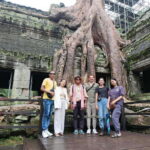
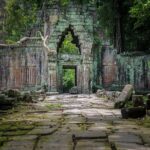
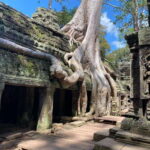
Preah Vihear Temple: the cliff that changes everything
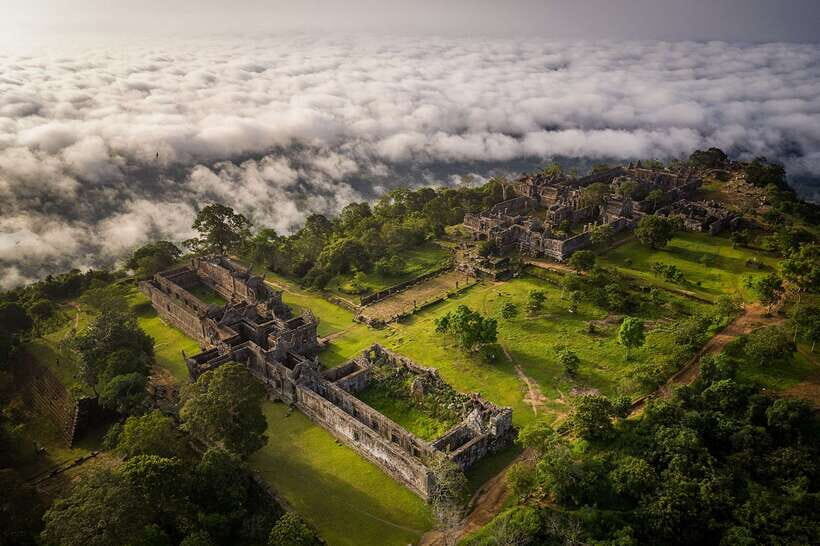
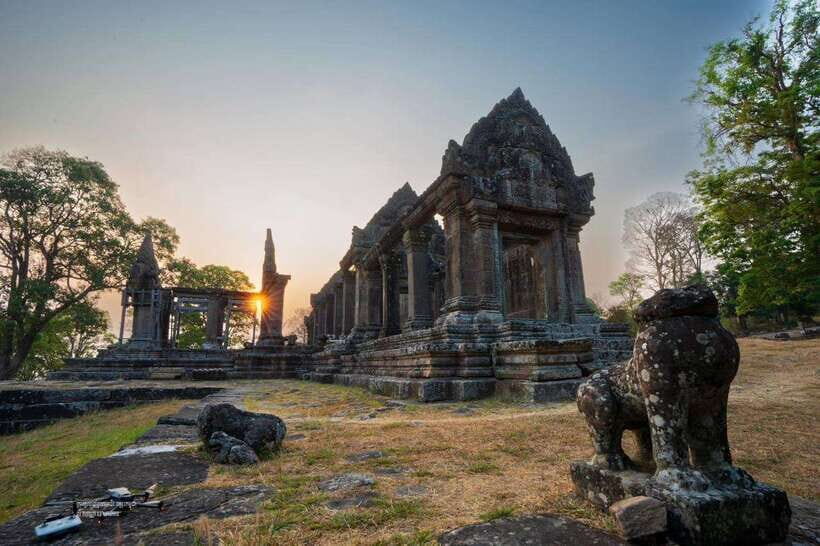
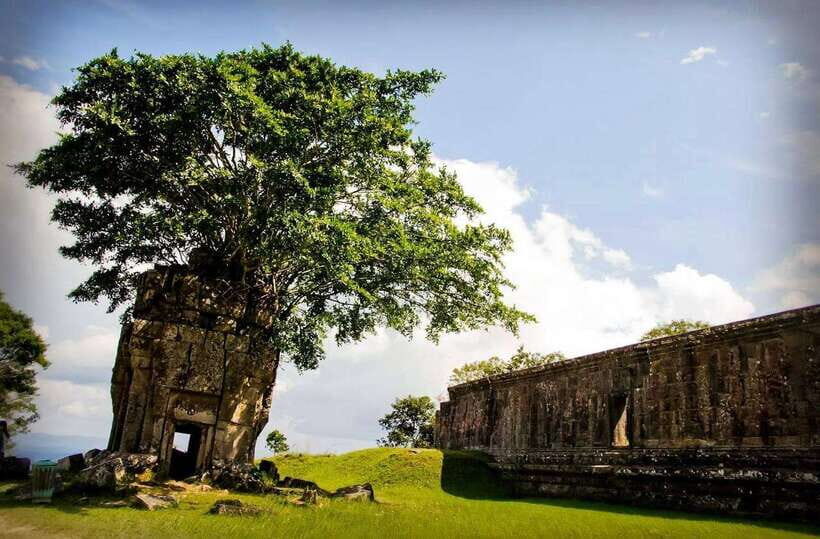
Preah Vihear Temple is the headline for a reason. It’s perched on a cliff, about 700 meters high, and it was built in the 9th century during the Khmer Empire. You don’t just walk around ruins here—you look out over distance, and the setting becomes part of the story.
Guided time at Preah Vihear is designed to help you see symbols you’d miss on your own. The temple is famous for its intricate carving program, especially around the entrance pavilions. Even if you’re not a hardcore art-history person, you’ll likely pick up a lot just from a guide explaining what you’re looking at as you move through the complex.
There’s also a modern layer to understand. Preah Vihear sits near the Cambodia–Thailand border, and guides often connect the temple to Cambodia–Thailand conflict history. That context makes the site feel less like an isolated ruin and more like a living part of regional identity.
The included 4×4 ride and carved entrance pavilions
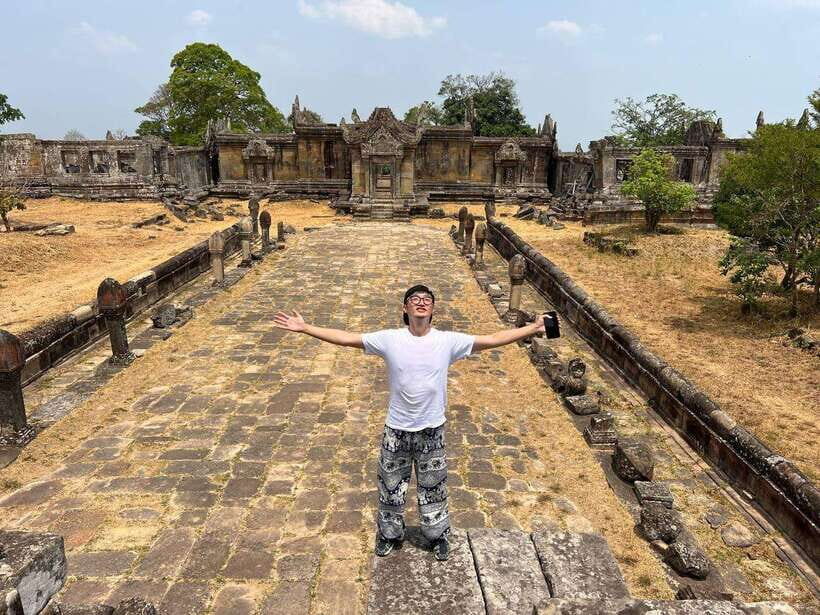
One of the best value points here is the 4×4 ride included for the steep approach. That’s not small. It’s the difference between viewing the temple like a passenger and experiencing it like a participant—plus the route helps you reach areas that a regular vehicle can struggle with.
You’ll get the chance to spot carvings on the entrance pavilions. These details can look like decoration at first glance, but with a guide you start recognizing patterns and themes: who the craftsmen were aiming to impress, and what the temple wanted you to feel when you arrived.
People also mention that the 4×4 section can be reassuring in practice. Even with steep terrain, it’s described as a solid road rather than a scary free-for-all. Still, this is a cliffside temple, so if you’re nervous about heights, be honest with yourself before booking.
Koh Ker’s pyramid temples: Prasat Ling and Prasat Bram
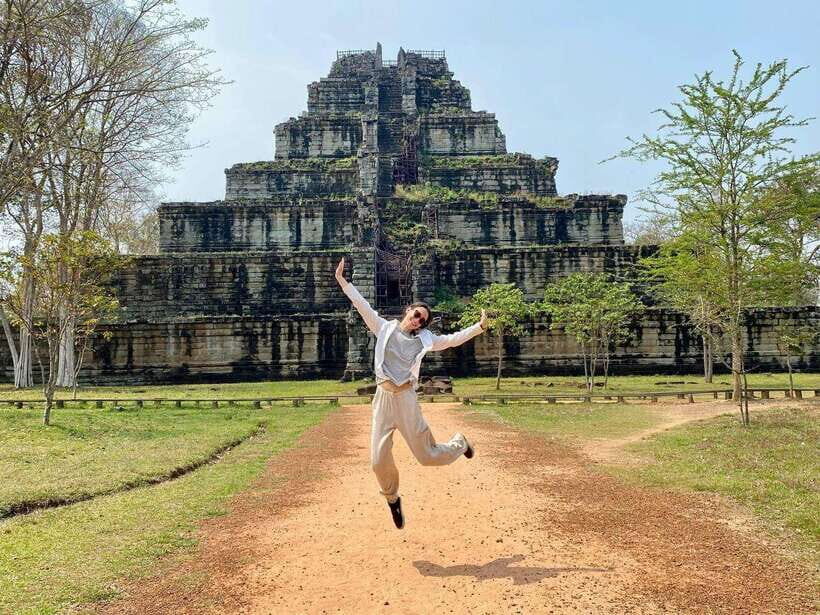
After Preah Vihear, you’ll descend from the mountains toward Koh Ker, also known as the Pyramid Temple area. Koh Ker is a powerful change of scenery: same Khmer world, different design mood, and a more remote feel.
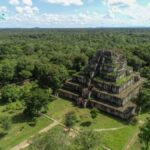
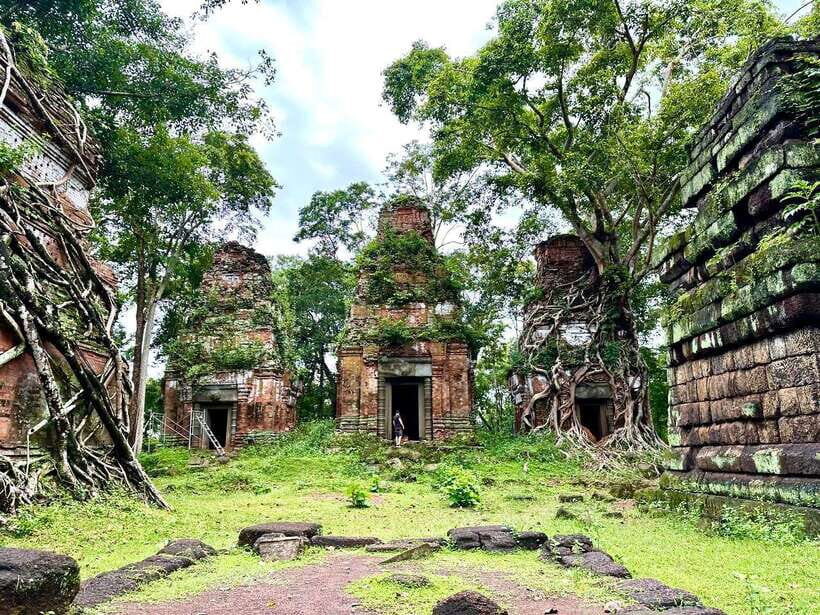
The main Koh Ker stops are Prasat Ling and Prasat Bram. Koh Ker’s pyramid-like construction uses carefully carved sandstone blocks, stacked into a dramatic form. The big payoff is how the structures guide your eye—step by step—so your brain starts mapping the temple layout even when you’re standing in the open heat.
Guided time here is the heart of the experience. You’ll get time to admire stone details and understand the Khmer empire’s stories tied to these temples: kings, warriors, and the religious ideas expressed through architecture. If you’re the kind of traveler who loves when someone explains what all those levels and doorways are doing, Koh Ker will click.
Is it as instantly awe-inducing as Angkor Wat for everyone? Not always. One guest rated Koh Ker slightly below the biggest Angkor sites in pure wow-factor, while still calling it totally worth it. That’s fair. Koh Ker’s advantage is more about atmosphere and context: fewer crowds, sharper contrast from Siem Reap’s usual tourist concentration, and a temple layout that feels unusual for Southeast Asia.
The “between” stops: smaller prasats that add up
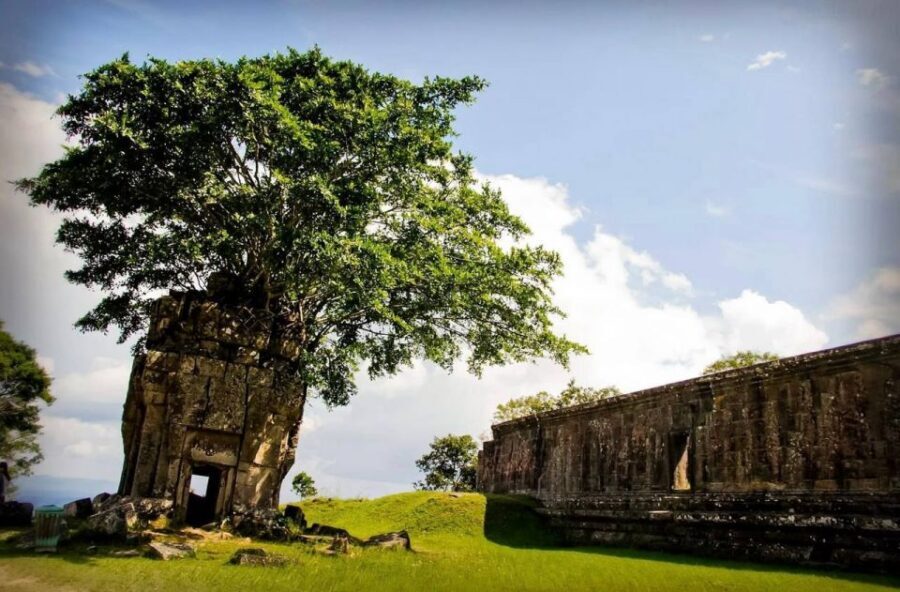
What makes this day more than just two monuments on paper is the extra set of smaller temple stops around Koh Ker. You’ll get short guided visits and photo stops at additional prasats, including:
- Prasat Linga 1 (or Prasat Thnoeng)
- Prasat Balang 2 (also called Prasat Linga 2)
- A pass-by scenic drive moment around Kaoh Ker with views along the way
- Prasat Aob Neang or Prasat Kraham for another guided stop
These brief stops are easy to skip if you’re rushing, but in this format they help you understand the complex as a whole. Koh Ker isn’t one single temple you can fully “get” in five minutes. It’s a cluster. Seeing a few of the supporting prasats gives you better context for how the main temples fit into the larger sacred footprint.
Time-wise, these are shorter blocks (think minutes, not hours). That’s a good thing if you’re trying to hold energy for the full day. It’s also why a good guide matters—someone like Tola or Phyrom can explain why a smaller doorway or carved base matters, so you don’t just collect photos. You collect meaning.


Photo opportunities and why this tour helps you get them
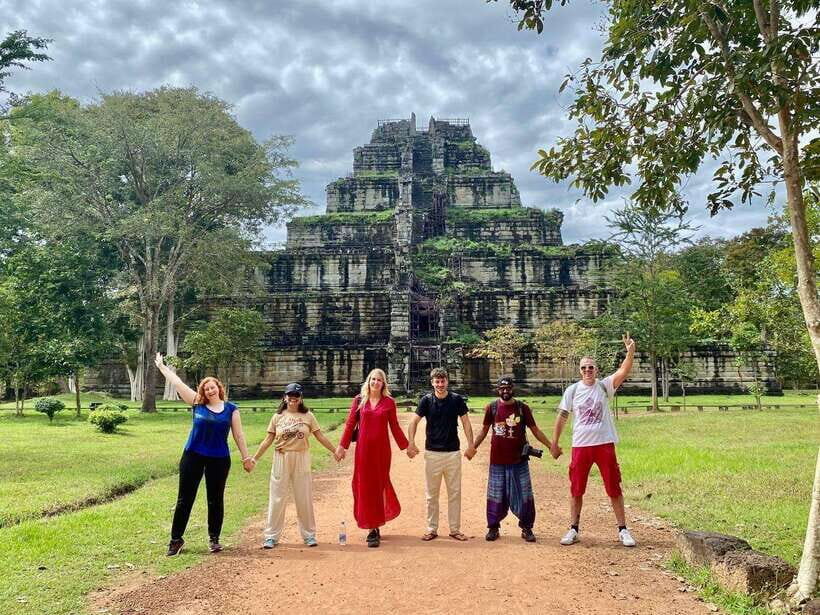
If your goal is pictures, this route has built-in advantages. Preah Vihear delivers sweeping viewpoints from a cliff setting. Koh Ker brings strong geometry with pyramid forms and carved sandstone texture.
The tour’s pacing also helps. Multiple photo stops mean you’re not forced into one rushed photo moment. A few guides are specifically praised for photography support—there are stories of guides taking photos for you and sharing them after. You can’t assume that on every tour date, but it’s clearly part of how some guides operate.
Bring a camera, of course, but also bring patience. The combination of heat, sun angle, and climbing between viewpoints means your best shots often come after a moment of waiting and re-positioning. Good footwear helps too, since you’ll be on uneven ground around temple areas.
Comfort on the road: AC van, towels, and driver teamwork
This is a long drive day, so comfort and safety are part of the “hidden itinerary.” The vehicle is air-conditioned, and you get cold bottled water and cold towels. That sounds basic until you’ve sat in Cambodia sun for hours.
The driver support shows up repeatedly in guest feedback: careful driving, keeping the day on track, and making sure everyone stays comfortable for the long stretches. Some guests also mention clean rest stops with western-style toilets, which is a surprisingly big deal on a nearly 11-hour day.
One more practical note: you’ll be at temples with rules. Drones are not allowed, and you shouldn’t bring food into the vehicle. Plan to snack outside the vehicle during stops if you need it.
Price and value: what $100 covers and what you must add
The price is $100 per person for an 11-hour small-group tour with:
- hotel pickup and drop-off in Siem Reap
- transportation in an air-conditioned car or minivan
- a live English-speaking guide
- the included 4×4 ride
- cold bottled water and cold towel
On top of that, you’ll need to pay temple passes not included in the base cost:
- Preah Vihear Temple pass: $10 per person
- Koh Ker Temple pass: $15 per person
So you’re really budgeting closer to $125 plus any personal expenses like food.
Here’s the value argument: you’re paying for far-distance transport, guided time at two UNESCO sites, and a 4×4 ride included in the day. Some other Siem Reap temple tours treat 4×4 access like a separate fee. Including it here is one of the reasons this day feels fair for the amount of effort it takes.
The other cost is time. If you only have a short visit and you’re trying to “do more” than “do deeply,” this might feel like too much driving for the number of temple hours. But if you want the remote feel and you’re tired of competing with crowds, the value shifts in your favor.
What to bring (and what not to bring)
To keep the day comfortable, pack smart:
- sunglasses and sunscreen
- a sun hat
- sports shoes (temple ground can be uneven)
- a camera
- cash
- binoculars (if you like spotting details at distance)
Don’t bring:
- drones
- baby strollers
- food in the vehicle
- weapons or sharp objects
Also, be ready for a heat-and-sun day. The temple set-up means you’ll want shade when you can find it, and you’ll want water within reach.
Who should book (and who should skip)
This tour isn’t for every body type or comfort level.
Consider skipping if you:
- are afraid of heights (Preah Vihear is a cliffside temple)
- have back problems or mobility impairments
- get altitude sickness (the location is higher up)
- have pre-existing medical conditions that make long rough drives harder
- are over 70 or over 95 years old
It also isn’t suitable for people over 6 months pregnant.
If you’re comfortable walking temple areas, handling stairs or uneven ground, and spending most of the day traveling, you’ll likely enjoy this as a refreshing change from the big Angkor circuit.
Should you book this Preah Vihear and Koh Ker tour?
Book it if:
- you want UNESCO temples beyond Angkor Wat
- you value a guided explanation of carvings and symbolism
- you like fewer crowds and a calmer temple feel
- you think the included 4×4 ride is worth the effort
Skip it if:
- you hate long driving days or rough-road travel
- you’re uncomfortable near cliffs or with heights
- you’re not willing to pay extra for temple passes and food on your own
My take: this is a strong choice for travelers who want a meaningful temple day, not just a checkbox photo run. The combination of Preah Vihear’s cliff setting, Koh Ker’s pyramid forms, and a small group guide-led pace makes it feel like a real northern Cambodia story—not a rushed detour.
FAQ
How long is the Preah Vihear and Koh Ker tour?
The tour duration is listed as 11 hours.
How much does the tour cost?
The price is $100 per person.
Is hotel pickup and drop-off included?
Yes. Pickup and drop-off are included from hotels in Siem Reap city.
What’s included in the price besides transport and the guide?
Included items are hotel pickup/drop-off, air-conditioned transportation, a tour guide, a 4×4 ride, cold bottled water, and a cold towel.
Do I need to pay temple entrance fees?
Yes. Preah Vihear Temple pass is $10 per person, and Koh Ker Temple pass is $15 per person.
Is food included in the tour?
No. Food is not included.
Can I bring a drone or a baby stroller?
Drones are not allowed, and baby strollers are not allowed.
Is the tour suitable for everyone?
No. It is not suitable for people afraid of heights, those with back problems or mobility impairments, people who have altitude sickness, people with pre-existing medical conditions, and people over 70. It is also not suitable for people over 6 months pregnant.