REVIEW · SIEM REAP
Preah Khan, Ta Prohm, Bayon Off Beaten Track
Book on Viator →Operated by ANGKOR CAB-OFF BEATEN TRUCK · Bookable on Viator
Three temples, one calmer Angkor loop. This kind of day appeals because you’re not just doing the most obvious photo stops. You’ll focus on Preah Khan and Ta Prohm’s more tangled corners, then wrap up at Bayon with enough time to actually look—without feeling like you’re sprinting from one bus-load moment to the next. The only real catch is that temple entrance fees aren’t included, and lunch isn’t either.
I also like that the setup is built for your pace. It’s a private tour (up to 3 people), with pickup offered, a licensed guide, and a driver who can keep the timing sensible. The tour starts at 9:00 am and runs about 8 hours, which is a good compromise between seeing temples while it’s still not peak hot and giving you enough hours to enjoy the details.
In This Review
- Key highlights
- Why this Angkor day feels calmer than the main circuit
- Meet your driver and guide: what Panha gets praised for
- The 9:00 am start: how to plan your day for comfort
- Stop 1: Preah Khan—Royal Sword energy and King Jayavarman VII context
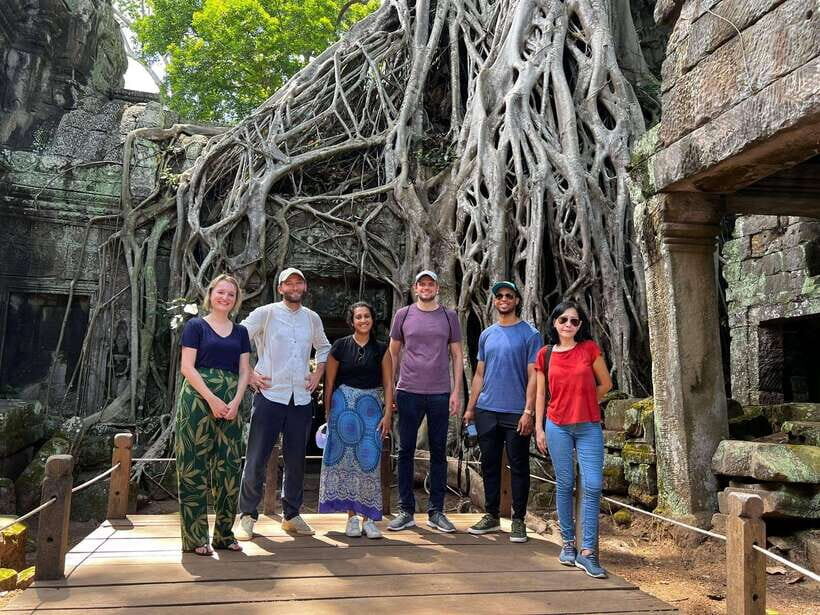
- Stop 2: Ta Prohm—tree-root drama with enough time to look
- Stop 3: Bayon—faces, Mahayana Buddhism, and a tight 1-hour loop
- Price and value: getting your money’s worth at $159 per group
- Where this private off-beaten tour fits best
- Should you book this off-beaten Angkor day?
- FAQ
- How many people can join, and what’s the cost?
- What’s included in the tour price?
- Are entrance fees included?
- Do you use a mobile ticket?
- What time does the tour start and how long is it?
- Where do we meet in Siem Reap?
- Can I cancel for a full refund?
Key highlights
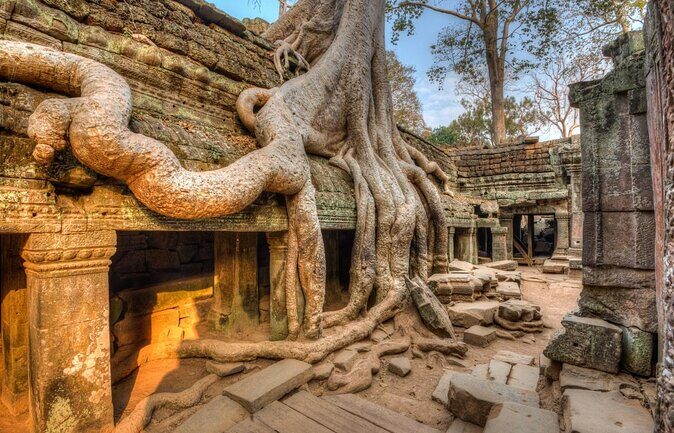
- Preah Khan’s Royal Sword setting: 12th-century temple grounds tied to King Jayavarman VII’s family story.
- Ta Prohm without the crush: Bayon-era temple atmosphere with tree-root drama and lots of walking.
- Bayon’s face towers, in focused time: 1 hour to look around without rushing every angle.
- Panha’s practical guidance: praised for punctuality, trust, and making Khmer history feel real in daily-life terms.
- Private group logistics: water included, and you’re not stuck waiting on strangers.
Why this Angkor day feels calmer than the main circuit
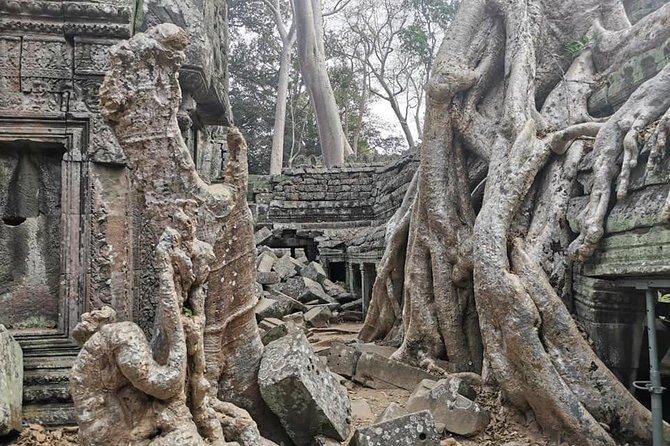
Angkor can feel like a theme park on wheels—lots of moving, lots of stopping, not much breathing. This route is designed to reduce that pressure. Instead of aiming your whole day at the one most famous headline spot, you’ll spend time in three big temple experiences that each have their own mood.
Preah Khan sits in a quieter pocket of the Angkor map, northeast of Angkor Thom and just west of the Jayatataka baray. That geography matters. When temples are farther from the main crowd stream, you naturally get a better rhythm for looking closely at carvings, wall lines, doorways, and the way the complex opens up like a puzzle.
Then you move to Ta Prohm, the temple most people picture when they think of roots-through-stone. You’ll get the drama, but with a route that fits into a normal morning start, not the late-day crowd surge.
Finally, Bayon gives you the signature look—those famous faces on towers—without turning the day into a timed checklist. One hour sounds short until you see what happens if you rush. Here, the time feels right for a focused loop.
You can also read our reviews of more tours and experiences in Siem Reap.
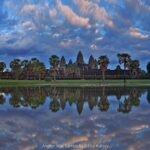
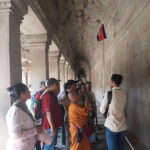
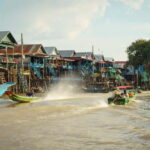
Meet your driver and guide: what Panha gets praised for
This tour includes a driver and a license tour guide, and that’s not a small thing in Siem Reap. Temple days are mostly about logistics: timing, shade breaks, and knowing where to stand so you don’t waste energy on dead ends.
In real-world feedback, Panha comes up again and again for three practical reasons. First: punctuality. People describe him as showing up right on time and keeping the day on track. Second: trust and safety. The same theme repeats—he’s dependable, calm, and good at making you feel secure. Third: clear explanations. The best temple days don’t just show you stones; they give you a way to read what you’re seeing, including Khmer history and culture tied to real daily life.
Another helpful detail: flexibility. More than one person described asking for changes and getting helpful adjustments instead of a stiff no. That matters when you’re standing in humidity, dealing with uneven paths, or deciding you want to linger on a particular view for photos.
The 9:00 am start: how to plan your day for comfort
This runs about 8 hours, starting at 9:00 am, and it ends back at the meeting point. That means you’re not signing up for an all-day ordeal, but you are signing up for real walking on ancient stone.
Your best prep is simple:
- Wear breathable clothes and shoes with grip. Some temple paths are uneven, and rain can make surfaces slick.
- Bring a hat and sunscreen. The tour includes bottled water, but you’ll still want to protect yourself from sun and heat.
- Expect a moderate physical level. This isn’t a crawl-through-museum experience. You’ll move between sites and explore within each temple complex.
If you’re the kind of person who gets cranky when schedules slip, this tour should fit you. The private format and driver support help you keep the day moving at a human pace.
Stop 1: Preah Khan—Royal Sword energy and King Jayavarman VII context
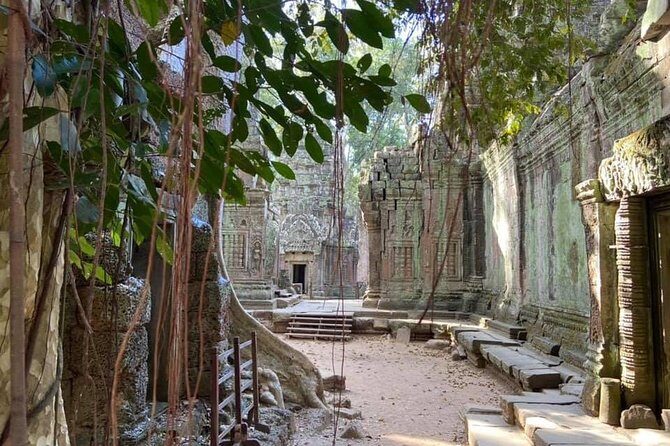
You’ll spend about 2 hours at Preah Khan. Even the name—Preah Khan, meaning Royal Sword—signals that this isn’t a generic temple visit. It was built in the 12th century for King Jayavarman VII to honor his father. That family connection gives the place a deeper story feel while you’re walking through the complex.
What I like about Preah Khan as a first stop is the way it sets your brain up for the rest of the day. You start with a big, layered temple space rather than jumping straight to the most instantly recognizable site. It helps you spot Khmer architectural ideas as they repeat across Angkor: thresholds, galleries, and the way walls guide your movement.
Because Preah Khan is located northeast of Angkor Thom and close to the Jayatataka baray, it also feels like you’re stepping into a broader landscape of ancient planning—not just isolated stone blocks.
Two practical tips for getting the most from your time here:
- Give yourself permission to slow down. In temple complexes like this, the “wow” isn’t only the most famous view. It’s also the layout details you notice when you walk a little slower.
- Watch your footing. Old stone can be tricky. You’re exploring, not strolling on a level sidewalk.
Entrance tickets aren’t included, so plan for that cost before you go. The upside? When you’re ready with the right ticket, you can focus on the temple instead of the money side mid-day.
Stop 2: Ta Prohm—tree-root drama with enough time to look
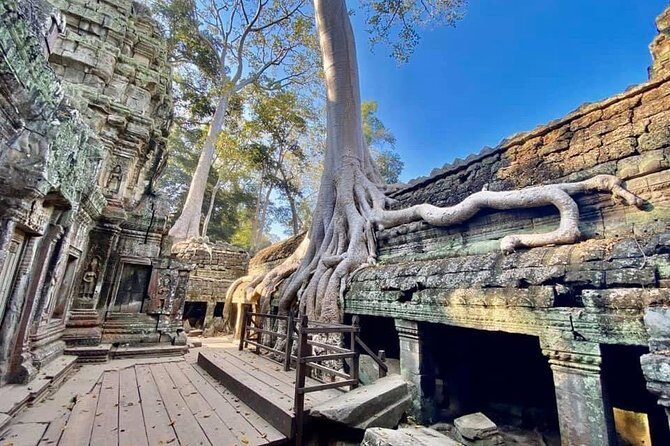
Ta Prohm is a 2-hour stop, and it’s one of those temples that instantly grabs attention. The modern name Ta Prohm translates to ancestor of Brahma, and the temple was originally called Rajavihar. It was built largely in the Bayon style in the late 12th and early 13th centuries, so you’ll see a mix of artistic language that connects it to the wider Jayavarman VII era.
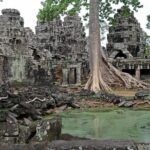
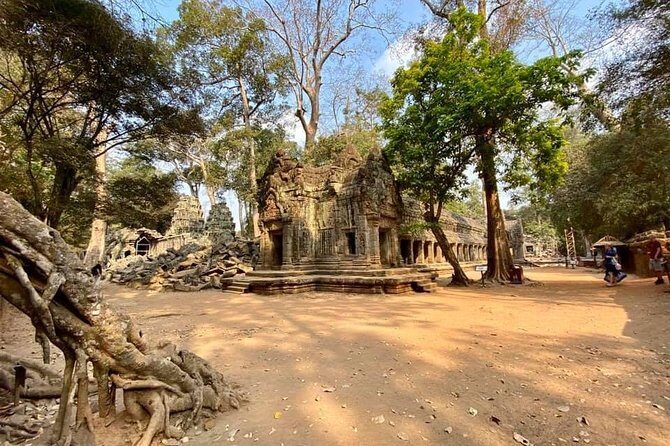
The big reason Ta Prohm matters is how the site feels alive. Tree roots wrapping stones, slabs leaning at odd angles, and corridors that seem to hold shadows longer than the sun does outside. It’s also a place where photos can easily turn into distractions. You’ll be surrounded by people aiming cameras, but your best move is to take a few steady minutes to look away from the lens—at doorways, carvings, and the structure beneath the drama.
A realistic note: Ta Prohm involves more walking inside the complex. If your ankles or knees aren’t great on uneven surfaces, take your time and don’t rush between viewpoints. This is exactly the kind of stop where a guide’s pacing helps—because you can choose to linger where it makes sense and skip the routes that just waste energy.
Entrance tickets also aren’t included here, so budget for them. The trade-off is that the experience feels more personal when you’re not counting every minute to beat the clock.
Stop 3: Bayon—faces, Mahayana Buddhism, and a tight 1-hour loop
Bayon takes about 1 hour, and yes, it flies if you treat it like a quick photo stop. But this is one of those places where the real value is in learning what you’re looking at.
Bayon (Prasad Bayon) is a richly decorated Khmer temple at Angkor. It was built in the late 12th or early 13th century as the state temple of the Mahayana Buddhist King Jayavarman VII. That matters because it explains why the temple’s visual language is so intense and deliberate. You’re not just seeing decoration—you’re seeing a statement.
The signature element is the face towers. In the time you have, your goal should be to pick a route that lets you see how the faces shift with your viewpoint. If you climb everywhere randomly, you’ll end up tired and still not sure what you learned.
Since this stop is shorter, I suggest you use your energy efficiently:
- Start with one or two viewpoints for context.
- Then move so you can compare what changes as you walk.
- Don’t forget to look down at the stonework in addition to the tower faces. Bayon is detailed, even when the headline images steal the attention.
Again, entrance tickets aren’t included. With that sorted, Bayon becomes the satisfying closer to a day built around the Jayavarman VII era.
Price and value: getting your money’s worth at $159 per group
The price is $159 per group, up to 3 people. That’s important because temple days are expensive once you add entrance fees, transport, and the cost of eating when you’re hungry and tired.
Here’s the value math in plain terms:
- If you book as 3 people, it works out to about $53 each for the private guide + driver portion.
- If you book solo, you’re paying the full $159 for the private service.
So this tour is strongest when you can share it. It’s also stronger when you care about the experience being private rather than watching a group leader herding people across ruins.
What you get for that price:
- Bottle water
- Private tour
- License tour guide
- Driver
What you don’t get:
- Lunch
- Entrance fee(s)
That last point is the biggest “budget reality.” Entrance fees are often the piece people forget to account for. If you want a predictable total cost, look up the entrance fees you’ll need ahead of time and keep some extra cash ready.
The good news: a mobile ticket is part of the experience, which usually cuts down on last-minute hassle. Just note that your temple access still requires the relevant entrance fees to be covered by you, since they’re not included.
Where this private off-beaten tour fits best
This is a great match if you want:
- A small group feel (up to 3 people)
- A private driver and a license guide who can explain what you’re seeing
- Three high-impact temple stops connected by the Jayavarman VII era
It’s also a smart pick for people who like the idea of avoiding crowds, not because they want to disappear into the jungle, but because they want time to actually look. Preah Khan and Ta Prohm, in particular, can feel more enjoyable when you’re not stuck in a constant flow of “move along” pressure.
Who might want to reconsider:
- If you’re expecting an all-in price (entrance fees and lunch cost extra)
- If you have limited mobility and don’t handle uneven temple ground well
- If you hate walking and prefer very short stops with minimal movement
Should you book this off-beaten Angkor day?
If your ideal Angkor day includes three signature temples with a private pace, and you’re willing to budget for entrance fees and lunch, I’d say this is a solid booking. The $159 price can feel fair or steep depending on how many people share the group, so check whether you can go with a friend.
The best reason to book is simple: you’re not trying to cram everything into one exhausting circuit. You’ll get time at Preah Khan, Ta Prohm, and Bayon—enough to feel like you understood the stop, not just passed through it.
If you want fewer crowd vibes and a guide who’s been praised for punctual, trustworthy service, this is the kind of day that tends to work.
FAQ
How many people can join, and what’s the cost?
It’s priced at $159 per group (up to 3 people). Only your group participates on this private tour/activity.
What’s included in the tour price?
Included are bottled water, a private tour, a licensed tour guide, and a driver.
Are entrance fees included?
No. Entrance fees are not included, and each temple stop lists tickets as not included.
Do you use a mobile ticket?
Yes. The experience includes a mobile ticket.
What time does the tour start and how long is it?
It starts at 9:00 am and runs for about 8 hours.
Where do we meet in Siem Reap?
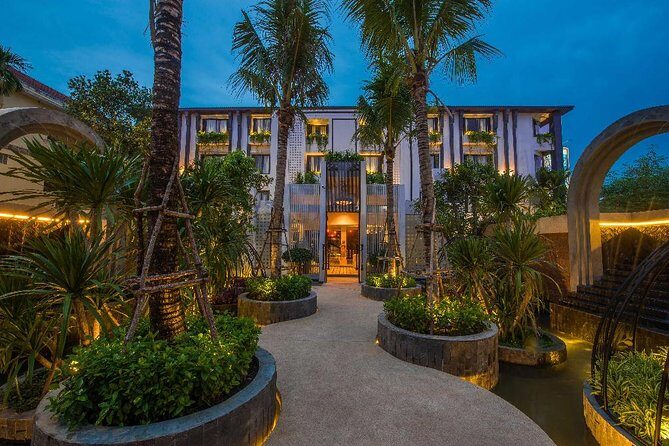
You meet at Prince Angkor Hotel & Spa, Sivutha Bulvard B05, Sivatha Blvd, Sivatha Rd, Krong Siem Reap 93136, Cambodia. The tour ends back at the meeting point.
Can I cancel for a full refund?
Yes, free cancellation is available. You can cancel up to 24 hours in advance of the experience for a full refund.