REVIEW · PHNOM PENH
Phnom Penh Kampot Kep Tour “Pepper Farm, Salt Field, Crab Market”
Book on Viator →Operated by Cambodia Tourist Car · Bookable on Viator
Pepper and crabs in one long day. This route strings together Cambodia’s countryside, French-era sights, and two of the area’s best-known food experiences, Kampot pepper and Kep crab. You’ll start early from Phnom Penh, drive down to Kampot, and end up at the beach-side seafood market in Kep.
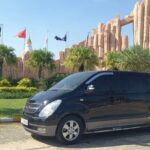
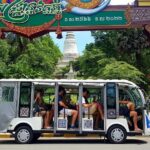
I especially like how you get a mix of viewpoints and tastes, from the Pepper Farm at La Plantation to the crab market bargaining scene. I also like the comfort factor: an air-conditioned vehicle plus an English-speaking driver means the day runs smoothly even when the road gets rural.
One consideration: the trip to Phnom Chhngok Cave Temple involves a tiring winding dirt-road stretch. If you’re sensitive to bumpy roads or fatigue, plan on taking it slow and dressing for comfort.
In This Review
- Key highlights at a glance
- The practical appeal of a Phnom Penh to Kampot and Kep day tour
- Price and value: what $89 buys you in the real world
- The day’s backbone: early start, long drives, and a calm ride
- Stop-by-stop: what you’ll see in Kampot and why it matters
- Phnom Penh to Kampot: the river and French-era first impression
- Phnom Chhngok Cave Temple: a pre-Angkorian stop with a bumpy approach
- Brateak Krola Lake (Secret Lake): history you can’t ignore
- La Plantation pepper farm: sustainable farming meets real-world food
- Salt fields in dry season: a seasonal stop you should plan around
- Kep crab market and Kep Beach: choose your seafood, then take your photos
- Who this tour fits best (and who should reconsider)
- The small details that make or break the experience
- Should you book Phnom Penh Kampot Kep Tour: Pepper Farm, Salt Field, Crab Market?
- FAQ
- What time does the tour start?
- How long is the Phnom Penh to Kampot and Kep tour?
- What’s included in the tour price?
- Are meals included?
- Are the salt fields always visited?
- Can I get a refund if I cancel?
- What’s the maximum group size?
Key highlights at a glance
- French-era Kampot stops: start with the iron bridge and older town buildings near the river
- Phnom Chhngok Cave Temple: a pre-Angkorian temple stop with countryside views on the way
- Brateak Krola (Secret Lake): learn how a dam from the Khmer Rouge era shaped the landscape
- La Plantation pepper farm: see how Kampot pepper varieties are grown and processed in a family project
- Salt fields in dry season: a seasonal stop when the fields are actually active
- Kep Crab Market + Kep Beach photos: watch fishermen’s catch come in, then pick your seafood
The practical appeal of a Phnom Penh to Kampot and Kep day tour
This tour is built for people who want a real Cambodia day without losing half the vacation to logistics. You’re not just doing sightseeing. You’re driving from Phnom Penh into Kampot and Kep, hitting a temple, a dam-lake story, a working pepper farm, salt fields (when available), and then a seafood market day in Kep. It’s a lot for one day, but the pacing is designed around short stops and a long travel corridor.
The best part is that the day tells a story. You start with Kampot’s French-era visual heritage, then shift into Khmer and Khmer Rouge era history, then move into modern rural livelihoods—pepper, salt, and fishing. If you’re the type who likes connecting dots between food and place, you’ll get more out of this than a simple checklist tour.
You can also read our reviews of more shopping tours in Phnom Penh
Price and value: what $89 buys you in the real world
At $89 per person, the value depends on what you care about. If you want pepper farm access, guided explanation there, included entrance fees, and a comfortable, air-conditioned day with an English-speaking driver, the price makes sense. You’re also getting bottled water included, which sounds small until it’s hot and you’re on the road from early morning.
What’s not included matters too. Meals aren’t included, so you should budget for seafood at the crab market yourself. That’s the main variable cost of the day. If you’re used to paying for tours where lunch is bundled, you’ll want to mentally switch gears: this is more of a choose-your-own seafood day.
Also, the tour is capped at a maximum of 12 travelers, which keeps the group feeling manageable. Larger crowds tend to make food markets less fun (everyone barging at once). A smaller group makes bargaining and photo stops feel less chaotic.
The day’s backbone: early start, long drives, and a calm ride
You start at 7:30 am, with hotel pickup in Phnom Penh. The transfer to Kampot is about 160 km and roughly 3 hours by car. That’s a lot of seat time, so the air-conditioned vehicle is a real perk, not a throwaway detail.
From what you’ll experience on a tour like this, the day works best if you treat it as a schedule, not as a wander-at-your-own-pace stroll. The order of stops keeps you heading in the same direction, which saves time and reduces “backtracking stress.”
A couple of practical tips for making this feel easier:
- Bring a hat and light layers. You’ll be outside during countryside road views, and you’ll spend time around outdoor farm and market areas.
- Pack something for the ride: water is included, but you might still want a snack if you get hungry before the seafood stop.
- If you’re prone to motion sickness, plan for the winding sections near temples and rural roads.
Stop-by-stop: what you’ll see in Kampot and why it matters
Phnom Penh to Kampot: the river and French-era first impression
Your first big moment is arriving in Kampot town and heading straight for the iron bridge that crosses the Kampot River. It’s an old bridge tied to the French colonial era, so it’s not just a photo spot. It helps set the tone: Kampot has a layered past, and the architecture and river-crossing structures reflect that.
You’ll also spend time around older buildings in town before heading toward your temple stop. This is a good warm-up section because it’s relatively easy compared to the later farm and rural roadside legs.

Phnom Chhngok Cave Temple: a pre-Angkorian stop with a bumpy approach
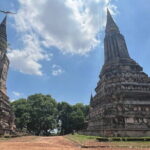
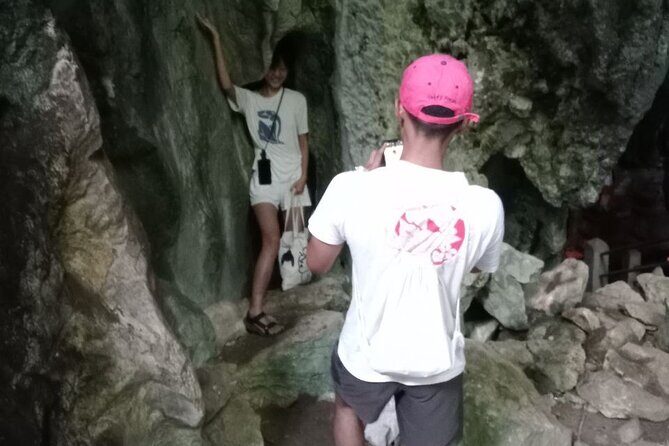
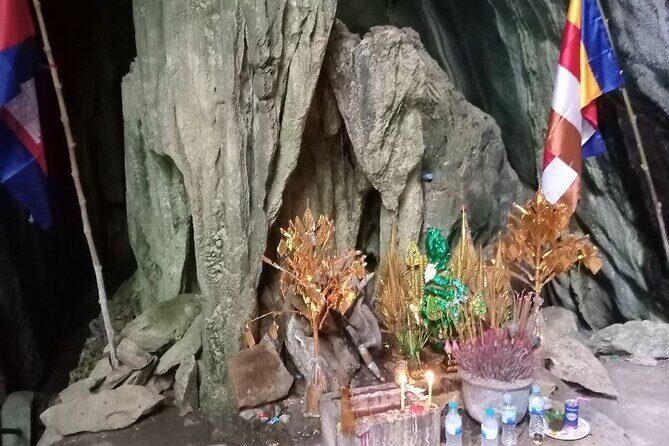
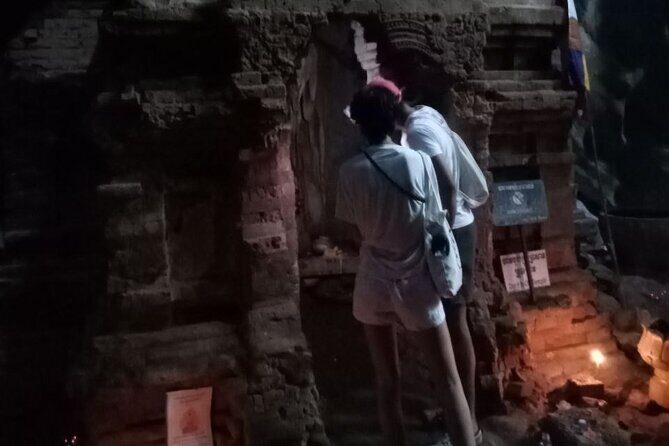
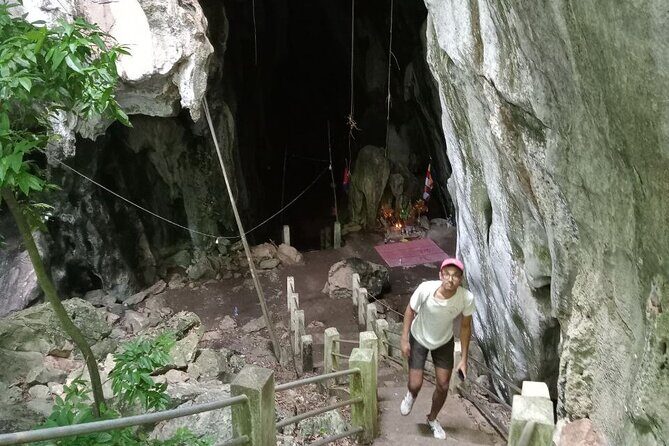
Phnom Chhngok Cave Temple is a pre-Angkorian temple, but the main thing you should plan for is the approach. The route to the temple goes off the main road, and the winding dirt road can feel tiring.
That doesn’t mean you should skip it. It means you should go in with eyes open:
- Wear shoes you’re comfortable walking in.
- Expect that the temple stop is as much about the setting as the structure itself.
- If you’re tired from the early start, take breaks when you can.
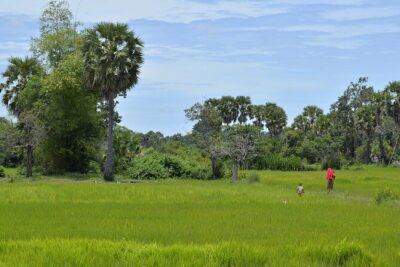
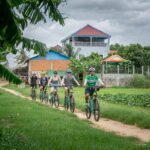
The payoff is that you’ll pass through scenic countryside views while heading toward the temple area, which is the kind of visual context you rarely get if you only stick to Phnom Penh.
Brateak Krola Lake (Secret Lake): history you can’t ignore
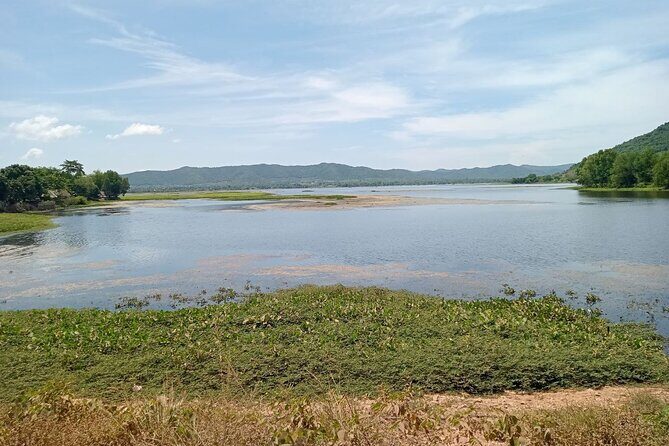
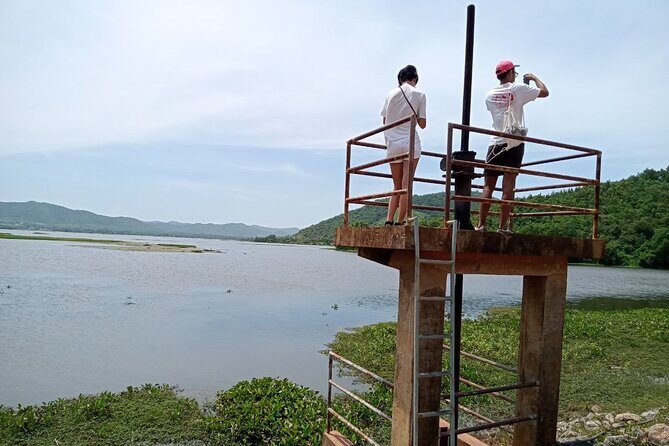
Next is Brateak Krola Lake, also called Secret Lake. Important detail: it isn’t really a natural lake. It’s a dam, built with slave labor during the Khmer Rouge era. That background adds weight to what you’re seeing. It’s not just a calm viewpoint.
You don’t need a lecture to understand the meaning. You just need to approach the stop with respect. This is one of those moments where the landscape is tied directly to human history, and the quiet view makes the story feel sharper, not softer.
La Plantation pepper farm: sustainable farming meets real-world food
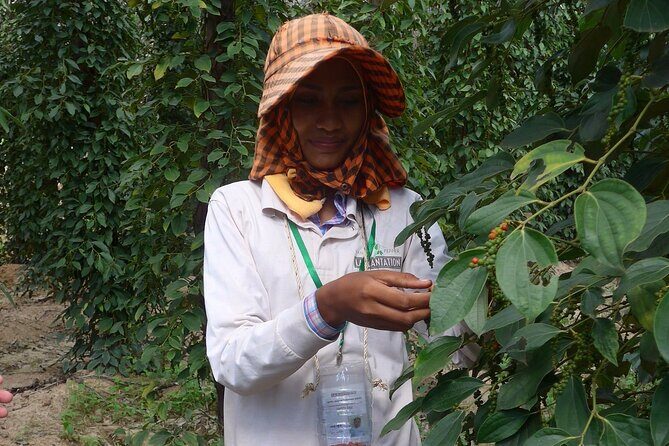
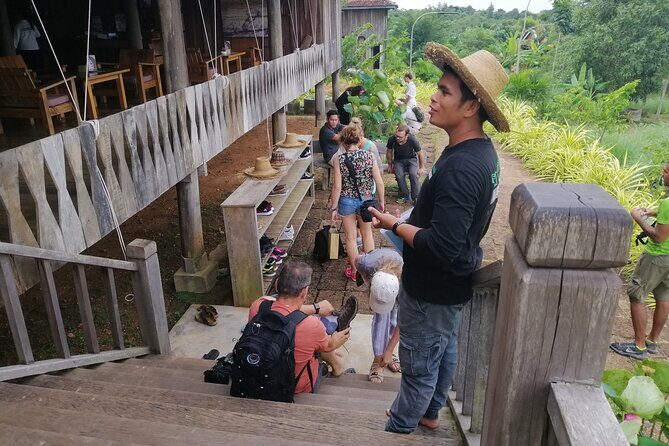
This is the stop with the most practical “you’ll remember this later” value. At La Plantation (a social and sustainable family project), you’ll learn about Kampot pepper production and processing. You’ll meet a guide at the farm, and this is the part of the tour where the guide is English or French-speaking (while the driver is English-speaking).
You can expect to see how the farm works as a system:
- Different pepper types, including Black, Red, and White Kampot pepper
- A Fresh pepper product line (the tour description notes an exclusive Fresh option)
- The idea that this isn’t just a traditional hobby farm—it’s part farming and part modern processing
Why this matters for you as a traveler: once you’ve seen the farm logic, pepper stops being a souvenir product. You understand what you’re buying and why Kampot pepper is treated as special. That makes the inevitable pepper-purchase moment more satisfying, because you’re not guessing.
If you care about food with a story, this is one of the strongest stops on the day.
Salt fields in dry season: a seasonal stop you should plan around
Then you head toward salt fields. Here’s the big constraint: the salt fields are available only during the dry season.
This is one of those travel details that can make or break expectations. If you’re visiting outside the dry season, you might find the salt-fields part of the day more limited than you hoped. The tour is still structured to include this area, but the conditions are not guaranteed year-round.
So if salt is one of your key reasons for booking, check your travel month before you commit. If you’re flexible and just want rural production life in general, you’ll likely still get a lot from the farm-and-market flow of the day.
Kep crab market and Kep Beach: choose your seafood, then take your photos
After the Kampot side of the day, you’ll go toward Kep Beach for photos, then land at the Kep Crab Market.
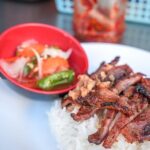
This market stop is one of the most “Cambodia by the senses” parts of the itinerary. You’ll learn about Cambodian seafood culture, watch fishermen bring in catch, and then you can bargain with vendors to get the best price for your seafood.
A practical way to approach this:
- Decide what you want before you negotiate too long. That keeps the bargaining friendly, not exhausting.
- Bring small bills or cash, so you’re not stuck with awkward exchanges.
- If you’re picky about how seafood is prepared, ask directly rather than guessing.
Also remember: meals aren’t included. The crab market is effectively your lunch plan. That can be great value if you like seafood, but if you’re not a big seafood person, you may want to have a backup mindset.
The Kep Beach photo stop is short, but it gives the day a change of scenery. You’re leaving pepper and inland sights for sea air and open views.
Who this tour fits best (and who should reconsider)
This tour is a great match if:
- You want a one-day route that covers Kampot + Kep without renting a car
- You like food-focused stops tied to how products are grown and caught
- You’re okay with a long day and early start
- You value having an English-speaking driver and a dedicated farm guide for the pepper portion
You might reconsider if:
- You hate bumpy roads. The dirt-road approach to Phnom Chhngok Cave Temple can be tiring.
- You dislike bargaining or are uncomfortable with market culture.
- You’re traveling when the salt fields aren’t active and salt is your top interest.
The small details that make or break the experience
A few things that quietly improve your day:
- Air-conditioned vehicle: this matters when the sun is up and you’re still traveling.
- Bottled water included: a simple comfort that keeps you from feeling behind.
- Short guided segments: the farm has a guide, while other stops are handled with your driver and time on the ground.
- Group size up to 12: easier movement and less crowd pressure at the crab market.
One review detail stands out in terms of vibe: a driver named Simon was described as exceptional, with a focus on keeping things safe and providing plenty of water. You can’t assume every day will have the same person, but it’s a good sign that this operator values service and comfort.
Should you book Phnom Penh Kampot Kep Tour: Pepper Farm, Salt Field, Crab Market?
If you’re trying to pack taste, scenery, and a few history-laced stops into one day, I think this is an easy yes—especially for food lovers. La Plantation’s pepper farm is the kind of visit that gives you more than photos. The Kep crab market is where the day turns into a real experience you’ll talk about later, because you’re choosing seafood and watching it happen.
Book it if:
- You can handle an early 7:30 am start and long drive time
- You want a guided pepper farm experience plus a market-style seafood lunch
- You’re traveling during or near the dry season if salt is important to you
Skip or modify your expectations if:
- You’re very sensitive to rough roads (temple access involves a winding dirt stretch)
- You’re traveling outside the dry season and salt is your main reason for booking
If that all sounds like your style, you’ll likely find this tour hits a satisfying balance: country sights, meaningful stops, and then the best part—pepper, salt, and crab—right where you can taste the day.
FAQ
What time does the tour start?
The tour starts at 7:30 am.
How long is the Phnom Penh to Kampot and Kep tour?
It runs about 8 to 10 hours.
What’s included in the tour price?
You get an air-conditioned vehicle, an English-speaking driver, an English or French-speaking guide at Pepper Farm only, entrance fees, and bottled water.
Are meals included?
No. Meals aren’t included, so you’ll need to plan for food at your stops like the crab market.
Are the salt fields always visited?
No. Salt fields are available only during the dry season.
Can I get a refund if I cancel?
No. This experience is non-refundable and cannot be changed for any reason. If you cancel or request an amendment, the amount you paid won’t be refunded.
What’s the maximum group size?
The tour has a maximum of 12 travelers.