REVIEW · KAMPOT PROVINCE
Kampot Countryside include Pepper farm,Kep crab market beach
Book on GetYourGuide →Operated by Rina Kampot · Bookable on GetYourGuide
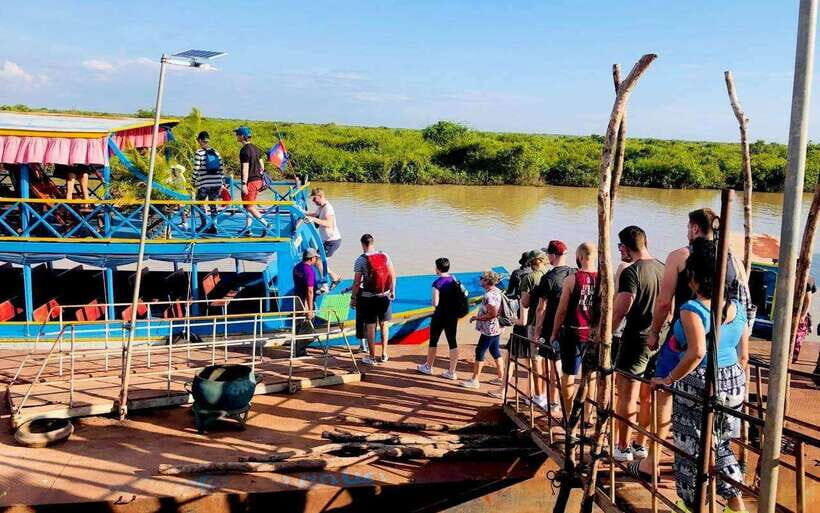
Cave, pepper, and crabs in one long day. This is a countryside-and-coast combo tour that strings together salt production, a cave temple climb with big views, a pepper plantation with tastings, and an end-of-day break in Kep for the crab market and beach time. I love the guided salt-production visit because it turns a simple field stop into a real lesson on how the region makes money from sea water.
I also love the pepper part. The guided pepper plantation tour includes peppercorn testing, and you get to connect what you smell and taste with how pepper is grown and processed. One possible drawback: the main cave stop involves 203 steps up, so it’s not the right choice if you want an easy, flat day.
This tour runs as a private group with a live English-speaking guide. You’ll start from the meeting area opposite Epic Art Cafe in Krong Kampot, or your guide can pick you up and drop you off at your hotel or restaurant within 3 km. In the best cases, the guiding feels unhurried and clear, like what people describe from guides such as Phalla, including patient explanations with translation when needed.
In This Review
- Quick hits on Kampot countryside and Kep crab market time
- A full day of Kampot countryside by tuk tuk
- Salt fields and production: what the guide helps you notice
- Phnom Chhngok cave temple: 203 steps, Shiva inside, and real views
- Brateak Krola Lake: a man-made lake and a heavy backstory
- Pepper plantation tour and peppercorn testing you can actually taste
- Kep crab market and beach time: the easygoing finish
- Price and value for a private group up to 2 people
- Getting picked up in Kampot and making the day feel smooth
- Who this Kampot countryside and Kep tour fits best
- Should you book this Kampot countryside and Kep crab market tour?
- FAQ
- How long is the Kampot countryside tour?
- How much does the tour cost?
- Is this a private tour?
- Where do we meet for pickup?
- What language is the guide?
- What is included in the price?
- Is food included, especially at the crab market in Kep?
- What should I bring?
- How many steps are at Phnom Chhngok cave temple?
- What is the cancellation policy?
Quick hits on Kampot countryside and Kep crab market time
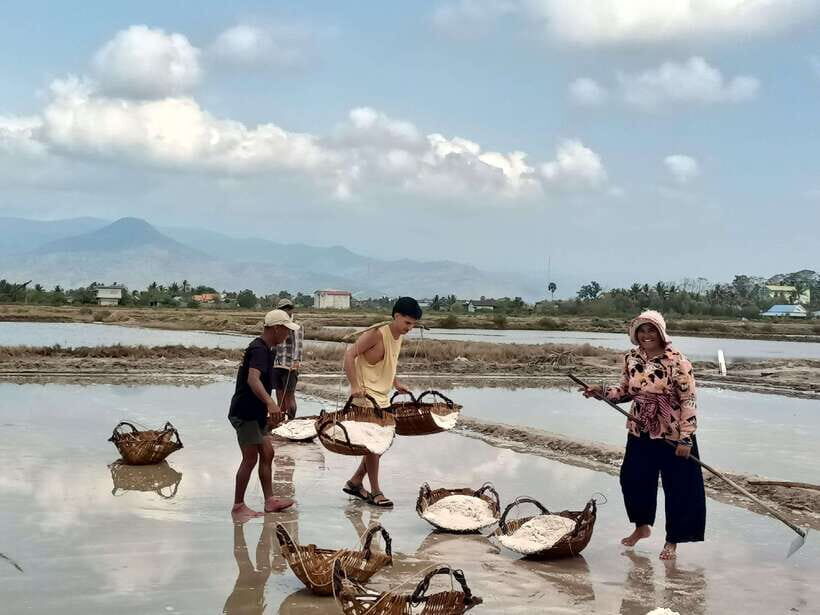
- Salt production with a guided factory visit you can actually follow step by step
- Phnom Chhngok cave temple with a 7th-century brick temple inside and sweeping views from the entrance
- Brateak Krola Lake and a chance to reflect on how it was built during the Khmer Rouge era
- Pepper plantation tour plus peppercorn testing, not just a walk through the vines
- Kep crab market + beach break to slow down before you head back to Kampot
A full day of Kampot countryside by tuk tuk
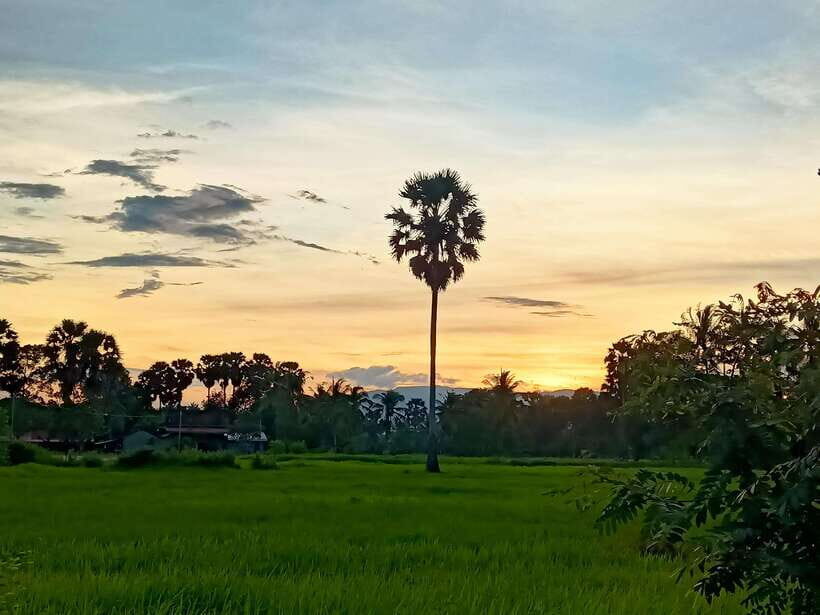
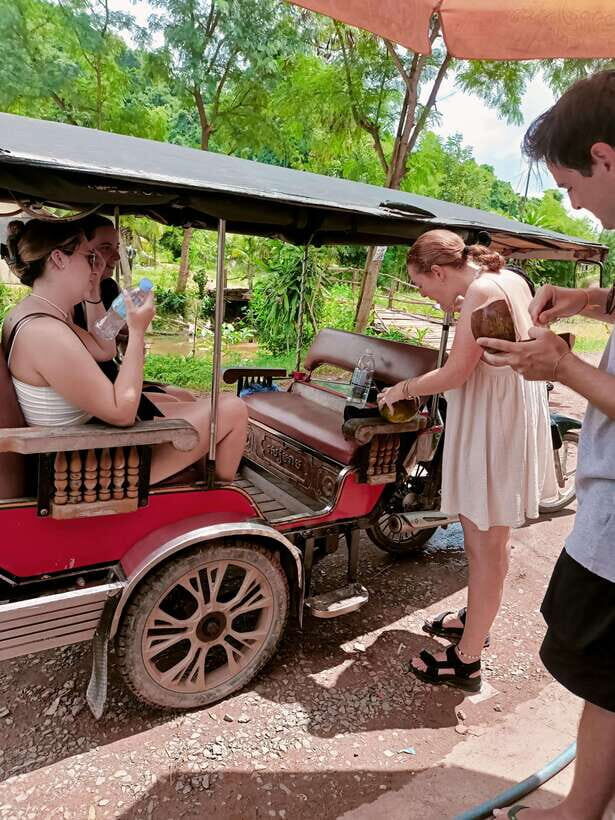
This is an eight-hour sampler of Kampot Province and nearby Kep, shaped around countryside work and local food. The pace is active but not rushed. You’ll hop into a tuk tuk, then spend time at each stop with a guide, with multiple short-to-medium drives linking the locations.
It feels like a day designed to reduce confusion for you. Instead of guessing where to go for salt fields, the cave temple, and pepper farms, you get the route and context in one package. And because it’s private, you can usually move at a comfortable speed for your group.
The practical side matters on a day like this: the tour is long, you’ll be in the sun more than once, and you should plan for a bit of walking at each stop. You’ll also want water and shade breaks, and the tour includes a bottle of water plus fresh coconut to help you avoid the classic heat-day mistake of running out of energy too early.
You can also read our reviews of more shopping tours in Kampot Province
Salt fields and production: what the guide helps you notice
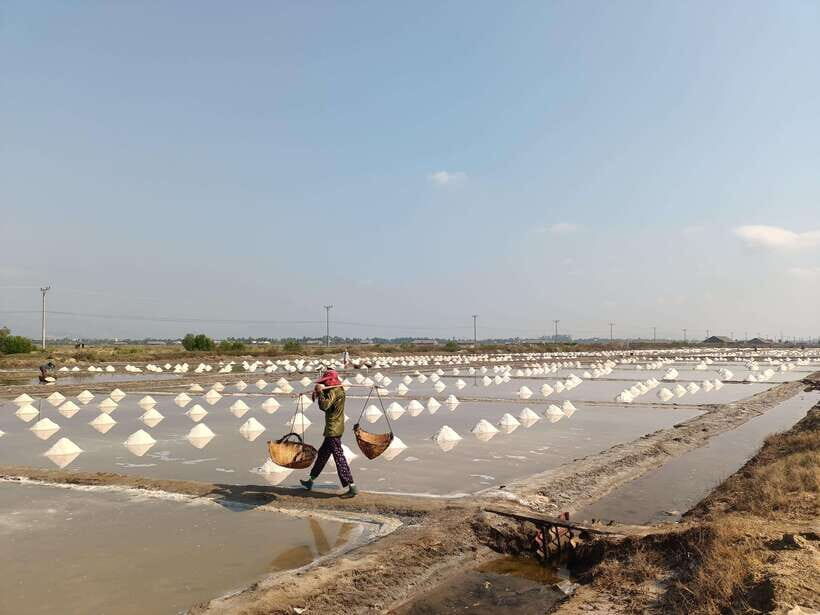
The first big theme of the day is salt. You leave Krong Kampot and head to a large salt-producing facility on the outskirts. What I like about this stop is that it’s not just a pretty photo-op. You’ll learn why salt production matters here, and you’ll walk through the process with a guide.
If you’ve never seen salt production explained, you might expect something vague. Instead, the guidance helps you connect the dots: sea water becomes something workable, and each stage has a purpose. That kind of explanation makes the fields and facilities feel purposeful, not random.
One thing to keep in mind: salt-related stops can be visually simple but educationally dense. You’ll likely stand, look, and listen, then have time to ask questions. If you’re the type who likes “how does it work?” conversations, this is a good early anchor for the day before you switch gears to caves and pepper.
Phnom Chhngok cave temple: 203 steps, Shiva inside, and real views
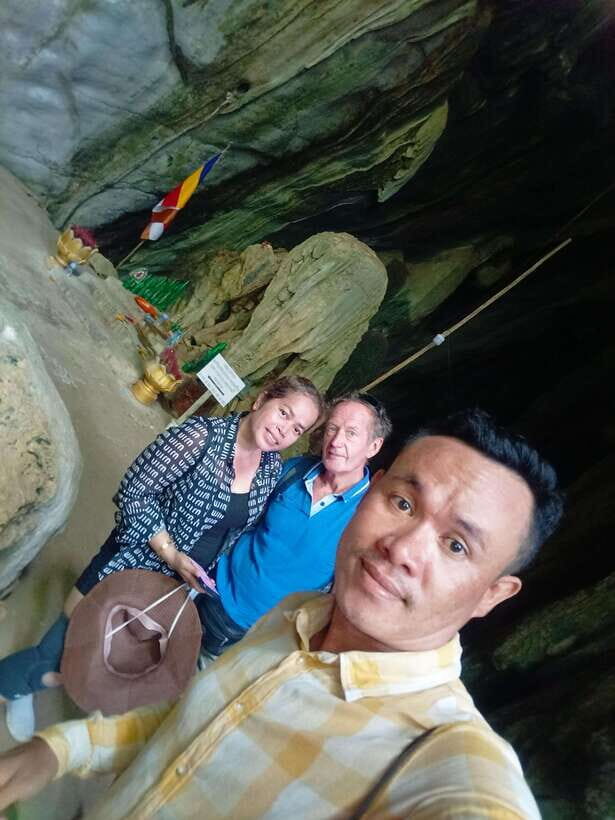
Next comes Phnom Chhngok, a cave temple with 203 steps leading up to its entrance. This is the physical part of the tour, and you’ll feel it. If you want a smooth day, wear shoes with solid grip, take the climb slowly, and don’t try to power through it just because the group pace is steady.
Here’s what makes this stop more than just a climb. Inside the cave’s main chamber is a brick temple connected to the 7th century, tied to the Funan-era, and dedicated to Shiva. Even if you don’t know the names of each era, you’ll likely appreciate the continuity: people keep using this sacred space, and the site tells that story through what remains.
And outside, the entrance brings the payoff. You’ll admire the views from the cave entrance, which is why the climb is worth the effort. This is also the kind of place where a guide’s explanation can change the way you look at the space. When someone explains what you’re seeing (and why it matters), the cave stops feeling like a checkbox.
Brateak Krola Lake: a man-made lake and a heavy backstory
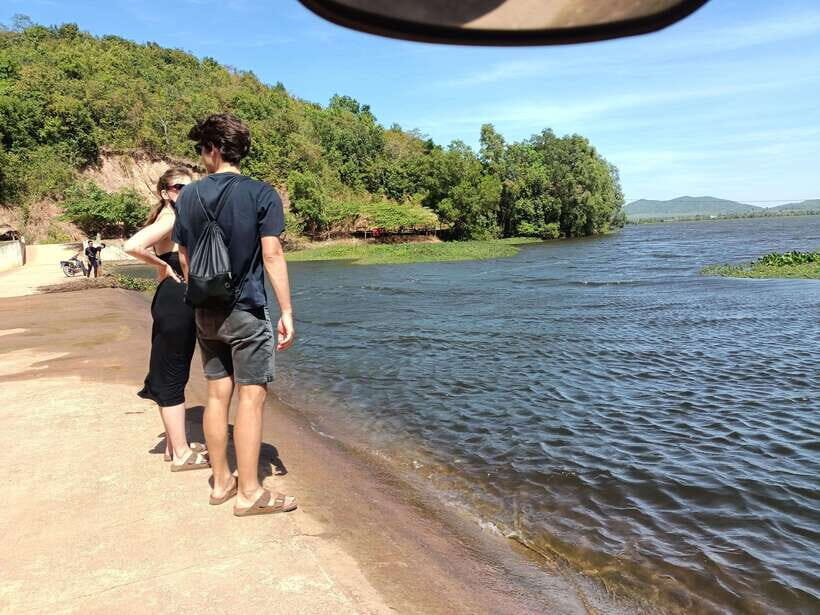
After the cave, the tour heads to Brateak Krola Lake. This is a man-made lake built during the Khmer Rouge period, and the tour specifically notes it was constructed using slave labor. That means this stop asks for a different tone than the salt fields or pepper farm.
On a day like this, I like having at least one moment that slows your thinking down. The lake gives you a chance to reflect on how infrastructure can be tied to suffering, not just to scenery. Your guide’s role here matters because you’ll hear context while you’re on site, rather than learning it later in a disconnected way.
You don’t need to treat it like a museum lecture. Think of it as a place where you can look, listen, and take in the meaning behind what you see. If you’re sensitive to historical topics, this stop is worth knowing about in advance so it doesn’t catch you off guard.
Pepper plantation tour and peppercorn testing you can actually taste
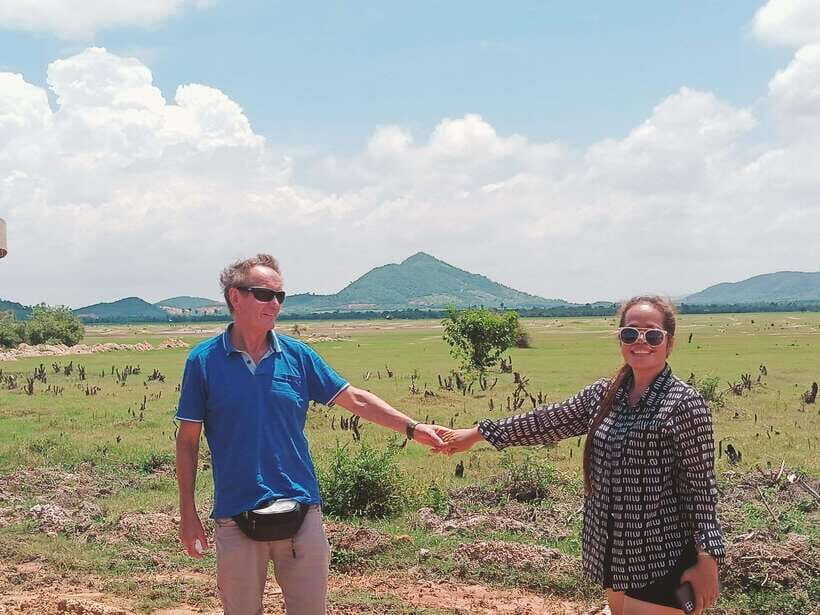
Then the day switches to something much more fun for the senses: pepper. You’ll visit a large pepper plantation with a guided tour of how pepper is produced on site. This part feels hands-on in the best way. It’s not only walking through a farm; you’ll also learn how peppercorns go from growing to processing.
The best part for most people is the tasting. You’ll enjoy peppercorn testing as part of the tour, which makes the learning stick. Smelling and tasting right after hearing about processing helps you understand why pepper quality can vary and how different products are experienced.
This also tends to be a good section for questions. If you’ve ever wondered why pepper tastes different in different places, this is the perfect moment to ask. Even if you don’t get a technical answer, you’ll come away with a clearer idea of what you’re tasting and why it matters.
If you’re traveling with a foodie side, this stop is a strong value moment. You’re paying for guidance plus an experience, not just entrance to a farm.
Kep crab market and beach time: the easygoing finish
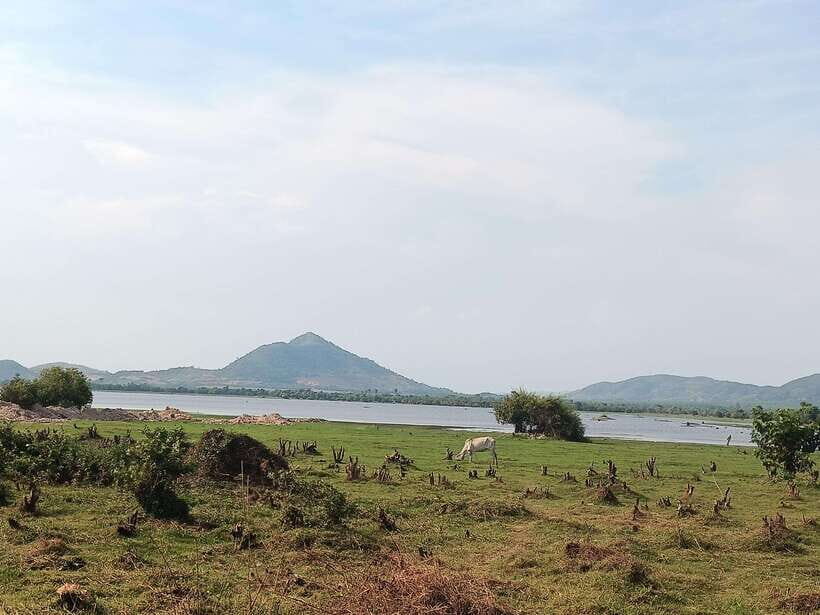
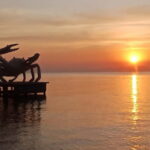
The final phase is Kep, where the tone becomes more relaxed. You’ll have time at the crab market area, with the chance to test seafood or eat lunch there. One important note: the tour doesn’t list food as included, so budget for what you choose to buy. The tour does include water and fresh coconut, but meals in the market are still on you.
You’ll also have time to swim or relax on the beach before heading back to Kampot. This is a welcome reset after stairs, salt, and farm walking. It’s the part of the day that helps you feel like you got both countryside culture and real coastal downtime.
If you want this stop to go smoothly, bring a plan for food timing. Don’t wait until the end of your market time to decide what you want. Once you’re hungry and sun-warmed, choices get harder. Aim to pick seafood or lunch early, then make the beach time unhurried.
Price and value for a private group up to 2 people
The price is listed at $50 per group, up to 2 people, for an eight-hour private tour. On paper, that might sound like a lot if you’re comparing it to a cheap bus day. But with this tour, you’re not just paying for transportation.
You’re paying for a full guiding package that covers:
- guided visits including a salt-production facility
- entry fees
- a pepper tour with peppercorn testing
- guided time at Phnom Chhngok and Brateak Krola Lake
- included bottled water and fresh coconut
And because it’s private, the value is strongest for couples or two friends who want clear explanations instead of sharing a crowded experience. If you’re traveling solo, you still might find it fair if you care about the guided parts and hate scrambling for timing and tickets. If you just want photos with minimal interaction, a cheaper self-guided day might work better.
So my take: if you enjoy guided context—salt, agriculture, temple meaning—this price feels reasonable for what you get. If you’re mainly chasing a beach day and you don’t care about pepper tasting or cave context, it may feel pricier than it should.
Getting picked up in Kampot and making the day feel smooth
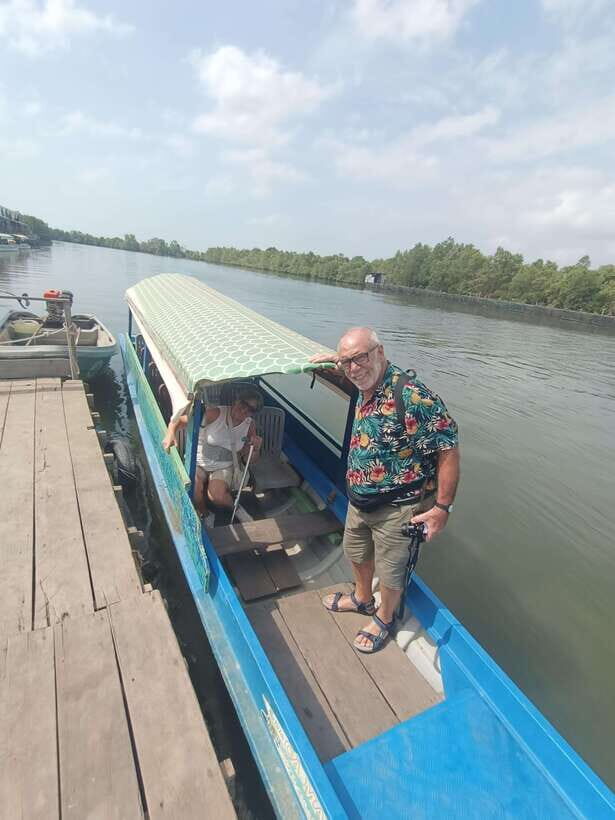
Pickup is included, with the normal meeting point opposite Epic Art Cafe in Krong Kampot. You can also arrange pickup and drop-off directly from your hotel or restaurant, as long as you’re within 3 km of the meeting area.
Expect several tuk tuk legs across the day. The ride segments are scheduled in short blocks—think about 15 to 45 minutes at a time—so you’re not stuck on one long drive for the whole day. Still, plan for heat and dust. Sunglasses and sunscreen aren’t included, so bring them if you have them.
Also, you’ll want cash. The tour notes that cash is needed, and since food at the crab market isn’t included, having money ready keeps you from turning a fun market stop into a stress stop.
Finally, remember the physical reality of the cave. Even if you’re fit, the 203 steps can add up. If you’re managing any mobility limits or you know heat can affect you, take that seriously.
Who this Kampot countryside and Kep tour fits best
This tour suits you if you want more than one theme in a single day: salt production, a cave temple with meaningful architecture, pepper tastings, and a Kep finish with seafood and beach time. It also fits best if you enjoy learning while you walk—having a guide connect the “what” to the “why.”
It’s especially good for:
- couples who want a private, guided route
- food lovers interested in pepper beyond just buying a bag
- travelers who like temples but also want the local agricultural context
It’s not a great fit if you’re looking for an easy stroll day. The cave climb is real, and the tour is also explicitly not suitable for children under 2, pregnant women, people over 80, people with high blood pressure, and people over 200 lbs (91 kg).
Should you book this Kampot countryside and Kep crab market tour?
Book it if you want one guided day that covers agriculture, history, and a coastal payoff. I think it’s good value because the price includes guided entry-based stops, pepper tasting, and even practical extras like water and coconut.
Skip it—or switch to a gentler plan—if stairs and heat aren’t your thing. The 203-step cave temple is the main strain point, and the tour is built around walking and sun exposure.
If you’re the kind of traveler who likes clear explanations and wants to leave with more understanding than photos, this is the kind of day that makes sense.
FAQ
How long is the Kampot countryside tour?
The tour lasts 8 hours.
How much does the tour cost?
It’s $50 per group, up to 2 people.
Is this a private tour?
Yes, it’s a private group tour.
Where do we meet for pickup?
The usual meeting point is opposite Epic Art Cafe in Krong Kampot. Pickup and drop-off from your hotel or restaurant are also possible if it’s within 3 km of the meeting point.
What language is the guide?
The live tour guide speaks English.
What is included in the price?
Entrance fees, a bottle of water, fresh coconut, the pepper tour and pepper tasting, and guided time with the tour guide are included.
Is food included, especially at the crab market in Kep?
Food is not included. At the Kep crab market, you’ll have the option to test seafood or have lunch, but you’ll need to pay for what you choose there.
What should I bring?
Bring cash. Sunglasses and sunscreen are not included, so you may want to pack those too.
How many steps are at Phnom Chhngok cave temple?
Phnom Chhngok has 203 steps to reach the entrance.
What is the cancellation policy?
You can cancel up to 24 hours in advance for a full refund.