REVIEW · SIEM REAP
Phnom Kulen Park: Tour with Elephant Forest from Siem Reap
Book on GetYourGuide →Operated by ASEAN ANGKOR GUIDE · Bookable on GetYourGuide
Elephants and ancient temples in one long day. The Phnom Kulen side of Siem Reap feels different from the usual Angkor routes, with rural village stops plus the park’s big spiritual sights. I especially love the River of Thousand Lingas stop and the elephant forest session that brings you close while still keeping the focus on respectful animal care.
The main trade-off is simple: this is a 10-hour day with real walking, so plan for mud, heat, and possibly rain.
In This Review
- Key points worth your time
- A Day That Mixes Phnom Kulen’s Spiritual Sites and Elephant Forest
- Siem Reap Pickup and the Rural Road to Phnom Kulen
- Phum Preah Dak: Palm Cake and Palm Sugar Without the Tourist Script
- Phnom Kulen Main Sights: Waterfalls, Reclining Buddha, and Thousand Lingas
- The park’s top waterfall and the Angkor connection
- The largest reclining Buddha statue in Cambodia
- Cliffs, viewpoints, and the River of Thousand Lingas
- Picnic Lunch by a Waterfall: What You Actually Need for the Afternoon
- Elephant Forest From 13:00: Walking With Elephants in Their Habitat
- What to expect during your walk
- Small Group, Strong Guides, and Driver Comfort
- Price and Value: Is $230 Worth It From Siem Reap?
- What to Bring (and What Can Get You Stuck)
- Who This Tour Fits Best
- Should You Book This Phnom Kulen and Elephant Forest Tour?
- FAQ
- What time is hotel pickup for the Phnom Kulen Park and elephant forest tour?
- How long is the full tour?
- What languages are available for the guides?
- Is there a vegetarian option for the picnic lunch?
- What is included in the price?
- What should I bring for the day?
- Are baby strollers allowed?
Key points worth your time
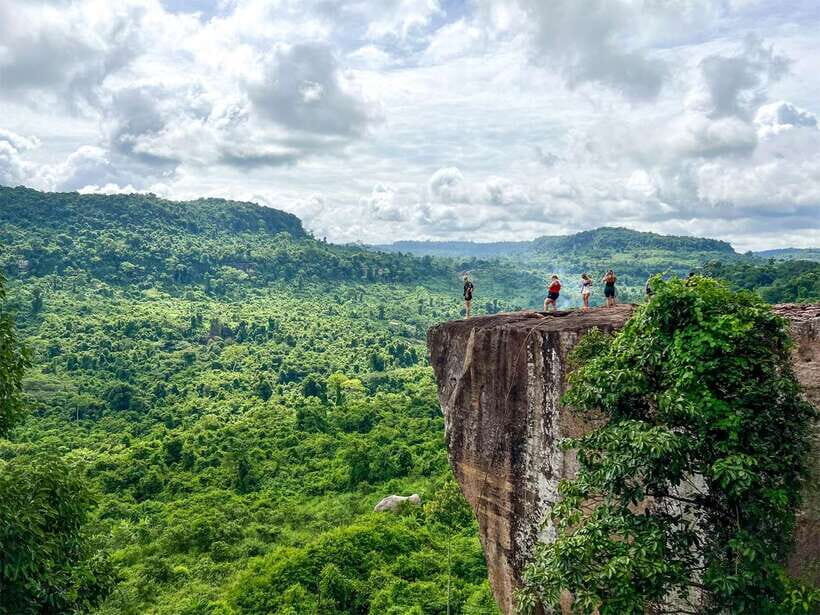
- Phnom Kulen’s River of Thousand Lingas (built in 802 AD): a standout spiritual site with real age behind it
- A major reclining Buddha statue: the largest 16th-century reclining Buddha statue in Cambodia
- Big waterfall time, plus a practical picnic: you get a grill lunch near the water
- Elephant forest afternoon (from 13:00): walking with elephants and an intro briefing in their habitat
- Small group size (max 6): you’ll move through the park with space to hear your guide and ask questions
A Day That Mixes Phnom Kulen’s Spiritual Sites and Elephant Forest
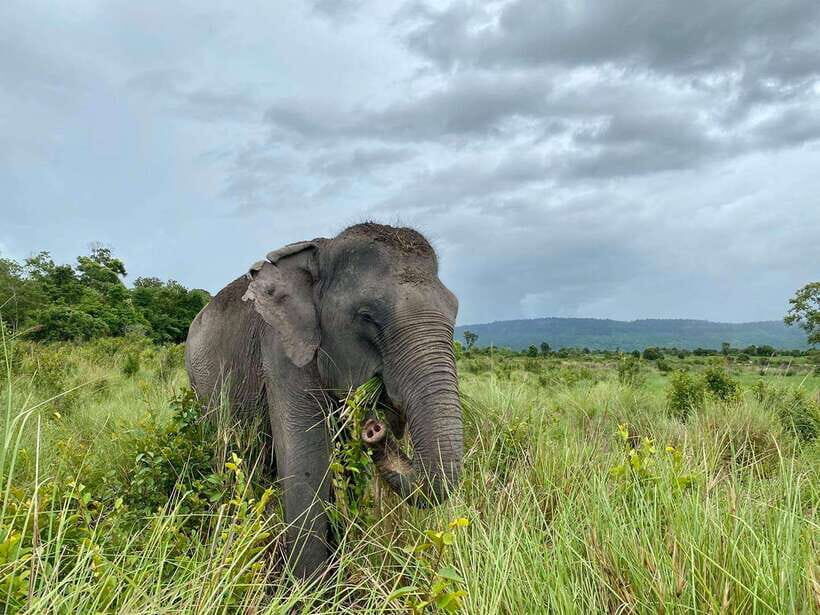
This tour works because it doesn’t treat Phnom Kulen like a quick photo stop. You spend the morning in and around the national park’s key monuments and viewpoints, then you shift gears in the afternoon to the elephant forest experience. It’s a rare combination: Khmer Empire-era sacred places in the morning, and living animals in a natural setting after lunch.
The timing also makes sense. Morning is for the main park sights and the big religious landmarks. Afternoon is for meeting the elephants when the program starts at 13:00, after your picnic. You’re not rushing between “must sees” all day without a break—you’re given a rhythm.
You can also read our reviews of more tours and experiences in Siem Reap.
Siem Reap Pickup and the Rural Road to Phnom Kulen
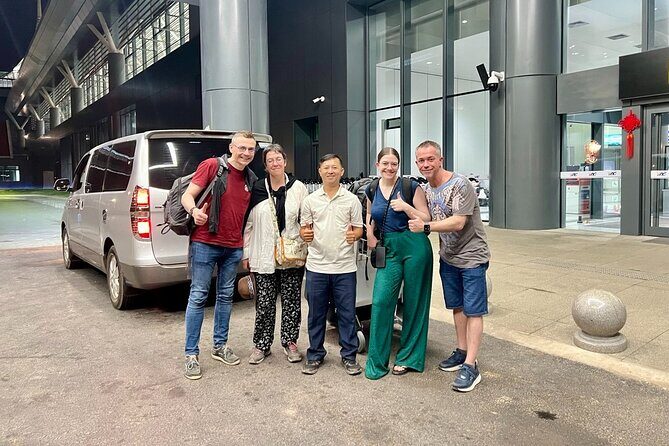
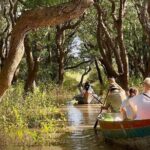
You’ll be picked up from your hotel at 7:30 AM, riding out of Siem Reap Province on an air-conditioned car or minivan. This drive isn’t just transit. You pass through Cambodian villages where daily life is visible—rice paddies, traditional homes, and small roadside details that you usually miss when you only hop between temples.
The rural vibe is part of the value here. Phnom Kulen is not the same experience as staying inside the Angkor ticket circuit all day. You get a clearer sense of how people live beyond the iconic stone ruins. It makes the spiritual stops feel grounded rather than abstract.
As for the group size, you’re capped at six participants, and that matters. In a small group, your guide can keep the pace comfortable and still answer questions. You also spend less time waiting at stops.
Phum Preah Dak: Palm Cake and Palm Sugar Without the Tourist Script
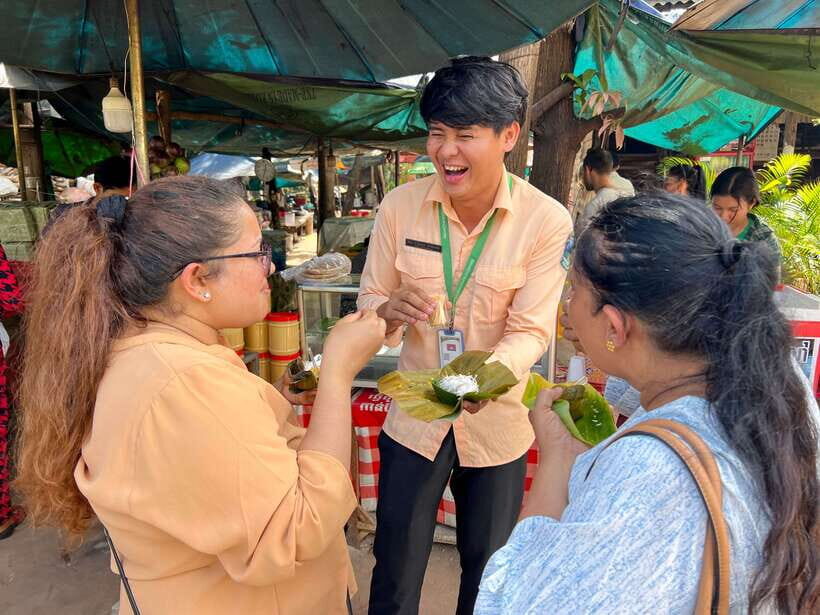
One of my favorite parts of this day is the stop at Phum Preah Dak, described as an authentic village where local people make palm cake and palm sugar. This isn’t just watching from the roadside. The point is learning the process and connecting it to everyday food and materials.
Palm sugar and palm cake are easy to recognize on a menu, but you’ll understand more once you’ve seen how it’s made and how it fits local routines. Even if you don’t become a DIY palm-sugar expert by the end of the morning, you’ll at least leave with a better mental map of what you’re eating and why it matters locally.
Phnom Kulen Main Sights: Waterfalls, Reclining Buddha, and Thousand Lingas
After the village stop, the tour continues toward the hilltop area of Phnom Kulen National Park. This is where the day starts feeling like a true “Khmer sacred mountain” route: cliffs, stone religious works, and the big centerpiece spiritual geography.
The park’s top waterfall and the Angkor connection
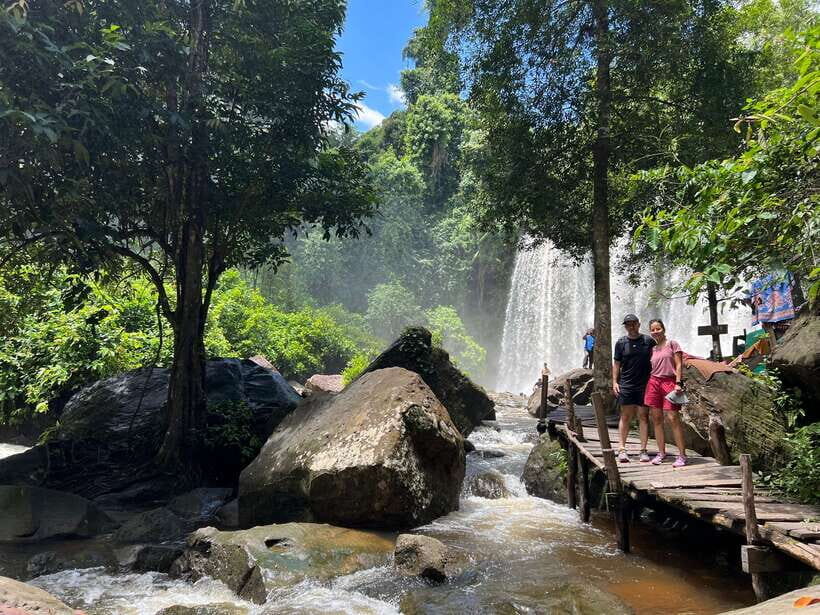
The highlights emphasize the biggest waterfall at Angkor. Even if you’re not comparing it to waterfalls across all of Cambodia in your head, it’s still a key payoff. Waterfalls change the feel of a site immediately. Sound carries, temperatures drop near mist, and everything looks more alive than it does in dry viewpoints.
Practical note: waterfalls also mean slippery ground and wet surfaces. Wear shoes you don’t mind getting dirty. If rain comes through, expect that the park can become slick.
The largest reclining Buddha statue in Cambodia
Next up is the largest 16th-century reclining Buddha statue in Cambodia. This is the kind of monument that rewards you for slowing down. Reclining Buddhas aren’t just big statues—they’re built into local devotional culture, so they feel different from a plain viewpoint monument.
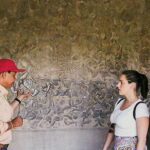
Your guide’s job here is to connect the icon to local meaning and the story of the site. In earlier groups, guides such as Jan or Sean have been praised for giving explanations you can actually use when you’re standing in front of the carving.
Cliffs, viewpoints, and the River of Thousand Lingas
The biggest “wow” marker in the itinerary is the River of 1000 Shiva Linga, built in 802 AD. It’s not just the number that makes this stop powerful. You’re seeing a large-scale sacred river feature that ties religion, ritual, and construction over many centuries into one place.
If you’ve only seen stone works like this in museums or far-away ruins, this is a more immediate experience. You’re in the environment where the symbolism is meant to function. You also get a sense for why the Khmer rulers and religious communities invested in this mountain landscape long ago.
Your guide will point you toward the details that matter most—where to look, what the river elements represent, and how the site fits together as a whole. With small groups, you can usually ask follow-up questions instead of just taking the quick explanation and moving on.
Picnic Lunch by a Waterfall: What You Actually Need for the Afternoon
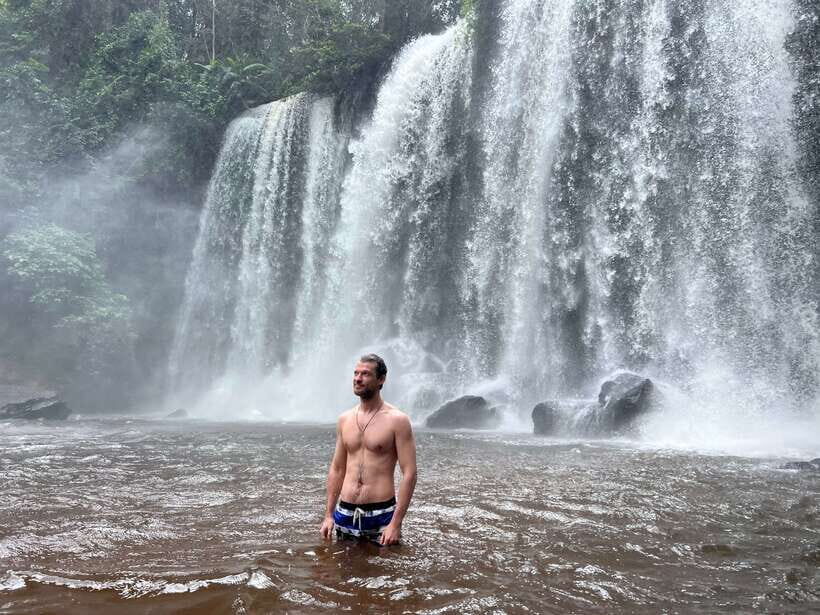
Once you’ve walked through the main park circuit, you stop for picnic lunch at a nearby waterfall. The setup is practical: grill chicken is included, along with a can of local beer or a soft drink option like coke or sprite.
The tour also includes things that help you keep going: seasonal fruits and soft drinks are part of the day, and you’re provided bottled water and towels. For a long outdoor schedule, those extras matter more than you might think.
Vegetarian travelers do have an option, but you’ll need to let the operator know in advance. If you wait until the day-of, you might find yourself stuck with what’s available on-site. It’s one of the few places where planning ahead really pays off.
One more real-world note: if the morning brings rain, the picnic can still be a bright spot because it breaks the walking. A warm meal and a chance to dry off your gear makes the afternoon elephant session feel less like another endurance event.
Elephant Forest From 13:00: Walking With Elephants in Their Habitat
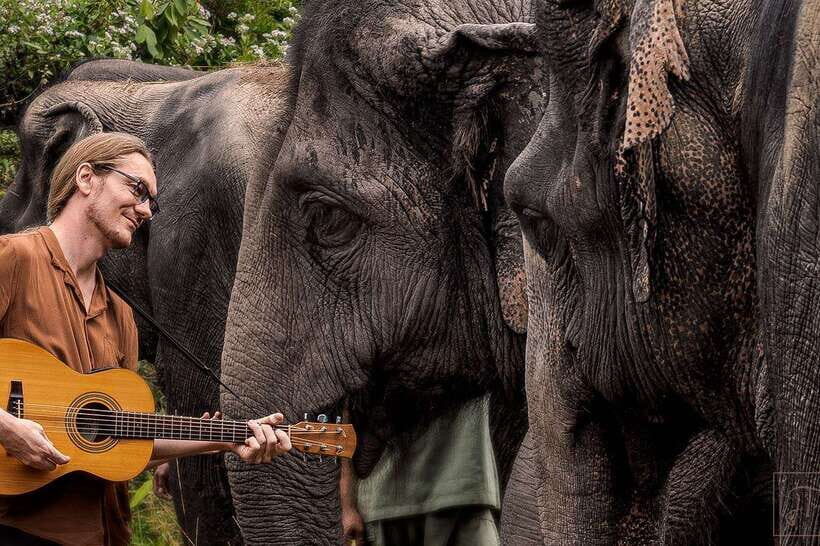
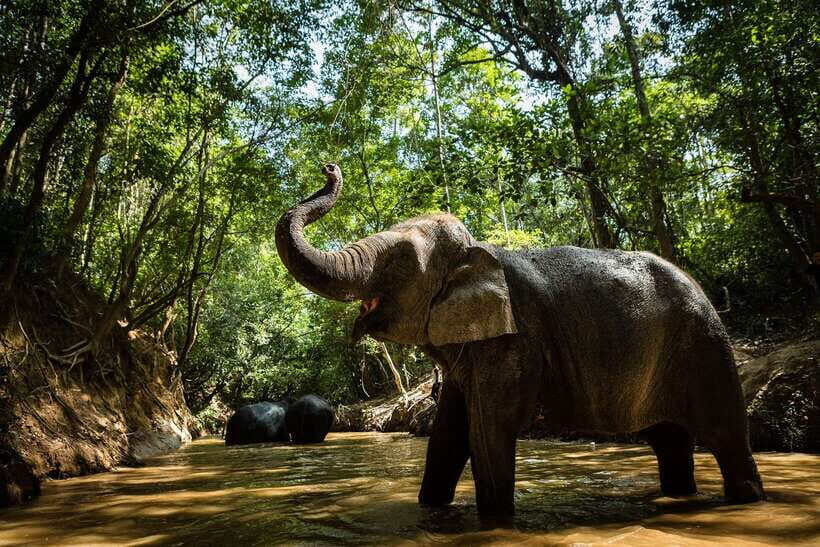
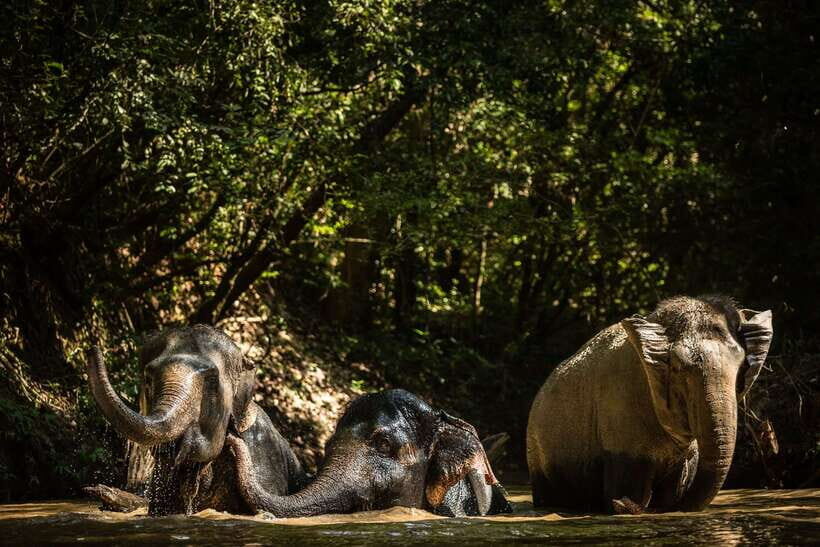
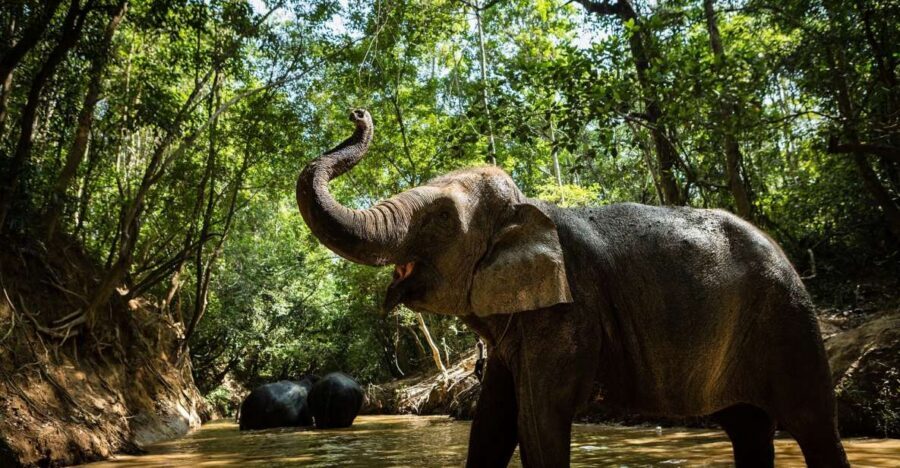
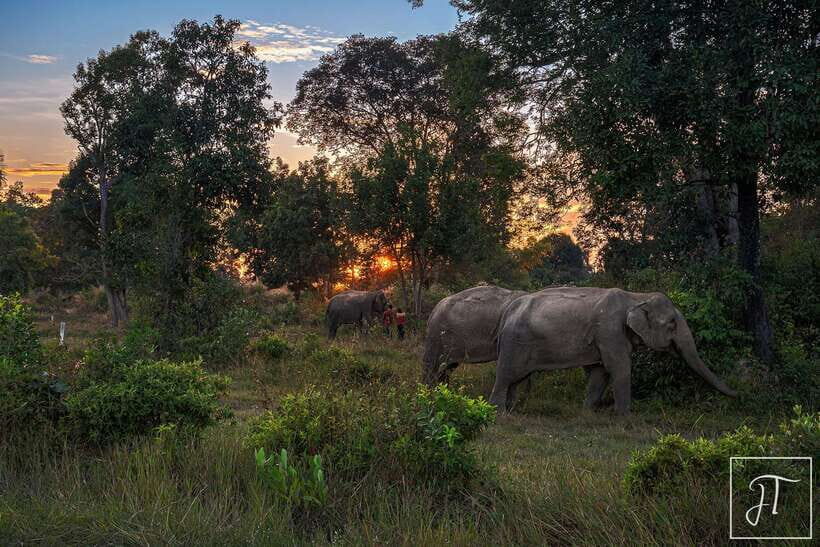
The afternoon program starts at 13:00, and it’s the moment many people remember most clearly. This isn’t a distant viewing experience. You go close to the elephants, watch them in their natural habitat, and participate in a walking with elephants activity.
The tour includes an elephant tour guide plus an introductory briefing. That briefing is important because it changes how you move around the animals. You learn how to behave in the moment, how to read elephant reactions, and what your role is during the walk.
In the feedback you provided, the elephant experience is repeatedly described as emotional and memorable—people highlight being able to feed and wash elephants, and they also mention ethical treatment. The overall takeaway is that this sanctuary-style experience is designed around animal welfare, not entertainment.
If you care about doing this responsibly, this is one reason the tour earns high marks. You’re not just taking in a spectacle; you’re spending time in a setting meant to support the elephants’ well-being, and that support is part of the story.
What to expect during your walk
You can expect:
- getting a briefing before contact time
- moving at a walking pace with the elephants
- spending time close enough to observe how they interact with their surroundings
It’s also a good idea to keep your expectations practical. This is outdoors, and you might be in wetter ground depending on the day. Bring gear you don’t mind getting scuffed or damp.
Small Group, Strong Guides, and Driver Comfort
The day runs smoothly because it’s built for a small headcount. With a max of 6 participants, you’re more likely to feel included rather than processed. You also get to hear explanations without competing with background noise and crowds.
English support is included, and you’ll have both:
- a professional English-speaking tour guide for the Khmer and cultural sections
- an elephant tour guide for the sanctuary session
Your driving also matters on a day like this. In one set of experiences, Theara was specifically praised for making the car time pleasant. That’s not a small detail. Long drives can drain a day quickly, so having a driver who knows the route and keeps things comfortable changes how you feel when you reach the hilltop.
Price and Value: Is $230 Worth It From Siem Reap?
At $230 per person for a 10-hour small-group tour, this isn’t the budget end of Cambodia tours. But it does bundle several cost centers that add up quickly on your own: park admissions, a hotel pickup/drop-off, an air-conditioned vehicle, two guiding setups (regular guide plus elephant guide), and a picnic lunch with drinks plus fruit and bottled water.
Here’s how I think about value:
- If you want Phnom Kulen beyond the basic “temples only” style, the morning circuit and the specialized stops (like 802 AD Thousand Lingas) give you a richer day.
- If you also want an elephant encounter that includes walking and proper briefing, the afternoon isn’t just a short visit. It’s a full session at 13:00.
- The small group size makes the whole experience feel more personal, which is hard to recreate with a larger bus tour.
So yes, it costs money. But for a one-day pairing that’s hard to duplicate independently (especially the elephant portion), it tends to be a strong use of limited time in Siem Reap.
And if you prefer flexibility, the booking options listed include free cancellation up to 24 hours in advance and a reserve now, pay later option.
What to Bring (and What Can Get You Stuck)
The tour provides essentials like bottled water and towels, but you still need to come prepared.
Bring:
- sports shoes (you’ll want grip and comfort)
- sunglasses
- hat
- sunscreen
- insect repellent
- a towel
Also plan for dirty clothes. Your itinerary includes outdoor walking near waterfalls and in forested areas. That means your clothes can get damp or muddy even in decent weather.
Not allowed:
- baby strollers
If you’re traveling with a stroller, plan on alternatives for your own comfort and safety. Also consider whether the walking pace is manageable for your group.
Who This Tour Fits Best
This is a great fit if you:
- want Phnom Kulen’s main Khmer sites without doing everything as a DIY scramble
- care about having context from a guide, not just pictures
- want an elephant forest experience that includes hands-on time with a briefing and walking component
- prefer small-group tours with a max of six people
It may feel like a lot if you:
- hate long days or aren’t comfortable with uneven outdoor walking
- need fully step-free access (the itinerary involves natural terrain)
If you’re the type who likes your days to have both meaning and movement, this pairing works well.
Should You Book This Phnom Kulen and Elephant Forest Tour?
If you’re in Siem Reap and you want a day that feels less copy-paste than the standard Angkor-only rotation, this tour is a smart pick. The morning gives you the spiritual power of Phnom Kulen, including the reclining Buddha and the River of Thousand Lingas dated to 802 AD. The afternoon delivers the emotional highlight: an elephant forest session with walking with elephants and an intro briefing.
Book it if you can handle a long day with real walking and bring the right shoes. Skip it if you want a short, comfortable outing with minimal physical effort.
If you do book, prepare for weather, wear grippy shoes, and tell them in advance if you need a vegetarian picnic.
FAQ
What time is hotel pickup for the Phnom Kulen Park and elephant forest tour?
Pickup is at 7:30 AM from your hotel in Siem Reap.
How long is the full tour?
The total duration is 10 hours.
What languages are available for the guides?
The tour is available with an English-speaking guide.
Is there a vegetarian option for the picnic lunch?
Yes. There is a vegetarian option, but you need to let the operator know in advance.
What is included in the price?
The tour includes a professional English-speaking tour guide, an elephant tour guide, hotel pickup and drop-off, bottled water and towels, seasonal fruits and soft drinks, picnic lunch, walking with elephants, admission fees, and an air-conditioned vehicle.
What should I bring for the day?
Bring sunglasses, a towel, and insect repellent. The recommended extras include sports shoes, a hat, sunscreen, mosquito spray, and an outfit that can get dirty.
Are baby strollers allowed?
No, baby strollers are not allowed on this tour.