REVIEW · SIEM REAP
Kulen Waterfall and Banteay Srei Off Beaten Track
Book on Viator →Operated by ANGKOR CAB-OFF BEATEN TRUCK · Bookable on Viator
Sacred river, steep steps, and calm temples. This day trip pushes past the usual Angkor loop to Phnom Kulen and Banteay Srei, with Kbal Spean’s River of a Thousand Lingas and a waterfall scenery stop. I like that the plan starts early so you’re walking the sacred spots before the bigger crowds lock in.
My second favorite thing is the guiding. Panha (yes, that Panha) makes the history feel readable, with clear explanations and strong English, plus the kind of steady attention that keeps the day running smoothly.
One thing to factor in: you’ll pay extra for entrance fees and you need moderate physical fitness for some walking and steps in the park. Budget a little extra so you don’t feel surprised when you arrive.
In This Review
- Quick hits for this Kulen and Banteay Srei day
- Phnom Kulen first: an 8:00am strategy that actually matters
- Phnom Kulen National Park: Jayavarman II and the linga cult story
- Kbal Spean: the River of a Thousand Lingas and the waterfall moment
- A note on the sacred water
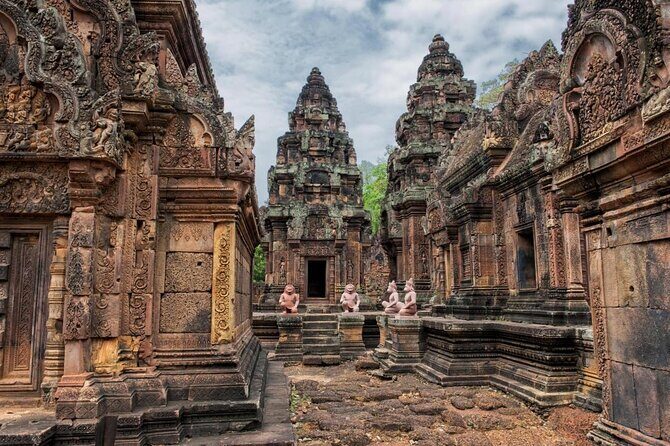
- Banteay Srei: ornate red sandstone in a quieter Angkor era
- Why you’ll likely love the color and carvings
- The private tour factor: small group time with Panha
- Price and value: $159 per group, plus what you must budget
- What the full day feels like: pace, walking, and timing reality
- Who should book this Kulen and Banteay Srei off-the-beaten-track day
- Should you book this tour?
- FAQ
- What time does the tour start?
- How long is the tour?
- Is this tour private?
- What’s included in the price?
- Are entrance fees included?
- Where does the tour end?
- Is there a cancellation window for a full refund?
Quick hits for this Kulen and Banteay Srei day
- Early start timing to help you avoid the busiest crowd waves
- Phnom Kulen symbolism tied to King Jayavarman II (independence in 802 CE and the Devaraja linga cult in 804 CE)
- Kbal Spean’s River of a Thousand Lingas plus a waterfall visit in the same day
- Banteay Srei’s 10th-century red sandstone carvings, consecrated 22 April 967 CE
- Panha’s storytelling that focuses on meanings behind the carvings, symbols, and holy sites
- Private group comfort with driver/guide plus bottled water included
Phnom Kulen first: an 8:00am strategy that actually matters
This tour is built around timing. You meet at Prince Angkor Hotel & Spa at 8:00am, and then you head to Phnom Kulen first. That early start isn’t just a neat schedule trick; it’s a quality-of-experience move. When you’re walking sacred ground, fewer people means you can pause, look up at details, and actually feel what the place is doing.
You’ll also get the advantage of travel through real life around Siem Reap. The drive is about an hour and a half and passes through many local villages. It’s one of those moments where you stop thinking of Cambodia as a postcard and start seeing it as a living place with roads, homes, and small daily rhythms.
You can also read our reviews of more tours and experiences in Siem Reap.
Phnom Kulen National Park: Jayavarman II and the linga cult story
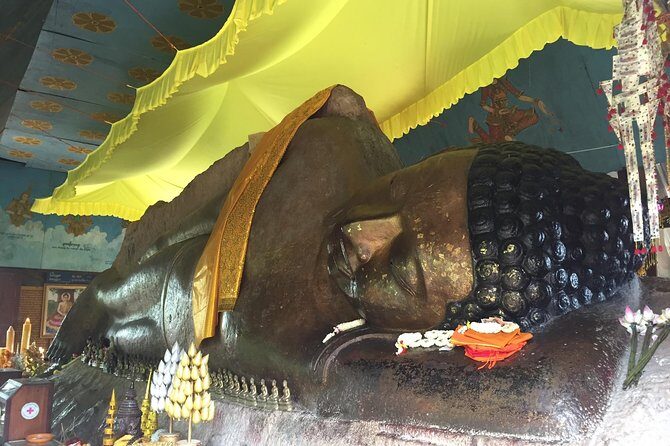
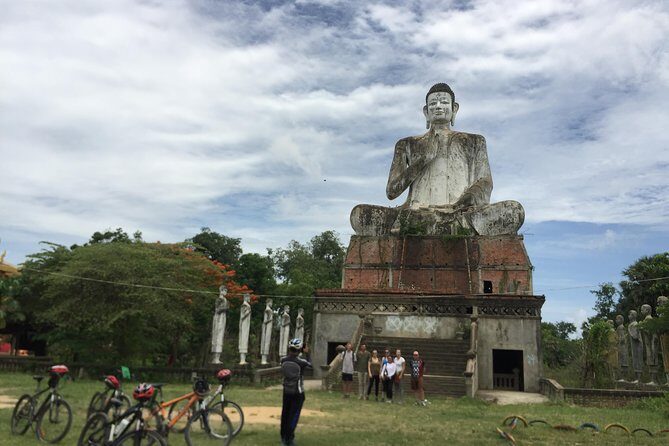
Phnom Kulen is one of those sites where geography and power history meet. This is the area that’s tied to the Khmer Empire’s rise, and the story centers on King Jayavarman II.
In 802 CE, Jayavarman II is described as proclaiming independence from Java. Then, around 804 CE, he’s linked with starting the Devaraja cult of the king, which includes a linga cult (a linga-based religious tradition connected to royal authority). Even if you’re not a history nerd, it helps to understand what the site represents: this wasn’t only a hill to visit. It was a political-and-religious statement in stone, water, and ritual space.
From a practical perspective, this part of the day also sets the tone physically. You’re heading into a national-park environment, with walking and steps. The tour notes moderate physical fitness, so plan to dress for uneven paths and occasional climbs. You don’t need to be an athlete, but comfy shoes are non-negotiable.
Kbal Spean: the River of a Thousand Lingas and the waterfall moment
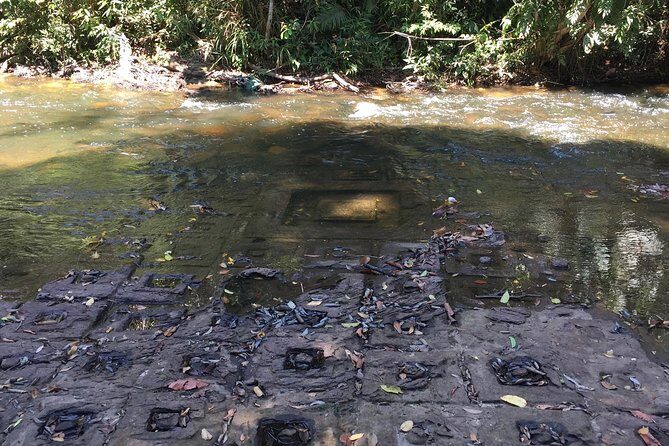
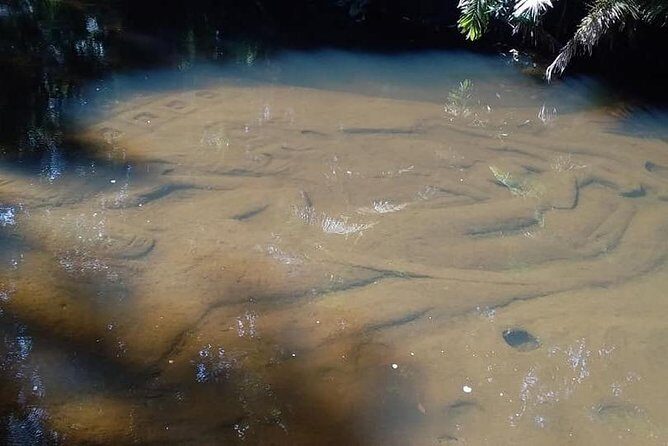
Kbal Spean is where this day gets cinematic. You’ll see the River of a Thousand Lingas, a carved riverbed concept that’s tied to Hindu symbolism. The idea is simple to grasp and powerful to see: the river isn’t just water running through the jungle. It’s connected to meaning, and the carvings turn the whole setting into a kind of spiritual map.
This is also where Panha’s explanations pay off. Several guide-focused highlights in the feedback point to how he explains the meanings of symbols tied to the holy river and the waterfall. That’s huge for places like this—without context, you can miss what you’re actually looking at.
And then there’s the waterfall. The tour includes a waterfall stop after the Kbal Spean focus. Waterfalls are always nice, but here the value is that you get contrast: sacred stone carvings in the river setting, followed by the physical spray-and-forest vibe of a waterfall environment.
A note on the sacred water
One review mentions a bath in the sacred water, which suggests you may have opportunities for a brief wash or dip depending on how the visit is operating that day. I wouldn’t plan your whole day around it, but it’s worth asking your guide what’s possible once you’re there.
Banteay Srei: ornate red sandstone in a quieter Angkor era
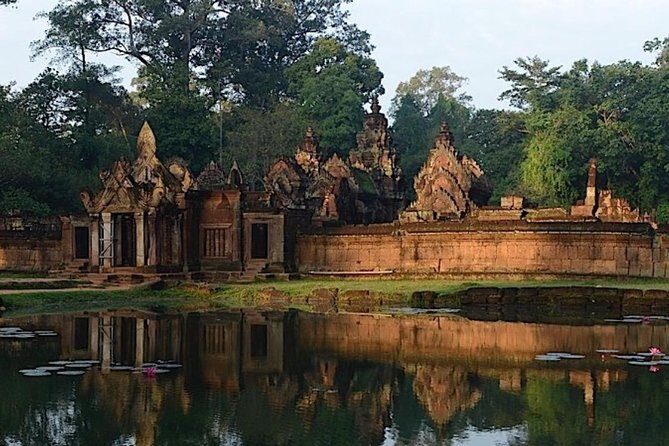
After Phnom Kulen, the day shifts to Banteay Srei. If you’ve spent time around the main Angkor temples, you may notice Banteay Srei feels different. It’s smaller, more delicate, and famous for fine carving work rather than sheer mass.
This temple is often described as the most outstanding temple visit of its type in the region, and the details back that up. Banteay Srei is a 10th-century sandstone temple. It was consecrated on 22 April 967 A.D.—and it’s credited to courtiers rather than a king. The names you’ll hear include Vishnukumara and Yajnavaraha (Yajñavarāha), connected to counselor figures tied to King Rajendravarman II.
There’s also a human angle to the story. One thread in the temple’s foundation material credits Yajnavaraha with being a scholar and philanthropist who helped people suffering from illness, injustice, or poverty. I find that kind of detail makes the carvings feel less like museum objects and more like the work of real people with real values.
Why you’ll likely love the color and carvings
One of the strongest impressions from the trip feedback is the look of Banteay Srei’s “rich red stone.” The carvings have a crispness that feels special when the lighting is right. If you’re traveling in Cambodia during bright sun hours, this is one temple where you’ll want to keep stopping—because the temple rewards attention to the small stuff, not just the big silhouette.
Also, at least one review described butterflies and jungle plants making the climb feel like a nature walk as well. That doesn’t mean you’ll see the same exact wildlife, but it does match the reality that you’re not in an empty, sterile ruin. You’re in a living environment.
The private tour factor: small group time with Panha
This is a private tour. The pricing lists up to 7 in a group, while the tour description also notes private groups suitable for up to six people. Either way, the point is the same: you won’t be herded into a giant bus rhythm.
That matters on a day like this because it’s not only sightseeing. It’s also pacing. You’ll want time for photos, time to ask questions, and time to slow down when your guide points out something specific in a carving or in the riverbed layout.
Driver and guide are included, and bottle water is included too, which is a small detail that feels big once you’re in the sun. Reviews consistently highlight how Panha handled the day: pleasant, flexible, and genuinely committed to explanations. His English is described as excellent, and his approach comes across as more than just logistics. It’s narration plus context.
And there’s a comfort element. One review calls out that the car is comfortable, which you’ll appreciate because the day is long enough that you’ll want your transit to be an asset, not an ordeal.
Price and value: $159 per group, plus what you must budget
The price is $159 per group (with the group-size note up to seven). For that you get private transport, a driver/guide, and bottled water. That’s the core value: you’re paying for a guided day that strings together Phnom Kulen, Kbal Spean, and Banteay Srei in one logical route.
What’s not included:
- Entrance fees
- Lunch
- Everything else not specifically listed
So the smart way to think about value is this: the $159 covers the experience engine (guide + vehicle + water), and you just need to plan for site admissions and food. If you hate paying extras, you might find the add-on costs annoying. If you’re okay budgeting for park temples, then the price becomes more reasonable because you’re getting a full-day private outing rather than a quick stop.
Also, this is not a “grab a ticket and go” day. You’re visiting places where context changes what you notice, especially Kbal Spean’s carved riverbed symbolism and Banteay Srei’s origin stories.
What the full day feels like: pace, walking, and timing reality
Total duration is about 8 hours. That’s a solid full-day commitment, and you should expect a rhythm of:
- Drive + arrival at Phnom Kulen
- Time on-site with a few climbs and steps
- Transfer toward Kbal Spean and the waterfall setting
- Shift to Banteay Srei for detailed temple viewing
You’re also starting at 8:00am, so plan an early morning routine. If you like late starts, this one will feel different. But if you like quieter ruins and more breathable walking conditions, the early start is a trade that usually pays off.
Hydration is covered by the included bottle water, but you’ll still want to bring your own personal basics: sunscreen, hat, and good walking shoes. The tour mentions moderate fitness, which I translate to: you’ll walk and you’ll climb some steps, but you’ll also have breaks built into the site stops.
Who should book this Kulen and Banteay Srei off-the-beaten-track day
This tour is a strong fit if you:
- Want an Angkor-era day that’s not only Angkor Wat and Angkor Thom
- Like temple visits with symbol explanations, not just photo ops
- Prefer a private guide who can adjust the flow and answer questions
- Enjoy nature in the mix—especially with Kbal Spean’s river setting and waterfall
It may not be the best choice if you:
- Need a very flat, low-walking day
- Want a short half-day because this is planned as a full 8-hour outing
- Don’t want to pay additional costs for entrances and lunch
Should you book this tour?
If you’re the type of traveler who likes getting the meaning behind what you see, I think this is worth booking. The standout reasons are the combination of sites—Phnom Kulen for Khmer-era symbolism, Kbal Spean for the River of a Thousand Lingas and waterfall setting, and Banteay Srei for ornate carved red sandstone—and the human factor of having Panha guide with clear English and symbol-focused explanations.
Just go in with two expectations set:
1) Your day will include walking and steps in a national-park environment. Wear proper shoes.
2) The base price doesn’t cover entrances and lunch, so budget for those extras.
If that fits your style, you’ll likely come away with more than a list of temples. You’ll have a storyline you can actually remember.
FAQ
What time does the tour start?
It starts at 8:00am. You meet at Prince Angkor Hotel & Spa in Siem Reap.
How long is the tour?
The duration is approximately 8 hours.
Is this tour private?
Yes. It’s a private tour/activity, with only your group participating.
What’s included in the price?
The tour includes a private driver/guide and bottle water. A mobile ticket is mentioned, too.
Are entrance fees included?
No. Entrance fees are not included, along with lunch.
Where does the tour end?
It ends back at the meeting point (Prince Angkor Hotel & Spa area).
Is there a cancellation window for a full refund?
Free cancellation is available up to 24 hours in advance for a full refund. Canceling less than 24 hours before the start time won’t be refunded.