REVIEW · KAMPOT
Kampot Pepper Farm, Salt Fields, Crab Market from Phnom Penh
Book on GetYourGuide →Operated by Simon Cambodia Trip · Bookable on GetYourGuide
Kampot smells like pepper and salt. This one-day route strings together very different Kampot-area experiences: colonial streets in town, working salt ponds, a dramatic limestone cave (Phnom Chhngok), and then the pepper that made Kampot famous, plus fresh seafood at the Kep Beach Crab Market.
I love the hands-on feel of the salt fields and how clearly you’ll see the traditional harvesting process at work. I also like that the La Plantation stop is more than a quick photo stop, with an English or French guide on-site. One consideration: there’s a moderate amount of walking, so it’s not suitable for wheelchair users or people with back problems.
In This Review
- Key Things to Know Before You Go
- Phnom Penh to Kampot: 150 km, an 11-hour day, and what the schedule buys you
- Kampot Town: colonial architecture, river views, and the right kind of walking
- Salt Fields and Phnom Chhngok Cave: seeing a working industry and a limestone story
- La Plantation Organic Pepper Farm: Kampot pepper, explained step by step
- Kep Beach Crab Market lunch stop: fresh seafood, and how to budget it
- Transport, comfort, and guide quality you can actually count on
- Who this trip suits best
- Price and value: what you’re paying for and what you’ll want to add
- Should you book this tour?
Key Things to Know Before You Go
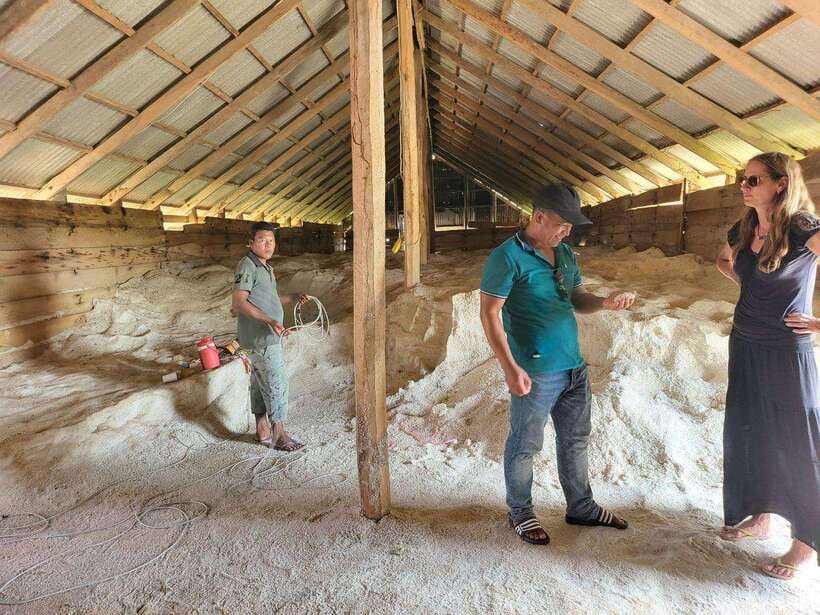
- Salt fields you can see in action: watch how seawater turns into harvestable salt in shallow ponds.
- Phnom Chhngok Cave is the natural break: limestone formations add a cool, scenic contrast to the salt flat heat.
- La Plantation turns pepper into a story: you’ll learn how organic Kampot pepper is grown and produced.
- Kep Beach Crab Market is built for lunch: plan to pay for your meal there since meals aren’t listed as included.
- Good guides make it better: past guests singled out friendly, organized guides like Mr. Vann and Simon.
Phnom Penh to Kampot: 150 km, an 11-hour day, and what the schedule buys you
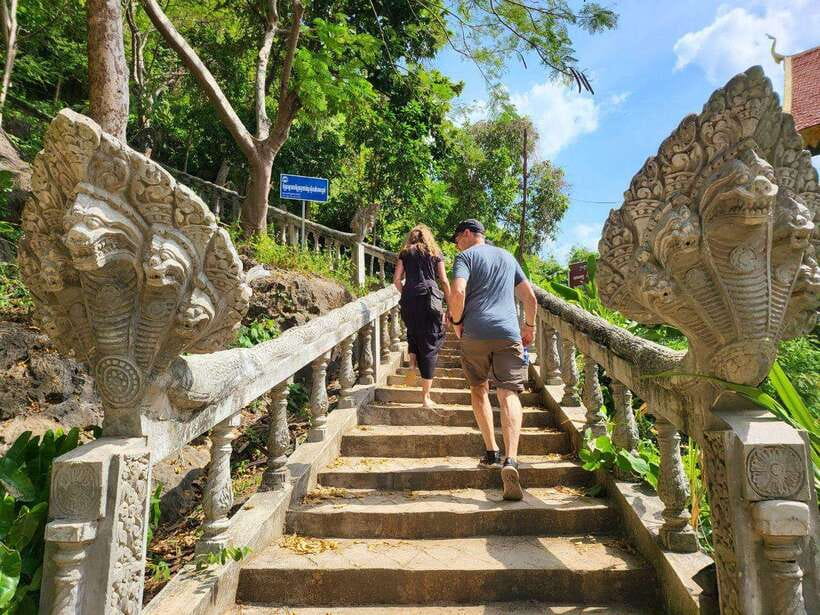
This trip is built as a full, single-day sweep: you leave Phnom Penh, spend quality time in the Kampot/Kep area, then return to Phnom Penh the same day. The drive covers about 150 kilometers and usually takes 2.5 to 4 hours each way, depending on traffic and how things line up that day. The total duration is 11 hours, which matters because you’re not just “passing through” Kampot. You get time for the town feel, the salt farming, and both the cave and pepper farm.
I like that the day is paced around specific themes. The morning tends to focus on the salt and cave side of Kampot’s geography, while the later part shifts to pepper and then food in Kep. That structure helps if you’re trying to pack a lot into Cambodia without feeling rushed every five minutes.
Value-wise, the biggest part you’re paying for is the convenience: hotel pickup and drop-off in Phnom Penh, air-conditioned transport, an English-speaking driver, and entrance fees and water. If you tried to assemble this on your own, you’d spend time figuring out transport between spots that aren’t exactly next door.
You can also read our reviews of more tours and experiences in Kampot.
Kampot Town: colonial architecture, river views, and the right kind of walking
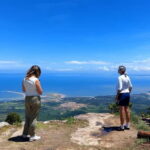
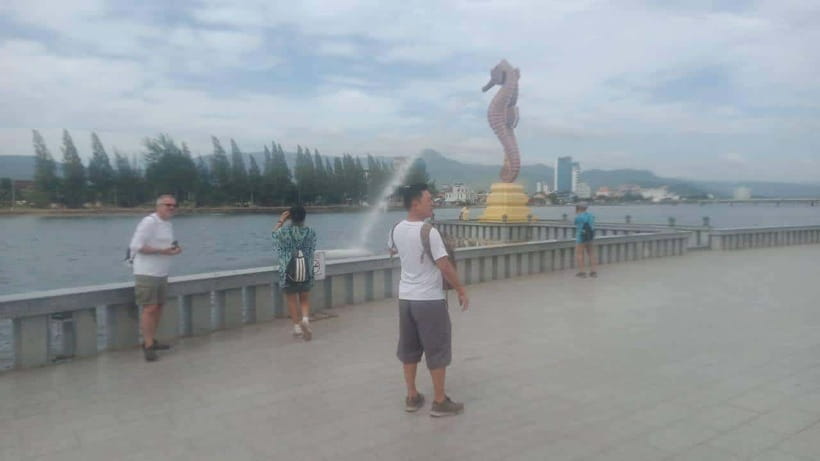
Kampot town is known for its well-preserved colonial architecture, and this tour gives you a chance to actually experience it instead of just looking at it from a bus window. Expect French colonial-style buildings mixed with traditional wooden houses and active local markets. Even if you only walk a short stretch, the town’s river setting helps you get your bearings fast—Kampot sits along the Kampot River, with mountains rising nearby.
Why this stop is worth your time: it makes the rest of the day make sense. When you see colonial-era streets and then later learn about local industries like pepper and salt, the whole region feels tied together—people, trade, and landscape all in the same place.
The trade-off is energy. You’ll want comfortable shoes. The overall walking for the day is described as moderate, and the town stop is part of that total. If you’re someone who hates walking in the heat, it’s still manageable, but you’ll feel the sun.
Salt Fields and Phnom Chhngok Cave: seeing a working industry and a limestone story
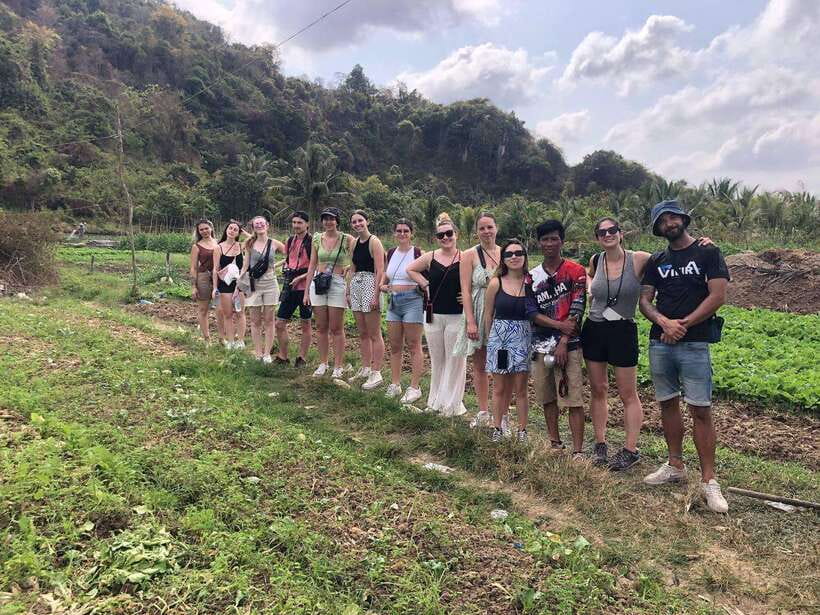
The Kampot salt fields are one of the main reasons to choose this tour. Salt harvesting here is traditional and methodical: seawater is handled carefully and moved into shallow ponds, where evaporation helps the salt reach harvest stage. You’re not just hearing about it; you’re getting a guided look at how local salt farmers work the ponds.
I like this type of stop because it teaches you by sight. Once you see the shallow ponds and understand how evaporation does the heavy lifting, “salt harvesting” stops being a vague concept and becomes a real process. It’s also a good break from Cambodia’s more temple-focused itineraries.
Then comes Phnom Chhngok Cave, located very close to the salt fields. The cave is known for limestone formations, so you’ll get a different texture and temperature than the sun-baked salt area. It’s also described as having historical importance, which adds another layer beyond just photos.
Practical note: bring a hat and sunscreen. Even if the cave helps with shade, the salt field area is exposed. And since the tour gives you water but doesn’t position extra snacks as included, plan to pace yourself.
La Plantation Organic Pepper Farm: Kampot pepper, explained step by step
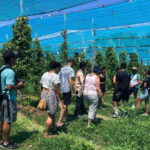
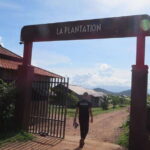
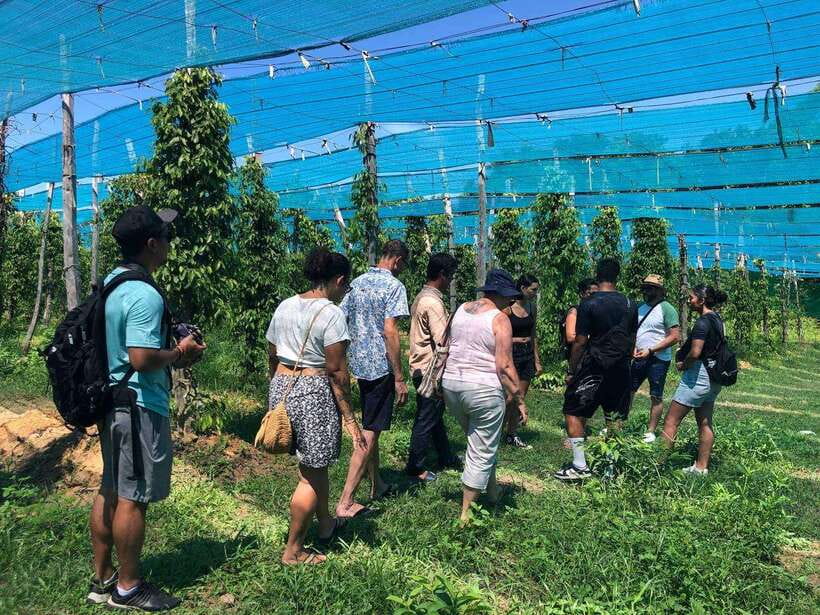
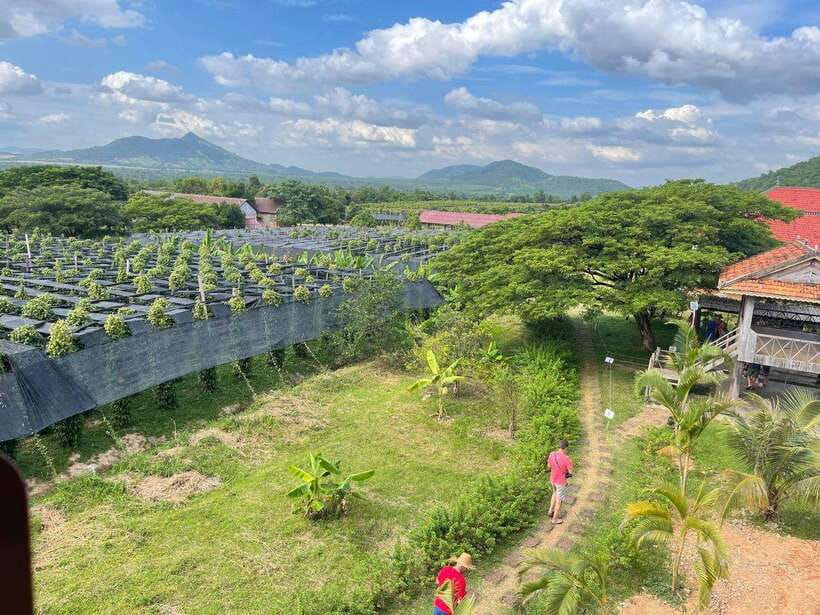
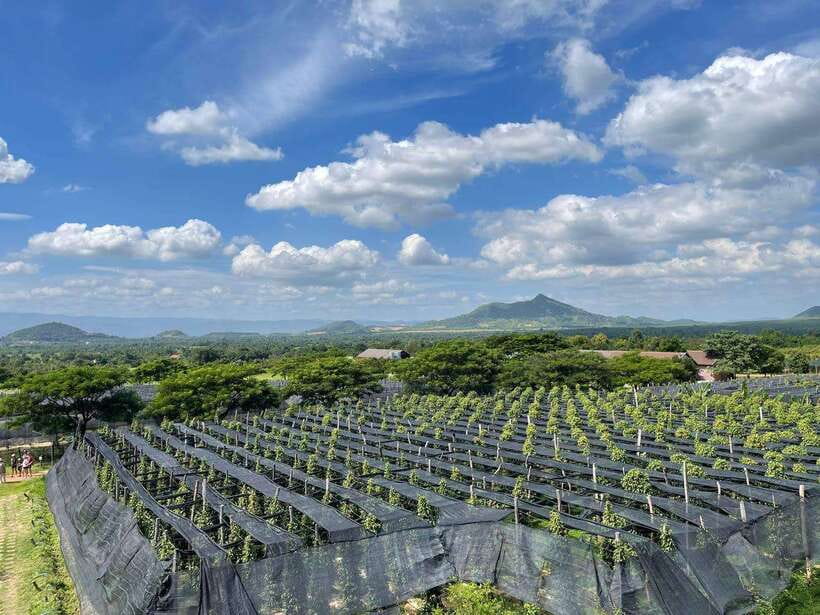
If you’ve ever seen Kampot pepper in shops, this stop is how you connect the spice on your plate to the growing and processing behind it. La Plantation is an organic pepper farm, and it’s also where the tour includes an English or French guide (this is the one place the guide language is explicitly called out as English or French).
What makes this stop standout-worthy is the level of attention you’ll likely get. Multiple past guests highlighted pepper farming as the highlight, and guides like Mr. Vann and Simon were praised for being friendly and for filling the time with practical explanations—not just a quick walk past the plants.
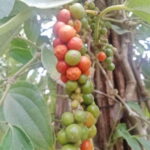
At a pepper farm, what you’re really learning is the full chain: how pepper is cultivated, what organic growing means in practice, and why Kampot pepper has its reputation. Even if you don’t consider yourself a food person, you’ll probably come away with better questions for restaurant menus and spice labels at home.
One more reason to like it: it breaks up the day. After the salt fields and cave, you move from sun and stone to shade, greenery, and a slower tempo—farm walking tends to feel calmer.
Kep Beach Crab Market lunch stop: fresh seafood, and how to budget it
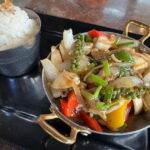
This is where the tour turns into a food day. You’ll stop at the Kep Beach Crab Market, which is known for seafood and for the regional food culture around it. The plan is set up so you can enjoy lunch there and taste fresh seafood with Kampot pepper flavors nearby in the conversation.
Here’s the practical part: meals are listed as not included. So even though lunch is the obvious use of this stop, you should budget for your own meal costs while you’re at the market. Think of the tour as paying for the transportation and access; you handle what you order.
Why this stop is a smart fit: Kep is one of the easiest places to eat your way through the region without hunting for a restaurant. The market setup makes decision-making simple, especially if you’re tired after the morning walking.
Transport, comfort, and guide quality you can actually count on
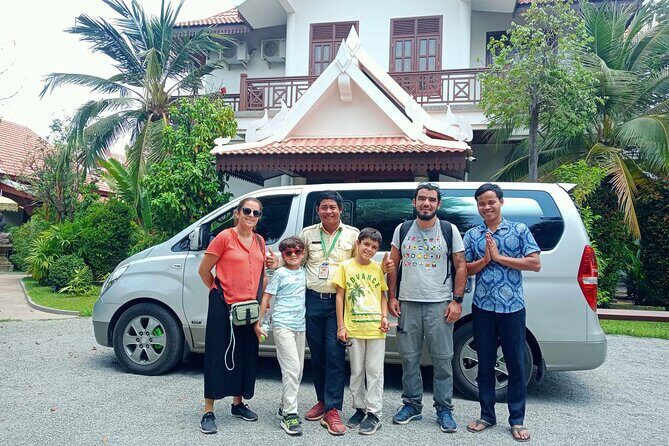
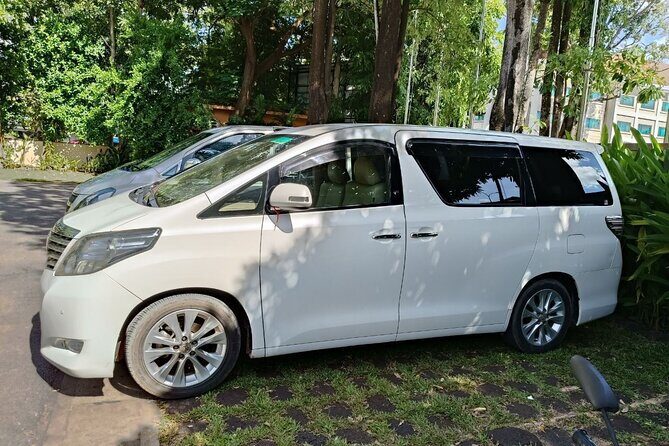
This tour uses air-conditioned transportation and includes water. You also get a driver who speaks English, plus a tour guide at La Plantation (English or French). That mix matters because you can rely on the drive and logistics, then get more focused guidance once you’re actually at the farm.
Past experiences also suggest the guide quality can really shape the day. Guests praised guides like Mr. Vann and Simon for being organized with the schedule and for sharing helpful context about Cambodia—history and daily life, not just facts about the stops. One guest even noted they were surprised at how personal the experience felt for the price.
A couple of rules help you plan your comfort:
- There’s a moderate amount of walking, including in town and around the outdoor stops.
- Smoking isn’t allowed.
- Food and drinks aren’t allowed during the bus ride.
If you’re sensitive to long road time, pack your comfort items. This is also one of those Cambodia tours where staying hydrated matters. You’ll get water, but you’ll still want to follow the day’s pace without getting caught underestimating the heat.
Who this trip suits best
This works especially well if you want a mix of working industries and food: salt farming, pepper farming, and seafood in Kep, all in one run. It’s a good match for couples and solo travelers who like structured days with a guide.
It’s less ideal if you need wheelchair access or if you have back problems due to the walking and outdoor terrain.
Price and value: what you’re paying for and what you’ll want to add
The price is listed at $87 per person for an 11-hour day. On the surface, that’s a lot for one day. But the value comes from combining several things that are annoying to stitch together yourself: hotel pickup and drop-off in Phnom Penh, air-conditioned transport, entrance fees, water, and an English-speaking driver, plus guided time at La Plantation.
Also, the day includes multiple key stops that each take time to reach and coordinate: Kampot town, the salt fields, Phnom Chhngok Cave, the pepper farm, and Kep’s crab market.
What’s not covered is equally important. Breakfast, lunch, and dinner aren’t included. So even though lunch is a natural part of the crab market stop, you’ll pay for your meal. Personal expenses are also on you. If you budget for seafood and pepper-themed dishes at the market, you’ll avoid surprises.
If you’re trying to compare with DIY, add up your likely transport costs and the time you’ll spend coordinating between locations. For many people, paying for the schedule is the whole point.
Should you book this tour?
Book it if you want a well-paced day that connects Kampot’s two famous products—salt and pepper—with a very practical food stop in Kep. I think it’s a strong choice for first-timers who don’t want to piece together transportation and who enjoy learning from guides. The consistently high review score (4.8 with 21 reviews) and the repeated praise for guides like Mr. Vann and Simon are good signals.
Skip or rethink if walking is hard for you, or if you rely on wheelchair access. This isn’t advertised as suitable for back problems either. Also, if you strongly dislike heat-heavy outdoor time, know that the salt fields and market context can be sun-exposed.
If you’re flexible and you want one day that covers Kampot’s industries and flavors without stress, this is a solid way to do it.