REVIEW · KAMPOT
Kampot: Pepper Farm Tours, Salt, Lake & Phnom Chhngok Temple
Book on GetYourGuide →Operated by Kampotians · Bookable on GetYourGuide
Kampot’s countryside feels like a different Cambodia. I love the chance to taste and compare organic Kampot pepper while learning how it’s grown and processed, and I also love the wow factor of Phnom Chhngok Cave with its 7th-century temple setting. The one drawback to plan around is that the cave experience and even some bat areas can change with rainy season, plus the steps mean you need solid shoes.
What makes this day work is the human touch. Guides like Nak, Ali, Mickey, Ly, and Dak are repeatedly praised for clear explanations and for making each stop feel connected, not random. You’re on tuk-tuks between fields and farms, so you spend less time stuck in a vehicle and more time seeing how people actually live around Kampot.
This tour runs about 5.5 hours, with several activity zones, so it’s not the kind of trip you can half-pay-attention to. Bring closed-toe shoes and sunscreen, and you’ll be set for a day that mixes gentle farm lessons with real physical effort in the cave.
In This Review
- Key highlights you’ll remember
- A 5.5-hour Kampot loop built around farming, caves, and a pause
- Salt Farm Coffee: the break that sets the tone
- Salt fields in the big season, and how the tour handles wet-season reality
- Phnom Chhngok Cave: the historic temple inside a limestone climb
- Brateak Krola Secret Lake: a peaceful water-dam story break
- La Plantation pepper tour: walking, tasting, and looking at production up close
- Transport and timing: tuk-tuks, short transfers, and a steady pace
- What this tour is really best for
- Should you book the Pepper Farm Tours, Salt, Lake & Phnom Chhngok Temple day tour?
- FAQ
- How long is the Kampot Pepper Farm Tours, Salt, Lake & Phnom Chhngok Temple experience?
- How much does the tour cost?
- What’s included in the price?
- Are meals included?
- What’s included in the pepper farm visit?
- Will I be able to see the bat cave inside Phnom Chhngok?
- What should I bring?
- What language is the guide?
Key highlights you’ll remember
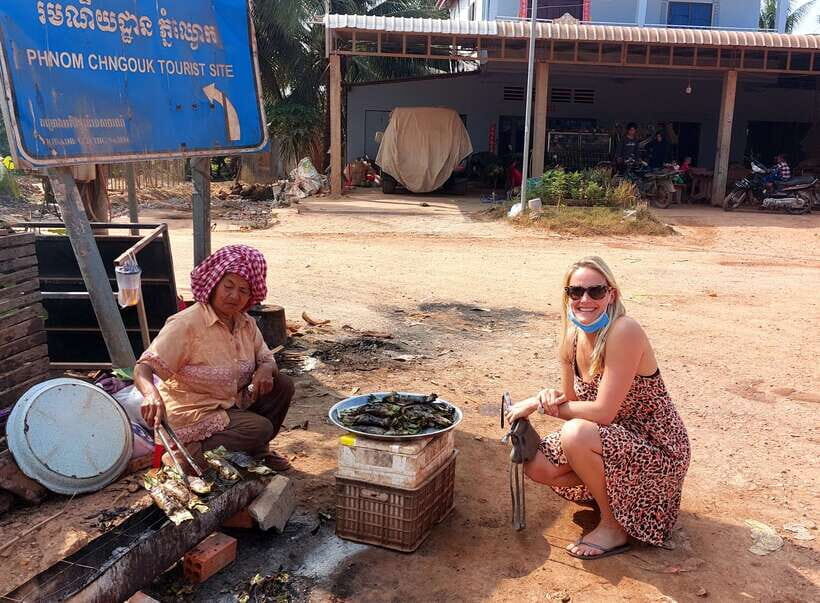
- Organic pepper farm tour with tasting that turns a product into a story you can taste
- Phnom Chhngok Cave climb up roughly 200 concrete steps to a historic temple setting
- Salt fields stop focused on how production works, even when salt isn’t being harvested
- Brateak Krola Secret Lake for a calm break with soft drinks and big sky-and-green views
- Photo-friendly cave and countryside moments that feel more local than postcard
A 5.5-hour Kampot loop built around farming, caves, and a pause
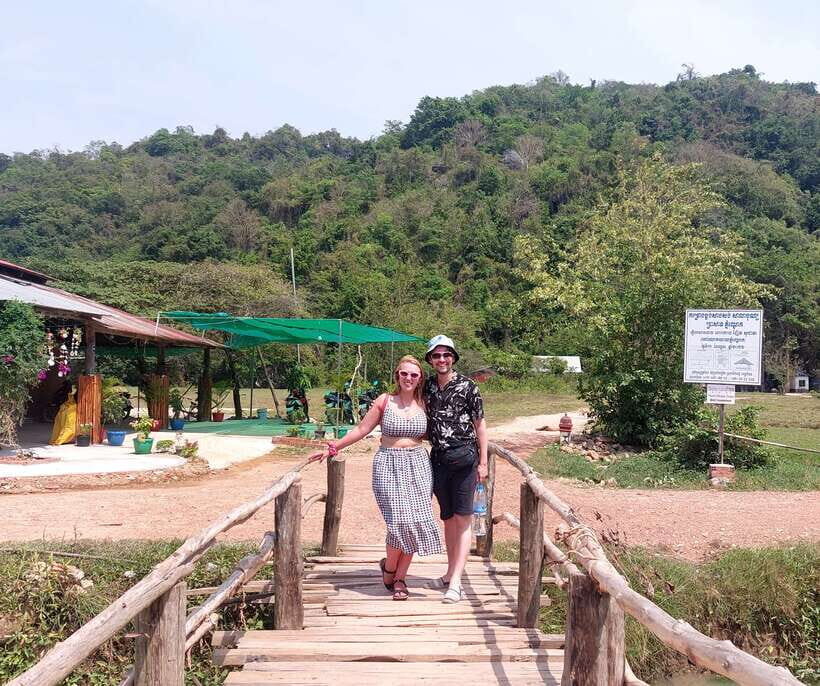
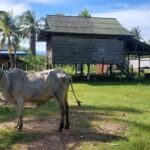
This is the kind of half-day tour that gives you more than “main sights.” You’re basically doing a route through Kampot Province’s working countryside: rice and vegetables in the background, then salt production, then pepper farms, then a limestone cave with a historic temple inside, and finally a quiet lake stop that feels like someone shut off the world for an hour.
The price is $23 per person, and for that you get a driver-guide, entrance fees, drinking water, soft drinks, plus hotel pickup/drop-off if you’re within 3 km of Kampot city center. Meals are not included, so budget a snack or a proper meal before or after. In other words, you’re paying mostly for guided access and transport across distances that would be annoying (and time-wasting) on your own.
One more value point: the day is structured, but the vibe stays relaxed. Several guides are described as adjusting pacing to conditions like rain, and you’ll feel that at the cave and lake stops where timing matters more than strict clockwork.
You can also read our reviews of more tours and experiences in Kampot
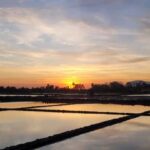
Salt Farm Coffee: the break that sets the tone
The route starts with a quick tuk-tuk ride, then a stop at Salt Farm Coffee (ស្រែអំបិល កាហ្វេ). Think of it as a reset point: you’ll have a break, a photo stop, and a short visit where you get oriented to the countryside atmosphere you’ll keep seeing later.
Why I like this stop: it gives you something practical right away. You’re getting a drink and a breather before you jump into salt, pepper, and cave walking. It also helps if you’re the type who wants context before moving deeper into a place.
What to watch: this isn’t a long “hangout.” If you’re expecting a full café meal, you’ll likely be disappointed. Plan to treat it as a break, not a replacement for lunch.
Salt fields in the big season, and how the tour handles wet-season reality
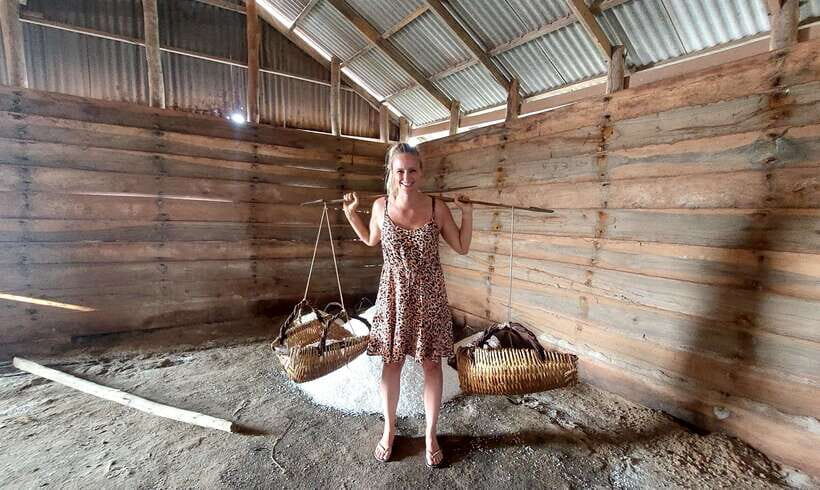
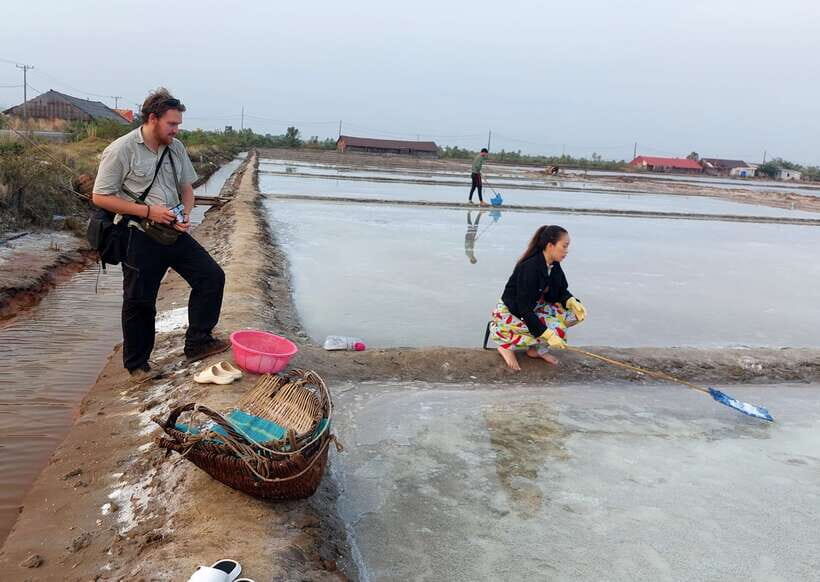
After that, you head to the salt fields, described as the biggest salt fields in Cambodia. Here’s the key detail you should take seriously: there is no salt in the wet season. That means the experience shifts depending on timing.
When salt isn’t being harvested, the tour still has value. The guide-led focus turns to process and explanation: how salt production works, what changes with rainfall, and what it means for the people working these areas. Reviews repeatedly mention learning a lot even when the fields don’t look like peak-season photos.
So what’s the drawback? If you’re visiting during wet season, you might not see the dramatic “salt everywhere” look you’ve pictured online. But you can still come away with a clear understanding of the industry and a better sense of how the local economy adapts.
Practical tip: salt farm areas can be uneven and dusty. Even if the day is mostly easy-going, wear shoes you don’t mind getting scuffed.
Phnom Chhngok Cave: the historic temple inside a limestone climb
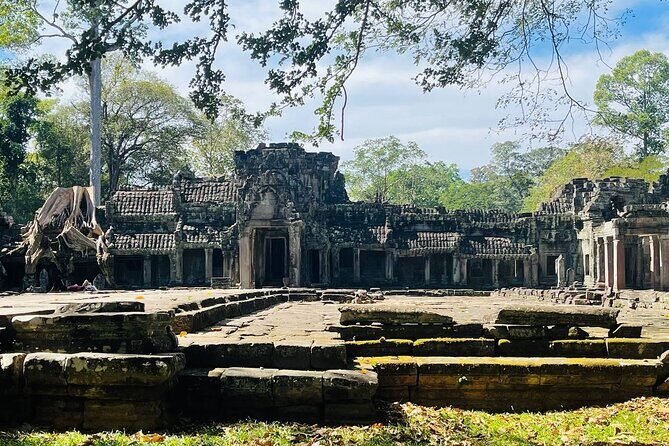
This is the main event, and the tour gives it real time: about 45 minutes on site, including the walk and a guided visit. You’re hiking up a 200-step concrete stair into the cave area to reach a 7th-century Hindu temple.
Two things I especially like about the cave stop:
- You get both movement (the climb) and meaning (the temple setting), not just a quick photo and exit.
- It’s a rare chance to see history physically embedded in a natural structure, inside limestone rather than in a museum room.
Photography is also a highlight. People mention capturing great photos inside the cave and also getting countryside shots along the way. Just be smart with timing. Cave lighting can be dim, and the steps slow you down, so move carefully and take photos without turning it into a traffic jam.
Wet-season consideration: the bat cave portion is not allowed during the wet season. That doesn’t mean the whole experience disappears, but it does mean the cave experience you get may be different than the one you see in dry-season photos. If you’re traveling in rainy months, expect the guide to work around it and focus on what is accessible.
Fitness note: this isn’t for everyone. Even with a guide leading the way, the stair count is real. The tour also isn’t suitable for people over 70, which is a strong hint that you should treat the climb seriously.
Brateak Krola Secret Lake: a peaceful water-dam story break
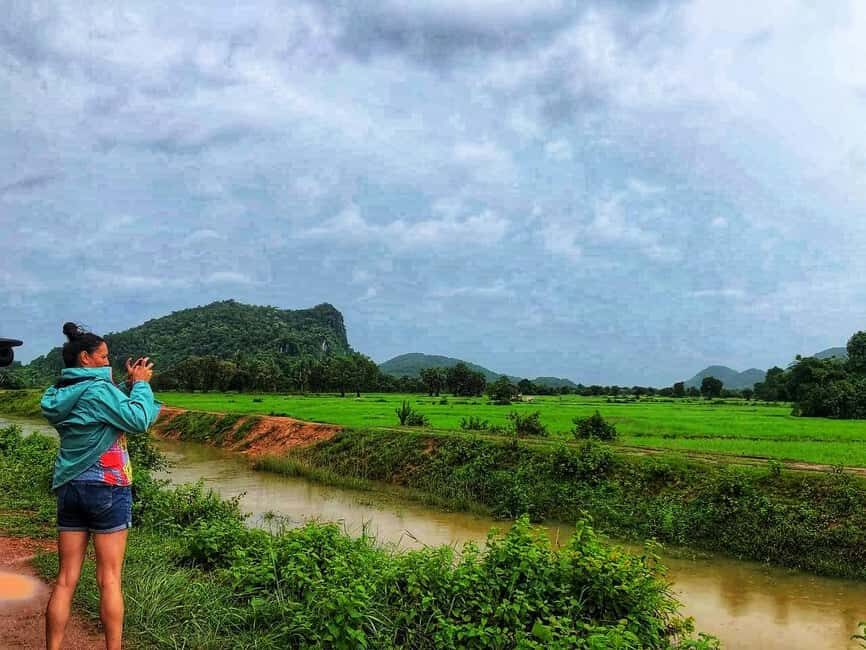
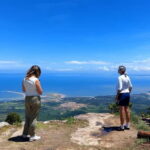
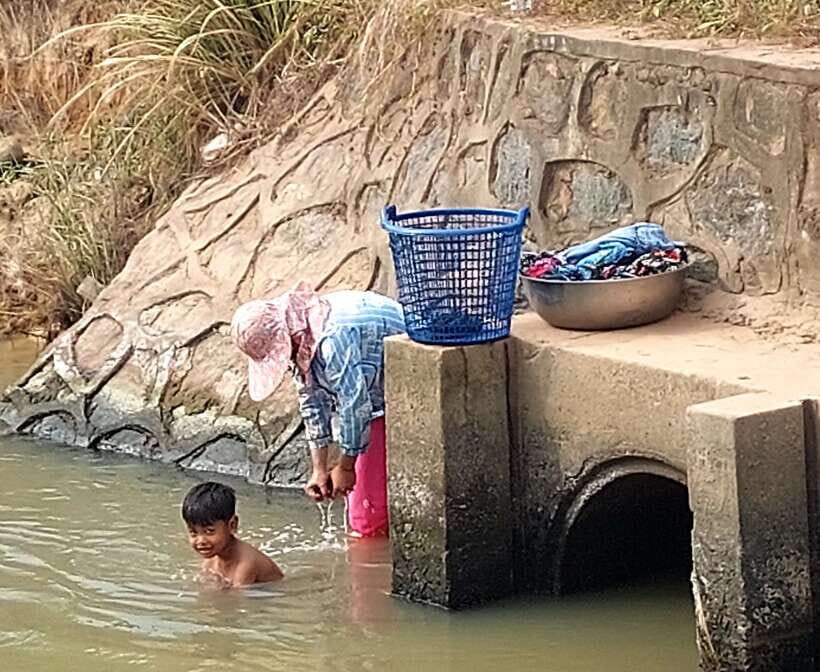
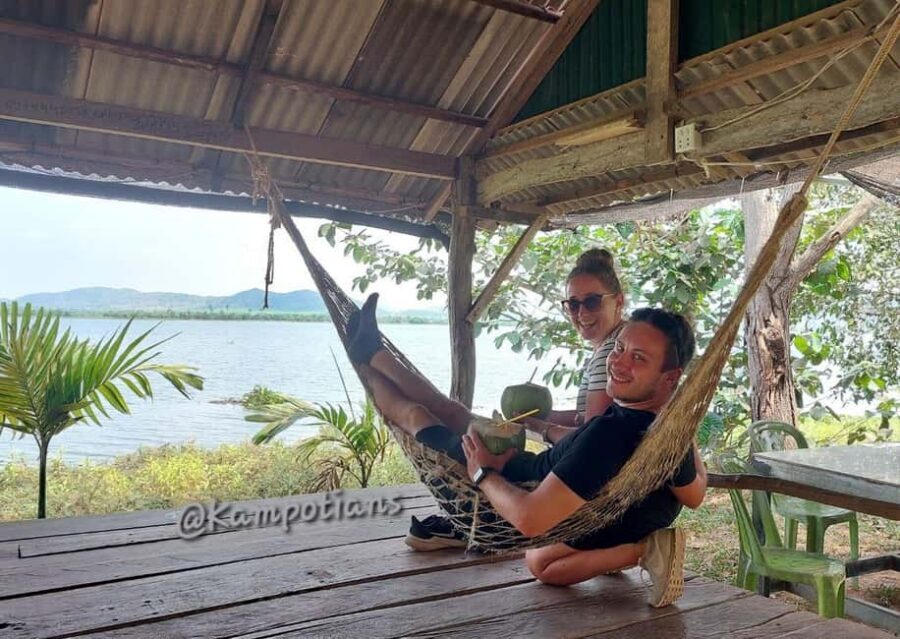
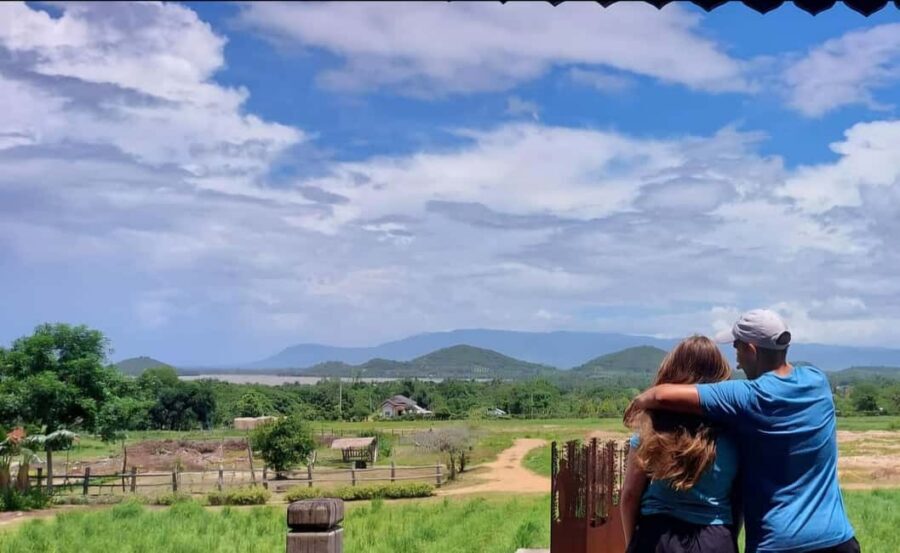
After the cave, you get a tuk-tuk ride to Brateak Krola, often called the Secret Lake. You’ll stop for photos and a guided visit about the dam and the story behind the place, then you get about 45 minutes to relax.
This stop works because it resets your senses. After cave stairs and sensory overload (in the good way), the lake area brings shade, greenery, and breathing room. Soft drinks are included here, which is a nice touch when the rest of the day involves walking and heat.
What to expect on the ground: views, a calm break, and a bit of strolling. It’s not a “do ten activities” stop. It’s more of a slow moment, and that matters because it keeps the day from feeling like a checklist.
La Plantation pepper tour: walking, tasting, and looking at production up close
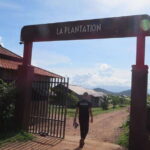
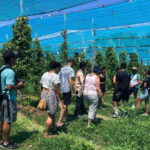
The pepper farm is one of the most memorable parts of the whole day because it’s hands-on. The tour includes a guided organic pepper plantation experience with a mix of activities: a walking tour, tasting (and pepper testing), plus self-explore time.
You’ll spend about 105 minutes here, so you’re not rushed. This longer stop is part of why this tour feels good value: you get time to ask questions and to compare what you’re seeing with what you’ve tasted.
Pepper isn’t just pepper in Kampot. The guide explanations are tied to how it grows and how it’s processed. That makes the tasting feel smarter. And yes, people specifically mention tasting pepper varieties and even pepper-flavored treats like ice cream during the visit. If you like food tourism, this is the place where the tour turns into something you can bring home in memory (and often in souvenirs).
One practical note: bring a bit of patience if you’re heat-sensitive. Pepper plantations involve walking and standing, even if the pace is gentle. Sunscreen is not optional.
Transport and timing: tuk-tuks, short transfers, and a steady pace
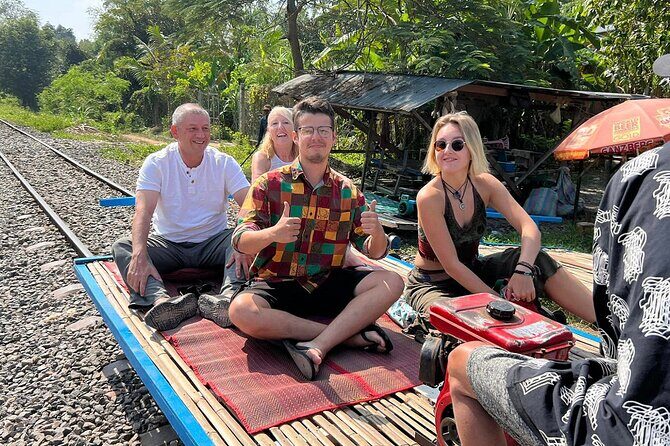
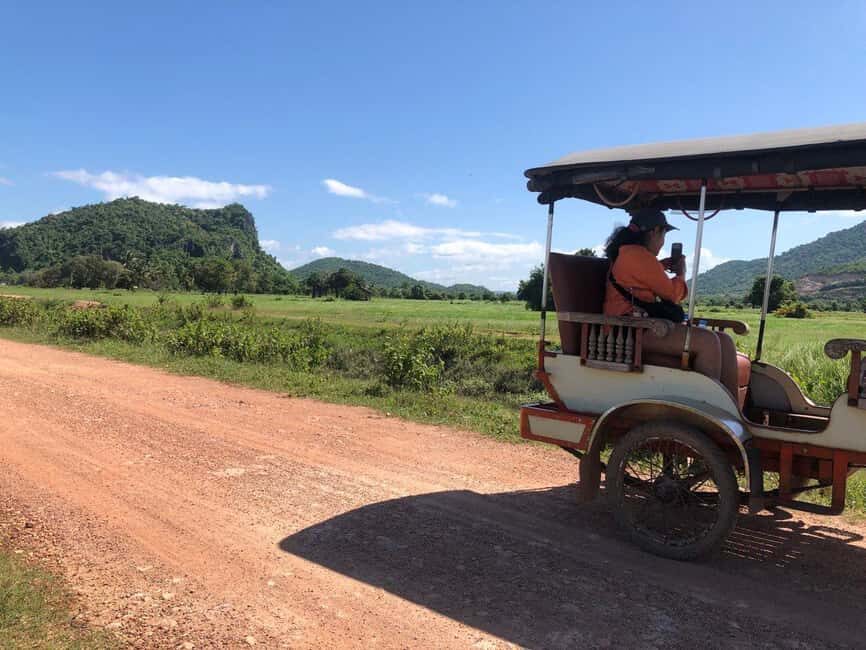
A big part of why this route feels smooth is the way it’s broken into blocks. You’ll do short tuk-tuk transfers between stops, usually with breaks built in. The ride style also matters: a tuk-tuk makes the countryside feel close up instead of like scenery outside a bus window.
Here’s what you should do to make the day painless:
- Be ready at your hotel lobby about 10 minutes early, since the driver will come for you with the tour tickets.
- If you’re outside the pickup area (over 3 km from the city center), you’ll need to arrange extra pickup cost or meet at the Kampot Tourist information center.
- Expect the guide/driver to wait no longer than 10 minutes.
Also, drivers and guides are repeatedly described as adjusting when conditions change, including rain. That’s not just nice service; it affects whether you get the cave sections you planned for or have to shift focus to what’s allowed.
What this tour is really best for
This trip is a great match if you want a real countryside day, not just temples and shops. It’s especially good for:
- Food lovers who want to understand ingredients, not just buy souvenirs
- People who like agriculture topics (rice fields, pepper, and salt production explained in plain language)
- Travelers who enjoy caves and history, as long as they’re comfortable with a stair climb
- Solo travelers and small groups who want a guided day without the stress of private transport planning
If you’re someone who wants zero walking, this won’t fit. The cave climb and general countryside walking make it an active half-day. And if you’re traveling with a baby stroller or you need alcohol-friendly venues, the rules won’t match what you want for the day.
Should you book the Pepper Farm Tours, Salt, Lake & Phnom Chhngok Temple day tour?
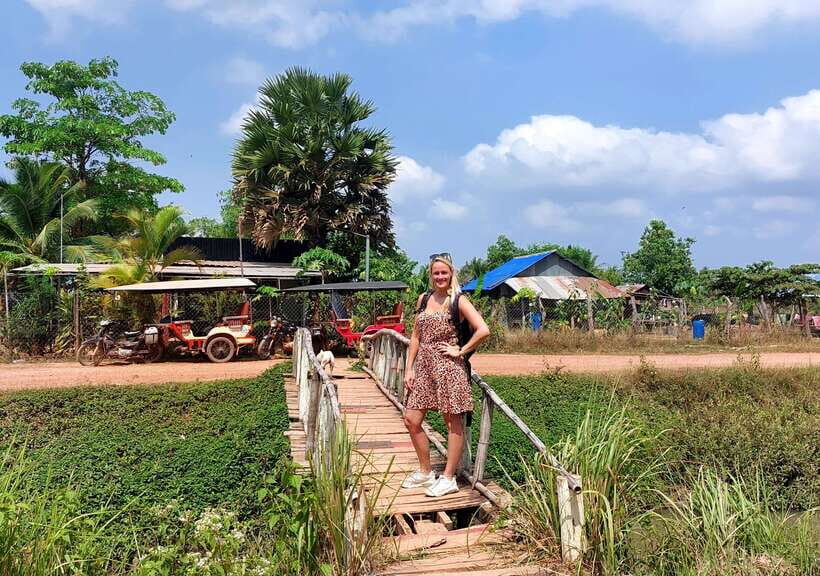
I think it’s worth booking if you’re in Kampot and you want one structured day that mixes three Kampot identities: pepper, salt, and limestone cave history. For $23, the value is strongest when you’ll enjoy guided context and you’re happy to be on your feet for a historic climb and a pepper farm walking/tasting session.
You might skip it (or at least adjust expectations) if you’re visiting during rainy season and you were hoping for the full bat-cave experience or the peak-season salt look. The tour still runs, but the “visual wow” can be different.
My bottom line: book it if you want an authentic Kampot countryside day with a good guide, meaningful stops, and photo moments that aren’t just staged street scenes.
FAQ
How long is the Kampot Pepper Farm Tours, Salt, Lake & Phnom Chhngok Temple experience?
It runs for about 5.5 hours.
How much does the tour cost?
The price is $23 per person.
What’s included in the price?
You get a driver-guide, entrance fees, drinking water and soft drinks, plus hotel pickup and drop-off if your hotel is within 3 km of Kampot city center.
Are meals included?
No. Meals are not included.
What’s included in the pepper farm visit?
You’ll visit an organic pepper plantation with a guided walking tour and testing/tasting, plus free time for self-exploring, along with photo stops and shopping opportunities.
Will I be able to see the bat cave inside Phnom Chhngok?
The bat cave section is not allowed in the wet season, so access depends on the time of year.
What should I bring?
Bring sunscreen and closed-toe shoes.
What language is the guide?
The live guide is available in English.