REVIEW · KAMPOT
Kampot Countryside include Pepper farm, Salt field & Lake
Book on GetYourGuide →Operated by Peppercorn Tuktuk Kampot · Bookable on GetYourGuide
A half-day outside town can change your whole Kampot day. This tour is a hands-on loop through salt production and a working pepper plantation, with a real local-history stop at Brateak Krola. I also like that the group stays small (up to 8), so your English guide can slow down for questions. One catch: the salt fields can look less dramatic outside the main harvest season, so your photos depend on timing.
The afternoon departure is the easiest sell if you like pretty light. The salt fields come with a sunset-style stop and reflection time, then you roll on to the big “wow” moment at Brateak Krola, a man-made lake tied to the Khmer Rouge era. The roads can be bumpy and dusty, so it helps to be ready for a tuk tuk ride, not a cushy city commute.
In This Review
- Key Highlights You’ll Actually Remember
- Kampot Countryside in 4 Hours: what you’re really signing up for
- Getting There by Tuk Tuk: simple logistics, real roads
- Salt Fields and a Factory-Style Tour: where “white gold” starts
- Brateak Krola: a man-made lake with Khmer Rouge scars
- La Plantation Pepper Farm: the fun part you’ll actually remember
- Your Guide Matters: small group pacing and English explanations
- Price and Value: why $16 can make sense here
- Who This Tour Fits Best (and who should skip)
- Should You Book This Tour?
- FAQ
- How long is the tour?
- How much does it cost?
- What are the departure times?
- Where does pickup happen?
- What’s included in the price?
- Is food included?
- Is the tour in English?
- What group size should I expect?
- Who is the tour not suitable for?
Key Highlights You’ll Actually Remember
- Salt fields visit with guided factory-style tour that shows how the work turns into salt
- Brateak Krola lake stop tied to Khmer Rouge history, with time for photos and meaning
- Pepper plantation visit with free tasting and testing (yes, you get to sample)
- Two daily departure times (9:30am and 2:30pm) so you can match the best light
- Small group of max 8 people with an English-speaking guide who manages the pace
Kampot Countryside in 4 Hours: what you’re really signing up for
This is a straightforward, low-stress way to see Kampot beyond the riverside cafés. In about four hours, you get three farming-and-landscape stops that connect through one theme: how people make a living here. The salt fields tell you how raw resources become a product. The pepper farm shows how a crop becomes flavor—then you test it.
The second thing I like is how the tour is paced. You’re not rushing every 10 minutes. There are built-in breaks for photos and quick looks, so you can enjoy the scenery instead of sprinting through it. The small group size also matters. It helps your guide keep things clear, especially if you’re the type who asks why and how, not just what.
Price-wise, $16 per person is the standout part. You’re paying for a guided route with entrance fees covered, plus the pepper tour with testing. For Cambodia, that’s a lot of “included” for a short half-day, especially if you’d otherwise need separate transport and tickets.
You can also read our reviews of more tours and experiences in Kampot
Getting There by Tuk Tuk: simple logistics, real roads
You start with pickup in Kampot Province. There’s a common meeting point at Epic Art Cafe, but the operator can also pick you up and drop you off at your hotel or restaurant in Kampot town, as long as it’s within their nearby zone (extra charges apply if you’re farther out).
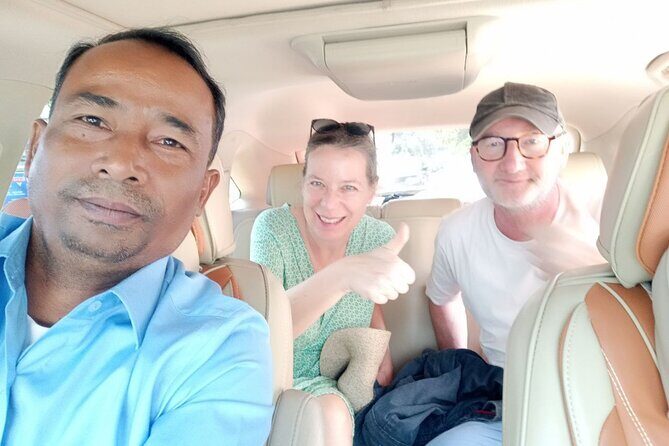
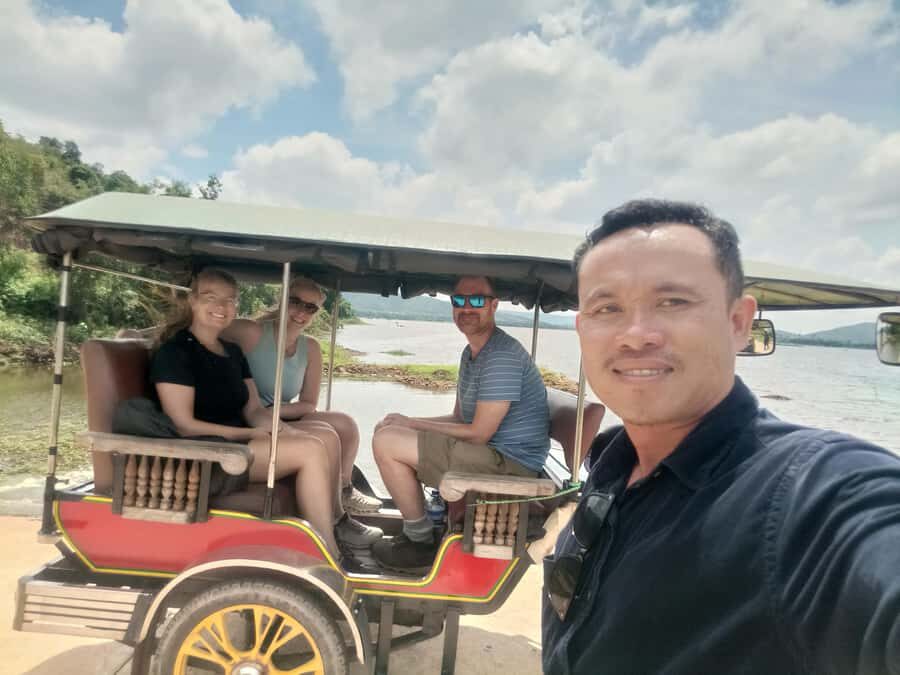
Then it’s on a tuk tuk for the in-between travel. Expect short transfers—nothing long—so you’re not stuck traveling all afternoon. Still, don’t treat this as smooth highway time. Reviews mention bumpy roads and dust, and one person said they were given a protective mask. That’s a good signal: come ready for some grit, and bring sunglasses if you’re sensitive to sun and dust.
Because your schedule is built around countryside stops, your guide keeps the route time-managed. Several guides are praised in reviews for driving safely and keeping things on track. Names that come up often include Phalla, Lee, Vandy, Sany, and Andy—so if you see those names on the day, you’re likely in good hands.
Salt Fields and a Factory-Style Tour: where “white gold” starts
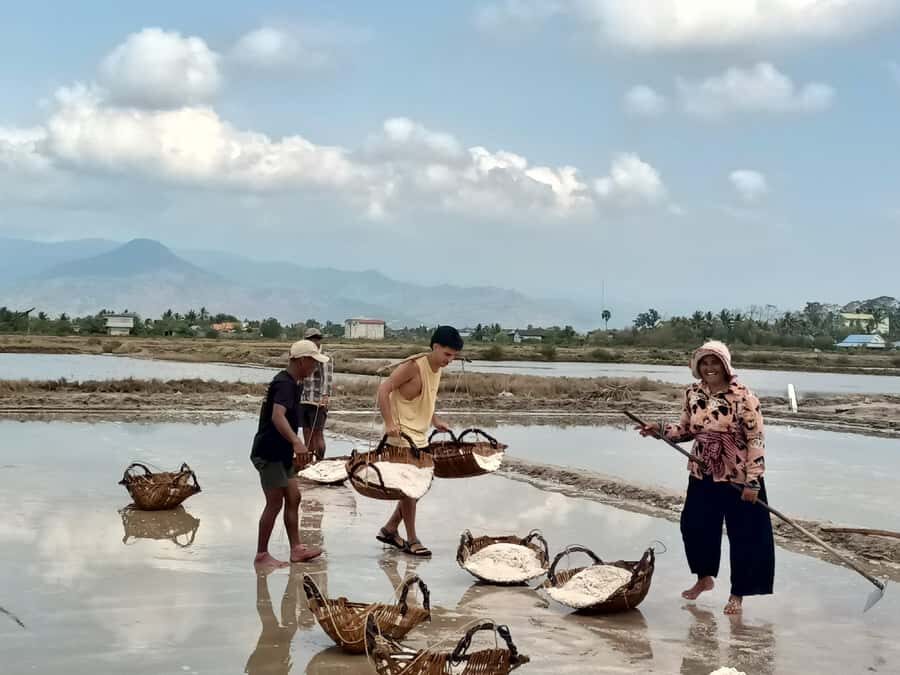
The salt part begins with a stop around the salt fields area—there’s even a break-and-photo moment linked to a salt-fields setting. After that, you move into the main learning visit, including a guided tour of the salt-production process and time to see how the salt flats work.
This is one of the best stops for two reasons. First, you learn the practical steps behind salt production instead of just seeing a scenic view. Second, it’s a hands-on “watch how work becomes product” moment, and that makes the whole experience feel grounded.
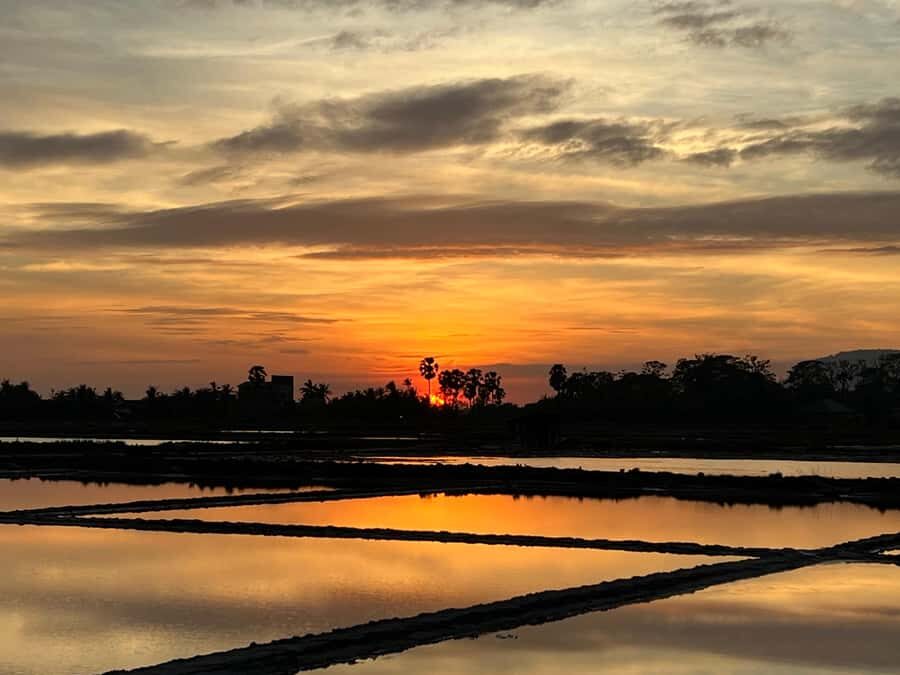
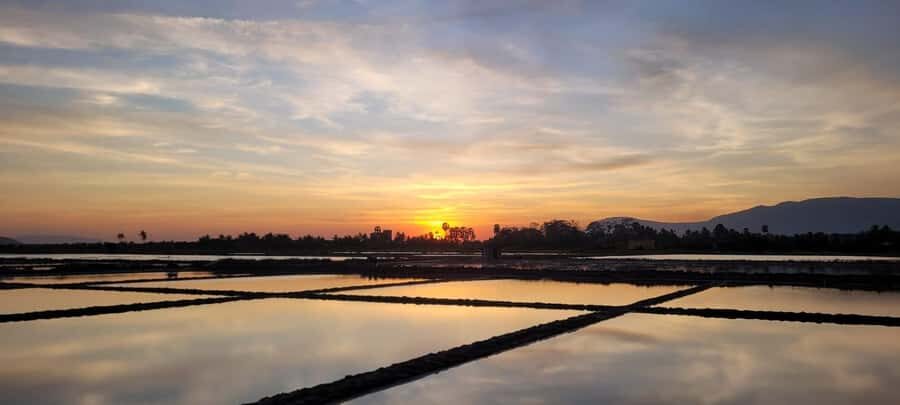
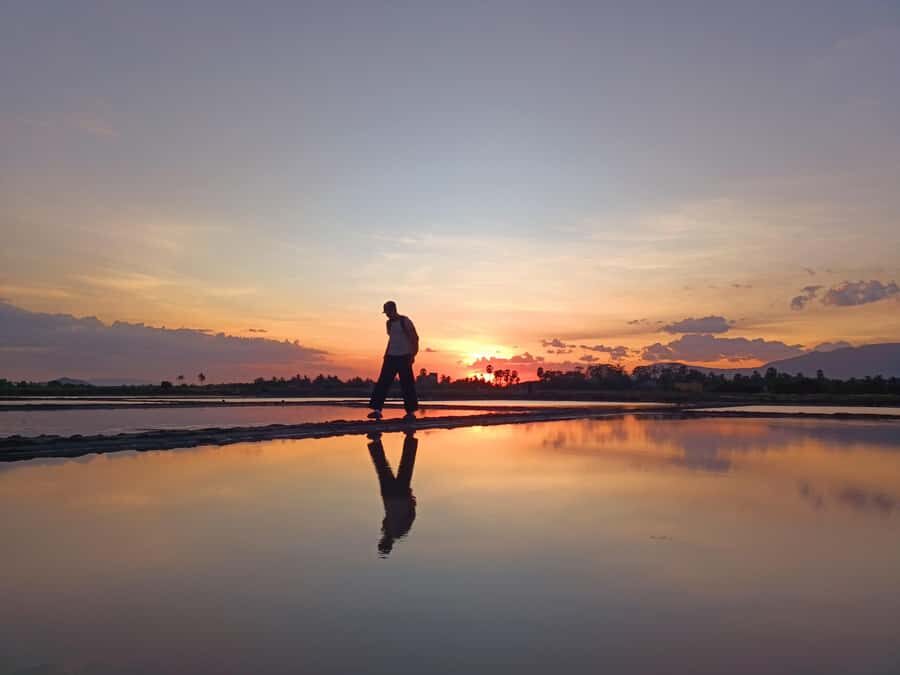
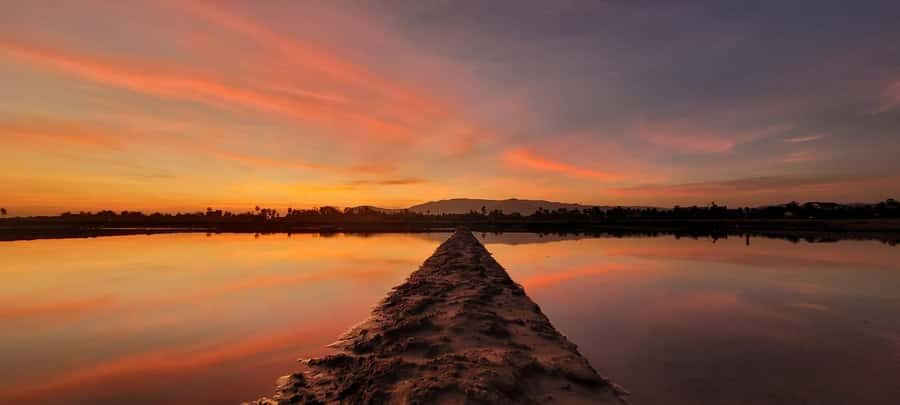
Timing matters here. The afternoon departure (2:30pm) is specifically geared toward better natural light and a sunset-style stop, with reflection time noted in the tour format. In other words: you’re not guessing when to take photos. You’re guided into the moment.
One possible drawback: if you go when the salt pans aren’t in active harvest mode, the fields can look more like mud flats than crisp salt. A review called this out directly. So if you care most about dramatic visuals, the best move is to choose the tour time that matches daylight well (the afternoon option) and accept that the salt landscape is seasonal.
Brateak Krola: a man-made lake with Khmer Rouge scars
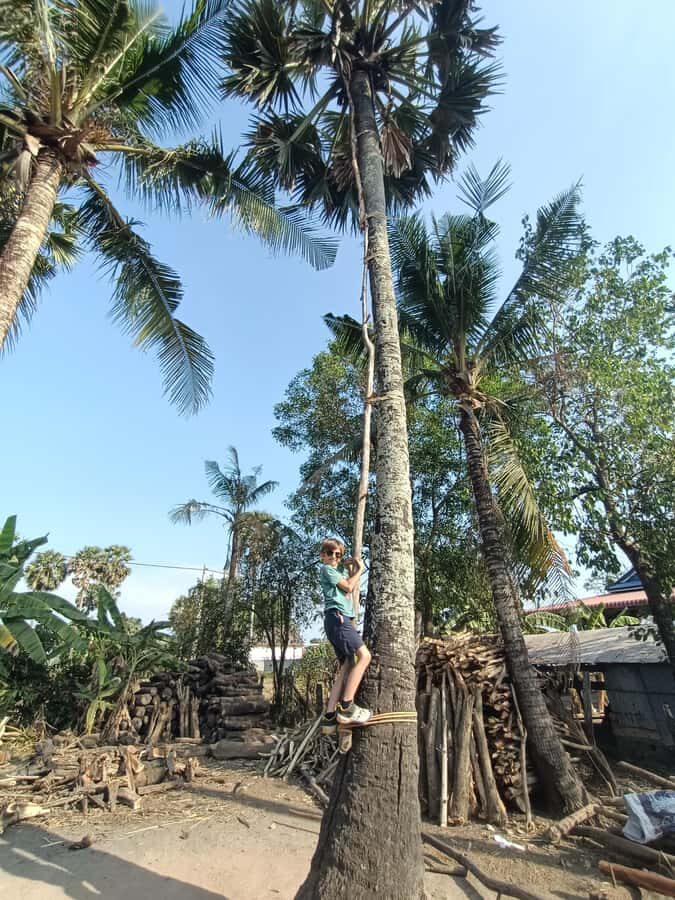
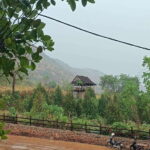
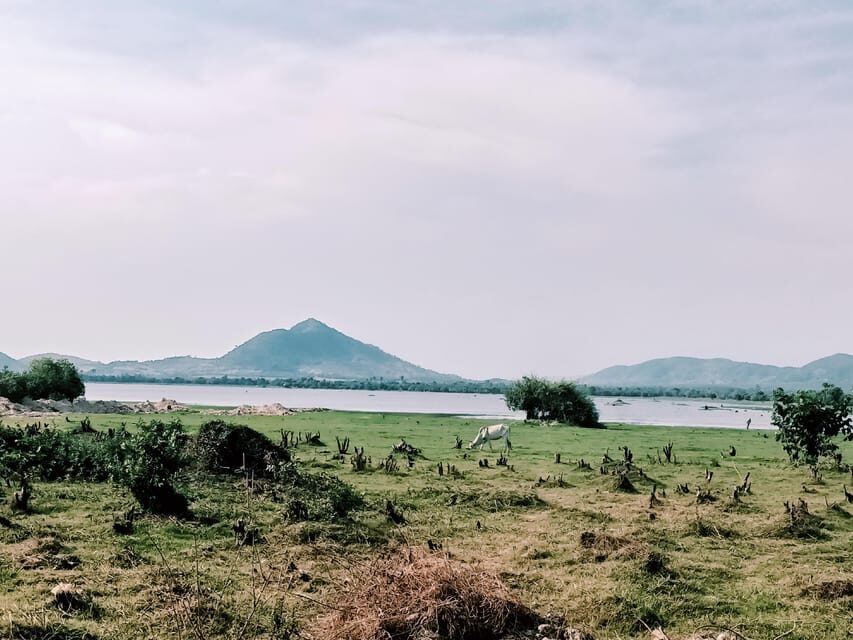
This stop is not just a pretty photo break. Brateak Krola is a man-made lake built by people enslaved by the Khmer Rouge. The tour format includes a break, photo stop, and a guided visit that explains what you’re seeing and why it matters.
It’s the kind of historical stop that’s easy to rush if you treat it like just another landmark. The good news: your guide’s job is to give context in the time you have. Reviews highlight guides explaining the history clearly—especially with the driver-guide duo handling both travel and interpretation.
In practical terms, you’ll want to slow down at this stop. Read the area around you, listen for the story, and don’t be afraid to ask questions if your guide is comfortable explaining more. Because this is tied to a painful period, the value isn’t spectacle; it’s understanding.
If you’re traveling with kids, note that this tour lists an age limit (not suitable for children under 5). And if you’re sensitive to heavy history, just know this stop will carry more weight than the pepper tasting portion.
La Plantation Pepper Farm: the fun part you’ll actually remember
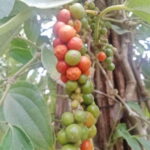
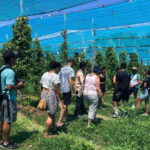
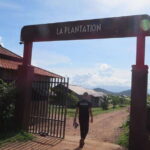
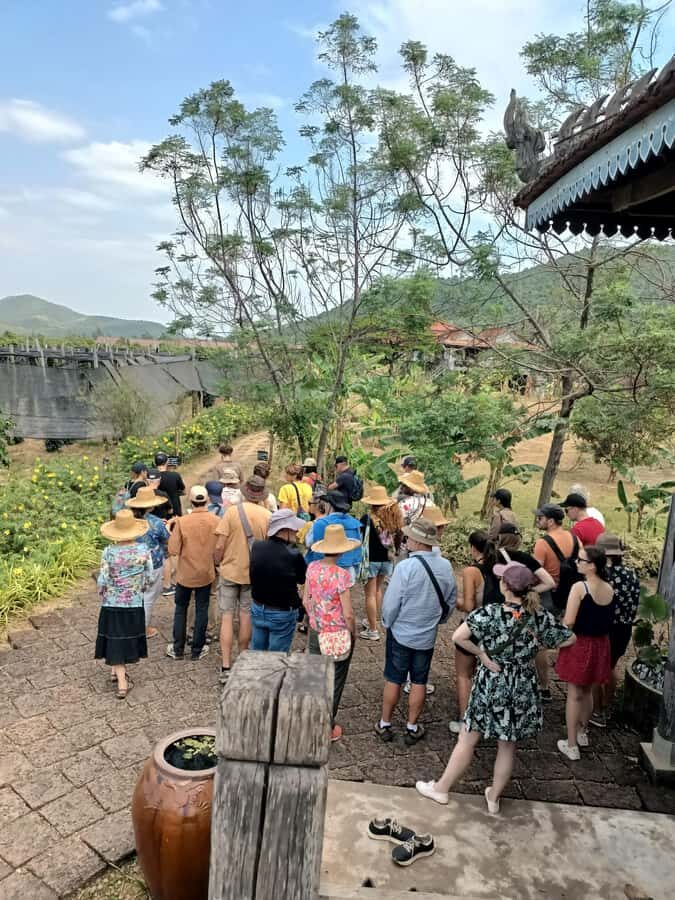
Then you get to the reason many people book: Kampot pepper. Your visit to the pepper farm (called La Plantation) includes a guided tour and a dedicated testing session, plus time for shopping.
This is where the experience shifts from “watch and learn” to “taste and compare.” Reviews repeatedly mention free tasting samples and a pepper testing component that’s more interesting than you’d expect. You don’t just get a quick walk-through—you get to understand how pepper is grown and how it becomes different flavors.
Two practical notes for you:
- Go in expecting smells. Pepper plants have a strong scent, and several reviews mention the farm smelling amazing.
- Take time at the tasting/testing moment. If you rush it, you’ll miss what makes Kampot pepper distinctive.
There’s also a big time block here: about two hours at the pepper plantation area, including guided visit and shopping time. That’s enough to ask questions, compare what you like, and buy pepper you’ll actually use at home (not just souvenirs).
Your Guide Matters: small group pacing and English explanations
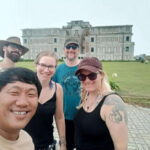
What makes this tour repeatedly score high is the people running it. Multiple reviews praise the guide’s clarity and the way they manage timing. People specifically mention English explanations and safe tuk tuk driving. Names that show up in high ratings include Phalla, Lee, Vandy, Sany, Andy, and even specific driver-guides like Paula.
Even better: several reviews mention that guides do small helpful extras that make the day feel cared for—like making sure you have water before the pepper farm, or stopping for drinks midway. Water is included by the tour, so you won’t be dry either way, but the point is: the guide experience can lift the whole half-day.
With a small group (max 8), you also get a better chance to ask questions. That’s important on countryside tours, where the “why” matters as much as the “what.” Salt and pepper both have steps, and a good guide helps you connect the dots.
Price and Value: why $16 can make sense here
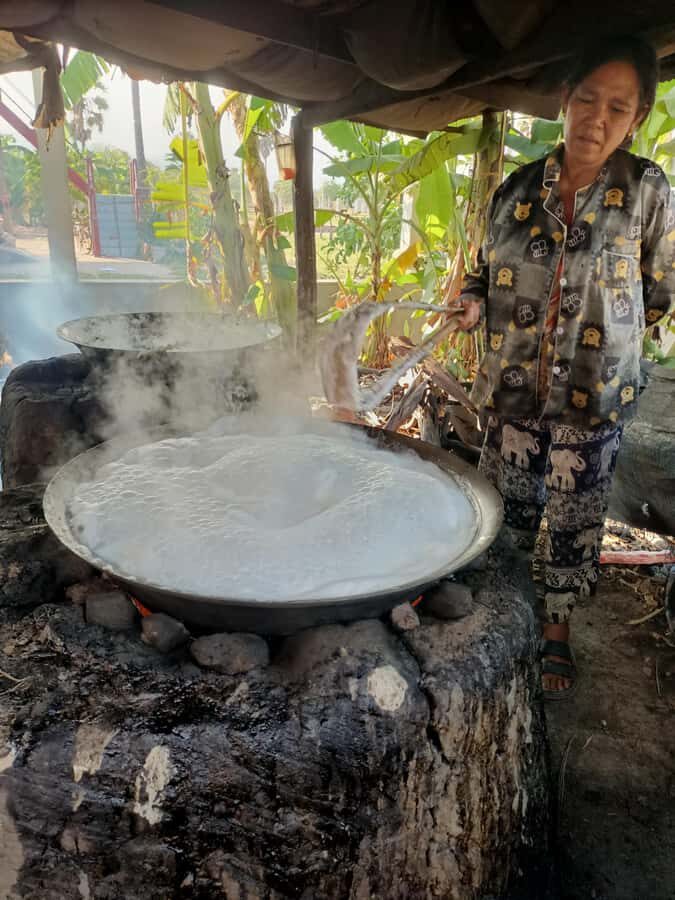
At $16 per person for a 4-hour guided countryside experience, the math works best if you want multiple stops in one go. This tour includes:
- guide tour
- entrance fees
- pepper tour plus pepper testing
- water
Food isn’t included, so plan on snacks or budgeting for a meal elsewhere. But even without food, you’re getting several guided components that would cost more if booked separately (especially transport and entrance-type fees).
The value gets even clearer if you compare it to doing Kampot countryside “solo.” Without a guide, it’s harder to understand what you’re looking at at the salt fields and Brateak Krola. And with pepper, you’ll miss the tasting/testing portion unless you already know where to go and how to time it.
For the best value, pick the tour time that matches your priorities:
- If you want photo light and sunset vibes, choose the 2:30pm departure.
- If you want a calmer start with quieter countryside energy, choose the 9:30am option.
Who This Tour Fits Best (and who should skip)
This is a great fit if you want an easy half-day with a real countryside feel: farming, local production, and meaningful context, without a full day commitment.
It’s also a good choice if you like practical learning. Salt production and pepper cultivation aren’t touristy in the usual way. You’ll come away with a better sense of how Kampot’s economy connects to the land.
That said, this tour has clear limits:
- Not suitable for children under 5
- Not suitable for pregnant women
- Not suitable for wheelchair users
- Not suitable for people over 220 lbs (100 kg)
- Not suitable for people over 80 years
If you’re within those limits, you should be fine. If you’re unsure about comfort on bumpy roads, you might want to ask your operator how they handle dust and rough patches—reviews suggest that can be part of the experience.
Should You Book This Tour?
If you want the easiest way to get three Kampot countryside “pillars” in one half-day—salt production, Brateak Krola history, and Kampot pepper tasting—this is an excellent booking choice. The small group size, English guidance, and included pepper testing make it feel like more than a simple scenic drive.
I’d particularly recommend the afternoon departure if sunsets and reflection time matter to you, since the salt fields are timed for natural light. Just accept that salt-field visuals depend on season, and the pepper farm is the more consistent payoff.
If you skip the heavy-history angle at Brateak Krola, you might still enjoy the salt and pepper parts. But if you’re sensitive to Khmer Rouge-era history, go in prepared for that stop’s weight.
FAQ
How long is the tour?
The tour duration is listed as 4 hours.
How much does it cost?
The price is $16 per person.
What are the departure times?
The tour operates twice daily at 9:30 AM and 2:30 PM.
Where does pickup happen?
Pickup is included in Kampot Province. The usual meeting point is opposite Epic Art Cafe, but pickup and drop-off can also be arranged directly from your hotel or restaurant in Kampot town.
What’s included in the price?
Included items are the guide tour, entrance fees, pepper tour and testing, and water.
Is food included?
No. Food is not included.
Is the tour in English?
Yes, the live tour guide is in English.
What group size should I expect?
It’s a small group with a limit of 8 participants.
Who is the tour not suitable for?
The tour is not suitable for children under 5, pregnant women, wheelchair users, people diving up to 24 hours prior, people over 220 lbs (100 kg), or people over 80 years.