REVIEW · SIEM REAP
Full-Day Temples of Angkor Small Group Tour
Book on Viator →Operated by Journey Cambodia · Bookable on Viator
Angkor in one long, wow-packed day. This full-day small-group route packs in Angkor Wat, Angkor Thom, Bayon, Ta Prohm, and jungle-shrouded corners, with an English-speaking guide who turns carvings into stories. I like the free hotel pickup and the small group feel, so you’re not stuck staring out a bus window.
I also like the practical rhythm: an early start that helps you beat the harshest heat, plus cool water and towels between temple climbs. One catch is the physical side—expect stair climbing and long walks in very hot weather.
In This Review
- Key Highlights You’ll Notice Fast
- Why This Angkor Day Feels More Personal Than the Usual Bus Tour
- The Early Start: Pickup Timing, Heat Reality, and How to Be Comfortable
- Angkor Wat: Sunrise Energy, Stone Passages, and Apsara Details
- Angkor Thom South Gate and Bayon: 108 Statues to the Smiling Faces
- Terrace Stops: The Leper King and Elephants Along the Way
- Lunch Break at Srah Srang: Fuel Up Before Ta Prohm
- Ta Prohm: The Jungle Temple Walk Where Trees Win
- Price and Value: How $19 Really Works (Plus the Temple Pass)
- What You’ll Like Most (Based on What Worked Well for Others)
- Temple Rules You Should Follow Before You Even Leave Your Hotel
- Who This Tour Suits Best
- Should You Book This Full-Day Temples of Angkor Small Group Tour?
- FAQ
- How long is the Full-Day Temples of Angkor Small Group Tour?
- Do I get hotel pickup and drop-off?
- Is the tour group really small?
- What does the price include?
- Do I need to pay for the Angkor temple pass?
- Is lunch included?
- What should I wear for temple visits?
- Is the minivan air-conditioned?
- What is the cancellation policy?
Key Highlights You’ll Notice Fast
- Small group, up to 15 people: easier conversation and fewer time-wasting delays.
- Air-conditioned transport with refresh breaks: mineral water and cool towels keep things sane in the heat.
- Real temple storytelling: guides like Sokpee, Saruon Pal, Sarak, and Sopheaprath are praised for clear explanations.
- Early-day timing for sunrise vibes: some pickups are reported around 4:30 am, so you’re in place before the crowds fully arrive.
- Temple pass paid on the day: plan for the $37 per person Angkor entrance fee, with visa cards accepted.
- Dress code matters: shoulders and knees need coverage, and a scarf works for shoulders.
Why This Angkor Day Feels More Personal Than the Usual Bus Tour
Angkor is huge, and most tours feel like a conveyor belt. This one tries to slow you down just enough to actually understand what you’re seeing. With a maximum of 15 travelers, you get the small-group advantage: less waiting, more chances to ask questions, and quicker photo stops without a major scramble.
The biggest quality is the licensed English-speaking guide. In the better-guided experiences, you’ll hear names like Sokpee, Chhay, Sarak, and Kiss/Sok, who are specifically praised for making stone carvings and temple layouts feel logical instead of random.
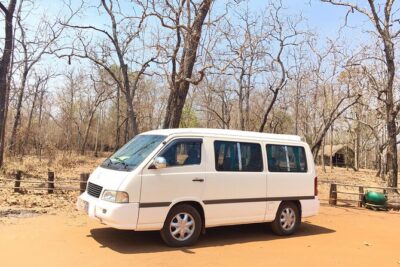
You also get a driver who keeps the whole day moving safely in traffic—important in Siem Reap when everyone is trying to reach Angkor at once. And yes, the minivan is air-conditioned, which you’ll appreciate once the morning humidity switches on.
You can also read our reviews of more tours and experiences in Siem Reap.

The Early Start: Pickup Timing, Heat Reality, and How to Be Comfortable
This tour is listed as about 8 hours, but the day can feel longer because Angkor asks a lot of your legs. Several experiences reported hotel pickup around 4:30 am, which makes sense if you want cooler temperatures and a chance to see sunrise conditions at Angkor Wat.
Here’s the real-world consideration: Angkor days can run extremely hot. One review noted a 42°C day, and even if your weather is less extreme, you should still plan for heat, humidity, and lots of steps. The tour provides mineral water and cool towels, and that helps, but it does not replace smart prep.
Bring these and you’ll enjoy the temples instead of suffering through them:
- Comfortable walking shoes with grip for stone steps
- Sun protection (hat/umbrella/sunscreen)
- A light layer that helps with dust and sun
- A scarf or shawl for the temple dress code
If you’re the type who likes a relaxed pace, this still may feel full. You’re seeing the major highlights in one day, so it’s best for travelers who want a “see it now, understand it now” approach.
Angkor Wat: Sunrise Energy, Stone Passages, and Apsara Details
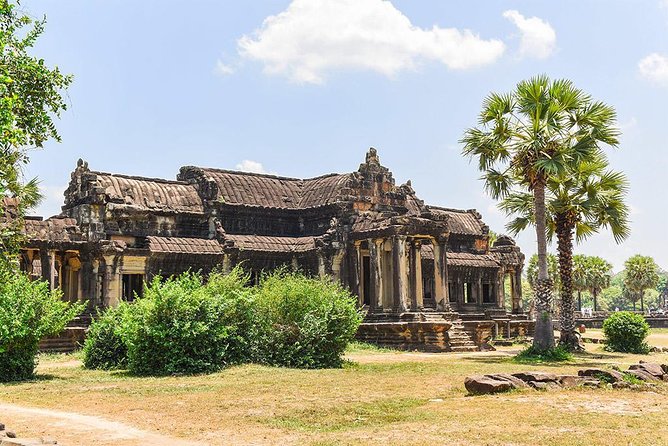
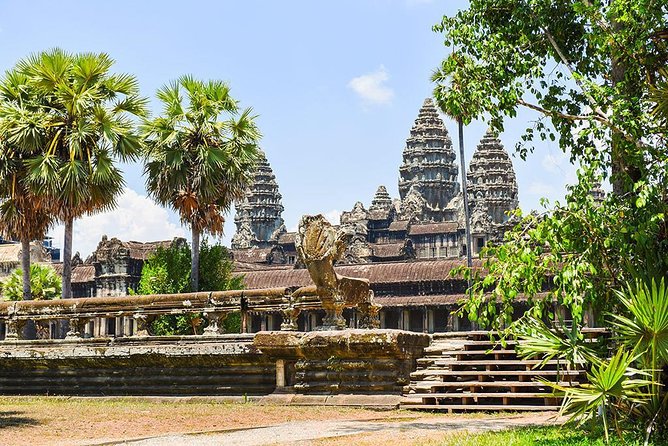
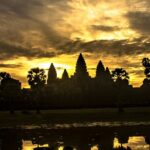
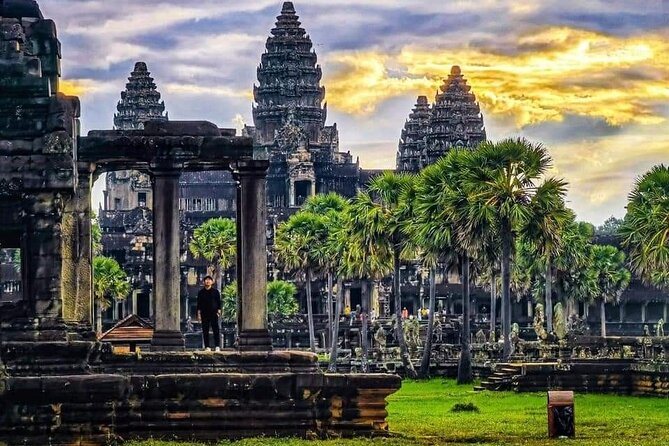
Angkor Wat is the headliner, and this tour starts there. You’ll drive from Siem Reap toward the complex in an air-conditioned minivan, then head straight into the ruins in the morning light—when the stone looks its best and the heat is still reasonable.
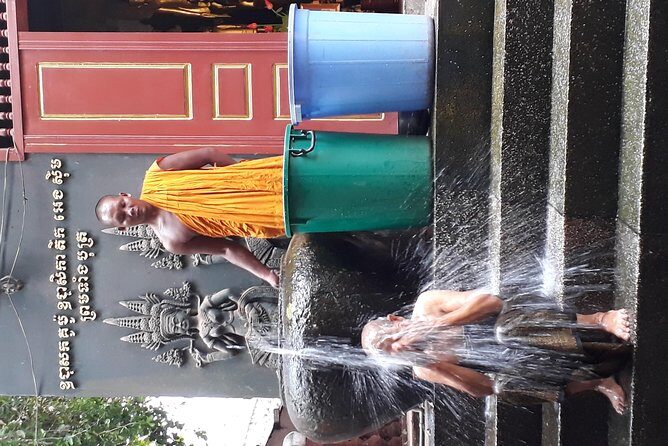
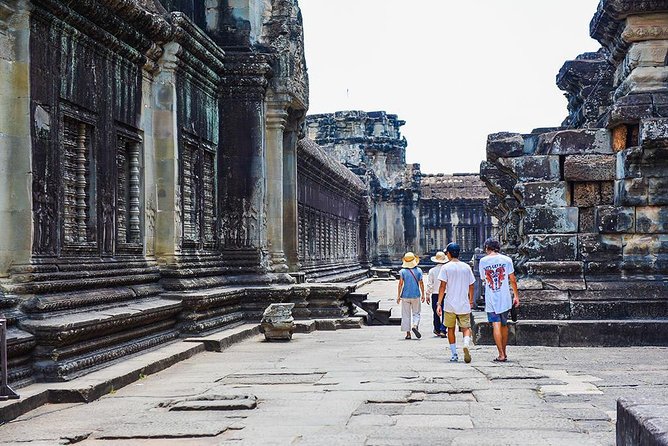
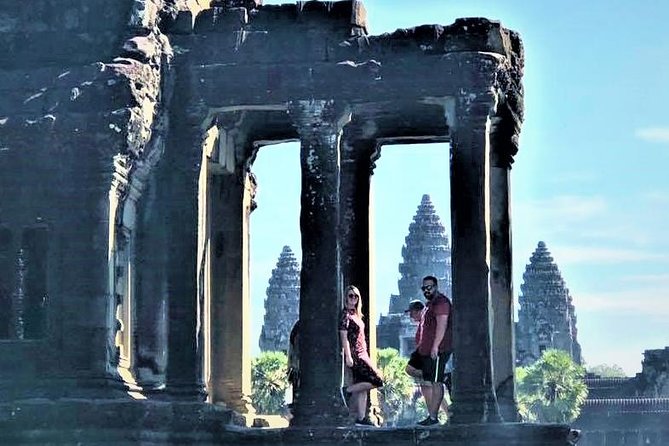
What makes Angkor Wat special on this route is how your guide introduces the place, not just the location. You move through narrow stone passageways lined with bas-reliefs and shrines, then you’ll spot gold-shrouded statues tended by local monks. That moment gives you a sense that these temples aren’t just museum pieces.
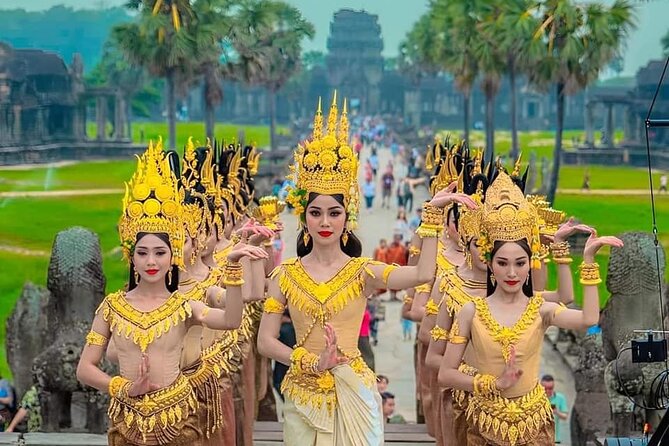
From there, expect climbing stairs into a central gallery featuring dancing apsara figures. The guide role matters here. The temples can look like decoration if you don’t know what to look for, but with an English-speaking guide, the carvings start to connect to Khmer beliefs and temple design logic.
One practical tip: Angkor Wat has stairs and uneven surfaces. If your knees don’t love stairs, take it slow and pause often. The tour moves efficiently, but your comfort comes first.
Angkor Thom South Gate and Bayon: 108 Statues to the Smiling Faces
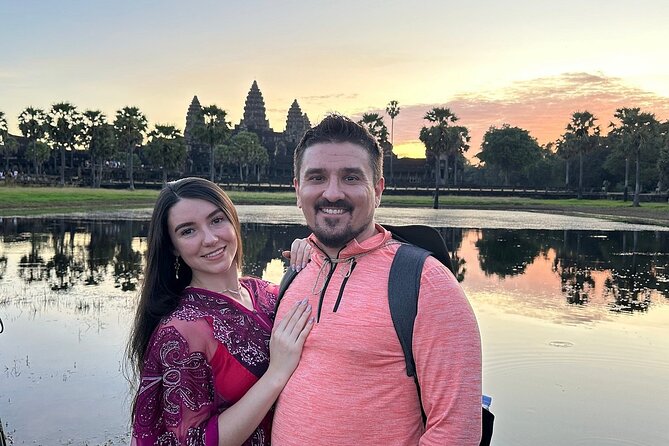
After Angkor Wat, you head to Angkor Thom, starting at the South Gate. The tour route brings you into the city along a lane guarded by 108 statues of gods and demons. It’s one of those details that you’ll remember later, because it’s specific and slightly surreal—like the temple is telling a myth you can walk through.
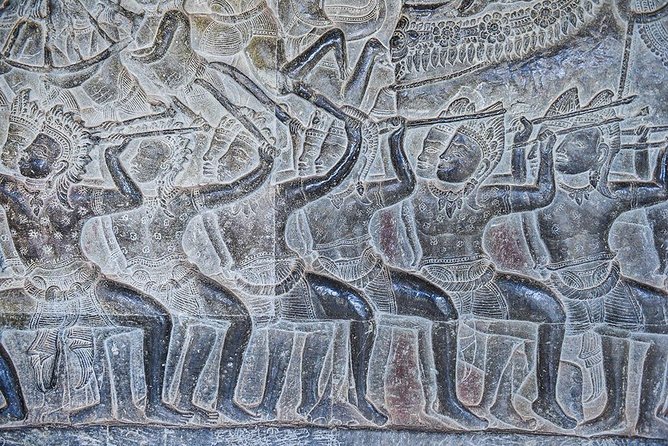
Next comes Bayon Temple, known for its famous stone faces staring from towers. The tour uses this stop to connect art to story. Long bas-reliefs depict dramatic Khmer victories against Cham warriors, so you’re not just seeing faces—you’re seeing a visual record of conflict and pride.
Bayon is also where the day’s walking becomes more noticeable. Even when you’re not in “hard climb” mode, you’re moving constantly between viewpoints and reliefs. If you’re trying to keep your photos clean, you’ll want to watch your footing and pace yourself.
Terrace Stops: The Leper King and Elephants Along the Way
Between Bayon and your next break, you pass by the Terrace of the Leper King and the Terrace of Elephants. Even as a pass-by segment, these terraces matter because they’re part of the “core Angkor vibe.” You’ll see the decorative emphasis and ceremonial scale that runs through Angkor Thom.
Why this is worth your attention: terraces often feel like background if you rush. But these are part of the overall message—power, ceremony, and storytelling in stone. Even without long time here, a good guide can point out what you’re looking at so you don’t miss the point.
If you’re a serious photographer, you’ll likely want a bit more time than a pass-by gives. That said, the payoff is that you keep the day’s flow and still reach the deeper atmosphere later at Ta Prohm.


Lunch Break at Srah Srang: Fuel Up Before Ta Prohm
Your day includes a lunch stop near Srah Srang, one of the Khmer sites known for water and historic context. Lunch is not included, but you’ll stop at a Khmer local restaurant nearby, and you’ll get time to eat and reset.
This break matters more than it seems. You’ll have hours of heat exposure ahead, especially once you reach Ta Prohm’s more “messy” terrain of roots and stone. A real meal—plus water you can sip regularly—helps you keep your energy for the late portion of the tour.
If you’re sensitive to spice or strong flavors, this is also where you can choose comfort. Since lunch is your responsibility, I’d aim for something filling and not too risky for your stomach.
Ta Prohm: The Jungle Temple Walk Where Trees Win
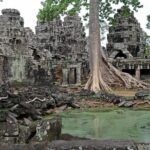
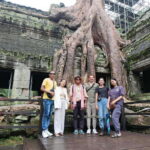
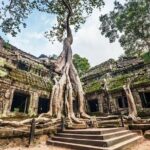
Ta Prohm is the temple that turns Angkor into a movie set. This stop is known as the Tomb Raider temple, and you’ll understand why once you start walking through the maze-like ruins.
What you’ll notice first is the setting. This temple sits in the middle of jungle, and vines and creeping greenery blend into the structure. The fig trees that threaten to overtake the edges of the buildings aren’t just dramatic—they’re also part of why Ta Prohm feels emotionally different from Angkor Wat and Bayon.
Expect plenty of up-and-down walking as you explore different sections. This is a “stay present” temple. You’ll probably find yourself pausing to watch how the shadows fall through branches and how the stone lines reappear every time the jungle opens a view.
At this point in the day, your comfort choices pay off. If you packed sun protection and sturdy shoes, you’ll enjoy the atmosphere instead of thinking only about your legs.
Price and Value: How $19 Really Works (Plus the Temple Pass)
The tour price is $19 per person, but the temple pass is separate. The Angkor entrance fee is listed as $37 per person, paid directly at the site (visa cards are accepted). So a realistic base total is around $56 for the main sites, before lunch.
Here’s why this can be good value for the right traveler:
- You’re not just buying entry. You’re paying for hotel pickup and drop-off, an English-speaking licensed guide, and air-conditioned transport for a full day.
- The tour includes mineral water and cool towels, which is not trivial in Angkor heat.
- The route is built around the major highlights in one day, which saves time if you only have a day in Siem Reap.
Where it may not feel like a bargain: if you already have a guide sorted privately, or if you want a slow, custom pace where you’d rather spend more time at fewer spots. For first-time Angkor visits, though, the “major hits with context” format is exactly what many people need.
Also remember lunch is not included. Budget another amount for your meal, and you’re set.
What You’ll Like Most (Based on What Worked Well for Others)
A lot of the strongest praise centers on two things: guides who explain clearly and the small-group size that keeps the day smooth.
People repeatedly mention guides such as:
- Sokpee and Sopheaprath for history explained in a way that clicks
- Saruon Pal for helpful, cheerful guiding and strong photo spotting
- Sarak for detailed explanations of temple stories and stone carvings
- Chhay for steady service and good timing
- Lucky (Samnang Yean) for answering questions and sharing cultural context
- Kiss (Sok) for making the day fun and informative
- Yuth for detailed explanations and strong professionalism
On the service side, the refresh routine is a standout. Multiple experiences mention cool water and wet towels when returning to the van. That’s the difference between “I made it through” and “I actually enjoyed this.”
And there’s the group-size bonus. Even though the maximum is 15, some departures run with only three or five people, which can feel close to private guiding.
Temple Rules You Should Follow Before You Even Leave Your Hotel
Angkor temples have a clear dress requirement. You’ll need shoulders and knees covered. A scarf can work for shoulder coverage, and I’d pack one because airport-to-temple attire in Siem Reap can be hot and casual.
You’ll also want shoes that handle stone steps without slipping. Comfortable walking shoes are recommended, and I agree. This isn’t a “flip-flops and wander” day.
Finally, don’t underestimate how much sun you’ll take in open sections. Bring protection even if the tour provides water. Hydration is not a substitute for sunscreen.
Who This Tour Suits Best
This is a strong fit if:
- You want to see the main Angkor icons in a single day
- You like history explained in plain, story-focused language
- You don’t want the hassle of self-planning transport and timing
- You appreciate a small-group setup that can feel almost private on some departures
It’s also a good option if you enjoy photography. Several guides are praised for helping with photo spots, so you’re not stuck only taking selfies or waiting awkwardly for others to catch up.
If you’re traveling with kids, there’s a minimum age of 5 for this tour. If your group includes younger kids, you’ll likely need a different plan.
Should You Book This Full-Day Temples of Angkor Small Group Tour?
Book it if you want a smart “first Angkor” day: early start, major temple highlights, and a guide who connects carvings and layout to meaning. For most people, the total value works because you get transport, pickup/drop-off, guiding, and in-heat support like water and cool towels—then you pay the temple pass once.
Skip (or consider a different pace) if:
- You hate stairs and long walking
- You want lots of free time at just one temple instead of covering several
- You prefer fully independent travel with no structured stops
My bottom line: if this is your day for Angkor, this tour is built for making that day count without turning it into a chaotic stampede.
FAQ
How long is the Full-Day Temples of Angkor Small Group Tour?
It runs for about 8 hours.
Do I get hotel pickup and drop-off?
Yes. Free hotel pickup and drop-off are included.
Is the tour group really small?
Yes. It’s capped at a maximum of 15 travelers.
What does the price include?
Included items are hotel pickup and drop-off, an English-speaking tour guide, air-conditioned minivan transport, mineral water and a cool towel, and local tax.
Do I need to pay for the Angkor temple pass?
Yes. The entrance fee is not included. The temple pass is listed as $37.00 per person and must be paid directly at the site (visa cards accepted).
Is lunch included?
No. Lunch is not included, though there is a lunch stop near Srah Srang.
What should I wear for temple visits?
You need respectful attire that covers shoulders and knees. Comfortable walking shoes are recommended.
Is the minivan air-conditioned?
Yes, transport is by an air-conditioned minivan.
What is the cancellation policy?
You can cancel for a full refund up to 24 hours in advance of the experience start time.