REVIEW · SIEM REAP
Discover Cambodia 8 Days from Siem Reap to Koh Trong -Phnom Penh
Book on Viator →Operated by About Cambodia Travel & Tours · Bookable on Viator
Angkor temples meet Mekong island time. This is an 8-day route that strings together Siem Reap’s must-see ancient sites, a slower stay on Koh Trong Island in Kratie, and then Phnom Penh’s big landmarks. I like the way it’s built around a private driver and English-speaking guide, so you’re not stuck guessing logistics between regions.
My second favorite part is the pacing. You get full temple days, a Tonle Sap boat experience, and then a Phnom Penh day that includes both the stunning Royal Palace area and the harder sites like Tuol Sleng and Choeung Ek—without it turning into a blur. The main drawback to consider: with so much ground covered and lots of walking, you’ll want comfortable shoes and a calm plan for heat and long days.
In This Review
- Key Highlights You’ll Actually Feel
- Getting Oriented in Siem Reap: Arrival and Your First Night
- Angkor Thom to Ta Prohm and Angkor Wat: A Temple Day That Starts Early
- Tonle Sap by Boat and Kampong Phluk: A Different Side of Cambodia
- The Road Trip to Kratie: Naga Bridge, Kampong Thom, and Crossing to Koh Trong
- Koh Trong Island: Biking a Car-Free 7 km Mekong Strip
- Kampong Cham and Skun Spider Sanctuary: Rural Stops That Change the Story
- Phnom Penh in One Day: Royal Palace, Silver Pagoda, and the Weight of Tuol Sleng
- Getting Home: Airport Transfer and What to Pack for This Route
- Price and Value: Is $1,223.10 a Good Deal?
- Should You Book This Siem Reap to Koh Trong to Phnom Penh Tour?
- FAQ
- What is the duration of this tour?
- Where does the tour start and end?
- What’s included in the price?
- Is this a private tour?
- Is pickup provided?
- How far in advance do I need to cancel for a full refund?
Key Highlights You’ll Actually Feel
- Private air-conditioned transfers from Siem Reap all the way to Phnom Penh
- Full Angkor temple circuit days, including Ta Prohm and Angkor Wat
- A real break from big-city travel on Koh Trong Island, where biking is the main move
- Tonle Sap by boat and the floating village visit at Kampong Phluk
- Phnom Penh’s mix of royal sights and genocide memorials, handled in one organized day
- English-speaking guides, with names like Mr Sara and Mr Tokk showing up in past group experiences
Getting Oriented in Siem Reap: Arrival and Your First Night
Day 1 is designed to get you settled fast. You’re met at Siem Reap Angkor International Airport by your guide and driver, then transferred into town to your 4-star hotel (like the Regency Angkor Hotel) or a similar property. Even if you land feeling tired, this setup saves you from the usual first-day scramble.
What matters here is comfort and control. You’ll start the trip with an actual plan and a real person to ask about timing for Angkor, temple rules, and simple day-to-day questions. And because the tour includes entrance fees for the later sightseeing, you’re not playing the ticket-hunt game on busy days.
You’ll spend the first night in Siem Reap, and it’s a smart base. It lets you do Angkor early on Day 2, when the light is better and the heat hasn’t fully set in. If you’re the type who likes to wake up and get moving, this route rewards that.
You can also read our reviews of more tours and experiences in Siem Reap.
Angkor Thom to Ta Prohm and Angkor Wat: A Temple Day That Starts Early
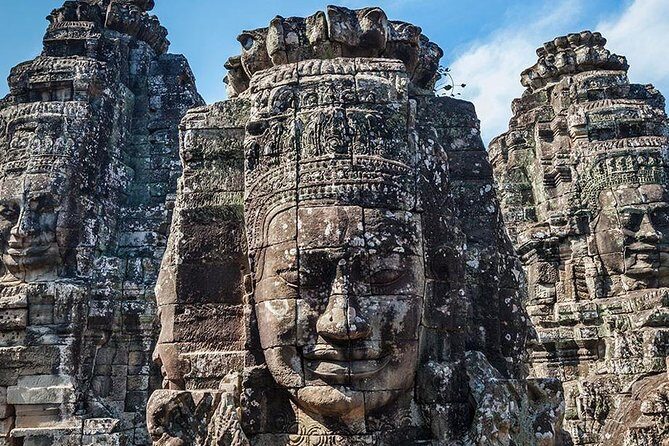
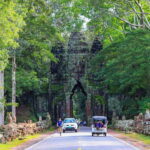
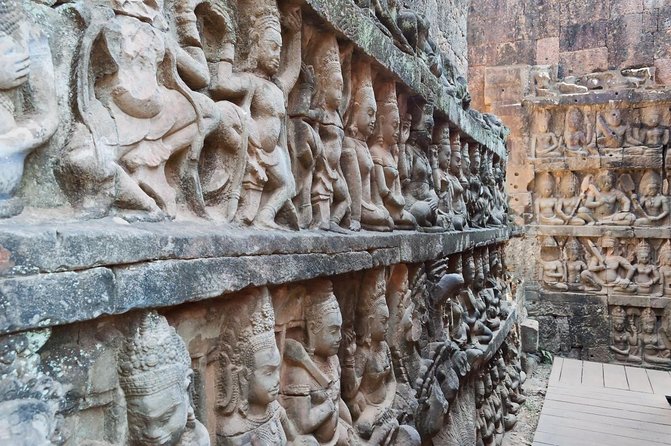
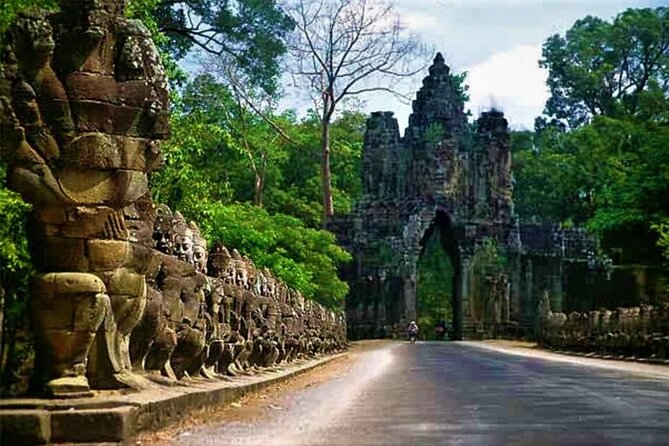
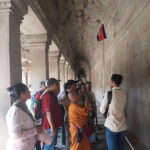
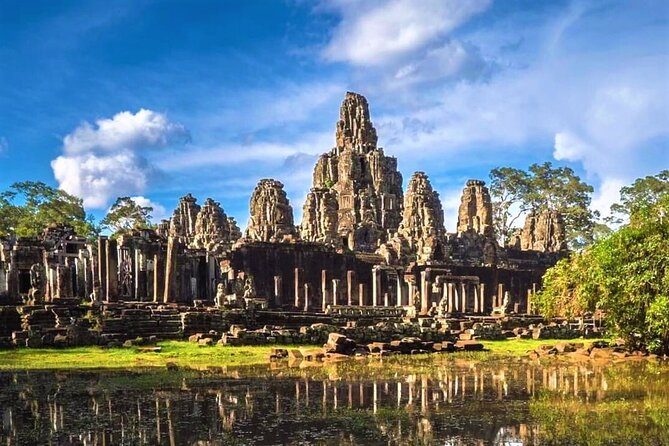
Angkor is the headliner, and Day 2 is a classic heavy-hitter day. You visit Angkor Thom’s South Gate, then move through major stops including Bayon Temple, Baphuon, Phimeanakas, and the dramatic Terrace of the Elephants and Terrace of the Leper King. It’s a lot, but it’s also the kind of itinerary where each site feels like a different chapter of the same story.
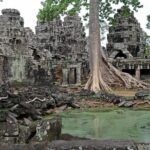
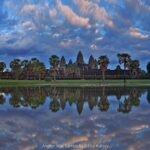
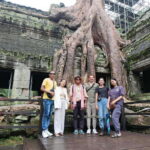
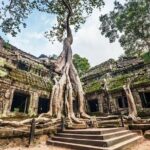
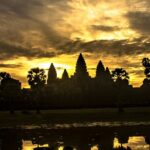
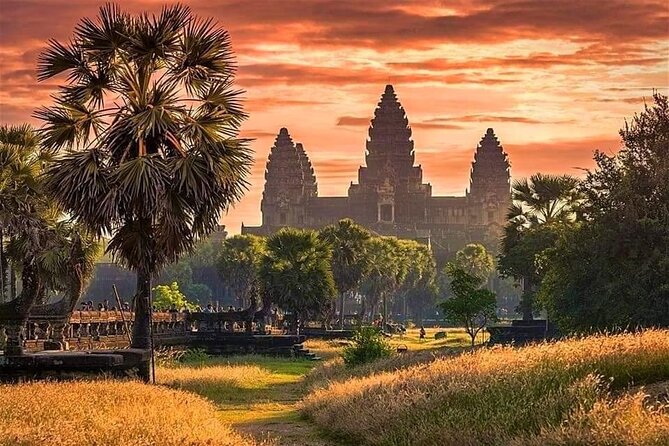
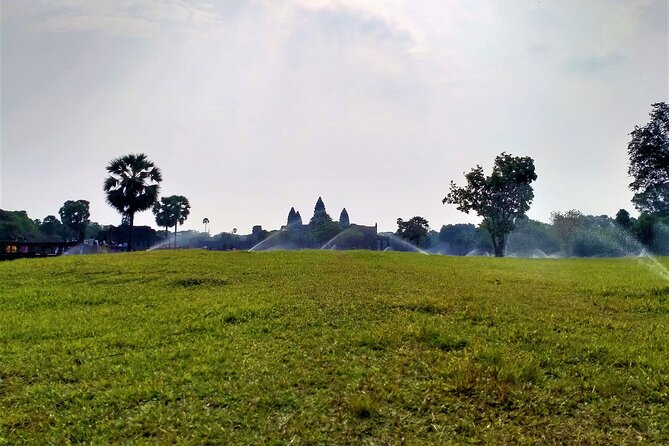
Then the day goes big with Ta Prohm and ends at Angkor Wat. Ta Prohm is the one people talk about for a reason: the feel is half temple, half jungle drama, with trees interwoven into the structures. Angkor Wat, meanwhile, is your slow-burn masterpiece—massive, perfectly composed, and one of those places where your brain needs a minute to catch up.
The careful part: your ticket time includes a lot of sites, but you’re still on a schedule. You’ll want to pace yourself inside the ruins and not try to treat it like a speed-walk. If you’re prone to rushing, you might feel tired by the end, especially after an early start.
Practical note: this day includes many distinct stops, so the walking adds up. Bring water, and plan to rest your legs even if you’re tempted to keep going.
Tonle Sap by Boat and Kampong Phluk: A Different Side of Cambodia
Day 3 shifts the mood away from stone. You start at Tonle Sap Lake, described as the largest freshwater in Southeast Asia, and its size changes through monsoon and dry season. That seasonal change matters, because it shapes how communities live on the water and along the lake’s edges.
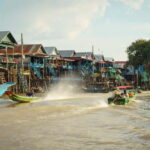
Next comes Kampong Phluk Floating Village, visited by traditional wooden boat. This isn’t just a photo stop. It’s the kind of experience that helps you see daily life beyond the temple circuit—homes, shoreline patterns, and the rhythm of an environment that’s constantly changing.
You also add a temple stop at Wat Preah Prom Rath, plus Artisans Angkor for Khmer craftsmanship and local job training. Then it’s back to scenic scale with West Baray, another man-made water feature connected to Angkor-era engineering and local legend.
This day is valuable because it breaks up the rhythm. If you’ve only been thinking in terms of Angkor, Tonle Sap resets your perspective. It also gives your legs a slightly different kind of activity—less ruin-climbing, more moving through village and lakeside views.
The Road Trip to Kratie: Naga Bridge, Kampong Thom, and Crossing to Koh Trong
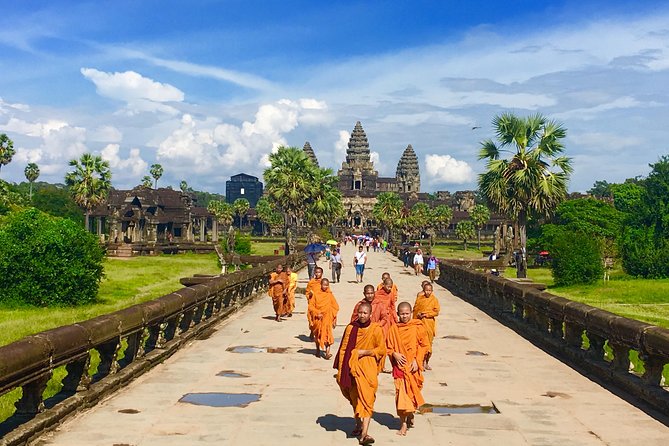
Day 4 is where you transition from Siem Reap’s ancient zone to the Mekong’s slower world. You depart Siem Reap and make stops that keep the drive from feeling like dead time. First is Spean Praptos—also known as Naga Bridge—an old Angkor-period bridge with a mythic feel tied to nagas.
You then pass through Kampong Thom city, with a stop that includes a stone cutting village and walking around to see large sandstone statues in the area. After that, you ride through Provincial Road 222 and stop at a rubber plantation at Stueng Trang, noted as the largest rubber plantation in Cambodia. Even if you’re not a rubber-nerd, it helps you understand what’s growing and working in the regions you’re driving through.
The Mekong crossing is the turning point. You reach Kratie, then take a boat to Koh Trong and walk along the riverside. This is an important change: instead of moving temple to temple, you shift toward river views and island time.
The potential drawback here is simply the long travel day energy. It’s not hard by design, but it is a full day of getting from A to B with several stops. Plan to stay hydrated and use breaks when your guide offers them.
Koh Trong Island: Biking a Car-Free 7 km Mekong Strip
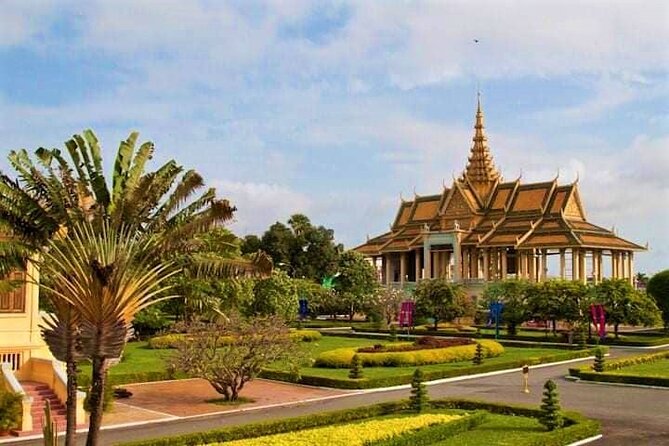
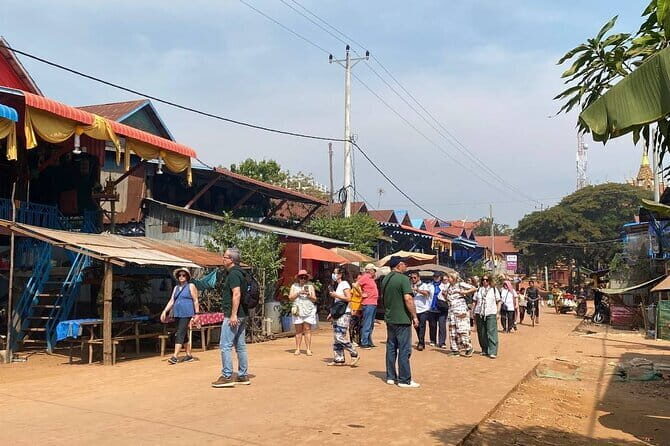
Day 5 is your reward day. You wake up on Koh Trong Island, where there are no cars and you explore by bicycle. The island is about 7 km long and 1 km wide, home to around 500 families—small scale, real local life, and plenty of chances to slow down.
That car-free detail is why this portion of the trip works. You’re not constantly fighting traffic or waiting for transfers. You’re moving at a human pace, which makes the Mekong feel personal instead of scenic.
Later you head back to Kratie for Kratie Samaki Market, a look at daily life and products from the province, with colonial buildings around it. You also visit Phnom Sambok Pagoda, then go to the 100 Colums Pagoda, and round out the day with a Mekong wildlife experience.
The day includes a boat visit to Mekong Dolphins in the conservation area. Dolphins in the Mekong are described as critically endangered in the route details, so your mindset here should be respectful and patient. You’re going for the chance to see them and learn about the conservation effort, not for guarantees.
If you’re traveling with someone who hates biking or struggles with physical activity, this may be the only part to reconsider. The itinerary does mention moderate physical fitness, and cycling on an island is the most active moment.
Kampong Cham and Skun Spider Sanctuary: Rural Stops That Change the Story
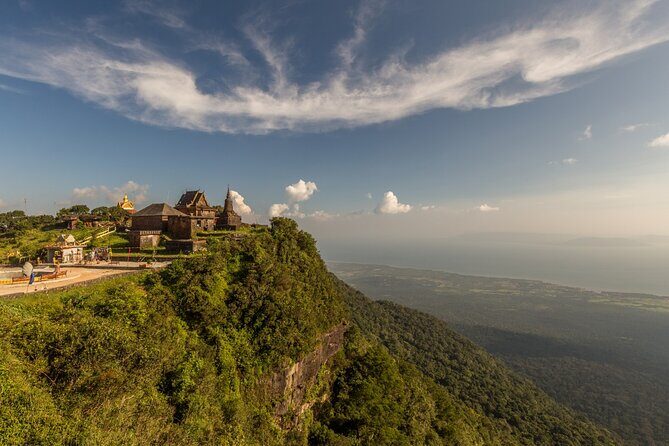
Day 6 keeps you moving, but in a way that adds texture. You spend time around Kampong Cham, Cambodia’s third-largest city, with stops that focus on temples and rural community life rather than big monuments.
You visit Dei Doh Pagoda, known for a pair of well-preserved sandstone lions. Then it’s on to Cheung Kok Village, supported by a French NGO called Amica, which backs efforts toward more sustainable rural life. You also see Skun Spider Sanctuary, centered on a market famous for a food product you don’t see in most other places.
This is one of those days where the value is in perspective. Temples can feel timeless and distant, but villages and regional markets remind you that Cambodia’s culture is lived every day. If you go in with curiosity, the day feels less like “another stop” and more like a chapter switch.
It’s also a practical day. The itinerary doesn’t force a huge list of temple-on-temple-on-temple stops. You get a few focused experiences, then you’re back to a comfortable 4-star hotel for the night (like Sun & Moon Urban Hotel or similar).
Phnom Penh in One Day: Royal Palace, Silver Pagoda, and the Weight of Tuol Sleng
Day 7 is the city day, and it’s deliberately structured. You start around the river junction setting and then hit the Phnom Penh highlights that most first-time visitors hope to see.
First is the Royal Palace, with construction starting in 1886 after the royal capital relocated to Phnom Penh, and completed before World War I. Next comes the Silver Pagoda, next to the palace complex and known for its garden and interior setting.
Then you visit Wat Phnom, set on a tree-covered knoll, and you add city landmarks like the Independence Monument (built in 1958 to memorialize independence from France in 1953). You also visit the memorial area for King Norodom Sihanouk, plus Wat Ounalom on the riverfront area.
The heavier part comes after the classic landmarks: Tuol Sleng Genocide Museum and Choeung Ek Genocidal Center. These are former Khmer Rouge sites connected to the Cambodian genocide, and the route includes both locations so you can understand the scale of the tragedy and where it played out.
This day’s balance is what you’re paying for. It’s not just a sightseeing sprint. You also get structured historical context, so the memorials land with meaning instead of becoming box-checking.
You finish with Central Market, a dome-like market built in 1937, designed by Jean Desbois, with four arms branching into halls full of stalls. It’s a good final stop because it’s lively, hands-on, and a chance to pick up small things without turning the day into one more temple.
Getting Home: Airport Transfer and What to Pack for This Route
Day 8 is mainly about departure. After breakfast, you get free time until your driver meets you and transfers you to Techo International Airport without a guide. It’s a simple end to a trip that starts with temples and ends with logistics handled.
What you should pack for a route like this is based on what the itinerary asks of you. You’ll walk in temple zones, cycle on Koh Trong, and ride long distances between regions. Bring clothing that covers up for temple visits, plus comfortable shoes you trust for uneven ground.
Also plan to keep your day bag ready for heat: water and a small towel are your best friends. One detail that stands out from past group experiences is how drivers can keep things comfortable with cold water and towels, so you’ll likely appreciate having your own basic supplies too.
Price and Value: Is $1,223.10 a Good Deal?
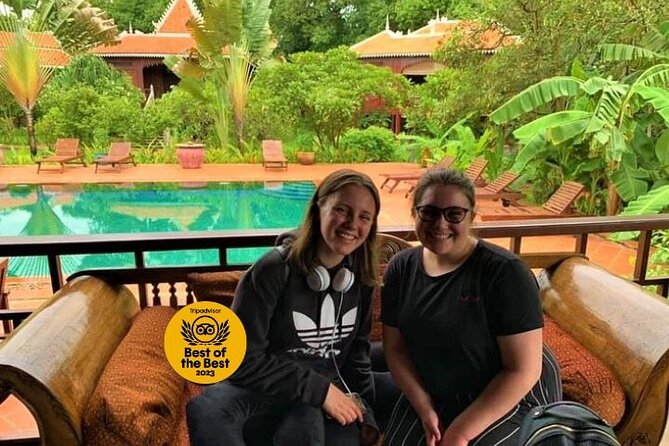
At $1,223.10 per person for an 8-day private route, the question isn’t just the headline price. The real value is what you get for that money: 4-star hotels (plus two nights in a traditional Khmer house, as described in the trip overview), English-speaking guiding, entrance fees included, and breakfast on 7 mornings.
You’re also paying for the hard part of this kind of itinerary: the distance. Siem Reap, Kratie/Koh Trong, Kampong Cham, and Phnom Penh are far apart, and the tour includes private air-conditioned vehicle transfers plus boats for the Mekong segments. That means less time wrestling transport and more time actually seeing the places you came for.
The only caution on value is personal pacing. If you prefer very slow travel and fewer stops, the schedule may feel full. If you’re the type who likes a well-built plan with room to enjoy moments, this route tends to feel like a solid use of time.
Should You Book This Siem Reap to Koh Trong to Phnom Penh Tour?
Book it if you want an efficient, well-organized mix of Angkor temples, Mekong island life, and a Phnom Penh day that includes both major landmarks and the country’s hard history. The private driver and included entrance fees make it feel smooth, and the Koh Trong cycling day is the kind of contrast that makes the trip memorable instead of repetitive.
Skip it or adjust expectations if you hate long driving days or if walking plus heat will drain you. The itinerary includes many key sites packed into a few days, so you’ll want to keep a steady pace and give yourself small breaks.
If you like stories tied to place—temples with context, villages with real rhythm, and monuments with historical weight—this is a strong route worth your consideration.
FAQ
What is the duration of this tour?
It’s listed as 8 days (approx.).
Where does the tour start and end?
It starts with pickup and meeting at Siem Reap Airport and ends with a transfer (without guide) to Techo International Airport.
What’s included in the price?
The tour includes accommodation (double or twin, triple sharing rooms), all sightseeing entrance fees, an English-speaking tour guide, private air-conditioned vehicle transfers, and breakfast (7). Tips for guide and driver are not included.
Is this a private tour?
Yes. It’s described as a private tour/activity, meaning only your group participates.
Is pickup provided?
Yes, pickup is offered (meeting point is Siem Reap Airport).
How far in advance do I need to cancel for a full refund?
You can cancel up to 6 days in advance for a full refund (you must cancel at least 6 full days before the experience start time).