REVIEW · SIEM REAP
Angkor Wat: Sunrise 2.5 Days Temples & Tonle Sap-Small Group
Book on GetYourGuide →Operated by Journey Cambodia · Bookable on GetYourGuide
Angkor at dawn feels like a reset button. This 2.5-day small-group run strings together the big names plus the quieter temple stops, with Angkor Wat sunrise and a Tonle Sap lake visit built in. I especially love how the route mixes famous carvings with less-frequented temples, and I also like that you get a licensed English guide who turns stone details into readable stories. One thing to consider: you’ll be on your feet early and long days include a lot of walking, so comfortable shoes matter.
Here’s the practical heart of it: you start with exterior temple time before crowds, then you work outward—temples beyond Angkor Thom on Day 1, the main sunrise and Angkor Thom sites on Day 2, and finally the floating-forest reality of Kampong Phluk on Day 3. If your trip timing falls in the dry season, Tonle Sap is swapped for Cambodia Phare Circus, so you still get an unforgettable cultural add-on.
Before you go, do the math on value. The tour price is $69, but temple entry is separate (a 3-day pass is $62 per person). For the money, you’re paying for guide skill, transportation, and the Tonle Sap cruise (or Phare Circus seat), not for the pass itself.
In This Review
- Key things I’d plan around
- Why this 2.5-day format works in Siem Reap
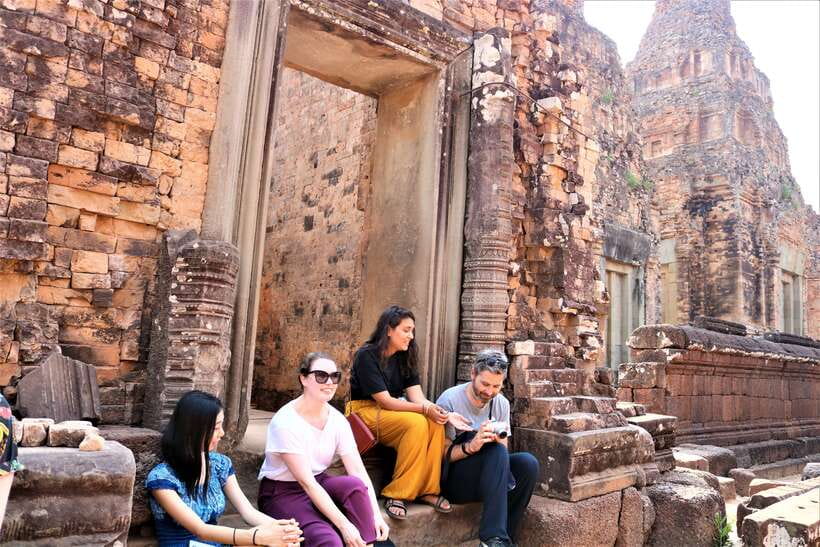
- Day 1: Pre Rup and the “smaller but sharper” temples outside Angkor Thom
- Day 2 morning: Pre-dawn Angkor Wat, torches, and that long bas-relief stretch
- Day 2 late morning and afternoon: Angkor Thom, Bayon faces, and Ta Prohm’s jungle drama
- Day 3: Tonle Sap and the Kampong Phluk flooded forest boat trip
- Guides and drivers: the difference between “seeing” and getting it
- Price and logistics: what $69 really buys
- What to bring, what to wear, and what to expect from the pace
- Who this tour suits best
- Should you book this Angkor Wat sunrise 2.5 days?
- FAQ
- How much does the tour cost?
- How long is the experience?
- Is Angkor Wat sunrise included?
- Are temple entrance fees included?
- What’s included for Tonle Sap?
- What’s included instead of Tonle Sap in the dry season?
- What does pickup include?
- What language is the guide?
- What should I wear or bring?
- Is it suitable for mobility impairments, and what about cancellations?
Key things I’d plan around
- Torch-light sunrise entry at Angkor Wat on a rarely visited eastern side
- Banteay Srei reliefs and the fact it’s only been accessible since the late 1990s after Khmer Rouge activity
- A mix of major and atmospheric ruins like Pre Rup, Neak Pean, and tree-root chaos at Preah Khan
- Kampong Phluk boat ride through a flooded forest with houses on stilts
- Small group size (up to 15) plus hotel pickup, with water and refreshing towels during stops
Why this 2.5-day format works in Siem Reap
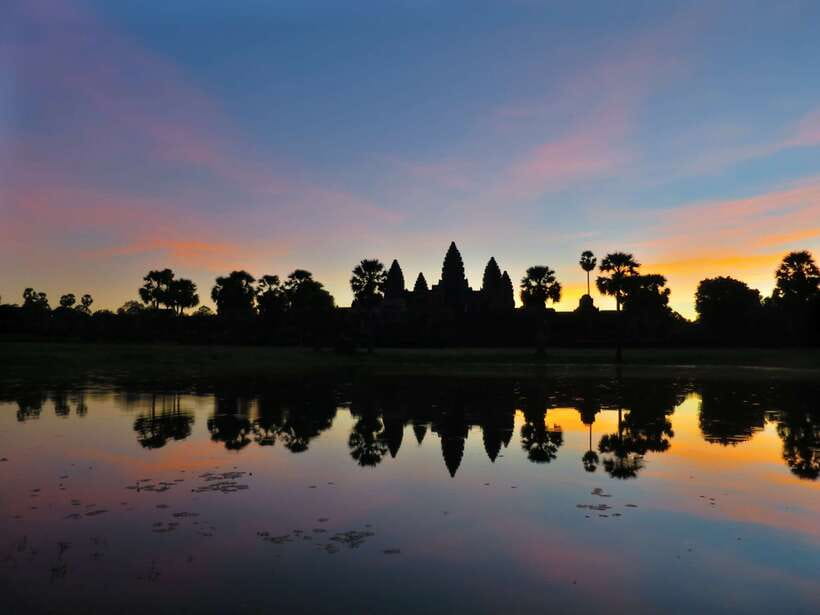
Siem Reap is built for long temple days, but many tours waste time bouncing between the same places in the same order. This one has a smarter rhythm: it hits sunrise outside Angkor Wat first on Day 2, then uses Day 1 to cover major sites around Angkor Thom, and saves the lake for the final morning when you’re ready for something completely different.
What you get is balance. You’ll see the spectacle of Angkor Wat and Angkor Thom, but you also spend time on temples that feel quieter and more personal—especially Banteay Srei and Preah Khan. And since Tonle Sap is a full-body experience (boat, stilted houses, flooded forest life), it breaks the pattern so you don’t feel like you’re staring at stone nonstop for two and a half days.
You can also read our reviews of more tours and experiences in Siem Reap.
Day 1: Pre Rup and the “smaller but sharper” temples outside Angkor Thom
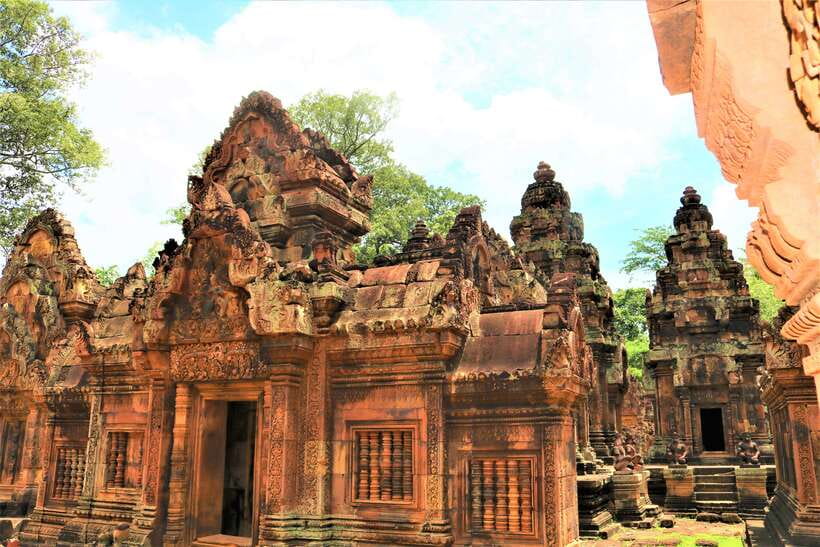
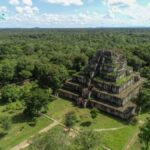
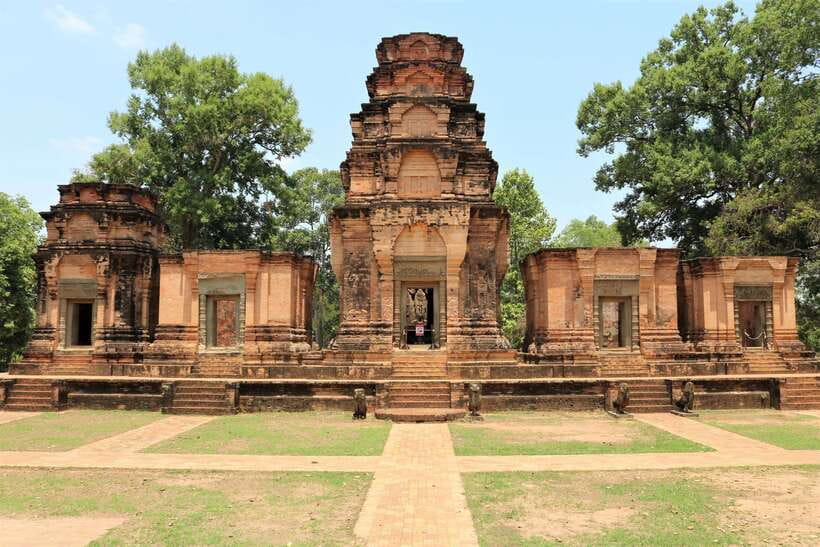
Day 1 is built around temples outside the Angkor Thom city core, which is a smart way to start if you want variety right away. You begin at Pre Rup, a Hindu temple described as a mountain temple made of brick, laterite, and sandstone. The key thing here is not just its age—it’s how the materials and structure shape the feeling of the place. Even if you don’t know the Khmer Empire story yet, the form helps you “read” what’s going on.
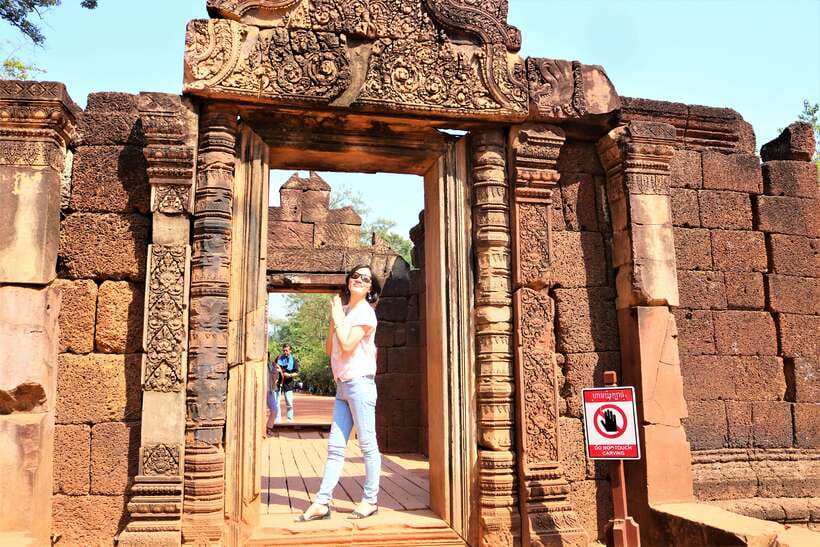
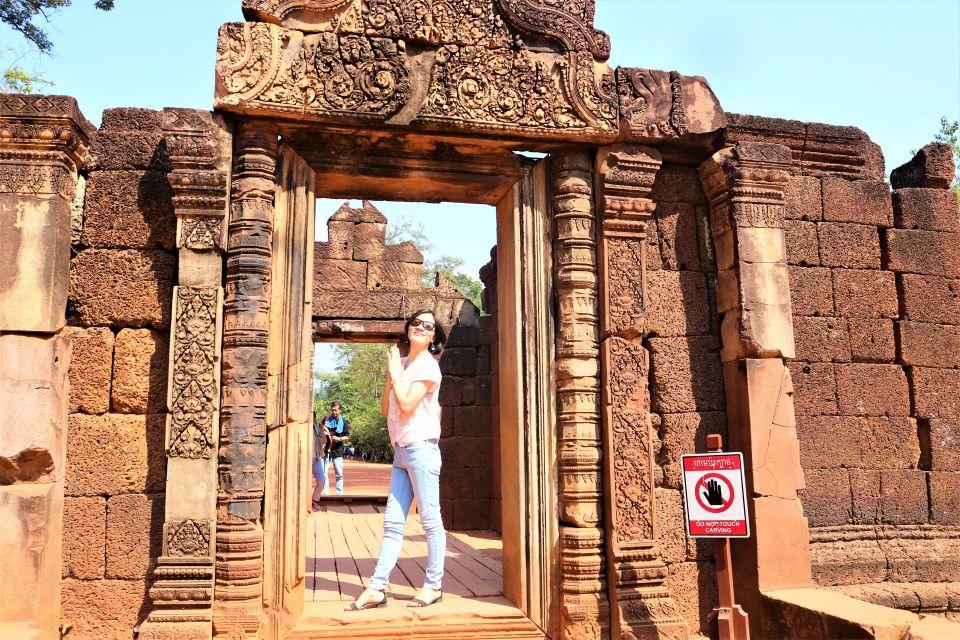
Next comes Banteay Srei, often the kind of site people remember for the level of detail. This is a smaller sandstone structure, and the relief carvings are regarded as among the finest and most skillfully crafted in Cambodia. One detail I love here is that access to Banteay Srei has been limited since the late 1990s after Khmer Rouge left the area. That gives the stop a weight beyond sightseeing. You’re seeing something that came back into the open.
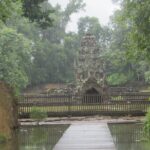
Then you pause at Neak Pean, an artificial island with a Buddhist temple on a circular island. It’s a different spiritual theme from the earlier Hindu focus, and it also changes the visual experience—suddenly you’re thinking about water, circles, and transitions rather than grand temple towers.
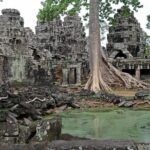
You end Day 1 at Preah Khan, which is ruined in a very atmospheric way, with tree roots and crumbling stone structures doing half the acting for you. If you like temples that feel lived-in by nature, this is your payoff.
What to watch for on Day 1: this day is more about legs than selfies. You’ll want to move at a steady pace, and you’ll appreciate the guide’s ability to point out what matters in each ruin instead of just walking past it.
Day 2 morning: Pre-dawn Angkor Wat, torches, and that long bas-relief stretch
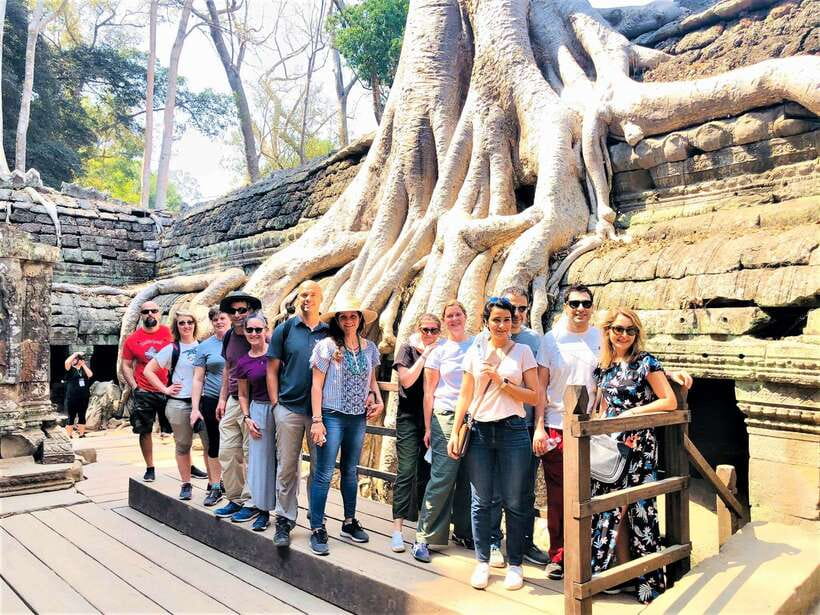
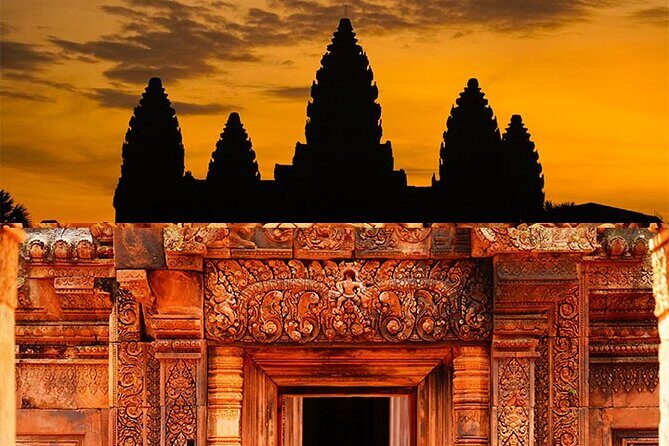
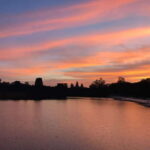
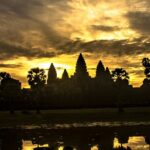
If Angkor Wat is the headline, sunrise is the trailer you actually want to watch. On Day 2, you depart from your hotel before dawn to see the sunrise outside Angkor Wat. Then you enter in darkness and walk with the light from your torch. That “dark first” approach changes everything. You’re not scanning a busy courtyard; you’re slowly orienting yourself while the day is still turning on.
The route includes the rarely visited eastern side, which is a major quality-of-experience point. Many visitors only experience Angkor Wat in the most obvious angles. Here, you’re given a different walk, which helps you understand the scale and story flow of the complex.
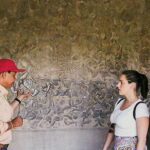
After that orientation comes the bas-reliefs. You’ll creep along cloistered corridors past the longest stretch of bas-relief carvings in the world, and the local guide breaks down the stories behind the carvings. This is one of those moments where good guiding isn’t optional. The carvings are dense, and the difference between staring and understanding can be huge—especially when your guide connects what you’re seeing to Khmer Empire life.
The morning tour ends at Angkor Wat with breakfast outside the temple and a short rest. That break matters because Angkor is best absorbed slowly, not in a frantic sprint. You’ll still keep moving afterward, but having a real pause reduces the “I only remember sweat” effect.
Tiny practical thought: sunrise days sound magical, but your body treats them like early work shifts. If you’re sensitive to early mornings, plan your energy for bedtimes, hydration, and shoe comfort.
Day 2 late morning and afternoon: Angkor Thom, Bayon faces, and Ta Prohm’s jungle drama
Once sunrise is done, the tour continues into Angkor Thom, the fortified city. You go to the southern Gate of Angkor Thom, flanked by a row of 54 stone figures of Gods and demons. It’s the kind of architectural element that’s easy to photograph without understanding—but the guide’s stories help you see the gate as part of a larger ritual and political layout.
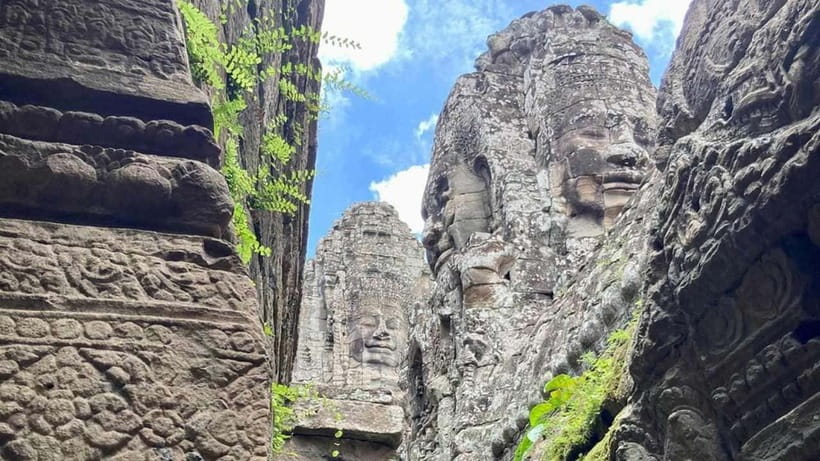
Next is Angkor Thom itself, with time at Bayon. Bayon’s central towers are covered in more than 200 enormous faces. If you’ve seen photos, you know the faces are striking. What you might not expect is how the repetition makes the space feel like it’s watching you back. The scale hits differently when you’re standing close enough to notice the texture and symmetry.
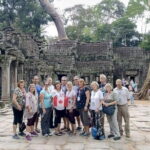
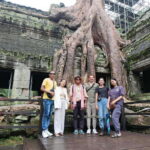
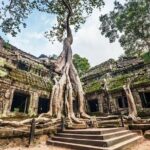
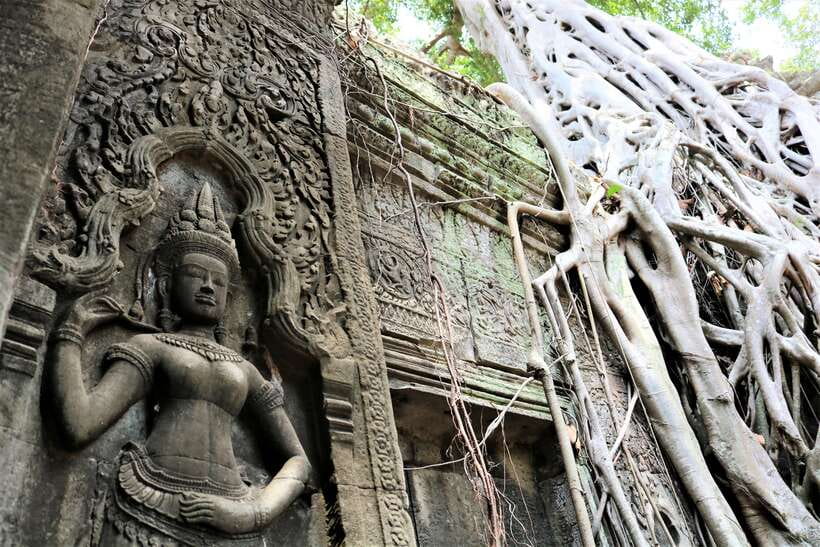
After lunch and a rest break, you head to Ta Prohm, famously wrapped in jungle growth. This temple feels atmospheric because it’s not “cleaned up.” Tree roots work their way through stone, and the ruins look like they’re holding their own tension between manmade structure and the force of nature.
What to know for Ta Prohm: it’s one of the most photographed temples in the whole complex, so you’ll likely spend time waiting for clear angles. That’s not a downside if you treat it as part of the experience—slow down, look around, and let the guide point out the details you’d miss if you only chase the most famous view.
Day 3: Tonle Sap and the Kampong Phluk flooded forest boat trip
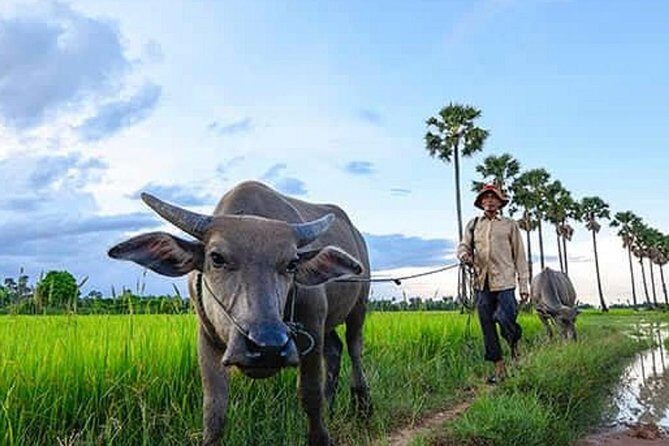
Day 3 takes you out through the countryside to Tonle Sap, described as the world’s second-largest freshwater lake. This is where the trip stops being only about stone temples and becomes about living geography.
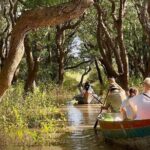
You’ll boat to Kampong Phluk, a collection of three small fishing villages set in an atmospheric flooded forest setting. The boat cruise moves through the village and lets you see unique houses on stilts, plus locals at work in the floating forest. This part of the day tends to feel eye-opening because the architecture and daily life change with the water level. You’re not just looking at a “place”—you’re seeing how people adapt to the lake’s rhythm.
The tour also includes the Tonle Sap entrance fee & boat cruise as part of your package (with the alternative swap in dry season). That matters because many cheaper tours only cover the transport and then you pay separately once you arrive.
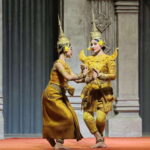
If you’re doing this trip in dry season: Tonle Sap is replaced by Cambodia Phare Circus, and your seat is listed as seat C. That gives you a consistent cultural experience even when the lake conditions change.
Guides and drivers: the difference between “seeing” and getting it
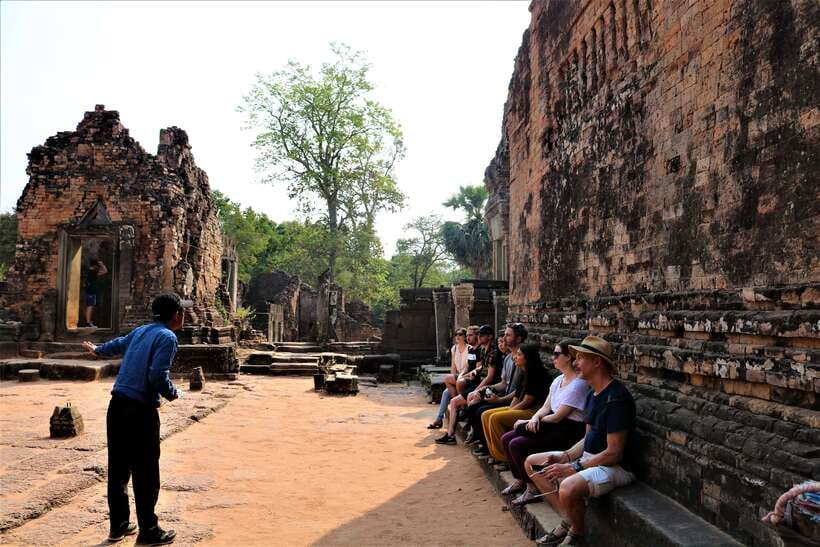
In this kind of tour, the guide isn’t a bonus. They’re the difference-maker between walking through temples and actually understanding what you’re looking at. The tour is built with a licensed English-speaking guide, and the names you might see in different groups include people like Pal Saruon, Pireak, Pi, Sam, and AJ.
What I like most is the way guides handle the practical stuff too: staying patient, explaining what’s in front of you, and answering questions without making it feel like a classroom. One guide experience that comes through clearly is how people get support for photos—some guides are especially good at helping you position for better shots.
Drivers also matter here. Several groups reported drivers like Keal, Mao, Ro, and Usa arriving with cold water and refreshing towels after walking in heat. That detail sounds small until you’ve been in the Cambodian sun for hours and realize you’re suddenly okay again. Some drivers also time pickup so you’re not sprinting back to the vehicle.
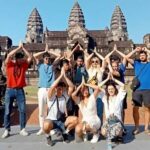
Group size up to 15 is another quiet win. You’re not stuck in a huge crowd funnel where everyone follows the same slow line. With a smaller group, you get breathing space to pause, ask, and move at a human pace.
Price and logistics: what $69 really buys
Let’s talk value like adults. The tour price is $69 per person, and that covers the guided temple/lake/circus experience plus hotel pickup and drop-off by air-conditioned vehicle, and it includes mineral water.
But temple entry is not included. You’ll need a 3-day pass for $62 per person. Breakfast is also not included.
So your likely total is closer to $131 per person, depending on your exact food costs in the mornings and what you choose to add. Still, that total can be good value because you’re paying for:
- an English guide who explains the sites (especially sunrise bas-relief storytelling)
- hotel transport so you’re not stuck arranging everything yourself
- the lake boat cruise, or the circus alternative, with the entrance fee included in the tour package
If you’re someone who likes doing things with less planning, this package can save real effort. And if you already know you’ll pay for a 3-day temple pass anyway, this tour’s $69 is mostly about putting your time under the right guidance.
What to bring, what to wear, and what to expect from the pace
You’ll want comfortable shoes. That’s the main stated requirement, and it’s a good one. With temple days that start early and run long, you’ll feel it in your feet if you ignore this.
Clothing rule: short skirts are not allowed. If you want to be safe, choose lightweight long pants or a breathable knee-length option.
Also note: the tour is not suitable for people with mobility impairments, so be honest about your movement needs before you book.
Heat is part of the deal. Even with planned breaks, you’ll be outside a lot. Bring a plan for hydration, and lean into the towel and water moments when the driver provides them at stops.
Who this tour suits best
This is a strong fit if you want:
- the Angkor Wat sunrise experience without having to figure out the logistics yourself
- a mix of major sights and less-visited temple atmospheres (Preah Khan and Banteay Srei are big reasons)
- a day that’s not only stone: the Tonle Sap flooded forest boat trip is a major reset
It’s also a good match for first-timers who want context. The tour is designed around your guide interpreting carvings and temple meaning, not just handing you a map.
If you’re the type who hates early starts, you might find the pre-dawn departure rough. And if you’re not comfortable walking long temple days, this probably won’t feel enjoyable.
Should you book this Angkor Wat sunrise 2.5 days?
I’d book it if you want a structured trip that covers both the headline temples and a genuinely different day on Tonle Sap, with a guide who explains what you’re seeing and a driver who helps you stay comfortable. The small group size helps keep the experience personal, and the torch-lit sunrise approach makes the Angkor Wat morning feel like more than a photo stop.
I’d skip or at least think twice if you don’t like early mornings, or if you’re expecting the $69 price to cover temple entry and meals. Add the temple pass ($62) and factor in breakfast, and you’ll feel less surprised by the final budget.
If you can handle walking and you want your Siem Reap time to feel organized rather than improvised, this is a very sensible way to do Angkor plus Tonle Sap in a short window.
FAQ
How much does the tour cost?
The price is $69 per person.
How long is the experience?
It lasts 2.5 days.
Is Angkor Wat sunrise included?
Yes. You depart from your hotel before dawn to see sunrise outside Angkor Wat, and you enter Angkor Wat in darkness with torch light.
Are temple entrance fees included?
No. You need a 3-day temple pass for USD 62.00 per person.
What’s included for Tonle Sap?
The tour includes Tonle Sap entrance fee and a boat cruise to Kampong Phluk.
What’s included instead of Tonle Sap in the dry season?
During the dry season (March 1 to June 31), Tonle Sap is replaced by Cambodia Phare Circus, and your seat is listed as seat C.
What does pickup include?
Hotel pickup and drop off are included in an air-conditioned vehicle, and pickup happens at the hotel lobby.
What language is the guide?
The tour includes a licensed English-speaking guide.
What should I wear or bring?
Bring comfortable shoes. Short skirts are not allowed.
Is it suitable for mobility impairments, and what about cancellations?
It is not suitable for people with mobility impairments. You also get free cancellation up to 24 hours in advance for a full refund, plus a reserve now and pay later option.