REVIEW · SIEM REAP
Siem Reap Lotus Silk Farm Discovery tour & Lake experience
Book on GetYourGuide →Operated by Savin Lotus Shop · Bookable on GetYourGuide
A quick break from Angkor traffic can change your whole day. This Siem Reap tour trades temple chaos for a calm lotus silk story plus a slow boat float over pink blooms. It’s short, pretty, and genuinely hands-on in the way it explains how the fiber gets made.
What I especially like: the farm tour is a real look at how lotus silk is produced (including a live extraction demonstration), and the boat portion is peaceful enough to feel like you’ve stepped out of Cambodia’s day-to-day bustle. Expect friendly guides, a lot of photo moments, and tea that tastes like it belongs in the countryside.
One thing to consider: it’s only 2.5 hours total including transport, so if you’re hoping for long, deep workshops with lots of time on-site, this discovery format may feel a bit fast.
In This Review
- Key Highlights You’ll Care About
- Siem Reap Time-Out: Lotus Silk Meets Lake Calm
- Where the Tour Starts: Biolab Cafe Pickup and Getting Out of Town
- Lotus Silk Farm Tour: From Sacred Flower to Rare Fiber
- Tuk-Tuk Transfer and the Traditional Boat Portion
- Your Lotus Bouquet Keepsake (Made While You Float)
- Tea, Rooftop Café Views, and Shopping Without Pressure
- Value for $20: What You Really Get in 2.5 Hours
- Who This Tour Is Best For (and Who Might Prefer Something Else)
- Booking Advice: Tips That Make the Experience Better
- Should You Book This Siem Reap Lotus Silk Farm Discovery & Lake Tour?
- FAQ
- What is the duration of the Siem Reap Lotus Silk Farm discovery tour and lake experience?
- How much does it cost?
- Where do I meet for pickup?
- What are the pickup departure times?
- What does the tour include?
- Are hotel pickup and drop-off included?
- Is the tour only for adults?
- What languages are spoken on the tour?
- Is photography allowed?
- Is the tour weather-dependent?
Key Highlights You’ll Care About
- 30-minute farm tour with live lotus silk extraction so you see the process, not just the story
- Traditional wooden boat cruise through lotus cultivation areas for that slow, serene “pink water” feeling
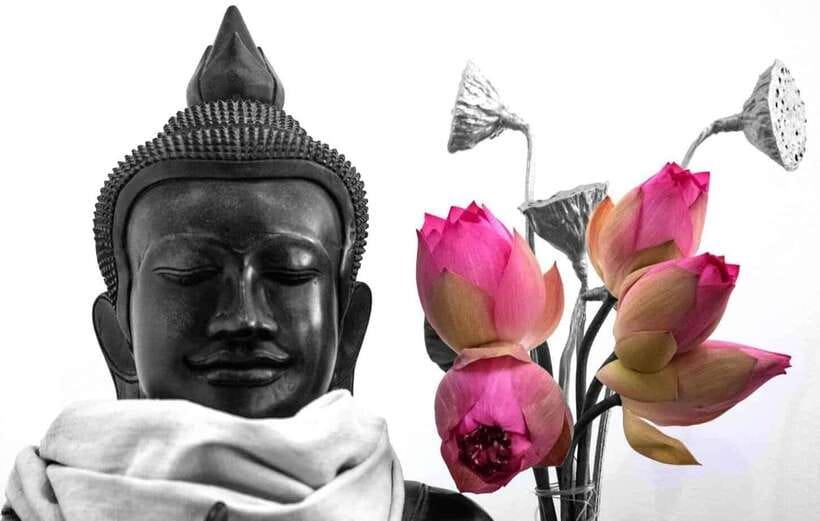
- Boatman/boat team makes lotus bouquet keepsake while you float among the blooms
- Rooftop lotus tea and biscuits in a calm setting before you shop
- Women-led sustainable enterprise vibe, with real attention to social impact and eco-minded production
- Small group up to 12 means less waiting and more time for your questions
Siem Reap Time-Out: Lotus Silk Meets Lake Calm
If your Siem Reap itinerary is packed with temple circuits, this is the palate cleanser. You start in town, then you’re carried out to a women-run silk operation where the sacred lotus isn’t just a symbol—it’s the raw material behind a rare textile.
The magic combo here is simple. First, you learn how lotus becomes a fiber and eventually fabric. Then you relax on a boat moving through fields of pink blooms. It’s a rare schedule that mixes education with quiet time, so you don’t feel like you’re on a checklist.
You can also read our reviews of more tours and experiences in Siem Reap.
Where the Tour Starts: Biolab Cafe Pickup and Getting Out of Town
You meet at Biolab Café & Restaurant in downtown Siem Reap. The waiting area is air-conditioned, and you can grab coffee or small bites if you arrive early. Look for the distinctive lotus-colored PICKUP flag with the Lotus Silk Farm logo outside the café, and match it to the grey van driver.
The tour schedule runs four times daily: 8:30 AM, 10:00 AM, 12:00 PM, and 2:00 PM. I’d plan to arrive about 5 minutes early so you don’t feel rushed. From there, the drive to the farm area is short enough that it doesn’t eat your whole day, but long enough that the scenery changes from city motion to rural calm.
A practical point: hotel pickup isn’t included. If you’re staying outside downtown, you’ll want to plan a quick Grab/ride/tuk-tuk to Biolab Café first.
Lotus Silk Farm Tour: From Sacred Flower to Rare Fiber
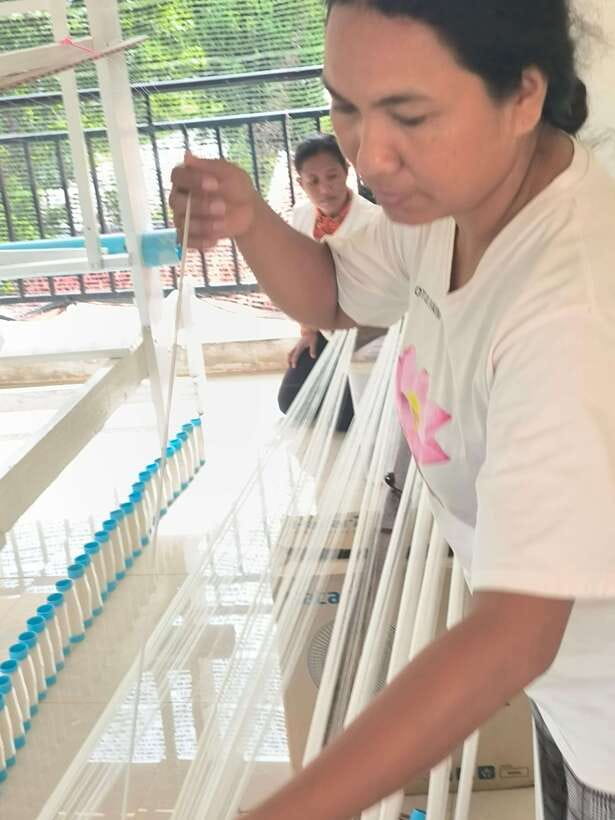
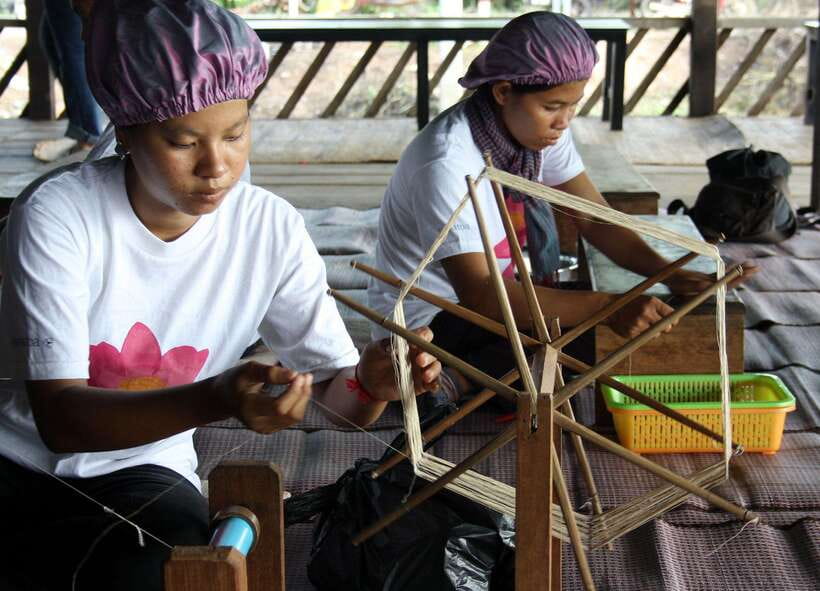
The farm stop is built around a guided explanation of how lotus silk production works in practice. You’ll get a 30-minute guided tour of the production facilities, and you’ll see a live demonstration of lotus silk extraction and processing.
This is the part that makes the experience feel more than pretty pictures. Lotus silk is rare for a reason: the plant has to be handled carefully, and the fiber extraction is labor-intensive. One of the big takeaways is that this process is done by hand, without machines replacing the human work. That matters because you’re not just buying a souvenir—you’re seeing what creates it.
You’ll also hear how the lotus is used beyond just textiles. Some products described include items made from leftover parts (like lotus pods turned into beads, and other materials made from stems). The overall message is “nothing is wasted,” and that’s not just a slogan here—it shapes what they produce and why.
If you’re curious about sustainability, pay attention to how they frame their approach. In reviews, people specifically note that they avoid chemicals and that the process is designed to minimize waste. Even if you don’t catch every detail, you’ll come away with a clear mental map of lotus-to-fiber.
What to watch for during the tour:
- The exact steps of extraction and processing, since that’s what makes lotus silk different from other “natural” fibers
- How the guide explains the sacred role of the lotus in Khmer culture (it’s not just biology here)
- Opportunities to ask questions—guides run English and French, and they’re used to explaining this in plain language
One more practical note: the tour is in all weather conditions, so bring sunscreen no matter what the forecast says.
Tuk-Tuk Transfer and the Traditional Boat Portion
After the farm tour, you hop on a tuk-tuk transfer for a short ride to the water area. This stretch is quick (about 10 minutes each way in the itinerary), so you’re not stuck in transit for long. It also helps break up the visit so the boat doesn’t feel like an afterthought.
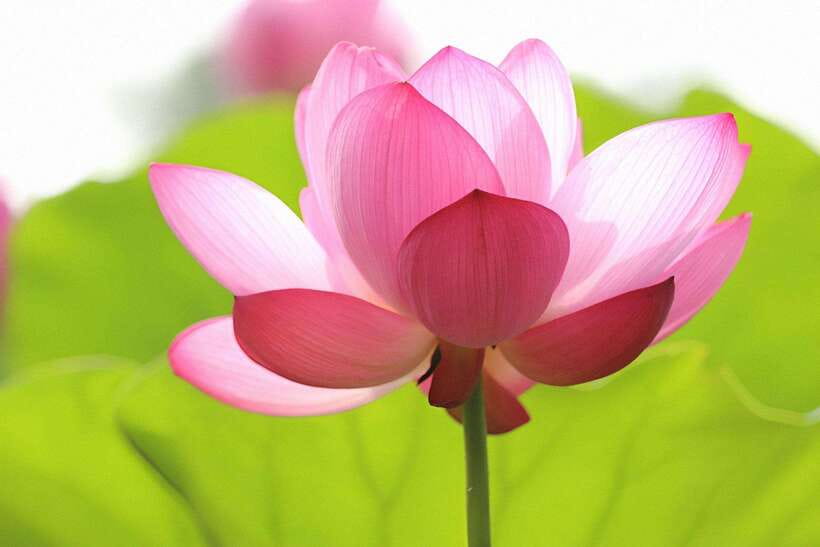
Then comes the main “wow” moment: a 30-minute boat excursion through lotus cultivation areas. You’ll be on a traditional wooden boat and glide past thousands of pink blooms rising from calm water. The pace is slow on purpose. The goal is that quiet, eyes-up-and-listen feeling—less “tour,” more “floating.”
What I love about this boat segment is how it turns learning into experience. You’ve just heard how lotus is treated and processed. Now you’re seeing the living crop itself, right where it grows.
And yes, it’s photo-friendly. You’ll get lots of chances for Instagram-worthy shots, but the better win is the stillness. Reviews also mention that they shelter people from the sun on the boat, which is worth knowing if you’re going during bright midday hours.
Your Lotus Bouquet Keepsake (Made While You Float)
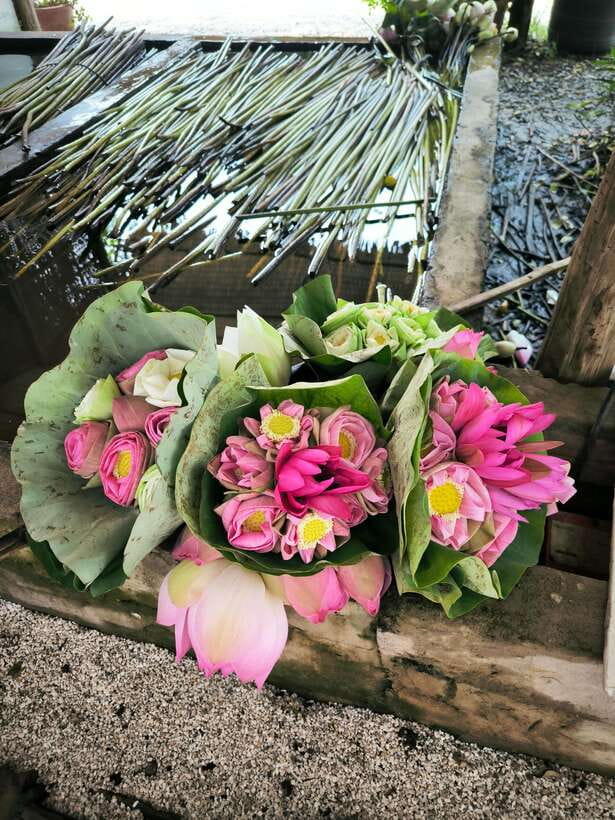
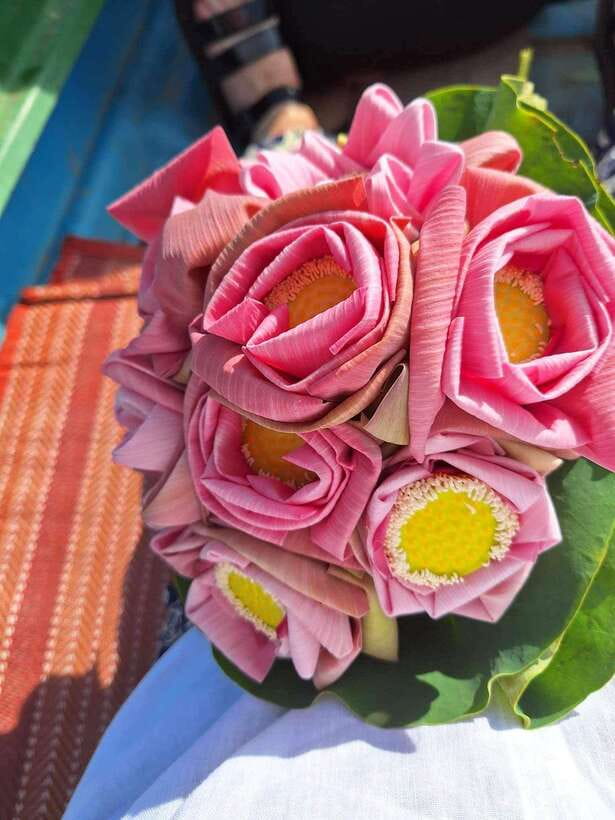
One of the most praised details is what happens while you’re on the water. The boat team can make an intricate lotus flower bouquet for you to keep.
It’s small, but it’s meaningful. You’re not just taking a photo and leaving. You get an edible-plant-to-art craft moment tied directly to what you just experienced in the water.
If you’re traveling as a couple or love “little souvenirs with a story,” this is the one. It also helps the boat ride feel interactive without dragging you out of the calm.


Tea, Rooftop Café Views, and Shopping Without Pressure
After the boat ride, you return to the farm area and finish with a calm break plus time for shopping.
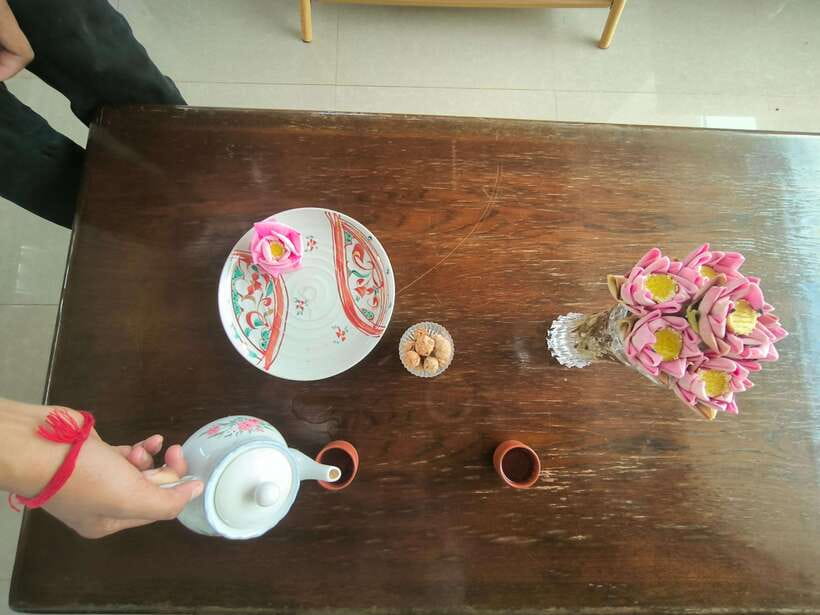
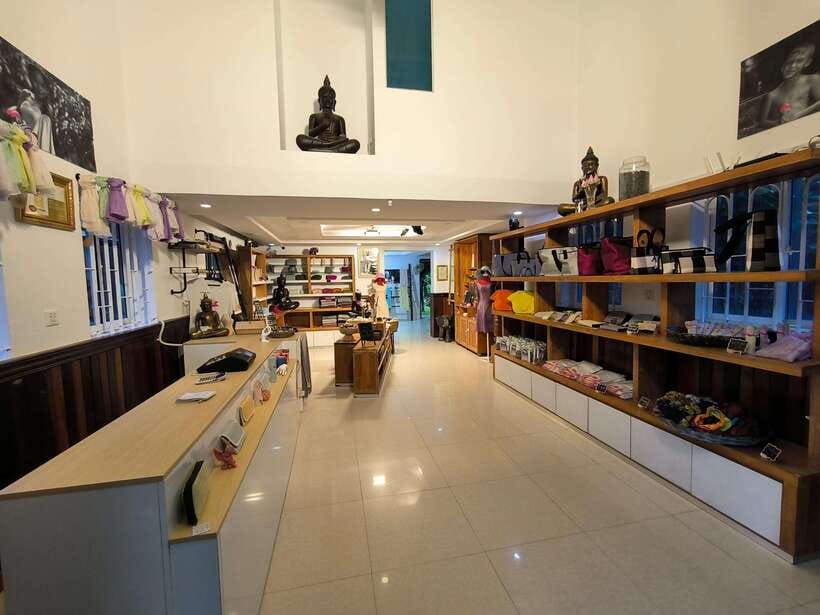
You’ll get lotus tea and biscuits (about 15 minutes), and there’s time to relax in a café setting, including a rooftop view over the countryside. It’s a nice rhythm: boat first, then a gentle decompression moment, then browsing.
Shopping here is optional, but it’s part of the point. The tour includes access to a boutique where you can browse authentic lotus silk products, sustainable crafts, and souvenirs. Purchases are personal expense items, so you won’t feel cornered into buying. Still, if you like the story of the fiber and the social mission, it’s the natural place to bring that support home.
One smart approach if you’re not sure what to buy: start by checking what’s made from lotus silk versus what’s made from other lotus parts. That helps you match your budget to what you actually want to take back.
Value for $20: What You Really Get in 2.5 Hours
At $20 per person, this is priced like a short cultural stop—but it doesn’t feel like a “tiny add-on.” You get:
- A 30-minute guided look at lotus silk facilities and production
- A live extraction demonstration
- A 30-minute boat ride through lotus cultivation areas
- Lotus tea and biscuits
- Round-trip shuttle from Biolab Café with multiple daily departures
For people who only have a few hours between Angkor and dinner plans, this hits a sweet spot. You’re not committing to an all-day excursion, but you also aren’t skipping the “why it matters” part. A lot of Siem Reap stops are either spectacle or education. This one tries to be both.
The best value angle is the social impact. Reviews repeatedly highlight that the business employs women and supports local families. That gives your ticket a purpose beyond photos.
Who This Tour Is Best For (and Who Might Prefer Something Else)
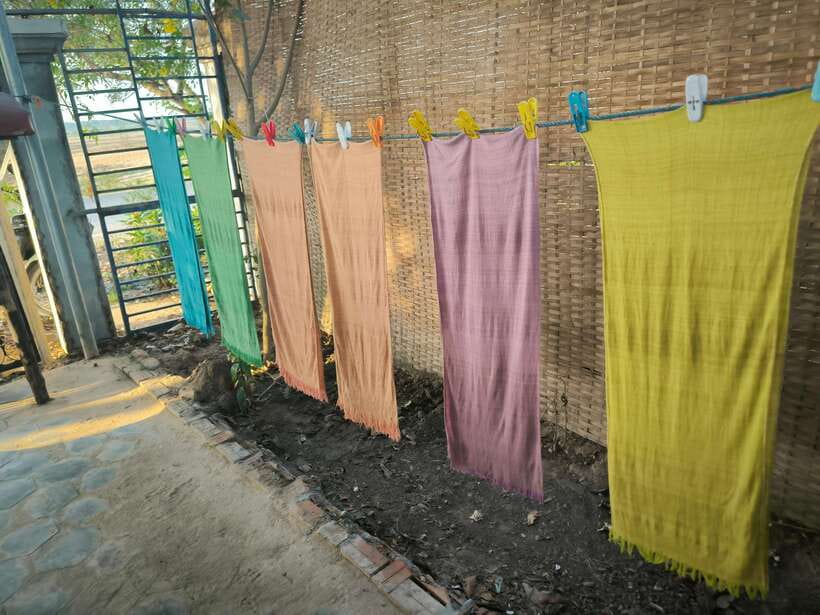
This is a strong fit if you’re:
- Short on time and want a meaningful break from temple crowds
- Into nature photography that isn’t just a viewpoint
- Interested in ethical tourism and how rural jobs connect to what you buy
- Traveling as a couple, since the boat portion is naturally romantic and quiet
You might pass (or choose a longer add-on) if you want hands-on craft making for most of the visit. This discovery format is observation-focused. Reviews mention extra workshops in some cases, but this package itself doesn’t include craft activities beyond watching demonstrations.
If you’re the type who gets bored by short stops, the schedule might feel tight. But if you enjoy “learn, see, relax, then go,” it fits your day well.
Booking Advice: Tips That Make the Experience Better
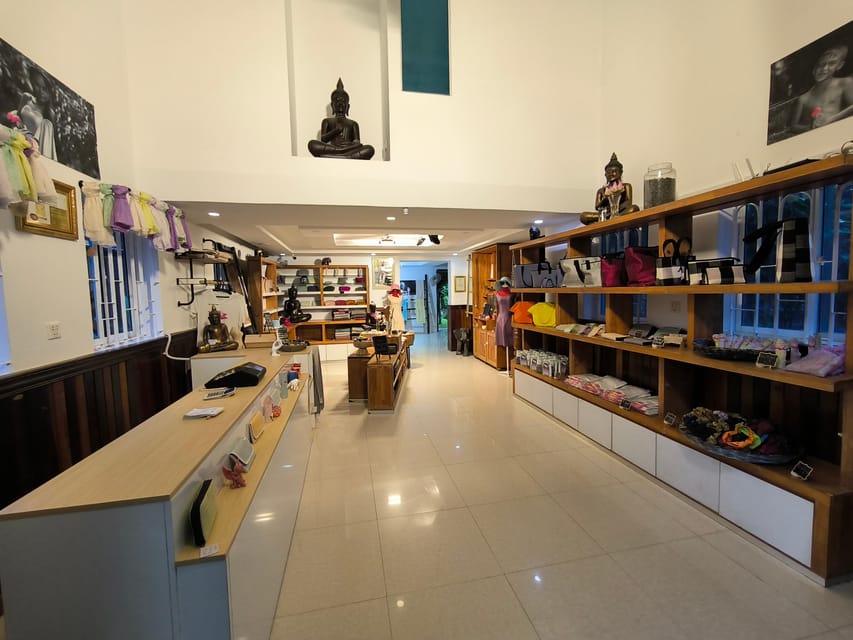
A few small tweaks can improve your trip a lot:
- Go with a camera ready. The boat and tea areas give you the most reliable photo angles.
- Wear comfortable walking shoes. There’s some movement around the farm areas.
- Bring sun protection and a water bottle. Refills are available, but Cambodia sun is not gentle.
- If you can, time it so you’re not cooking in full midday heat—although boat staff may help with shade, comfort still matters.
Also, don’t skip the guide’s explanations. The silk process is the part that gives the whole experience depth, and your questions will make the tour more personal.
Should You Book This Siem Reap Lotus Silk Farm Discovery & Lake Tour?
Book it if you want a calm, photo-friendly break that still teaches you something real about Cambodia’s lotus silk and why it matters for jobs and sustainability. For $20 and 2.5 hours, it’s one of the more balanced uses of limited time in Siem Reap.
Skip it only if you’re looking for a long, hands-on craft day or you strongly prefer temple-only planning. Otherwise, this is exactly the kind of experience that rounds out a Siem Reap trip with a quieter side of Cambodia.
FAQ
What is the duration of the Siem Reap Lotus Silk Farm discovery tour and lake experience?
The total duration is about 2.5 hours, including transportation time.
How much does it cost?
The price is $20 per person.
Where do I meet for pickup?
The meeting point is Biolab Cafe & Restaurant in downtown Siem Reap.
What are the pickup departure times?
There are four daily departures: 8:30 AM, 10:00 AM, 12:00 PM, and 2:00 PM.
What does the tour include?
It includes a 30-minute guided tour of the Lotus Silk Farm with a live extraction demonstration, a 30-minute boat excursion through lotus cultivation areas, lotus tea and biscuits, rooftop café refreshments, and round-trip shuttle service from Biolab Cafe.
Are hotel pickup and drop-off included?
No. Transportation is only provided from and to the meeting point at Biolab Cafe & Restaurant.
Is the tour only for adults?
No. It’s suitable for all ages, and children must be accompanied by an adult.
What languages are spoken on the tour?
Guides speak English and French.
Is photography allowed?
Yes, photography is allowed and encouraged.
Is the tour weather-dependent?
The tour operates in all weather conditions.