REVIEW · SIEM REAP
Angkor Wat & Small Tour with Bonteay Srei Temples
Book on Viator →Operated by Angkor Visit Tour · Bookable on Viator
Five temples, one well-paced day.
This small private tour is built for people who want big names at Angkor without feeling like they’re stuck in a rush-and-skip circuit. You get a professional guide, pickup and drop-off, air-conditioned transport, and cold water, plus time for a sunrise or sunset moment depending on what you choose.
What I like most is how the day is structured around the most famous stops, but explained in a way that connects the Khmer kings, religion, and stone carvings into one story. The other win is the private setup—only your group—so your pace can stay comfortable. One thing to factor in: entrance fees and food are not included, and the schedule is full enough that you’ll want to come ready for a long, active day.
In This Review
- Key highlights you’ll feel during the day
- Setting Your Day at Angkor: Pickup, Water, and a Private Guide
- Angkor Wat Sunrise or Sunset: The World’s Biggest Temple Moment
- Bayon Temple and Angkor Thom Walls: Reading Jayavarman VII
- Ta Prohm Jungle Temple: Roots, Ruins, and Staying Oriented
- Phnom Bakheng: A Temple Mountain With Timing Pressure
- Banteay Srei: The 967 AD Temple Dedicated to Shiva
- Price and Tickets: Why $38 Is Only Part of the Story
- Should You Book This Tour?
- FAQ
- How long is the tour?
- Is pickup included?
- What places are included in the route?
- Are entrance fees included?
- Is food included?
- Is the tour private?
- Do you provide a ticket on your phone?
- What’s included besides the guide?
- What is the cancellation policy?
- Where does the tour start and end?
Key highlights you’ll feel during the day
- Private guide for on-the-spot context at each temple, not just a route list
- Sunrise or sunset option tied to your preference, so the first or last light hits right
- Angkor Wat first, then the 12th–13th century power center of Angkor Thom
- Ta Prohm with its tree-and-root look, where timing and orientation matter
- Banteay Srei, dated to 967 AD, with Shiva-focused temple details and close-up carvings
Setting Your Day at Angkor: Pickup, Water, and a Private Guide
The day runs about 8 hours 30 minutes, and it starts with pickup in Siem Reap. You’re not left guessing how to get around. You’ll travel in air-conditioned private transport, and you’ll have cold water along the way, which helps more than people think in Cambodia’s heat.
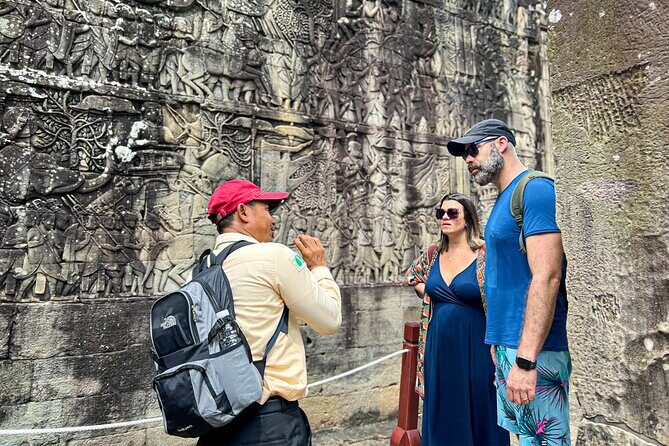
This is a private tour, meaning it’s just your group with your guide. That sounds simple, but it changes the feel of the visit. If you’re slower with photos or you want a few extra minutes to read stone details, you can usually do it without holding up a big crowd. The itinerary is also described as flexible and family-friendly, so the pace should be easier to manage than a strict group bus plan.
One detail I value: in one recent experience, the guide (Phally) contacted the group quickly after booking on WhatsApp and was ready early at the hotel lobby. The same kind of careful start matters on an Angkor day, because temple time works best when you’re not sprinting to meet it.
You can also read our reviews of more tours and experiences in Siem Reap.
Angkor Wat Sunrise or Sunset: The World’s Biggest Temple Moment
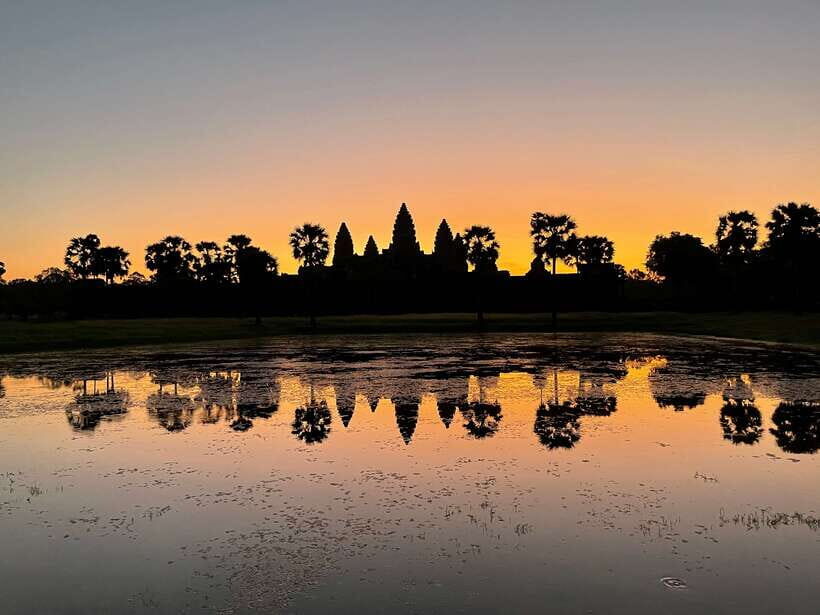
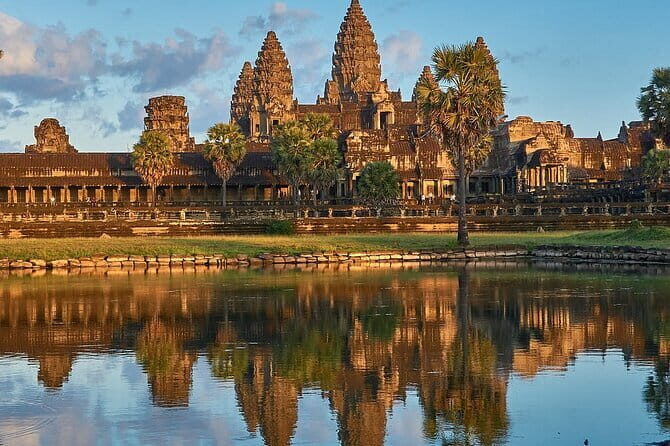
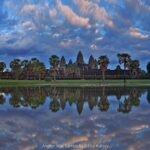
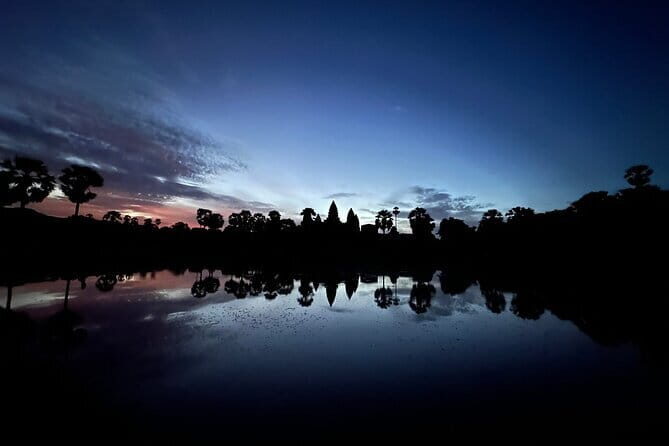
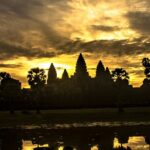
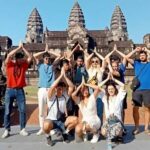
Angkor Wat is where your brain usually goes quiet. It’s the largest religious monument in the world, and the tour’s start point is designed to match that impact. You can start early morning for sunrise, and the tour also mentions timing can be arranged for sunrise or sunset based on your preference.
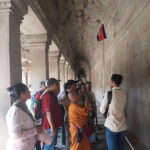
This temple complex was originally built as a Hindu temple, and that religious purpose shows up in the layout and symbolism. A guide matters a lot here because Angkor Wat isn’t just one photo spot. It’s an entire architectural plan—gates, enclosures, and axes—that helps explain why the Khmers treated sacred space like a statement of power and belief.
Practical note: the stop here is long enough to feel like you’re actually seeing the place, not just passing by. In the schedule, Angkor Wat is around 3 hours, which gives you time to catch the light, walk key areas, and get oriented to the story the stones are telling.
Possible drawback: because you’re building the day around that sunrise/sunset moment, you’ll likely feel it later—this is a full day, and early start time can make the rest of the temples feel more intense.
Bayon Temple and Angkor Thom Walls: Reading Jayavarman VII
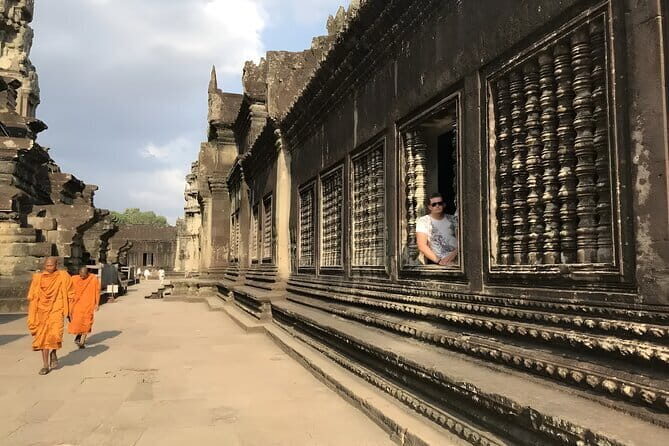
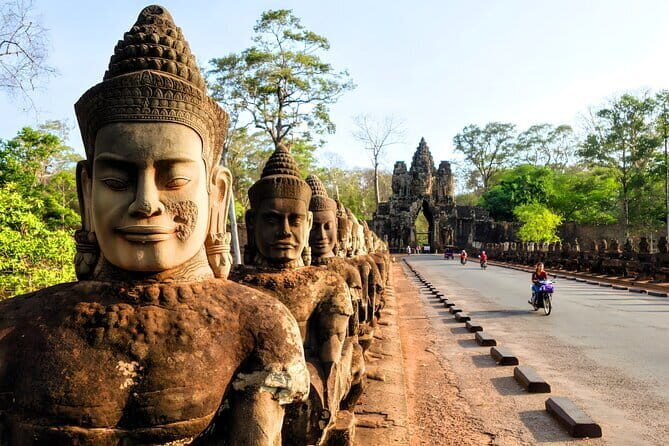
After Angkor Wat, you head into Angkor Thom, the fortified city built between the late 12th and early 13th centuries. This is tied to Jayavarman VII, and the tour is set up to explain why this era and this king mattered.
The main target is Bayon Temple, often recognized for the famous stone faces. The tour includes about 1 hour 30 minutes here, which is a good amount of time: long enough to notice how the faces appear in different areas, and also long enough to pause and understand what you’re looking at rather than sprinting through.
What makes this stop valuable is the shift in focus. Angkor Wat is famously monumental and carefully planned. Bayon and Angkor Thom add the feel of a capital city—stone walls, city scale, and the idea that rulers used architecture to project authority and belief.
If you enjoy explanations that connect buildings to historical change, this is where you get it. The tour aims to give you key historical insights so you can appreciate the spiritual significance and Khmer kingship beyond the first impression.
Ta Prohm Jungle Temple: Roots, Ruins, and Staying Oriented
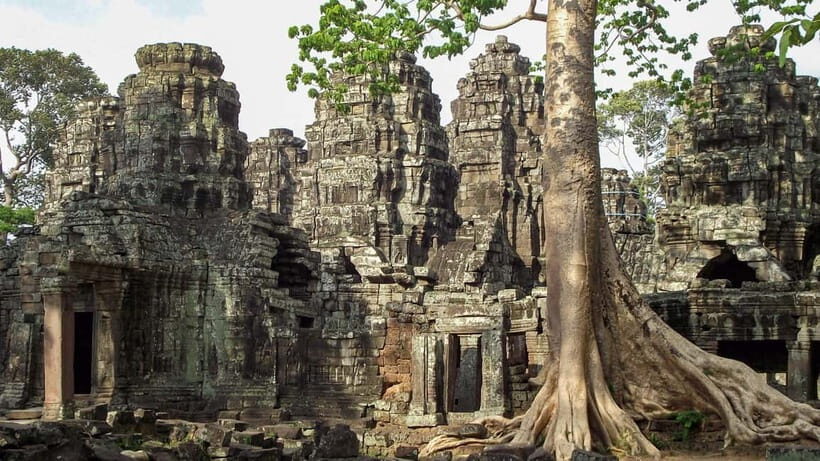
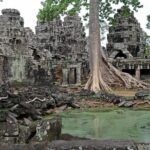
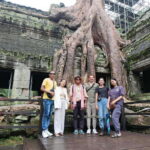
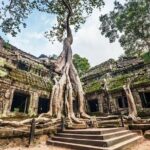
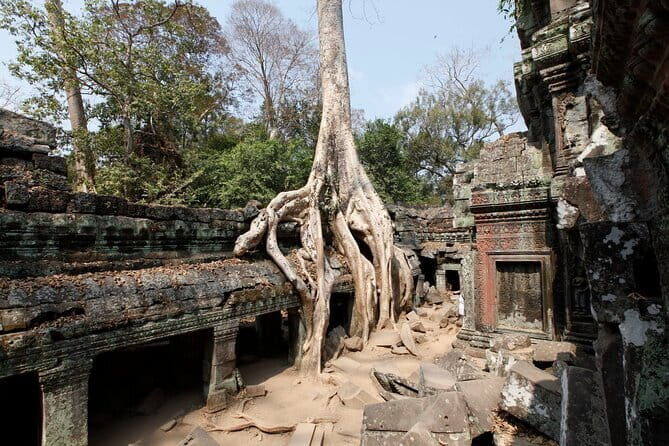
Then comes Ta Prohm, known for the huge trees and massive roots growing out of the temple structures. The tour describes it as a late 12th to early 13th century “jungle temple” style experience, and this stop is scheduled for about 1 hour 30 minutes.
This is one of those places where a guide helps you stay oriented. Without context, it can be easy to wander in circles, chasing the most photogenic roots. With guidance, you can slow down just enough to see how the temple layout still makes sense even with nature taking over the walls.
Ta Prohm is also a popular film-famous temple, so you’ll often find people looking at it as a scene. I like approaching it as architecture that got swallowed—not as a backdrop. That mindset makes the details more rewarding: the way stones are arranged, the relationship between corridors and openings, and the sense of time passing right through the ruin.
Practical consideration: Ta Prohm is active walking terrain with uneven stone and roots. Wear shoes with grip and plan for small steps, not giant strides.
Phnom Bakheng: A Temple Mountain With Timing Pressure
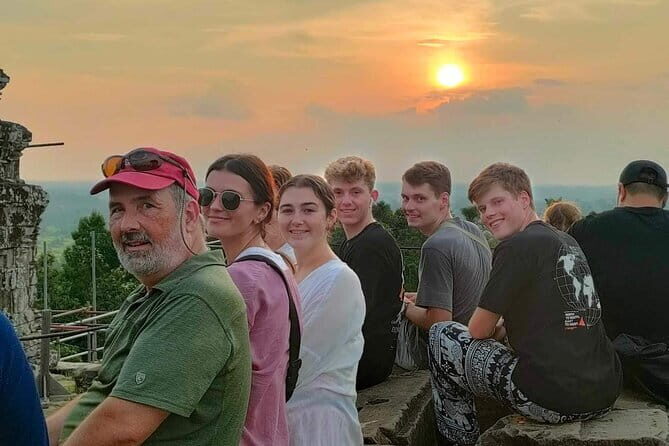
Next is Phnom Bakheng, a “temple mountain” dedicated to Shiva. It was built by King Yasovarman at the end of the 9th century. The tour calls out the meaning of Phnom as hill or mountain, which is useful because it tells you what the visit will feel like: a climb to a viewpoint, with temple structures at the top.
This stop is shorter—around 1 hour—which is about right for a hilltop temple. You want enough time to get up, see the temple setting from above, and take in the views without turning it into a long stamina contest.
Here’s the main consideration: hilltop points can feel crowded and time-sensitive on any temple day. Even if your guide manages the flow, you’ll still want to stay flexible and follow the guide’s timing to get the best experience.
Banteay Srei: The 967 AD Temple Dedicated to Shiva
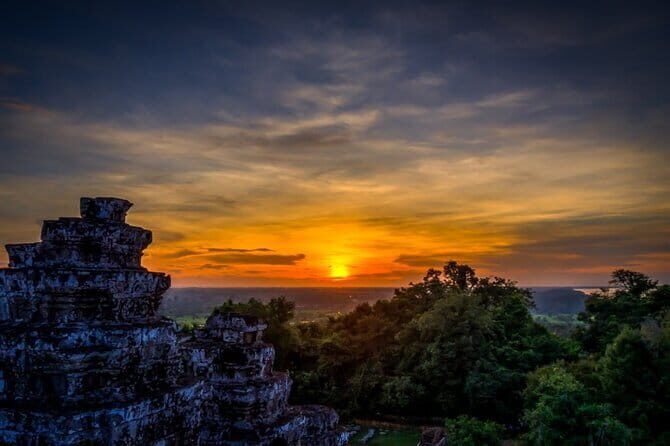
Banteay Srei is the quieter, detail-heavy counterpart to the big-name temples. The tour highlights a few specific facts that help you appreciate it: it was completed on 22 April 967 AD and dedicated to Shiva. It also notes its original name, Tribhuvanamahesvara, which gives you a way to connect the temple to the broader naming and belief system of the era.
You’ll spend about 1 hour 30 minutes here, and that length makes sense because Banteay Srei rewards close attention. The carvings and stone work are the story, and having a guide makes a big difference in understanding what you’re seeing—especially when temples share the same religious roots but express them differently in style and layout.
One reason I think this stop is a smart “small tour” inclusion: it breaks the day’s rhythm. After Angkor Wat, then Bayon, then Ta Prohm, you get a shift from big-scale spectacle to fine-scale craftsmanship and readable symbolism.
If you like photos, this is also the kind of temple where good time can beat raw time. You don’t just want more minutes—you want the right focus and angles, and the guide can help you find that balance.
Price and Tickets: Why $38 Is Only Part of the Story
The headline price is $38 per person, which is unusually low for a private, full-day Angkor route with pickup, air-conditioned transport, a professional guide, and cold water. That’s the good news.
The trade-off is also clear: entrance fees are not included, and food is not included. Tips are not included either. So your final spend will be the tour price plus temple entry tickets and what you eat during the day.
Value-wise, this still can be a win because the included parts remove key stressors: getting to and between temples, having someone who can explain what you’re looking at, and not having to organize transport yourself. The money you save on logistics often turns into money you can spend on doing the day right: a calm lunch break, a cold drink at the right time, and enough cash for tickets.
If you’re budget-focused, I’d plan for the entrance fees separately and bring snacks or keep extra spending money ready for lunch. If you’re comfort-focused, pack light layers and plan for a long walk—especially around older stone sites.
Should You Book This Tour?
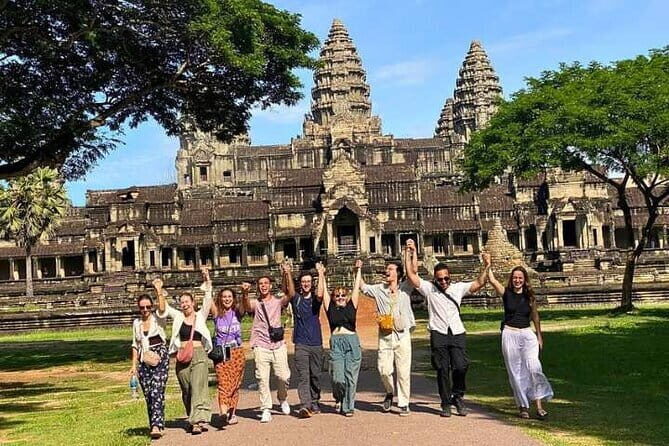
If you want the headline Angkor temples—Angkor Wat, Bayon, Ta Prohm, Phnom Bakheng, and Banteay Srei—without turning your day into a chaotic DIY puzzle, this private small tour makes sense. It’s especially good for families or first-timers who appreciate a guide that connects the temples to Khmer rulers and spiritual purpose.
Skip or reconsider if you’re trying to do Angkor on a very tight pace with minimal walking, or if you don’t want to handle entrance fees and meal planning. This is a full day built around strong temple moments, and it expects you to show up ready for it.
FAQ
How long is the tour?
The tour is approximately 8 hours 30 minutes.
Is pickup included?
Yes. Pickup and drop-off are included.
What places are included in the route?
You’ll visit Angkor Wat, Bayon Temple, Ta Prohm, Phnom Bakheng, and Banteay Srei.
Are entrance fees included?
No. Entrance fees are not included.
Is food included?
No. Food is not included.
Is the tour private?
Yes. It’s a private tour/activity, and only your group participates.
Do you provide a ticket on your phone?
Yes. The tour includes a mobile ticket.
What’s included besides the guide?
You get professional tour guidance, pickup and drop-off, air-conditioned private transport, and cold water.
What is the cancellation policy?
Free cancellation is available up to 24 hours in advance of the experience start time for a full refund.
Where does the tour start and end?
It starts in Siem Reap Province, Cambodia, and ends back at the meeting point.