Street breakfast in Phnom Penh starts early.
This tour is a smart way to taste what locals eat in the morning, while a guide explains the why behind each dish and shows you where to find it. I like that the schedule is simple and well paced for 7:30am food cravings, with tuk tuk hops between spots instead of long, stressful transfers.
I also really like the focus on specific Cambodian flavors you might miss on your own, like rice with pork at Bi Sach Chrouk, fresh noodles, hot-stone beef, and fried chive cake with Chinese influence. One possible drawback: it’s an early start and the whole route runs on a tight 3-hour loop, so if you want a slow breakfast with lots of free roaming, this style may feel rushed.
In This Review
- Key Highlights You Should Know Before You Go
- Why 7:30am Street Breakfast Beats a Hotel Buffet
- Tour Logistics: Tuk Tuk Hops, Market Walking, and a Small Group Feel
- Stop 1 at Wat Botum Park: Bi Sach Chrouk (Rice with Pork) the Morning Way
- Stop 2 at Wat Phnom: Banh Sung Fresh Noodles and Their Basic Craft
- Stop 3 at Central Market: Hot-Stone Beef with Khmer Spice (Rice or Bread)
- Stop 4 Around Phnom Penh: Fried Chive Cake and the Chinese Influence
- Sweets, Desserts, and the Drinks Included with Your Morning Food Loop
- Price Value Check: Does $49 Actually Make Sense?
- Who This Tour Suits Best (And Who Might Want to Skip It)
- Should You Book This Phnom Penh Local Market & Morning Food Tour?
- FAQ
- What time does the tour start?
- How long is the Phnom Penh Local Market & Morning Food Tour?
- Is pickup available?
- Does the tour include drinks?
- How many people are in the group?
- Can I cancel and get a refund?
Key Highlights You Should Know Before You Go
- Small group, max 10 people means you’re not stuck in a loud crowd while you eat and ask questions.
- Tuk tuk between stops keeps the morning moving and makes the plan easier if you’re not familiar with Phnom Penh.
- Dish-by-dish explanations connect Cambodian food to everyday morning habits, not just a list of what you ate.
- Market walking for sweets and desserts gives you a real reason to look around instead of just passing through.
- Classic street items on the menu: rice with pork, banh sung noodles, hot-stone beef, and fried chive cake.
- Guides with standout English like Yi or Phat can make the experience feel clear and personal.
Why 7:30am Street Breakfast Beats a Hotel Buffet
Morning food is when Cambodian cooking feels most alive. People aren’t just eating to fill up. They’re setting the day in motion with familiar flavors that show up again and again in daily life.
This tour starts at 7:30am, and that timing matters. You’ll be eating at breakfast spots and moving through the market before Phnom Penh fully settles into its daytime pace. The result is a food walk that feels practical, not touristy: you’re seeing how morning meals actually work.
The other reason it’s fun is the story angle. Instead of only handing you food, your guide explains what makes each dish part of the routine. That history isn’t heavy or academic. It’s the kind of context that makes the bite make sense.
Tour Logistics: Tuk Tuk Hops, Market Walking, and a Small Group Feel
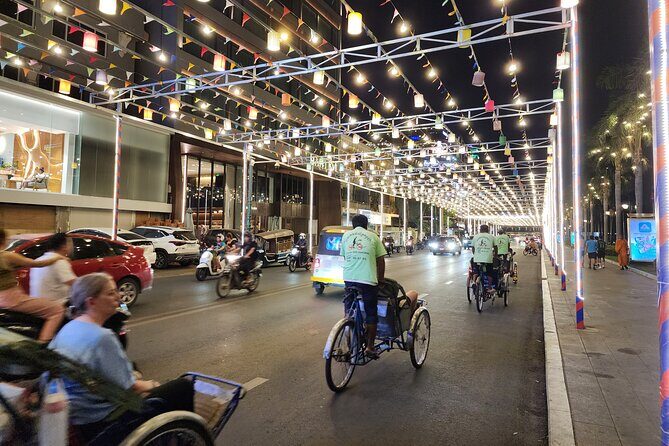
You’ll get pickup offered (and the meeting area is near public transportation), then travel between stops by local tuk tuk. In a city where traffic and distances can surprise you, that’s a big comfort. You’re spending your time eating and walking, not stuck figuring out routes.
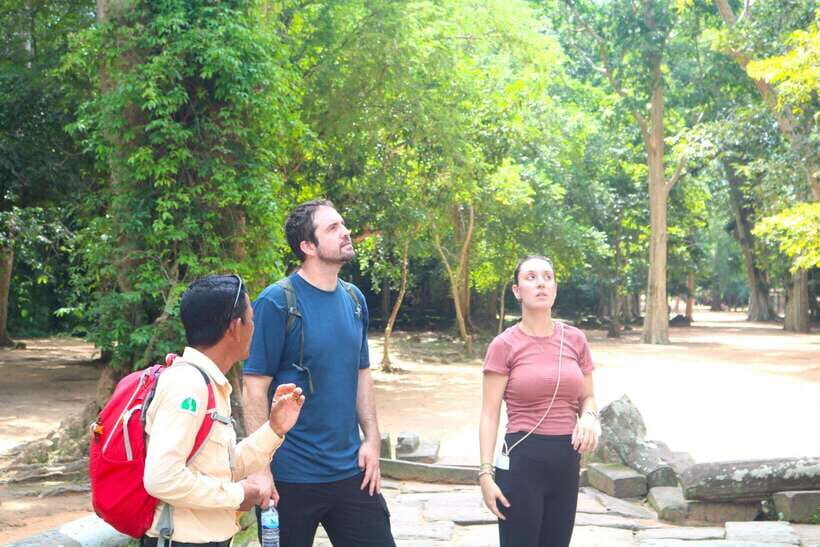
The group stays small, with a maximum of 10 travelers. That tends to mean two things: better attention from your guide, and more room to ask questions without feeling like you’re holding up a long line.
The format also makes sense for a 3-hour experience. You’ll do short tastings at each stop, then finish with a walking tour in the local market to choose sweets and desserts. There’s enough structure to keep things smooth, but you still get to pick what you want at the market portion.
Stop 1 at Wat Botum Park: Bi Sach Chrouk (Rice with Pork) the Morning Way
The first stop centers on BI SACH CHROUK, a traditional Cambodian breakfast built around rice with pork. The tour plan brings you to a breakfast eatery near Wat Botum Park, and you’ll sit down early with your guide.
What makes this stop special is the focus on the dish as a morning staple. Your guide talks through why Cambodians eat this type of breakfast and what the dish represents day to day. That turns your meal from just tasty into meaningful. You start noticing how flavors and routines connect.
What you’ll likely experience here:
- A real breakfast counter vibe, with food prepared for people who show up hungry
- A sit-down tasting that sets the tone for the rest of the morning
A practical tip: with an early breakfast, come with water and keep expectations realistic. You’ll be tasting multiple items across the route, so go easy at the first stop and save a bit of room.
Stop 2 at Wat Phnom: Banh Sung Fresh Noodles and Their Basic Craft
Next up is the BANH SUNG stop, where the focus shifts to authentic fresh noodles. This part is shorter, about 30 minutes, but it’s designed to give you both food and context.
Your guide explains how the noodles are made and shares the background behind the dish. Even if your Khmer is limited, this kind of explanation helps you understand what you’re eating—especially when you can see the process and the ingredients in the moment.
Why this matters for you:
- Noodles can be one of the easiest dishes to misunderstand when you only see a finished bowl
- Knowing how banh sung is prepared makes the texture and flavor feel intentional
A small consideration: because this stop is brief, you’ll want to pay attention and ask questions early, not after the food is gone.
Stop 3 at Central Market: Hot-Stone Beef with Khmer Spice (Rice or Bread)
Now for the dish that feels like an event. At Central Market, you’ll taste hot-stone beef—beef served with rice or bread, with the meat marinated in Khmer spice. Your guide explains what the dish is and where it fits in local eating.
The “hot stone” idea is practical as well as traditional. It helps create a strong, direct cooking method that locals can rely on during busy mornings. For you, it means you’re not just eating a menu item. You’re seeing a method that produces flavor quickly and consistently.
What to expect here:
- A tasting that feels hands-on and sensory, tied to the cooking setup
- More dish history so you understand the flavors beyond the spice label
One note if you’re sensitive to spice: the tour emphasizes Khmer spice, but the exact heat level isn’t specified in the info you have. I’d treat it as flavorful and ask your guide if you can sample a milder portion before you commit to extra bites.
Stop 4 Around Phnom Penh: Fried Chive Cake and the Chinese Influence
The final tasting is fried chive cake for about 30 minutes. This is one of those dishes where cultural mixing shows up in the food—your guide explains that Chinese influence is part of why this item is so popular with local people.
The fried chive cake comes with a thick, golden crust, so it’s not subtle. It’s the kind of bite that balances earlier savory items with a different texture and crunch.
A smart way to enjoy the last stop: pace yourself so you can taste the crust and not just rush through the flavor. If you’ve been sampling all morning, your appetite may already be working overtime—saving your focus for this one makes it more memorable.
Sweets, Desserts, and the Drinks Included with Your Morning Food Loop
A big part of the experience is more than savory. The overview includes a walking tour of the local market where you can select delicious sweets and desserts, plus drinks are included.
Even though the tour doesn’t spell out every dessert type in the details you provided, the structure is clear: you’ll look at colorful displays, take photos, and then choose what you want. That’s a good approach because market sweets vary from stall to stall, and personal choice is half the fun.
For practical planning, think of the middle-to-end of the tour like this:
- You build savory flavor early (rice, noodles, beef)
- You finish with crunch and sweet options at the market
This rhythm helps prevent the classic food tour problem where everything tastes like the same salt-and-fry level by the end. Here, the mix of textures and categories keeps it interesting.
Price Value Check: Does $49 Actually Make Sense?
At $49 per person for about 3 hours, you’re paying for four things: early access to multiple breakfast spots, transport by tuk tuk between destinations, guidance that ties dishes to Cambodian morning life, and market time for sweets and desserts (plus drinks).
If you tried to copy this on your own, you’d likely spend time figuring out where to eat, how to move between locations at 7:30am, and which stalls to trust for good quality. The tour solves that planning headache.
This price also feels more fair when you consider the group size cap at 10 travelers. Smaller groups often mean more interaction and smoother pacing, which is exactly what you want when the point is to ask what you’re eating.
So, is it a “cheap” meal? Not really. But it’s strong value if you want a guided route with tastings, local explanations, and market wandering that you’d otherwise skip.
Who This Tour Suits Best (And Who Might Want to Skip It)
This tour is a great match if you want:
- A morning-focused food experience instead of a lunch or dinner crawl
- Real local dishes like rice with pork, fresh noodles, hot-stone beef, and fried chive cake
- A guide who helps you connect the food to everyday life (and explains it clearly in English—names like Yi and Phat come up in the experience history)
You might want to skip or reconsider if:
- You hate early mornings and don’t want a 7:30am start
- You prefer free-choice exploring with long time gaps at each stop
- You’re the type who wants one big meal instead of several smaller tastings
For most people, the pacing works. It’s structured, but not rigid.
Should You Book This Phnom Penh Local Market & Morning Food Tour?
If you’re deciding between a hotel breakfast and a real morning food route, I’d lean hard toward this. The biggest reason is the mix of multiple iconic dishes plus guide-led context, not just a grab-and-go tasting.
Book it if:
- You want tuk tuk convenience plus a walk through the market for sweets
- You like knowing what you’re eating and why it matters locally
- You’d rather follow a proven path than gamble on breakfast spots solo
Skip it if:
- You’re sensitive to spice and don’t want to ask questions about heat levels
- You want lots of downtime or extra time at each location beyond the ~3-hour plan
Overall, this is one of those tours that earns its place early in your Phnom Penh trip. It helps you understand the city through breakfast—the most normal, most revealing meal of the day.
FAQ
What time does the tour start?
The tour starts at 7:30am.
How long is the Phnom Penh Local Market & Morning Food Tour?
It runs for about 3 hours (approximately).
Is pickup available?
Yes, pickup is offered.
Does the tour include drinks?
Yes, drinks are included.
How many people are in the group?
The tour has a maximum of 10 travelers.
Can I cancel and get a refund?
Yes. You can cancel for a full refund if you cancel up to 24 hours in advance of the experience start time. If you cancel less than 24 hours before, the amount paid is not refunded.