REVIEW · SIEM REAP
Angkor Wat Small-Group Exploration with Expert Guide
Book on Viator →Operated by Green Era Travel · Bookable on Viator
Angkor, minus the chaos. This small-group tour in Siem Reap lets you hit the big names—Angkor Wat, Bayon, and Ta Prohm—with an English-speaking guide who helps you spot the details people often miss. You get hotel pickup and drop-off, so you spend less time figuring out transport and more time looking up at stone carvings.
What I like most is the pacing and the comfort touches: cold bottled water during the tour, and a vehicle that fits your group size (tuk-tuk for 1–2; minivan for 3+). One thing to plan for: temple entry tickets are not included, and the day involves steps and uneven ground, so bring long pants and wear shoes you trust.
In This Review
- Key things that make this Angkor tour work
- Hotel pickup to Angkor Wat: getting started the smart way
- The tuk-tuk comfort kit: heat control that actually helps
- Temple stop 1: Angkor Wat in two hours (how to see it well)
- Temple stop 2: Angkor Thom—where the scale starts to feel unreal
- Temple stop 3: Bayon—reading the faces without getting lost
- Temple stop 4: Ta Prohm—state of ruin, state of beauty
- Lunch inside the national park: convenient, but know the cost
- Dress code and fitness level: what you should bring
- Guide quality: English, storytelling, and helping you look better
- Price and value: $18 for the experience, plus tickets for the park
- Who this tour is best for
- Should you book this small-group Angkor Wat exploration?
- FAQ
- How long is the Angkor Wat small-group exploration?
- What is included in the price?
- Are temple entry tickets included?
- What temples are visited?
- What should I wear for the temples?
- Is there food during the tour?
- What is the maximum group size?
- Can I cancel for a full refund?
Key things that make this Angkor tour work
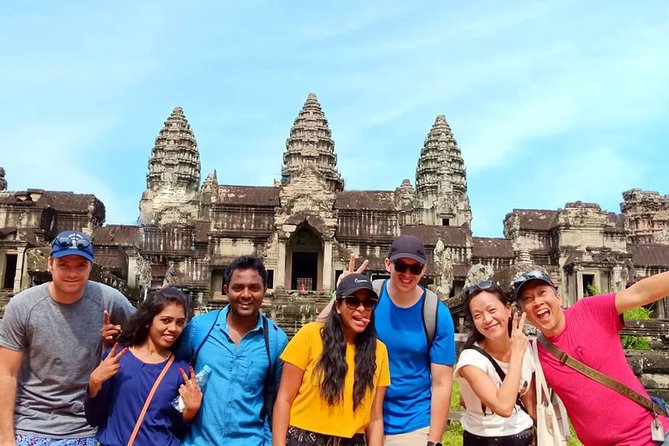
- Hotel pickup and drop-off means less hassle before and after the temples
- Small group cap of 12 keeps things calmer and gives you time to ask questions
- Tuk-tuk or minivan helps you conserve energy between big temple areas
- Chilled water and cold towels make a huge difference in Angkor heat
- Four main temple stops give you a strong first-timer overview without dragging all day
Hotel pickup to Angkor Wat: getting started the smart way
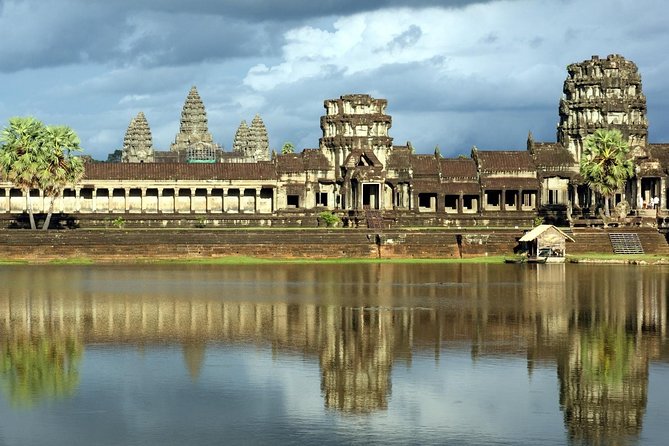
This tour is built for the first day in Siem Reap when you want the headline temples without the logistical headache. The big practical win is pickup and drop-off at your hotel, plus a guide who stays focused on what you’re seeing, not on herding people.
The itinerary is designed to walk in the order that makes the day feel manageable: you start at Angkor Wat, then move through Angkor Thom and Bayon, and finish at Ta Prohm. That structure matters because Angkor can chew up time and energy fast, especially when it’s hot and humid. Starting with the most famous site also gives you momentum. Even if you’ve seen photos for years, stepping into the complex for yourself feels like you’re turning a page in a history book.
Transport is another quiet value point. For smaller groups, you’ll likely ride in a tuk-tuk. For bigger small groups, you’ll move by minivan. Either way, the tour keeps you from doing the “wrong kind of cardio” between temple zones. You’re still walking, but you’re not spending your whole day stuck inside heat you can avoid.
You can also read our reviews of more tours and experiences in Siem Reap.
The tuk-tuk comfort kit: heat control that actually helps
Angkor has a way of testing your patience. The good news is this tour comes with the kind of basics that keep you from losing your day to dehydration and fatigue. You’ll have cold bottled water during the tour, and in real-world operation you can also expect cold towels after temple visits. That sounds small until you’re standing in direct sun with stone steps and a thick crowd pressure-free pace.
One review mentioned high heat (over 100 degrees with the heat index) and how the guide and driver kept handing over cold bottles after each stop. That’s exactly what you want. In Cambodia, you can’t “tough it out” forever. The tours that feel best are the ones that treat comfort as part of the sightseeing plan.
The guide also affects the vibe. Many guides on this route are careful about safety on steps and uneven surfaces, and they’ll work with your pace instead of trying to force a rigid script. That’s especially helpful if you’re traveling with anyone who gets tired quickly or struggles with climbing.
Temple stop 1: Angkor Wat in two hours (how to see it well)
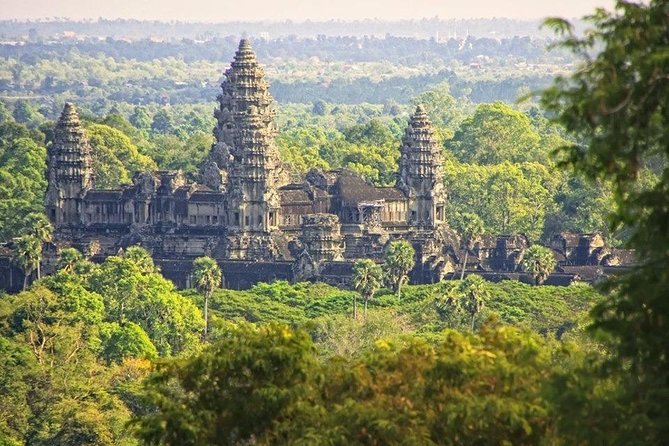
Angkor Wat is the centerpiece, and this tour gives it the time it deserves: about 2 hours. Admission is not included, so you’ll need the Angkor National Park ticket separately, but the guide experience starts right at the entrance approach. The best use of this time is simple: slow down once you’re inside and let your guide point out the carvings and layout elements that make Angkor Wat so distinctive.
You’ll learn the temple’s basic origin story—built in the early 12th century for King Suryavarman II as his state temple and capital city—and you’ll see why it’s considered the best-preserved temple at Angkor. The guide also helps you understand the symbolism embedded in the stonework, not just the surface look.
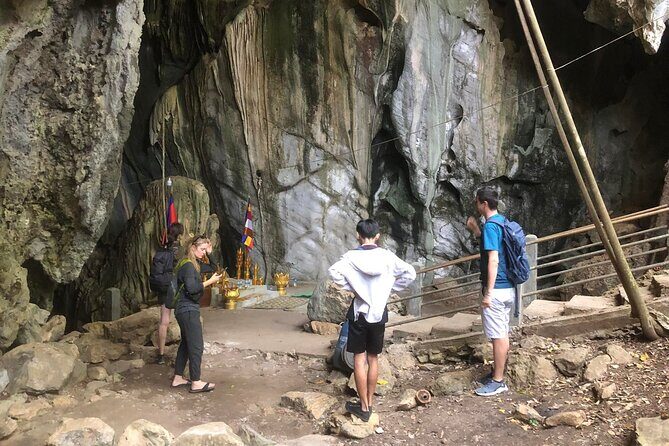
A practical note: Angkor Wat involves climbing and walking, including stairs to higher levels. One helpful tip that comes up in guidance is to take the ascent gradually and use a support hand if you need it. If you have mobility limits, this is the stop to manage carefully. Reviews include examples of guides assisting visitors up steps and respecting limits, which is exactly the kind of behavior you want.
If you’re planning photos, Angkor Wat is also where you’ll want your best timing. The guide can help you hit photo spots without wasting time wandering in circles. Several guides were praised for taking good pictures and directing photo angles at the venue, which saves you the frustration of trying to coordinate a self-timer while you’re also trying to pay attention.
Temple stop 2: Angkor Thom—where the scale starts to feel unreal
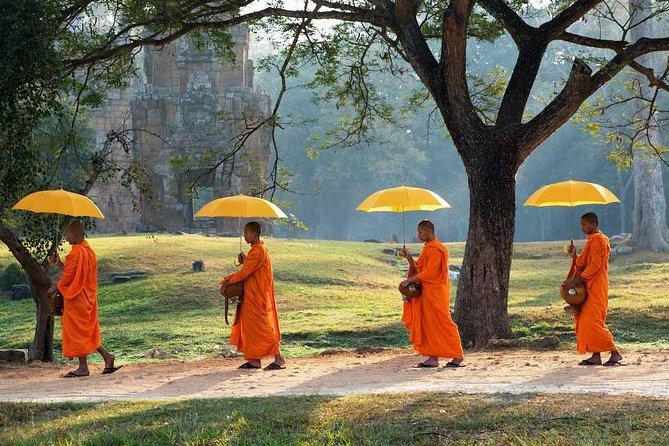
Next comes Angkor Thom, the capital city of the Khmer Empire built at the end of the 12th century. This stop runs about 1 hour. Even in an hour, it can feel like a lot because the temple-city layout has scale and structure that makes your brain recalibrate.
The value of having a guide here is interpretation. Without commentary, Angkor Thom can feel like “more stone.” With the right explanations, you start noticing design logic: gates, walls, and the way space is organized. It’s also a good reset stop because you’re coming off Angkor Wat’s grand focus and heading into more distinct faces and temple forms.
This is also a good time to ask questions, since the tour is set up as a small group. You don’t have the “everyone line up now” energy you get on the biggest-bus formats. If you’re confused about relationships between the different temples, this is when a guide can connect the dots in plain language.
Temple stop 3: Bayon—reading the faces without getting lost
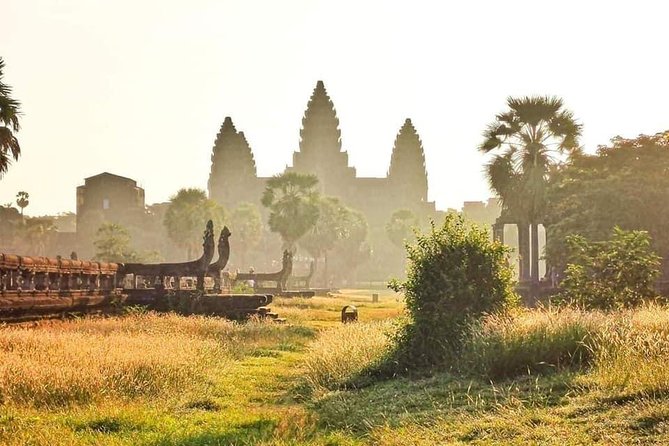
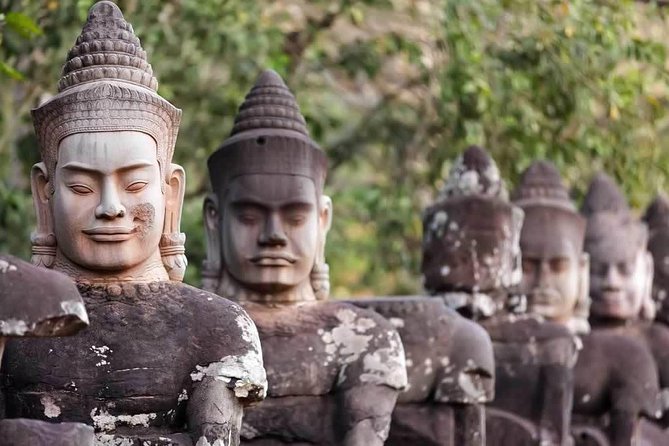
Bayon is the next main highlight, and it’s famous for its sculpted faces. Your time here is about 1 hour, and the guide’s role becomes especially important because Bayon isn’t just a single view—it’s a layered place.
This temple was built in the late 12th or early 13th century as the state temple of King Jayavarman VII. The commentary typically focuses on why Bayon looks the way it does and what the carvings and layout suggest about Khmer beliefs at the time. The goal isn’t to memorize dates. It’s to get you looking at the right things: symmetry, repeated motifs, and how stone details tie back to the people who built it.
If you care about photography, Bayon is also a strong spot, but it can be busy depending on the day. A small-group format helps because your guide can steer you to calmer angles and keep you from getting boxed into bad positions.

Temple stop 4: Ta Prohm—state of ruin, state of beauty
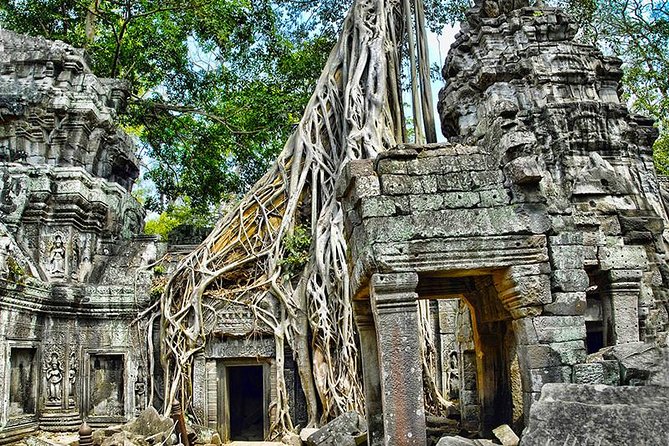
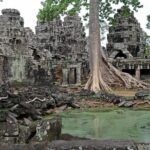
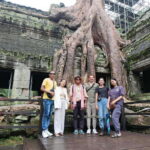
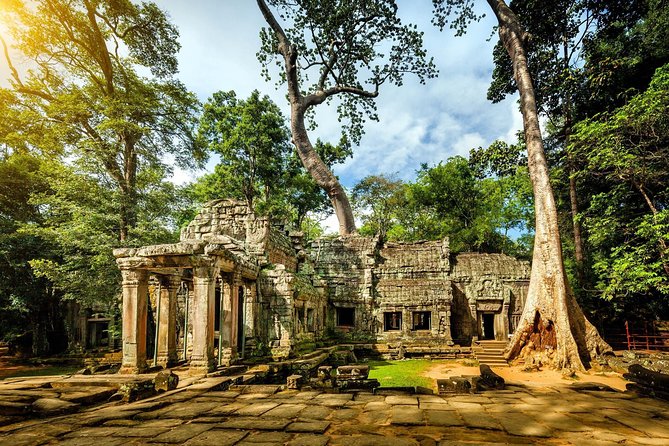
Ta Prohm is where Angkor starts to feel slightly cinematic. Your visit is about 1 hour, and the experience is less about neat “museum order” and more about the way the temple has a relationship with nature.
Ta Prohm is famous for its ruin-and-growth look. The temple sits southwest of the East Mebon and east of Angkor Thom, and it’s arranged so you can walk into sections that feel half-exploration, half-history lesson. A guide helps you notice what’s human-made versus what’s been overtaken over time, and how that shift changes how you experience the site.
One line you’ll hear around Ta Prohm is that its ruin feels like a kind of beauty, even when it can be sad. That emotional mix is exactly why this stop is often the most memorable for first-timers. It’s also an ideal place to slow down. You’ll take in details at ground level, then look upward again as your guide points out how the remaining stone structures still tell the story.
As with other stops, expect steps and uneven ground. For visitors who want extra help, guides in this program have been praised for being careful and supportive, including steadying people on tougher terrain. If you’re nervous about uneven surfaces, this is a good tour to choose because the staff mindset seems to be safety-first, not speed-first.
Lunch inside the national park: convenient, but know the cost
This tour often includes a lunch stop at a local restaurant in the national park during lunch time. The trade-off is simple: it can cost more than what you’d pay in town, but it’s described as the best choice on this tour.
From a value standpoint, that makes sense. Eating inside the park zone can save you time and heat exposure, and it keeps the day on track. If you’re the kind of traveler who hates “wasting time” or sitting in traffic in the midday sun, this is a smart move.
Still, don’t ignore price sensitivity. If you’re watching your budget, you might want to plan for lunch as a separate expense and bring snacks if that feels better for you. The tour does not include food and drinks, so you’ll be managing costs at each meal moment.
Dress code and fitness level: what you should bring
This is the part that can trip people up, so take it seriously. For temple visits, you need long pants or knee-length skirts/dresses. You’ll also want breathable layers and sturdy shoes since the route includes stairs and uneven areas.
The tour also asks for a moderate physical fitness level. That doesn’t mean you need to be a mountain athlete; it means you should be comfortable with walking, climbing, and moving carefully. Reviews include direct notes that the tour is not suited for people with serious mobility limitations due to stairs.
If you’re traveling with kids, note that children must be accompanied by an adult. And if you’re prone to getting hot fast, lean into the tour’s comfort features: drink water early, ask your guide for breaks, and don’t wait until you feel wiped out.
Guide quality: English, storytelling, and helping you look better
A huge reason this tour gets such high marks is the guide. The program is built around an experienced English-speaking tour guide, and the best guides don’t just recite dates. They translate what you’re seeing into something you can actually understand while you’re standing right there.
Names that showed up in guide praise include Mr. Dy, San, Seth, Sophy, Kak, Mom, Voath, Nak, Phy, and Chau San Touchsan. People repeatedly mention guides being relaxed and easy to follow, with clear explanations and plenty of chances to ask questions.
A few patterns come through:
- Guides help you understand architectural details so you see more than a postcard.
- Several guides were praised for taking good photos and directing shots, which means you spend less time fiddling and more time sightseeing.
- Guides are careful with safety, especially around stairs and tricky footing, and they sometimes adjust pace to your needs.
If you care about making the day feel personal, small-group format helps. The guide can talk at your speed. You’re not just part of a loud crowd. You can ask why a carving looks the way it does or what the faces at Bayon might be telling you.
Price and value: $18 for the experience, plus tickets for the park
At $18 per person, the tour price is attractive, but it’s important to see what you’re paying for. The ticket doesn’t include the 1-Day Angkor National Park ticket, which is listed at $37 per person. So your real “all-in” plan should include that entry cost plus anything you buy for food and drinks.
What makes the value feel strong is that the $18 covers the stuff that usually costs money in Angkor: hotel pickup and drop-off, guide time, and transportation (tuk-tuk or minivan), plus chilled water during the tour. You’re also buying a smoother day. That matters in a place where heat, walking, and timing can turn a dream day into a slow burn.
Also, this is a maximum 12 travelers tour, which supports a more interactive experience. If you’ve ever done a temple day and felt like you couldn’t ask a question, this format is designed to reduce that problem.
And yes, tipping isn’t included. If you want to tip your guide and driver, that’s on you, but it’s worth keeping in mind since the guide experience is the main part of what you’re paying for.
Who this tour is best for
This tour is a great fit if you:
- Are seeing Angkor for the first time and want a “greatest hits” route
- Prefer small-group attention over large-bus chaos
- Want hotel pickup and a realistic pace without DIY transport
- Appreciate guides who explain carvings, layout, and meaning in plain English
It’s also a smart choice if you travel with someone who needs breaks. The small-group format plus drivers and guides who provide water and towels makes a long day easier to manage.
Should you book this small-group Angkor Wat exploration?
If your goal is to see Angkor Wat, Angkor Thom, Bayon, and Ta Prohm with an expert guide and fewer crowds, I’d book it. The combination of hotel pickup, small-group size, and heat-management basics (cold water and towels) makes the day feel far more doable than DIY.
Just go in with two clear expectations: you’ll pay separately for the national park entry ticket, and you’ll need comfortable clothing and shoes for stairs and uneven ground. If you can handle that, this is a strong, first-timer-friendly way to experience Angkor without turning it into a grind.
FAQ
How long is the Angkor Wat small-group exploration?
The tour lasts about 6 to 7 hours.
What is included in the price?
You get hotel pickup and drop-off, an English-speaking tour guide, transportation (tuk-tuk for 1–2 people, minivan for 3 people or more), and cold bottled water during the tour.
Are temple entry tickets included?
No. Angkor National Park 1-Day tickets are not included and cost $37 per person. Admission tickets are listed as not included for the temple stops.
What temples are visited?
You’ll visit Angkor Wat, Angkor Thom, Bayon, and Ta Prohm.
What should I wear for the temples?
You’ll need long pants or knee-length skirts/dresses for temple visits.
Is there food during the tour?
Food and drinks are not included. There may be a lunch stop at a local restaurant in the national park, which can be more expensive than restaurants in town, but it’s described as the best choice for this tour.
What is the maximum group size?
The tour has a maximum of 12 travelers.
Can I cancel for a full refund?
Yes. Free cancellation is available if you cancel at least 24 hours before the experience starts for a full refund.