REVIEW · SIEM REAP
Angkor Wat Private Tour in a Tuk Tuk
Book on Viator →Operated by Green Era Travel · Bookable on Viator
Riding a tuk-tuk inside Angkor feels like time travel. You get a full-day route through the Angkor Archaeological Park with live English commentary that ties what you see to the legends and rulers behind the carvings. The tuk-tuk format also makes it easier to roll between temple zones and through tighter areas where larger vehicles struggle.
What I love most is how smoothly the day runs: hotel pickup and drop-off means you start exploring at 8 am without logistics stress. I also like that the guide explains the stories behind the stonework, including the Hindu legends carved into temple walls, so you understand the details instead of just photographing them.
One drawback to plan for: the $45 tour price does not include the Angkor National Park ticket ($37 per person). It’s an easy add-on, but it does change your total cost for the day.
In This Review
- Key things to know
- Why Angkor Feels Different When You Ride by Tuk-Tuk
- What’s Included in the Day (and What You’ll Still Pay for)
- Your 8am Start From Siem Reap: Getting Oriented Fast
- Angkor Thom: Khmer Capital City and the Bayon’s Backstory
- Bayon Temple: Faces, Power, and Icon-Carving Meaning
- Terrace of the Elephants and the Leper King: Where Stories Sit in Stone
- Ta Prohm: Ruin as Beauty (and Why Time Matters Here)
- Angkor Wat: The Big One, Preserved, and Worth the 2 Hours
- The Guide Makes (or Breaks) the Day: English, Pacing, and Carving Clues
- Tuk-Tuk Comfort Tips for a 6 to 7 Hour Temple Day
- Price and Value: How $45 Becomes a Full-Day Angkor Ticket Plan
- Who This Tour Suits Best (and Who Should Think Twice)
- Should You Book This Angkor Wat Private Tuk-Tuk Tour?
- FAQ
- What time is pickup in Siem Reap?
- How long is the Angkor Wat private tuk-tuk tour?
- Is hotel pickup and drop-off included?
- Does the tour include the Angkor admission ticket?
- What stops are included on the day?
- Is there a live English-speaking guide?
- Is mineral water provided?
- Is this tour private?
- Is there a mobile ticket?
- What is the cancellation policy?
Key things to know
- Private tuk-tuk touring keeps the route flexible and reduces long, exhausting walks between key monuments
- English-speaking live guide adds context on Khmer rulers and what the carvings are depicting
- Major stops built into one day: Angkor Thom, Bayon, Terrace of the Elephants + Leper King, Ta Prohm, and Angkor Wat
- Hotel pickup and drop-off included, plus bottled water during the tour
- Admissions cost is separate: you’ll pay the Angkor National Park ticket ($37 per person)
Why Angkor Feels Different When You Ride by Tuk-Tuk
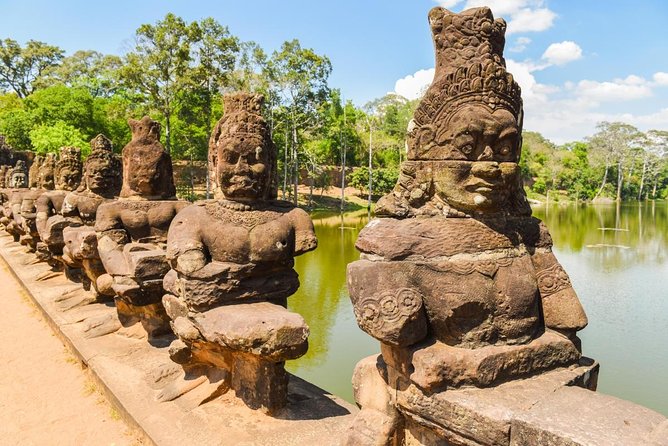
Angkor Wat gets all the headlines, but the real magic is the layout—huge, spread out, and made of temple clusters with paths that can feel confusing if you’re self-navigating. A private tuk-tuk tour helps you keep your energy for the monuments themselves instead of spending it on transportation headaches.
The biggest practical win is movement. The tuk-tuk makes it easier to get around the vast park and still reach areas where narrow passageways matter. In plain terms: you can see more of the “real Angkor” on the same day without feeling like you’re constantly shifting plans, waiting for buses, or backtracking.
And because it’s private, you’re not stuck with other people’s pace. If you want extra time at a carvings-heavy spot, your guide can usually adjust—within the bounds of the scheduled visit times.
You can also read our reviews of more tours and experiences in Siem Reap.
What’s Included in the Day (and What You’ll Still Pay for)
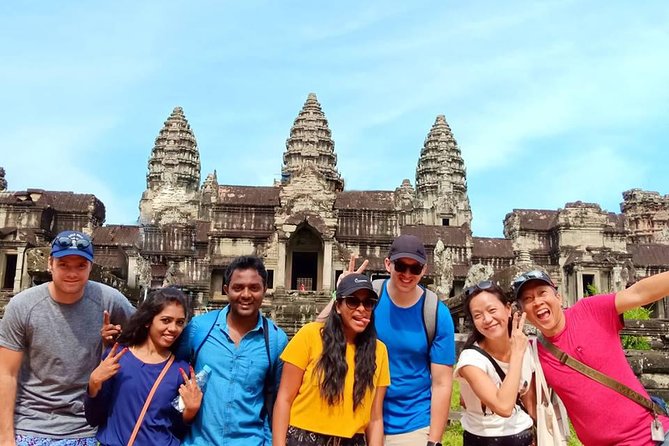
This is a value-focused package, but it’s not pretending admissions are included. Here’s the clean breakdown:
Included:
- Tuk-tuk full-day tour
- Local live English-speaking guide
- Hotel/Airport pickup and drop-off
- Bottled water during tours
Not included:
- Food and drinks
- Travel insurance
- Angkor National Park Ticket Office admission fee: $37 per person
So your day has two “layers” to budget: the tour price ($45 per person) plus the park ticket ($37 per person). Total comes to $82 per person before meals. If you’re traveling as a couple or small group, that math usually feels fair for a private, guide-led day that hits multiple UNESCO-listed main temples.
Your 8am Start From Siem Reap: Getting Oriented Fast
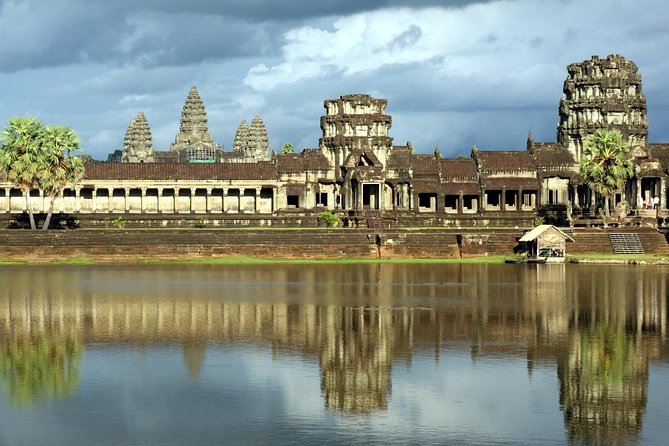
Pickup starts at 8:00 am from your hotel in Siem Reap. That early start matters less for the photos (though you’ll get them) and more for your own mental flow. You’re less likely to arrive stressed or tired, and you get moving while the day is still fresh.
You begin with a short transition in Siem Reap (about 10 minutes on the schedule), then head into the Angkor circuit. The guide’s first job is usually orientation: where you are in the larger complex, how the temple city fits together, and what themes to notice as you go.
This is a good moment to ask quick questions. If you have a theme you care about—history, religion, architecture, or carving details—tell your guide right away so the commentary stays focused.
Angkor Thom: Khmer Capital City and the Bayon’s Backstory
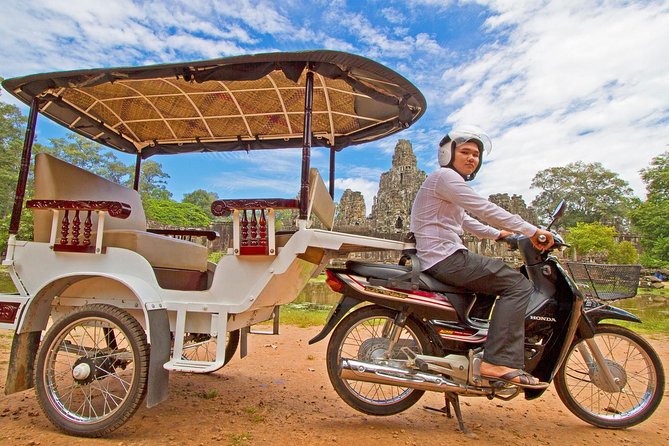
Your second stop is Angkor Thom, scheduled for about 40 minutes. This wasn’t just a random temple visit. Angkor Thom was the capital city built at the end of the 12th century, associated with King Jayavarman VII. The site sits north of Angkor Wat, between the West Baray and East Baray.
This stop sets up the day’s main storyline. The guide typically connects the political role of the city to the religious imagery, so later when you reach Bayon, you’re not seeing it in isolation—you’re seeing it as part of Jayavarman VII’s statement.
What to watch for in your limited time:
- Look for the “big picture” layout: how the monuments act like anchors for the whole capital zone.
- Pay attention to carvings and motifs the guide points out, especially when they explain how symbols tie to belief and rulership.
Bayon Temple: Faces, Power, and Icon-Carving Meaning
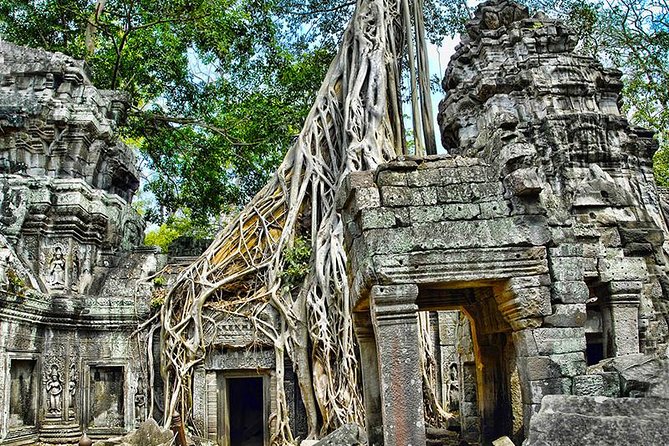
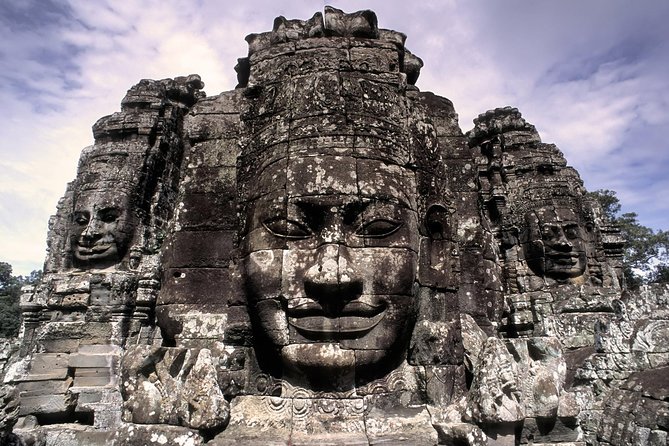
Next up is Bayon Temple (about 40 minutes). Bayon is known as a richly decorated Khmer temple and was built as the state temple of Jayavarman VII, linked to Mahayana Buddhist practice in the late 12th or early 13th century.
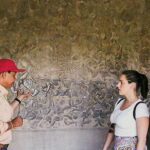
In practical terms, Bayon can feel like a lot all at once: stone surfaces, repeating motifs, and lots of visual noise if you don’t know what you’re looking at. That’s exactly where live commentary helps. The guide’s job is to slow the visit down and explain the legends and religious references represented through the carvings.
If you’re the type who usually skips the wall details, make an exception here. Bayon rewards attention to the textures and story elements. Even with only 40 minutes, the visit can feel satisfying when you understand what the temple is trying to communicate.


Terrace of the Elephants and the Leper King: Where Stories Sit in Stone
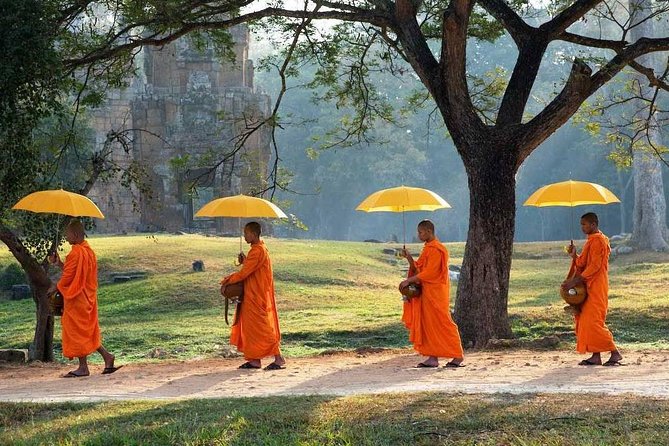
You’ll then move to the Terrace of the Elephants for about 30 minutes. This terrace worked as a platform where the king could view the victorious return of his army—so it’s not just a decorative stop. It’s a history-in-motion spot, tied to power and ceremony.
The schedule also includes time at the Terrace of the Leper King, where the carvings are described as detailed in the plan. That matters because terraces like this can be visually busy. Without context, you might just think: lots of carvings, lots of time. With context, you start noticing patterns: narrative scenes, symbolism, and the way the Khmer artisans used stone to tell events and beliefs.
A good approach here is to ask your guide what details matter most to look for on this terrace. Then look for those things first. You’ll leave with a stronger sense of why the space was designed the way it was.
Ta Prohm: Ruin as Beauty (and Why Time Matters Here)
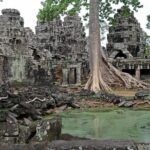
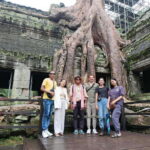
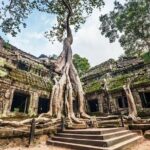
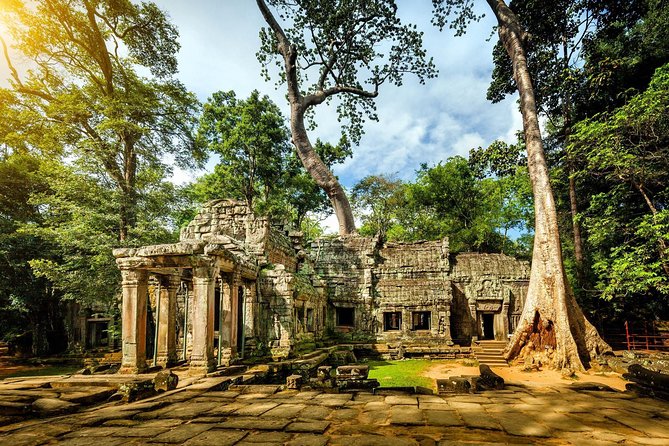
After the terraces, you’ll visit Ta Prohm Temple for about 1 hour. Ta Prohm is famous for its ruined look, and the key idea to keep in mind is that it’s described as a state of beauty—something people often feel in person once they’re there.
One hour is a solid chunk of time. It lets you not just walk through, but actually pause. This is a temple where the environment around the stones becomes part of the emotional impact, so rushing tends to dull the experience.
What I’d recommend:
- Take a slower route through your hour. Even if you don’t want to over-plan, you’ll likely find angles and details that only show up when you stop and look.
- Let your guide point out which parts are worth longer looks based on the temple’s structure and the way it was built around the mid-12th century to early 13th century (1186).
Angkor Wat: The Big One, Preserved, and Worth the 2 Hours
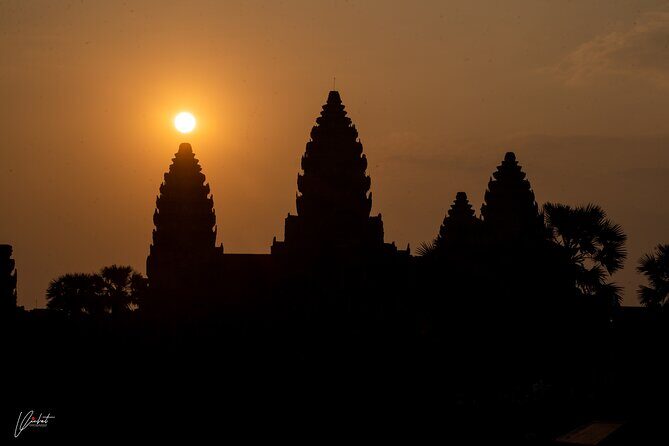
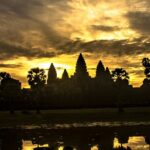
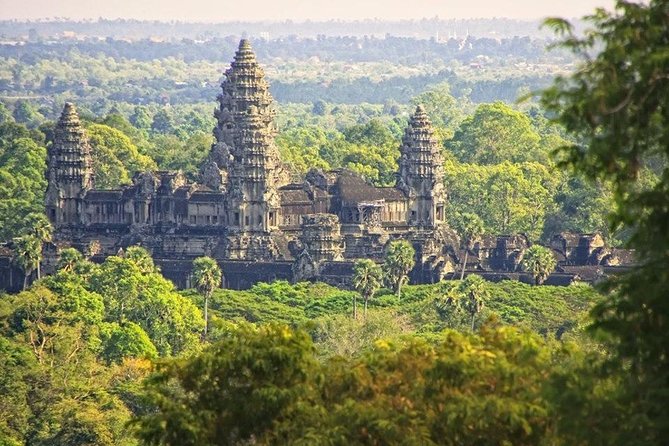
Your final major monument is Angkor Wat, scheduled for about 2 hours. Angkor Wat is an early 12th-century temple complex associated with King Suryavarman II and is described as the best-preserved temple at the site. It’s also treated as the day’s centerpiece because it’s the one most people want to understand deeply, not just glance at.
Two hours gives you room to do this properly. With a guide, you can spend that time in layers:
- First: understand the layout and what makes Angkor Wat different from the surrounding temple styles.
- Then: focus on specific carvings and architectural choices tied to its royal and religious purpose.
If you’re someone who only has energy for one big stop, make it Angkor Wat—and if you only have one mind-set for the day, make it this: don’t let it become a checklist. The guide commentary is especially useful here because it turns the temple from scenery into meaning.
The Guide Makes (or Breaks) the Day: English, Pacing, and Carving Clues
This tour runs with a local live English-speaking guide, and the difference between a good day and a great day often comes down to how the guide explains details in a way you can actually hold in your head.
You may be with a guide such as Soydy, Vantha, Phy, Long, Voath Vinh, Phuy Phy, or Nak. Across these names, the common thread is clear: the guides are focused on keeping history understandable and tying it directly to what you’re seeing on the walls and in the temple layout.
You’ll also benefit from the guide-driver teamwork. One account highlighted how the guide and driver worked as a unit and stayed punctual, which matters on a schedule-heavy circuit like this. Another practical detail: if mobility is limited, they may try to reduce walking by getting you closer to monuments when possible. That’s the kind of detail that turns a long day into a doable day.
Tuk-Tuk Comfort Tips for a 6 to 7 Hour Temple Day
This is a full-day run of 6 to 7 hours (approx.), so comfort matters. You’re sitting in a vehicle for part of the day and walking/standing for parts of it. A few practical tips help you enjoy it more:
- Wear comfortable shoes. Even with tuk-tuk access, you’ll still walk through temple grounds and between vantage points.
- Bring a few simple questions. If you care about Hindu legends in the carvings, ask early so the guide can connect those symbols as you move.
- Use your water wisely. Bottled water is provided, so you don’t need to hunt for drinks mid-route, but sipping steadily helps you keep your energy for late stops like Ta Prohm and Angkor Wat.
- Plan your photo stops with your eyes first. If you rush the architecture, your photos will look like more stone. If you pause where the guide points out meaning, your photos tend to feel more personal afterward.
Price and Value: How $45 Becomes a Full-Day Angkor Ticket Plan
Let’s do the math like a normal person.
- Tour: $45 per person
- Angkor National Park ticket: $37 per person
- Total: $82 per person, plus food and drinks
What makes that feel reasonable is what you’re paying for beyond transportation:
- A private tuk-tuk for the full day
- A live guide who explains the history and the stories behind carvings
- Hotel pickup and drop-off
- Bottled water
- A mobile ticket is included, which reduces one more thing you have to manage
If you’re visiting Angkor for the first time, this kind of guided, multi-temple day usually gives you the best cost-to-effort ratio. If you already know the carvings and history deeply and you’re comfortable planning transport and admissions yourself, you might choose a less structured option. But if you want the temples to connect into one coherent story, the added structure is the value.
Who This Tour Suits Best (and Who Should Think Twice)
This private tuk-tuk tour fits best if you:
- Want a first-time Angkor day with major highlights lined up
- Like learning the meaning behind what you’re seeing, especially the Hindu legends represented in carvings
- Appreciate hotel pickup and drop-off and a single guide-led route
- Travel as a small group where a private vehicle doesn’t feel wasteful
It may not be ideal if:
- You’re on an ultra-tight budget and don’t want to pay separate admissions on top of the tour
- You prefer a totally self-guided day with no scheduled time at each stop
The tone of the day is also long—about 6 to 7 hours—so if you get tired easily, plan for pace and comfort.
Should You Book This Angkor Wat Private Tuk-Tuk Tour?
I’d book this tour if you want a smooth, organized day that still feels personal. The combination of live English commentary, a route that hits Angkor Thom, Bayon, Terrace of the Elephants/Leper King, Ta Prohm, and Angkor Wat, and the convenience of hotel pickup/drop-off makes it a strong choice for most visitors.
Before you book, do two quick checks:
- Confirm the total you’re comfortable paying, since the $37 admission is separate.
- Think about your walking tolerance. The tuk-tuk helps, and the guide-driver team may try to minimize unnecessary walking, but it’s still a temple circuit with time on your feet.
If you’re aiming for understanding—not just photos—this is the kind of day that pays off.
FAQ
What time is pickup in Siem Reap?
Pickup starts at 8:00 am from your hotel in Siem Reap.
How long is the Angkor Wat private tuk-tuk tour?
The tour lasts about 6 to 7 hours.
Is hotel pickup and drop-off included?
Yes. Hotel/Airport pickup and drop-off are included.
Does the tour include the Angkor admission ticket?
No. The Angkor National Park Ticket Office admission fee ($37 per person) is not included.
What stops are included on the day?
You’ll visit Angkor Thom, Bayon Temple, Terrace of the Elephants (plus Terrace of the Leper King), Ta Prohm, and Angkor Wat.
Is there a live English-speaking guide?
Yes. The tour includes a local live English-speaking guide.
Is mineral water provided?
Yes. Bottled water is provided during the tour.
Is this tour private?
Yes. It’s private, and only your group participates.
Is there a mobile ticket?
Yes. A mobile ticket is included.
What is the cancellation policy?
You can cancel for a full refund up to 24 hours in advance. If you cancel within 24 hours, the amount paid is not refunded.