REVIEW · SIEM REAP
Seat-In-Coach: Small Circuit tour with Sunrise at Angkor Wat
Book on GetYourGuide →Operated by Angkor T.K. Travel & Tours · Bookable on GetYourGuide
Waking up before sunrise can be painful. This Angkor Wat small-circuit tour makes it feel practical, with an early hotel pickup so you’re at the temple at first light, then a smooth run through Bayon and Ta Prohm. I especially like the way the tour is built around the big visual moments: Angkor Wat at sunrise, those stone faces at Bayon, and Ta Prohm’s jungle-and-stone look.
Two other things I really like: you get an English-speaking guide with strong photo-spot suggestions, and the pace stays efficient instead of turning into a long day of random stops. One possible drawback: you’re out in the pre-dawn dark and then the hot daytime sun, and if the morning sky is overcast your sunrise moment may be more muted than you hoped.
In This Review
- How the tour fits into a Siem Reap morning
- Key things to know before you go
- Early pickup, real-world timing, and that 7-hour sprint
- Cost math: $30 tour price plus the Angkor Temple Pass
- Entering Angkor Wat before the crowds wake up
- Bayon at Angkor Thom: the 216 faces you can’t ignore
- Ta Prohm: jungle vines, stone roots, and Tomb Raider fame
- Guide impact: what you’re really paying for
- Comfort and dress code: small choices, big difference at Angkor
- Who this small-circuit sunrise tour fits best
- Should you book this sunrise to Ta Prohm circuit?
- FAQ
- What time do they pick me up for the Angkor Wat sunrise?
- How long is the tour?
- Which temples are included in the visit?
- Is the Angkor Temple Pass included?
- Do I need to dress a certain way?
- Is the guide available in English?
- What’s included in the tour besides transportation?
- Will I be taken back to my hotel after the tour?
- What’s the cost of the tour?
- Is there free cancellation?
How the tour fits into a Siem Reap morning
The pickup window is 4:20 AM to 5:00 AM, and you’re back at your hotel by 12:00 PM. That means you get Angkor’s top sites done early, leaving the rest of the day for lunch, a nap, or whatever else you planned. Just keep in mind the day’s timing is tight enough that you’ll want to be ready to move—no long scenic detours.
Key things to know before you go
- Angkor Wat sunrise timing matters: you arrive early and enter with a guide for the best shot setup
- Bayon’s 216 faces turn Angkor Thom into something you can’t stop staring at
- Ta Prohm’s jungle ruins are the “Tomb Raider” scene, up close and personal
- English guide + photo tips show up in the best reviews again and again, with guides like Touch, Phylom, and Kim
- Comfort basics included: a cold towel and a refreshment drink help during the early start and heat
You can also read our reviews of more tours and experiences in Siem Reap
Early pickup, real-world timing, and that 7-hour sprint
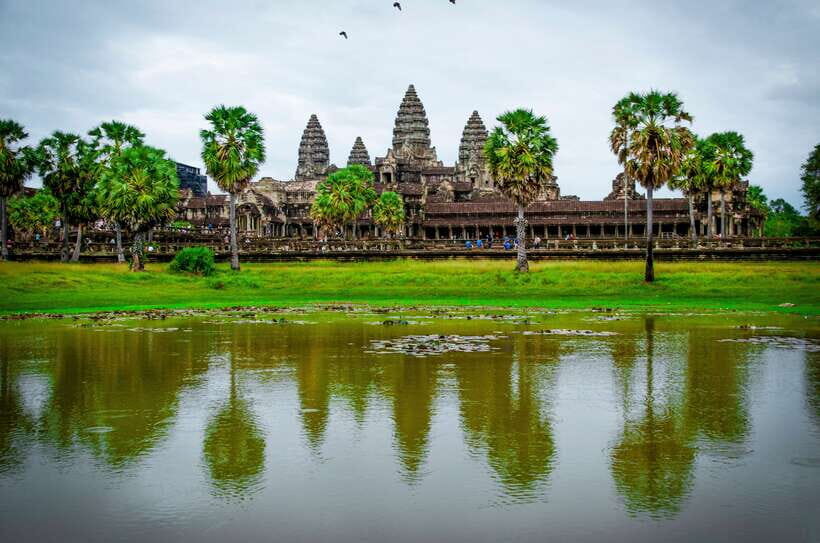
This tour is built for one goal: hit the temples early enough to see Angkor Wat at sunrise, then keep going while you still have energy. Pickup is from your hotel lobby between 4:20 AM and 5:00 AM, and the total duration is listed as 7 hours. In practice, that usually means you’ll be doing a lot inside a small time window—especially once you factor in moving between Angkor’s temple zones.
I like this structure because it’s honest. You’re not paying just to sit on a bus. You’re paying for a morning plan that gets you into the right places fast. The tradeoff is you’ll feel the early wake-up and the heat sooner than a “later in the day” Angkor tour.
Also, the tour ends at 12:00 PM, with transport back to your hotel. That’s a big deal. A lot of Angkor days can swallow your afternoon. Here, you’re done while the day still feels young, so you can make your own choices next.
Cost math: $30 tour price plus the Angkor Temple Pass
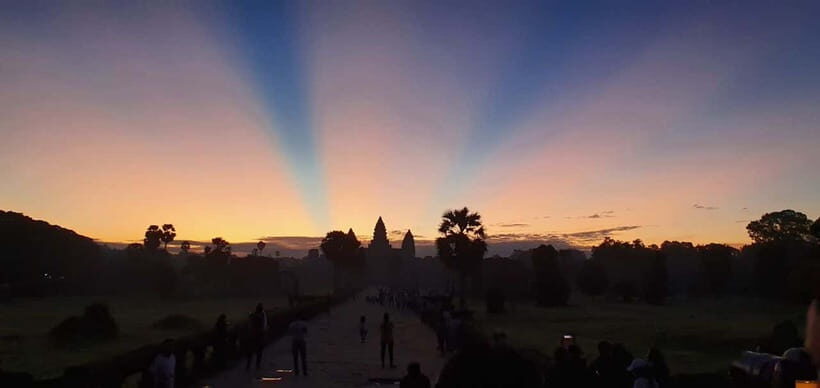
The headline price is $30 per person, but the Angkor Temple Pass isn’t included. The pass listed here is $37 per person for a one-day pass. So if you’re budgeting, you should expect around $67 total per person before any extra spending.
That’s not a deal-breaker—it’s pretty standard for Angkor. What matters is how the tour uses your time. Since you’re visiting the major highlights (Angkor Wat, Angkor Thom/Bayon, and Ta Prohm) in one focused morning, you’re paying for logistics and a guide to make those hours count.
I also like that the guide takes you through the process at the complex. You’ll purchase the temple pass on your own (with the guide available), then go in with the guide. That reduces the usual “where do I go first?” stress, especially when you’re half-awake in the dark.
Entering Angkor Wat before the crowds wake up
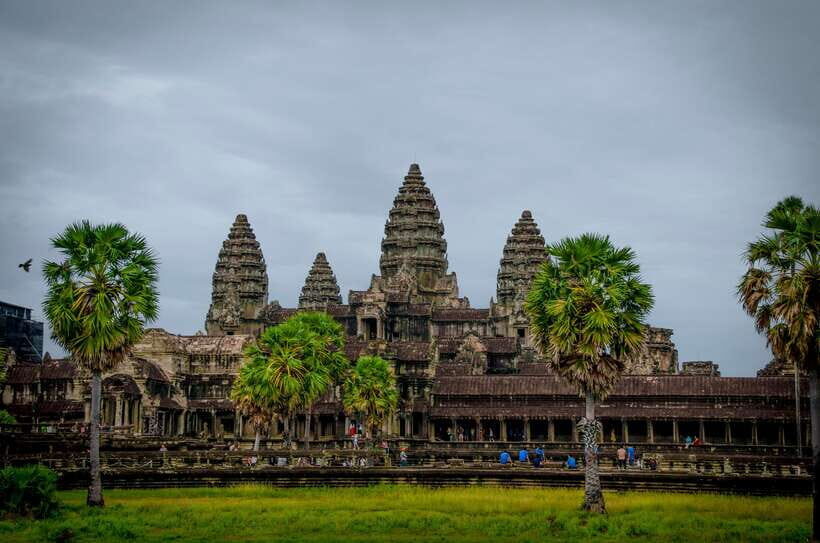
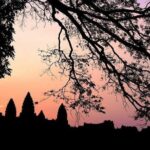
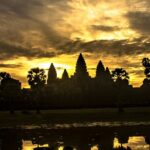
Angkor Wat is the kind of place that can overwhelm you even if you’ve seen it in photos your whole life. And sunrise turns that “wow” into something more emotional. This tour gets you there in that early window, so you’re inside the temple complex as the sky shifts.
Here’s what makes it special: Angkor Wat was built around the first half of the 12th century by King Suryavarman II, and its symmetry is part of why it feels so composed and powerful. Standing there at first light, you get that sense of balance and scale without the daytime noise taking over your brain.
Expect a lot of moving. You’ll likely spend time both positioning for sunrise views and walking through the temple grounds afterward. The tour is designed to keep you moving through the key highlights, not to linger in one spot all morning. If you love photography, you’ll appreciate the timing—one guide feature that shows up repeatedly is making sure people get to good viewpoints without getting stuck with the biggest crowd flows.
One note to keep expectations realistic: a few guides can’t control the weather, and if it’s overcast, sunrise may look more like a slow brightening than a dramatic color show. Still, the temple at dawn remains striking.
Bayon at Angkor Thom: the 216 faces you can’t ignore
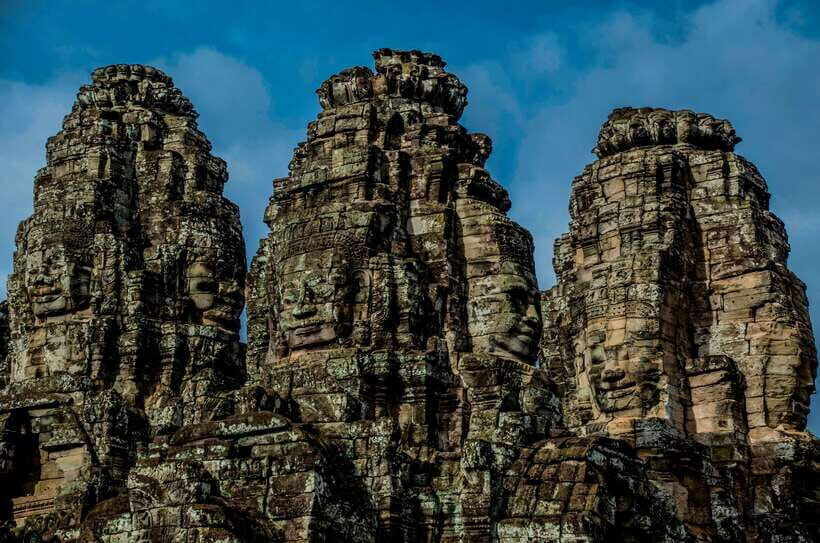
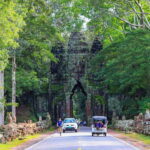
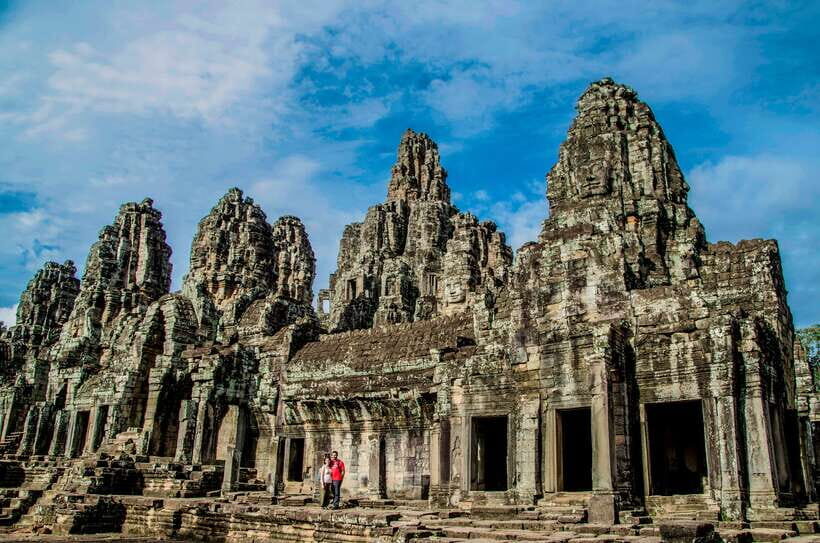
After Angkor Wat, the tour shifts to the Angkor Thom complex, where the focus turns to Bayon Temple. Bayon is built in the latter part of the 12th century by King Jayavarman VII, and the main reason you remember it is the stone faces.
Bayon has 54 towers, and each tower has four faces. That equals 216 faces, which is exactly the kind of number that sounds like trivia until you’re standing in front of them. Then it stops being trivia and becomes the whole experience. The faces are carved with that calm, wise smile that makes you feel watched—like the temple is studying you back.
What I like about the way this tour handles Bayon is that it gives you a defined stop inside a larger complex. You’re not bouncing randomly. You know the landmark, you know the goal (those towers and faces), and you can spend your time exploring without guessing.
Drawback? Bayon is popular, so you will see crowds. The fix is simple: use your guide’s timing and photo suggestions to avoid the worst bottlenecks. In the best-case scenario, you’ll get a few quieter angles even when the main areas are busy.


Ta Prohm: jungle vines, stone roots, and Tomb Raider fame
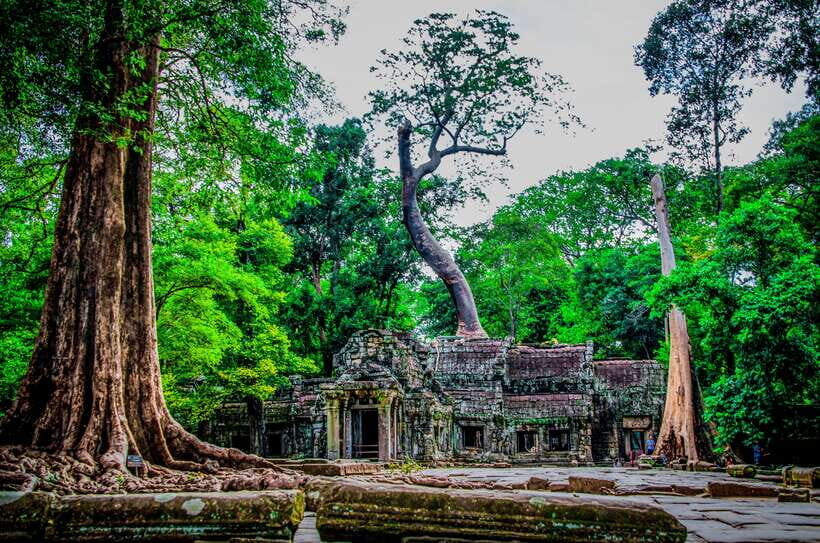
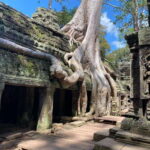
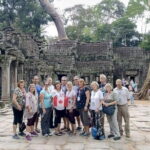
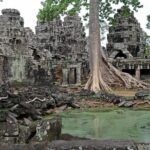
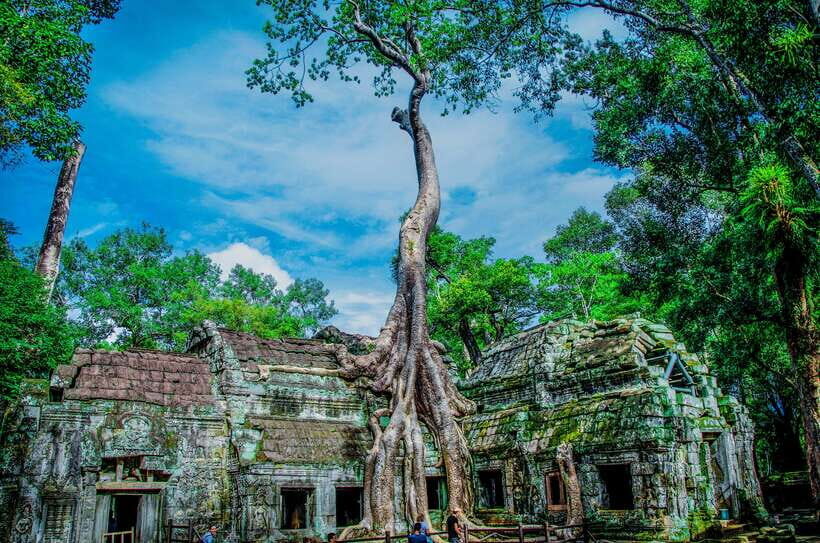
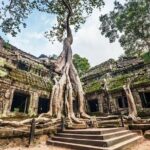
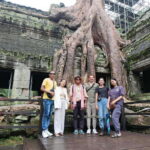
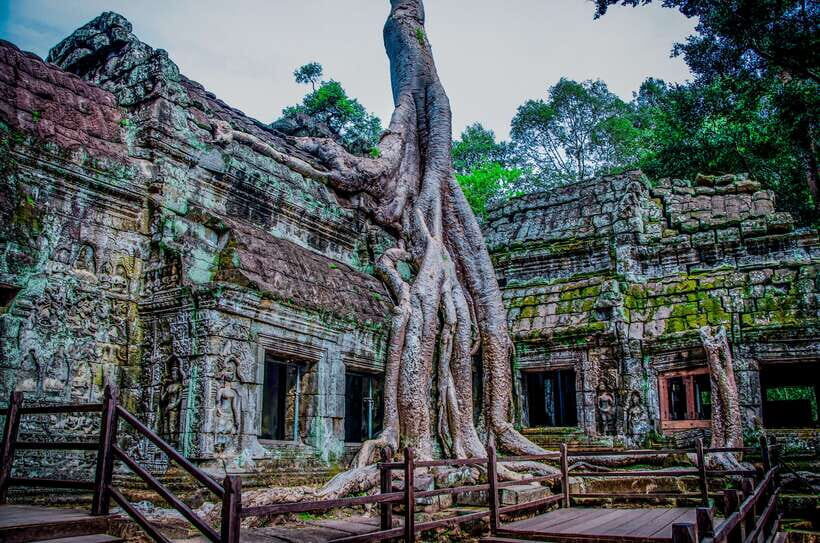
Then comes Ta Prohm, the temple that looks like nature moved in and never left. It’s famous partly because it was featured in the Angelina Jolie movie Tomb Raider, but even without that pop-culture connection, the place works.
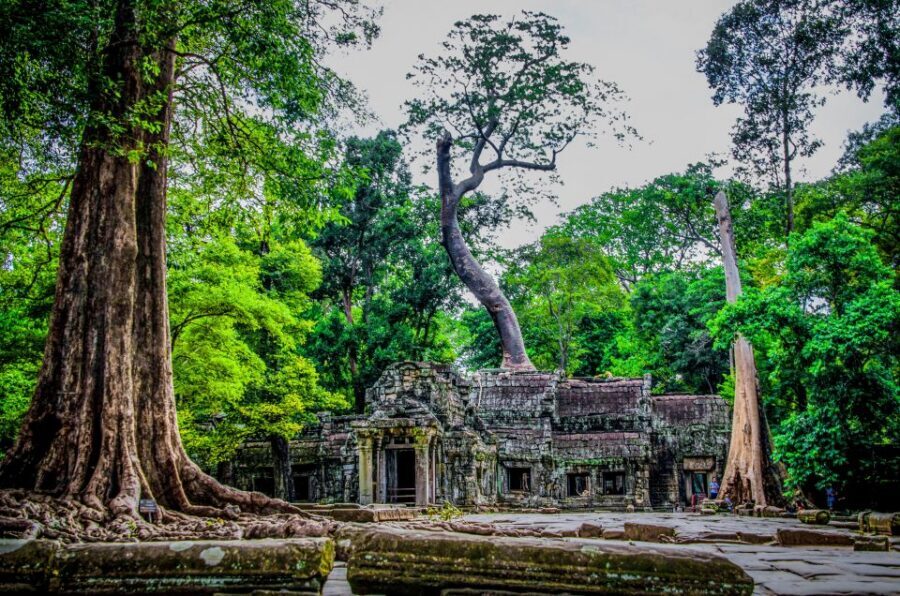
Ta Prohm’s defining look is the way stone structures and jungle vines tangle together. It’s that overgrown, dramatic feeling you expect from a movie set—except here it’s real scale, real texture, and real shadow patterns across the ruins. The “close-up” experience is a big part of why this tour is so popular. You don’t just view it from a distance; you get inside the feel of it.
This stop can also be crowded. That’s the tradeoff for choosing the most famous temples. The upside is that Ta Prohm is one of those locations where crowds don’t fully ruin the effect. Even with people around, the ruins still look wild and unforgettable—especially when you’re moving and catching different sightlines.
Guide impact: what you’re really paying for
A guide can make or break an early Angkor day. Here, that matters because you’re working against time, heat, and crowds. The tour includes an English-speaking guide, and in the details you’re given, guides are specifically praised for two things: knowing where to stand for photos and guiding you through the temples without wasting time.
Names that show up in the information you have include Touch, Phylom, Phyrom Hoeum, SoK, and Kim. Multiple accounts credit them with fast, energetic explanations plus practical photo ideas. Some guides also steer you away from the biggest crowds when possible, which is a lifesaver at places like Bayon and Ta Prohm.
Not every guide’s style will match your preferences. One account points out that a guide gave less detail than expected, which can be perfect if you’re more about seeing than learning. Another mentions that English understanding can be tough with some guides. The good news: since the tour is focused on three anchors (Angkor Wat sunrise, Bayon faces, Ta Prohm jungle), you’re not dependent on deep lectures to enjoy it.
Comfort and dress code: small choices, big difference at Angkor
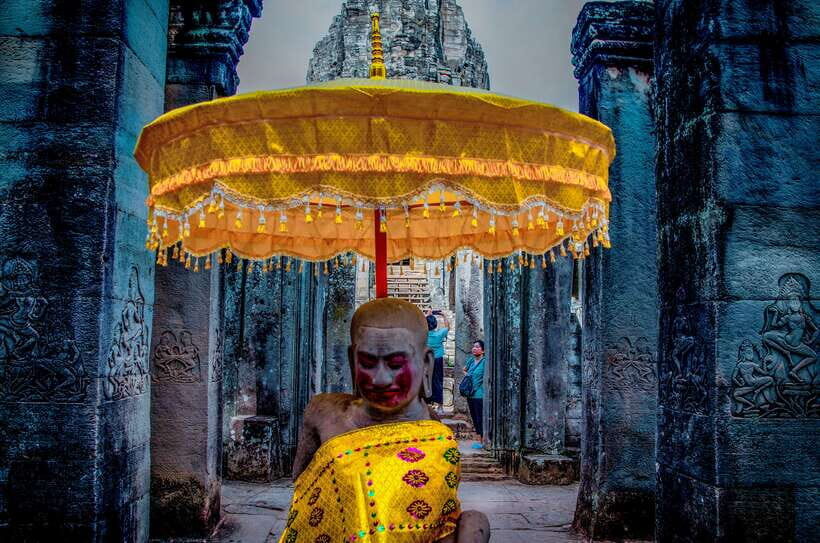
You’re doing temples in early morning and hot daylight, so practical gear pays off.
You must follow the dress code: long pants that cover the knee and a shirt that covers the shoulders. Don’t show up in shorts or a tank top hoping a solution appears on-site. This is a rule at the temples, and it’s easy to avoid stress by planning your outfit in advance.
You’re also out long enough that comfort matters. The tour includes a cold towel and a refreshment drink, which helps during the morning heat buildup. You’ll still want your own essentials, like water and sun protection, but at least you’re not starting totally bare.
One more practical reality check: this is an “active” morning. You’ll be walking a lot and moving between temple zones. Wear shoes you trust. If you’re carrying a camera, make sure you can reach it fast when the best angle opens up for sunrise or the Bayon faces.
Who this small-circuit sunrise tour fits best
This tour is a strong match if you want the core Angkor hits without turning your whole day into temple logistics.
It’s especially good for:
- First-timers who want Angkor Wat sunrise plus the most recognizable follow-ups (Bayon and Ta Prohm)
- Photographers who care about timing and viewpoints, not just checking boxes
- People who want to be back by 12:00 PM so the rest of the day isn’t swallowed
If you’re the type who loves long, slow temple wandering with extra detours and deep storytelling, you might find the structure a little fast. But for most visitors, the tight focus is the point.
Also, if you have limited time in Siem Reap, this kind of morning circuit is a clean way to stack your best experiences early. It turns a day that could feel chaotic into a plan you can actually use.
Should you book this sunrise to Ta Prohm circuit?
Book it if you want an efficient, high-impact Angkor morning: sunrise at Angkor Wat, then Bayon’s 216 faces, then Ta Prohm’s jungle ruins—done by midday. The guide support and photo-friendly timing are real value here, and the tour format helps you avoid wasting your best hours wandering without a plan.
I wouldn’t book it if:
- You’re hoping for a super relaxed pace with lots of free time at each site
- You’re not ready for an early pickup and the physical reality of walking around in heat
- You’re counting on a dramatic sunrise every time (weather can’t be negotiated)
If you go in with realistic expectations and good clothing, this tour delivers the kind of Angkor morning that feels like you got the best of the complex—without turning it into a whole-day grind.
FAQ
What time do they pick me up for the Angkor Wat sunrise?
Pickup is included from your hotel lobby between 4:20 AM and 5:00 AM.
How long is the tour?
The tour duration is listed as 7 hours.
Which temples are included in the visit?
You’ll visit Angkor Wat, the Angkor Thom complex (including Bayon), and Ta Prohm.
Is the Angkor Temple Pass included?
No. The Angkor Temple Pass is not included. The one-day pass is listed as $37 per person.
Do I need to dress a certain way?
Yes. You’ll need long pants that cover the knee and a shirt that covers the shoulders.
Is the guide available in English?
Yes. The tour includes an English-speaking guide.
What’s included in the tour besides transportation?
Included items are mini van/tour bus transportation, an English-speaking guide, a refreshment drink and cold towel, and temple visits to Angkor Wat, Angkor Thom complex, and Ta Prohm.
Will I be taken back to my hotel after the tour?
Yes. The tour ends at 12:00 PM and your guide will transfer you back to your hotel.
What’s the cost of the tour?
The tour price is $30 per person, plus the Angkor Temple Pass (not included).
Is there free cancellation?
Yes. You can cancel up to 24 hours in advance for a full refund.