REVIEW · SIEM REAP
2-Day Angkor Wat, Kulen Mountain, Beng Mealea and Tonle Sap
Book on GetYourGuide →Operated by BREKSA TRAVEL · Bookable on GetYourGuide
Wake up early. Then thank yourself. This 2-day circuit hits sunrise over Angkor Wat and pairs it with the raw jungle feel of Ta Prohm and Beng Mealea. I love the way the timing helps you see Angkor Wat before the thick crowds, and I also love the practical comfort touches like an A/C van, cool towels, and bottled water. The tradeoff: it starts at 4:30–5:00 am and you’ll walk a lot in the heat, plus the main temple tickets are not included in the base price.
What makes this tour work is the people. You get a professional English-speaking guide and a driver who keeps the day on track, and the best experiences in the group come from guides who can explain Khmer stories and point out smart photo angles. One group highlighted guides like Sam, Seila, and Kim, with patient drivers such as Theara and Moon—exactly the kind of support you want before a long, step-heavy day. You also travel in a 14-person maximum small group, which makes the schedule feel tighter and less chaotic.
Day 1 is temple-heavy: Angkor Wat at sunrise, then Angkor Thom and Ta Prohm, with breakfast at a local family spot and a small stop for palm cake in Preah Dak village. Day 2 turns into nature and jungle: Kulen Mountain waterfalls and the River of Thousand Lingas, Beng Mealea, and a boat ride to Kampong Phluk floating village on Tonle Sap Lake. If you want the big-name Angkor circuit plus Tonle Sap in two days, it’s a strong value—just price in the site passes before you book.
In This Review
- Quick Hits You’ll Actually Feel
- The Big Picture: 2 Days of Angkor, Kulen Jungle, and Tonle Sap Life
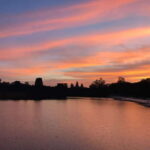
- Angkor Wat Sunrise at 4:30–5:00 AM: Timing Is the Real Attraction
- Angkor Thom and Bayon Faces: Where Stone Starts Smiling Back
- Ta Prohm’s Jungle Roots (And the Photo Chaos That Comes With Them)
- Kulen Mountain: Waterfalls, a Reclining Buddha, and the River of Thousand Lingas
- Beng Mealea’s 12th-Century Jungle: When the Temple Feels Half-Recovered
- Palm Cake Breakfast Break and Local Village Life Near Angkor
- Kampong Phluk on Tonle Sap: Floating Homes, Mangroves, and Boat Time
- A/C Vans, Cold Towels, and the Small-Group Pace That Helps You Survive
- Price Reality: What $69 Includes and What You Still Need to Budget
- Packing for Heat, Steps, and Jungle Bugs (Not Just for Photos)
- Guide Quality: The Difference Between a Good Day and a Great One
- Should You Book This 2-Day Angkor Wat, Kulen Mountain, Beng Mealea and Tonle Sap Tour?
- FAQ
- What time is hotel pickup for Angkor Wat sunrise?
- How long do we spend walking around Angkor Wat?
- Is breakfast included?
- Is lunch included on Day 2?
- What’s included in the $69 price?
- Which tickets or passes are not included?
- What’s the small group size?
- Do I need cash for the passes in advance?
- What should I bring for the tour?
- Are there any restrictions on what to wear?
Quick Hits You’ll Actually Feel
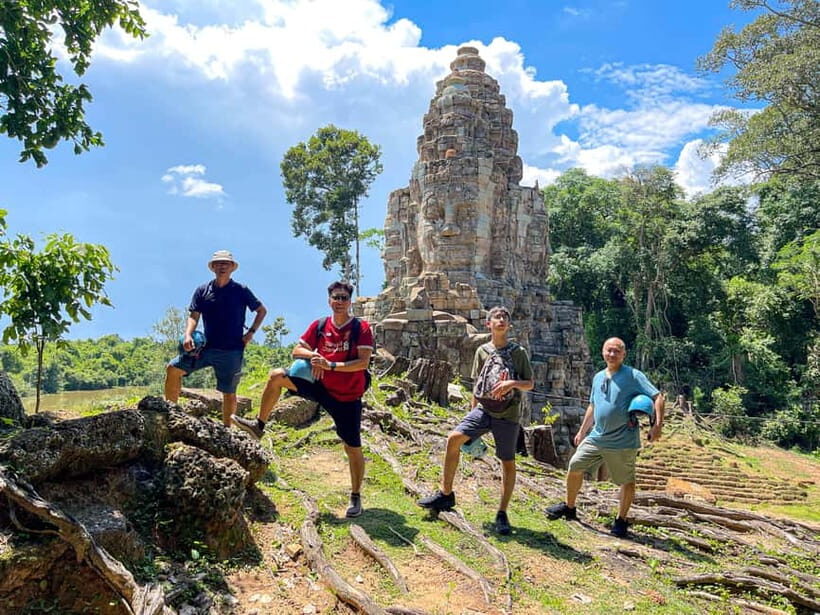
- Angkor Wat sunrise from inside the action with early pickup (4:30–5:00 am) so you can walk the temple complex before the main rush
- Ta Prohm + Beng Mealea in one trip: tree roots, lianas, moss, and that “temple reclaimed by jungle” look
- Kulen Mountain’s waterfall time plus a picnic (grilled chicken and seasonal fruit) and chances to swim at the waterfalls
- Tonle Sap boat ride into Kampong Phluk with stilt houses for fishermen and a mangrove backdrop
- Cold towels and bottled water during the day to reset you between hot stops
- Small group pacing (14 max) that feels smoother than the big-bus tours
The Big Picture: 2 Days of Angkor, Kulen Jungle, and Tonle Sap Life
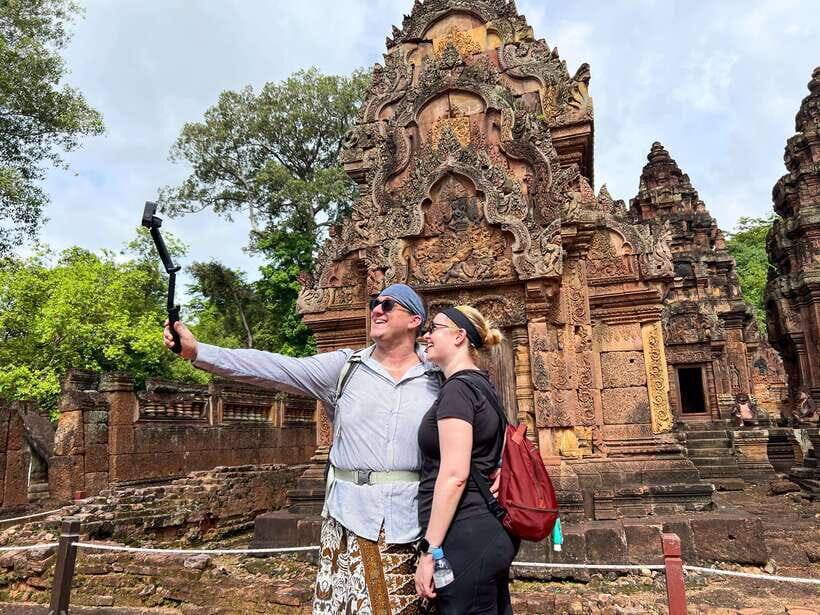
This is a “high-impact” itinerary. You’re covering major temples, then switching to waterfalls and rainforest, then ending on Tonle Sap. The upside is obvious: you get a lot of Cambodia’s most famous sights without needing separate tours or extra hotel moves.
The schedule is also built around a key reality: Angkor is both stunning and time-sensitive. Sunrise matters because you’re trying to see Angkor Wat while the lighting is soft and before crowds clog the main photo angles. Later, the day moves fast from site to site—so you’ll feel tired at the end of each day, but you won’t feel bored.
You can also read our reviews of more tours and experiences in Siem Reap
Angkor Wat Sunrise at 4:30–5:00 AM: Timing Is the Real Attraction
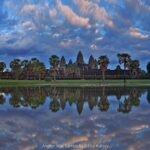
Your day starts before most cities even wake up. Pickup is between 4:30 and 5:00 am, and you head out in the dark to get ahead of the crowd flow. That early arrival is what gives sunrise its magic: Angkor Wat is the biggest draw, but the calmer walking time is what makes your photos look less like a traffic jam.
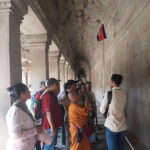
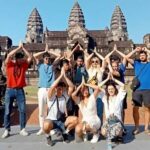
Once you reach Angkor Wat, you’ll have about 1 hour and 30 minutes to walk and see the whole temple building. That’s a useful amount of time because it’s enough to cover the main areas without turning it into a marathon. You also get guidance while you move—so you’re not just looking at stone, you’re understanding why specific parts mattered to the Khmer rulers.
One small bonus I like in this kind of tour: the best guides will connect what you see with what people used to believe there. In one group experience, the guide also explained ideas tied to Hindu mythology and even the echo-chamber effect some visitors talk about at Angkor Wat. You don’t need to be a scholar to enjoy it. You just need a guide who can make the carvings and layout click.
Practical tip: bring sunscreen and keep your hat ready. Even if it’s chilly at 5 am, the sun ramps up quickly once you’re walking inside open courtyards.
Angkor Thom and Bayon Faces: Where Stone Starts Smiling Back
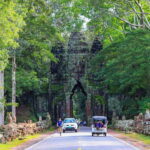
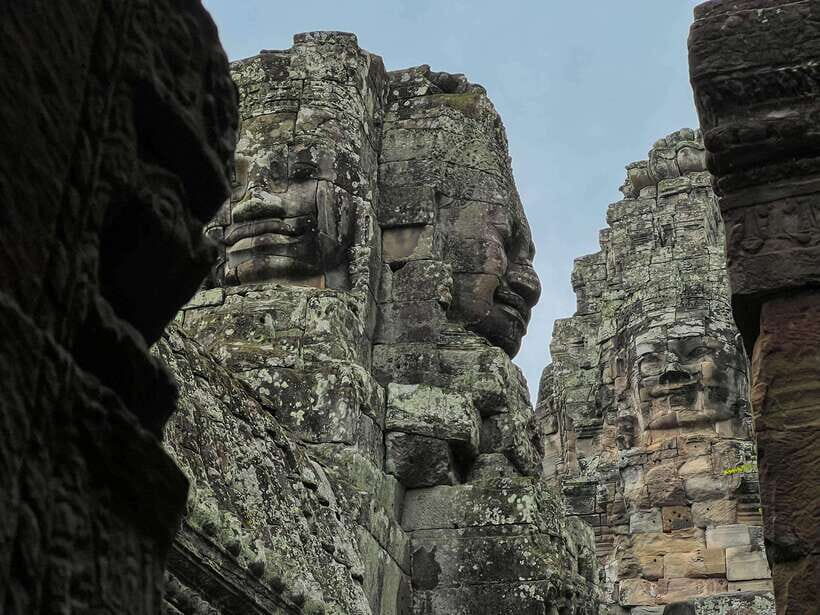
After Angkor Wat, you shift into Angkor Thom, the fortified city that brings a different vibe. This is where the “faces” take over. You’ll see Bayon and Baphoun, including the well-known 54 towers and 216 faces of the bodhisattva Avalokesvara.
This is the part of the tour where a good guide earns their keep. The best value isn’t just naming temples—it’s explaining how the Khmer empire organized power and belief through architecture, and how those terraces and gateways functioned. During the route, your guide also covers key historical facts and helps you connect the dots between structures.
You’ll also visit the Terrace of the Elephant and the Terrace of the Leper King (the royal viewing platform and what’s described as a stage for the king’s great audience hall). These terraces aren’t the most famous on postcards, but they’re incredibly photogenic and surprisingly human-feeling once you understand the context.
Downside to plan for: Angkor Thom can feel crowded as the morning grows. Your best defense is pace. Don’t try to photograph everything from the exact same angle. Move, scan, let your guide direct you, and you’ll end up with better shots and less stress.
Ta Prohm’s Jungle Roots (And the Photo Chaos That Comes With Them)
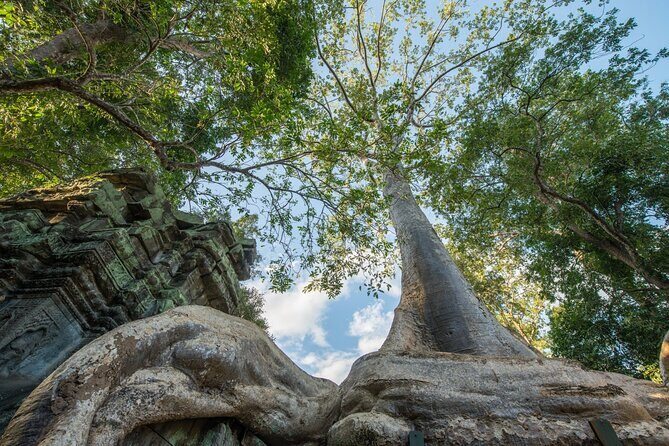
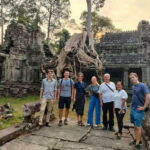
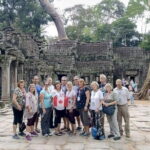
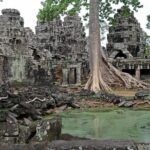
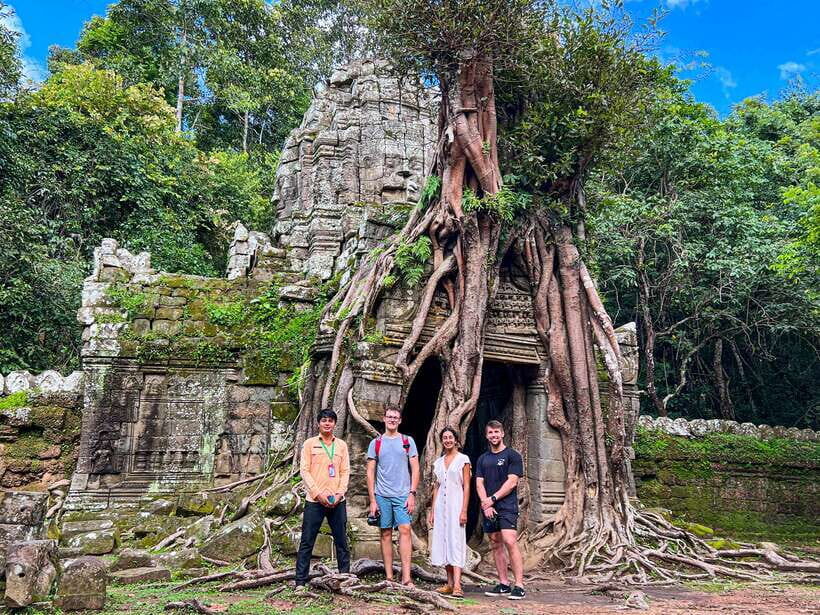
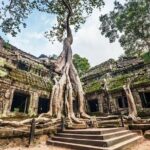
Ta Prohm is the temple most people associate with jungle takeover. The way it’s left in its original state—trees and huge roots cutting through the stone—creates a dramatic, eerie look that feels natural instead of staged.
You’ll visit Ta Prohm after breakfast on Day 1. That matters. Morning light plus fewer people means you can still take photos without constant sidestepping. Also, you’ll be traveling with a guide who can show you the key viewpoints, not just the obvious main corridor.
This stop is usually where you’ll feel the “I’m really here” moment. It’s a different kind of beauty than Angkor Wat: less symmetrical, more chaotic, more alive-looking. Just remember the tradeoff. The ground can be uneven, and you’ll be walking under sun and shade in a humid setting. Closed-toe shoes are not optional.
Kulen Mountain: Waterfalls, a Reclining Buddha, and the River of Thousand Lingas
Day 2 starts with a morning pickup and a scenic 1-hour drive through rice paddies to Phnom Kulen. Once you’re up in the hills, a local guide takes over for the park experience.
At Kulen Mountain, you’ll hit several highlights:
- the Amazing Cliff of Poeng Ta Kho
- waterfalls
- a reclining Buddha sculpture
- the River of Thousand Lingas from 802 AD
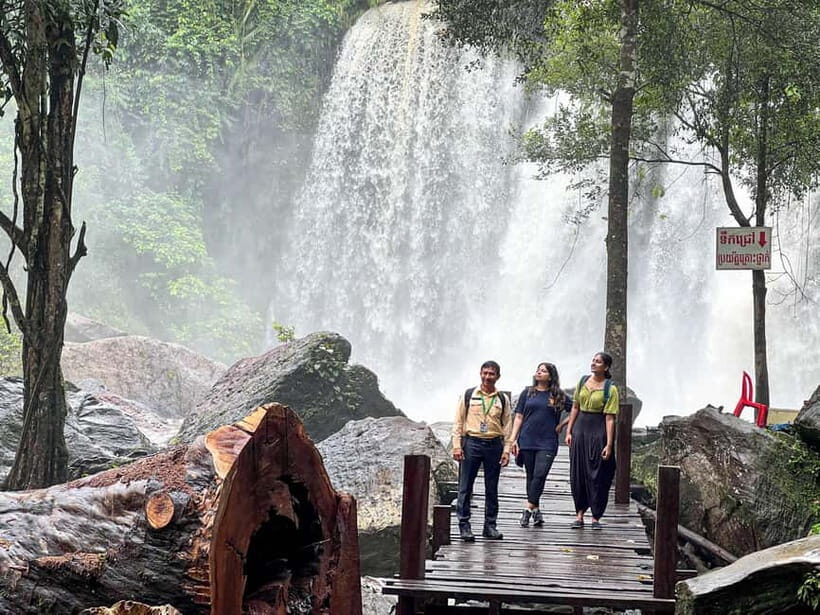
This is one of those stops where the “what” matters as much as the “where.” Angkor is about temple power. Kulen feels more like sacred landscape—especially once you’re near waterfalls and can actually hear water moving in the forest.
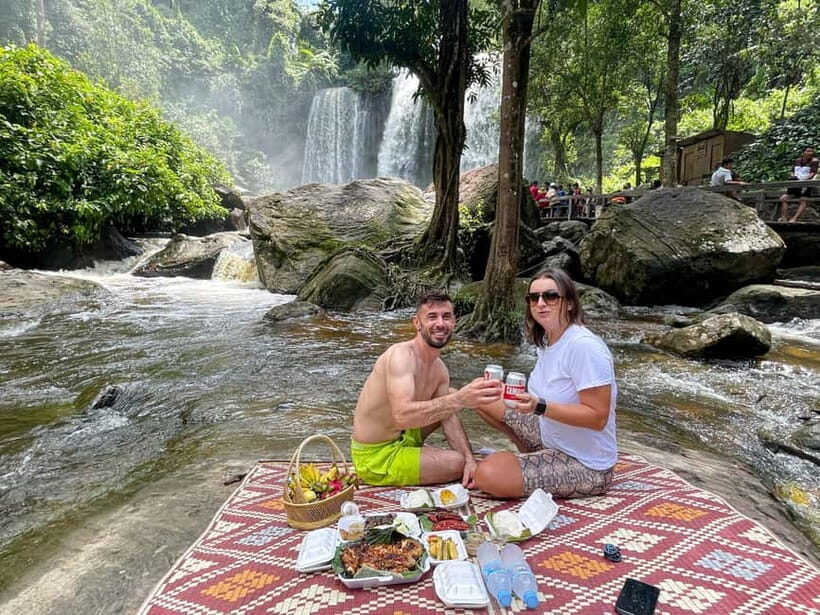
After the sightseeing, you’ll enjoy a picnic lunch nearby the waterfalls with grilled chicken and seasonal fruits. Then you may have time to swim at the waterfalls. That’s a rare opportunity on a temple tour, and it’s genuinely refreshing if you’ve been walking in the heat since dawn.
Reality check: don’t count on every pool-like spot being comfortable for swimming. Conditions can vary. But having the chance at all is a big advantage of Day 2 compared with purely temple-based itineraries.
Beng Mealea’s 12th-Century Jungle: When the Temple Feels Half-Recovered
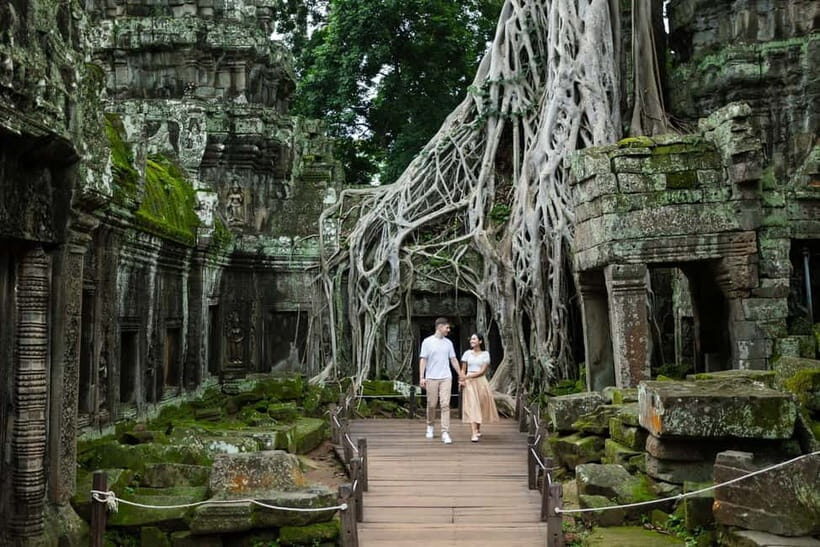
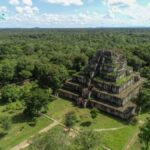
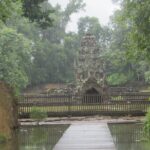
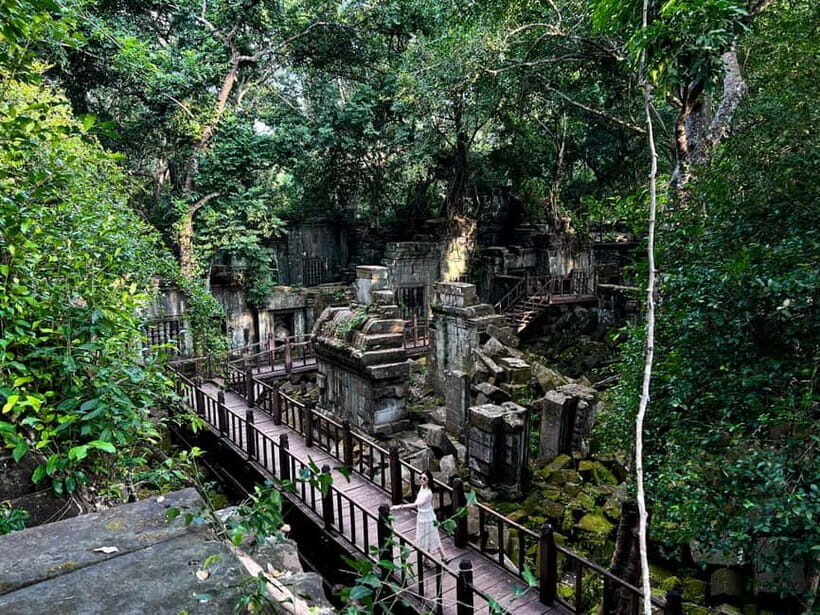
Then comes Beng Mealea, a 12th-century jungle temple described as overgrown with about 300 years of vegetation, including trees, lianas, and mosses. This is the “lost in the forest” feeling you came for.
If Ta Prohm is dramatic and famous, Beng Mealea is more mysterious and wild. The stone structure is there, but it doesn’t dominate your attention the same way as Angkor Wat. Instead, you feel like the jungle has been taking its time.
This stop also changes the kind of photos you’ll want. At Beng Mealea, the best images often come from frames that show stone + vines together, not just one isolated doorway. Move slowly, scan for roots and patterns, and let your guide point out where the best angles are.
Main consideration: Beng Mealea can feel rougher on your feet. Bring closed-toe shoes and plan for uneven paths and humidity.
Palm Cake Breakfast Break and Local Village Life Near Angkor
One of the smartest parts of the tour is that it doesn’t treat food as an afterthought. On Day 1, you enjoy breakfast at a local family restaurant in Siem Reap. That keeps you fueled for sunrise and temple walking.
Then you stop at Preah Dak village, near the countryside community of the Angkor temples, where you’ll taste traditional palm cake. It’s a small moment, but it adds texture. You get the sense that this region isn’t only about monuments—it’s also about everyday life that continues around them.
If you’re trying to travel like a curious visitor instead of a fast camera operator, these food and village breaks are where that shift happens.
Kampong Phluk on Tonle Sap: Floating Homes, Mangroves, and Boat Time
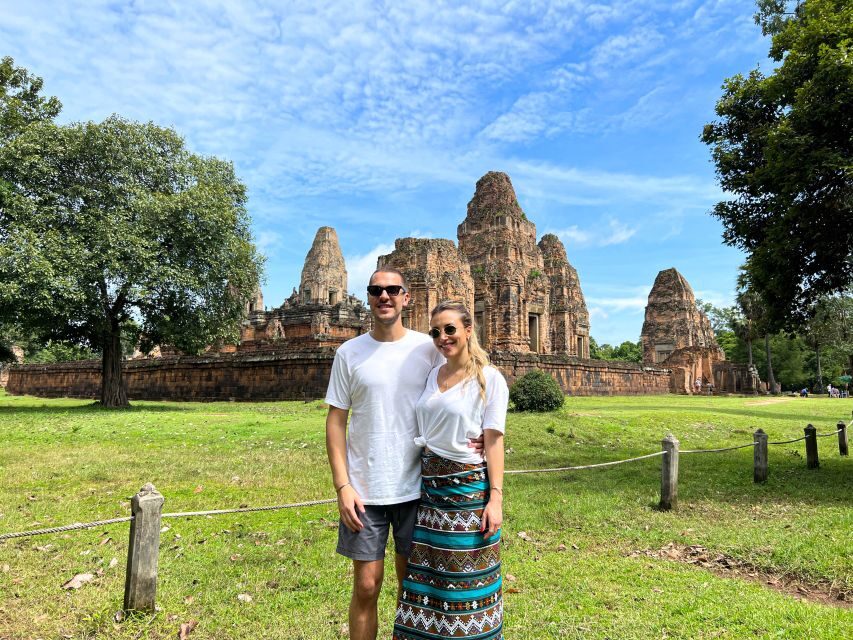
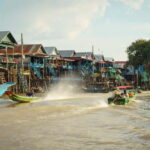
The final leg of the trip is Tonle Sap Lake and Kampong Phluk, a floating village. You’ll take a boat ride to see the community that depends on fishing. Expect colorful houses on stilts, daily routines, and a mangrove forest setting.
You’ll also learn about the natural surroundings—there’s mention of wildlife in the mangroves, including crab-eating macaques. The combination of people living above the waterline and the green forest around them makes this feel like a different world from the temple days.
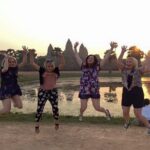
Timing can add something extra. One experience noted a sunset visit timing over Tonle Sap. You might not get sunset on every departure, but you can still treat the late-day boat time as a chance for softer light and calmer vibes.
Practical tip: keep a light layer handy. Even when the air feels warm, boat rides can bring a breeze.
A/C Vans, Cold Towels, and the Small-Group Pace That Helps You Survive
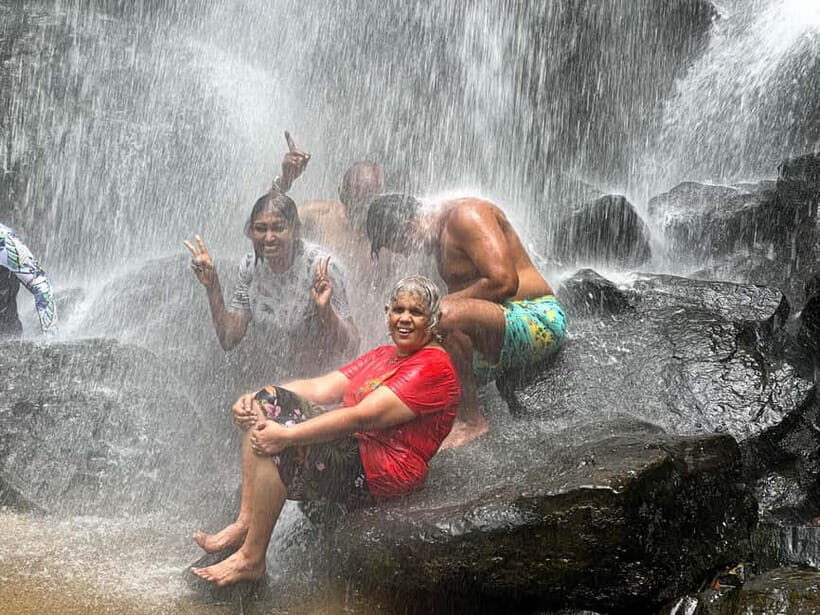
There’s a reason this tour gets strong feedback about comfort. You travel in an A/C van or minibus, and you receive cool bottle of water and towels. After walking in hot sun—especially around open temple courtyards—those little resets matter more than you think.
Small group size also changes how the day feels. With a maximum of 14 participants, you’re not stuck watching one slow person while a crowd builds behind you. Your guide can spend more time checking in, and you can ask questions without repeating yourself.
This is still a full-on two days. But if you’re the type who appreciates good logistics—clear pacing, air conditioning, and practical support—you’ll probably find the experience noticeably easier than “see everything in one day” chaos.
Price Reality: What $69 Includes and What You Still Need to Budget
The headline price is $69 per person for the 2-day package. What you’re getting at that price:
- a professional English-speaking tour guide
- A/C transportation (van or minibus)
- hotel pickup and drop-off
- cool bottle of water and towels
- breakfast on Day 1
- picnic lunch near a waterfall on Day 2
What’s not included (and you should plan for in advance):
- Angkor pass: $37 per pax
- Kulen mountain pass: $20 per person
- Beng Mealea pass: $10 per person or a valid Angkor pass
- Tonle Sap Lake pass with boat ride: $15 per person
- soft drinks
If you add the likely site fees, your total can land around $141–$151 on top of the $69, depending on whether your Angkor pass also covers Beng Mealea. Either way, it’s still a lot of value for two full days because you’re not paying separate full-day tours for sunrise, Kulen, Beng Mealea, and Tonle Sap boat time.
The key decision for value: are you already planning to visit all these sites anyway? If yes, this bundle structure usually makes sense. If you only care about Angkor Wat sunrise, you might want a narrower itinerary.
Packing for Heat, Steps, and Jungle Bugs (Not Just for Photos)
This is a “bring what works” tour. Your provided guidance includes:
- camera
- comfortable clothes
- sunscreen
- hat
- closed-toe shoes
- sunglasses
- insect repellent
- power bank
That’s not overkill. Your feet, skin, and battery will be under pressure. You’re walking temples early and late, then switching to jungle terrain and rainforest humidity.
Rules matter too:
- no alcohol and drugs
- no sleeveless shirts
If you want to stay comfortable without constantly rethinking your outfit, go for breathable long or short sleeves that cover your shoulders.
Guide Quality: The Difference Between a Good Day and a Great One
Most of the experiences shared focus on guides who were friendly, respectful, and genuinely helpful. Names that came up for strong guiding and explanations include Sam, Seila, Kim, Mony, Sotin, Ho, and Youk Makara, with drivers like Theara, Moon, Phat, Tee, and Mark mentioned for patient, attentive driving. There are also notes about guides who help with photos, including a guide/photographer named Jan.
That said, I’ll be honest about one risk. One booking described a situation on Day 1 where a guide made jokes that included derogatory comments about religion, which made the person uncomfortable. If this is sensitive for you, treat it as a clear instruction to communicate concerns immediately to the guide or operator. You can’t control every personality, but you can advocate for a respectful experience.
Should You Book This 2-Day Angkor Wat, Kulen Mountain, Beng Mealea and Tonle Sap Tour?
I think you should book if you want the classic “Cambodia highlights” combo in two days: sunrise Angkor Wat, the faces of Bayon, jungle temples in the Ta Prohm and Beng Mealea style, Kulen waterfalls, and a Tonle Sap boat ride to a floating village.
You might want to reconsider if:
- you hate early mornings (pickup starts 4:30–5:00 am)
- you’re very budget-driven and don’t want to add passes on top of the $69 base
- you prefer slower, less packed days with fewer stops
If you fit the first group—curious, okay with walking, and ready for a packed itinerary—this is a solid way to see a lot without feeling lost. Just budget for site passes, wear good shoes, and give your guide the chance to turn stone and jungle into stories you’ll remember.
FAQ
What time is hotel pickup for Angkor Wat sunrise?
Pickup is between 4:30 am and 5:00 am on Day 1.
How long do we spend walking around Angkor Wat?
The tour says you may spend about 1 hour and 30 minutes to walk and see the whole temple building.
Is breakfast included?
Yes. Breakfast is included on Day 1.
Is lunch included on Day 2?
Yes. There is a picnic lunch near a nearby waterfall on Day 2.
What’s included in the $69 price?
You get a professional English-speaking guide, A/C transportation, hotel pickup and drop-off, cool bottle of water and towels, plus breakfast (Day 1) and picnic lunch (Day 2).
Which tickets or passes are not included?
Angkor pass, Kulen mountain pass, Beng Mealea pass, and Tonle Sap Lake pass with boat ride are not included.
What’s the small group size?
The group is limited to 14 participants.
Do I need cash for the passes in advance?
The pass costs are listed separately, so you should plan to pay the site fees where required.
What should I bring for the tour?
Bring a camera, comfortable clothes, sunscreen, a hat, closed-toe shoes, sunglasses, insect repellent, and a power bank.
Are there any restrictions on what to wear?
Sleeveless shirts are not allowed, and the tour also states no alcohol or drugs.