REVIEW · SIEM REAP
Siem Reap Shared Full-Day Guided Tour of Angkor Temples
Book on Viator →Operated by Vamos Camboja Turismo · Bookable on Viator
Angkor feels manageable in a single day.
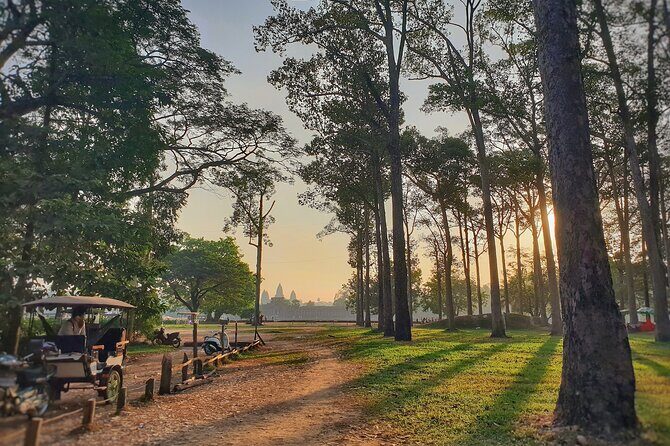
This full-day tour strings together the big sights in a smart order, with an English-speaking guide and comfortable shared transport, plus enough time to actually look up at the stone faces instead of just checking boxes. You’ll hit Angkor Thom highlights like the South Gate and Bayon, then shift to the jungle-mixed drama of Ta Prohm, and finish at Angkor Wat, the main event. The small-group option (max 6) makes it feel less like a crowd herding exercise and more like a guided day out.
I like that you get hotel pickup and drop-off, cold water, and a real guide (not just a driver) explaining what you’re seeing and why it matters. I also like the way the day is built around clear stops, so you can focus on the temples instead of sorting logistics in the midday heat.
One thing to think about: the tour price does not cover the Angkor Archaeological Park entrance ticket (and lunch isn’t included either). If you haven’t planned for those costs, the day can feel more expensive than the headline $25.
In This Review
- Key highlights you’ll care about
- The 8-hour rhythm: how the timing works in real life
- Price and ticket reality: what that $25 actually covers
- Small-group premium vs standard group (max 15): what you gain
- From Siem Reap pickup to the temple pass: start strong
- Angkor Thom South Gate: the smiling stone faces first
- Bayon Temple and Baphuon: the story behind the stone
- Terrace of the Elephants and Terrace of the Leper King: short stops, strong details
- Ta Prohm for a full hour: the jungle temple payoff
- Lunch break near Siem Reap: plan for the cost
- Angkor Wat’s 2-hour finish: the main jewel, properly staged
- Who the guide experience fits best (and why the names matter)
- What to wear at Angkor: dress code details that save time
- Value check: is $25 worth it?
- Should you book this shared Angkor temples tour?
- FAQ
- What is the total duration of the Angkor temples tour?
- Is hotel pickup and drop-off included?
- Do I need to buy the Angkor Archaeological Park entrance ticket separately?
- Is lunch included in the tour price?
- What transport will I use during the day?
- How large are the groups?
- What temples are included in the tour?
- What are the dress code rules?
- Can children join this shared tour?
Key highlights you’ll care about
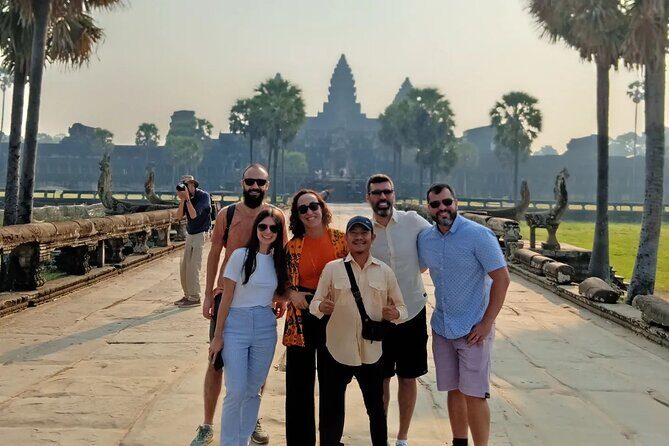
- Max 6 in the premium small-group option: less waiting, more conversation time with your guide.
- Air-conditioned van for 3+ people (tuk-tuk for 1–2): transport adjusts to group size, not your luck.
- The Angkor Thom circuit in one sweep: South Gate, Bayon, Baphuon, and the terrace stops keep the story moving.
- Ta Prohm gets a full hour: enough time for the roots-and-stone vibe without rushing.
- Angkor Wat is the final anchor: you get a longer 2-hour block for the complex’s main moments.
- You must plan for the entry ticket and lunch: the big add-on is the Angkor pass.
The 8-hour rhythm: how the timing works in real life
This is an 8-hour tour (approx.) with hotel pickup starting around 8:30–9:00 AM and return around 5:00 PM. That timing matters because Angkor is best when you’re not fighting the harshest part of the day, and a structured day helps you spend more time looking up and less time figuring out what’s next.
For an early-riser option, the pickup shifts earlier (around 4:30–5:00 AM) if you choose sunrise. If sunrise is your goal, plan on staying flexible with clothing and sun protection, because you’ll be moving before the heat fully breaks.
You can also read our reviews of more guided tours in Siem Reap
Price and ticket reality: what that $25 actually covers
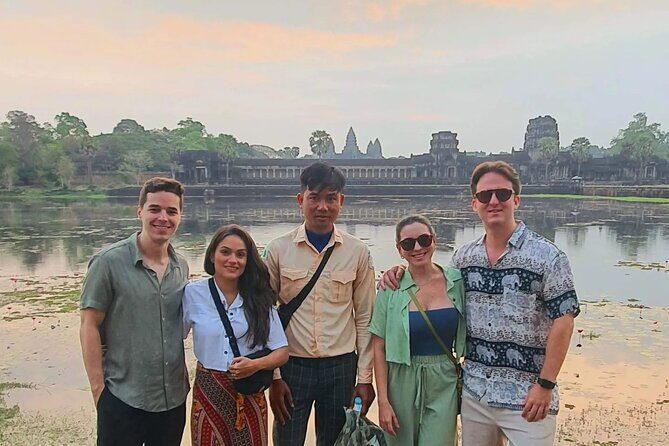
The headline price is $25 per person, and it includes a professional English-speaking guide, hotel pickup and drop-off, and transport (tuk-tuk for 1–2 people, A/C van/minibus for 3+). You also get cold water during the tour, which sounds small until you’ve been out in Cambodian sun for a few hours.
But here’s the key cost you can’t ignore: the Angkor Archaeological Park entrance ticket is not included, and it’s listed as USD 37 per person for 1 day. Lunch also isn’t included, even though you’ll get about an hour break to eat.
My advice: buy your Angkor pass ahead of time if you can, because the tour notes that having your ticket ready gives you enough time to explore comfortably. Even if you plan to buy on-site, give yourself time to handle it without feeling rushed.
Small-group premium vs standard group (max 15): what you gain

This experience comes in different group sizes. The premium small-group option caps at 6 travelers, while the standard shared option can run up to 15. If you hate waiting behind slow photo lines or you want your guide to answer questions clearly, the smaller cap is the better fit.
The transport changes with the numbers. For 2 people, you’ll likely ride by tuk-tuk. For 3 people and up, it’s an air-conditioned van or minibus. That’s a practical upgrade for longer temple days, when you want the ride to feel like a break instead of just moving from one heat source to another.
From Siem Reap pickup to the temple pass: start strong

You’ll meet your guide in the hotel lobby around 8:30 AM, then head toward the ticket process. The plan is straightforward: you’ll either go to the ticket office together or you can already have the pass sorted online before the day starts.
This part is more important than it sounds. If you walk in with your ticket handled (or even just organized paperwork), the rest of the day runs smoother and you spend fewer mental calories on admin.
Also note the tour suggests using a mobile ticket approach if that’s how you bought your entry. If you’re planning to use your phone for anything that day, keep it charged and in a dry pocket.
Angkor Thom South Gate: the smiling stone faces first
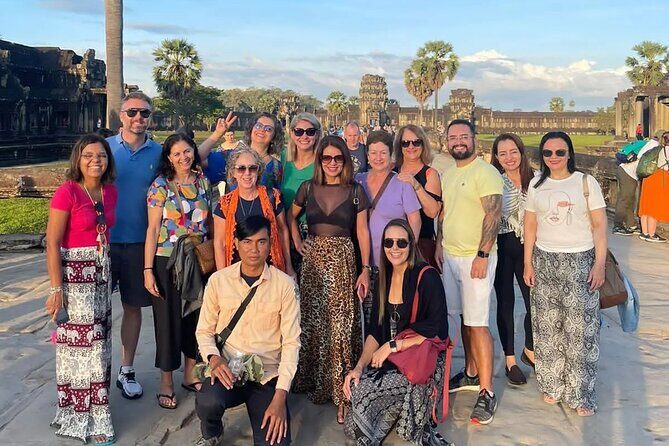
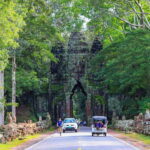
The day kicks off inside Angkor Thom at the South Gate, where the gate’s famous giant smiling stone faces greet you. You’ll spend about 15 minutes here, which is just enough time to take in the scale and get your bearings before moving deeper into the circuit.
This stop works well for first-timers because it gives you the visual signature of Angkor Thom early. You’re also setting context: when you see later faces and towers, your brain has a reference point for what’s sacred, what’s symbolic, and what’s decorative.
If you’re hoping to linger for long, this isn’t that kind of stop. It’s a quick, high-impact start that keeps the day moving.
You can also read our reviews of more tours and experiences in Siem Reap
Bayon Temple and Baphuon: the story behind the stone
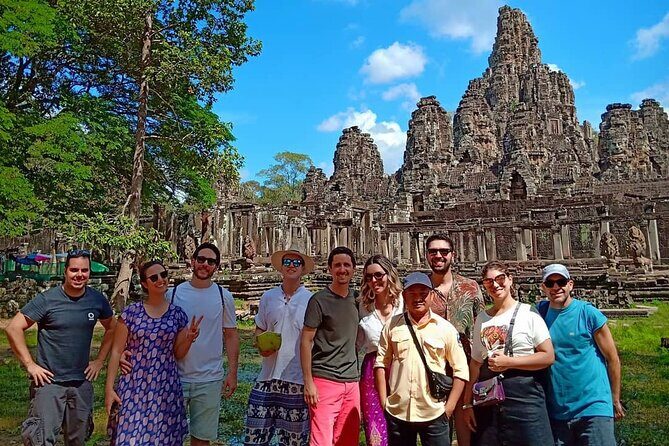
Next comes Bayon Temple, with about 45 minutes on the clock. Bayon is known for the Temple of Smiling Faces and sits at the heart of Angkor Thom, so it’s a strong “centerpiece” stop. In practice, the time helps because you’re not just seeing one angle—you can move around enough to understand how the faces repeat and how the structure frames the space.
After that you’ll head to Baphuon for another 45 minutes. This one’s a pyramid-shaped monument that was once called the Bronze Tower, and it’s described as originally dedicated to Shiva. I like this pairing because Bayon gives you the emotion (those faces), and Baphuon gives you the religious and architectural logic behind the complex.
A useful expectation: you may not leave with a perfect mental map of every level and corridor, but with a good guide, you’ll walk away knowing what each temple was for and what features were meant to signal power and belief.
Terrace of the Elephants and Terrace of the Leper King: short stops, strong details
You get two quick terrace visits around the Elephant Terrace and the Leper King Terrace, each listed at about 15 minutes.
At the Terrace of the Elephants, you’re looking at a 350-meter ceremonial platform associated with King Jayavarman VII, used for royal viewing during public processions and events. Even in a short window, it’s one of those places where the length of the platform helps you feel how large-scale public life was.
Then comes the Terrace of the Leper King, also short but memorable. It’s named after a moss-covered statue, and it’s believed to represent Yama. This is the kind of stop where a guide’s narration can make the odd details click, because it’s easy to see a statue and think, okay… what am I looking at? A clear explanation fixes that fast.
If you want longer time at one of these, you might find you want more than the scheduled 15 minutes—but the upside is you keep energy for Ta Prohm and Angkor Wat later.
Ta Prohm for a full hour: the jungle temple payoff
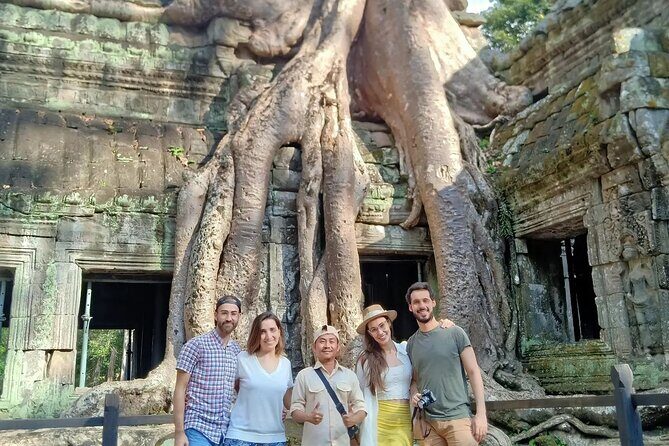
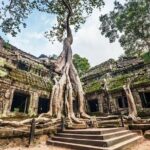
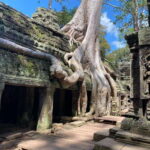
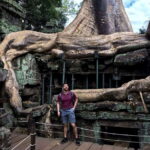
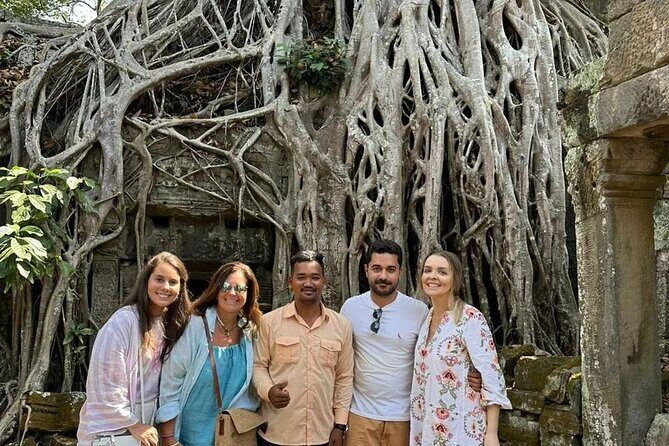
Ta Prohm is the atmosphere stop. You’ll get about 1 hour, which is a gift in a day that’s otherwise tightly timed. This temple is famous for its jungle setting and for the look popularized by Tomb Raider, and it’s described as a 12th-century Buddhist monastery.
I love that this stop slows the pace a bit. The roots-and-stone look is visual storytelling in real time, and the extra hour gives you room to look from different angles and let the guide’s facts land instead of hearing them while you’re already halfway out the gate.
Practical thought: the jungle vibe can mean you’re navigating uneven, textured spaces. If you’re wearing the right clothes (see dress code notes below) and have comfortable footwear, the hour feels rewarding instead of stressful.
Lunch break near Siem Reap: plan for the cost
Lunch isn’t included, even though you’ll have an about 1-hour break. The tour notes the guide will recommend a nearby Cambodian restaurant.
This is a good moment to reset: eat something you actually enjoy, hydrate, and decide how you want your energy to feel for Angkor Wat. Since lunch is on you, this is also where you can control value—choose a simple meal and you’ll keep the day affordable.
Angkor Wat’s 2-hour finish: the main jewel, properly staged
The day culminates at Angkor Wat with about 2 hours. It’s described as the largest religious monument in the world and the iconic jewel of the Angkor complex, built in the early 12th century. Two hours is enough time to see more than one key area, and it’s long enough for a guide to explain the big-picture symbolism without rushing you out the door.
This is also where the dress code becomes non-negotiable. Angkor Wat requires pants or skirts that cover the knees and shirts that cover the shoulders. Miniskirts, shorts, tank tops, and other revealing clothing aren’t allowed.
My tip: if you’re borderline on clothing, fix it before you arrive. The tour’s dress code notes you may use a scarf to cover knees and shoulders for most temples, but Angkor Wat has stricter requirements—so don’t gamble with comfort or fabric.
Who the guide experience fits best (and why the names matter)
A big part of why this tour works is the professional English-speaking guide. I’ve seen how much difference that makes at Angkor, where the visuals can be overwhelming if no one explains what you’re looking at.
Guides such as Buth are specifically called out for being engaging and making the day feel both informative and interesting. Another example is Vannah, who’s noted for explaining the history of the temples visited and keeping it understandable. Even if you don’t know the guide ahead of time, this tour’s focus on stories is what turns stonework into something you can actually remember.
If you’re the kind of traveler who wants a mix of structure and meaning—without doing everything yourself at dawn—this is a strong match.
What to wear at Angkor: dress code details that save time
Cambodia’s temples are serious about attire. The tour guidance is clear:
- For most temples, you can use a scarf to cover knees and shoulders.
- For Angkor Wat, you must wear pants or skirts covering the knees and a shirt covering the shoulders.
- Miniskirts, shorts, tank tops, or revealing clothing aren’t allowed.
I recommend you treat this as a packing checklist. If you arrive with the right layers, you won’t waste time finding a workaround at the last minute.
Value check: is $25 worth it?
For $25, you’re paying for the guide, hotel pickup and drop-off, and the shared transport that gets you from temple to temple. The tour also includes cold water, which is genuinely helpful on a long day.
The value depends on what you do next: you still need to budget for the USD 37 Angkor day ticket and you’re responsible for lunch. Even with those add-ons, the overall format can still feel like good value if you’re not interested in juggling tickets, routes, and time management on your own.
If your goal is to see the main Angkor highlights in one organized day with a human who can explain what you’re seeing, this tour hits the sweet spot.
Should you book this shared Angkor temples tour?
Book it if you want a smooth day plan, prefer a smaller group feel (especially in the max 6 option), and like learning what you’re looking at instead of only photographing it. It’s also a good pick if you’re staying in Siem Reap and want a ready-made structure from pickup to return.
Skip it—or consider a private alternative—if you want to linger for long stretches at one temple, or if you’re counting on skipping the entry-ticket cost. Also note that children under 12 are not eligible for this shared tour (private tours are the place where the child policy changes).
If you do book, do two things that make the biggest difference: plan your Angkor pass ahead of time, and dress so you’re ready for Angkor Wat without last-minute stress.
FAQ
What is the total duration of the Angkor temples tour?
The tour runs about 8 hours (approx.), with hotel pickup starting around 8:30–9:00 AM and an approximate return around 5:00 PM.
Is hotel pickup and drop-off included?
Yes. The tour includes hotel pick-up and drop-off service, with the guide meeting you in the hotel lobby between 8:30 and 9:00 AM.
Do I need to buy the Angkor Archaeological Park entrance ticket separately?
Yes. The Angkor Archaeological Park Entrance Ticket (USD 37 per person for 1 day) is not included in the tour price.
Is lunch included in the tour price?
No. Lunch is not included, but there is an about 1-hour lunch break with a nearby restaurant recommendation by your guide.
What transport will I use during the day?
For 1–2 people, transport is by tuk-tuk. For 3 people and up, transport is by an air-conditioned van/minibus.
How large are the groups?
There are options: the premium small-group is max 6 travelers, and the standard group can be up to max 15 travelers.
What temples are included in the tour?
The tour includes Angkor Thom South Gate, Bayon, Baphuon, Terrace of the Elephants, Terrace of the Leper King, Ta Prohm, Srah Srang (stated as part of the lunch stop area), and Angkor Wat.
What are the dress code rules?
For most temples, you can use a scarf to cover your knees and shoulders. For Angkor Wat, it is mandatory to wear pants or skirts that cover the knees and shirts that cover the shoulders; miniskirts, shorts, tank tops, and revealing clothing are not allowed.
Can children join this shared tour?
Children under 12 are not eligible for this shared tour. The info notes that children under 12 join free only for private tours.