REVIEW · SIEM REAP
Siem Reap: Kulen Waterfall by Private Tour
Book on GetYourGuide →Operated by Cambo Tours Services · Bookable on GetYourGuide
Kulen Mountain makes a strong case for a break from Angkor. You’ll combine sacred ruins with a cooling swim at Kulen Waterfall, and your guide connects the dots between what you see on the rock and how the Khmer era still shows up today.
I especially like the mix of stops: the 1000 Lingas riverside site gives you something unusual and very photo-friendly, and the hilltop temples with the reclining Buddha feel like a real payoff after the climb. The second thing I love is the hands-on mood of the day, including a chance to watch palm sugar production in a local village.
One thing to think about: this is a long day (about 9 hours) and includes walking and a trek to reach the falls, so if your energy is limited, you’ll need to pace yourself.
In This Review
- Key points at a glance
- Phnom Kulen from Siem Reap: why this trip feels different
- Quarry stop and stone-cutting: the practical side of temple building
- The 1000 Lingas riverside site: a scene you’ll remember
- Hilltop temples and the reclining Buddha: sacred ruins with a view
- Kulen Waterfall trek and the swim that makes the day worth it
- Palm sugar village: how a local product becomes part of the day
- Optional Cambodia Landmine Museum: when the day turns serious
- Comfort, timing, and getting around in air-con style
- Price and value: $65 plus the park fee you should plan for
- What to bring (and what to skip) for a smoother Kulen day
- Who should book this private Kulen Waterfall tour
- Should you book this Kulen Waterfall private tour?
- FAQ
- How long is the Kulen Waterfall private tour from Siem Reap?
- What does the tour cost, and are there extra fees?
- Does lunch come with the tour?
- Is hotel pickup and drop-off included?
- What’s included in the tour during the day?
- Do I need to pay for the national park ticket at the gate?
- Can I swim at Kulen Waterfall?
- Who should avoid this tour?
- Is the Cambodia Landmine Museum stop included?
Key points at a glance
- 1000 Lingas at the riverside archaeological park, with a setting that’s easy to understand and photograph
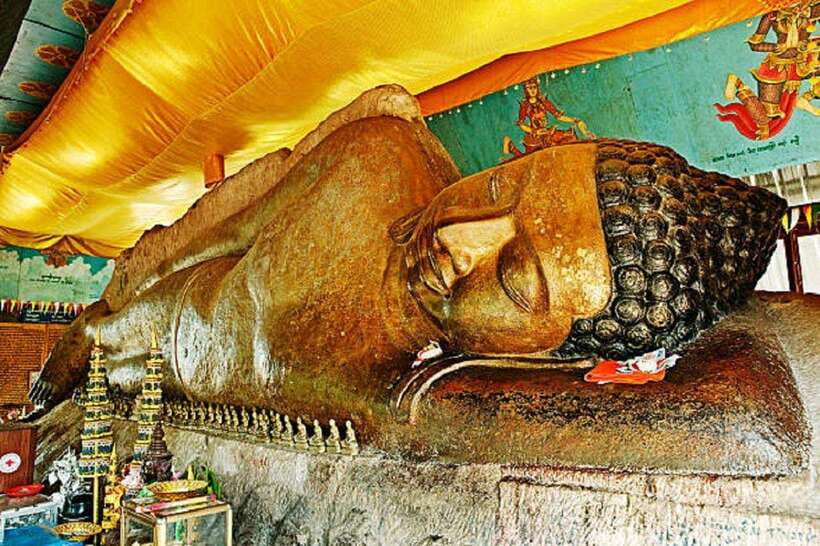
- Hilltop ruins with 30+ temple remains and a large reclining Buddha
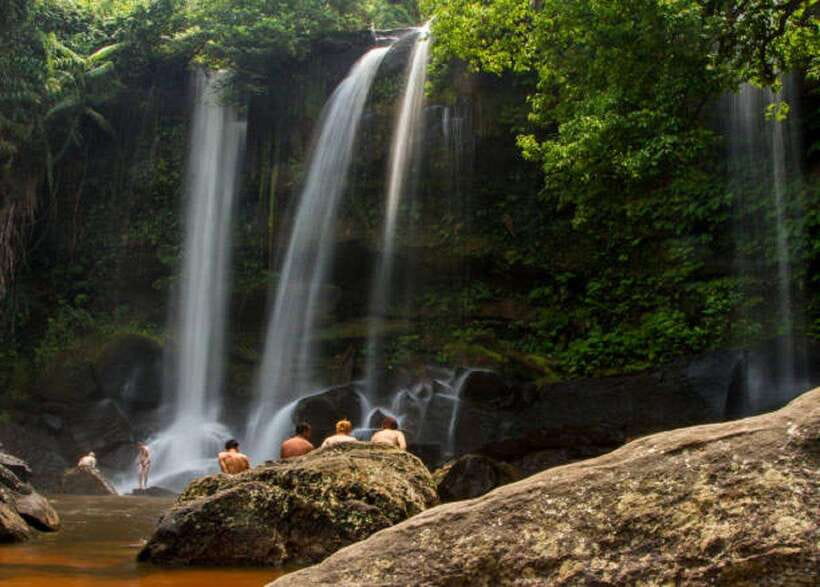
- A cooling swim break at Kulen Waterfall after the trek
- A stop at a stone quarry where materials were cut for temple building
- A village visit focused on palm sugar production
- An optional swing by the Cambodia Landmine Museum (often the most moving stop)
Phnom Kulen from Siem Reap: why this trip feels different
This is not a one-stop temple day. You’re going inland to Phnom Kulen National Park, a place tied to the start of the Khmer Empire and to religious life that still matters. The result is a day that moves between stone, water, and small village routines, instead of staying locked on one big monument.
If you like your travel days to have variety, you’ll appreciate the rhythm. You start with archaeological stops, continue to hilltop views and religious structures, then finish with nature time at the falls. It’s also a smart way to see a quieter Cambodia side—away from the busiest Siem Reap lanes.
The route also helps you make sense of the region. A quarry stop in the middle of the day isn’t a random photo stop. It sets up a key idea: the stones around you were part of a bigger building system, not just decorative ruins.
You can also read our reviews of more tours and experiences in Siem Reap.
Quarry stop and stone-cutting: the practical side of temple building
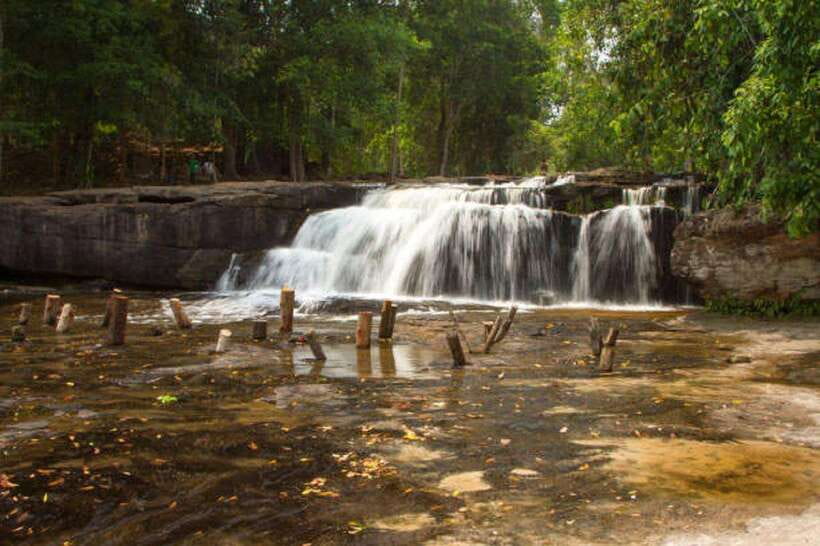
Before the famous sacred spots, you’ll visit a quarry where stones were cut and used for building temples in the area. This is the kind of stop that feels technical at first, but it changes how you read everything you see after.
When you understand that the stone wasn’t pulled from nowhere, you start noticing how the ruins relate to the land. The site also gives you an easy win in the value department: for the time you spend, you gain context that makes the later temple remains feel more intentional.
Wear comfortable shoes here. Even if you’re not climbing mountains, you’ll be walking on uneven ground. A guided explanation makes the quarry far more interesting than a quick roadside photo.
The 1000 Lingas riverside site: a scene you’ll remember
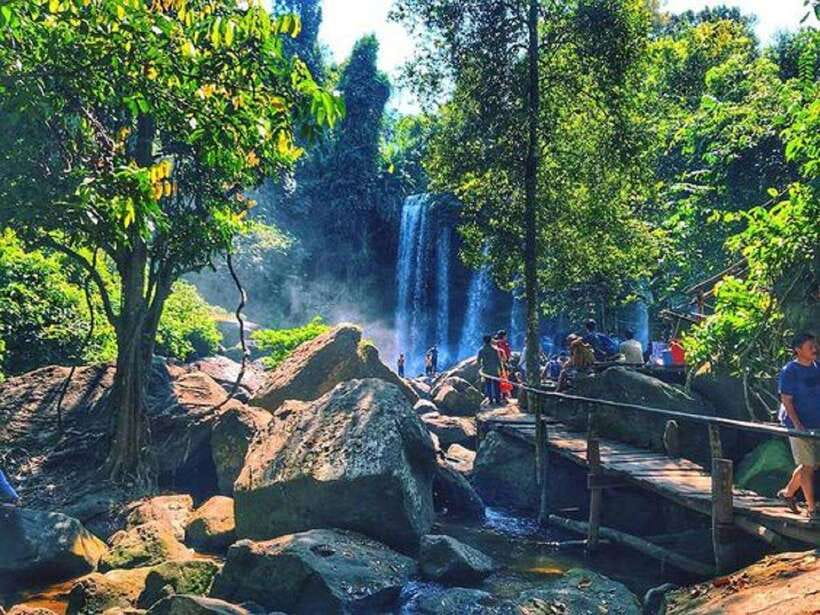
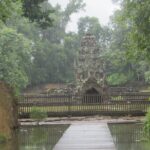
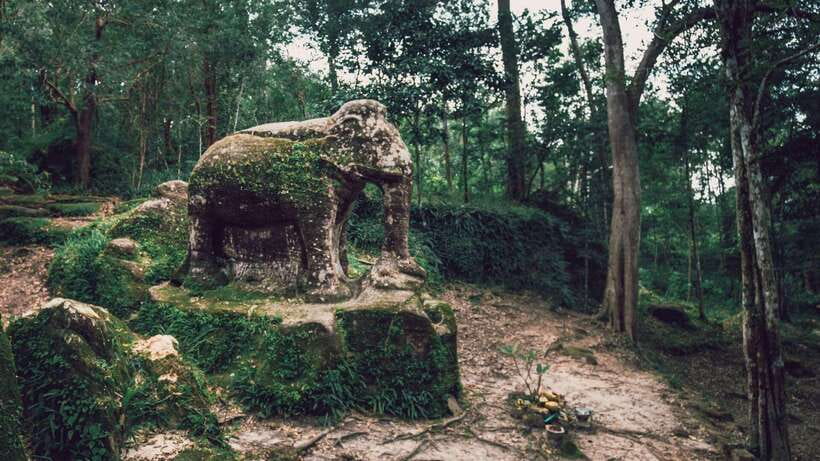
The highlight stop for many people is the riverside archaeological park known for the 1000 Lingas. It’s impressive not only because of the number, but because the whole setting feels like a spiritual landscape—stone markers tied to worship traditions, positioned where water and ritual naturally connect.
This is the kind of place where a guide matters. You’ll get help understanding what you’re looking at and why it’s significant, instead of just staring at carvings and guessing. The English-speaking guide also makes it easier to ask questions as you go, which keeps the experience from turning into a strict checklist.
Practical tip: bring a steady pace. This stop rewards a slower look—scanning patterns, noticing how the stone is arranged, and letting the guide’s explanations sink in.
Hilltop temples and the reclining Buddha: sacred ruins with a view
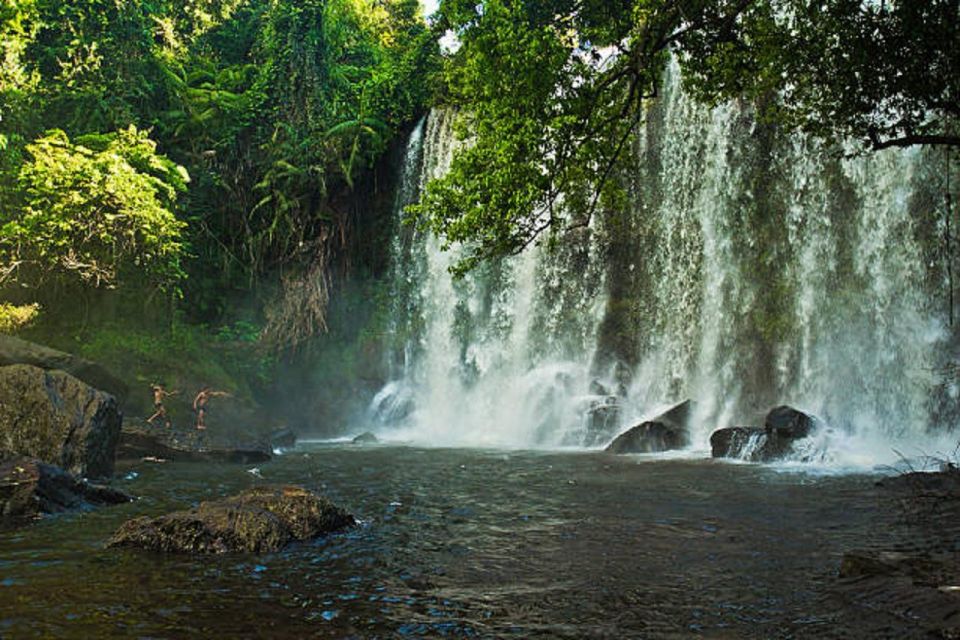
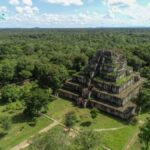
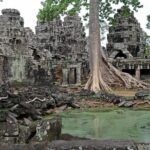
Next comes the sacred hilltop area with over 30 temple ruins. Even without getting lost in the weeds, you can feel the layers: religious use, architectural remnants, and the way people historically built places for both worship and presence.
The large reclining Buddha is the emotional center of the hilltop. It’s a visual anchor that helps you connect the ruins to a lived religious tradition—not just a collection of old stones.
This is also where the day starts to feel more physical. There’s trekking involved as you move toward Kulen Waterfall later, so treat this hilltop portion as your warm-up. If you pace yourself here, the trek to the falls feels less like a surprise.
Expect a mix of stairs and uneven paths. Comfortable clothes matter too. You’ll be in a hot, outdoor environment most of the day, and you’ll thank yourself for breathable fabric.
Kulen Waterfall trek and the swim that makes the day worth it
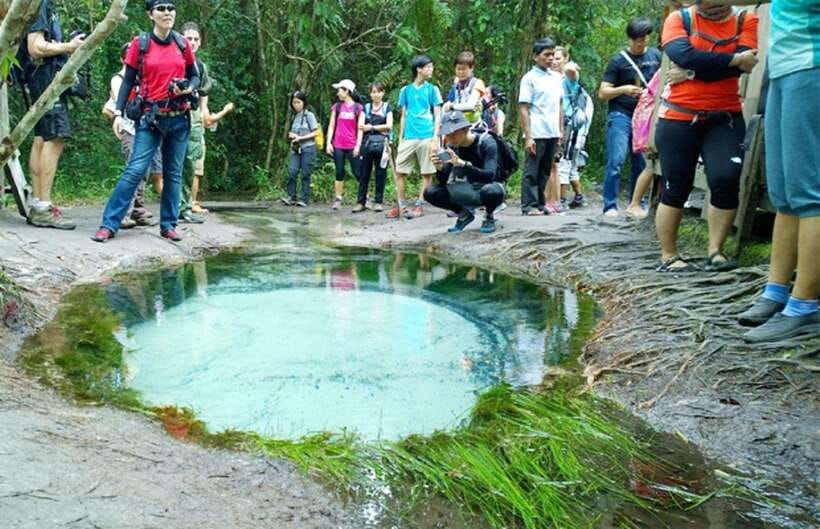
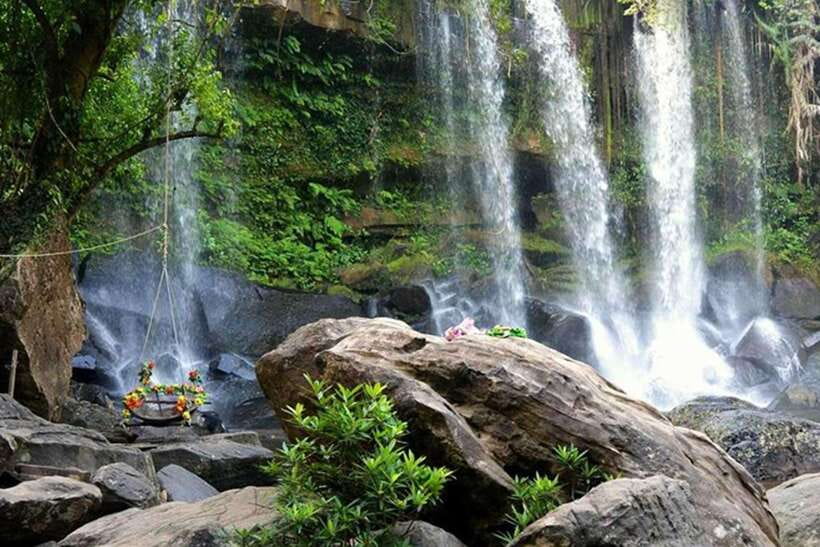
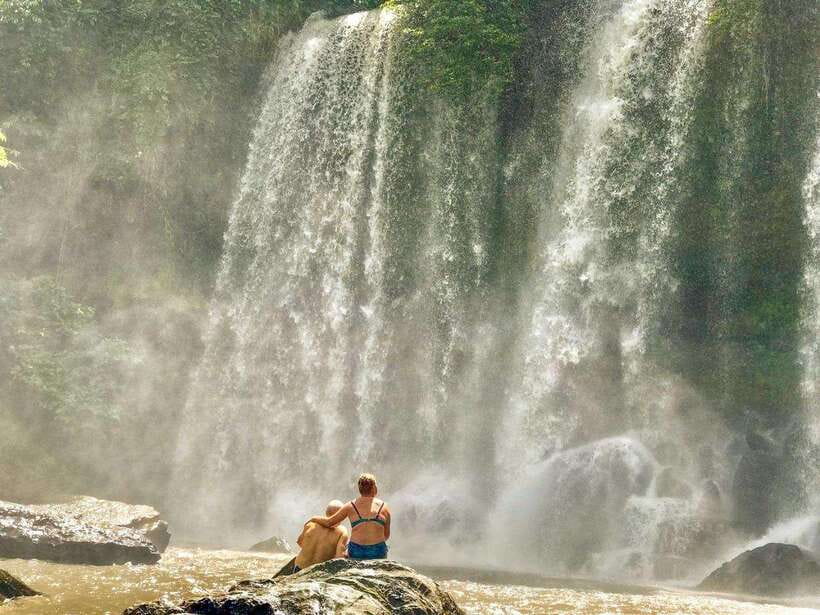
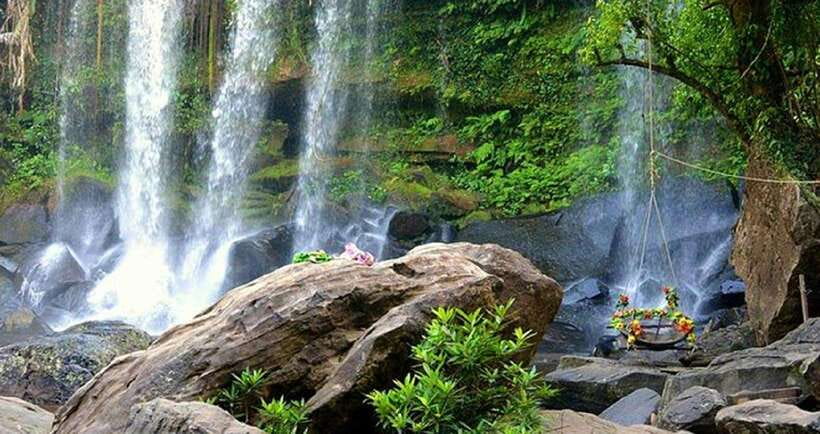
Then you reach Kulen Waterfall. The tour is timed so the natural highlight lands after the temple stops, when you’re ready for something physical and refreshing. You’ll enjoy a swim in the waters—one of the few chances on a Siem Reap day trip to truly cool off.
A swim here is exactly the kind of experience that turns a history tour into a full memory. Instead of just seeing, you’re participating—wading, testing the water, and taking a break while the surrounding sounds and views reset your brain.
A couple of realities to keep in mind:
- The “trek” portion means you’ll be on your feet before you cool down.
- Water time usually means you’ll want a plan for drying off afterward, even if the tour provides water and a cold towel.
If you’re not sure about swimming, you can still treat this as a relaxing stop. The main win is the change of pace and the chance to enjoy the waterfall area without a hurry.
Palm sugar village: how a local product becomes part of the day
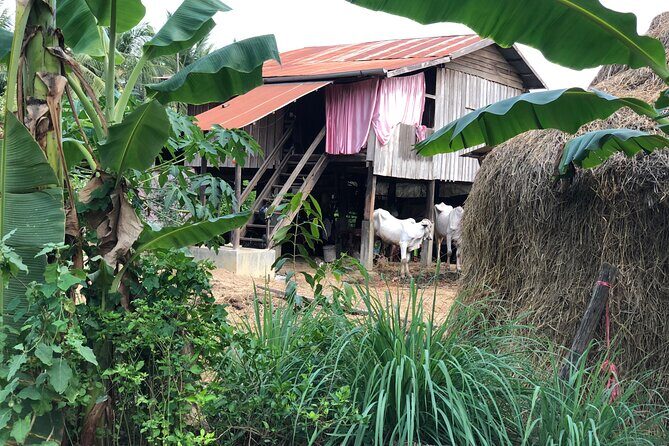
On the way back, you stop in a palm sugar village to learn about production. This adds a grounded, human layer to the day. Instead of history staying stuck in ruins, you see how a local craft still creates real value for families today.
Even if you only catch the highlights, the explanation helps you understand what palm sugar represents in daily life—how it’s made, how it’s used, and why it’s worth preserving as a skill. It’s also a calmer, more conversational contrast to the more intense stone-and-water stops.
Bring patience for this section. Village visits move at a local pace. You’ll get more out of it if you slow down and let the guide guide you through what you’re seeing.
Optional Cambodia Landmine Museum: when the day turns serious
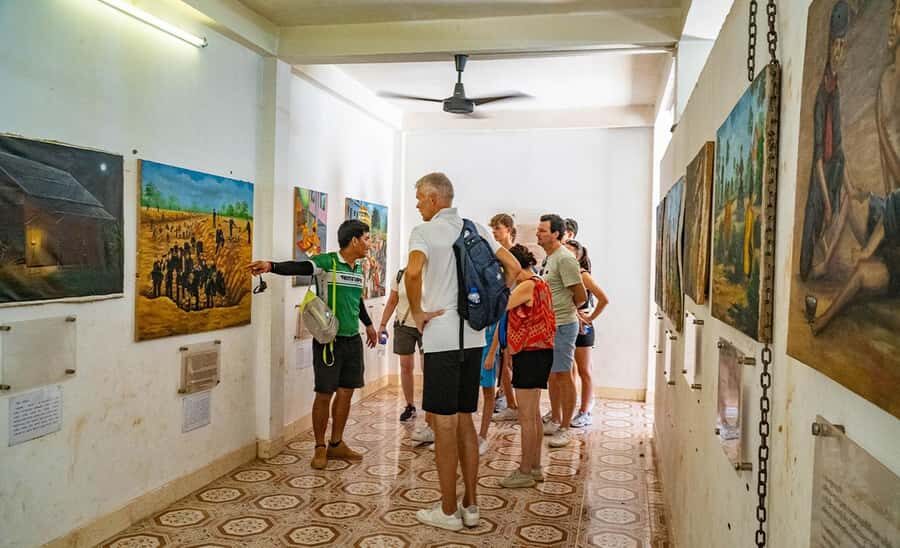
There’s an optional stop at the Cambodia Landmine Museum on the way back to Siem Reap. This can be the most meaningful part of the whole day because it connects the landscape and the past to real people working to reduce harm.
In at least one guide-led experience, you may even have the chance to meet Aki Ra, known for dismantling landmines by hand. Meeting someone directly involved in that work is the kind of moment that stays with you long after the swim.
This stop isn’t for everyone, and that’s fine. If you prefer lighter days, you can treat it as optional and decide based on your mood. But if you want a reality check that turns history into something personal, this is the best place on the itinerary to get it.
Comfort, timing, and getting around in air-con style
You travel by a comfortable air-conditioned car or van with hotel pickup and drop-off in Krong Siem Reap. That’s not a small detail. A long day in Cambodia is easier when your transport isn’t another stress factor.
Pickup timing matters too. You’ll be asked to wait in the hotel lobby about 10 minutes before your scheduled pickup. Showing up a little early keeps everything smooth and helps you avoid that last-minute scramble.
Because this is a private tour, you typically get a more flexible pace than bigger group formats. It’s easier to ask questions on the spot, spend a few extra minutes where something catches your attention, and move on when you’re ready.
Price and value: $65 plus the park fee you should plan for
At $65 per person for a 9-hour private day, this tour is priced like a solid “one big day” value. You get an English-speaking license guide, hotel pickup and drop-off, water, and cold towels—plus transport by car or van. Those pieces matter because they reduce hassle and remove guesswork.
The main extra cost you should budget is the Phnom Kulen National Park entry fee: $20 per person, not included in the price. So your realistic base total is closer to $85 per person before lunch and any optional add-ons.
Lunch is not included, so plan for that. If you want to avoid decision fatigue, eat earlier in the day or bring simple snack options if your preferences run that way.
What you’re really paying for here is the blend: archaeology, sacred hilltop sights, and a waterfall swim, all connected by a guide who can explain what you’re seeing.
What to bring (and what to skip) for a smoother Kulen day
This tour is practical, but it still helps to come prepared.
Bring:
- Comfortable shoes for walking and uneven paths
- Comfortable clothes for heat and humidity
- Swim basics if you plan to actually get in the water (the water section is a real part of the experience)
Not allowed:
- Alcohol and drugs
Also, keep in mind the tour is not suitable for pregnant women. The trekking and hilltop walking make this one a harder fit.
If you’re sensitive to sun, consider lightweight coverage. You’ll be outside for long stretches, and you’ll want to stay comfortable without slowing the day down.
Who should book this private Kulen Waterfall tour
This is a great match if you want a day trip that combines Cambodian religious sites with real nature time. You’ll likely enjoy it if:
- you’re tired of only doing temple circuits
- you want both a history-focused route and a physical break at the falls
- you like guided explanations that make carvings and ruins easier to understand
- you enjoy small local moments like palm sugar production, not just major attractions
It may not be the best choice if you want a totally low-walking day. There’s trekking involved, and the day is long.
Should you book this Kulen Waterfall private tour?
If you want one full day that feels like more than a drive-by, I think this is worth booking. The value is in the combination: quarry context, the 1000 Lingas site, hilltop ruins and the reclining Buddha, then a genuine swim at Kulen Waterfall, plus a local palm sugar village stop.
The biggest “maybe” is the physical side and how you feel about a long day outdoors. If that works for you, you’ll come away with both memorable sights and a couple of meaningful human moments, especially if you choose the optional Landmine Museum stop.
FAQ
How long is the Kulen Waterfall private tour from Siem Reap?
The duration is 9 hours.
What does the tour cost, and are there extra fees?
The price is $65 per person, but Phnom Kulen National Park entry fees are $20 per person and are not included.
Does lunch come with the tour?
No, lunch is not included.
Is hotel pickup and drop-off included?
Yes. You’ll get hotel pickup and drop-off from Siem Reap.
What’s included in the tour during the day?
You get an English-speaking license tour guide, hotel pickup and drop-off, water, cold towel, and transport by a comfortable air-conditioned vehicle.
Do I need to pay for the national park ticket at the gate?
The tour includes skipping the ticket line, but the park entry fee itself ($20 per person) is not included.
Can I swim at Kulen Waterfall?
Yes. The experience includes time to swim in the waters of Kulen Waterfall.
Who should avoid this tour?
The tour is not suitable for pregnant women, and alcohol and drugs are not allowed.
Is the Cambodia Landmine Museum stop included?
It’s optional as a final stop on the way back.