REVIEW · SIEM REAP
Siem Reap: Cambodian Desserts Cooking Lesson with Tastings
Book on GetYourGuide →Operated by Beyond. Unique Escapes · Bookable on GetYourGuide
Sweet tooth plans, sorted.
This Cambodian desserts class in Siem Reap is fun because it turns local ingredients into skills you can actually repeat. I like the market-style ingredient shopping (you get a snack and learn what locals look for), and I especially like the hands-on kitchen setup where you work at your own station with clear guidance. You’ll also get English instruction and tastings as you go, so you’re not just watching.
One thing to consider: it’s a focused 3-hour session with three set desserts. If you’re hoping for a huge range of Cambodian sweets or a long food tour day, this is more of a skill-building workshop than an all-day buffet.
In This Review
- Key things to know before you go
- Khmer desserts start with the right ingredient story
- From your hotel to the outdoor kitchen: the tuk-tuk factor
- Market stop: the fastest way to understand Khmer pantry staples
- Meet your chefs: clear instruction, friendly pacing
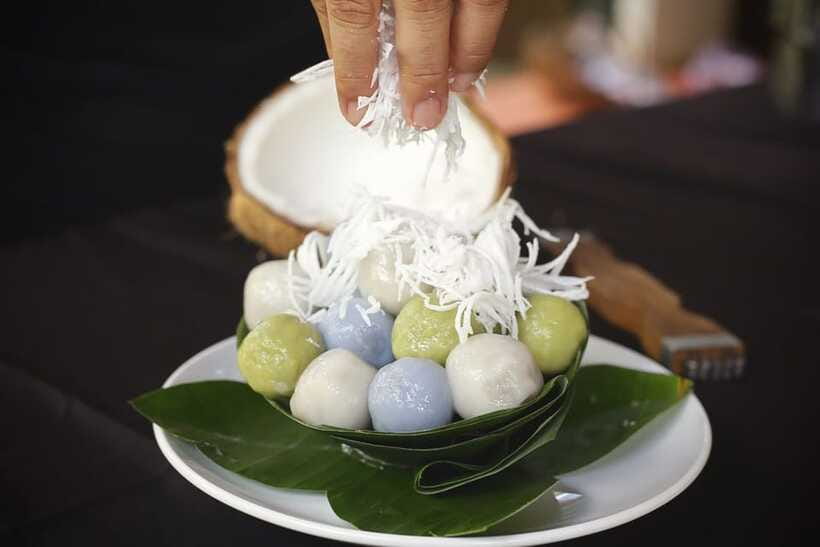
- Your three Cambodian desserts: what you’ll actually make
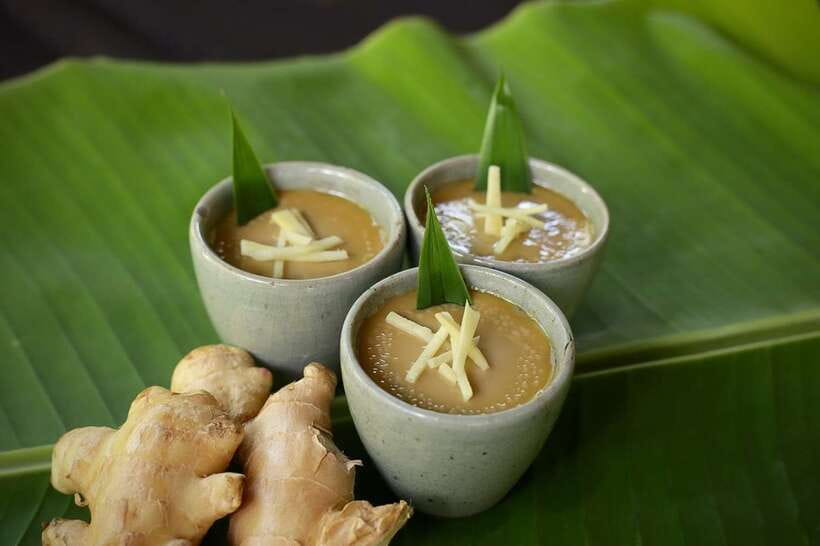
- 1) Steamed ginger custard
- 2) Palm sugar and coconut bananas
- 3) Sweet coconut pancakes
- The palm sugar lesson that turns recipes into knowledge
- Tastings, take-home food, and recipe materials
- Price and timing: is $32 worth it?
- Who this class suits best (and who should skip it)
- What to do after class with your new dessert skills
- Should you book this Siem Reap desserts cooking lesson?
- FAQ
- How long is the Cambodian desserts cooking lesson?
- What desserts will I learn to make?
- Do I get hotel pickup and drop-off?
- Is there tastings during the class?
- What language is the instruction?
- What ingredients will I work with?
- Do I take anything home?
- What is the price?
- Is free cancellation available?
- Can I book without paying right away?
Key things to know before you go
- Hotel pickup and drop-off keeps your day simple in Siem Reap
- Tuk-tuk rides add a local feel without adding hassle
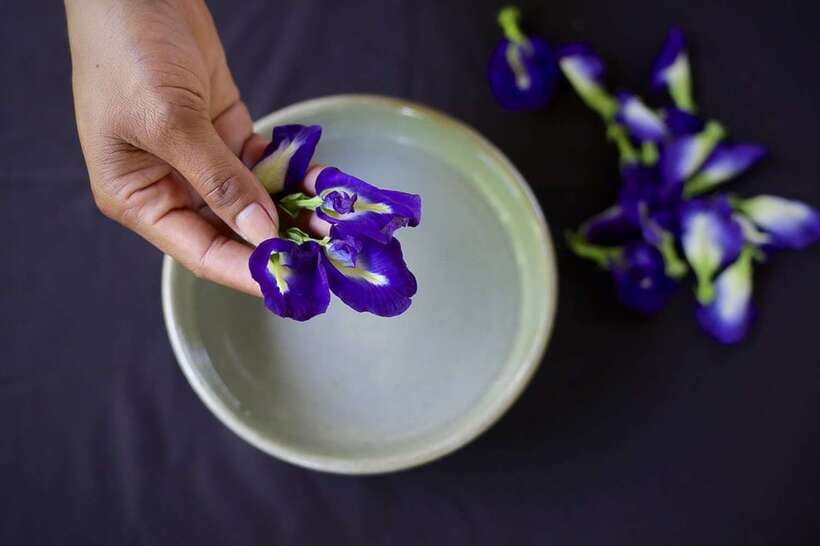
- A market stop helps you understand ingredients like palm sugar and coconut milk
- You cook three desserts: steamed ginger custard, coconut bananas with palm sugar, and coconut pancakes
- Palm sugar explained from tree to treat, not just as a syrup
- Recipe card + take-home portions so you can recreate what you made
Khmer desserts start with the right ingredient story
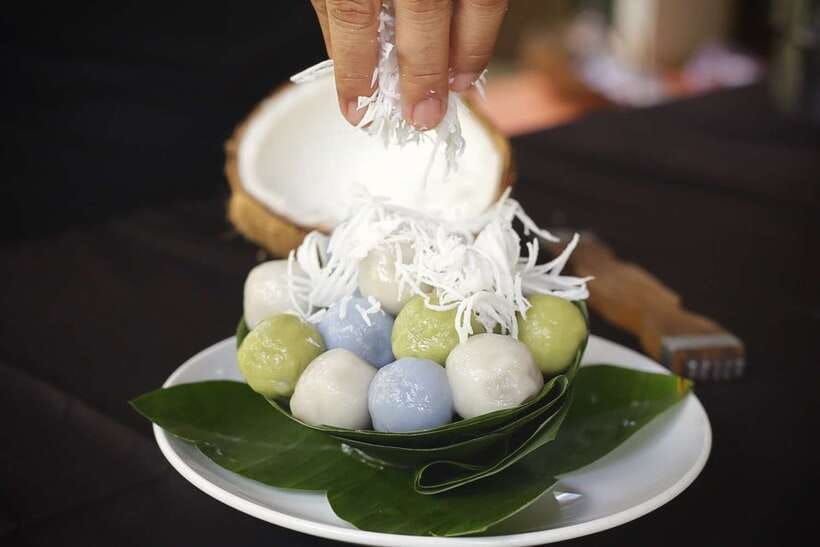
Cambodian sweets have a distinct logic. They aren’t built around complicated frosting or imported flavors. They’re built around ingredients that make sense for the region: palm sugar for depth and sweetness, coconut milk for body, and aromatics like ginger and lemongrass that keep desserts from tasting flat.
This class is smart because it gives you both the food and the why. You don’t just follow steps. You learn how palm sugar behaves, what to look for in ingredients, and how to balance sweetness so it still tastes like dessert, not like sugar water.
If you’re the type who likes to bring something home that isn’t a magnet or a photo, this fits your style. You leave with a method you can use again, even if your kitchen is different from the workshop.
You can also read our reviews of more tours and experiences in Siem Reap.


From your hotel to the outdoor kitchen: the tuk-tuk factor
In Siem Reap, the easiest win is not having to figure out transport when you’re hungry and excited. This experience includes pickup and drop-off directly at your accommodation, and you’re asked to be waiting about 30 minutes before the start time. That means you can start your day already in vacation mode.
You’ll ride to the workshop by tuk-tuk, which is part of the charm. It’s not a long journey, but it’s enough to change your mindset from city sightseeing to cooking time. One review mentioned a calm, outdoor kitchen surrounded by nature, which is a big part of why this lesson feels relaxed rather than rushed.
The only “watch-out” is that you’re outdoors for at least part of the experience. Plan for the basics that come with an outdoor cooking setup—comfortable clothes you don’t mind getting a little dusted or sweet-smelling.
Market stop: the fastest way to understand Khmer pantry staples
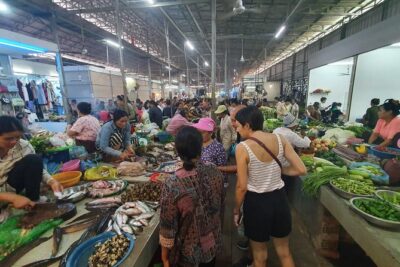
This class often starts with a visit to the local market, where you’ll browse ingredients and get your first snack. That matters more than it sounds. Market time teaches you what’s considered normal and useful in Khmer cooking: what looks fresh, what’s fragrant, and what you can substitute without ruining the dessert.
It also helps you learn the ingredient names you’ll need later. When you’re standing in your own kitchen back home, the ability to remember the ingredient language is half the battle.
A couple of guests noted that the host and chef answered questions and offered advice on what to purchase. That kind of guidance is gold if you want to recreate these desserts later instead of just making a one-off “dessert attempt.”
Meet your chefs: clear instruction, friendly pacing
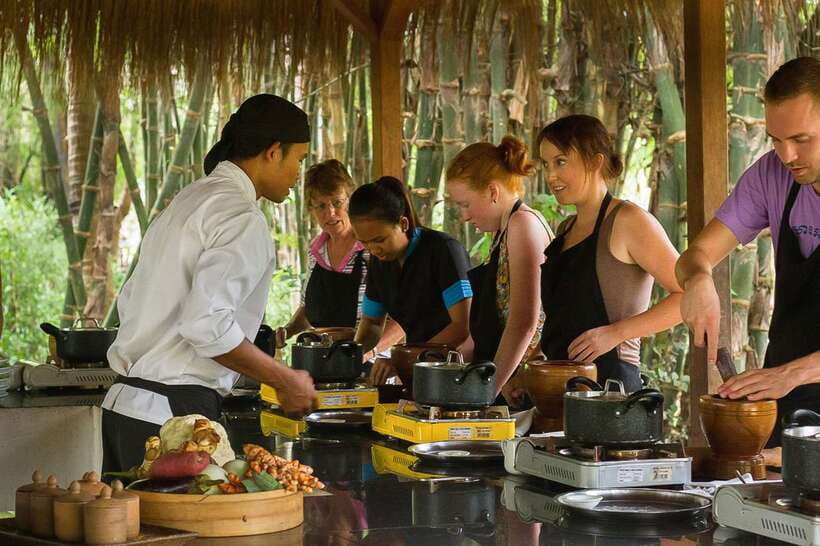
The workshop runs with English instruction, and you’ll spend most of your time with a local chef plus a host who keeps things moving. Reviews mention staff members such as Sophia as a friendly host and Prey or Bri as chefs who explained steps clearly and stayed patient.
What I like about this teaching style is the pace. You get hands-on help while you’re working at your station, not after everything has already gone wrong. If you’re a confident cook, you’ll enjoy the technique. If you’re not, you’ll still be able to make progress because the directions are step-by-step.
You’ll also have your own work station and equipment, which prevents that common cooking-class problem where you’re stuck watching someone else cook while you hold a bowl and hope for the best.
Your three Cambodian desserts: what you’ll actually make
You’ll learn how to make three traditional Khmer desserts, and each one uses the key ingredients in a slightly different way. That’s why the class is a good investment: you get pattern recognition.





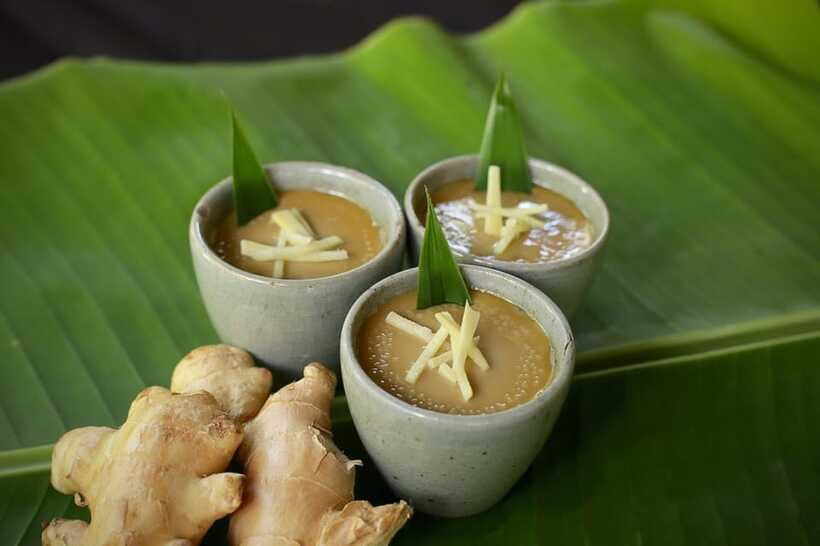
1) Steamed ginger custard
This one is about texture and aroma. Ginger brings warmth and brightness, and the custard teaches you how to control thickness and doneness through steaming.
If you’ve only made Western custards before, Khmer steamed custard feels like a quieter, more fragrant cousin. It’s also a great dessert to practice if you like cooking by feel, because custards often reward attention more than timing perfection.
2) Palm sugar and coconut bananas
This dessert highlights how Khmer cooking treats sweetness as something layered. Palm sugar gives a deep, caramel-like tone without tasting like plain sugar. Coconut milk adds richness, while banana brings softness.
One of the best parts of this lesson is that you learn how to work with palm sugar as an ingredient, not as a mysterious packet. When you understand how it melts and flavors liquids, you’ll be less likely to overdo sweetness later.
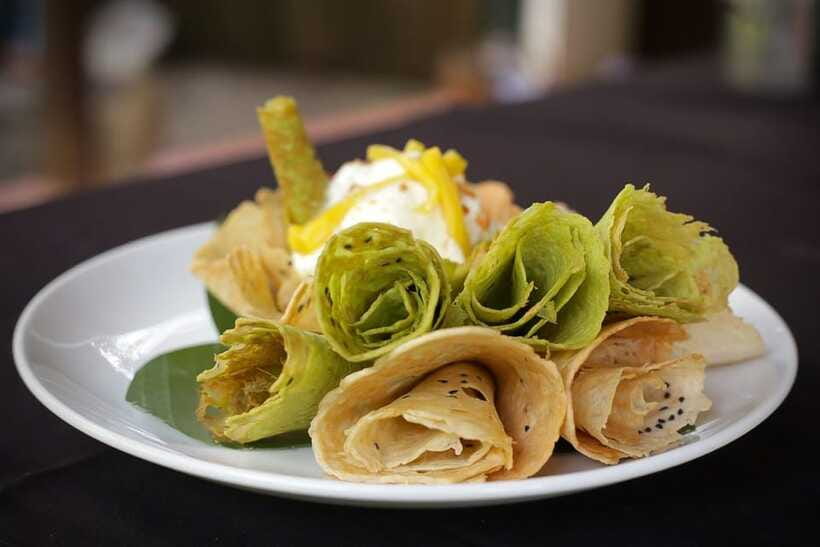
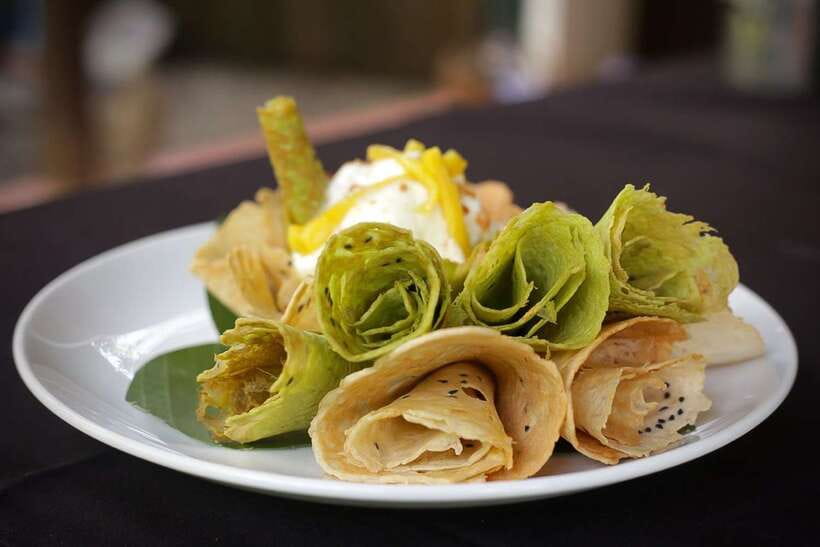
3) Sweet coconut pancakes
Coconut pancakes bring a different kind of satisfaction: more structure, more chew, and that comforting coconut aroma. This is the dessert that often feels easiest to share right away during tastings, and it’s also the one that helps you understand batter consistency and cooking temperature.
Across all three, you’re learning the same ingredient logic—palm sugar, coconut milk, ginger, and lemongrass—but applied in different forms. That’s how you end up with skills, not just recipes.
The palm sugar lesson that turns recipes into knowledge
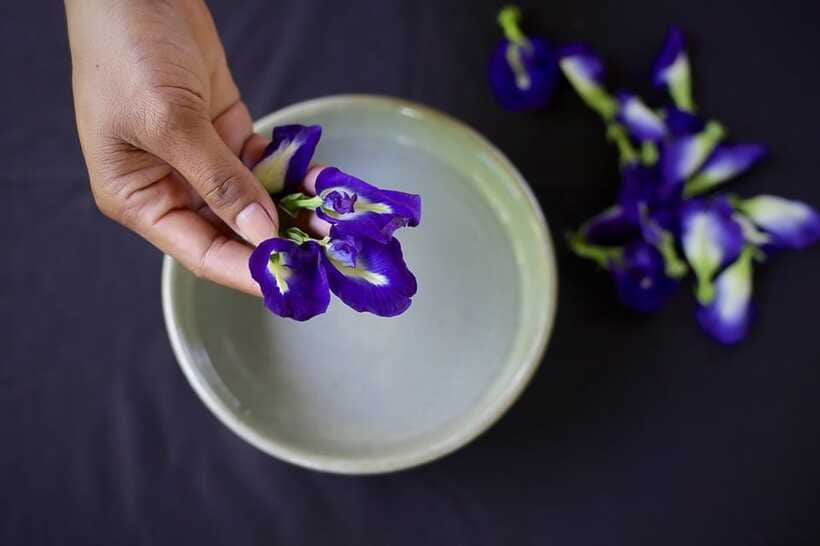
A big standout is the time spent on palm sugar. You’ll hear about it from the perspective of Cambodian staples: from the sugar palm tree through to the finished product you cook with.
That context helps you in two practical ways.
First, you understand why palm sugar tastes the way it does. It’s not just sweet; it has a characteristic depth that changes how coconut tastes and how ginger smells.
Second, you learn how to treat it in the kitchen. Even if you don’t perfectly match every type of palm sugar at home, the training makes you better at adjusting. You’ll know what you’re aiming for and how to fix your direction if something seems off.
If you enjoy food chemistry, you’ll appreciate the explanation. If you don’t, you’ll still benefit because it makes the process less guesswork.
Tastings, take-home food, and recipe materials
You’ll have tastings included, so you can taste the desserts as part of learning rather than waiting until the end. That reduces the risk of cooking with blind faith. You start to recognize when the custard aroma is right, when palm sugar flavor has landed, and how coconut pancakes should feel.
Portions tend to be generous, too. Multiple guests mentioned that there was plenty of food to take away, and at least one person received careful boxing for transport. That’s great if you’re finishing the class and still want dessert later that evening without hunting around for something sweet.
You’ll also receive a recipe card to take home. A few reviews mention a recipe booklet or book of recipes as a souvenir, which is a nice bonus if you want a more permanent reference than a single card.
One small detail that matters: if you arrive hungry, the team seems to handle it. A guest noted they were offered fruit and tea because they hadn’t eaten breakfast. That kind of care turns a class into a comfortable experience, not a rushed transaction.
Price and timing: is $32 worth it?
For $32 per person and about 3 hours, this class is good value for people who want real technique. You’re not paying for a sightseeing drive-by. You’re paying for instruction, equipment access, tastings, and take-home materials.
Here’s how I judge the value:
- You get multiple desserts out of a single lesson day. That’s efficient if you want variety without stacking tours.
- You get hands-on work at your own station. That’s usually what separates a fun class from a frustrating one.
- You get hotel pickup and drop-off, so you don’t lose energy negotiating transport or timing.
If you’re a “watch and taste” traveler, the time might feel slightly long compared to a quick street-food stop. If you’re a “make it myself” traveler, 3 hours is just right.
Also, the price is easier to swallow because Cambodian sweets ingredients—especially palm sugar and coconut products—are often hard to source perfectly abroad. Even if you can’t match your ingredients 1:1 at home, the lesson makes your substitutes smarter.
Who this class suits best (and who should skip it)
This cooking lesson is ideal if you:
- want a repeatable skill instead of a one-time meal
- enjoy sweet flavors but also like aromatics like ginger and lemongrass
- prefer clear instruction and a supportive kitchen environment
- want an activity that fits neatly into a Siem Reap day without complex planning
You might not love it if:
- you prefer long, open-ended food wandering rather than a structured workshop
- you dislike sweet desserts in general (three desserts is three desserts)
- you want a larger variety of Cambodian dishes than what fits in 3 hours
What to do after class with your new dessert skills
Once you have palm sugar and coconut dessert know-how, you’ll start seeing ingredients in a new way. When you browse Asian markets later, you’ll know what to look for and how to use it.
A practical approach for cooking at home:
- Start by recreating one dessert first, ideally the steamed ginger custard, because it teaches texture control.
- Then make palm sugar + coconut banana once, even if you need a local palm sugar substitute. Your goal is flavor direction, not perfection.
- Finish with coconut pancakes since batter and cooking technique will carry over.
The class gives you the recipe card for that reason: it’s a bridge between Siem Reap ingredients and your home kitchen.
Should you book this Siem Reap desserts cooking lesson?
Yes, if you want a fun, structured way to learn Khmer dessert technique and you like the flavor profile of palm sugar, coconut, and ginger. It’s also a strong pick if you’d rather spend your time learning with a chef than doing lots of extra planning.
I’d especially recommend it if you enjoy small, friendly instruction. Reviews highlight patient, clear teaching and a calm kitchen vibe, which makes it easier to focus on technique and not worry about messing up.
If you’re trying to choose between a sweet tasting only and a hands-on skill class, this one leans toward the better long-term payoff: you leave with food, recipes, and a real method you can repeat.
FAQ
How long is the Cambodian desserts cooking lesson?
The experience lasts 3 hours.
What desserts will I learn to make?
You’ll make steamed ginger custard, palm sugar and coconut bananas, and sweet coconut pancakes.
Do I get hotel pickup and drop-off?
Yes. You get hotel pickup and drop-off in Siem Reap. You should be waiting in your hotel lobby about 30 minutes before the start time.
Is there tastings during the class?
Yes. Tastings are included.
What language is the instruction?
The instructor provides instruction in English.
What ingredients will I work with?
You’ll work with ingredients such as palm sugar, coconut milk, ginger, and lemongrass.
Do I take anything home?
Yes. You get a recipe card and there are tastings plus food you can take away after cooking.
What is the price?
The price is $32 per person.
Is free cancellation available?
Yes. You can cancel up to 24 hours in advance for a full refund.
Can I book without paying right away?
Yes. You can reserve now & pay later.