REVIEW · SIEM REAP
Old Siem Reap Sunset Food Tour by Tuk-tuk
Book on Viator →Operated by Lost Plate · Bookable on Viator
Sunset tastes better when you hop by tuk-tuk. This 4.5 pm-ish Siem Reap food outing is built like a local evening: you get hotel pickup and a tuk-tuk ride between very different eating spots, with guides who explain what you’re actually eating and why it matters. You’ll sample traditional dishes, then slow down at quieter, more local settings as the light turns golden.
I love the way the route mixes familiar Cambodian classics with foods tied to specific communities and everyday life, including time at a family home. I also like that the tour feeds you enough to count as real dinner, not just bites. One possible drawback: at $75 per person, it’s not the cheapest way to eat in Siem Reap, and the food volume can feel like a lot if you’re an under-eater.
In This Review
- Key things to know before you go
- How the Tuk-tuk Sunset Food Route Really Plays
- Temple Town and the Tourist Menu You’ll Learn to Question
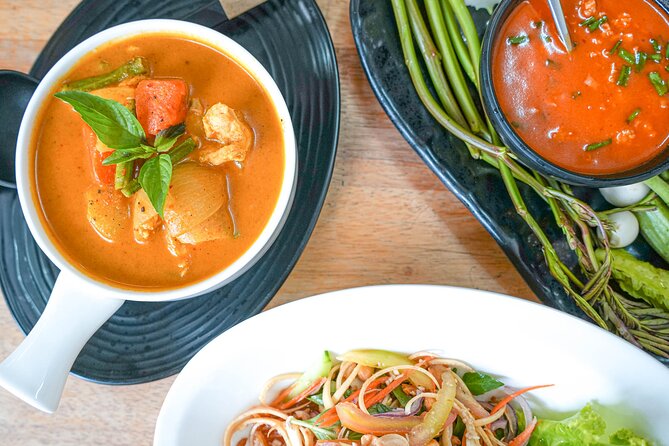
- Kula Cuisine and the Northwest Minority Flavors
- Phnom Krom Rice Fields, Lotus Seeds, and Brother Vet’s Home
- Yi Nget BBQ Beef Sticks: When Street Food Becomes a Real Meal
- Romchong Pancakes and a Cocktail Finish
- Drinks, Food Volume, and the Pace You’ll Feel
- Why the Guides (Heng, Hong, Sann, Chum, Sivhong) Matter So Much
- Price and Value: Is $75 Worth It in Siem Reap?
- Who This Sunset Food Tour Suits Best
- Should You Book Old Siem Reap Sunset Food Tour by Tuk-tuk?
- FAQ
- What time does the Old Siem Reap Sunset Food Tour start?
- How long is the tour?
- What’s included in the $75 price?
- How many stops are part of the itinerary?
- Does the tour include drinks?
- Can I cancel and get a full refund?
Key things to know before you go
- Tuk-tuk pacing: You’re not stuck walking from stop to stop, and the ride becomes part of the evening.
- Food + drinks built in: Unlimited beer and soda are included, and the night ends with a cocktail.
- Small group feel: The tour is designed for groups of 2–12, and the maximum is listed as 10.
- More than restaurant hopping: You’ll also eat in more personal, local settings, including a village/home-style meal.
- Guide storytelling matters: Names like Heng, Hong, Sann, Chum, and Sivhong come up often for clear, practical explanations.
How the Tuk-tuk Sunset Food Route Really Plays
This is a 4 hours (approx.) guided sunset food tour that starts in the late afternoon—4:30 pm. You’ll get hotel pickup and drop-off, and you’ll move between multiple places by tuk-tuk so the evening stays relaxed even when you’re going out of the center.
The format is snack-to-dinner friendly. You’ll hit a mix of restaurant stops and local-style meals, and the plan is heavy on foods that are safe to eat (the tour notes all food is at 4 sit-down, safe-to-eat restaurants, plus other tasting along the way). The goal is to help you eat like a local without gambling on questionable street-side choices.
Small groups also make a difference in Cambodia. With fewer people in the tuk-tuk and at tables, you can actually ask questions and pay attention to what the guide is explaining—especially if you care about spices, ingredients, and the stories behind a dish.
You can also read our reviews of more tours and experiences in Siem Reap.
Temple Town and the Tourist Menu You’ll Learn to Question
The evening kicks off with a look at Temple Town, where you can easily get stuck in the tourist-food loop. You’ll see the common menu messaging again and again—beef loklak, fish amok, and green curry—but the guide steers the conversation toward a more useful question: who’s eating this, and why does it show up everywhere?
What I like about this first stop is the setup. It doesn’t pretend the popular dishes are fake. It just frames them, then points you toward how Cambodian eating changes when you move away from the copy-paste restaurants aimed at visitors.
Practical tip: If you’re the kind of eater who wants to order confidently, this early “what you’re seeing vs what locals do” context helps. By the time the tour gets to more local places, you’ll understand what to look for on a menu—without needing to memorize Khmer cooking terms.
Kula Cuisine and the Northwest Minority Flavors
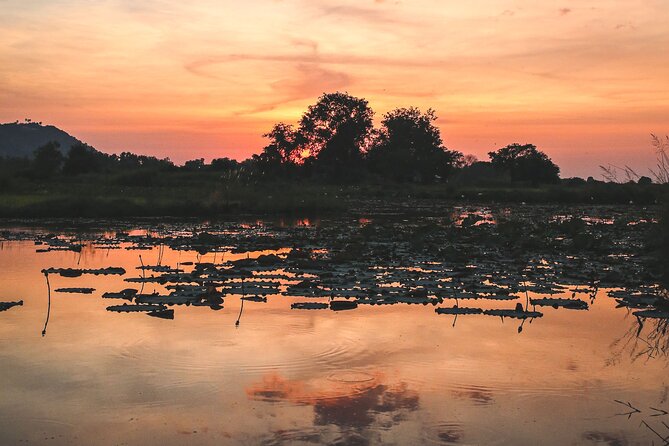
Next comes Kula Cuisine, a stop built around a specific ethnic cuisine rather than a generic “Cambodian food” label. The focus here is on flavors from a smaller ethnic minority group originating in northwest Cambodia, and the guide highlights details you might miss on your own—especially the role of local herbs and homemade pickles.
This is the kind of stop that turns “I like Cambodian food” into “I can taste the difference.” Homemade pickles matter because they’re not just a side. They bring acidity and crunch that cuts through richer dishes. Herbs bring a different aroma layer too, which you’ll notice more once you’ve tasted a couple of courses.
One consideration: if you’re expecting only the most famous mainstream dishes, this is where the menu can surprise you. That’s also why it’s worth it. It broadens your palate beyond the usual five dishes you see everywhere.
Phnom Krom Rice Fields, Lotus Seeds, and Brother Vet’s Home
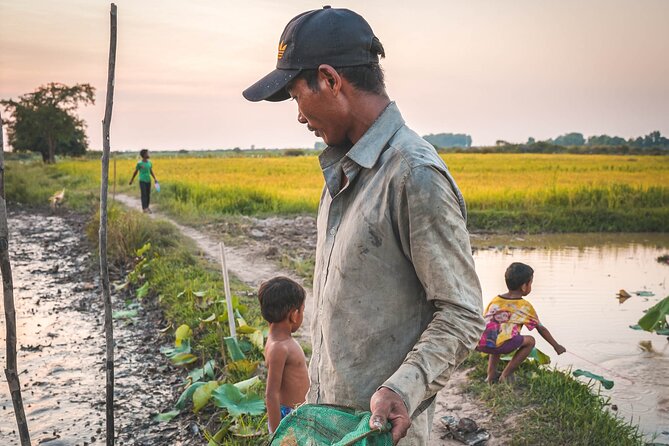
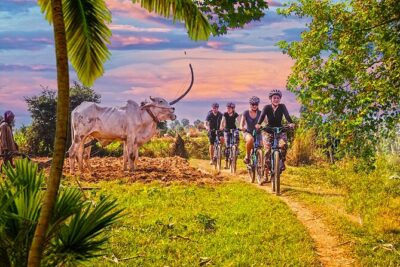
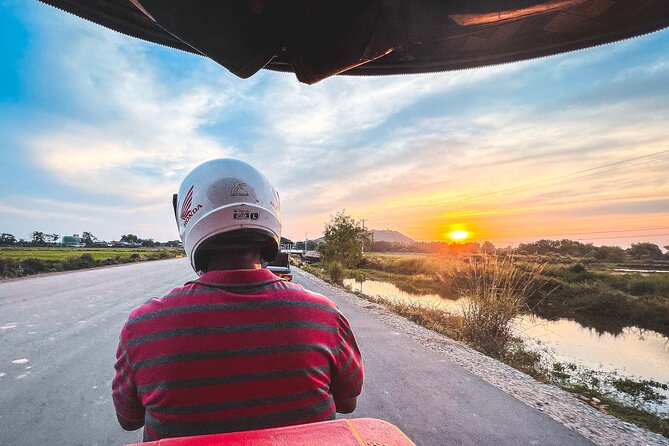
Then the tour shifts tone with a trip to Phnom Krom, where the scenery starts doing some of the cooking. You’ll see water buffalo in the rice fields, and there’s even a snack moment involving lotus seeds—a small bite, but one that connects you to the plants that shape daily food here.
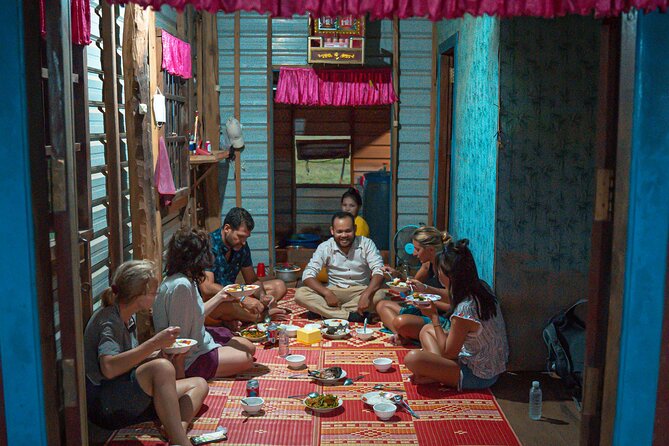
The highlight is a meal at Brother Vet’s stilted home in a village described as older than Angkor. Whether you think about that detail literally or as part of the local storytelling, the point is clear: you’re not just eating somewhere; you’re eating inside a living environment.
From the reviews, this home-style portion is often the emotional peak. People mention sitting on the floor, sharing a meal with a family, and hearing direct context about the household and daily rhythms. That kind of time is exactly what makes a food tour feel like culture, not just calories.
Practical tip: Wear shoes you can actually walk in. Some past guests noted a lotus-field trek and recommended sturdy footwear. Even if your exact path varies, Cambodia’s ground outside town can be uneven, slick, or dusty depending on the season.
Yi Nget BBQ Beef Sticks: When Street Food Becomes a Real Meal
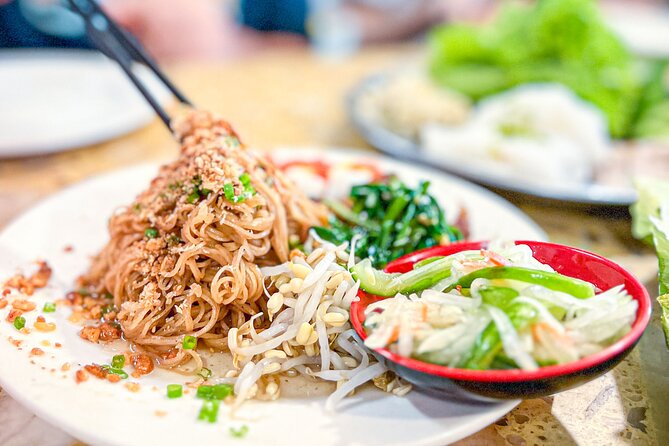
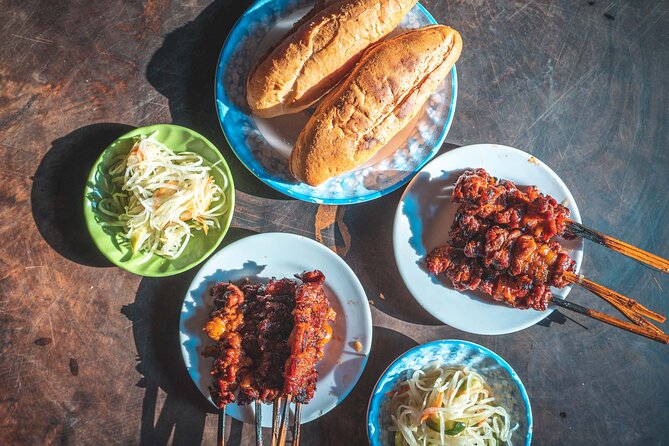
After the countryside moment, the tour returns to the city energy with Yi Nget BBQ Beef Sticks. This is described as an older local place that started as a street stall and grew into a restaurant—an important distinction. It’s not “street food inspired.” It’s something that’s been refined over time.
Here the star is the beef skewer—simple, grilled, and satisfying. What you’re really tasting is technique: how the meat is seasoned, how it’s grilled, and what flavors show up in the bite after the smoke hits.
Why it works after Phnom Krom: the tour doesn’t leave you stuck in one setting. You get a change in texture, temperature, and pace. You’re tasting again with “new ears,” so the rest of the meal feels fresh, not repetitive.
Romchong Pancakes and a Cocktail Finish
The final stop is Romchong Restaurant, where the focus turns sweet. You’ll get made-to-order pancakes from a wife-husband duo, and there’s a special story tied to why they cook the way they do.
From there, the evening ends with a drink. The tour route is set up so you’re not rushing to pack up and leave right after dinner. The plan includes time to wind down, and the itinerary specifically mentions a cocktail as the closing touch.
If you’re a fan of finishing strong—sweet, then something refreshing—this stop is a smart ending. It also helps you digest what you just ate, since the earlier meals can be spice-forward and filling.
Small caution: the food volume across the route can be substantial. If you know you get full fast, slow down at the BBQ stop and aim for smaller bites. One of the most repeated tips is to pace yourself.
Drinks, Food Volume, and the Pace You’ll Feel
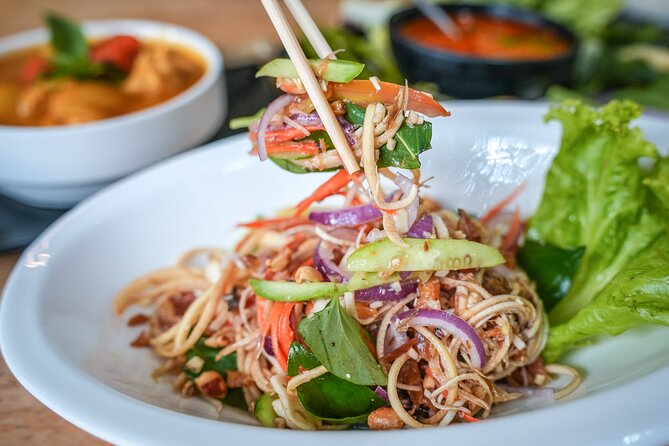
Unlimited beer and soda are included, and that matters for the experience. It turns the tour into an actual evening with a rhythm, not a checklist of tastes. Local beer pairs well with grilled and saucy foods because it cools the mouth between bites.
The trade-off is pace. You’re on a multi-stop plan that mixes sit-down meals and other tasting moments. Several guests describe the quantity as real “come hungry” territory. This is one of those tours where you’ll get the most if you treat it like dinner plans with friends, not like a light snack.
My practical advice:
- Eat a simple breakfast or lunch earlier in the day.
- Sip water between beer pours.
- Don’t assume you can skip the last sweet course and still feel like you got the full experience.
Why the Guides (Heng, Hong, Sann, Chum, Sivhong) Matter So Much
This tour has a clear pattern in the feedback: people remember the guide almost as much as the food. Names like Heng, Hong, Sann, Chum, Sivhong, Sivi, and Sonchea show up for a reason—guides here don’t just hand you a plate. They connect the dish to Khmer habits, ingredients, and the logic behind how locals eat.
That history and explanation piece is what makes the “hidden gem” idea practical. You can taste herbs and pickles, then understand how and why they show up. You can see the difference between tourist menus and everyday meals, then realize the difference isn’t about one being better—it’s about who the food is for.
The best guides also make you comfortable asking questions. With a small group, the tone stays friendly and you’re less likely to feel like you’re being herded.
Price and Value: Is $75 Worth It in Siem Reap?
Let’s talk money honestly. $75 per person is not a budget street-food deal. In Cambodia, you can absolutely eat for less on your own. So what are you paying for here?
You’re paying for:
- Hotel pickup and drop-off
- Private transportation via tuk-tuk across several different zones
- A guided plan that takes you to places you might not find quickly
- Food included across multiple stop types, including dinner
- Unlimited beer and soda, plus a cocktail finish
- Access to local settings, including a family home meal
In other words, you’re buying time, safety, and context. If you already know where to go and you’re confident ordering, DIY can be cheaper. If you want your evening organized, with food handled for you and explanations along the way, the value shifts fast.
One caution comes from the most negative feedback: some people felt the food itself was only average for the price. That’s a useful reminder. This is a guided experience, not a guarantee that every single bite will match your personal favorites. If you’re picky about taste and portion style, go in with open expectations and a willingness to try what’s served.
Who This Sunset Food Tour Suits Best
This tour is a great fit if you want to do more than eat. You’ll likely enjoy it if you:
- Prefer a plan with transportation included
- Like learning about spices, ingredients, and food culture
- Want a mix of city restaurants and more personal village/home-style meals
- Are okay with a full evening and eating a lot
It’s also good for couples, friends, and families because the format is structured but not stiff. Many guests highlight that the experience felt personal and thoughtful, not like a crowded bus tour.
If you hate being on a schedule, this might feel like too much movement. And if you only want the most famous Cambodian dishes, you might want to compare menus before booking—this route includes specific cuisines and local-style stops, not just the “big hits” everyone posts.
Should You Book Old Siem Reap Sunset Food Tour by Tuk-tuk?
Book it if you want a Siem Reap sunset food experience with real structure: tuk-tuk rides, multiple stops, safe sit-down meals, and that family-home element that turns food into a story you can actually remember.
Skip it or think twice if you’re highly budget-focused or you only want a few signature dishes, not a broader tasting course. Also, if you’re sensitive to spice or you dislike beer-heavy evenings, plan your pacing early.
Overall, the consistently high rating tells you what matters most: the guides are strong, the route feels varied, and the evening is designed to leave you full and informed. For many visitors, it’s the kind of tour that makes your last days in Siem Reap feel meaningful, not rushed.
FAQ
What time does the Old Siem Reap Sunset Food Tour start?
The start time is 4:30 pm.
How long is the tour?
It runs for about 4 hours.
What’s included in the $75 price?
The tour includes hotel pickup and drop-off, tuktuk transport, private transportation, unlimited beer and soda, and all food across 4 sit-down, safe-to-eat restaurants, plus dinner.
How many stops are part of the itinerary?
The itinerary lists 5 stops: Temple Town, Kola Noodle (Kula Cuisine), Phnom Krom, Yi Nget BBQ Beef Sticks, and Romchong Restaurant.
Does the tour include drinks?
Unlimited beer and soda are included, and the itinerary also mentions ending with a cocktail.
Can I cancel and get a full refund?
Yes. You can cancel up to 24 hours in advance for a full refund. If you cancel less than 24 hours before the start time, the amount you paid is not refunded.