REVIEW · BATTAMBANG
Morning village tour Livelihood tour with Local Product discover
Book on Viator →Operated by Kim Tours Battambang · Bookable on Viator
Food tells stories fast.
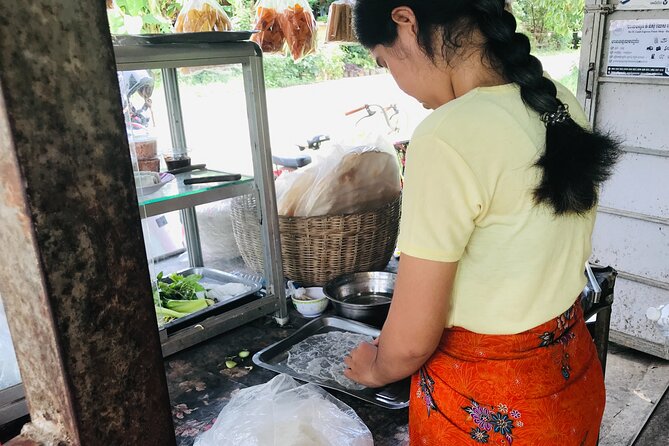
I love watching rice paper being made and tasting local products that come straight from working homes and small workshops. The big trade-off: this is an early start and it runs best in good weather, since the tour can be rescheduled if conditions are poor.
This half-day outing is designed for small groups, with a maximum of 10 people, so you’re not stuck shouting over a crowd. The morning pickup helps if you’re based outside the center of town, and the guide keeps the pace moving between countryside stops.
You’ll spend the morning seeing how everyday Khmer life connects to food—rice processing, fermented fish paste, banana drying, and rice wine distilling—with options to add a temple complex and the killing fields. If you prefer sightseeing where you can hide from crowds and noise, you may find parts of the day more hands-on and practical than showy.
In This Review
- Key Highlights You’ll Actually Care About
- Battambang Countryside, But Make It About Food
- Morning Timing and the Pickup That Helps More Than You Think
- Rice Paper and Sticky Rice: The Work Behind Familiar Foods
- Fermented Fish Paste at an Old Factory
- Dried Bananas and Banana Chips: How Snack Food Gets Made
- Traditional Rice Wine Distillery and Local Drink Traditions
- Optional Wat Samrong Knong Temple Complex and the Killing Fields
- Value in Practice: Price, Group Size, and the Real Meaning of $15
- What This Tour Feels Like Day to Day
- Who Should Book This Rural Livelihood Tour
- Should You Book the Morning Village Tour with Kim Tours?
- FAQ
- What is the duration of the Morning Village Tour in Battambang?
- How much does the tour cost?
- What time does the tour start?
- Does the tour offer pickup?
- How many people are in the group?
- What kinds of places will I visit?
- Will I get to taste the products?
- Can I include temple visits or the killing fields?
- What if the weather is bad?
Key Highlights You’ll Actually Care About
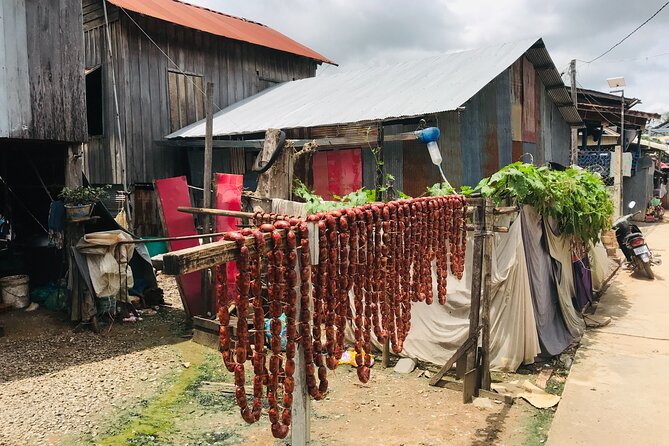
- Hands-on food production scenes: See rice paper, sticky rice cooking, and fermented fish paste work up close.
- Taste is part of the deal: You get chances to sample the products tied to each stop.
- Small group size (max 10): Easier questions, more time to look closely.
- Banana production in action: From dried fruit to banana chips.
- Rice wine distillery visit: A look at how local drinking traditions are made.
- Optional cultural stops: You can include Wat Samrong Knong temple complex and the killing fields.
Battambang Countryside, But Make It About Food
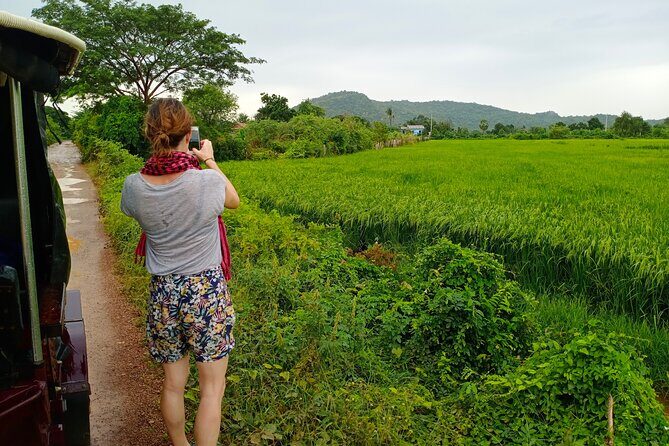
This is the kind of tour that feels like you’re borrowing someone’s morning routine—only the routine involves skills you don’t usually see in markets. In rural Battambang, food isn’t a single place you visit. It’s a chain of work: cooking, drying, fermenting, and processing, often in or near homes and small production sites.
I like that the focus stays on livelihood, not just photos. You’re not only watching scenery; you’re watching how ingredients become everyday items. And yes, you get to taste some of what you see, which makes the day click much faster.
The small group setup also matters. With a cap of 10 travelers, the stops feel less rushed than typical half-day bus tours, and your questions don’t disappear into the noise.
You can also read our reviews of more tours and experiences in Battambang.

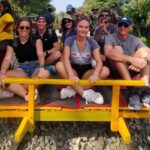

Morning Timing and the Pickup That Helps More Than You Think
The tour runs in the morning, starting between 8:00 AM and 8:30 AM. That timing is early enough to catch active village life, but not so early that it feels like a red-eye punishment.
Pickups are offered, which is a real advantage in Battambang. Many people end up staying just far enough from town that taxis become a daily chore. A morning pickup saves you from guessing the timing, finding a driver, and trying to coordinate return transport.
Duration is about 4 to 5 hours, so plan it as a full morning commitment rather than something to squeeze between other plans. If you like a day that has a clear arc—departure, countryside stops, then back to town—you’ll appreciate the structure.
Rice Paper and Sticky Rice: The Work Behind Familiar Foods
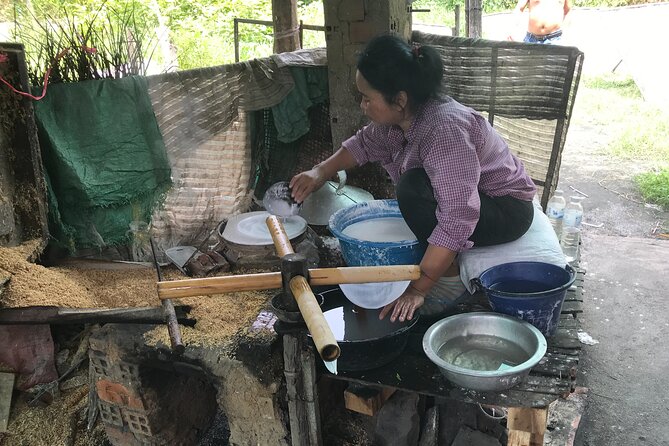
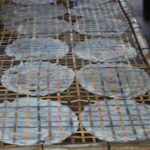
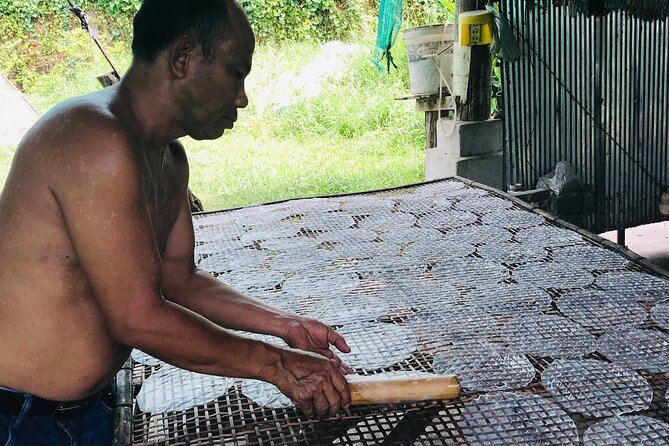
One of the best parts of this tour is the way it explains the steps behind foods you might already know by name. You’ll see rice paper being made, which is a great example of how “simple” food often depends on careful processing and timing.
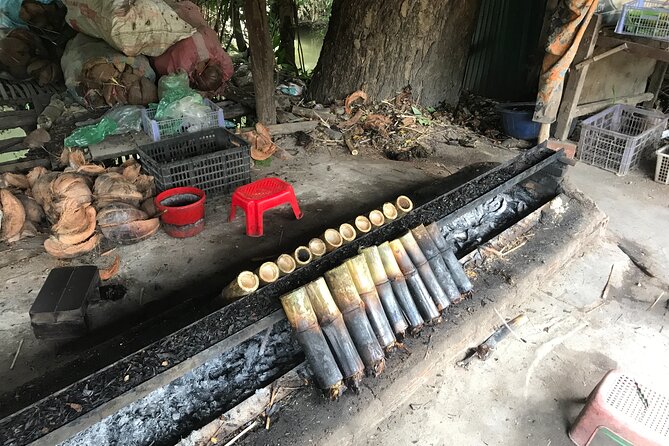
You’ll also watch sticky rice being cooked in bamboo tubes over an open fire. This is one of those moments where it’s hard not to lean in and watch closely. The method connects directly to local ingredients and local tools, which is exactly what makes it more meaningful than a generic food tasting.
What to watch for: pay attention to how the process is staged. You’ll notice that the steps aren’t random—they’re built around heat, timing, and the way rice changes as it cooks. Even if you don’t remember every detail, you’ll leave with a clearer sense of why each product tastes the way it does.
A practical tip: ask questions when you can. The guide is there to connect what you’re seeing with what people actually use at home.
Fermented Fish Paste at an Old Factory
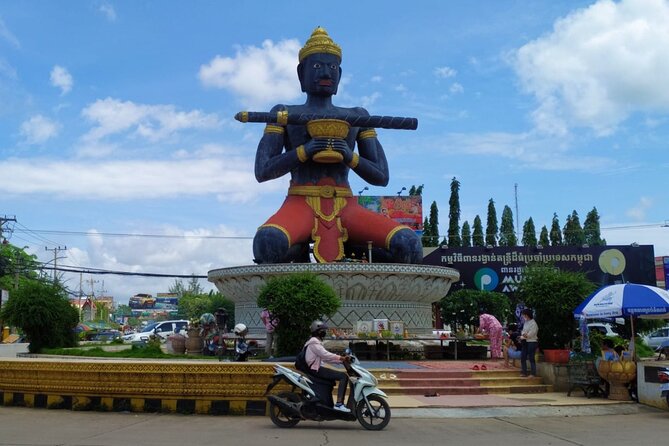
Battambang has a strong food identity, and fermented fish paste is one of the more distinctive pieces of it. The tour includes a stop at an older production area where you can walk around and see how the paste is made.
Fermentation is one of those processes that looks mysterious until you see it in context. Instead of just seeing a jar on a shelf, you understand that the product comes from a longer timeline of preparation and transformation.
This stop also works well for curious eaters. If you’ve ever tasted something fermented and wondered why it tastes the way it does, this is the kind of experience that gives you a “now I get it” moment—without turning the day into a chemistry lecture.
One consideration: fermented products can be intense in smell and flavor. Even if you’re curious, go in with the mindset that you’re seeing a living food practice, not a luxury product presentation.
Dried Bananas and Banana Chips: How Snack Food Gets Made
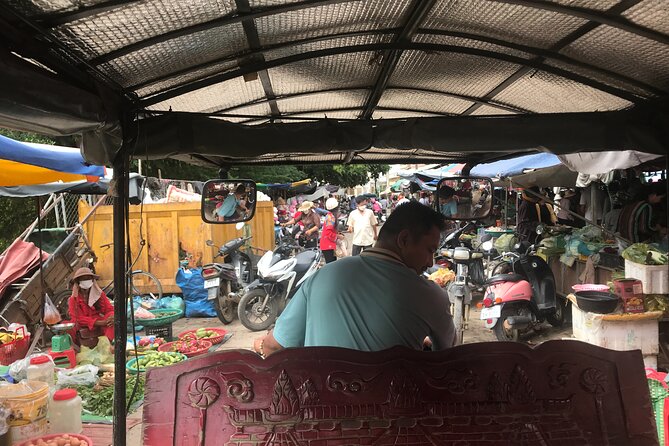
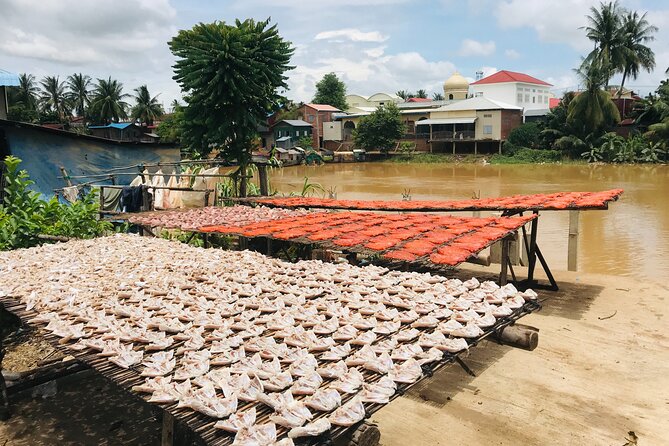
This tour doesn’t ignore the lighter side of rural production. You’ll see dried bananas and banana chips being produced, including the work that turns fresh fruit into shelf-stable snacks.
What I like about this part is that it shows the business logic of village food work. Drying and processing extend what can be used later, and they help create products that can travel farther than fresh produce.
It’s also visually satisfying. Food production here is usually practical and straightforward: preparation, drying, and the steps that lead to the final texture you expect from chips. This is a good segment if you’re traveling with someone who wants both culture and something fun to watch.
If you enjoy tasting different variations—crispness, sweetness, thickness—this is one of the areas where you’ll likely appreciate the small differences.

Traditional Rice Wine Distillery and Local Drink Traditions
Another highlight is a visit to a traditional old rice wine distillery. You’ll learn about how local rice wine is produced and you’ll have the chance to understand the role it plays in everyday life.
A distillery stop can go one of two ways: either it becomes a dry history lecture, or it becomes a practical look at how people make a drink. This tour keeps it grounded in work and products, which helps the visit feel relevant rather than museum-like.
If you’re into food and drink, this is the stop that often changes your whole perspective on rural markets. You stop seeing alcohol as just a product and start seeing it as a craft made from local ingredients and local know-how.
Keep in mind: this is part of a short morning schedule. If you’re someone who prefers to pace slowly and linger at every site, you might want to ask your guide where the best tasting moments happen so you don’t miss them.
Optional Wat Samrong Knong Temple Complex and the Killing Fields
This day includes optional add-ons, and you can choose what fits your comfort level. One option is the Wat Samrong Knong temple complex. Another option is visiting the killing fields.
These stops change the emotional tone of the tour. The food and village-work segments are about daily livelihood; the killing fields visit is about history and tragedy. If you’re bringing younger travelers, or if your group has different comfort levels with heavy sites, decide in advance how you want to handle the added parts.
Practical advice: if you choose both temple and the killing fields, you’ll likely want to keep your energy steady and prepare for mental focus rather than casual sightseeing. A half day is still short, so plan to be present.
Also, the “optional” part matters. You don’t have to force yourself into every component to have a good tour. You’ll still get a strong rural food experience even if you skip one of the heavier segments.
Value in Practice: Price, Group Size, and the Real Meaning of $15
At $15.00 per person for about 4 to 5 hours, this tour sits in the budget-friendly range for Battambang. The better way to judge value isn’t just the price—it’s what you get for it: multiple production stops tied to local livelihoods, time with a guide, and tasting opportunities.
The maximum group size of 10 is a quiet quality marker. When you’re in a small group, you spend less time waiting and more time actually looking and learning. And because the focus is on working processes—rice paper, sticky rice over open fire, fermented fish paste, banana drying—there’s more “active content” than a typical drive-by sightseeing route.
You’ll also benefit from the structure: it’s a morning block, which makes it easy to plan around other parts of your trip. If you’re the kind of traveler who likes meaningful experiences without paying premium tour rates, this one makes sense.
If your priority is only major monuments and big photo spots, this may feel slower and more work-focused than you expect. But if you’re drawn to how people live and eat, it’s a strong deal.
What This Tour Feels Like Day to Day
Here’s the practical feel of the experience: you move from site to site, you look closely at production, and you hear context from the guide. You’ll see local people working and learn how daily life connects to the products you find in markets.
The tastings make a big difference. Without tasting, food tours can become visual only. With tasting, you connect the process to the final result, and that’s where the memory sticks.
The tone stays friendly and straightforward. Even the production stops that could sound complicated—like fermentation—are presented in an approachable way, tied to what you can actually see.
Based on the feedback this tour style gets, one thing stands out: the guide and driver support matter. In small-group tours, good driving and smooth timing can turn a countryside morning from stressful to easy.
Who Should Book This Rural Livelihood Tour
You’ll likely enjoy this most if you:
- Want to go beyond Angkor-style sightseeing and see rural Cambodia in a focused way.
- Care about food systems: how rice becomes multiple products and how fermentation and drying work.
- Prefer small-group travel where it’s easier to ask questions.
- Enjoy tastings and learning through direct observation.
You might think twice if:
- You dislike outdoors time, since much of the tour takes place around working areas.
- You prefer scenic viewpoints over workshop-style visits.
- You’re not comfortable with strong food smells from fermented products.
Most travelers can participate, so you’re not expected to be an athlete. Still, this is a working-day kind of tour, so comfy shoes and a calm mindset help.
Should You Book the Morning Village Tour with Kim Tours?
I’d book it if your idea of a great half day in Battambang is practical and real: rice paper made by hand, sticky rice cooked over open fire, fermented fish paste production, banana drying and chips, and the chance to taste what you see. The price is reasonable, and the small group cap keeps the experience from turning into a rushed cattle-call.
If you want to keep your day lighter, you can choose to skip the heavier optional site and still come away with a strong rural food-and-livelihood story. If you’re ready for history too, adding Wat Samrong Knong and the killing fields can add depth, but be honest with your group about emotional readiness.
FAQ
What is the duration of the Morning Village Tour in Battambang?
It runs about 4 to 5 hours.
How much does the tour cost?
The price is $15.00 per person.
What time does the tour start?
The tour operates daily with a start window of 8:00 AM to 8:30 AM.
Does the tour offer pickup?
Yes, pickup is offered.
How many people are in the group?
The tour has a maximum of 10 travelers.
What kinds of places will I visit?
You’ll visit rural areas tied to local food and drink production, including places where rice paper, sticky rice, fermented fish paste, dried bananas/banana chips, and rice wine are made. You may also be able to add Wat Samrong Knong temple complex and the killing fields.
Will I get to taste the products?
The experience includes a chance to taste the local products you see being made.
Can I include temple visits or the killing fields?
Yes, these are listed as options during the tour.
What if the weather is bad?
The experience requires good weather. If it’s canceled due to poor weather, you’ll be offered a different date or a full refund.