REVIEW · SIEM REAP
Kbal Spean, Banteay Srei, Beng Melea & Rolous temples Tour
Book on Viator →Operated by Angkor Doors · Bookable on Viator
This route mixes famous Khmer landmarks with calmer, less touristy corners of the region, from carved sites in the hills to Beng Mealea’s abandoned stone paths. You also get a slice of daily life around Tonle Sap through a floating village visit, with a boat ride and life vests included in the plan.
I especially like the way the day is structured around real variety, not just a checklist: temples with crisp detail at Banteay Srei, then the dramatic ruin feel at Beng Mealea. I also like that you’re not stuck with a big bus crowd; your guide and driver support the day, and guides such as Bunpheng and Peng are specifically praised for making the stories clear and the timing smoother.
One consideration: ticket wording can be a little tricky. The tour lists some admission items as not included, and it also says a One Day Angkor Pass is not included ($37), so you’ll want to confirm what’s covered for the exact stops on your departure.
In This Review
- Key points to know before you go
- A Route That Trades Crowds for Carvings, Ruins, and Real Life
- Kbal Spean: A Morning Stream and Hindu Carvings in the Riverbed
- Tonle Sap Floating Village Stop: Kampong Khleang and a Boat Ride With Life Vests
- Banteay Srei: The Citadel of the Women and Fine Carving Details
- Beng Mealea: A Remote Ruin Temple That Feels Like a Time Capsule
- Roluos Temples: Preah Ko, Bakong, and Lolei in the Late 9th-Century Mood
- Price and Tickets: How $88 Can Be a Great Deal (If You Plan It Right)
- What the Best Guides Actually Do for You
- Practical Tips That Will Save Your Day
- Who This Tour Fits Best
- Should You Book This Kbal Spean, Beng Mealea, and Roluos Tour?
- FAQ
- What time does the tour start?
- How long is the tour?
- Is pickup available?
- What’s included in the price besides the guide?
- Do I need food during the day?
- Is the Angkor Pass included?
- Is there a dress code for temple visits?
- Will I ride a boat, and is it safe?
- Is this tour private?
Key points to know before you go
- Private guide + vehicle means you move at your pace and your guide can adjust photo stops and timing.
- Beng Mealea ruins are far from Siem Reap town, so you trade crowds for walking in broken stone corridors.
- Strict temple dress code is enforced; bring clothing that covers shoulders and thighs.
- Boat ride to the floating village includes life vests, which makes the water portion feel more comfortable.
- Roluos temples (Preah Ko, Bakong, Lolei) give you early Khmer context without fighting the heaviest Angkor traffic.
- $88 per person can be good value if you already have your pass sorted, because transport, guide, and water are included.
A Route That Trades Crowds for Carvings, Ruins, and Real Life
This is the kind of day you’ll like if you’re done with only the biggest-name Angkor stops. Instead, you get a sequence that feels like chapters: morning stone and carvings, a middle temple with delicate sculpture, then afternoon exploration where the temple has been left to nature.
The tour runs about 8 to 9 hours starting at 8:00am, with pickup offered. That early start matters. It helps you beat the worst heat and gives your guide room to find quieter angles for photos and viewing.
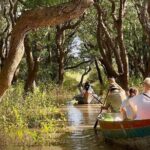
And it’s not just history on paper. A Tonle Sap floating village stop is part of the experience theme, so you’ll also see how people live with water as a road, a workplace, and a home. The boat ride comes with life vests, which is a practical detail that makes the water segment feel safer and less stressful.
You can also read our reviews of more tours and experiences in Siem Reap.
Kbal Spean: A Morning Stream and Hindu Carvings in the Riverbed
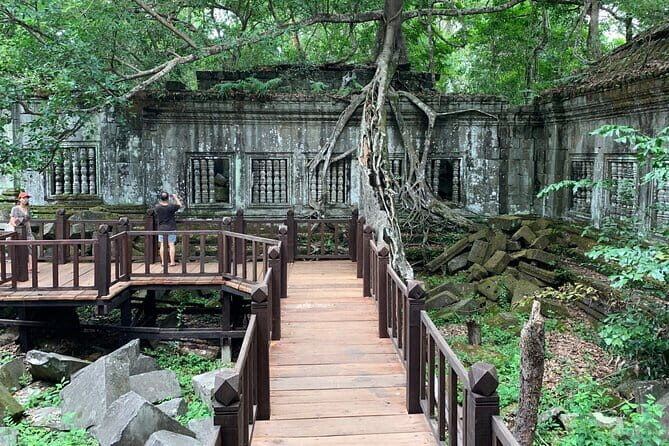
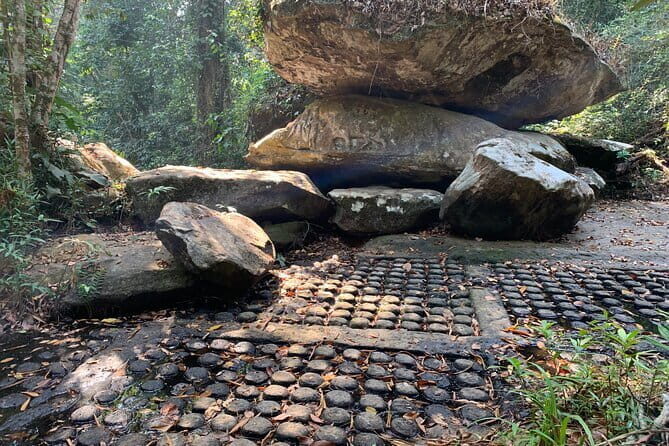
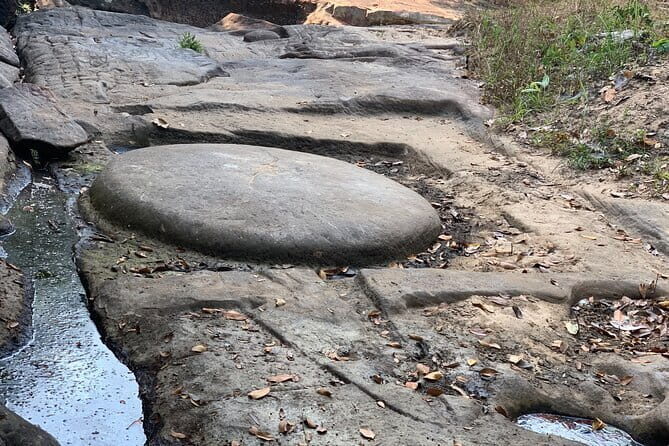
Kbal Spean is scheduled for about 3 hours, and it’s a different kind of site than the brick temple complexes. The setting is tied to a natural stream that runs through a mountain area, and the point of interest is the carved Hindu figures cut into the riverbed.
What I like about putting Kbal Spean early is that it sets the tone for the whole day: you start with something more “out in the terrain” than “inside a courtyard.” You also get a slower, walk-and-look rhythm before the heavier temple walking later.
A possible drawback is that Kbal Spean’s admission is listed as not included in the stop notes, and your overall temple pass situation may still apply. If you rely on the assumption that everything is automatically covered, it’s worth checking before you arrive.
Tonle Sap Floating Village Stop: Kampong Khleang and a Boat Ride With Life Vests
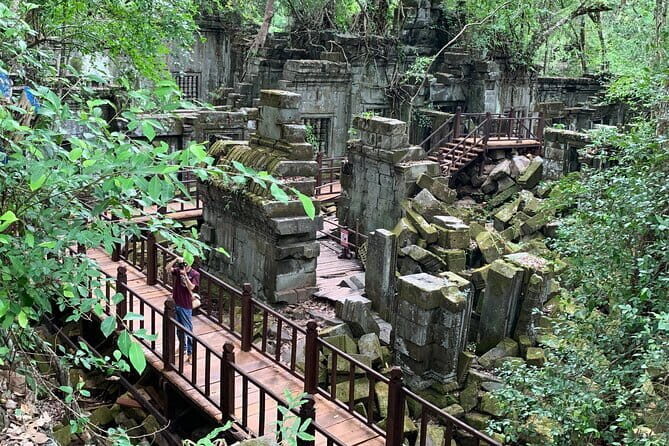
The tour overview includes a visit to the floating village community of Kampong Khleang. This part is about daily life: what people do, how their routines work, and what the water environment means in practical terms.
You’ll take a boat ride out to the village, and life vests are provided. That’s a small detail that pays off. When safety gear is handled for you, you can focus on watching and learning instead of worrying about logistics.
One thing to keep in mind: the package description is a bit mixed about whether the boat ride cost is fully included. Some parts of the info say it is included, while other wording says it’s not in the price. So when you confirm your booking, ask plainly: is the boat ride charge included for your date?
Banteay Srei: The Citadel of the Women and Fine Carving Details
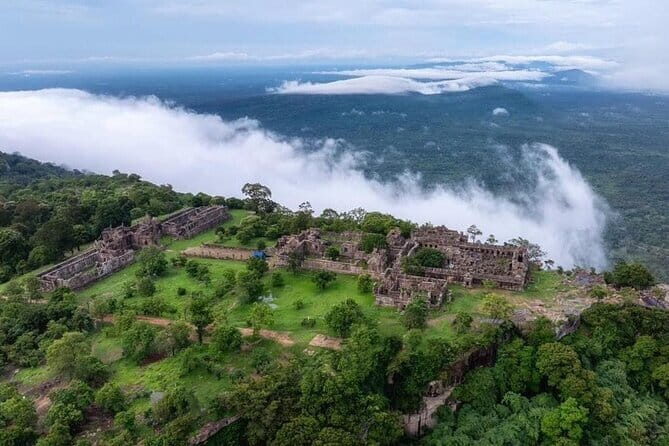
Banteay Srei is a 1-hour stop and it’s known as the Citadel of the Women. It’s built during the Khmer Empire period and is especially famous for fine carvings.
What makes this stop worth your time is the texture of the work. This isn’t only about big silhouettes and classic temple symmetry; it’s about looking closely enough to notice how the stones are shaped and how scenes are built into the structure. With a good guide, you can connect the carvings to what the empire was doing culturally and artistically.
There’s also a practical upside: Banteay Srei is listed as admission ticket free in the stop details provided. Still, your day may depend on the broader pass rules, so don’t assume “free admission” means you can ignore everything else.
Beng Mealea: A Remote Ruin Temple That Feels Like a Time Capsule
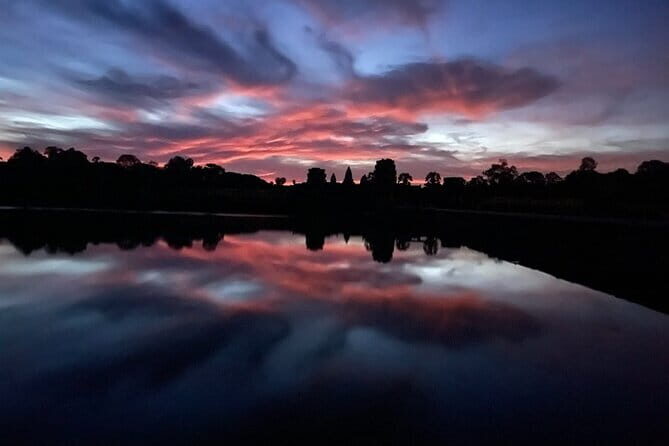
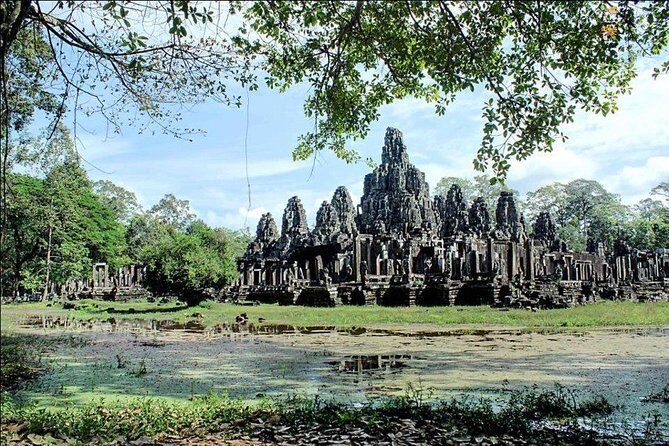
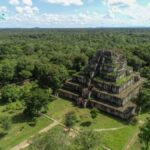
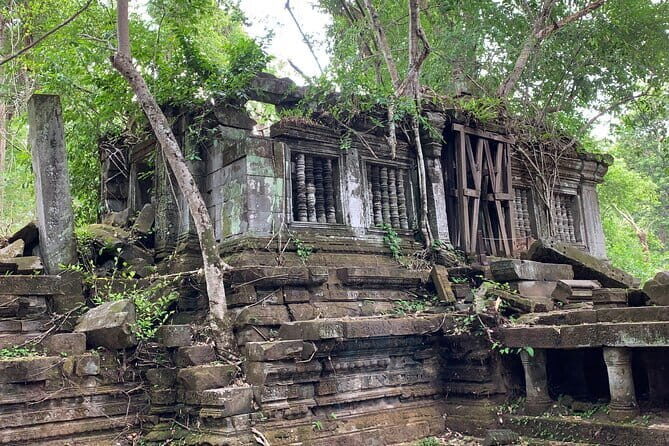
Beng Mealea is scheduled for about 3 hours, and this is the stop many people remember. It’s described as a stunning temple complex that has been left in ruins, and its remoteness means it’s typically less visited than the core Angkor area.
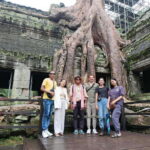
Here’s why it works so well in a mixed itinerary: your eyes get to relax from perfectly restored lines. Instead, you’re reading the temple like a puzzle—fallen stone, overgrown edges, and narrow passages that make you walk slower. You’re not just looking at architecture; you’re moving through it.
Your guide’s job matters at Beng Mealea. Without explanations, a ruin can feel random. With context, those broken walls and carved fragments become more meaningful, and you start to understand why Khmer builders created spaces like this in the first place.
Admission for Beng Mealea is listed as not included in the stop notes. The tour overview also states entrance fees may be included, so again, confirm what’s covered. Either way, plan for Beng Mealea to be the “main event” portion of the day.
Roluos Temples: Preah Ko, Bakong, and Lolei in the Late 9th-Century Mood
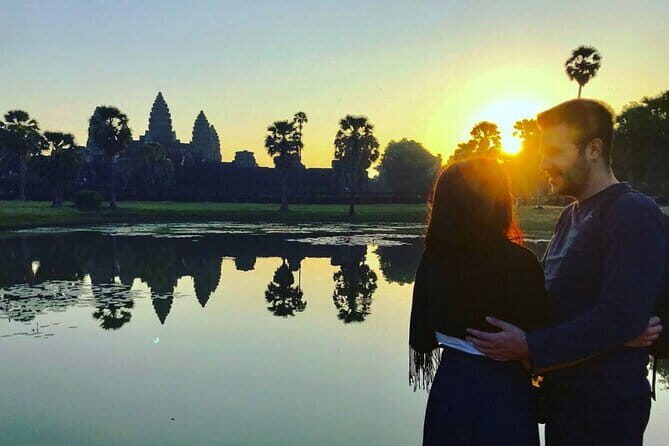
Roluos (often spelled as Rolous in tour materials) rounds out the day with an early Khmer perspective. Your stop is about 1 hour, visiting Preah Ko, Bakong, and Lolei.
These temples are linked to the classical period of Khmer civilization, dating to the late 9th century. That time anchor helps you place what you’re seeing. You’re not only learning temple names; you’re learning why they look and feel the way they do in a particular stage of Khmer art and engineering.
What I like about pairing Roluos with Beng Mealea is contrast. Beng Mealea gives you ruin-time emotions. Roluos gives you an earlier, foundational feel, which can make the whole afternoon click in your head.
The key practical point: admission for these stops is listed as not included in the stop notes. If you already have an Angkor pass, you may be fine. If you don’t, check costs so you’re not making last-minute decisions.
Price and Tickets: How $88 Can Be a Great Deal (If You Plan It Right)
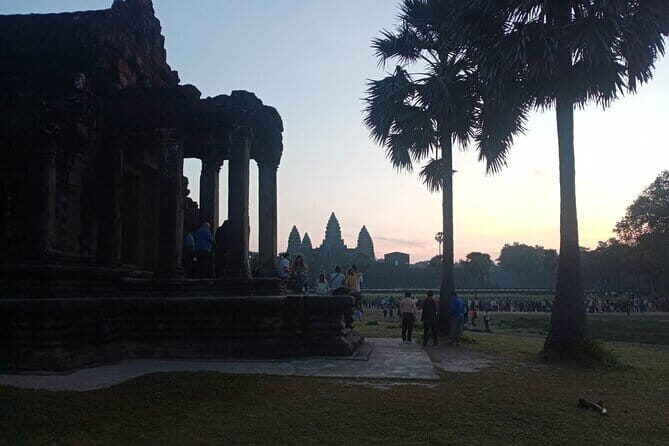
At $88 per person, the value looks strong if you use the inclusions well. You get an English-speaking guide, AC transportation, and bottles of cold mineral water. That means you’re paying for time, not just seats on a vehicle.
But tickets are the part that can flip the value from great to confusing. The tour lists a One Day Angkor Pass ($37 USD per person) as not included. At the same time, the overview mentions entrance fees being included, and the itinerary notes admission ticket status varies by stop (Kbal Spean and Beng Mealea marked not included, Banteay Srei marked free).
Here’s how to protect yourself: before you go, ask the provider one focused question—what exactly do I need to pay for at each stop on my date, and is the Angkor Pass required for this route? That one call can save you from carrying extra cash or missing entry.
If you already have the pass, your day becomes mostly about guide quality and timing. That’s where this tour shines, since people have praised guides like Peng, Pheng, and Bunpheng for making the day feel planned rather than random.
What the Best Guides Actually Do for You
The difference between a good temple day and a frustrating one often comes down to your guide. In the feedback for this experience, guides are praised for doing more than reciting facts.
You’ll want someone who can:
- explain what you’re seeing without turning it into a lecture
- keep the pace comfortable across several different sites
- suggest strong photo angles and better times of day
That’s exactly what’s been highlighted—guides with a sense of humor, who can avoid the worst foot traffic, and who can steer you to the best photo spots. Even if you don’t care about photos, having someone help you choose calmer viewpoints makes the sites feel more livable.
Practical Tips That Will Save Your Day
Temple dress code is not optional here. You must cover shoulders and thighs when entering temple complexes, and if your clothing doesn’t comply, you may be refused entrance. Bring a light scarf, sarong, or long skirt so you’re not hunting for a rental in a hurry.
For the floating village portion, you’ll get life vests. Still, wear shoes with grip and socks you don’t mind getting dusty. Cambodia’s temple paths and village edges can be uneven, and you’ll be glad you thought about traction.
Finally, plan for comfort and basics. Food and drinks are not included, so eat before pickup and keep small water snacks in your bag if that fits your style. The tour includes water bottles, but having a little extra for energy is smart during a long, walking-heavy day.
Who This Tour Fits Best
This tour is a strong match if you want:
- a private day plan rather than crowded group shuttles
- a mix of temple styles, including ruined architecture
- a cultural stop that goes beyond temple walls
It’s especially good for first-timers who already did Angkor’s big monuments and want the “outside” story. It also works for return visitors who feel they’ve seen the famous spots and want something quieter and more off the beaten path.
If you only want perfectly restored temples and minimal walking, you might find Beng Mealea’s ruin state less appealing. But if you like exploring and reading spaces slowly, you’ll likely enjoy the whole flow.
Should You Book This Kbal Spean, Beng Mealea, and Roluos Tour?
I’d book it if your priorities are value, variety, and a guide-led day. For $88, you’re getting transport, an English guide, and cold water, plus multiple major sites that span different time periods and temple moods.
I would hesitate only if you hate ticket uncertainty and you don’t want to confirm pass coverage. Since your stop list includes places with varying admission notes and the Angkor Pass is listed as not included, do one quick clarification before you pay. Once that’s settled, this tour can be one of the most satisfying “Cambodia outside the crowds” days you’ll have in Siem Reap.
FAQ
What time does the tour start?
The tour start time is 8:00am.
How long is the tour?
It runs about 8 to 9 hours.
Is pickup available?
Yes, the tour offers pickup.
What’s included in the price besides the guide?
The tour includes an English-speaking tour guide, transportation (AC car/minivan/minibus), and bottles of cold mineral water.
Do I need food during the day?
Food and drinks are not included, so plan to bring snacks or eat outside the tour.
Is the Angkor Pass included?
No. A One Day Angkor Pass ($37 USD per person) is listed as not included.
Is there a dress code for temple visits?
Yes. There is a strict dress code: you must cover thighs and shoulders. If you don’t wear the correct clothing, you may be refused entrance.
Will I ride a boat, and is it safe?
You’ll take a boat ride associated with the village visit, and life vests are provided. The materials also mention wording that suggests boat ride inclusion in the price can vary, so confirm for your exact booking.
Is this tour private?
Yes. It is a private tour/activity, meaning only your group participates.