REVIEW · KAMPOT
Kampot: Sunset Walking Tour
Book on GetYourGuide →Operated by Jason's Tour · Bookable on GetYourGuide
Kampot glows, then the past speaks. This 90-minute sunset walking tour is built to help you read the town like a storybook, from pirate rumors and French colonial leftovers to the smaller marks you only notice when the light softens. I like that it’s short, focused, and timed so you actually get the river sunset, not just a lecture while you bake in the heat.
What I love most is the way Jason’s clear, structured storytelling gives you context you can use for the rest of your stay. I also like the practical, real-life feel: he keeps things easy to follow, invites questions, and even continues the conversation over a drink after the walk—plus he’s connected enough to bring in a Kampot friend to add extra color.
One drawback: you need to be okay walking for about 90 minutes at 5pm, and a sunset start means you’ll want to pace yourself if the sidewalks feel crowded when light drops.
In This Review
- Key things that make this tour worth your time
- Why Kampot at sunset makes the history click
- Meeting at Monkey Republic Kampot and getting the flow right
- Lotus Pond: the quiet beginning that sets the tone
- The Seahorse Statue and Kampot’s river-side rhythm
- The two short story stops where the town’s scars show
- A final tucked-away look before the sunset settles in
- The Bokor Hill and Kampot pepper stories you’ll carry for days
- After the tour: one drink, more context, and practical tips
- Price and value: why $5 works here
- Who this tour is for (and who should skip it)
- Should you book the Kampot Sunset Walking Tour?
- FAQ
- Where is the meeting point?
- What time does the tour start?
- How long is the walking tour?
- Is the guide available in English?
- What is the price per person?
- What will I see during the tour?
- Is there a cancellation option?
Key things that make this tour worth your time

- Pirate-to-colonial storytelling that turns simple landmarks into real clues
- War marks, spirit shrines, and architecture details tucked into calm corners
- A river-focused sunset that actually changes how you see the town
- Jason’s pacing and question time, so the walk doesn’t feel like a monologue
- Two short science-of-seeing stops, then a quieter final look before you loop back
Why Kampot at sunset makes the history click
Kampot is the kind of place where the big attractions are nice, but the small clues are the fun part. This tour is timed for that exact reason: late-day light makes faded details easier to spot and helps you notice how the town sits along the water.
You’ll hear about Kampot’s past as a pirate haven, then jump to the French colonial period and what that left behind. The tour doesn’t treat history like a list. Instead, it links eras to what you can see now—so you leave with a mental map, not just facts.
You can also read our reviews of more tours and experiences in Kampot.
Meeting at Monkey Republic Kampot and getting the flow right
You start at the reception of Monkey Republic Kampot Cafe, Bar & Kitchen, and the tour begins at 5pm. The timing matters because you’re essentially using the last light of the day as part of the guide’s teaching tool.
Once you meet your guide, you’re not just walking randomly. The route is set up with short stops that give you time to listen, look closely, and then move on before the group gets restless. If you like walking tours but hate feeling rushed, this format helps.
Tip for you: wear comfortable shoes and bring a layer if you’re sensitive to evening breezes off the river. Kampot can feel different as the sun goes down, and a little comfort helps you enjoy the slower pace of spotting details.
Lotus Pond: the quiet beginning that sets the tone
The first stop is Lotus Pond for about 20 minutes. This isn’t just a pretty photo stop. It’s a mood-setter: a calm start helps you shift gears from modern Kampot into the kind of observation the guide wants you to practice.
From there, the guide uses the walk to connect culture and legend to physical space. Expect myths and local stories to show up as part of the explanation, not as random spooky extras. That’s the real value here: you’re being taught how Kampot people explain their town and how those stories shape how landmarks feel today.
What to watch for: look beyond the center of the pond and pay attention to edges, nearby structures, and the way paths lead you through the area. Even if you’ve visited ponds before, the lesson is about reading the town’s layout.
The Seahorse Statue and Kampot’s river-side rhythm
Next comes the Seahorse Statue in Kampot for about 20 minutes. It’s one of those landmarks that works well on a walking tour because it gives the guide a fixed point to build around. You can reference it, compare viewpoints, and understand why the river is a big deal.
This stop also supports a key theme of the tour: how Kampot’s history connects to movement—boats, traders, travel routes, and the way people build near water. Pirates are part of the story, French influence is part of the story, and today’s everyday Kampot life is part of the story too. The statue helps you keep the timeline straight while you move.
Possible drawback to consider here: if you’re the type who hates stopping for photos, you may want to bring a camera strap or quick way to take shots without losing the group. The tour is structured around short pauses, not long wandering.
The two short story stops where the town’s scars show
After the first two longer segments, the walking tour includes two stops of about 15 minutes each. The content you’re likely to get during these segments centers on the details that most people skip: faded marks left by war, local spirits and shrines tucked into quiet corners, and interesting architecture.
This is where the tour becomes more than sightseeing. Seeing war’s leftover traces in a place like Kampot forces you to look at the present differently. And when shrines and spirits enter the conversation, the town stops feeling like a backdrop. It becomes a living place where people still hold beliefs in everyday space.
How to get the most out of these stops: don’t just look at the big object. Look for small things the guide points out—signs of age, worn surfaces, religious details, and how buildings sit next to each other. Those tiny contrasts are often what make the story feel real.


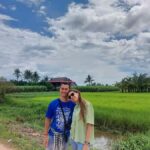
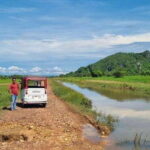
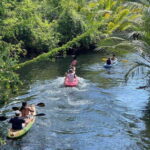
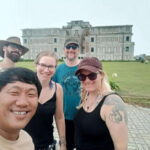
A final tucked-away look before the sunset settles in
The walk continues with another 15-minute stop described as a tucked-away point. Even without a name provided in the tour details, the purpose is clear: you’re finishing with a calmer, more reflective moment so the sunset hits with more impact.
This part supports the tour’s main promise: you catch stunning sunset views along the river as you walk. The guide’s storytelling has built momentum by then, so the scenery feels earned rather than just pretty.
If you want that sunset payoff: keep your phone charged and resist the urge to snack early. You’ll want your attention for the river views and the guide’s last rounds of context.
The Bokor Hill and Kampot pepper stories you’ll carry for days
The tour also covers the infamous history of Bokor Hill and the legacy of Kampot Pepper. Those topics matter because they link Kampot’s identity to places and products beyond the town center. Even if you plan to do more exploring later, this tour gives you a baseline you can use immediately.
Bokor Hill is often discussed as a dramatic chapter in the region’s story, and pepper connects Kampot to an everyday reality many visitors eventually seek out. Hearing both of these inside a walking framework helps you avoid the common problem of reading about them later without understanding why they matter to locals.
What I like about this approach is that it gives you “follow-up targets.” After the walk, you’re more likely to know what to ask about and what to notice when you visit elsewhere in Kampot Province.
After the tour: one drink, more context, and practical tips
When the walk wraps up, the tour includes time where you can join your guide for a drink. This isn’t just for chatting. It’s where the guide keeps sharing what he loves—local history and travel tips about what to see and do around Kampot and Cambodia.
In the reviews, the guide is described as clear and concise, never rushing, and genuinely willing to answer questions. That matches what you should look for on a good tour: you can ask something that doesn’t fit into the script, and you’ll still get a useful answer.
There’s also a neat local flavor here. One reviewer noted that the guide connected with a Kampot friend who spoke with an old-school British feel, giving an extra layer to the conversation. That kind of interaction is small, but it makes the whole thing feel less like a one-way lecture and more like a real window into local perspectives.
Price and value: why $5 works here
At $5 per person for 90 minutes, this is priced for access, not exclusivity. You’re not paying for transport or big-ticket infrastructure. You’re paying for someone to help you see the town properly.
That’s the best kind of value in Cambodia travel. A good walking guide turns your time into context. Without it, you might walk past war marks, shrine details, or architecture changes and never realize they’re telling you something important.
So if you’re thinking about whether this is worth it, use this test: will you spend more than five dollars on an average snack or a single photo spot ticket? If yes, this tour is an easy win—because it gives you information you can use for the next few days, not just something to look at for five minutes.
Who this tour is for (and who should skip it)
This fits you if you want a simple plan with a strong payoff: a short walk, an English-speaking guide, history tied to what you can see, and a sunset that you’ll actually remember.
It’s also a great match if you’re the kind of traveler who enjoys questions. The guide’s style, as described in feedback, is patient and structured, so you’re not stuck guessing what the important bits are.
Skip it if you’re not interested in walking at a set time or you hate listening for stretches. It’s a walking history experience. If you only want scenery with zero talking, you’ll probably feel the pace is too narrative.
Should you book the Kampot Sunset Walking Tour?
Yes—book it if you want the fastest way to get oriented in Kampot with context that makes the rest of your stay easier. Start with this, then build outward to other things you care about. Once you understand Kampot’s pirate and colonial layers, the town’s details stop feeling random.
If you’re on the fence, I’d make the decision based on one thing: do you like getting your bearings quickly? This tour is built to do exactly that—five dollars, 90 minutes, English guide, and a river sunset that lands well when you’re already primed to look.
FAQ
Where is the meeting point?
We meet at the reception of Monkey Republic Kampot Cafe, Bar & Kitchen.
What time does the tour start?
The tour starts at 5pm.
How long is the walking tour?
The duration is 90 minutes.
Is the guide available in English?
Yes, the live tour guide speaks English.
What is the price per person?
The price is $5 per person.
What will I see during the tour?
You’ll learn about Kampot’s history and culture, including pirate-era stories, the French colonial period, war marks, local spirits and shrines, architecture, and the legacy of Kampot Pepper. You’ll also catch sunset views along the river.
Is there a cancellation option?
Yes. You can cancel up to 24 hours in advance for a full refund.