REVIEW · SIEM REAP
Homestay Kampong Khleang Villages
Book on Viator →Operated by Angkor Daily Tours · Bookable on Viator
Watching the lake change is the point. This homestay at Kampong Khleang on Tonle Sap Lake (about 55 km southeast of Siem Reap) pairs boat travel with real community life, from flooded forests to a Vietnamese area reached by paddled routes. It’s built around the seasonal rhythm of the water and how people adapt.
I especially like the combination of a professional English-speaking guide and learning with the local ecosystem—hydrology, useful plants for cooking and medicine, and what fishermen actually do on the water. I also like that your food is handled: dinner plus two breakfasts and two lunches, including at least one meal in the stilted village setting.
One thing to consider is that you’re sleeping in a local house in a working fishing community, and the experience depends on weather, since the tour requires good conditions for the water routes.
In This Review
- Key things that make this Kampong Khleang homestay work
- Two days on Tonle Sap: why Kampong Khleang feels different
- Getting there from Siem Reap: pickup, 55 km, and A/C comfort
- Day 1: start at Kompong Khleang, then motor boat into the lake world
- Flooded forest paddling: hydrology lessons you can actually picture
- Sleeping in a local house: the homestay part that makes it meaningful
- Food included: Cambodian fish, plus the lunch setting in the stilted village
- Day 2 village walk: market, school, pagoda, and boat repair life
- What to bring (so the homestay feels comfortable)
- Price and value: what $230 actually buys you
- Who should book this Kampong Khleang homestay
- Should you book Homestay Kampong Khleang Villages?
- FAQ
- Where is the homestay located?
- How long is the tour?
- Does the tour include pickup from my hotel?
- What transport is used?
- Is this a private tour?
- What meals are included?
- Are admission tickets included?
- What happens during the boat and village time?
- What do you do on the second day?
- What if weather is bad?
Key things that make this Kampong Khleang homestay work
- Private two-day experience with hotel pickup and drop-off in an A/C mini van
- Motor boat to start, then village paddling into the flooded forest area
- Hydrology-focused explanations plus practical notes on medicinal and cooking plants
- Village walk on Day 2 covering the market, primary school, and pagoda
- Meals are included (dinner, breakfast x2, lunch x2), including Cambodian fish
- Guide quality stands out, with strong English and attentive, good-humor style reported in guide reviews
Two days on Tonle Sap: why Kampong Khleang feels different
Kampong Khleang isn’t a theme-park version of Cambodia. It’s a real fishing community shaped by a lake that rises and falls, and that changes everything—where boats can go, what people gather, and how daily life is timed. The tour is designed to help you understand that cause-and-effect connection, not just take photos from the dock.
The structure matters. You’re not only riding a boat for a few hours. You also spend a night inside the rhythm of a host family and then do a village walk the next morning. That mix makes the second day feel like it belongs to the first day instead of being separate sightseeing.
Also, this is a private setup, so you get to move at your group’s pace. If you’re the kind of traveler who likes asking questions—about plants, fishing, or how people repair boats—you’ll probably get more out of this than if you want just a checklist.
You can also read our reviews of more tours and experiences in Siem Reap.
Getting there from Siem Reap: pickup, 55 km, and A/C comfort
The tour begins with a pickup from a central meeting point at Royal Residence NR6 in Krong Siem Reap, and it also includes hotel pickup and drop-off. That’s a big deal here because you’re traveling about 55 km southeast toward the Tonle Sap area. A/C transportation helps, especially if you’re going during the warm part of the day.
Timing-wise, each day is listed as about 12 hours, so you’re committing to a real stretch of time. That’s what makes the homestay portion feel more than just “sleep somewhere local for a photo.” You’re given enough hours to reach the floating/flooded areas, learn on the water, eat with the family setup, and still have a Day 2 village walk.
One small practical point: cold towels and bottled water are included during the tour. In Cambodia, that convenience adds up when you’re moving between boat, paddle routes, and walking areas that can feel humid.
Day 1: start at Kompong Khleang, then motor boat into the lake world
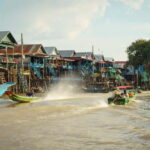
Your first day starts with the ride out to Kampong Khleang on Tonle Sap Lake. From there, the experience shifts into water travel quickly: you head out by motor boat to explore Kompong Khleang village areas and then move toward the lake outskirts.
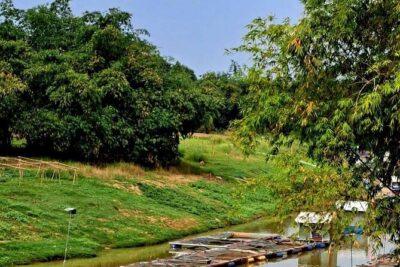
This is where the tour earns its keep. You’re not only seeing “stilted houses” from one angle. You’re traveling across spaces that connect village life to the water’s seasonal changes. The guide’s explanations help you read what you’re seeing, including the idea of flooding and how it affects where people can work and live.
Later, you’ll reach the flooded forest edge and switch to a paddling route. That change in pace is more than scenic. Sitting lower and moving more quietly makes it easier to notice details—small tools, fishing-related activity, and how villagers interact with the water.
If you like structure, you’ll also appreciate that this day includes time for a knowledgeable walk-through of ecosystem and human adaptation themes, not just movement between locations.
Flooded forest paddling: hydrology lessons you can actually picture
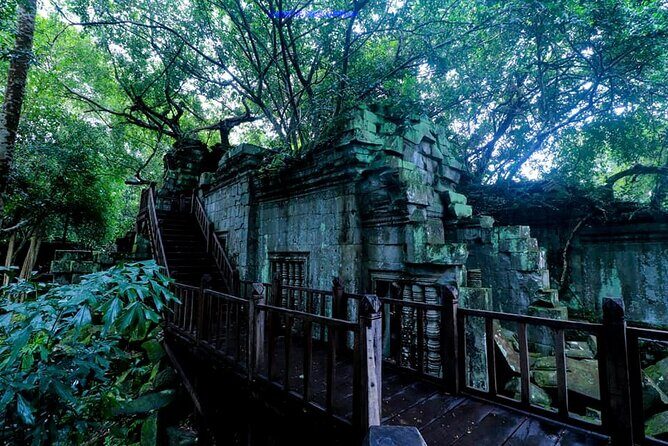
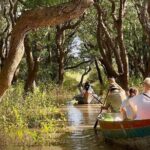
The highlight for many people is the flooded forest part of the route. You’re paddled by villagers into the flooded area, and your guide shares information about hydrology—how water levels and flow patterns create the conditions for fishing, farming opportunities, and plant growth.
What I like about this is that it’s practical learning. The guide covers useful plants for medicine and cooking, which helps you understand how people use what grows in the lake ecosystem instead of treating nature as scenery.
You’ll also be shown how villagers participate in activities tied to the water—especially fishing life. The tour mentions learning about fishermen’s local activities and the unique way humans adapt to living with shifting water levels. You can expect that this isn’t a lecture-only format. It’s paired with what you see from the boat and what the guide points out as you go.
And yes, the route includes access to a Vietnamese village area by water. That cross-border cultural overlap is part of why the Tonle Sap region feels more complex than a single-country postcard.
Sleeping in a local house: the homestay part that makes it meaningful
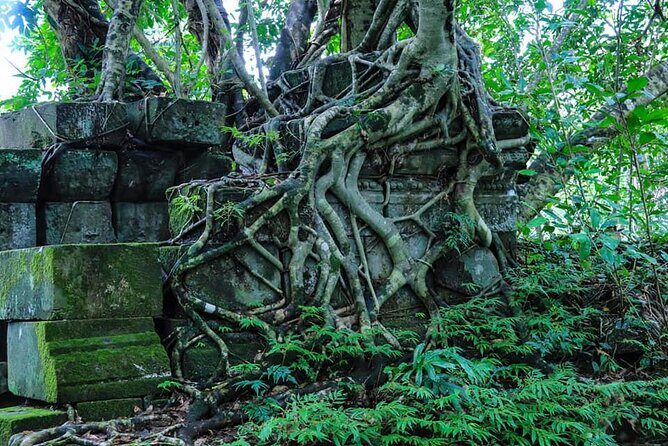
The overnight stay is the core of this tour, and it changes the tone. Day trips can feel like you’re watching from the outside. A homestay, even when the time is structured, nudges you into the same “normal” schedule the host family follows.
The plan is straightforward: after your day on the water, you sleep in a local house in the fishing community and share daily life with the family. The tour also calls out enjoying delicious Cambodian fish as part of the homestay meal experience, and dinner is included.
What you should consider: sleeping arrangements aren’t described in detail here, so you should be mentally ready for the realities of community housing. If you’re expecting hotel bedding and quiet hallways, you’ll want to adjust your expectations. If you’re flexible and respectful, the experience tends to feel like contact, not consumption.
One more practical note: because the tour is water-based, the day’s heat and humidity can stick to your clothes. The included cold towels help, and you’ll probably be happiest if you pack light and plan on rinsing or refreshing as you can.

Food included: Cambodian fish, plus the lunch setting in the stilted village
Food is a big part of why this tour feels worth the time. Dinner is included, and you also get two breakfasts and two lunches. That matters because you won’t have to hunt for meals on the fly while you’re out on or near the lake.
Lunch gets particular praise when it’s served in an extraordinary setting in the middle of the stilted village of Kampong Khleang. The meal style is described as excellent and unspicy, with several menu options. That combination is helpful: you can eat well without having to gamble on spice levels after long travel hours.
This is also one of the easiest ways to experience local life without interrupting it. Eating where the community eats helps you slow down and watch, even if you only have a few minutes between courses.
If you have strong dietary needs, the tour data here doesn’t specify alternatives. So if you need something specific, it’s smart to ask before you go so your guide can plan with the host side.
Day 2 village walk: market, school, pagoda, and boat repair life
The second day starts with a village walk around Kompong Khleang. You’ll have time to meet local people and get a sense of daily activity on land as well as water.
The itinerary calls out several specific stops:
- the village market
- a primary school
- a pagoda
- everyday street activities such as boat repairing and making fishing-related gear
That list is great because it expands the story beyond the floating houses. You get a look at education and community gathering places, plus the workshop side of fishing life. Seeing boat repair matters because it connects to what you did on Day 1—motors, paddles, and the actual tools that make fishing possible.
The walk also helps you understand how a lake community organizes movement. When you know how boats get maintained and how fishing gear is made, the earlier boat and paddling routes start to feel less like “rides” and more like part of a working system.
As with Day 1, the guide’s role is key. A good English-speaking guide keeps the walk from becoming random wandering by translating what you’re seeing into context.
What to bring (so the homestay feels comfortable)
The tour includes some essentials: bottled water and cold towels, plus meals and transportation. What’s not listed includes your personal gear, so I’d plan for basics that work for hot, humid lake travel.
Bring:
- light, breathable clothes (you’ll likely sweat on the walking and waiting parts)
- something for sun protection (hat or cap plus sunscreen)
- slip-on footwear that can handle damp areas
- a small dry bag or waterproof phone pouch for water movement
- simple insect protection, especially near water
- any personal meds and a small first-aid kit
Also, pack a respectful mindset. This is a homestay in a working community. You’ll get more from the experience if you’re ready to be a careful, quiet visitor—asking questions when appropriate, taking cues from your host setup, and keeping your belongings tidy.
Price and value: what $230 actually buys you
At $230 per person for about two days, the value comes from how much is handled for you. You’re paying for:
- private transportation with A/C mini van
- hotel pickup and drop-off
- a professional English-speaking guide
- water and cold towels during the tour
- breakfast x2, lunch x2, and dinner
- the homestay night experience in the community
That’s not just a “boat day.” You’re also getting meals that remove the usual cost and hassle of searching for food while traveling. In Cambodia, time and logistics matter, and being privately guided to a specific place like this generally costs more than a generic group tour.
One more value point from guide reviews: strong English, humor, and attentiveness are mentioned alongside historical and cultural knowledge. While that doesn’t guarantee every moment, it signals a standard you should expect: someone who can explain what you see and help your day run smoothly and safely.
Who should book this Kampong Khleang homestay
This tour is a good fit if you want more than temples and tuk-tuk routes. It’s for travelers who enjoy:
- learning through real-life settings
- water-based travel and ecosystem-focused explanations
- meeting people and seeing community life beyond the tourist highlights
- spending a night with host-family routines
It also suits most travelers since the tour notes that most people can participate. And it’s private, so couples, friends, and small groups tend to like the flexibility.
If you’re very sensitive to basic sleeping conditions or you need guaranteed modern comfort, you’ll want to think carefully. The tour data emphasizes local-house lodging but doesn’t spell out bedding level or bathroom setup, so it’s worth asking direct questions before booking.
Should you book Homestay Kampong Khleang Villages?
I think you should book if you want a distinctly Cambodian experience tied to how people live with Tonle Sap Lake’s seasonal flooding. The mix of motor boat, paddled flooded forest, a hydrology/plant learning component, and a Day 2 village walk makes it feel like a complete story, not a quick stop.
Skip it if your top goal is comfort-first, checklist sightseeing, or if you dislike spending two long days in heat and on water routes. Also, factor in the weather dependency. This kind of trip rises and falls with the lake conditions.
If you’re deciding, here’s my quick test: do you want to understand why the village exists where it does? If yes, this tour is a strong choice.
FAQ
Where is the homestay located?
It’s in the Kampong Khleang area on Tonle Sap Lake, about 55 km southeast of Siem Reap.
How long is the tour?
It runs for about 2 days.
Does the tour include pickup from my hotel?
Yes. Hotel pick up and drop-off services are included.
What transport is used?
You’ll travel in an A/C car or mini van.
Is this a private tour?
Yes. It’s private, and only your group participates.
What meals are included?
The tour includes dinner, two breakfasts, and two lunches.
Are admission tickets included?
Day 1 lists an admission ticket as free. Day 2 lists admission as not included.
What happens during the boat and village time?
You start with motor boat exploration of Kompong Khleang areas, then you travel further toward flooded forest routes where villagers paddle you, and you learn about hydrology, useful plants, and fishermen activities.
What do you do on the second day?
You go for a walk around the village to meet local people and visit the village market, primary school, and pagoda, plus see street activities like boat repairing and making fishing gear.
What if weather is bad?
The experience requires good weather. If it’s canceled due to poor weather, you’ll be offered a different date or a full refund.