REVIEW · SIEM REAP
Full Day Small Group Tour Guide with Sun rise
Book on Viator →Operated by Siem Reap Experiences · Bookable on Viator
That 4:30 am wake-up pays off. I love the Angkor Wat sunrise timing, and I also appreciate the comfort extras like cold water and cold towels that keep you going on temple stone that can feel brutal later. The route is built for cooler hours and fewer crowds, with a guide who keeps the day moving without making you feel herded.
The only thing to consider is that sunrise crowds can still be intense, so if you’re not a dawn person, you may find the early start a bit demanding.
In This Review
- Key highlights at a glance
- Angkor Wat sunrise starts early, but the payoff is real
- Pickup, mini-bus comfort, and the little extras that matter
- Angkor Wat at dawn: the UNESCO icon before the full crush
- Angkor Thom and Bayon: carved faces and the drama of the layout
- Ta Keo’s sandstone geometry and Ta Prohm’s tree-root chaos
- Ta Keo (about 1 hour)
- Ta Prohm (about 1 hour)
- Angkor Thom South Gate and the add-on Banteay Kdei stop
- Price and value: what $14 really buys (and what’s extra)
- A guide like Sion keeps the day organized
- What to bring for a 4:30 am Angkor day
- Who this tour suits best (and who might look elsewhere)
- Should you book this Angkor Wat sunrise small-group tour?
- FAQ
- What time does the tour start?
- How long is the tour?
- Is hotel pickup included?
- Are temple entrance tickets included in the $14 price?
- How big is the small group?
- Is free cancellation available?
Key highlights at a glance
- Sunrise over Angkor Wat with early, cooler lighting and better atmosphere
- Small group cap (up to 12) for a calmer pace and more personal guide attention
- A tight temple sequence that hits major sights efficiently in about 7–8 hours
- Comfort included: air-conditioned transport plus cool water and cold towels
- Guide-driven navigation through Angkor Thom gates, Bayon, and Ta Prohm roots
Angkor Wat sunrise starts early, but the payoff is real
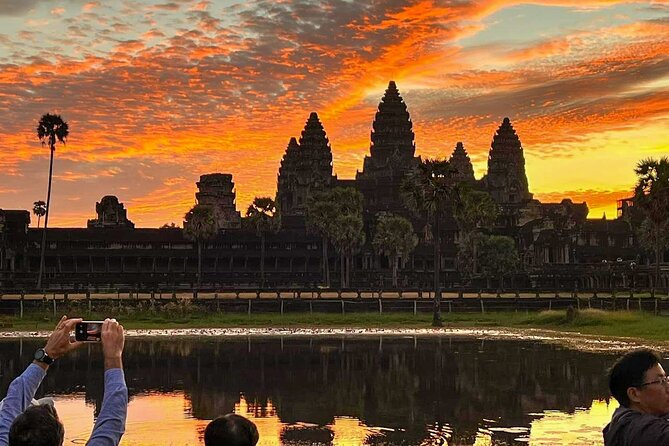
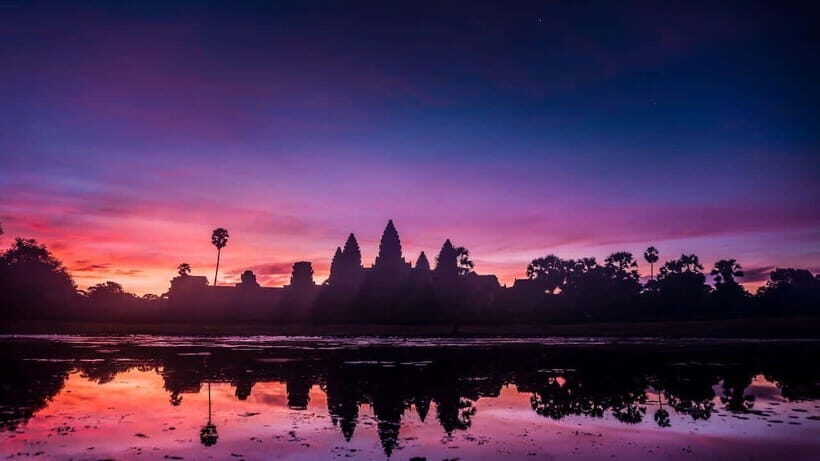
Start time is 4:30 am, and yes, that means you’ll be up before your daylight brain fully loads. But that’s the whole idea here: Angkor Wat looks different at sunrise, and the morning air tends to be kinder than the later heat. You’re also arriving before the biggest waves of day-tour buses hit the area.
What I like about this style of sunrise tour is that it’s not only about one photo moment. After sunrise, you don’t just shuffle around aimlessly. The day is structured so you can keep sightseeing while the light is still good and your body is still fresh.
Still, one reality check: sunrise viewing areas can be busy even on a small-group tour. If you’re the type who hates waiting or squeezing for angles, plan to be patient. Bring a bit of flexibility, and treat sunrise as your best lighting window rather than a guaranteed private viewing spot.
You can also read our reviews of more tours and experiences in Siem Reap.
Pickup, mini-bus comfort, and the little extras that matter
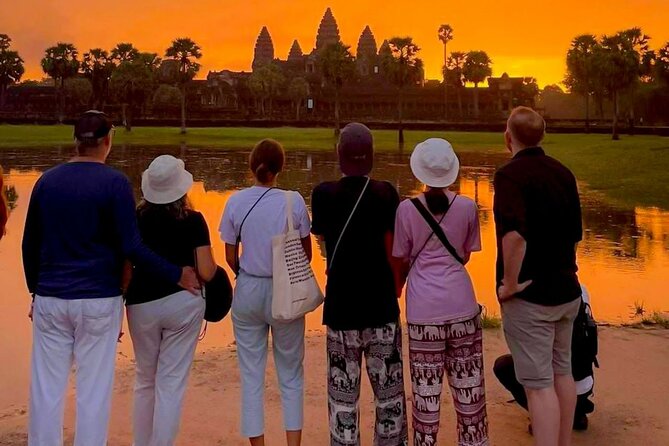
This is a small-group tour (maximum 12 people) with pickup and drop-off in Siem Reap. Transport is in an air-conditioned vehicle, and you’ll also get cool water and a cool towel. Those may sound minor, but in Angkor’s humidity, they can change the tone of the day—especially if you’re doing sunrise and multiple temple circuits back-to-back.
The tour uses a mobile ticket, so you’re not stuck hunting for paper confirmations. Also, the guide is English speaking, which makes a big difference at Angkor, where carvings, layout, and symbolism can easily blur into “more stone buildings” if nobody explains what you’re looking at.
One practical note from how these tours can run: morning logistics are everything. The best experience comes when pickup time is tight and communication is clear. If you’re near public transportation areas, that can make things easier for local logistics, but still, plan to be ready when you’re told.
Angkor Wat at dawn: the UNESCO icon before the full crush
Angkor Wat is the showpiece. It’s the largest religious monument in the world, and the temple complex covers a huge site. At sunrise, you’re not just seeing a famous place—you’re seeing it with the sky as a backdrop and the crowds still ramping up.
You get about 2 hours at Angkor Wat, with admission handled separately (tickets aren’t included in the base price). That time matters. It’s enough to walk key viewing areas, spot big structural lines, and slow down for photos without feeling like you’re only stopping for a single snap.
A couple of practical ways to get more from your Angkor Wat time:
- Wear shoes you’re comfortable in for uneven stone paths.
- Expect some waiting for the best sightlines during sunrise.
- If you’re sensitive to brightness, sunglasses and a cap help a lot.
The value here is not only the sunrise angle. It’s that the rest of the day stays efficient, so you can enjoy Angkor Wat and still have energy for the next temples while your morning legs are working.
Angkor Thom and Bayon: carved faces and the drama of the layout
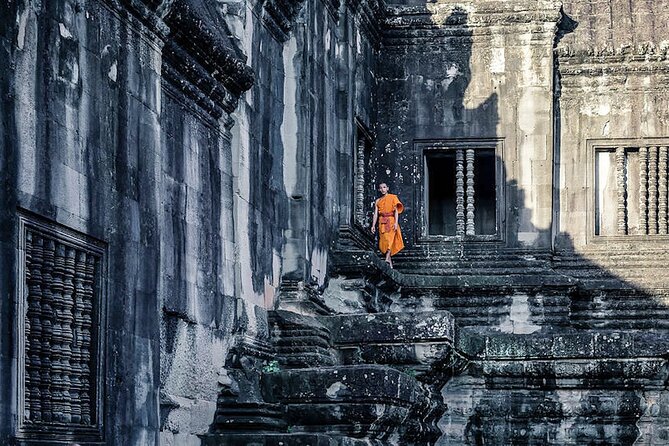
After Angkor Wat, the route shifts into Angkor Thom territory, which feels like a different side of Angkor. The vibe changes from grand horizon views to dense stone and detailed Khmer artistry.
You’ll spend about 2 hours at Bayon Temple. Bayon is known for richly decorated Khmer temple design and its Buddhist connection as the state temple of King Jayavarman VII. The big visual hook is the set of carved faces you’ll see repeatedly in the complex. At Angkor Thom, those faces become a kind of “map”—you can orient yourself as you move through courtyards and gateways.
From a touring perspective, Bayon is one of those stops where a guide helps you read what you’re looking at. You’ll also get context for how these temple centers functioned, and you won’t just be scanning for the next photo angle.
Ta Keo’s sandstone geometry and Ta Prohm’s tree-root chaos
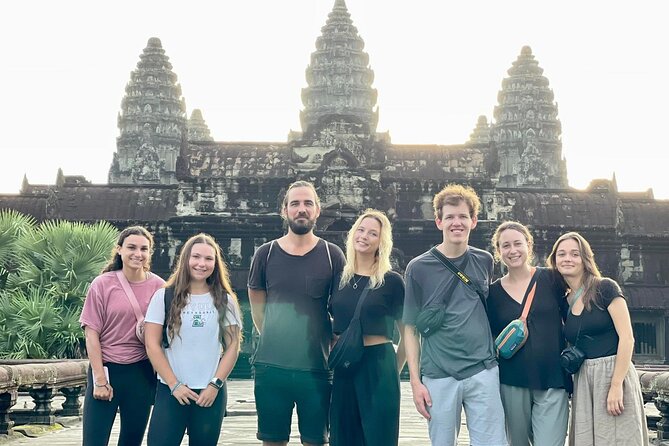
This is where the day earns its variety.


Ta Keo (about 1 hour)
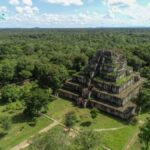
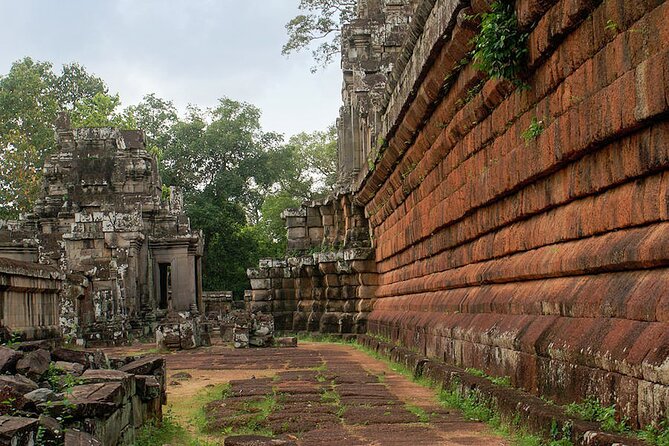
Ta Keo is a temple-mountain style structure, and it’s noted for being possibly the first major temple-mountain built entirely of sandstone by the Khmer Empire. If Angkor Wat feels expansive and classic, Ta Keo feels more geometric and steep. It’s a good palate cleanser between Bayon’s face-filled scenery and Ta Prohm’s famous drama.
A drawback to know: temple climbing and uneven steps can be tiring at sunrise pace. You’ll get about an hour here, which is usually enough to appreciate the structure without pushing too hard.
Ta Prohm (about 1 hour)
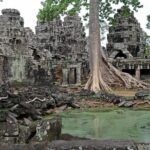
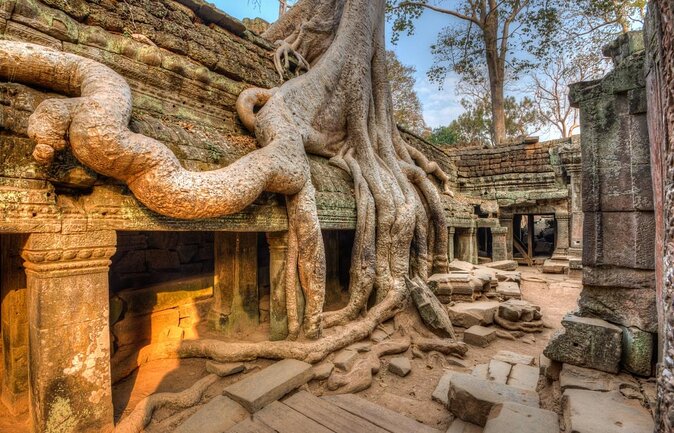
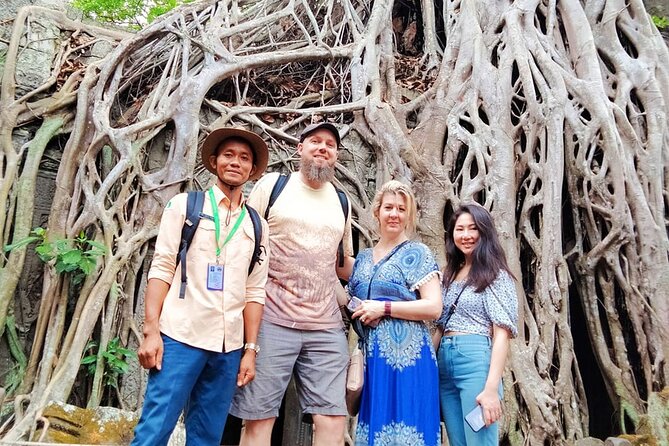
Ta Prohm is the one most people recognize from pop culture, and it’s genuinely unforgettable in person. Massive tree roots grow through and around the buildings, creating that famous “nature reclaimed it” look.
This stop is shorter—about 1 hour—but it’s the right length for Ta Prohm. The scene is visually loud. If you stay too long, your eyes can start to blur into more of the same roots and carvings. A guide will help you focus on the most striking sightlines so you don’t lose time wandering.
Angkor Thom South Gate and the add-on Banteay Kdei stop
The day also includes Angkor Thom South Gate, a 12th-century gate area with carved faces plus stone figures lining the causeway. Even though the South Gate stop is shorter (about 30 minutes), it’s a powerful “arrival moment.” Gates at Angkor are not just entrances—they’re part of the narrative of sacred city planning.
On top of that, the overall day flow includes a stop at Banteay Kdei before returning to your hotel. This is a nice final temple note because it changes the visual mood again. By the time you reach that last segment, you’ve already seen the giants (Angkor Wat, Bayon, Ta Prohm). Banteay Kdei gives you a calmer closing chapter before the drive back.
Price and value: what $14 really buys (and what’s extra)
The base price is $14 per person, and the tour is typically booked about a week plus in advance. That’s a strong deal for what’s included: air-conditioned transport, pickup/drop-off, an English speaking guide, and comfort items like cool water and cold towels.
But there’s a big line item to budget for:
- Temple admission fees are not included
- The day entrance fee listed is $37 per person
So, the realistic “you’ll pay” total is closer to $51 per person for temples, plus whatever you choose for breakfast (breakfast is not included; it’s pay-own).
Is it worth it? For me, the value hinges on two things:
1) you want a guided, efficient route that hits the major Angkor anchors in a single day, and
2) you’re traveling with enough morning energy to handle sunrise and several temple clusters.
If you’re traveling solo and planning to manage transport and timing yourself, you may spend more time solving logistics than enjoying the monuments. If you already have your own plan for sunrise and temple tickets, then the base tour price may feel less exciting. But for most first-time Angkor visitors, this format is a practical sweet spot.
A guide like Sion keeps the day organized
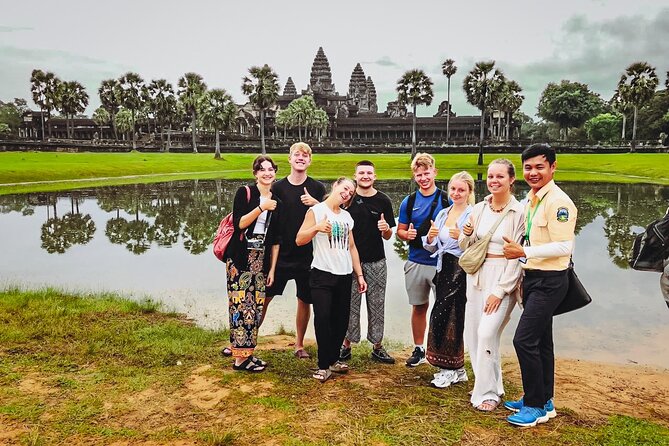
One of the best parts of this kind of small-group day is the way a good guide prevents wasted time. In the feedback tied to this tour, the guide Sion is repeatedly praised for being professional and informative, plus for keeping the schedule organized.
That’s more important than it sounds. At Angkor, delays aren’t just annoying—they can destroy your lighting for sunrise and compress your time at each site. With a structured route, you get to see what’s on the plan without spending your day constantly asking where to go next.
I’d treat the guide’s role as a “read the stone” service: they point out what to look for and help you understand the differences between temples, so you can connect the dots instead of collecting random photos.
What to bring for a 4:30 am Angkor day
You’ll be outdoors early, then walking temple areas for hours. The tour provides cool water and a cool towel, but you should still pack for your own comfort.
Think about:
- A hat or cap for sunrise light and morning heat
- Light layers you can handle on the drive and in the shade
- Comfortable closed-toe shoes for stone surfaces
- Sunglasses if you’re sensitive to bright early morning light
- A small amount of cash for your breakfast stop since meals aren’t included
Also, since the schedule is built around early access, it helps to be ready for pickup with a little buffer. Sunrise mornings reward people who show up on time.
Who this tour suits best (and who might look elsewhere)
This fits well if you:
- want sunrise over Angkor Wat without planning the whole day yourself
- prefer a small group of up to 12 for a calmer experience
- like having an English speaking guide explain what you’re seeing
- want to cover major temples in one 7–8 hour block
It may not be ideal if you:
- hate early starts or you’re very sensitive to waiting and crowds
- want a super flexible, slow itinerary with lots of independent wandering
- aren’t interested in a structured route (the day is efficient, which is great for many people, but less great for others)
Should you book this Angkor Wat sunrise small-group tour?
If you want the classic Angkor Wat sunrise moment and you also want a smart follow-up day plan, I’d book it. The combination of early timing, small group size, and guide-led organization makes it a practical way to see a lot without feeling lost.
Just go in with two expectations:
- Temple tickets are extra, so budget for the listed admission fee.
- Sunrise is popular, so the experience can still feel crowded at the key viewing points.
If those points work for you, this is a strong value way to experience Angkor’s big names—Angkor Wat, Bayon, Ta Keo, Ta Prohm, and more—while the morning stays cooler and the temples feel more alive.
FAQ
What time does the tour start?
The tour starts at 4:30 am.
How long is the tour?
It runs about 7 to 8 hours.
Is hotel pickup included?
Yes. The tour includes pick up and drop off.
Are temple entrance tickets included in the $14 price?
No. Temple entrance fees are not included. The listed admission fee is $37 per person per day.
How big is the small group?
This tour has a maximum of 12 travelers.
Is free cancellation available?
Yes. You can cancel for a full refund up to 24 hours before the experience’s start time.